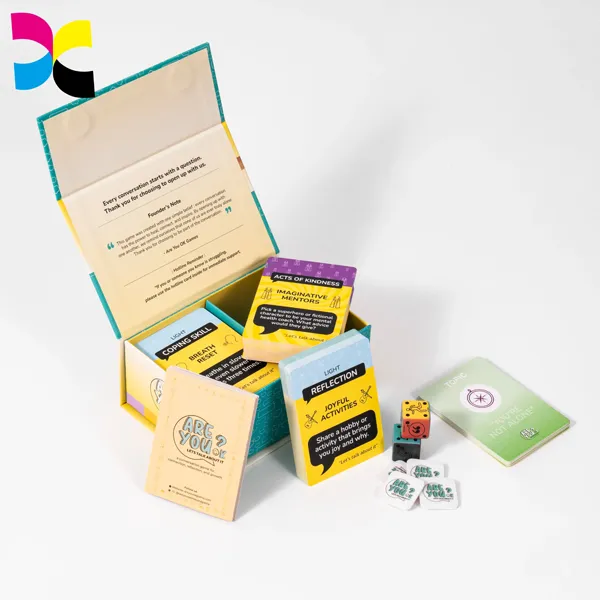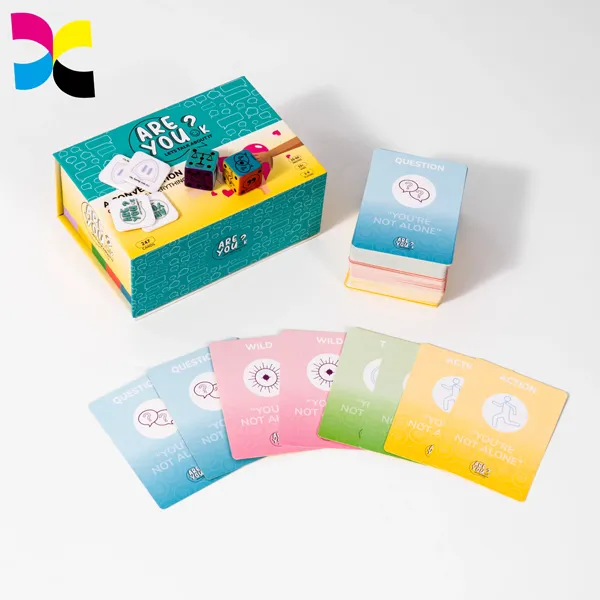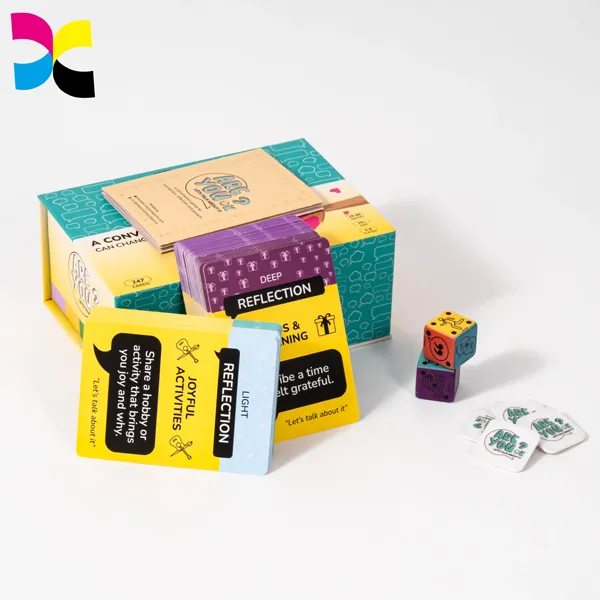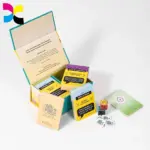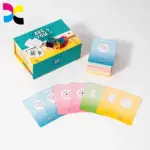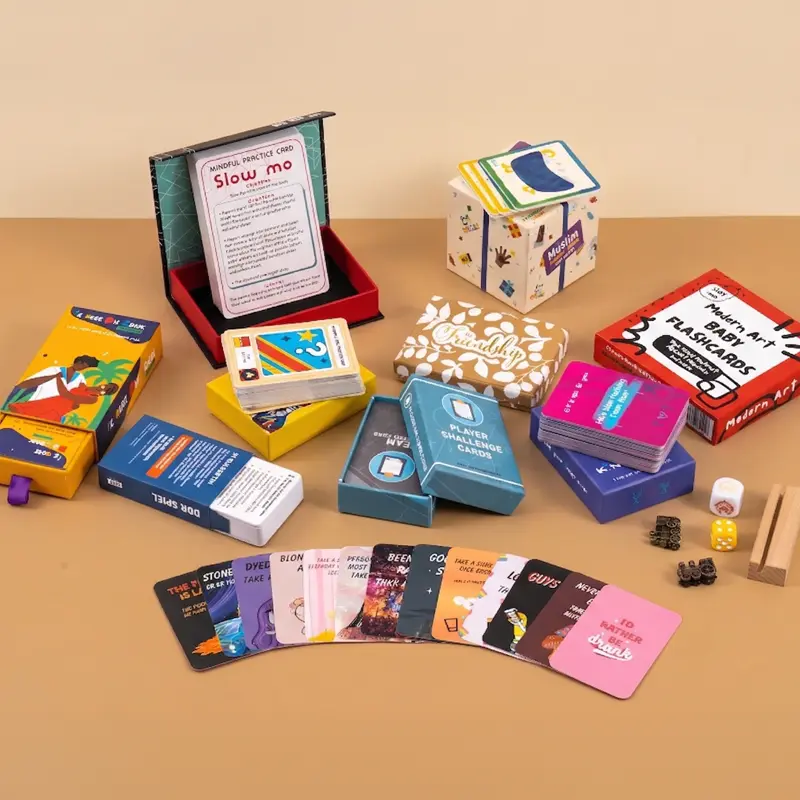
La taille des cartes à jouer joue un rôle important à la fois dans la qualité de jeu et dans la qualité d'impression.. Différents jeux de cartes, decks personnalisés, et les projets d'impression commerciale nécessitent souvent des dimensions différentes, épaisseurs, et spécifications de conception.
Des cartes de poker standard aux formats de tarot ou de mini-cartes personnalisés, choisir la bonne taille affecte le confort de brassage, gestion des cartes, portabilité, et l'expérience utilisateur globale.
Dans ce guide, nous explorerons les tailles de cartes à jouer les plus courantes, comment choisir les meilleures dimensions pour votre projet, spécifications importantes de conception de cartes pour l’impression, et les options d'épaisseur standard utilisées dans les professionnels fabrication de cartes à jouer.
Tailles courantes de cartes à jouer
Il n’existe pas de « taille standard » standardisée à l’échelle mondiale pour les cartes à jouer.; plutôt, ils sont principalement divisés en deux tailles principales en fonction de leur utilisation prévue et des coutumes régionales.
Les deux tailles grand public
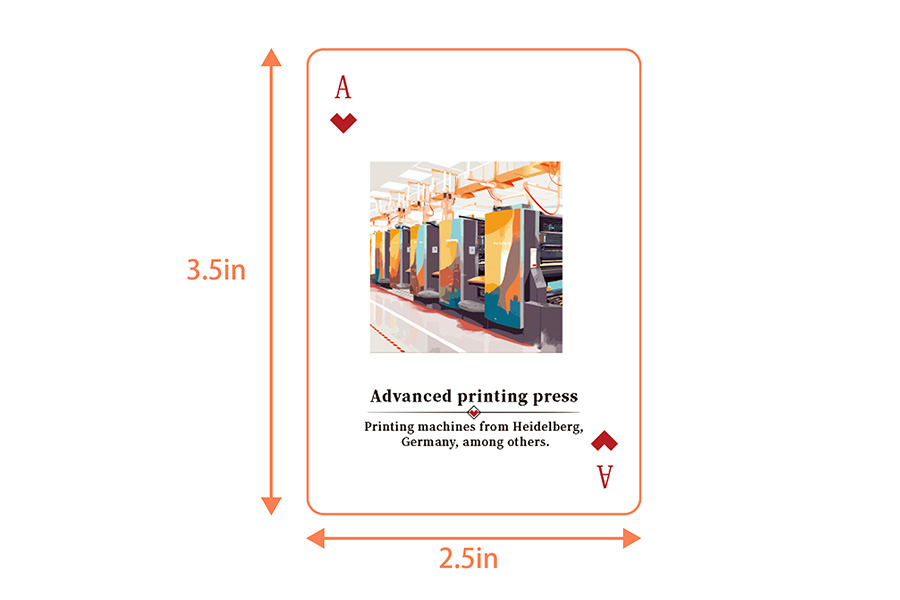
Taille du tisonnier:C'est la taille préférée pour les tournois internationaux et pour de nombreux joueurs professionnels; les cartes sont plus larges, créant un effet visuellement plus saisissant.
Millimètres (mm):63×88mm
Pouces (dans): 2.5 × 3.5 pouces
Marques courantes: Les vélos et d'autres marques utilisent couramment cette taille.
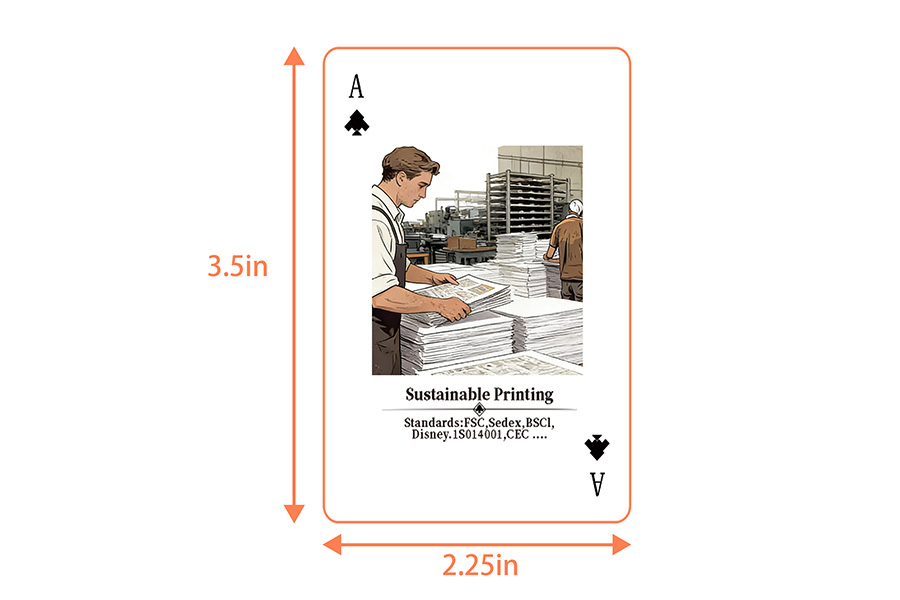
Taille du pont:Les cartes sont relativement plus étroites, ce qui les rend mieux adaptés aux personnes ayant de plus grandes mains qui doivent détenir un grand nombre de cartes à la fois; cette taille est également plus courante en Asie.
Millimètres (mm): 57 × 88 mm
Pouces (dans): 2.25 × 3.5 pouces
Scénarios adaptés: Idéal pour les joueurs avec des mains plus petites ou pour les jeux qui nécessitent de piocher de nombreuses cartes, comme le propriétaire.
Autres tailles spécialisées courantes
En plus des deux types mentionnés ci-dessus, certains jeux ou types de cartes spécifiques ont également leurs propres tailles standard.
Dian et cartes spéciales: Ceux-ci mesurent généralement environ 60 × 97 mm., avec une face plus longue pour les rendre plus faciles à saisir.
Coupe fantaisie / Cartes à collectionner: Certaines cartes utilisées pour des coupes fantaisie ou comme objets de collection sont de plus petite taille, comme 57×87 mm ou 54×86 mm.
Cartes de tarot: Les tailles varient considérablement, avec des spécifications communes, dont 70 × 120 mm.
Taille géante: Principalement utilisé pour des performances de magiciens ou à des fins d'affichage; ils étaient parfois vus dans des salles de jeux de cartes à l'ancienne, mais sont maintenant assez rares.
Taille mini: Une invention moderne conçue pour la portabilité, allant généralement de 32 × 87 mm à 37 × 60 mm. Elles sont de taille similaire aux tuiles chinoises Pai Gow. (pont aérien).
Tailles pour différents pays
En raison des différences culturelles et des règles du jeu variables, les dimensions et le nombre de cartes diffèrent selon les pays. Par exemple:
Spécifications des cartes à jouer espagnoles: 95×62mm, 87×57mm
Spécifications des cartes à jouer allemandes: 90×57mm, 87×57mm, 86×56 mm
Spécifications des cartes à jouer françaises: 113×60 mm, 87×57mm, 86×56 mm
Spécifications des cartes à jouer italiennes: 83×52 mm, 94×51 mm
Spécifications des cartes à jouer russes: 90×57mm, 87×57mm
Comment choisir la bonne taille pour votre carte à jouer
Le choix de la taille dépend principalement de la taille de votre main et de votre style de jeu principal..
Longueur de la main: Un moyen simple de déterminer la bonne taille est de mesurer la longueur de votre main.. Si votre main est inférieure à 16 cm, nous recommandons les cartes de la taille d'un pont; si c'est plus long que 19 cm, les cartes de la taille d'un poker conviennent mieux.
Style de jeu: Si vous participez à des tournois internationaux standards comme le Texas Hold'em, nous vous recommandons de vous entraîner avec des cartes de la taille d'un poker; si vous jouez principalement pour le plaisir en Chine, les cartes de la taille d'un pont ou les cartes Duan Dan peuvent être plus confortables.
Directives de conception pour les cartes imprimées
Choisir la bonne taille de carte à jouer n'est qu'une partie du processus de production. Pour obtenir des résultats d’impression professionnels, les concepteurs doivent également comprendre les spécifications des modèles de cartes standard utilisées dans la fabrication de cartes commerciales.
Que vous créiez des cartes à jouer personnalisées, cartes de tarot, cartes à collectionner, ou des cartes de jeux de société, une configuration correcte des fichiers permet de garantir une coupe nette, alignement précis, et une qualité d'impression constante.
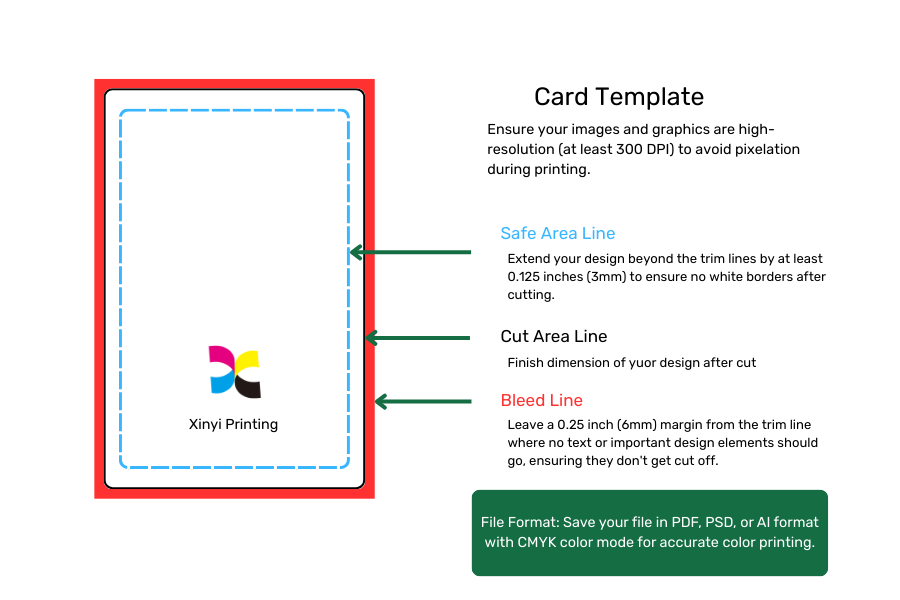
Un modèle de carte à jouer professionnel est généralement divisé en trois zones de production importantes: la ligne de purge, la ligne de coupe, et la zone de sécurité.
Ligne de purge
La ligne de fond perdu est la section la plus extérieure du modèle et s'étend généralement 0.125 pouce (3mm) au-delà de la taille finale de la carte. Couleurs d'arrière-plan, motifs, et les illustrations doivent s'étendre dans cette zone pour éviter les bords blancs indésirables après la coupe..
Étant donné que les machines de découpe industrielles peuvent légèrement bouger lors de la production en série, l'ajout de fonds perdus permet d'obtenir des résultats d'impression nets d'un bord à l'autre.
Ligne de coupe
La ligne de coupe, également appelée ligne de coupe, indique la taille finale finie de la carte après production. Tout ce qui se trouve en dehors de cette zone sera supprimé lors de la découpe. Un alignement précis des garnitures est particulièrement important pour les cartes de poker, cartes à collectionner, et cartes de jeu de table qui nécessitent un mélange fluide, empilage, et des dimensions cohérentes.
Zone sécurisée
À l’intérieur de la ligne de coupe se trouve la zone de sécurité, qui protège les éléments de conception importants tels que le texte, logos, icônes, et illustrations de personnages.
La plupart des modèles de cartes professionnels recommandent de conserver au moins le contenu essentiel 0.25 pouce (6mm) loin du bord. Cela permet d'éviter que des informations critiques ne soient tronquées pendant la production et d'améliorer l'équilibre visuel global..
Résolution d'image et configuration des fichiers
Pour une impression de cartes à jouer haut de gamme, les œuvres d’art doivent être préparées au minimum 300 DPI pour conserver des détails nets et des couleurs éclatantes.
Les concepteurs doivent également utiliser le mode couleur CMJN au lieu du mode RVB., puisque les presses d'imprimerie commerciales sont optimisées pour l'impression CMJN. Les formats de fichiers professionnels courants incluent le PDF, PSD, et l'IA, qui aident à préserver la qualité des couches et une sortie d'impression précise.
Le respect des spécifications appropriées du modèle de carte à jouer améliore non seulement la cohérence de l'impression, mais réduit également les erreurs de production, déchets matériels, et des réimpressions coûteuses. Pour les entreprises, éditeurs, et créateurs indépendants, comprendre ces normes de conception est essentiel pour produire des produits de cartes personnalisés de haute qualité.
Épaisseur standard des cartes à jouer et options de papier cartonné
En plus de la taille de la carte, l'épaisseur et la sélection du papier cartonné sont deux des facteurs les plus importants qui déterminent la qualité globale, durabilité, et sensation de manipulation des cartes à jouer. Différents matériaux de papier cartonné et niveaux d'épaisseur peuvent affecter considérablement les performances de brassage., flexibilité, rigidité, aspect de l'impression, et expérience utilisateur.
Que vous produisiez des cartes de poker, cartes de tarot, cartes à collectionner, ou des cartes de jeux de société personnalisées, choisir le bon papier cartonné est essentiel pour créer des produits de cartes de qualité professionnelle.
La plupart des cartes à jouer standard sont produites à partir de papier cartonné allant de 280 g/m² à 330 g/m².. Le papier cartonné plus léger est généralement plus flexible et plus rentable, tandis que le papier cartonné plus épais offre une sensation plus robuste et une durabilité améliorée..
Par exemple, 280Le papier cartonné GSM est couramment utilisé pour les cartes promotionnelles., cartes flash éducatives, et des cartes de jeu légères. En revanche, 300Le papier cartonné de g/m² à 310 g/m² est souvent préféré pour les cartes à jouer personnalisées haut de gamme, car il offre un meilleur équilibre entre flexibilité et résistance..
Les cartes à jouer de style casino professionnel sont fréquemment utilisées papier cartonné à âme noire ou à âme bleue. Le papier noir contient une couche intermédiaire opaque qui aide à empêcher la transmission de la lumière., rendant les cartes plus durables et difficiles à marquer ou à voir à travers pendant le jeu.
Le papier cartonné à noyau bleu offre des performances similaires tout en conservant une bonne flexibilité et une bonne qualité de lecture aléatoire.. Ces noyaux en papier de qualité supérieure sont largement utilisés pour les jeux de poker., jeux de cartes à collectionner, et cartes de table haut de gamme.
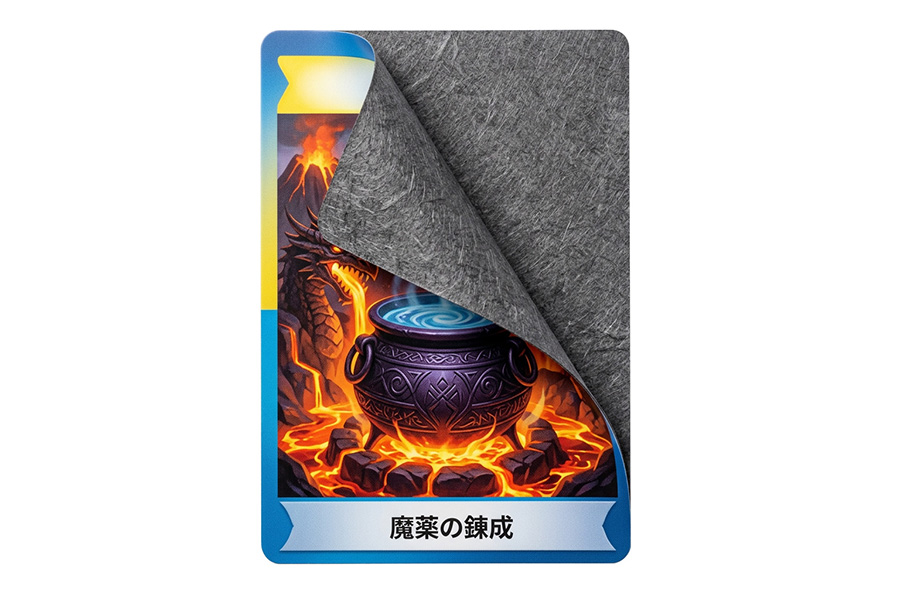
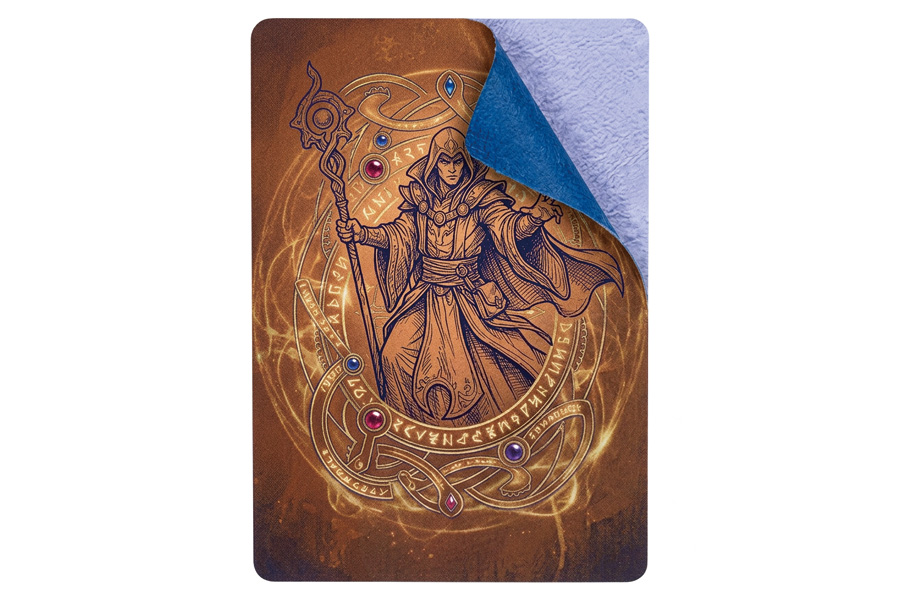
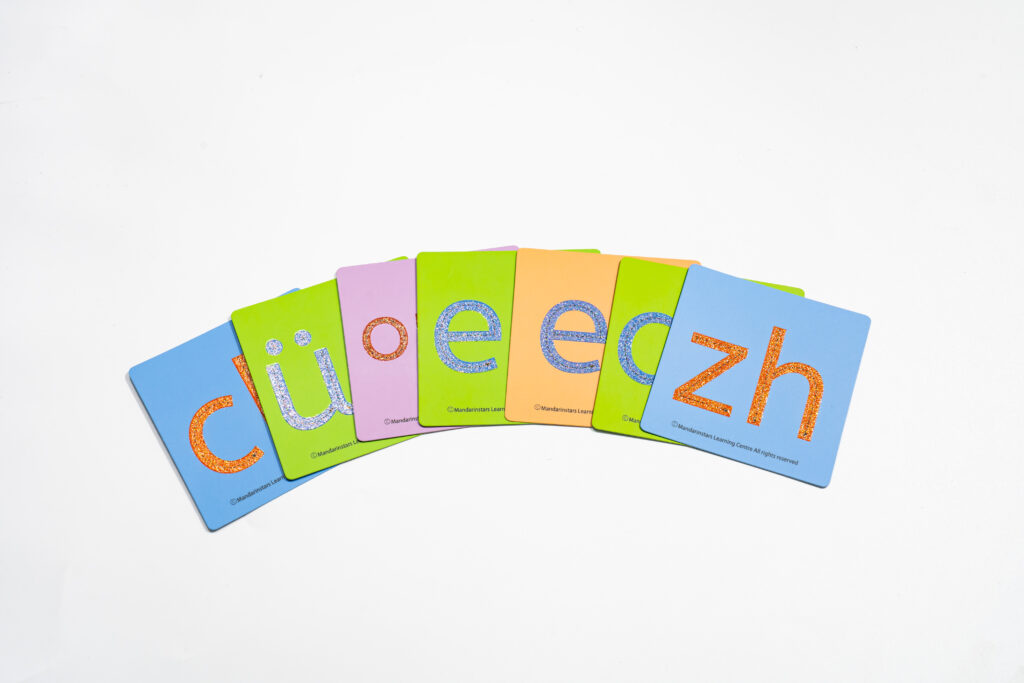
La finition de surface est une autre considération importante lors de la sélection des matériaux de cartes à jouer.. Les finitions courantes incluent une finition lisse, finition mate, finition brillante, et finition lin. La finition en lin est particulièrement populaire pour les cartes à jouer personnalisées car sa surface texturée améliore l'adhérence, réduit la friction pendant le brassage, et crée une expérience tactile plus professionnelle.
Les finitions mates sont souvent utilisées pour les cartes de tarot et les cartes d'oracle en raison de leur aspect visuel plus doux., tandis que les revêtements brillants peuvent contribuer à améliorer l'éclat des couleurs et le contraste de l'image..
Lors de la sélection de l'épaisseur du papier cartonné, les concepteurs et les éditeurs doivent réfléchir à l'utilisation prévue des cartes. Les cartes plus épaisses peuvent sembler plus luxueuses, mais le papier cartonné extrêmement lourd peut réduire le confort de lecture aléatoire et augmenter les coûts de production.
D'autre part, les cartes plus fines peuvent être plus faciles à manipuler mais moins durables dans le temps. Trouver le bon équilibre entre épaisseur, flexibilité, durabilité, et la qualité d'impression est essentielle pour produire des jeux de cartes personnalisés de haute qualité qui répondent aux exigences fonctionnelles et esthétiques..
Les plages d'épaisseur varient considérablement selon les différents types de cartes à jouer. Les cartes à jouer en papier standard mesurent généralement 0,28 à 0,30 mm (environ 280 à 300 micromètres) en épaisseur, tandis que les cartes destinées à un usage professionnel ou fabriquées à partir de matériaux spéciaux sont généralement plus épaisses.
Catégories d'épaisseur par application et type de produit
| Catégorie de cartes à jouer | Gamme d'épaisseur standard |
| Cartes à jouer en papier standard de tous les jours | 0.28–0,30mm |
| Cartes à jouer en papier de divertissement professionnel | 0.32–0,35mm |
| Cartes à jouer en papier épais de qualité supérieure AAA | 0.45–0,55mm |
| Cartes à jouer professionnelles en plastique PVC | Au-dessus de 0.50 mm (une certaine portée 0.53 mm) |
| Mini cartes à jouer portables | Autour 0.30 mm |
Recommandations de sélection de l'épaisseur
Les cartes à jouer ne sont pas nécessairement meilleures simplement parce qu'elles sont plus épaisses. Différents niveaux d'épaisseur sont conçus pour différents scénarios d'utilisation:
- Divertissement occasionnel à domicile
Pour des jeux familiaux occasionnels ou une utilisation décontractée, des cartes à jouer en papier standard d'une épaisseur de 0,28 à 0,30 mm sont généralement suffisantes et offrent un meilleur rapport qualité-prix. - Réunions de famille ou salles de cartes fréquentes
Pour une utilisation à haute fréquence, des cartes à jouer en papier plus épais dans la plage de 0,32 à 0,35 mm sont recommandées. Ils offrent une meilleure rigidité, résister au curling des bords, et offrez une expérience de jeu à long terme plus durable. - Jeux compétitifs de Guandan ou de Texas Hold'em
Pour un gameplay professionnel ou compétitif, Cartes à jouer en plastique PVC ci-dessus 0.50 mm sont préférés. Ces cartes sont étanches, très résistant à la flexion, et peut maintenir une surface plane même après une utilisation répétée. - Performances magiques et cardistrie
Pour les tours de magie, florissant, et spectacles de lancer de cartes, Des cartes à jouer en papier épais de qualité AAA d'une épaisseur de 0,45 à 0,55 mm sont recommandées.. Leur rigidité accrue permet d'éviter les flexions ou déformations lors de manipulations intensives et de coupes aériennes..
Fabricant d'impression de cartes à jouer personnalisées
Conclusion
Choisir la bonne taille, épaisseur, et le matériau pour les cartes à jouer est essentiel pour obtenir à la fois des performances exceptionnelles et une qualité d'impression professionnelle..
Des tailles de cartes à jouer et de cartes de pont standard à une variété de spécifications personnalisées, chaque taille est conçue dans un but spécifique en fonction du type de jeu, expérience utilisateur, et les exigences de production. Partenaire avec Impression Xinyi pour produire vos plus belles cartes à jouer.
FAQ sur les tailles et l'impression standard des cartes à jouer
1. Quelle est la taille standard d'une carte à jouer au poker?
La taille de carte de poker standard la plus courante est 2.5" × 3,5 " (63 × 88 mm). Cette taille est largement utilisée pour les cartes à jouer de casino, jeux de poker personnalisés, cartes à collectionner, et jeux de cartes promotionnels car ils offrent un équilibre confortable entre la manipulation, mélanger, et lisibilité. La plupart des fabricants de cartes professionnelles prennent en charge cette taille comme norme industrielle pour l'impression de cartes à jouer personnalisées..
2. Quelle est la différence entre les cartes de taille poker et les cartes de taille bridge?
Les cartes de taille poker sont généralement 2.5" × 3,5 ", tandis que les cartes de taille pont sont légèrement plus étroites à 2.25" × 3,5 " (57 × 88 mm). Les cartes de bridge sont plus faciles à tenir pour les joueurs ayant des mains plus petites et sont couramment utilisées dans les jeux de bridge et certains jeux de cartes éducatifs.. Cartes de poker, cependant, fournir plus d'espace de conception pour les œuvres d'art, logos, et graphiques personnalisés, ce qui les rend plus populaires pour les projets d'impression de cartes de marque et personnalisées.
3. Pourquoi le fond perdu est-il nécessaire pour l'impression de cartes à jouer?
Le fond perdu est essentiel car les cartes imprimées sont découpées en grandes séries à l'aide de machines de découpe industrielles.. Même les équipements de haute précision peuvent présenter de légers mouvements pendant la coupe.. Une zone de fond perdu standard de 0.125 pouce (3 mm) aide à prévenir les bords blancs indésirables après la coupe. Les concepteurs doivent étendre les couleurs d'arrière-plan et les illustrations au-delà de la ligne de coupe pour garantir des résultats d'impression nets d'un bord à l'autre..
4. Quelle est la zone de sécurité dans un modèle de carte?
La zone de sécurité est la section intérieure de la carte où tous les éléments de conception importants doivent rester. Texte, Nombres, logos, et les œuvres d'art critiques devraient rester au moins 0.25 pouce (6 mm) loin du bord pour éviter une coupe accidentelle. Garder le contenu dans la zone de sécurité améliore la lisibilité et garantit une apparence professionnelle après la production.
5. Quelle doit être la résolution de l'illustration pour l'impression de cartes personnalisées?
L'impression professionnelle de cartes à jouer nécessite généralement des illustrations à 300 Résolution DPI dans Mode couleur CMJN. Les images basse résolution peuvent paraître floues ou pixélisées après l'impression, en particulier sur les illustrations détaillées ou les cartes améliorées. Les illustrations haute résolution garantissent des détails plus nets, des couleurs plus riches, et une meilleure qualité d'impression globale.
6. Quels formats de fichiers conviennent le mieux à l'impression de cartes à jouer?
Les formats de fichiers les plus couramment recommandés sont:
- IA (Adobe Illustrator)
- PSD (Adobe Photoshop)
Ces formats préservent la qualité de l'image, couches, graphiques vectoriels, et des réglages de couleurs précis. Les imprimeurs professionnels préfèrent généralement les fichiers prêts à imprimer avec des fonds perdus et des repères de coupe déjà inclus..
7. Quel papier est couramment utilisé pour jouer aux cartes?
La plupart des cartes à jouer personnalisées sont imprimées sur du papier cartonné haut de gamme allant de 280g/m² à 330 g/m². Les matériaux courants comprennent:
- Papier à noyau noir
- Papier à noyau bleu
- Papier artistique
- Papier cartonné finition lin
Le papier noir est particulièrement populaire pour les cartes de qualité casino car il améliore l'opacité et la durabilité tout en empêchant la transparence de la lumière à travers les cartes..
8. Puis-je imprimer des finitions personnalisées sur des cartes à jouer?
Oui. Les fabricants de cartes à jouer professionnels proposent souvent des finitions spécialisées telles que:
- Stratification brillante
- Stratification mate
- Texture lin
- Estampage à la feuille
- Spot UV
- Bords dorés
Ces finitions haut de gamme peuvent améliorer la durabilité, améliorer l'attrait visuel, et créez une sensation plus luxueuse pour les cartes de tarot, cartes à collectionner, et decks collector.
9. Combien de cartes sont généralement incluses dans un jeu personnalisé?
Un jeu de poker standard contient généralement:
- 52 cartes à jouer
- 2 Cartes Joker
Cependant, les jeux de cartes personnalisés peuvent contenir presque n'importe quelle quantité en fonction de la conception du jeu. De nombreuses cartes de jeu de société, cartes oracles, et les jeux de cartes éducatifs incluent n'importe où 20 à plus 100 cartes.
10. Pourquoi le mode couleur CMJN est-il important pour l'impression de cartes?
Les presses d'imprimerie commerciales utilisent des systèmes d'encre CMJN plutôt que des couleurs numériques RVB.. La conception de fichiers en CMJN permet de réduire les décalages de couleurs entre l'aperçu à l'écran et le produit imprimé final.. Ceci est particulièrement important pour les cartes à jouer personnalisées avec un fond sombre., illustrations vibrantes, ou couleurs spécifiques à la marque.