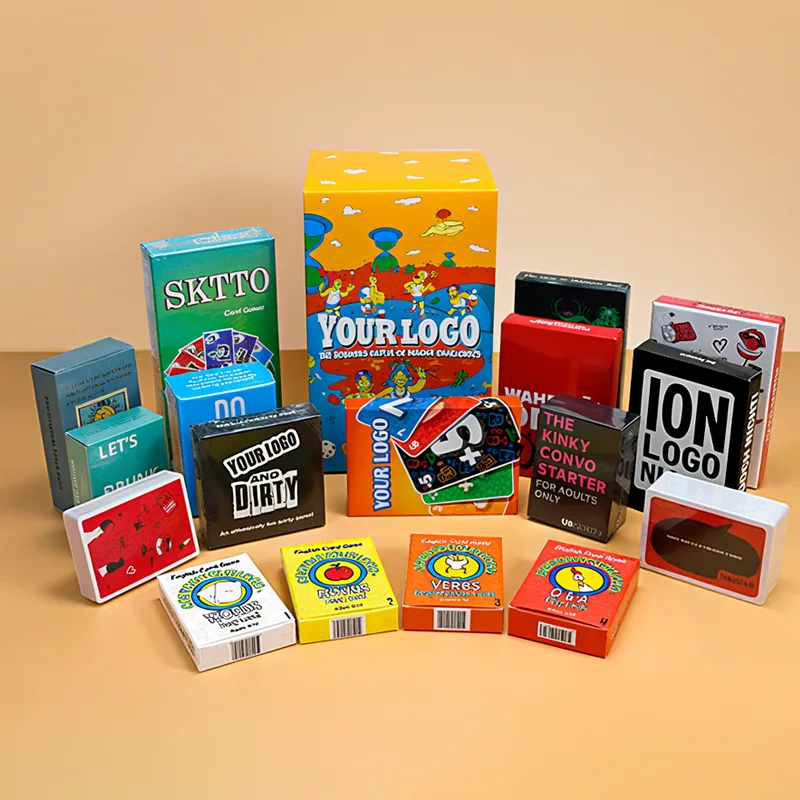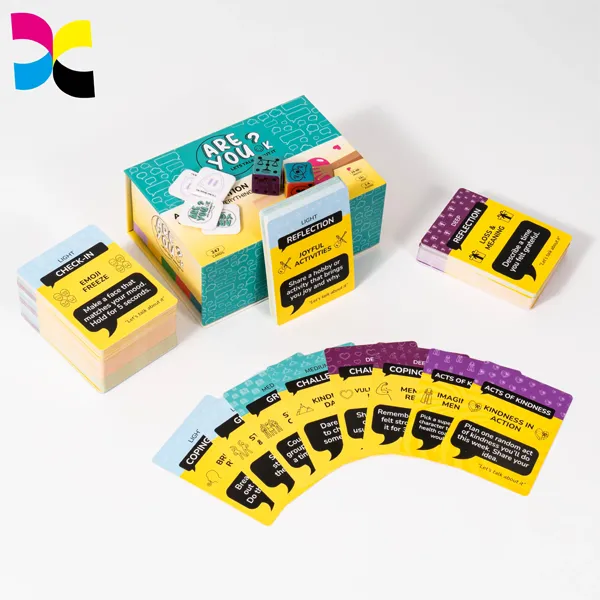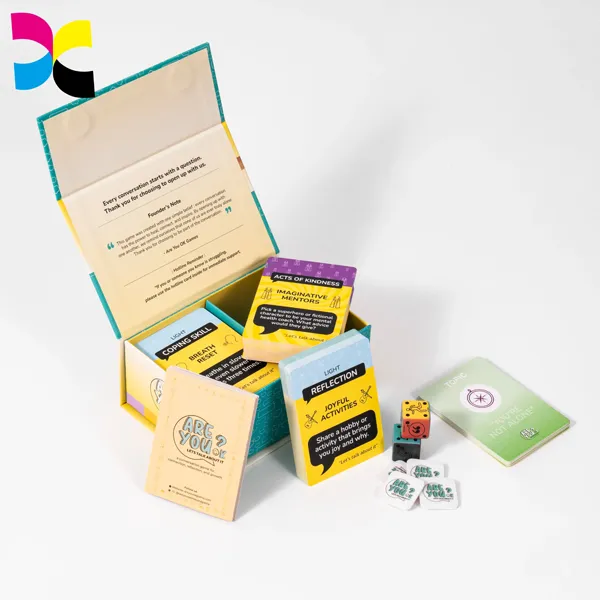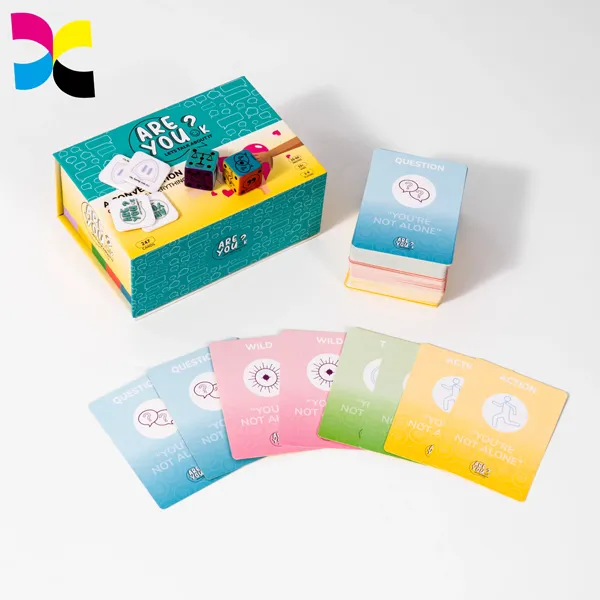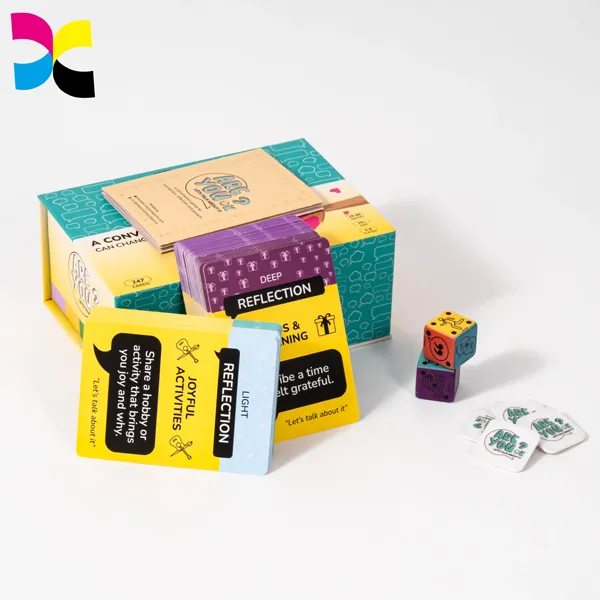
O tamanho da carta de jogo desempenha um papel importante na jogabilidade e na qualidade de impressão. Diferentes jogos de cartas, baralhos personalizados, e projetos de impressão comercial geralmente exigem dimensões diferentes, espessuras, e especificações de projeto.
Desde cartas de pôquer padrão até formatos personalizados de tarô ou minicartas, escolher o tamanho certo afeta o conforto ao embaralhar, manuseio de cartão, portabilidade, e experiência geral do usuário.
Neste guia, exploraremos os tamanhos de cartas de baralho mais comuns, como escolher as melhores dimensões para o seu projeto, especificações importantes de design de cartão para impressão, e as opções de espessura padrão usadas em profissionais produção de cartas de baralho.
Tamanhos comuns de cartas de jogar
Não existe um “tamanho padrão” padronizado globalmente para cartas de jogar; em vez de, eles são divididos principalmente em dois tamanhos principais com base no uso pretendido e nos costumes regionais.
Os dois tamanhos principais
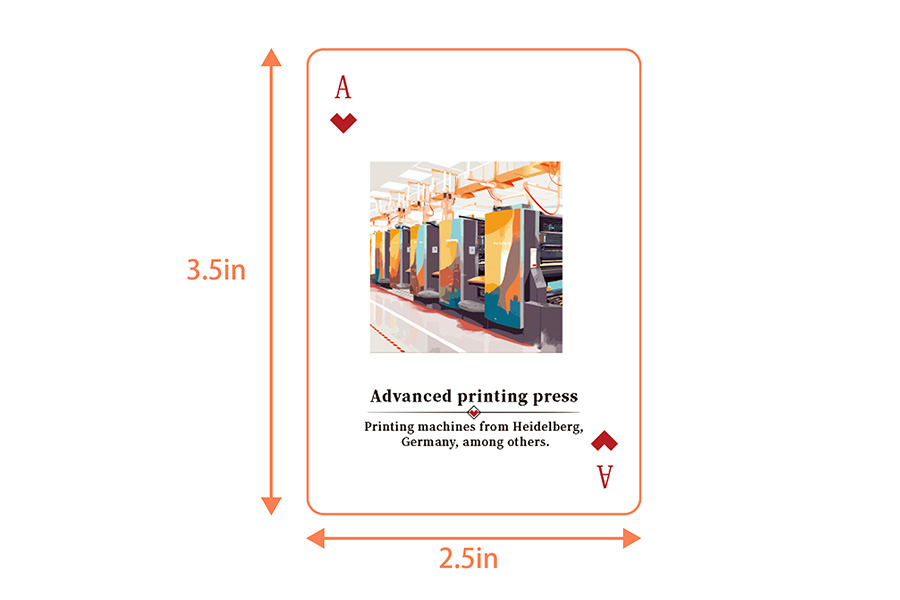
Tamanho do pôquer:Este é o tamanho preferido para torneios internacionais e muitos jogadores profissionais; os cartões são mais largos, criando um efeito visualmente mais marcante.
Milímetros (milímetros):63×88mm
Polegadas (em): 2.5 × 3.5 polegadas
Marcas comuns: Bicicletas e outras marcas costumam usar esse tamanho.
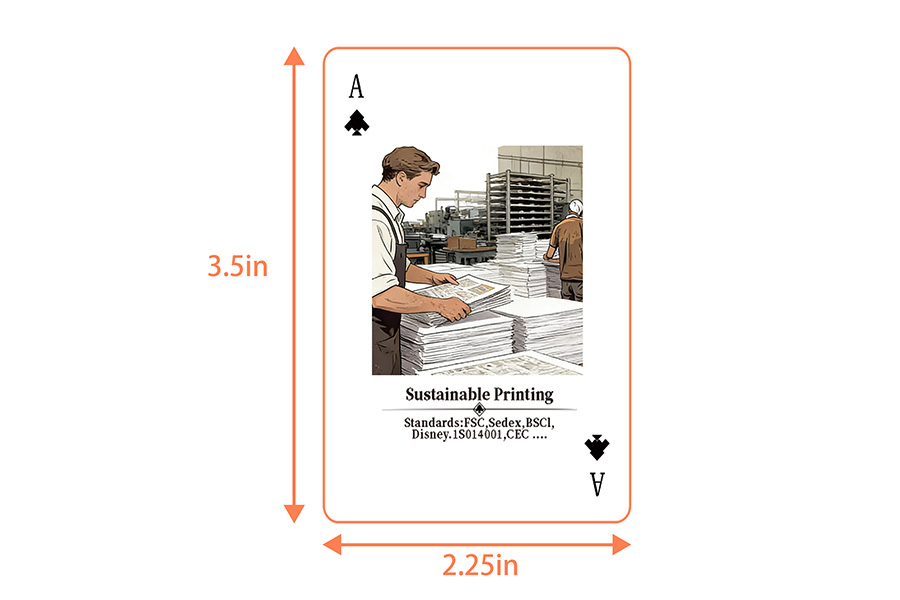
Tamanho da ponte:Os cartões são relativamente mais estreitos, tornando-os mais adequados para pessoas com mãos maiores que precisam ter um grande número de cartas ao mesmo tempo; esse tamanho também é mais comum na Ásia.
Milímetros (milímetros): 57 × 88 milímetro
Polegadas (em): 2.25 × 3.5 polegadas
Cenários adequados: Ideal para jogadores com mãos menores ou jogos que exigem a compra de muitas cartas, como o senhorio.
Outros tamanhos especializados comuns
Além dos dois tipos mencionados acima, certos jogos ou tipos de cartas específicos também têm seus próprios tamanhos padrão.
Dian e cartões especiais: Normalmente têm cerca de 60 × 97 mm de tamanho, com uma face mais longa para torná-los mais fáceis de segurar.
Corte extravagante / Cartões colecionáveis: Alguns cartões usados para cortes sofisticados ou como colecionáveis são menores em tamanho, como 57×87 mm ou 54×86 mm.
Cartas de Tarô: Os tamanhos variam significativamente, com especificações comuns, incluindo 70×120mm.
Tamanho Jumbo: Usado principalmente para apresentações de mágicos ou para fins de exibição; eles eram vistos ocasionalmente em locais de jogos de cartas antigos, mas agora são bastante raros.
Tamanho Mini: Uma invenção moderna projetada para portabilidade, normalmente variando de 32×87mm a 37×60mm. Estes são semelhantes em tamanho aos azulejos chineses Pai Gow (convés aéreo).
Tamanhos para diferentes países
Devido a diferenças culturais e regras de jogo variadas, as dimensões e o número de cartões variam de acordo com o país. Por exemplo:
Especificações das cartas de baralho espanholas: 95×62mm, 87×57mm
Especificações das cartas de baralho alemãs: 90×57mm, 87×57mm, 86×56mm
Especificações das cartas de baralho francesas: 113×60mm, 87×57mm, 86×56mm
Especificações das cartas de baralho italianas: 83×52mm, 94×51mm
Especificações das cartas de baralho russas: 90×57mm, 87×57mm
Como escolher o tamanho certo para sua carta de jogo
A escolha do tamanho depende principalmente do tamanho da sua mão e do seu estilo principal de jogo.
Comprimento da mão: Uma maneira simples de determinar o tamanho certo é medir o comprimento da mão. Se sua mão for menor que 16 cm, recomendamos cartões do tamanho de uma ponte; se for mais longo do que 19 cm, cartas do tamanho de pôquer são mais adequadas.
Estilo de jogo: Se você estiver competindo em torneios de padrão internacional como Texas Hold’em, recomendamos praticar com cartas do tamanho de pôquer; se você está jogando principalmente por diversão na China, cartões do tamanho de uma ponte ou cartões Duan Dan podem parecer mais confortáveis.
Diretrizes de design para cartões impressos
Escolher o tamanho correto da carta de jogo é apenas parte do processo de produção. Para obter resultados de impressão profissionais, os designers também devem compreender as especificações padrão do modelo de cartão usado na fabricação de cartões comerciais.
Esteja você criando cartas de baralho personalizadas, cartas de tarô, cartões colecionáveis, ou cartas de jogo de tabuleiro, a configuração adequada do arquivo ajuda a garantir um corte limpo, alinhamento preciso, e qualidade de impressão consistente.
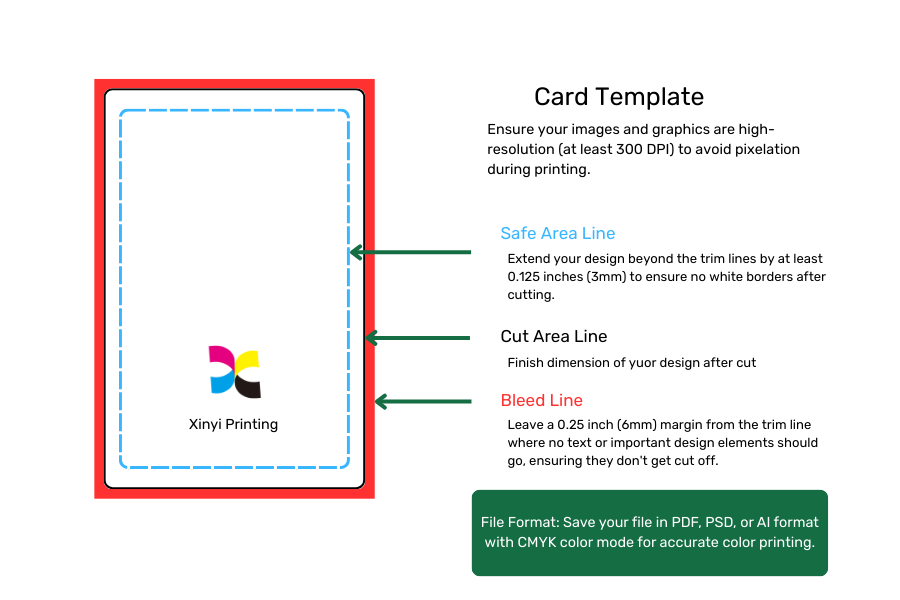
Um modelo de carta de jogo profissional é normalmente dividido em três importantes áreas de produção: a linha de sangramento, a linha de corte, e a área segura.
Linha de sangramento
A linha de sangramento é a seção mais externa do modelo e geralmente se estende 0.125 polegada (3milímetros) além do tamanho final do cartão. Cores de fundo, padrões, e o trabalho artístico deve se estender até esta área para evitar bordas brancas indesejadas após o corte.
Como as máquinas de corte industriais podem mudar ligeiramente durante a produção em massa, adicionar sangramento ajuda a obter resultados de impressão limpos de ponta a ponta.
Linha de corte
A linha de corte, também chamada de linha de corte, indica o tamanho final final do cartão após a produção. Tudo fora desta área será removido durante o corte. O alinhamento preciso do corte é especialmente importante para cartas de pôquer, cartões colecionáveis, e cartas de jogo de mesa que exigem embaralhamento suave, empilhamento, e dimensões consistentes.
Área Segura
Dentro da linha de acabamento está a área segura, que protege elementos de design importantes, como texto, logotipos, ícones, e arte dos personagens.
A maioria dos modelos de cartões profissionais recomenda manter pelo menos o conteúdo essencial 0.25 polegada (6milímetros) longe da borda. Isso ajuda a evitar que informações críticas sejam cortadas durante a produção e melhora o equilíbrio visual geral.
Resolução de imagem e configuração de arquivo
Para impressão premium de cartas de baralho, a arte deve ser preparada com no mínimo 300 DPI para manter detalhes nítidos e cores vibrantes.
Os designers também devem usar o modo de cores CMYK em vez de RGB, já que as impressoras comerciais são otimizadas para impressão CMYK. Formatos de arquivo profissionais comuns incluem PDF, PSD, e IA, que ajudam a preservar a qualidade da camada e a saída de impressão precisa.
Seguir as especificações adequadas do modelo de cartão de jogo não apenas melhora a consistência da impressão, mas também reduz erros de produção, desperdício de materiais, e reimpressões caras. Para empresas, editores, e criadores independentes, compreender esses padrões de design é essencial para produzir produtos de cartões personalizados de alta qualidade.
Espessura padrão da carta de jogo e opções de cartolina
Além do tamanho do cartão, espessura e seleção de cartolina são dois dos fatores mais importantes que determinam a qualidade geral, durabilidade, e manuseio da sensação de jogar cartas. Diferentes materiais de cartolina e níveis de espessura podem afetar significativamente o desempenho do embaralhamento, flexibilidade, rigidez, aparência de impressão, e experiência do usuário.
Se você está produzindo cartas de pôquer, cartas de tarô, cartões colecionáveis, ou cartões de jogo de tabuleiro personalizados, escolher a cartolina certa é essencial para criar produtos de cartão de nível profissional.
A maioria das cartas de baralho padrão são produzidas em cartolina variando de 280 g/m2 a 330 g/m2.. Cartolina mais leve é geralmente mais flexível e econômica, enquanto a cartolina mais espessa oferece uma sensação mais resistente e maior durabilidade.
Por exemplo, 280cartolina GSM é comumente usada para cartões promocionais, cartões flash educacionais, e cartas de jogo leves. Em contraste, 300A cartolina de gsm a 310 gsm é frequentemente preferida para cartas de baralho personalizadas premium porque fornece um melhor equilíbrio entre flexibilidade e resistência.
Cartas de jogo profissionais estilo cassino usam frequentemente cartolina com núcleo preto ou núcleo azul. O papel com núcleo preto contém uma camada intermediária opaca que ajuda a prevenir a transmissão de luz, tornando as cartas mais duráveis e difíceis de marcar ou ver durante o jogo.
A cartolina Blue Core oferece desempenho semelhante, mantendo boa flexibilidade e qualidade de embaralhamento. Esses núcleos de papel premium são amplamente utilizados em baralhos de pôquer, jogos de cartas colecionáveis, e cartões de mesa de alta qualidade.
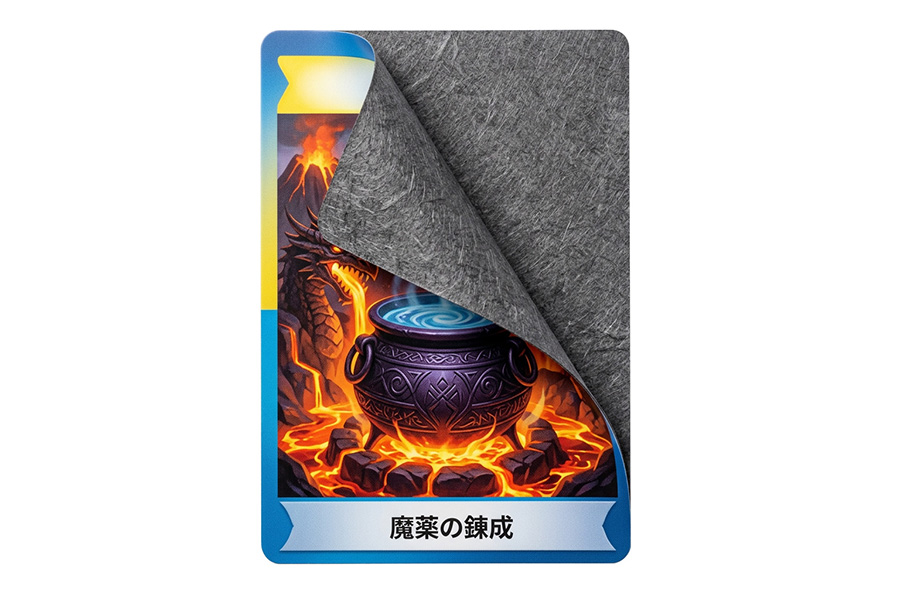
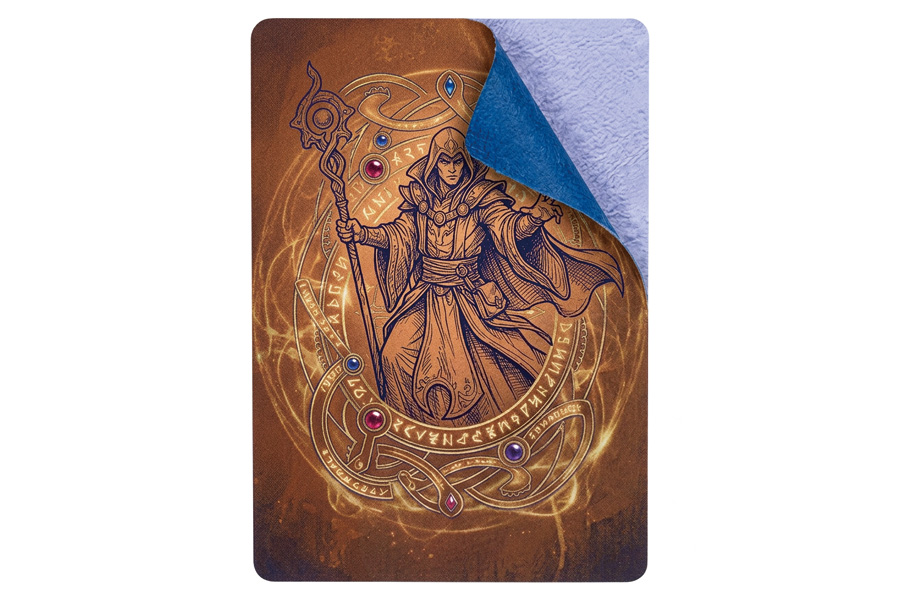
O acabamento da superfície é outra consideração importante ao selecionar materiais para cartas de jogar. Acabamentos comuns incluem acabamento liso, acabamento fosco, acabamento brilhante, e acabamento em linho. O acabamento em linho é especialmente popular para cartas de baralho personalizadas porque sua superfície texturizada melhora a aderência, reduz o atrito durante o embaralhamento, e cria uma experiência tátil mais profissional.
Acabamentos foscos são frequentemente usados para cartas de tarô e cartas de oráculo devido à sua aparência visual mais suave, enquanto os revestimentos brilhantes podem ajudar a melhorar a vibração das cores e o contraste da imagem.
Ao selecionar a espessura da cartolina, designers e editores devem considerar o uso pretendido dos cartões. Cartões mais grossos podem parecer mais luxuosos, mas cartolina extremamente pesada pode reduzir o conforto do embaralhamento e aumentar os custos de produção.
Por outro lado, cartões mais finos podem ser mais fáceis de manusear, mas menos duráveis com o tempo. Encontrando o equilíbrio certo entre espessura, flexibilidade, durabilidade, e a qualidade de impressão é fundamental para a produção de baralhos de cartas personalizados de alta qualidade que atendam aos requisitos funcionais e estéticos.
As faixas de espessura variam significativamente entre os diferentes tipos de cartas de baralho. As cartas de baralho de papel padrão normalmente medem 0,28–0,30 mm (aproximadamente 280–300 micrômetros) em espessura, enquanto os cartões destinados ao uso profissional ou feitos de materiais especiais são geralmente mais grossos.
Categorias de espessura por aplicação e tipo de produto
| Categoria de cartas de jogar | Faixa de espessura padrão |
| Cartas de jogar de papel padrão para uso diário | 0.28–0,30mm |
| Cartas de jogar de papel para entretenimento profissional | 0.32–0,35 mm |
| Cartas de jogar de papel grosso premium AAA | 0.45–0,55mm |
| Cartas de jogar de plástico PVC profissional | Acima 0.50 milímetros (algum alcance 0.53 milímetros) |
| Mini cartas de jogar portáteis | Em volta 0.30 milímetros |
Recomendações de seleção de espessura
As cartas de jogar não são necessariamente melhores simplesmente porque são mais grossas. Diferentes níveis de espessura são projetados para diferentes cenários de uso:
- Entretenimento doméstico casual
Para jogos familiares ocasionais ou uso casual, cartas de baralho de papel padrão com espessura de 0,28–0,30 mm geralmente são suficientes e oferecem melhor desempenho de custo. - Reuniões familiares frequentes ou salas de jogos
Para uso de alta frequência, são recomendadas cartas de baralho de papel mais grosso na faixa de 0,32–0,35 mm. Eles fornecem melhor rigidez, resistir à ondulação das bordas, e proporcionar uma experiência de jogo mais durável a longo prazo. - Jogos competitivos de Guandan ou Texas Hold’em
Para jogabilidade profissional ou competitiva, Cartas de jogo de plástico PVC acima 0.50 mm são preferidos. Esses cartões são à prova d'água, altamente resistente à flexão, e pode manter uma superfície plana mesmo após uso repetido. - Performances Mágicas e Cardistria
Para truques de mágica, florescente, e apresentações de lançamento de cartas, Recomendam-se cartas de baralho de papel grosso premium AAA com espessura de 0,45–0,55 mm. Sua maior rigidez ajuda a evitar flexões ou deformações durante manuseio intensivo e cortes aéreos.
Fabricante de impressão de cartas de jogar personalizadas
Conclusão
Escolhendo o tamanho certo, grossura, e material para cartas de jogar é essencial para alcançar um desempenho excepcional e uma qualidade de impressão profissional.
Desde tamanhos padrão de cartas de baralho e cartas de ponte até uma variedade de especificações personalizadas, cada tamanho é projetado para uma finalidade específica com base no tipo de jogo, experiência do usuário, e requisitos de produção. Faça parceria com Impressão Xinyi para produzir suas melhores cartas de baralho.
Perguntas frequentes sobre tamanhos e impressão padrão de cartas de jogar
1. Qual é o tamanho padrão de uma carta de pôquer?
O tamanho de carta de pôquer padrão mais comum é 2.5”× 3,5” (63 × 88 milímetros). Este tamanho é amplamente utilizado para cartas de cassino, baralhos de pôquer personalizados, cartões colecionáveis, e jogos de cartas promocionais porque oferece um equilíbrio confortável entre o manuseio, embaralhando, e legibilidade. A maioria dos fabricantes de cartões profissionais suporta esse tamanho como o padrão da indústria para impressão personalizada de cartas de baralho.
2. Qual é a diferença entre o tamanho do pôquer e as cartas do tamanho da ponte?
As cartas do tamanho do pôquer são normalmente 2.5”× 3,5”, enquanto os cartões de tamanho bridge são ligeiramente mais estreitos em 2.25”× 3,5” (57 × 88 milímetros). As cartas de bridge são mais fáceis de segurar para jogadores com mãos menores e são comumente usadas em jogos de bridge e em certos baralhos de cartas educacionais.. Cartas de pôquer, no entanto, fornecer mais espaço de design para obras de arte, logotipos, e gráficos personalizados, tornando-os mais populares para projetos de impressão de cartões personalizados e de marca.
3. Por que o sangramento é necessário na impressão de cartas de baralho?
A sangria é essencial porque os cartões impressos são cortados em grandes lotes usando máquinas de corte industriais. Mesmo equipamentos de alta precisão podem apresentar leves movimentos durante o corte. Uma área de sangramento padrão de 0.125 polegada (3 milímetros) ajuda a evitar bordas brancas indesejadas após o corte. Os designers devem estender as cores de fundo e a arte além da linha de corte para garantir resultados de impressão limpos de ponta a ponta.
4. Qual é a área segura em um modelo de cartão?
A área segura é a seção interna do cartão onde todos os elementos importantes do design devem permanecer. Texto, números, logotipos, e a arte crítica deve permanecer pelo menos 0.25 polegada (6 milímetros) longe da borda para evitar corte acidental. Manter o conteúdo dentro da área segura melhora a legibilidade e garante uma aparência profissional após a produção.
5. Qual deve ser a resolução da arte para impressão de cartões personalizados?
A impressão profissional de cartas de baralho geralmente requer arte em 300 Resolução de DPI em Modo de cor CMYK. Imagens de baixa resolução podem parecer desfocadas ou pixeladas após a impressão, especialmente em ilustrações detalhadas ou cartões aprimorados com foil. Arte de alta resolução garante detalhes mais nítidos, cores mais ricas, e melhor qualidade geral de impressão.
6. Quais formatos de arquivo são melhores para impressão de cartas de baralho?
Os formatos de arquivo mais comumente recomendados são:
- IA (Adobe Ilustrador)
- PSD (Adobe Photoshop)
Esses formatos preservam a qualidade da imagem, camadas, gráficos vetoriais, e configurações de cores precisas. Impressoras profissionais geralmente preferem arquivos prontos para impressão com marcas de sangramento e corte já incluídas.
7. Que papel é comumente usado para jogar cartas?
A maioria das cartas de baralho personalizadas são impressas em cartolina premium, variando de 280gsm a 330gsm. Os materiais comuns incluem:
- Papel central preto
- Papel central azul
- Papel de arte
- Cartolina com acabamento em linho
O papel preto é especialmente popular para cartões com qualidade de cassino porque melhora a opacidade e a durabilidade, ao mesmo tempo que evita a transparência da luz através dos cartões..
8. Posso imprimir acabamentos personalizados em cartas de baralho??
Sim. Os fabricantes profissionais de cartas de baralho geralmente oferecem acabamentos especiais, como:
- Laminação brilhante
- Laminação fosca
- Textura de linho
- Estampagem de folha
- UV localizado
- Bordas douradas
Esses acabamentos premium podem melhorar a durabilidade, melhorar o apelo visual, e crie uma sensação mais luxuosa para cartas de tarô, cartões colecionáveis, e decks de colecionador.
9. Quantas cartas geralmente estão incluídas em um baralho personalizado?
Um baralho de pôquer padrão normalmente contém:
- 52 cartas de jogar
- 2 Cartas de Coringa
No entanto, baralhos de cartas personalizados podem conter quase qualquer quantidade, dependendo do design do jogo. Muitas cartas de jogo de tabuleiro, cartas de oráculo, e baralhos de cartas educacionais incluem desde 20 acabar 100 cartões.
10. Por que o modo de cores CMYK é importante para impressão de cartões?
As impressoras comerciais usam sistemas de tinta CMYK em vez de cores digitais RGB. Projetar arquivos em CMYK ajuda a reduzir mudanças de cores entre a visualização da tela e o produto final impresso. Isto é especialmente importante para cartas de baralho personalizadas com fundos escuros., ilustrações vibrantes, ou cores específicas da marca.