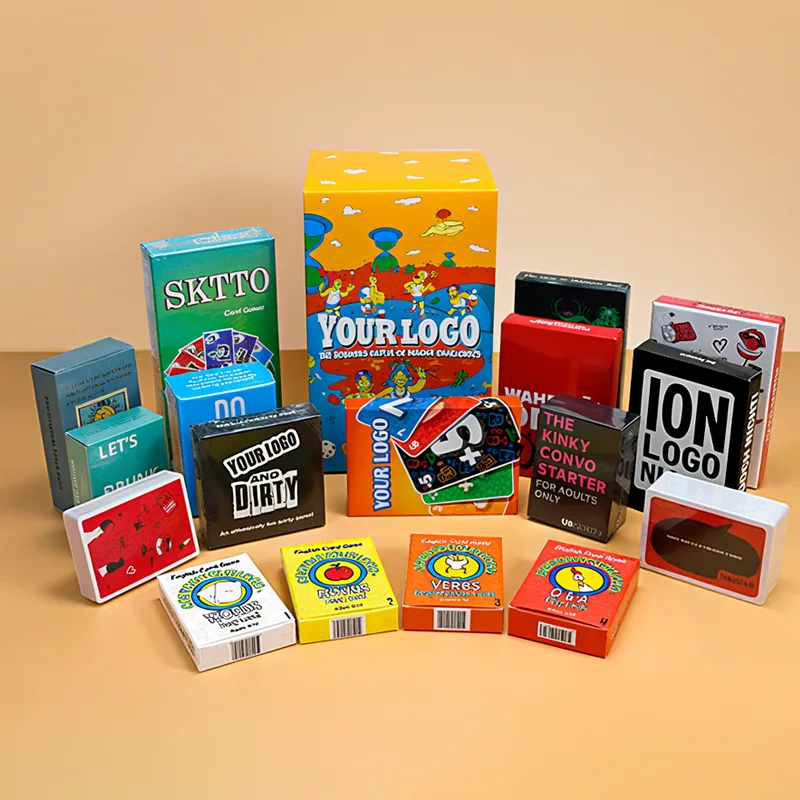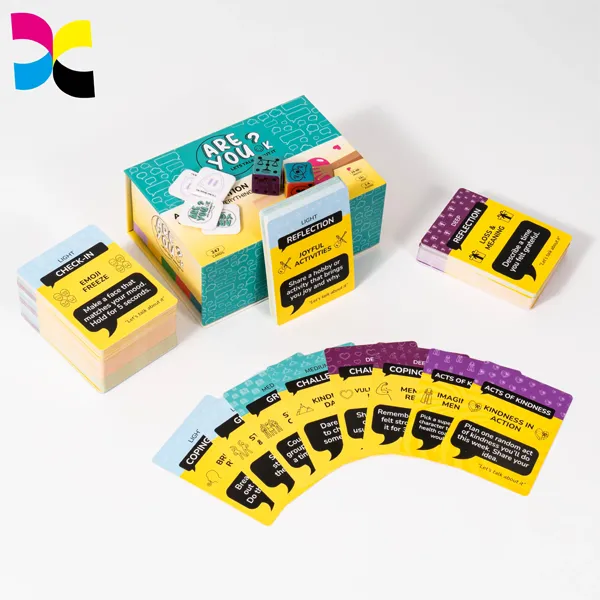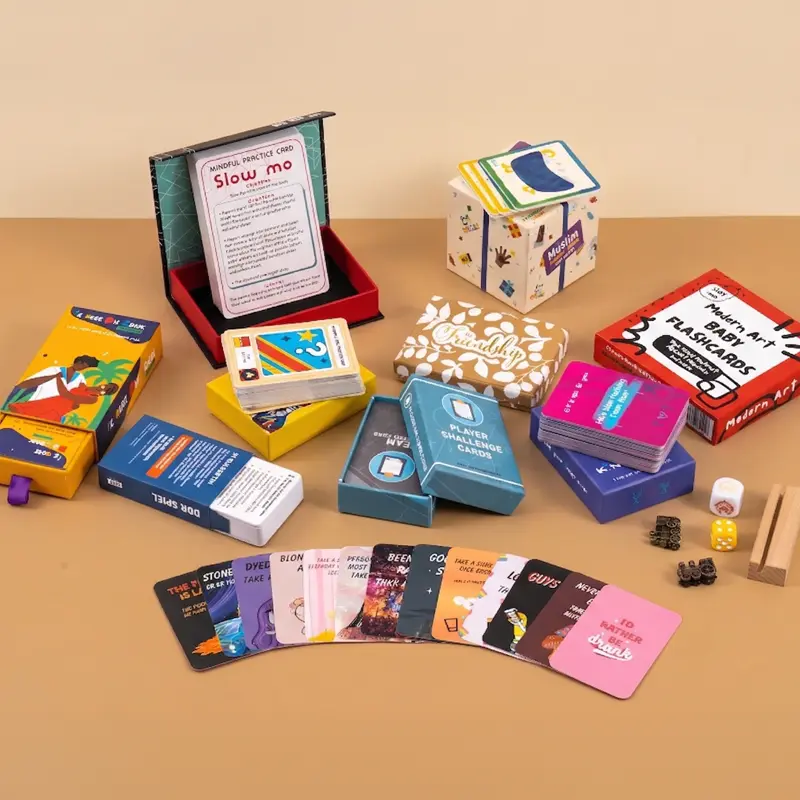
Ao produzir e imprimir cartas de jogar personalizadas, selecionando o certo núcleo de papel é um dos aspectos mais críticos da seleção de materiais. O núcleo de papel afeta diretamente a sensação dos cartões, desempenho embaralhado, flexibilidade, e desempenho geral durante o jogo.
Na indústria de impressão de cartas de baralho, as opções mais comuns incluem papel com núcleo preto e núcleo azul. Embora possam parecer semelhantes à primeira vista, existem diferenças significativas na opacidade, flexibilidade, durabilidade, e a experiência geral do usuário.
Para fabricantes de cartas de baralho personalizadas, editores de jogos de tabuleiro, criadores de cartas de tarô, e Kickstarter desenvolvedores de jogos, escolher entre papel preto e azul não é apenas uma decisão técnica de impressão – ela impacta diretamente a experiência de jogo, posicionamento do produto, custos de fabricação, e até mesmo a percepção do cliente.
Na moderna indústria de impressão de cartas de baralho, papel de núcleo preto e núcleo azul estão entre os materiais mais utilizados na produção profissional de cartas de baralho. No entanto, muitos criadores ainda não entendem as diferenças reais entre eles.
Este guia não apenas fornece uma análise aprofundada das diferenças técnicas entre o papel de núcleo preto e o papel de núcleo azul, mas também explora como esses materiais afetam:
Sensação de cartão
Sensação de embaralhamento
Opacidade
Durabilidade
Posicionamento da marca
Orçamento de produção
Experiência do usuário
Esteja você produzindo cartas de baralho, cartas de tarô, jogos de cartas colecionáveis, ou cartões de jogo de tabuleiro personalizados, compreender a tecnologia básica do papel ajudará você a tomar decisões de produção mais informadas.
O que significa “núcleo” em papel para cartas de jogar?
As cartas de jogar não são feitas de uma única folha de papel.
A cartolina profissional geralmente é construída a partir de múltiplas camadas laminadas juntas. A camada intermediária é chamada de essencial, e seu objetivo principal é evitar a transmissão de luz e, ao mesmo tempo, melhorar a estabilidade estrutural.
Uma estrutura típica de cartas de baralho inclui:
- Camada frontal imprimível
- Camada central
- Camada traseira imprimível
A cor da camada intermediária determina o tipo de papel:
- Núcleo Negro
- Núcleo Azul
- Núcleo Branco
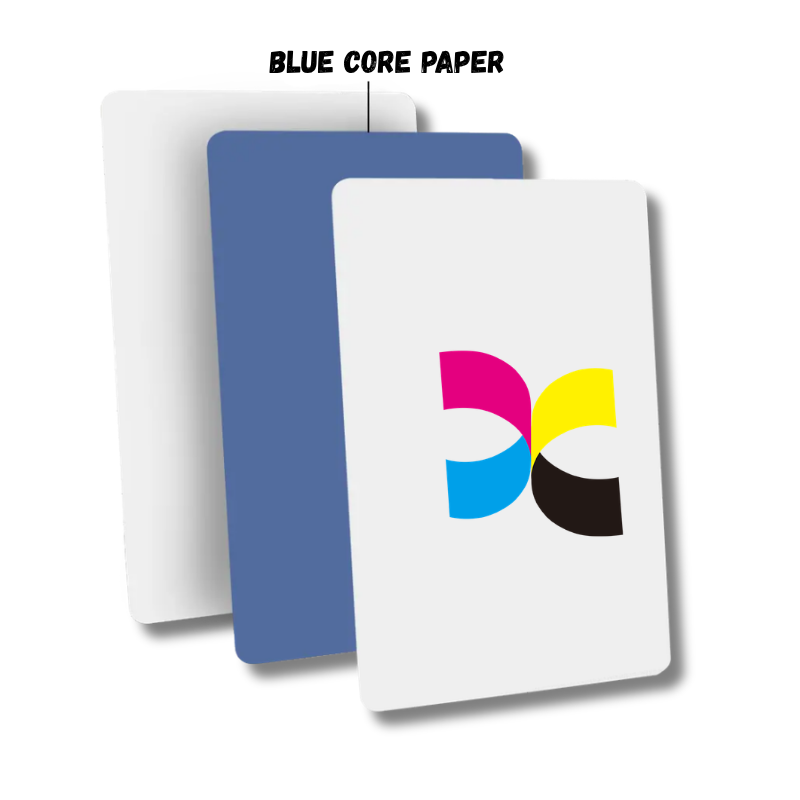
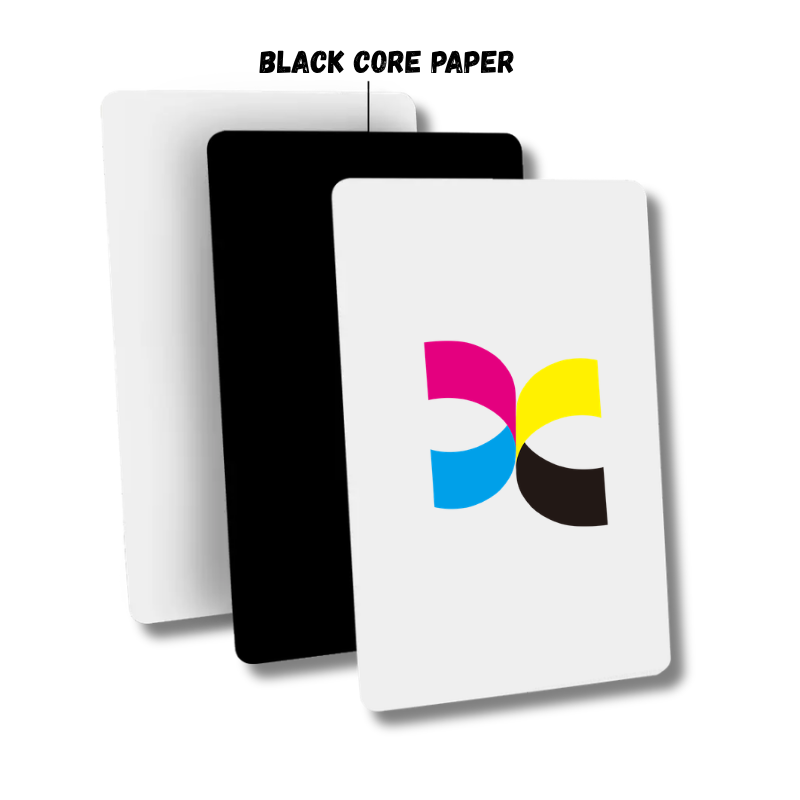
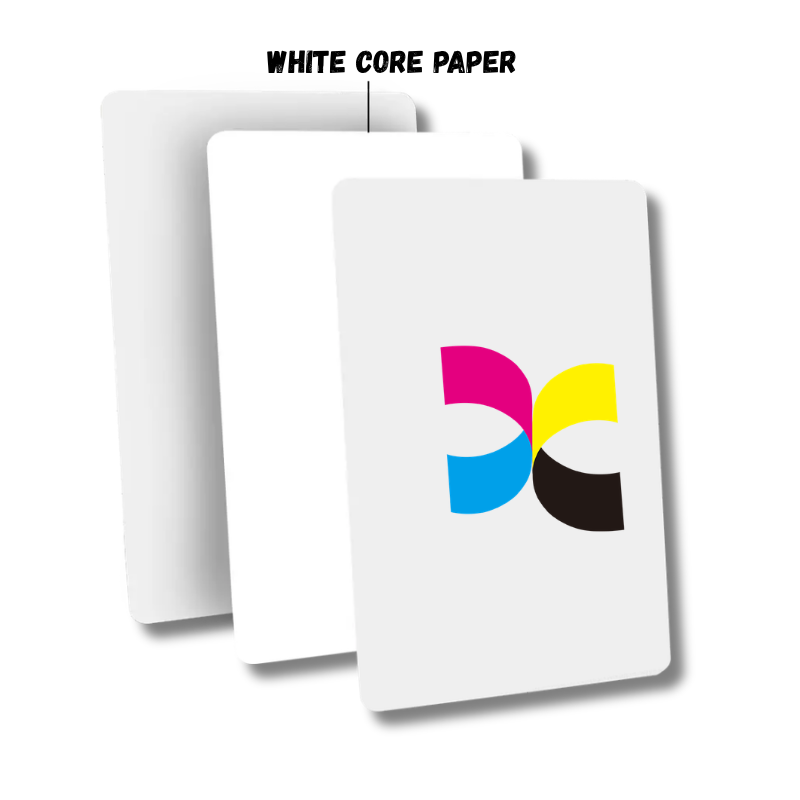
Embora a cor em si não seja visível do lado de fora, a construção interna afeta significativamente o desempenho das cartas no jogo do mundo real.
O que é papel central preto?
O papel central preto usa uma camada interna preta escura laminada entre duas superfícies de papel imprimíveis.
É geralmente considerado um cartão de qualidade premium amplamente utilizado em: Baralhos de tarô luxuosos、Cartas de pôquer profissionais、Jogos de cartas colecionáveis de última geração、Produtos de cartão de colecionador.
A principal vantagem: Opacidade Superior
A maior razão pela qual os fabricantes escolhem o núcleo preto é a opacidade.
A “sensação premium” dos cartões Black Core
Uma das razões pelas quais o estoque básico preto está associado aos decks de luxo é seu comportamento de manuseio..
Os cartões de núcleo preto muitas vezes parecem:
Mais rígido
Mais sólido
Mais responsivo durante o embaralhamento do riffle
Mais estável durante jogos repetidos
Essa resposta tátil às vezes é chamada na indústria de “estalo”.
Um bom encaixe significa que os cartões retornam à forma rapidamente após serem dobrados.
Os jogadores podem não compreender conscientemente a razão técnica, mas eles imediatamente notam a diferença na sensação das mãos.
Isto se torna especialmente importante para:
Cardística profissional
Manipulação de pôquer
Embaralhamento frequente
Longas sessões de jogo
O que é papel central azul?
O papel central azul também contém uma camada intermediária colorida, mas a camada interna é azul em vez de preta.
Continua sendo um dos tipos de papel mais comuns usados na impressão de cartões comerciais porque oferece um equilíbrio entre desempenho e preço acessível..
O núcleo azul é freqüentemente usado para: Jogos de tabuleiro padrão、Cartões flash educacionais、Jogos de cartas em família、Baralhos de cartas promocionais、Cartas de jogo de gama média.
A verdadeira força do núcleo azul: Relação custo-desempenho
O papel central azul existe porque nem todo projeto exige desempenho de nível de cassino.
Para muitos jogos, especialmente jogos casuais, jogos infantis, produtos de varejo do mercado de massa, e decks de nível básico, o núcleo azul fornece opacidade e durabilidade mais que suficientes a um custo de fabricação mais baixo.
O núcleo azul fornece opacidade e durabilidade mais que suficientes a um custo de fabricação mais baixo.
Isto se torna especialmente importante para execuções de produção de grande volume.
Por exemplo:
Uma tiragem de 500 decks pode mostrar apenas uma pequena diferença de custo
Uma produção de 50.000 decks pode criar um impacto orçamentário substancial
Para editores que equilibram qualidade e margens, núcleo azul muitas vezes se torna a escolha prática.
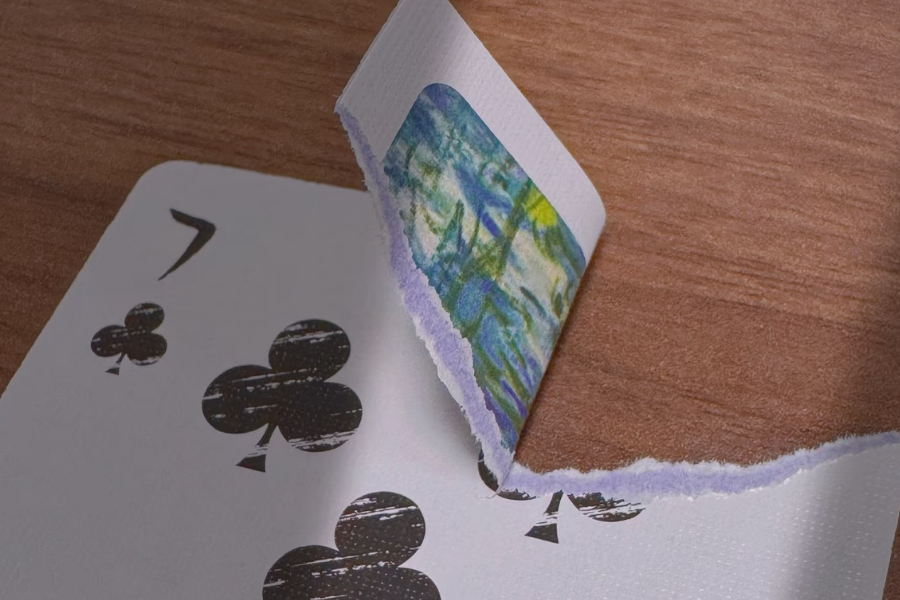
Lidando com diferenças: Núcleo Preto vs Núcleo Azul
Um guia visual para Black-Core vs.. Papel Blue-Core
| Características | Papel Preto-Core | Papel Blue-Core |
| Principais vantagens | Opaco, textura lisa | Excelente qualidade de impressão, alto custo-benefício |
| Qualidade de impressão | Cores opacas, baixa saturação | Cores vibrantes, alta clareza |
| Textura & Durabilidade | Suave e suave, extremamente difícil | Rigidez e elasticidade equilibradas, resistente a dobras |
| Aplicativos Cassinos | Cassinos, truques de mágica, coleções de alto padrão | Entretenimento diário, lojas de varejo |
| Preço | Relativamente caro | Moderado |
Papel Preto-Core: Projetado para Profissionais
O papel com núcleo preto apresenta uma camada interna escura. Esta estrutura preta bloqueia eficazmente a penetração da luz, impedindo que os jogadores vejam através das bordas do cartão para ver o design do rosto. Como resultado, é amplamente utilizado em cassinos e ambientes competitivos.
Prós:Excelente desempenho anti-trapaça, papel extremamente resistente, macio e suave ao toque, ótima experiência de embaralhamento, e altamente durável.
Contras:Porque o núcleo é preto, as cores impressas nele parecem mais opacas e menos saturadas em comparação com o papel branco ou azul, tornando-o menos adequado para quem prioriza a reprodução de cores vibrantes. Também é relativamente caro.
Papel Blue-Core: A escolha popular
O papel Blue-core é um dos papéis de cartão mais populares do mercado, atingindo um bom equilíbrio entre qualidade de impressão e custo.
Prós:Excelente absorção de tinta, resultando em vibrante, designs impressos claros com ampla adaptabilidade de design. Preço moderado, é a melhor escolha para a maioria das lojas de varejo e locais de entretenimento em geral.
Desvantagens: Oferece menos opacidade que o papel com núcleo preto, e sua durabilidade e textura também são ligeiramente inferiores ao papel de núcleo preto.
Além do Black-Core e do Blue-Core: Outras opções
Além desses dois, o mercado também oferece papel de núcleo branco, papel com núcleo cinza, e até mesmo papel revestido, cada um com seus próprios pontos fortes:
Papel com núcleo branco:A qualidade de impressão é semelhante ao papel blue-core, mas a textura pode parecer um pouco mais rígida. É um básico, papel de uso geral.
Papel com núcleo cinza:A opção mais acessível, mas o papel é mais macio, propenso a vincar, e oferece qualidade de impressão média. É frequentemente usado para itens descartáveis ou atividades promocionais.
Papel revestido: Embora não tenha sido projetado especificamente para jogar cartas, é muito popular para cartas de jogo como baralhos de tarô. Sua vantagem é a fidelidade de cores extremamente alta, que mostra perfeitamente a arte original do designer, mas tem durabilidade média e é propenso a vincar.
Então, como você escolhe?
Priorizando a sensação e anti-trapaça: Escolha o papel black-core sem hesitação – é especialmente adequado para jogadores que jogam com frequência ou valorizam a experiência ritualística.
Valor para entretenimento diário:O papel Blue-core é a escolha perfeita, oferecendo um bom equilíbrio entre qualidade de impressão e durabilidade.
Iniciantes ou aqueles que priorizam a qualidade visual:Quando estiver com orçamento limitado, o papel revestido proporciona a experiência visual mais próxima da obra de arte original.
Considerações Finais
Na fabricação profissional de cartas de baralho, a seleção do núcleo do papel é muito mais importante do que muitos criadores imaginam inicialmente.
Papel com núcleo preto e núcleo azul podem soar como pequenos detalhes técnicos, mas eles influenciam fundamentalmente a forma como os jogadores experimentam seu deck.
Núcleo preto enfatiza qualidade premium, rigidez, durabilidade, e opacidade.
Núcleo azul foca na flexibilidade, praticidade, e desempenho econômico.
Os melhores editores de cartas entendem que o design de produto de sucesso não se trata apenas de arte – trata-se de criar uma experiência tátil completa desde o momento em que o baralho é aberto..
Se você está planejando um projeto de cartas de baralho personalizado, trabalhar com um fabricante experiente pode ajudá-lo a escolher o estoque ideal com base na mecânica do seu jogo, público, e metas de produção.
Impressão profissional de cartas de jogar personalizadas
No Impressão Xinyi, somos especializados em cartas de baralho personalizadas, jogos de tabuleiro, cartas de tarô, e soluções premium de fabricação de cartões. Nossa equipe pode ajudá-lo a selecionar o estoque de papel certo, revestimento, terminar, e opções de embalagem para o seu projeto.
Contate-nos a qualquer momento para amostras de papel, recomendações de fabricação, ou um orçamento personalizado.