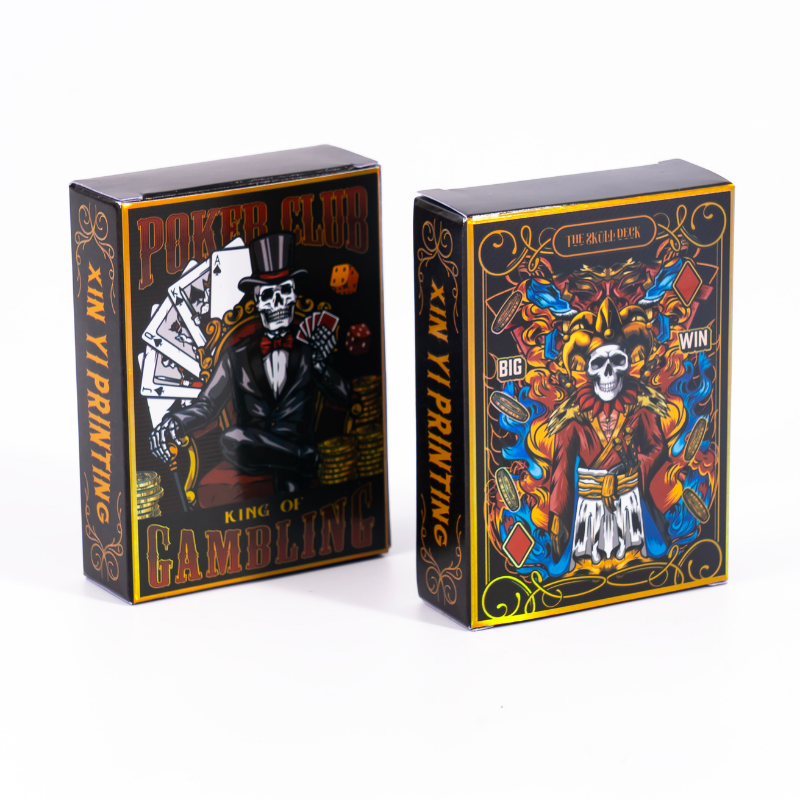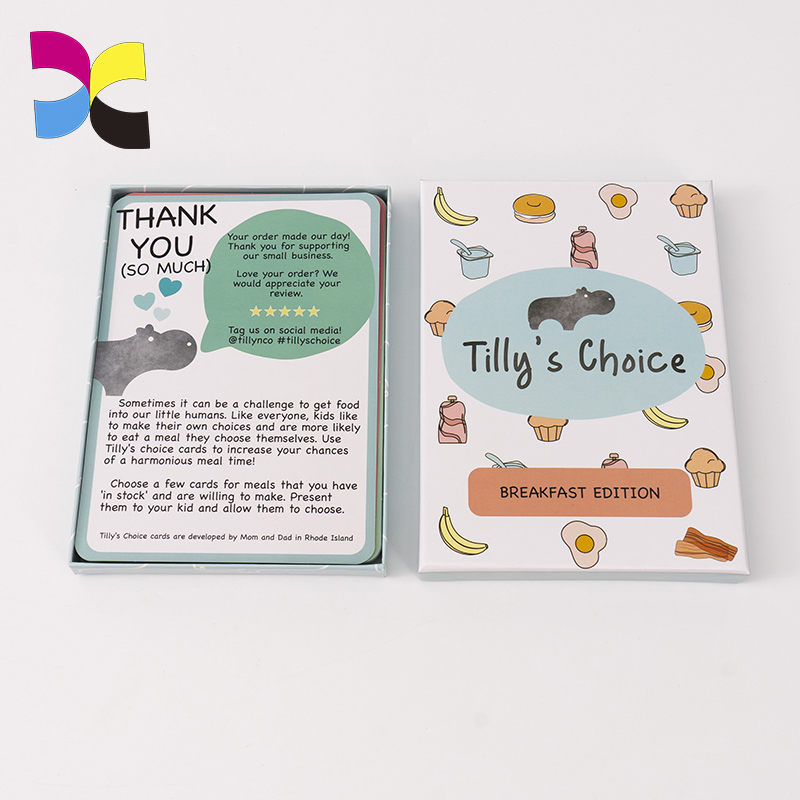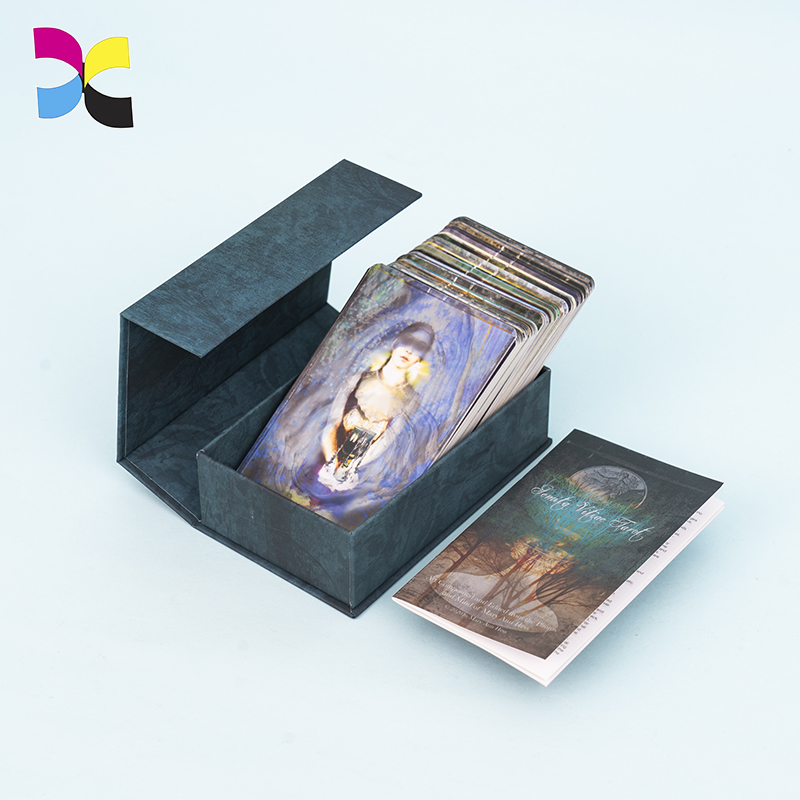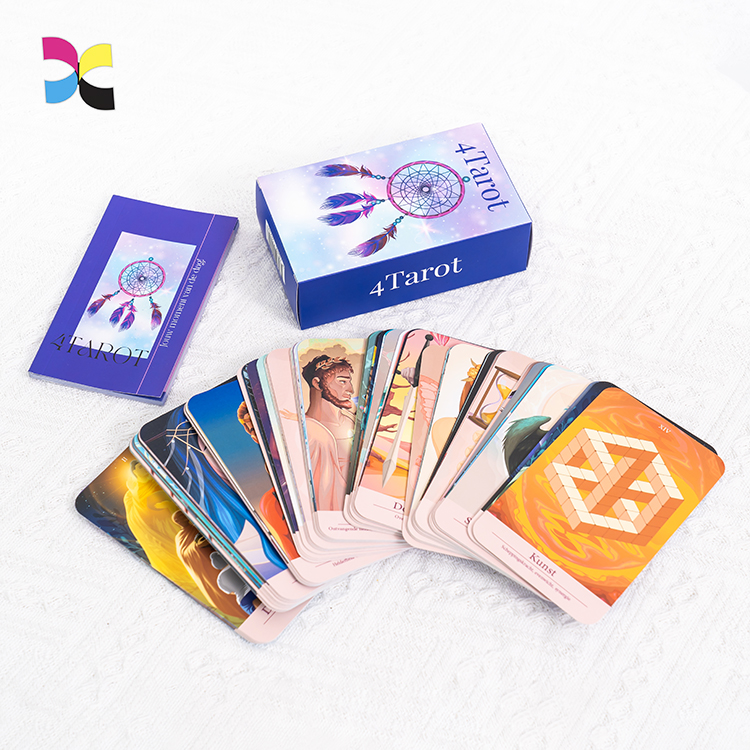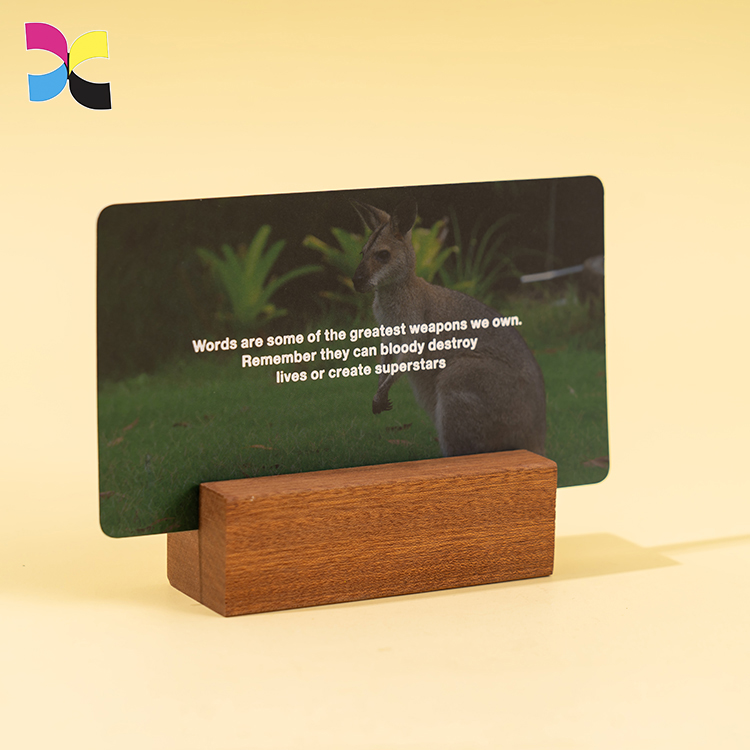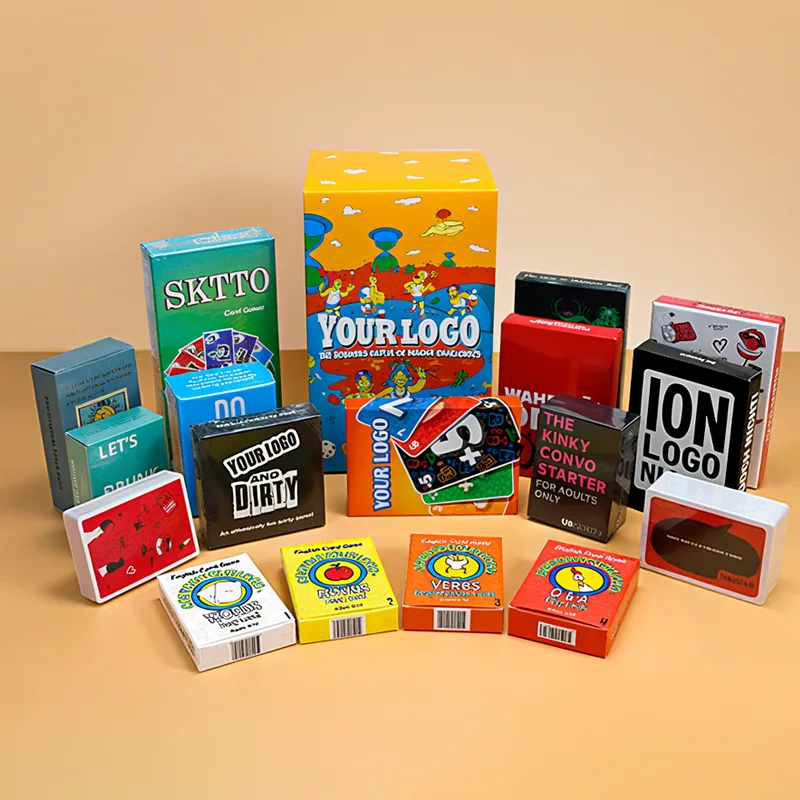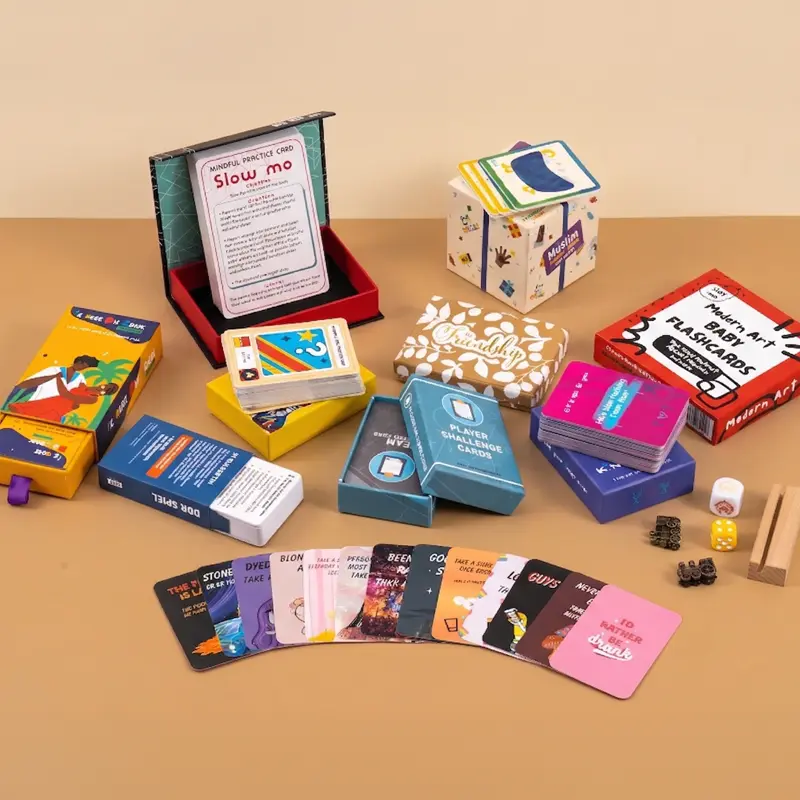
O cenário global de aprendizagem mudou dramaticamente na última década. Plataformas de tecnologia educacional, aplicativos de aprendizagem móvel, Sistemas de tutoria alimentados por IA, e ferramentas de repetição espaçada orientadas por algoritmos transformaram a forma como os alunos consomem informações. De aplicativos de aprendizagem de idiomas a plataformas de certificação profissional, soluções digitais prometem velocidade, automação, e eficiência. À medida que as telas dominam cada vez mais as salas de aula e as rotinas de auto-estudo, muitos educadores e marcas estão reavaliando os materiais impressos tradicionais.
Então, no debate entre flashcards em papel e digitais, o que ajuda você a lembrar melhor e aprender mais rápido?
A resposta curta: ambos podem ser eficazes – mas os flashcards físicos geralmente promovem uma retenção de memória mais profunda, enquanto os flashcards digitais oferecem maior conveniência e escalabilidade. A melhor escolha depende do contexto de aprendizagem, envolvimento cognitivo, e objetivos de longo prazo.
Este artigo explora as diferenças entre flashcards em papel e digitais a partir de um estudo científico, prático, e perspectiva de negócios – para que você possa tomar uma decisão informada.
Flashcards de papel vs digitais: Qual é a diferença?
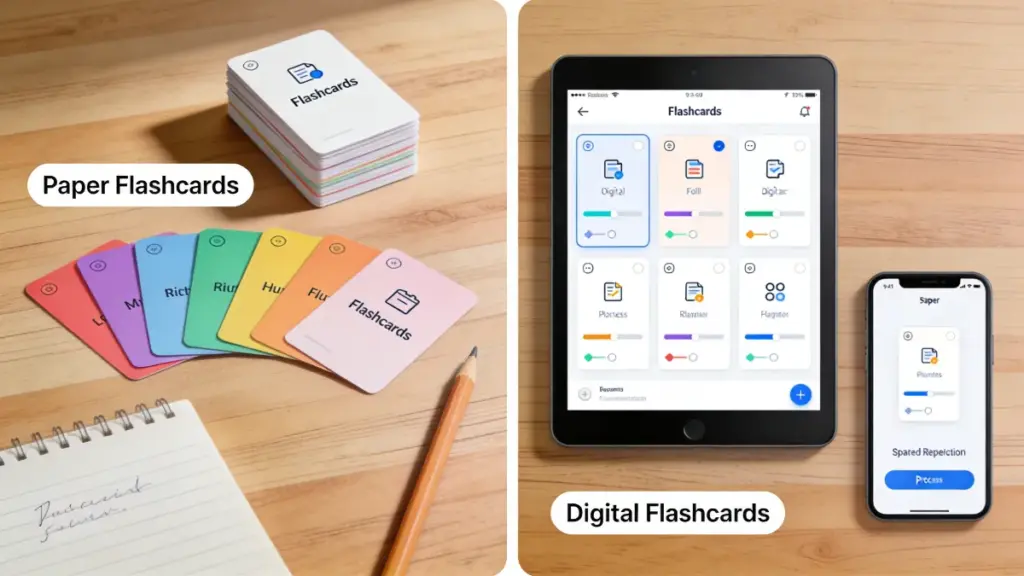
Em sua essência, a comparação entre flashcards de papel e flashcards digitais é sobre design de interação e envolvimento cognitivo.
Flashcards físicos são ferramentas de aprendizagem tangíveis. Eles envolvem toque, movimento, organização espacial, e foco visual. Flashcards digitais existem em ambientes de software, muitas vezes aprimorado pela automação, multimídia, e sistemas de rastreamento de progresso.
Abaixo está uma comparação direta para ilustrar as principais diferenças:
| Aspecto | Flashcards de papel | Cartões Digitais |
|---|---|---|
| Formatar | Cartões impressos físicos | Interface baseada em aplicativo ou web |
| Entrada Sensorial | Tátil + visual | Principalmente visual + áudio |
| Engajamento de memória | Forte reforço cinestésico | Repetição orientada por algoritmo |
| Distrações | Mínimo | Notificações potenciais / multitarefa |
| Portabilidade | Deck físico necessário | Acessível em vários dispositivos |
| Personalização | Corrigido depois de impresso | Facilmente editável e expansível |
| Custo de produção | Impressão + logística | Desenvolvimento + hospedagem |
| Escalabilidade | Economias de escala | Duplicação infinita |
| Valor da marca | Alto valor tangível percebido | Percepção do serviço digital |
Os flashcards impressos vêm em vários formatos, dependendo da finalidade educacional.. Se você quiser explorar o diferentes tipos de cartões flash usado no aprendizado de idiomas, educação infantil, e formação profissional, compreender esses formatos ajuda a esclarecer por que os cartões físicos continuam amplamente adotados.
Flashcards físicos melhoram a retenção de memória?
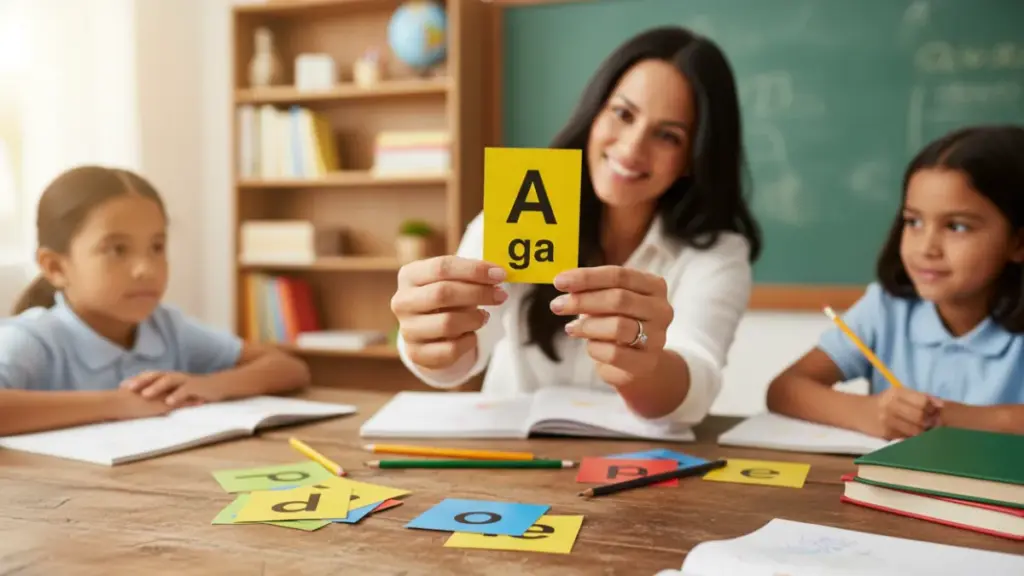
Os flashcards físicos incentivam naturalmente recordação ativa, um método de aprendizagem onde o cérebro recupera informações sem pistas. O ato de virar uma carta força uma pausa – um momento de esforço cognitivo que fortalece as vias neurais.
Vários fatores cognitivos contribuem para uma retenção mais forte com cartões físicos:
- Cognição incorporada: A manipulação física melhora a codificação.
- Sinais de memória espacial: Os alunos lembram a posição e o agrupamento do cartão.
- Distração digital reduzida: Sem alertas, sem troca de aplicativo.
- Repetição espaçada manual: Classificar pilhas reforça a categorização.
A pesquisa em psicologia cognitiva mostra que a aprendizagem eficaz muitas vezes envolve “dificuldade desejável,” um conceito introduzido por Robert A. Bjork. Tarefas que exigem esforço de recuperação – como o uso de flashcards – melhoram a retenção a longo prazo. Gerenciar fisicamente um baralho e lembrar ativamente das respostas aumenta o esforço cognitivo, que fortalece a consolidação da memória e melhora a recordação a longo prazo. Para crianças, este efeito é ainda mais pronunciado. O desenvolvimento motor fino e a interação sensorial fazem parte da aprendizagem precoce. Um cartão de vocabulário impresso faz mais do que apresentar informações; envolve processos de desenvolvimento.
Flashcards digitais podem replicar repetições espaçadas por meio de algoritmos, mas muitas vezes reduzem a capacidade do aluno. Quando o sistema agenda revisões automaticamente, o usuário pode se tornar passivo. Em contraste, organizar cartões físicos manualmente reforça o comportamento de aprendizagem intencional.
Os Flashcards Digitais são Mais Convenientes?
Com um smartphone, os alunos podem acessar milhares de cartões instantaneamente. A sincronização na nuvem permite alternar perfeitamente entre dispositivos. O acompanhamento do progresso visualiza a melhoria, e algoritmos adaptativos otimizam intervalos de revisão.
Os flashcards digitais oferecem vantagens como:
- Escalabilidade instantânea
- Bancos de dados pesquisáveis
- Integração multimídia (áudio, vídeo, animação)
- Agendamento automático de repetições espaçadas
- Análise de progresso em tempo real
Para estudantes universitários que gerenciam disciplinas complexas ou profissionais que estudam para obter certificações, sistemas digitais reduzem o esforço administrativo. Não há necessidade de reorganizar os decks manualmente; o software cuida do agendamento.
No entanto, conveniência introduz compensações:
- A fadiga da tela reduz o foco.
- A tentação de multitarefa enfraquece a atenção.
- As sessões de aprendizagem podem tornar-se mais curtas e menos deliberadas.
A conveniência melhora a acessibilidade – mas não garante automaticamente melhores resultados de aprendizagem.
Quando os flashcards de papel são melhores que os aplicativos?

Existem contextos claros onde os flashcards físicos superam as alternativas digitais.
Educação Infantil
Pais e educadores muitas vezes limitam o tempo de tela. Os cartões físicos integram-se naturalmente aos métodos de ensino práticos, atividades em grupo, e interação em sala de aula.
Preparação para exames
Os alunos que se preparam para testes padronizados frequentemente preferem ferramentas analógicas. Flashcards em papel simulam ambientes de exames não digitais e reduzem distrações online.
Varejo & Mercados de presentes
Produtos educacionais adquiridos como presentes se beneficiam de embalagens tangíveis. Um conjunto de flashcards bem projetado transmite qualidade e valor de uma forma que os downloads digitais não conseguem..
Ambientes de baixa tecnologia
Em regiões com acesso limitado à Internet, flashcards impressos continuam sendo ferramentas de aprendizagem confiáveis e independentes.
Alunos táteis
Alguns alunos simplesmente retêm melhor as informações quando manuseiam materiais fisicamente. Enquanto as teorias de estilo de aprendizagem são debatidas, a preferência do usuário influencia fortemente a motivação – e a motivação impulsiona a consistência.
O tamanho físico de um flashcard também afeta a usabilidade. Diferentes dimensões de flashcards influenciar a legibilidade, portabilidade, e quão confortavelmente os alunos podem lidar com o baralho.
Comparação de custos: Flashcards impressos versus digitais
Do ponto de vista empresarial, a comparação de custos entre flashcards de papel e flashcards digitais é complexa.
Os produtos digitais eliminam os custos de produção física, mas exigem:
- Desenvolvimento de software
- Manutenção da plataforma
- Infraestrutura de hospedagem
- Atualizações e suporte contínuos
Flashcards impressos exigem:
- Cartolina material (por exemplo, 300–350gsm)
- Camadas principais (núcleo preto ou azul para evitar transparência)
- Impressão e revestimento
- Corte e embalagem
- Logística e transporte
No entanto, flashcards impressos se beneficiam de economias de escala. Maiores volumes de produção reduzem significativamente os custos por unidade. Adicionalmente, acabamentos premium - como textura de linho, laminação fosca, Revestimento UV, ou tinta de soja ecológica – permite preços de varejo mais altos.
Os produtos digitais geralmente dependem de modelos de assinatura. Flashcards físicos geram receita por meio de vendas únicas no varejo ou pacotes educacionais.
Para marcas, a decisão depende da estrutura da receita. Para editores e varejistas educacionais, flashcards físicos permanecem altamente monetizáveis.
Aprendizagem Híbrida: Combinando papel e digital

Em vez de perguntar qual formato substituirá o outro, muitas marcas de educação integram ambos:
- Flashcards físicos com códigos QR vinculados a conteúdo de áudio.
- Aplicativos móveis complementares para rastreamento de avaliações.
- Decks impressos como ferramentas primárias, sistemas digitais como suplementos.
- Pacote de produtos físicos com acesso online premium.
Esta abordagem combina:
- Envolvimento tátil profundo
- Repetição espaçada automatizada
- Visibilidade da marca através de embalagens físicas
- Rastreamento de dados por meio de plataformas digitais
Os modelos de aprendizagem híbridos permitem que as marcas diversifiquem os fluxos de receita e, ao mesmo tempo, proporcionem resultados educacionais mais sólidos.
O debate entre flashcards em papel e digitais está gradualmente mudando em direção à integração, e não à oposição.
Por que as marcas educacionais ainda escolhem flashcards de papel
Apesar da expansão digital, marcas educacionais continuam investindo em flashcards impressos por motivos estratégicos.
Percepção da marca
Materiais impressos de alta qualidade aumentam a credibilidade. Embalagem premium, laminação durável, e design profissional elevam a identidade da marca.
Compatibilidade de varejo
Produtos físicos continuam essenciais para livrarias, varejistas de brinquedos, lojas de museus, e cadeias de abastecimento educacionais.
Durabilidade & Segurança
Para produtos infantis, tinta não tóxica, Papel certificado FSC, e laminação forte garantem segurança e longevidade.
Posicionamento de preço
Os flashcards físicos podem ser posicionados como ferramentas educacionais premium, em vez de downloads digitais de baixo custo.
Do ponto de vista da fabricação, espessura consistente, corte preciso, precisão de cor, e a estabilidade de novos pedidos a longo prazo são críticas. A má qualidade prejudica a eficácia da aprendizagem e a confiança na marca.
Por estas razões, flashcards impressos mantêm forte demanda, mesmo em mercados digitalmente avançados.
Procurando criar flashcards personalizados de alta qualidade?
Se você está desenvolvendo um produto flashcard educacional, a qualidade da produção determina o sucesso do mercado.
Espessura inconsistente, desvio de cor, laminação fraca, ou cortes imprecisos podem prejudicar a usabilidade e a reputação da marca.
Na impressão de cartões Xinyi (https://xinyicardprinting.com/), somos especializados na fabricação de flashcards personalizados de alta qualidade para marcas educacionais, varejistas, editores, e startups emergentes de aprendizagem em todo o mundo.
Nós fornecemos:
- Opções de cartolina premium (300–350gsm, núcleo preto, núcleo azul)
- Fosco, lustro, ou acabamentos em linho
- Certificado FSC e Materiais ecológicos
- Gerenciamento de cores de alta precisão
- Produção consistente em lote para pedidos de longo prazo
- Soluções integradas de embalagem (caixas, anéis, manuais de instruções)
Esteja você lançando cartões de vocabulário para a primeira infância, plataformas de treinamento profissional, ou produtos de aprendizagem de línguas, apoiamos tanto pequenas execuções piloto MOQ quanto produção em massa escalonável.
Considerações Finais: Flashcards de papel versus flashcards digitais
Então, os flashcards físicos ainda são úteis na era digital? Absolutamente.
Na comparação entre flashcards de papel e digitais, cada formato oferece vantagens distintas. Ferramentas digitais oferecem automação e conveniência. Flashcards físicos promovem um envolvimento mais profundo, reforço tátil, e forte presença da marca.
Para alunos que buscam melhor retenção, flashcards físicos geralmente proporcionam um impacto cognitivo mais forte. Para marcas que buscam crescimento escalável, combinar ambos os formatos oferece a maior oportunidade.
A tecnologia transformou a educação – mas não eliminou o poder dos materiais impressos bem concebidos.