Science flashcards are not simply educational cards with scientific terms printed on them. For publishers, they are physical learning products that must balance scientific accuracy, visual clarity, durability, production cost, and user experience.
This guide explains how publishers can develop, print, and manufacture science flashcards, from content structure and visual design to material selection, printing, finishing, packaging, and quality control.
What Makes Science Flashcards Different From Standard Flashcards?
Science flashcards combine subject knowledge with visual learning, so publishers need to balance accuracy, readability, and physical usability across the entire deck.
Science Flashcards Need Clear and Accurate Information
A science flashcard may include a scientific term, definition, diagram, formula, or measurement. Each element needs to be accurate and consistent because even a small error can affect the learner’s understanding.
Publishers should review the complete deck before printing, with particular attention to:
- Scientific terminology: Keep terms, spelling, abbreviations, and naming consistent.
- Definitions and formulas: Check explanations, symbols, numbers, and units carefully.
- Diagrams and labels: Make sure every label matches the correct structure or position.
- Card sequence: Keep questions, answers, categories, and numbering in the intended order.
The content should also fit the physical card format. Long explanations can make a card difficult to read, so publishers should simplify wording or divide complex information across multiple cards rather than simply reducing the font size.
Visual Content Often Matters as Much as Text
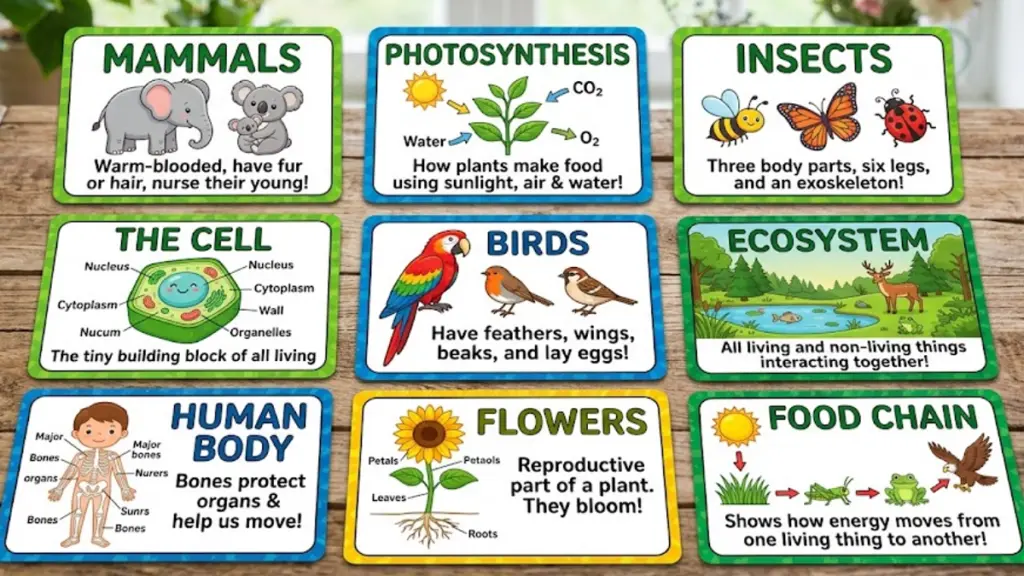
Many science flashcards rely on diagrams and illustrations to explain structures, processes, and relationships. Biology may use anatomy or cell diagrams, while chemistry and physics often depend on molecular structures, formulas, and technical illustrations.
These visuals must remain clear after printing. Fine lines, small labels, and similar colors can lose clarity when artwork is reduced to the final card size. Publishers should therefore consider print resolution, contrast, image scale, and safe areas during artwork preparation.
For visual education flashcards, a clear visual hierarchy also helps users understand which information to read first. The main image, labels, terms, and explanations should work together instead of competing for attention.
Different Science Subjects Need Different Card Structures
Science subjects place different demands on card design. A biology deck may need detailed illustrations, while chemistry requires precise symbols and formulas. The content structure should reflect these differences rather than force every deck into one standard format.
| Science Subject | Typical Card Content | Main Focus |
|---|---|---|
| Biology | Terms, anatomy, diagrams | Image clarity and readable labels |
| Chemistry | Elements, formulas, reactions | Accurate symbols and fine details |
| Physics | Formulas, concepts, diagrams | Clear equations and visual hierarchy |
| Earth Science | Processes, structures, classifications | Detailed illustrations and sequences |
| Environmental Science | Species, ecosystems, cycles | Visual comparison and information grouping |
The same principle applies to different age groups. Younger learners may need larger text and simpler visuals, while advanced learners can handle denser information. The final card format should always support the learning purpose.
How Publishers Should Structure Science Flashcard Content
A clear content structure helps learners review information faster while giving publishers a repeatable format for designing and producing complete science flashcard decks.
Choose a Consistent Front-and-Back Card Structure
Give the front and back of each card clear roles. The front can present a term, question, image, or diagram, while the back provides the answer, explanation, or supporting information.
For example, the front of a biology card can show an unlabeled cell diagram, while the back reveals the labels and key functions. A concept card can ask a question on the front and provide a short answer with a supporting illustration on the back.
The exact format may change by subject, but the basic learning pattern should remain consistent. This makes the deck easier to use and gives designers a clear template for typography, image placement, margins, and front-and-back alignment.
Use Biology Flashcards as a Model for Information-Dense Cards
Biology flashcards often combine terms, diagrams, labels, and explanations, making them a useful model for planning information-dense cards.
Rather than placing every detail on one side, publishers can divide the information between the front and back. For example, an anatomy card can show the main structure first and provide names and functions on the reverse side. This creates a simple recall-and-check process.
For biology study cards, keep the information hierarchy simple:
- Primary concept: The term, structure, or question to remember.
- Visual reference: The diagram or image that supports the concept.
- Key explanation: A short definition, function, or example.
The same approach can work for chemistry, physics, and other science flashcards. Each element should support the learning objective rather than simply fill available space.
Keep Scientific Content Consistent Across the Full Deck
A consistent visual system helps users recognize related cards and makes a large deck easier to navigate. Publishers should apply the same basic rules to typography, colors, illustrations, numbering, and category markers.
| Element | Recommended Approach | Purpose |
|---|---|---|
| Typography | Use a consistent text hierarchy | Make key information easy to scan |
| Color Coding | Assign colors to clear categories | Help users identify related topics |
| Illustrations | Keep the visual style consistent | Create a unified deck appearance |
| Numbering | Follow one numbering system | Keep the complete deck organized |
This consistency also makes it easier to expand a product line. New educational flashcards can follow the same visual rules, helping different decks from the same publisher maintain a recognizable product style.
Durable, Certified Flashcards at Industrial Scale.
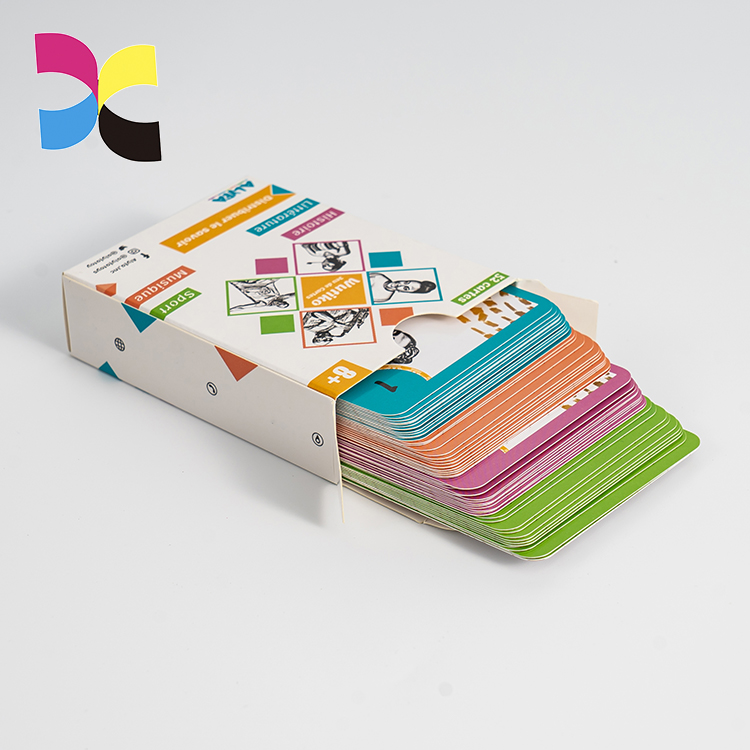
How to Choose Science Flashcard Sizes, Paper, and Finishes
The physical specifications should match the content, target users, handling needs, and packaging format so science flashcards remain clear, durable, and practical.
Match Card Size to Content and Visual Detail
Card size should follow information density rather than a fixed standard. Simple terms and short questions can work well on compact cards, while detailed anatomy diagrams or other visual content may need more space.
For publishers, the main consideration is the balance between readability and handling. A larger card can provide more room for labels and illustrations, but it also uses more material and may require larger packaging. The final size should therefore support the learning task without making the deck inconvenient to use or store.
For common formats and custom dimensions, publishers can refer to Xinyi’s What Are the Right Dimensions of Flashcards Before Printing? when planning the final card size.
Select Paper for Durability and Print Quality
The paper or cardstock affects how the deck feels, handles, and reproduces detailed scientific content. Since educational flashcards often receive repeated use, the material should provide enough stiffness while supporting clear printing.
Key material factors include:
- Card thickness: Match stiffness to the expected frequency and type of use.
- Surface: Choose a surface that supports sharp images, fine lines, and comfortable handling.
- Opacity: Reduce show-through when both sides contain important information.
- Printability: Make sure the stock reproduces small text, diagrams, and colors clearly.
- Durability: Consider repeated handling, storage, and transportation.
- Finish compatibility: Confirm that the paper works well with lamination or other planned finishes.
There is no single paper weight for every educational flashcard project. Classroom decks, retail products, study cards, and premium learning sets may require different specifications. Publishers can also review Xinyi’s What Type of Paper Is Best for Flashcards? when comparing materials.
Choose Finishes Based on How the Cards Will Be Used
The finish should support the way users handle and read the cards. For frequently used study decks, lamination or other protective finishes can improve surface durability. Matte finishes can help reduce glare, while gloss finishes can make colorful images appear more vivid.
Decorative options such as foil stamping, embossing, debossing, and spot UV can add value to premium products or packaging. However, for most science flashcards, readability, surface protection, and practical handling should take priority over decorative effects.

How to Print and Produce Custom Science Flashcards
A controlled production workflow turns approved artwork into a consistent physical product, giving publishers clear checkpoints before the complete custom flashcard printing order begins.
Prepare Artwork for Double-Sided Flashcard Printing
Science flashcards often place important information on both sides, so artwork preparation must account for the final card size, bleed, safe area, color settings, image resolution, and cutting requirements.
Front-and-back alignment also deserves close attention. A diagram, border, or label placed too close to the trim line may shift slightly during cutting. Small scientific terms and fine diagram lines need sufficient resolution and contrast to remain readable after printing.
Publishers can prepare files internally or work with the printer during prepress review. Xinyi can check artwork and provide guidance on card layouts, dielines, bleed, and other printing requirements. Unlocking the Magic of Custom Flashcards: A Guide to Creating and Printing – Xinyi Boardgame also provides a useful reference for general file preparation.
Create and Review a Physical Prototype Before Mass Production
A digital proof can show whether the artwork looks correct on screen, but a physical prototype reveals how the complete product actually feels and performs.
For a flashcard printing project, the sample should be checked for:
- Print quality: Review text sharpness, image detail, and color reproduction.
- Physical feel: Check card stiffness, surface texture, and overall handling.
- Alignment: Confirm that both sides register correctly and cutting remains within the required area.
- Finishing: Inspect corners, coating, lamination, and other selected finishes.
This review is especially useful for science decks with detailed diagrams or small labels. If the sample shows a problem, publishers can adjust the artwork or specifications before mass production rather than correcting hundreds or thousands of finished cards.
Xinyi can provide digital proofs and customized samples so publishers can review the product before the full order enters production.
Choose the Right Production and Packaging Format
The final format should match how the deck will reach and serve its users. A classroom product may need simple, easy-to-open packaging, while a retail science learning set may require stronger protection and a more polished presentation.
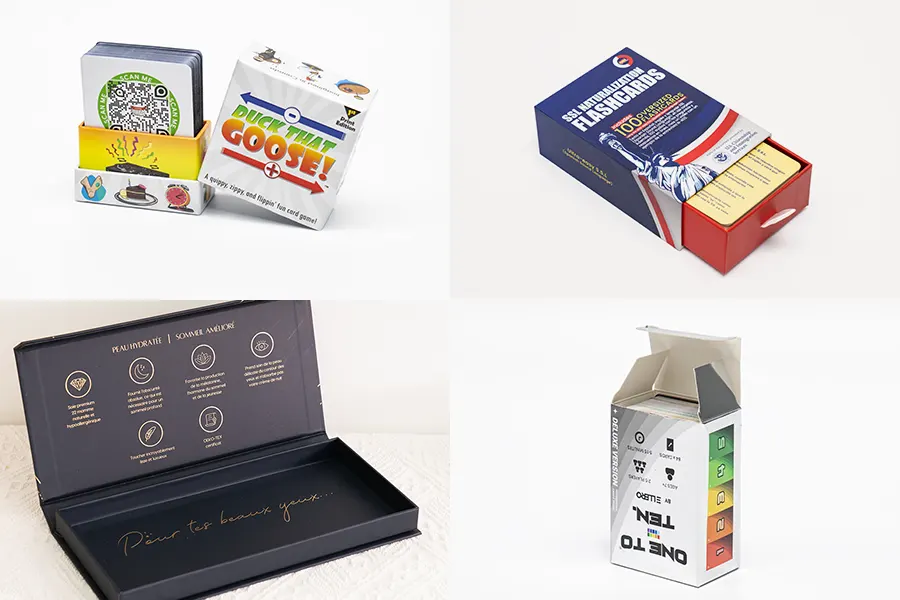
Common options include tuck boxes, rigid boxes, pouches, shrink wrapping, and instructional inserts. Packaging can also help organize cards by subject, level, or category when the deck contains multiple sets.
Xinyi can customize both printing flashcards and supporting packaging, including boxes, pouches, and inserts, so the cards and packaging can be developed as one complete product rather than separate components.
How to Test and Approve Custom Science Flashcards
A careful approval process helps publishers confirm that the printed deck matches the approved artwork, specifications, and packaging before mass production begins.
What to Ask a Flashcard Manufacturer Before Ordering
Before starting custom printed flash cards, publishers should confirm that the manufacturer can handle the complete project, from printing and finishing to sampling and packaging.
Key questions include:
- Customization: Can the manufacturer produce the required size, shape, material, and finish?
- Sampling: Can they provide physical samples before mass production?
- Print quality: Can they reproduce detailed diagrams, small text, and accurate colors?
- Packaging: Can they provide boxes, pouches, inserts, or other required packaging?
- MOQ and production: What is the MOQ and expected production schedule?
A manufacturer that can manage these requirements through one workflow can make the project easier to coordinate and reduce communication between multiple suppliers.
What to Check on a Science Flashcard Sample
A sample should be compared with the approved artwork and specifications rather than judged only by its appearance.
Check the content, print, and physical construction together:
- Content accuracy: Verify terms, labels, diagrams, numbering, and sequence.
- Print quality: Check small text, image sharpness, color consistency, and front-and-back alignment.
- Physical quality: Inspect thickness, cutting, corners, surface finish, and handling feel.
For science decks, small labels and detailed illustrations deserve particular attention because they can look clear on screen but lose readability after printing.
Approve the Complete Deck Before Mass Production
The final approval should cover the complete deck, not just one sample card. Confirm the total card count, sequence, front-and-back artwork, packaging, inserts, and other components before production starts.
This final check can help prevent missing cards, incorrect artwork, packaging errors, and costly reprints. Xinyi supports sampling, printing, finishing, assembly, packaging, and quality inspection for complete flashcard projects.

Why Choose Xinyi for Custom Science Flashcards?
Publishers often need more than card printing for a science flashcard project. Xinyi combines customization, printing, finishing, packaging, and production support in one workflow.
Flexible Customization for Different Science Flashcard Formats
Xinyi can produce custom flashcards for biology, chemistry, physics, anatomy, environmental science, and other educational subjects. Publishers can adjust the specifications to match the content and target market.
Options include:
- Card specifications: Custom sizes, shapes, cardstock, and rounded corners.
- Printing and finishing: Full-color double-sided printing, matte or gloss lamination, foil, UV, and embossing.
- Packaging: Custom boxes, pouches, inserts, and other presentation formats.
This flexibility allows publishers to develop different decks or product editions without being limited to a fixed card format.
Complete Flashcard Production From Prototype to Packaging
Xinyi supports the complete flashcard printing workflow, including artwork checking, sampling, printing, finishing, cutting, assembly, packaging, quality inspection, and shipping.
Working with one manufacturing partner can simplify communication and help maintain consistent specifications across large decks and repeat orders. For publishers planning a new science flashcard product, Xinyi provides a practical starting point for discussing card specifications, samples, packaging, and production requirements.
Frequently Asked Questions
What are science flashcards?
They’re study cards for learning science—facts, formulas, and diagrams for subjects like biology, chemistry, and physics. They can be physical cards or digital files. They work because they force you to actively recall information, which sticks way better than just rereading notes. Each card is designed to test one specific concept, like a single vocabulary term, one formula, or a part of a diagram.
How are science flashcards typically made?
Publishers take content from textbooks or a curriculum and break it down into small, testable questions. The front of the card asks a clear question, and the back provides a concise answer. For science topics, good cards include important context, like the units for a formula or the conditions for a biological process. The cards are then edited for clarity and accuracy.
Can I customize science flashcards?
Yes, customization is a standard feature in most flashcard tools. You can edit the text on questions and answers, add or replace images with scientific diagrams, and change formatting like colors and fonts. This lets you tailor cards to a specific lesson plan or focus on areas where you need more practice.
What materials are used to make flashcards?
Physical flashcards are usually made from index cards or thicker cardstock. For digital flashcards, the “materials” are the content inputs—text from class notes, PDF slides, or images of diagrams. For classroom use, many flashcard sets are designed as printable paper templates that can be distributed easily.
Where can flashcards be printed?
You have a few channels. Online design platforms often offer print-on-demand services. You can also go to specialist manufacturers that focus on producing custom card decks in bulk. For smaller jobs or personal use, general commercial printers are also an option.
How are educational cards manufactured?
The process starts with preparing the design file. The designs are printed on large sheets of cardstock. After printing, a protective finish like a laminate or coating is often applied for durability. The sheets are then cut into individual cards, and corners are often rounded. Finally, the cards are sorted into decks, assembled with any instructions, and packaged.
Developing affirmation cards for kids requires more than creative designs. Educational brands need to balance engaging content, child-friendly materials, and reliable production quality to create products that meet market expectations.
This guide explores key factors in developing custom educational card products, from design and materials to packaging and manufacturing, helping brands create affirmation cards with strong learning value and consistent product quality.
What Are Affirmation Cards for Kids and How Do They Work?
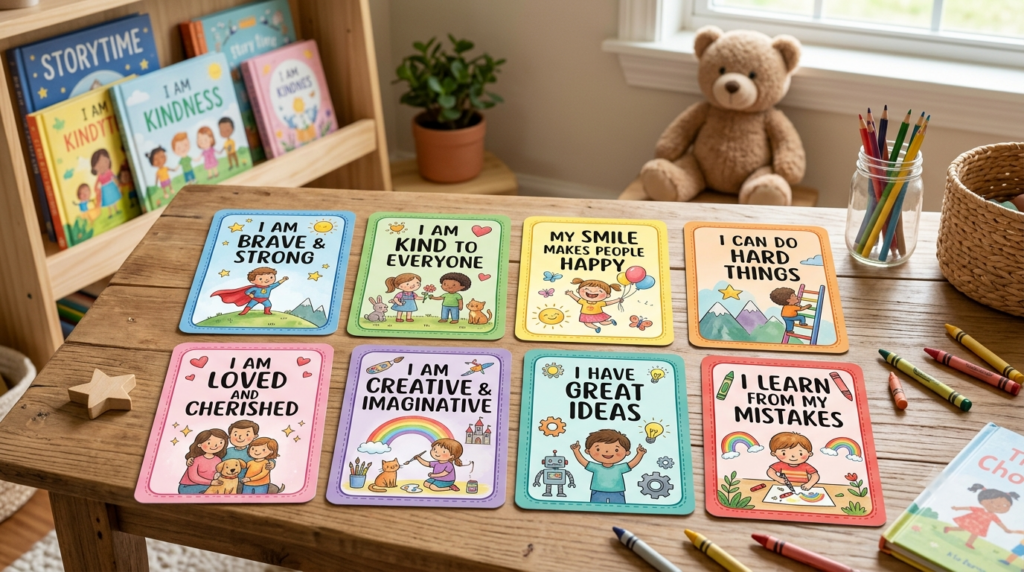
Affirmation cards for kids are educational cards that feature positive statements, reflection prompts, and simple activities to support children’s emotional development. These cards encourage children to think about their feelings, abilities, and personal growth through short and engaging messages.
By using affirmation cards regularly, children can interact with positive messages, reflect on their experiences, and develop greater awareness of their emotions and abilities. Simple prompts and encouraging statements help make emotional learning easier and more engaging.
These cards are commonly used in classrooms, home learning activities, children’s wellness programs, and educational products. Their flexible format allows brands to create card products for different age groups and learning purposes.
Benefits of Affirmation Cards for Children’s Development

Affirmation cards offer educational brands a way to combine children’s development with meaningful learning products.
Building Confidence and Positive Self-Talk
Children build their self-image through daily experiences and communication. Well-designed affirmation cards introduce encouraging messages that help children recognize their strengths and approach challenges with a positive attitude.
Messages such as “I can solve problems” or “I learn from mistakes” encourage children to focus on effort and progress instead of only results. For educational brands, confidence-focused card decks can be developed for home learning, classroom activities, and personal development programs.
Supporting Emotional Awareness and Expression
Many children find it difficult to explain their feelings clearly. Emotion-focused affirmation cards provide simple prompts that help children identify and express emotions through interactive learning.
Brands can develop card themes around:
- Emotion recognition: Helping children understand and name different feelings.
- Self-expression: Encouraging children to share thoughts and personal experiences.
- Emotional regulation: Supporting healthy responses through reflection activities.
These features make affirmation cards suitable for classrooms, family learning, and children’s wellness products.
Encouraging Growth Mindset and Learning Habits
Affirmation cards can also support a growth mindset by encouraging curiosity, persistence, and continuous improvement. Instead of focusing only on achievements, these cards remind children that learning happens through practice and effort.
Common themes include:
- Persistence: Encouraging children to keep trying when facing challenges.
- Learning from mistakes: Helping children see mistakes as part of improvement.
- Progress: Reinforcing the value of small steps and personal growth.
For educational brands, these themes create opportunities to develop card products that complement schools, learning programs, and other educational resources.
How to Design Age-Appropriate Affirmation Cards

Designing affirmation cards for kids requires attention to age, content, visuals, and usability. Educational brands need to create card products that children can easily understand while maintaining strong learning value.
Create Messages Based on Children’s Age Groups
The message style of affirmation cards should match children’s language ability and emotional development. Different age groups require different levels of complexity, from simple encouragement to deeper reflection.
| Age Group | Design Focus | Example Message Style |
|---|---|---|
| Preschool Children | Simple words, basic emotions, and easy-to-understand concepts | “I am loved” |
| Early School Age | Confidence building, learning habits, and positive actions | “I can try something new” |
| Older Children | Self-reflection, personal growth, and problem-solving skills | “I can overcome challenges” |
Choose Engaging Illustrations and Layouts
Visual design plays an important role in children’s affirmation card products. The right illustrations and layout help children understand the message and make the card experience more engaging.
Key design elements include:
- Typography: Using clear and readable fonts that match the target age group.
- Illustration style: Creating friendly visuals that support the meaning of each message.
- Layout balance: Combining text and images without making the card feel crowded.
For younger children, illustrations often play a stronger role in communication. Older children may prefer cleaner designs with more space for reflection and interaction.
Balance Educational Value and Product Appeal
A good affirmation card product should combine learning value with an engaging user experience. Educational brands need to create cards that are meaningful for children while remaining attractive and easy to use.
The balance can be achieved through:
- Clear messages: Use simple language that supports confidence, reflection, and emotional growth.
- Engaging design: Combine illustrations and layouts that attract children while keeping the message clear.
- Interactive features: Add prompts or activities that encourage participation and repeated use.
This approach helps brands create affirmation cards that support children’s learning goals while meeting the expectations of parents, teachers, and retailers.
Select Suitable Card Sizes and Interactive Features
Card size influences readability, portability, and user experience. Brands should consider the target age group, product purpose, and usage environment when selecting a suitable format.
Different card formats can support different product applications:
- Compact card formats: Suitable for daily-use decks because they are easy for children to hold, carry, and use independently.
- Larger card formats: Provide more space for illustrations, questions, and activity-based content, making them suitable for classroom interaction or guided learning sessions.
Working with printing manufacturers that provide design templates and production guidance can help optimize layout spacing, text placement, and print quality before production. Brands can also add interactive features to increase engagement, such as:
- Question prompts: Encouraging children to reflect and respond.
- Matching activities: Creating interactive learning experiences.
- Reflection sections: Supporting personal expression.
Create Custom Affirmation Cards for Kids with Confidence.
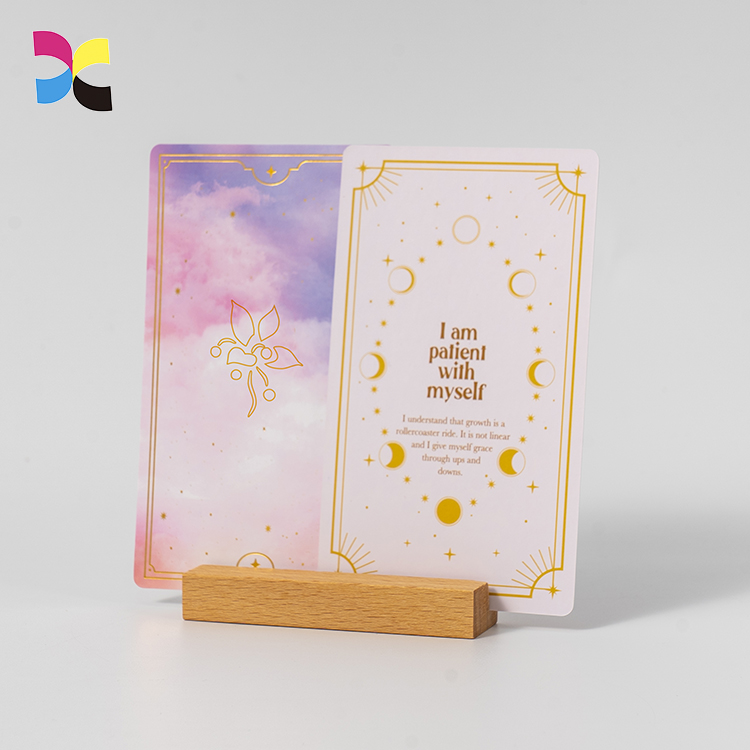
Popular Ideas of Affirmation Cards for Kids
Educational brands can develop affirmation card collections around different learning goals, from confidence building to emotional development.
| Affirmation Card Theme | Content Focus | Common Applications |
|---|---|---|
| Confidence and Self-Esteem Cards | Self-belief, personal strengths, effort, and positive attitudes toward challenges. | Classroom activities, parenting products, and personal development resources. |
| Emotional Learning and Mindfulness Cards | Emotion recognition, reflection prompts, breathing exercises, and calming activities. | Wellness programs, family activities, and emotional education products. |
| Kindness and Social Skills Cards | Empathy, communication, sharing, cooperation, and building positive relationships. | Classroom discussions, group activities, and social learning programs. |
| Growth Mindset and Learning Motivation Cards | Persistence, skill improvement, practicing habits, and learning from mistakes. | Schools, educational kits, and learning programs. |
Choosing Safe Materials for Kids Affirmation Card Products
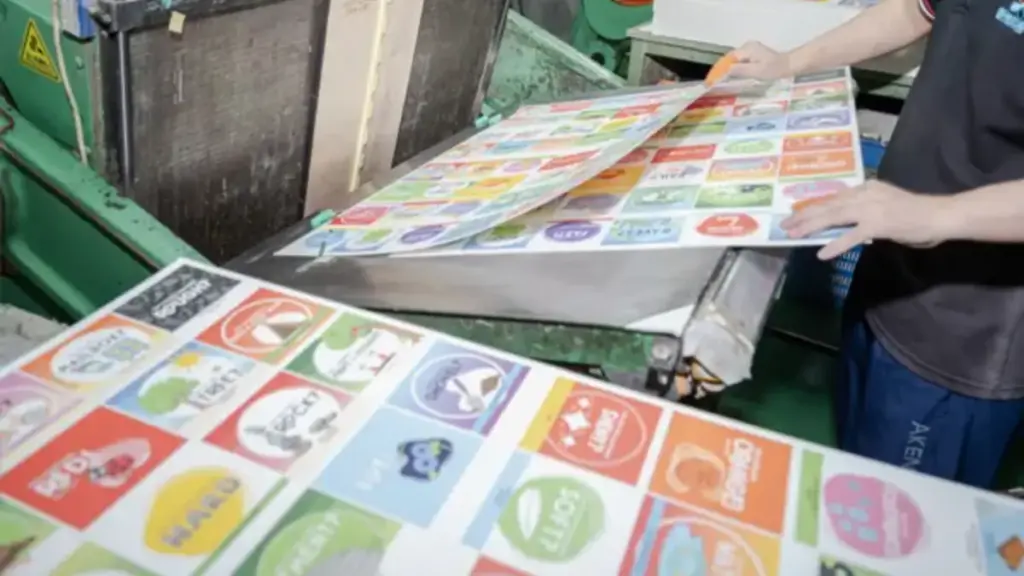
Material selection directly affects the safety, durability, and user experience of children’s affirmation cards. Educational brands need to consider not only print quality but also child-friendly materials and production details that support repeated use.
Selecting Durable Cardstock for Children’s Use
The right cardstock helps affirmation cards maintain their structure, appearance, and usability during daily handling. Since children’s cards are often used in classrooms, learning activities, and home environments, the material should provide a balance between durability and comfortable handling.
Common cardstock options include:
| Material Option | Key Features | Suitable Applications |
|---|---|---|
| 300gsm Cardstock | Lightweight structure with good print quality and flexibility | Standard affirmation card decks and everyday learning products |
| 350gsm Cardstock | Thicker construction with improved durability and a stronger hand feel | Frequently used cards and higher-quality educational products |
| Laminated Cardstock | Enhanced protection against moisture, scratches, and repeated handling | Children’s card products requiring long-term durability |
Using Safe Printing and Finishing Materials
Children’s products require careful consideration of printing materials and surface treatments. Safe and reliable printing options help brands create products that are visually appealing while meeting expectations for child-friendly use.
Important considerations include:
- Safe inks: Using non-toxic printing inks helps ensure the cards are suitable for children’s products.
- Low-impact finishes: Water-based or low-VOC options provide a safer choice while maintaining print performance.
- Smooth surfaces: Proper finishing improves the touch experience and prevents rough textures that may affect usability.
Considering Durability and Child-Friendly Features
Beyond the main material, small design details can improve the overall product experience. Children’s affirmation cards should be comfortable to handle and able to maintain quality through repeated use.
Brands can consider features such as:
- Rounded corners: Reducing sharp edges and creating a safer handling experience.
- Protective coatings: Improving resistance to moisture, scratches, and daily wear.
- Easy-to-clean surfaces: Supporting better hygiene for classroom and shared-use environments.
Combining durable materials, safe printing, and suitable finishes helps brands create reliable affirmation card products for children’s learning environments.
Packaging Options for Children’s Affirmation Card Products
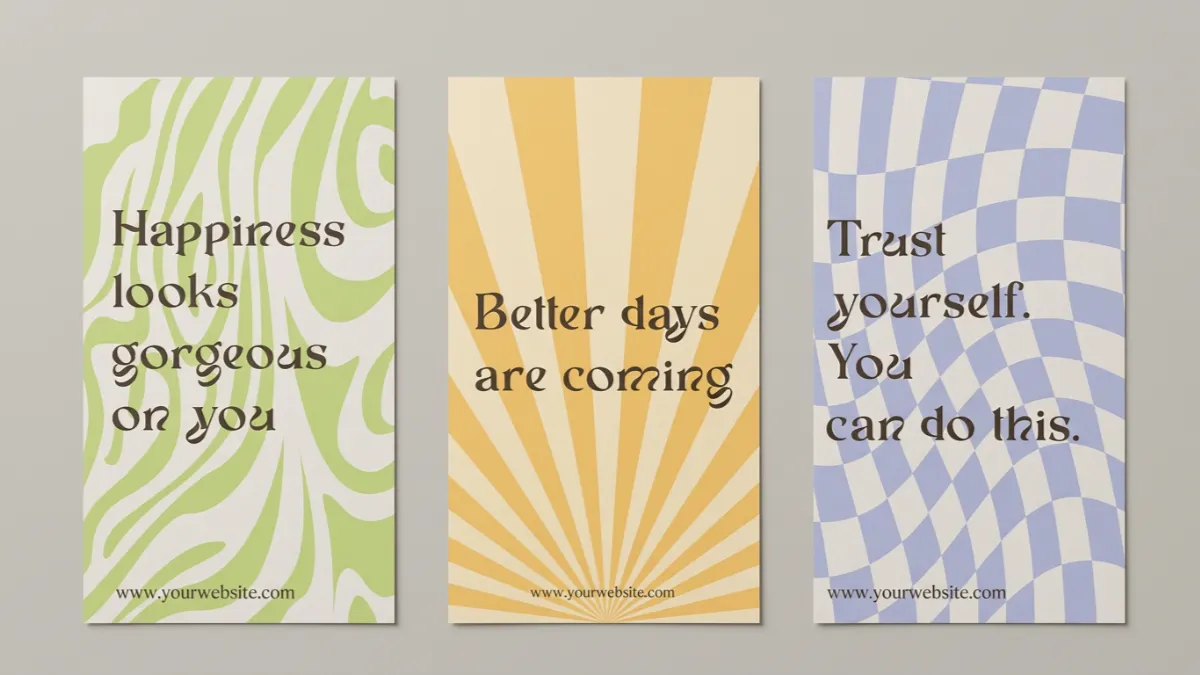
The right packaging solution helps educational brands balance functionality, visual appeal, and product positioning.
Card Boxes for Retail and Educational Use
Standard card boxes are a practical choice for many affirmation card products. They provide basic protection while keeping the packaging simple and suitable for educational brands that need efficient production solutions.
Common advantages include:
- Cost efficiency: Suitable for brands looking for practical packaging options with controlled production costs.
- Easy storage: Helps keep card decks organized for classrooms, learning centers, and home use.
- Simple customization: Allows brands to add logos, artwork, and basic product information.
This packaging style works well for classroom tools, educational resources, and general card collections where functionality is the main priority.
Premium Packaging for Gift and Subscription Products
For brands developing higher-value affirmation card products, premium packaging can improve the overall product experience and create stronger perceived value.
Options may include:
- Rigid boxes: Providing a stronger structure and a more premium appearance.
- Magnetic closure boxes: Creating a reusable and gift-oriented presentation.
- Custom inserts: Keeping cards, guides, and additional materials organized.
These solutions are suitable for subscription products, educational gift sets, and premium learning collections where packaging plays an important role in customer experience.
Custom Packaging Design for Brand Differentiation
Custom packaging allows educational brands to create a more recognizable product identity. Beyond protecting the cards, packaging can communicate the brand’s style, product theme, and user experience.
Brands can customize elements such as:
- Box artwork: Creating visual designs that match the card theme and target audience.
- Internal layout: Organizing card decks, instruction guides, and additional components.
- Brand elements: Adding logos, colors, and storytelling details that strengthen product recognition.
We also explain this concept further in our article about Affirmation Cards Paper Types and Finishes.
How Educational Brands Choose the Right Manufacturer
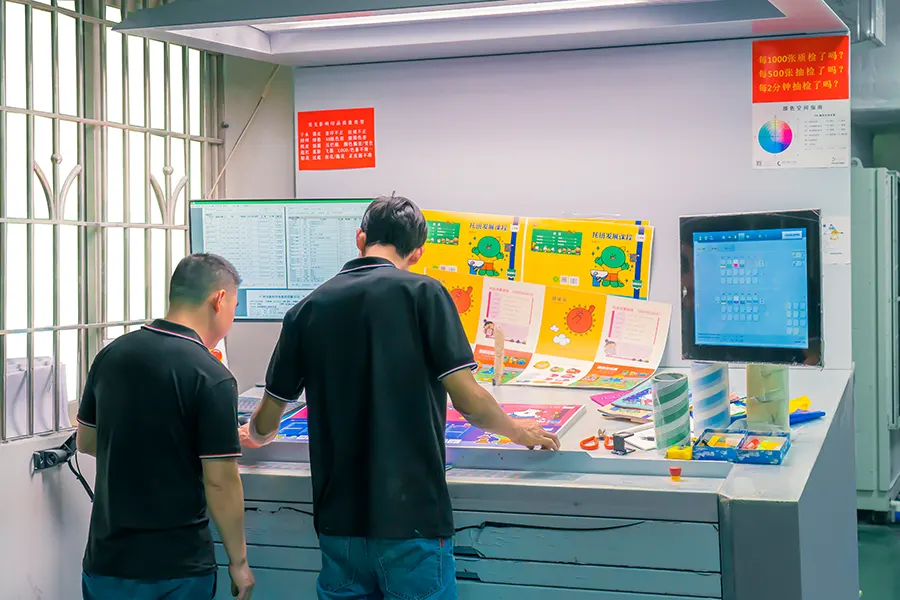
Developing custom affirmation cards requires more than creative ideas and attractive designs. Brands need a manufacturing partner that can support product development, maintain consistent quality, and provide reliable production solutions.
Experience with Custom Card Production
Manufacturing experience directly affects the quality and efficiency of custom card projects. Children’s card products involve multiple processes, including printing, cutting, finishing, and packaging, so experienced suppliers can provide better support during development.
Brands should look for manufacturers with capabilities such as:
- Custom production experience: Supporting different card concepts, formats, and product requirements.
- Process knowledge: Providing guidance on materials, printing methods, and finishing options.
- Complete production support: Managing card manufacturing and packaging coordination from design to final delivery.
A manufacturer familiar with educational and children’s card products can help brands avoid common production issues and improve the overall development process.
Flexible Customization and OEM Support
Educational brands often need affirmation cards that match their own themes, audiences, and market positioning. Flexible OEM support allows companies to create products that are different from standard card decks.
Key customization options may include:
- Card design: Developing unique artwork, themes, and content layouts.
- Product structure: Adjusting card sizes, shapes, and formats based on usage needs.
- Packaging solutions: Creating packaging that matches the product identity and sales positioning.
- Production flexibility: Supporting different order quantities for new product launches or product expansion.
This flexibility helps brands build distinctive educational products while adapting to changing market needs.
Quality Control and Production Reliability
Consistent production quality is essential for protecting brand reputation and maintaining customer trust. A reliable manufacturer should have clear quality control procedures throughout the production process.
Important quality checks include:
- Printing accuracy: Ensuring colors, text, and images remain consistent across card decks.
- Cutting precision: Maintaining clean edges and consistent card dimensions.
- Finishing inspection: Checking coatings and surface treatments for durability and appearance.
- Packaging quality: Ensuring final products are properly assembled and ready for delivery.
For product development teams, we recommend reading How to Create a Branded Affirmation Card Deck for Sale
Final Thoughts
Creating affirmation cards for kids requires the right balance of engaging design, safe materials, and reliable manufacturing. With professional production support from Xinyi Card Printing, educational brands can develop custom card products that deliver learning value and consistent quality.
Frequently Asked Questions
What is the purpose of affirmation cards for kids?
Affirmation cards help children develop positive thinking, self-awareness, and emotional expression through encouraging messages and interactive activities. They are often used as learning tools in homes, classrooms, and children’s educational programs.
How can children use affirmation cards in daily learning?
Children can use affirmation cards during classroom activities, home learning routines, or personal reflection time. They can read messages aloud, answer prompts, and discuss ideas to build confidence and emotional awareness.
What materials are suitable for children’s affirmation cards?
Children’s affirmation cards usually require durable cardstock, safe printing materials, and protective finishes. The ideal material depends on the product purpose, target age group, and expected frequency of use.
How can brands choose the right affirmation card manufacturer?
Brands should evaluate a manufacturer’s experience with custom card production, customization capabilities, quality control processes, and ability to support long-term production needs.
Self-love has become more than a personal idea. It is now part of daily wellness routines, journaling, gifting, mindfulness, and personal growth. This shift has created space for products that make self-care simple and easy to practice. Self-love affirmation card decks are one example, combining short positive messages with a physical format that fits naturally into everyday routines.
For creators, wellness brands, gift companies, and lifestyle businesses, these decks also offer opportunities to turn meaningful ideas into marketable products. This guide explores their benefits, popular concepts, everyday uses, and the key design, material, and packaging decisions involved in creating a self-love card deck.
What Is a Self-Love Affirmation Card Deck?
A self-love affirmation card deck is a type of affirmation card deck built around themes such as self-worth, confidence, self-acceptance, personal growth, and self-care. It is a set of printed cards featuring positive statements, prompts, questions, or short messages that encourage users to read, reflect, or engage with one idea at a time.
Like other affirmation card decks, a self-love deck brings multiple messages together around a shared theme. Some decks focus only on affirmations, while others combine them with questions, journaling prompts, or simple activities. The number of cards and content format can vary depending on the product concept and intended audience.
For example, a self-love deck may include:
- I am worthy of kindness and respect.
- I trust myself to grow at my own pace.
- I give myself permission to rest.
- I accept myself while continuing to grow.
The theme can also be developed in different directions, including confidence, self-worth, healing, gratitude, relationships, and personal growth. This flexibility allows affirmation cards for self love to serve different audiences and product concepts.

What Are the Benefits of Self-Love Affirmations?
Self-love affirmations are short statements that encourage positive self-talk, self-acceptance, and reflection. Their simple format makes them easy to include in everyday activities, while repeated use can help people bring supportive ideas into their thoughts, routines, and daily experiences.
They can offer several practical benefits:
- Encourage positive self-talk: Short, supportive messages can give people a simple way to focus on positive thoughts and personal strengths.
- Create moments for reflection: An affirmation can provide a starting point for thinking about feelings, experiences, goals, or personal progress.
- Build a simple daily habit: Reading one affirmation in the morning or evening can add a small, repeatable activity to a self-care routine.
- Support journaling and mindfulness: An affirmation can become a writing prompt or a simple focus point during quiet time and mindfulness practices.
- Encourage shared conversations: When used with friends, couples, or groups, affirmations can create opportunities to discuss personal experiences, goals, and feelings.
- Connect positive words with daily actions: Self-love affirmations can give people simple words to return to when facing everyday situations. Repeated reminders about self-worth, confidence, or self-acceptance can help people carry these ideas into their choices, habits, and interactions.
The flexibility of affirmations for self love makes them suitable for different needs and routines. Some people may use them as daily reminders, while others may incorporate them into journaling, mindfulness, personal growth, or shared activities.
You may like How Positive Affirmation Cards Can Shift Your Mindset for Self-Assurance and Inner Happiness

Turn Your Self-Love Card Concept Into a Market-Ready Product.
Why Are Self-Love Affirmation Card Decks Becoming Popular?
Self-love affirmation card decks are becoming popular because they make positive messages simple, tangible, and easy to include in daily routines. Instead of reading affirmations on a screen, users can draw a card, read the message, and take a moment to reflect.
Their simple format is one of their main appeals. A person can use one card in the morning, during journaling, or whenever they need a positive reminder. The deck can fit into different routines without requiring a fixed schedule.
The cards are also visually attractive and easy to personalize. Colors, illustrations, typography, patterns, and special finishes can give a deck a unique look. This makes self-love cards more than a collection of messages—they can become decorative, collectible, and enjoyable physical products.
Another reason is their gift appeal. A self-love card deck can work as a birthday gift, wellness gift, or small lifestyle product. Brands can also create different themes for different audiences, such as self-care, confidence, self-worth, or personal growth.
These qualities make self-love affirmation card decks easy to use, attractive to own, and flexible enough to become part of the growing lifestyle and wellness product market.
Popular Self-Love Card Deck Ideas for Different Audiences
Self-love card decks can be developed around different themes, needs, and audiences. A focused concept often makes the product easier to understand and gives the deck a clear identity. From simple daily affirmations to interactive card games, different formats can create different experiences.
Daily Self-Love Affirmation Decks
A daily deck can provide one short affirmation for each day, giving users a simple message to reflect on as part of their routine. The content may focus on self-worth, positive thinking, gratitude, confidence, or self-acceptance.
This format works well for people who want to build a simple daily habit. It can also be developed as a gift or wellness product with a clear theme and easy-to-understand packaging.
Self-Worth and Confidence Cards
A confidence-focused deck can use self-worth and self-love affirmations to encourage users to recognize their strengths, value, and personal progress. Short positive statements can be combined with reflection prompts to make the cards more interactive.
These decks may appeal to young adults, professionals, students, or anyone interested in personal growth and positive self-talk.
Self-Care and Healing Decks
Self-care decks can focus on rest, boundaries, gratitude, self-acceptance, and personal reflection. Self-care affirmation cards may also include journaling prompts or simple questions that encourage users to slow down and think about their needs.
This concept can work well for wellness brands and lifestyle products, especially when the visual style creates a calm and relaxing experience.
Personal Growth and Success Decks
Self-love can also be connected with personal goals and positive progress. A deck may include affirmations about confidence, motivation, resilience, growth, and success.
For example, affirmations for self love and success can encourage users to value themselves while working toward personal goals. Other decks may focus more on self-love and personal growth, making them suitable for journals, planners, or other personal development products.
Interactive Self-Love Card Games
Not every self-love deck needs to focus only on traditional affirmations. A self-love card game can include questions, challenges, discussion prompts, or simple activities that encourage interaction.
This format can work well for friends, couples, workshops, or group activities. It also gives brands an opportunity to create a more social lifestyle product while keeping self-love at the center of the experience.

How Can People Use Self-Love Affirmation Card Decks?
Self-love affirmation card decks can be used in simple ways throughout the day. People can draw a card for personal reflection, use it with journaling or mindfulness, or share the cards with others. The format can easily fit different routines and occasions.
- Start the day with one affirmation. Draw one card in the morning, read the message, and use it as a positive thought to carry through the day. Some users may prefer drawing a card before bed as a short evening reflection.
- Use cards with journaling. Draw a card and write about how its message relates to a personal experience, goal, or feeling. For example, a self-acceptance card can inspire a journal entry about personal strengths or recent progress.
- Add cards to quiet or mindful moments. A single affirmation can provide a simple focus during meditation, breathing exercises, or other quiet time. Users can read the card and spend a few minutes reflecting on the message.
- Share cards with friends or groups. Self-love cards can also become conversation starters. Friends, couples, or small groups can take turns drawing cards and discussing the messages. Decks with questions or prompts can make this activity more interactive.
For brands, this flexible format creates opportunities to develop gift sets and lifestyle collections. A card deck can be paired with journals, planners, candles, or other wellness products for birthdays, holidays, or special occasions. Different themes can also be developed for different audiences, from daily self-care to confidence and personal growth.
The range of uses is one reason self-love card decks can work as more than simple affirmation products. They can serve as daily reminders, journaling prompts, mindfulness tools, conversation starters, or thoughtful gifts, giving brands more ways to position and develop the same basic product format.
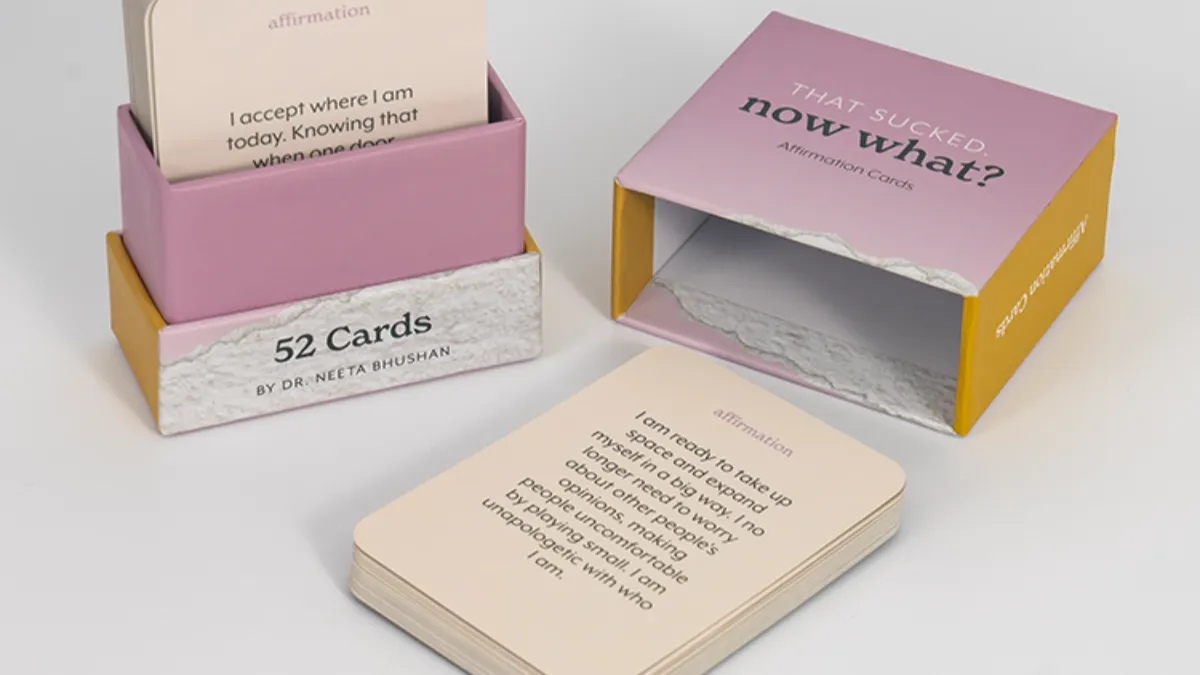
How to Create and Design a Self-Love Affirmation Card Deck
Creating a self-love affirmation card deck starts with a clear product concept. The theme, audience, card content, visual style, physical specifications, and packaging should work together to create one consistent product. This approach also makes the printing stage easier because production decisions are based on a defined product plan rather than made separately.
1. Define the Audience and Theme
Start by deciding who the deck is designed for and what type of experience it should provide. A general self-love deck may appeal to a wide audience, while a focused concept can create a stronger connection with a specific group.
Common themes include:
- Self-worth and confidence
- Self-care and healing
- Personal growth
- Relationships and gratitude
- Mindfulness and spirituality
The audience should also influence the tone of the affirmations and visual style. A deck for younger users may use brighter colors, playful illustrations, and simple language, while a premium wellness product may use a calmer palette, refined typography, and more minimal artwork.
2. Plan the Card Content
The content gives the deck its main purpose. Each card should have a clear role, whether it presents an affirmation, reflection question, journaling prompt, or simple activity.
Short affirmations are easy to read and remember, while questions and prompts can encourage deeper interaction. A deck can use one format throughout or combine several types of cards to create a more varied experience.
Content should also feel consistent across the entire deck. The wording, tone, message length, and level of interaction should match the theme and audience. A well-planned content structure makes the physical design easier to organize later.
3. Build a Strong Visual Identity
The visual design should support the theme rather than compete with the message. Typography, illustrations, colors, patterns, spacing, and card layout all contribute to how the deck feels in use.
Physical details can further shape the product experience. Depending on the product positioning, brands may consider thicker card stock, rounded corners, matte or gloss finishes, foil stamping, or embossing.
For a lifestyle or gift product, these details can also help create a consistent visual identity across the cards and packaging.
Explore Advanced Manufacturing for Custom Printed Cards
4. Plan the Card and Packaging Format
Card size, stock, thickness, finish, and packaging should be planned together because they affect both the look and the way the deck feels in use. A compact deck may work well with a tuck box, while a premium product may benefit from a rigid box or magnetic closure.
Packaging also plays an important role in product presentation. It protects the cards during storage and transport while giving the deck a clear identity on a shelf or in a gift collection.
5. Turn the Design Into a Finished Product
Once the content and artwork are ready, the next step is to turn the digital design into a physical card deck. A card printing manufacturer can help produce samples so the brand can review the actual colors, paper feel, finishing, card handling, and packaging before bulk production.
A production check can include:
- Color accuracy
- Card thickness and feel
- Print quality
- Corner cutting
- Surface finish
- Box structure
- Assembly
- Overall presentation
A physical sample is especially useful for custom decks because details that look correct on a screen can feel different when printed. Reviewing the prototype before mass production gives brands an opportunity to refine the product and maintain consistent quality across the final production run.
If you are brand owner, you can read this article to learn more about this process: How to Create a Branded Affirmation Card Deck for Sale?
Final Thoughts
Self-love affirmation card decks bring together meaningful content, simple daily use, and an attractive physical format. Their flexible themes, visual design, portability, and gift appeal make them suitable for personal routines as well as the wider wellness and lifestyle market. With a clear concept, a simple set of affirmations can become a product that people enjoy using, displaying, and sharing.
For creators and brands, developing a strong deck means carrying the same idea through the affirmations, artwork, card materials, finishes, and packaging. Xinyi Card Printing supports custom card deck projects from prototypes and material selection to finished production, helping brands turn their ideas into consistent, market-ready products for retail, gifting, and lifestyle collections.
Frequently Asked Questions
What are self-love affirmation cards?
Self-love affirmation cards are a wellness tool consisting of a deck of cards, each with a short, positive statement. They are designed to help you build self-worth, confidence, and compassion by reinforcing positive self-talk through daily practice.
How do self-love affirmation cards work?
They work through consistent repetition. By reading a positive statement daily, you interrupt negative thought patterns and train your mind to focus on more supportive beliefs. This practice helps reshape your inner dialogue, making self-encouragement and self-acceptance feel more natural over time.
How often should I use my affirmation cards?
For the best results, aim for daily use. Integrating the cards into a morning or evening routine helps build a consistent habit. You can draw one card to set an intention for the day, place it on your desk or mirror as a visual reminder, or use it as a prompt for journaling.
What materials are affirmation cards typically made from?
Professionally printed affirmation cards are usually made from thick, durable cardstock (300–400 gsm) to withstand regular handling. They often have a protective matte or gloss lamination. This ensures they feel high-quality and last longer as part of a daily ritual.
Why are affirmation card decks so popular?
Affirmation card decks are popular because they make positive messages simple, accessible, and easy to include in daily routines. Users can draw one card for reflection, journaling, mindfulness, or a quick daily reminder. Their physical format also makes them attractive as gifts, wellness products, and lifestyle accessories.
Many brands have ideas for creating an affirmation card deck but struggle to turn meaningful messages into a well-structured product that truly connects with their target audience. Developing an affirmation card deck requires more than writing positive statements—it involves understanding the purpose, content, design, and overall product experience. This guide covers what affirmation cards are, how they work, different types of affirmation cards, and the key steps to create a branded affirmation card deck for sale.
What is an Affirmation Card?

An affirmation card is a small printed card that contains positive statements, motivational messages, or reflection prompts designed to encourage self-reflection and personal growth. As a physical product, it allows users to read, keep, and revisit meaningful messages over time.
Different from traditional greeting cards or postcards, affirmation cards are usually produced as a complete deck with multiple cards built around a specific theme. Each card delivers a unique message, while the full deck creates a consistent experience based on topics such as confidence, gratitude, mindfulness, or personal development.
A typical affirmation card deck includes several key elements:
| Card Element | Description |
|---|---|
| Affirmation Message | Positive statements or reflection prompts related to confidence, gratitude, self-love, mindfulness, or personal development. |
| Visual Design | Illustrations, colors, typography, and layouts that create a unique visual style and support the card theme. |
| Card Format | Different card sizes, shapes, and layouts based on product requirements and design concepts. |
| Packaging | Boxes or packaging solutions that protect the cards and complete the overall product presentation. |
How Does the Affirmation Card Work?
Affirmation cards work by creating moments of reflection that help users focus on positive thoughts, personal goals, and emotional awareness. By regularly reading meaningful messages, users can develop a stronger connection with their thoughts and mindset.
Users typically draw one card, read the message, and consider how it relates to their current feelings or experiences. This simple practice encourages users to slow down, reflect on their priorities, and create a more positive mental focus.
For example, affirmation cards may include messages related to:
- Positive Mindset: Encouraging users to maintain an optimistic attitude and focus on possibilities.
- Self-Confidence: Helping users recognize their strengths and build trust in their own abilities.
The value of an affirmation card deck comes from the combination of meaningful content and repeated interaction. A thoughtfully designed deck provides users with a physical reminder that they can return to whenever they need encouragement, reflection, or motivation.
We also explain this concept further in our article about How Positive Affirmation Cards Can Shift Your Mindset.
What Are Affirmation Cards Used For?
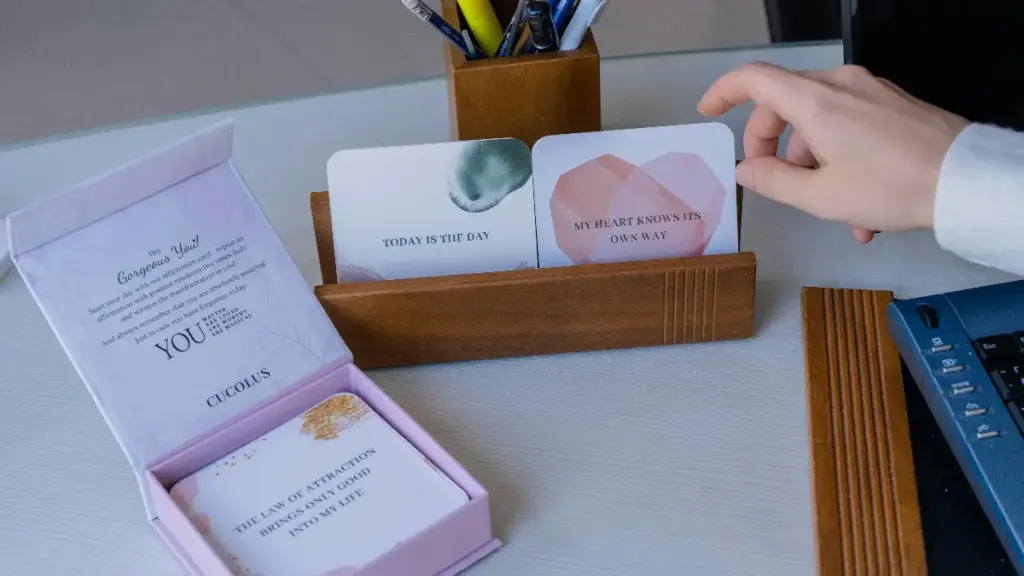
Affirmation cards can be used in personal routines, wellness activities, professional sessions, and branded products. Their flexible format makes them suitable for both individual users and businesses looking to create meaningful experiences.
Personal Growth and Daily Reflection
Many users include affirmation cards in daily reflection, journaling, and mindfulness routines. A single message can provide a moment of focus and encourage positive thinking throughout the day.
Wellness and Professional Activities
Affirmation cards are commonly used in yoga classes, meditation practices, coaching sessions, and workshops. They can support discussion, self-reflection, and personal development activities.
Gifts and Brand Engagement
Businesses can create custom affirmation card decks as gifts, subscription box products, or customer appreciation items. A branded deck combines useful content with a physical product experience that helps strengthen customer relationships.
Manufacture Premium, Retail-Ready Affirmation Decks
Types of Affirmation Cards
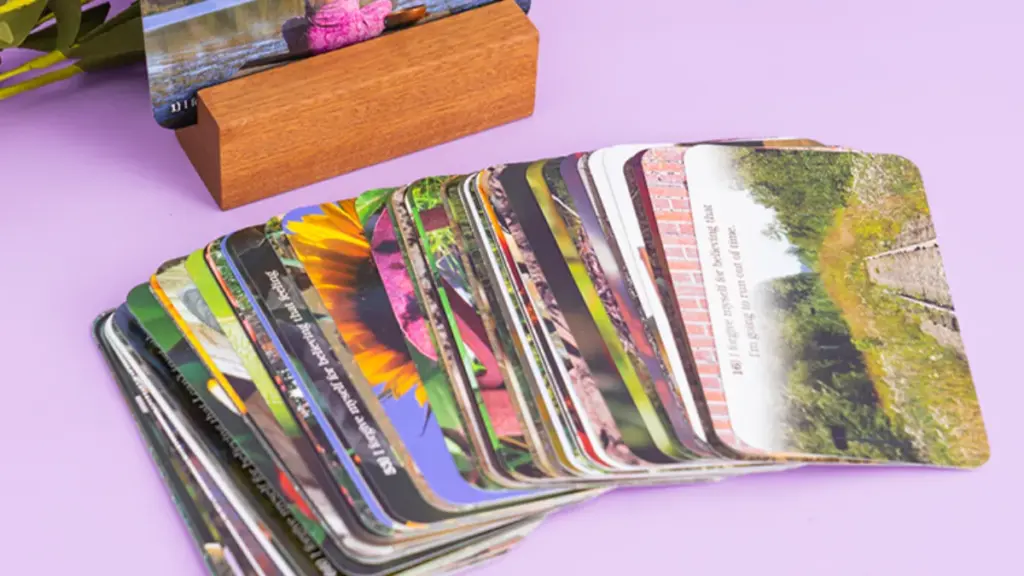
Affirmation cards are available in different themes, formats, and designs to support various audiences and personal goals. From daily reflection tools to customized printed products, different types of affirmation cards can be created for specific user groups and purposes.
Self-Love and Confidence Affirmation Cards
Self-love and confidence affirmation cards focus on improving self-esteem, encouraging self-acceptance, and building a positive self-image. These decks are especially popular among audiences looking for personal growth and emotional support.
Many affirmation cards for women are designed around themes such as:
- Self-Acceptance: Helping users recognize their own value and strengths.
- Confidence Building: Encouraging belief in personal abilities and choices.
- Positive Mindset: Supporting a healthier attitude toward daily challenges.
Daily Affirmation Cards
Daily affirmation cards are designed for regular use, allowing users to draw one card each day and reflect on a meaningful message. These decks often become part of morning routines, journaling practices, or mindfulness activities.
Common themes include:
- Gratitude: Encouraging appreciation for daily experiences.
- Motivation: Supporting users in achieving personal goals.
- Personal Growth: Inspiring reflection and continuous improvement.
Mindfulness and Yoga Affirmation Cards
Mindfulness and yoga affirmation cards combine positive messages with relaxation and self-awareness practices. They are commonly used by wellness brands, yoga studios, and meditation-related businesses.
These decks often include messages related to:
- Mindfulness: Encouraging users to stay present.
- Inner Peace: Supporting emotional balance and relaxation.
- Self-Reflection: Helping users develop greater awareness.
Adult Affirmation Cards
Adult affirmation cards are created for mature audiences and often focus on areas such as confidence, relationships, career development, and emotional wellness.
These decks can be designed for different groups, including affirmation cards for men and women, with themes that match their specific interests and experiences.
For example:
- Career Motivation: Supporting professional confidence and achievement.
- Stress Relief: Providing positive reminders during challenging periods.
- Relationships: Encouraging communication and emotional connection.
Kids Affirmation Cards
Affirmation cards for kids use simple language, colorful artwork, and age-appropriate messages to help children develop confidence and emotional awareness.
These decks often feature:
- Child-Friendly Messages: Making affirmations easy for children to understand.
- Creative Illustrations: Creating an engaging visual experience.
- Learning Activities: Supporting emotional development through interaction.
Custom Positive Affirmation Card Decks
A physical affirmation card deck can be customized with unique messages, artwork, card formats, and packaging to match different audiences and product concepts.
For brands developing an affirmation physical card product, customization allows them to create unique decks for wellness, education, lifestyle, and personal development markets.
How to Create Branded Affirmation Card Deck for Sale?
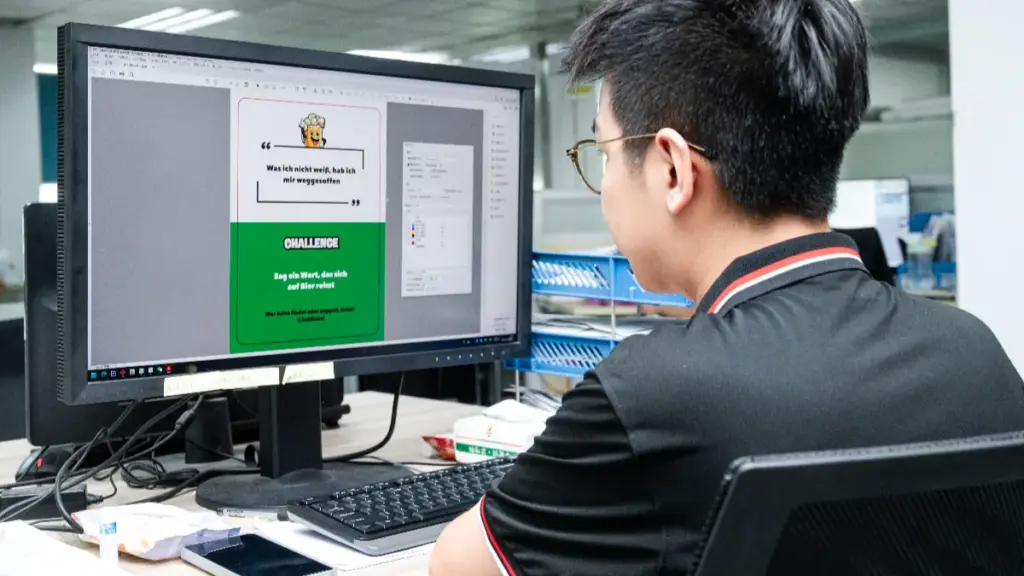
Creating a branded affirmation card deck involves more than writing positive messages. Brands need to plan the product concept, content, design, materials, and production process to create a deck that meets customer expectations.
1. Define Your Product Purpose and Target Audience
A clear product direction helps brands create affirmation cards that connect with the right audience. Before starting the design process, determine what the deck should communicate and who will use it.
Consider:
- Product Theme: Decide whether the deck focuses on self-love, mindfulness, motivation, wellness, or another specific topic.
- Target Audience: Identify the intended users, such as adults, women, children, wellness communities, or personal development audiences.
- Product Purpose: Define whether the deck will be sold as a retail product, used as a gift, or included in a brand campaign.
A clear purpose provides direction for the message style, visual design, and overall product experience.
2. Develop the Affirmation Content
The content is the foundation of an affirmation card deck. Each card should deliver a clear message that matches the theme and creates value for users.
When developing card content, brands should consider:
- Message Style: Keep affirmations positive, concise, and easy to understand while matching the audience’s needs.
- Card Quantity: Choose a suitable deck size based on the product concept, such as 30, 50, or 100 cards.
- Content Structure: Organize messages around specific themes, such as gratitude, confidence, emotional wellness, or personal growth.
Brands can also add interactive elements, including reflection questions, journaling prompts, or action suggestions, to create a deeper user experience.
3. Design the Card Deck
The design of an affirmation card deck should visually communicate the brand identity and support the message on each card. A consistent design style helps create a professional product that customers can recognize and connect with.
Key design elements include:
- Card Size and Shape: Select a format that matches the intended user experience, from standard rectangular cards to custom shapes.
- Visual Style: Choose illustrations, colors, and layouts that fit the theme of the deck.
- Typography: Use readable fonts that improve clarity and match the overall design direction.
- Card Layout: Balance text and visual elements to ensure the message remains easy to read.
For premium products, brands can also add special finishes such as foil stamping, embossing, spot UV, or textured effects to improve visual appeal.
4. Select Suitable Materials and Packaging
The choice of materials affects how the cards look, feel, and perform during repeated use. High-quality materials can improve durability and create a more premium customer experience.
| Material or Packaging Option | Benefits |
|---|---|
| Premium Card Stock | Provides better thickness, durability, and a professional hand feel for repeated use. |
| Matte or Glossy Finish | Creates different visual effects while protecting the printed surface from daily wear. |
| Custom Card Box | Protects the deck and improves product presentation, gifting value, and brand experience. |
Packaging should also match the product positioning. A premium wellness deck may require a different box style compared with a simple daily affirmation card set.
You can learn more about Affirmation Cards Paper Types and Finishes in our dedicated article.
5. Manage Printing and Production
Once the design and specifications are confirmed, brands need a reliable printing partner to turn the concept into a finished product.
During production, important factors include:
- Sample Review: Check printing quality, colors, materials, and finishing details before mass production.
- Printing Quality: Ensure accurate color reproduction, clean cutting, and consistent results across the deck.
- Production Capability: Work with a manufacturer that can support customization, packaging, and different order requirements.
Choosing an experienced custom card printing manufacturer helps brands create affirmation card decks that are ready for retail, gifting, or promotional use.
To better understand the full system, see our breakdown of Guide to Manufacturing Custom Affirmation Card Sets.
How to Choose an Affirmation Card Manufacturer for Your Brand?
Product quality, customization flexibility, and production reliability depend heavily on the manufacturer behind an affirmation card deck. Brands should review key factors such as production experience, manufacturing capabilities, material options, and support services before starting a card project.
| Evaluation Factor | What Brands Should Check |
|---|---|
| Card Production Experience | Experience with custom card decks helps ensure accurate printing, consistent quality, and reliable production processes. |
| Customization Capability | Check whether the manufacturer supports custom sizes, artwork, finishes, packaging, and accessories to match your brand concept. |
| Material and Finishing Options | Different cardstock, coatings, and special finishes influence durability, appearance, and the overall user experience. |
| Sustainable Production Options | Eco-friendly materials such as FSC-certified paper, soy-based inks, and recyclable packaging can support sustainable brand positioning. |
| Production Support | Flexible MOQ, sample checking, fast turnaround, and responsive communication help brands reduce development risks. |
Experience with different card products is an important advantage when developing customized affirmation card decks. Manufacturers familiar with specialty products such as playing cards, tarot cards, and educational cards can better understand the requirements of different card structures, artwork styles, and production details.
For brands entering the wellness, lifestyle, or personal development markets, a manufacturing partner with flexible customization and reliable production support can make the product development process smoother.
Final Thoughts
Developing a branded affirmation card deck requires attention to content, design, materials, packaging, and production quality. A reliable affirmation card manufacturer can help brands turn creative concepts into professional card products that meet customer expectations and market needs.
Xinyi CardPrinting provides custom affirmation card printing solutions for brands looking to create personalized card decks. With flexible customization options, quality materials, and complete production support, Xinyi helps businesses transform ideas into high-quality printed products for wellness, lifestyle, and personal development markets.
Frequently Asked Questions
How do I create my own affirmation card deck?
Creating a custom affirmation card deck starts with defining your target audience, theme, and product purpose. Brands need to prepare the card content, design style, card format, and packaging concept before production. Working with an experienced card printing manufacturer can help ensure the final deck meets quality, customization, and market requirements.
What is the MOQ for custom affirmation card decks?
The MOQ for custom affirmation card decks depends on the card quantity, materials, packaging, and finishing requirements. Guangzhou Xinyi Printing Co., Ltd. supports orders starting from 200 decks, making it suitable for startups, independent brands, and businesses developing customized card products with lower initial investment.
Can I customize the design and packaging of affirmation card decks?
Yes. Custom affirmation card decks can be personalized with different card sizes, artwork styles, printing finishes, and packaging options. Brands can customize elements such as card layouts, surface finishes, and card boxes to create products that match their brand identity and target audience.
How long does it take to produce custom affirmation card decks?
Production time depends on factors such as design complexity, order quantity, material selection, and finishing requirements. The process usually includes artwork confirmation, sample approval, printing, finishing, packaging, and quality inspection before delivery.
What makes a good affirmation card design?
A good affirmation card design combines clear messages, readable layouts, appealing visuals, and consistent branding. The colors, typography, and artwork should support the card theme while creating an enjoyable experience for users.
What materials can be used for custom affirmation cards?
Custom affirmation cards can be produced with different cardstock, coatings, and finishing options based on the desired product quality and user experience. Brands can choose suitable materials to achieve different levels of durability, texture, appearance, and sustainability for their card decks.
Have you ever noticed that different playing cards can feel completely different in your hands? The choice of cardstock, surface texture, and finishing process plays an important role in the overall card experience. Premium playing cards usually feature better stiffness, a more refined surface texture, and a more comfortable handling feel.
Among various playing card finishes, Linen Finish Playing Cards are one of the most recognizable and widely used options. Featuring a unique woven texture on the surface, this finish provides enhanced grip, smoother handling, and a premium tactile experience. It has become a popular choice for professional playing cards, casino-quality decks, collectible card games, and luxury custom card projects.
In this article, we will explore the different types of playing card finishes and take a closer look at how linen finish enhances the quality, appearance, and performance of playing cards. Whether you are designing a custom card deck or looking for professional playing card printing solutions, this guide will help you better understand the finishing options available for your project.
What Are Playing Card Finishes?
The surface finish of playing cards refers to the treatment or texture applied to the cards after printing; it affects their appearance, feel, shuffling performance and overall performance in use.
Unlike the printed designs themselves, the surface finish determines the feel, durability and overall quality of the entire deck.
In custom playing card printing, the surface finish is a key factor in producing professional-quality playing cards.
Common playing card surface finishes include:
1.Smooth Finish
Smooth finish playing cards feature a flat, polished surface with minimal texture. This finish provides a clean and refined appearance while allowing printed colors, illustrations, and fine details to stand out clearly. It is an excellent choice for decks that focus on visual quality and detailed artwork.
Smooth finish playing cards are commonly available in two main surface options:
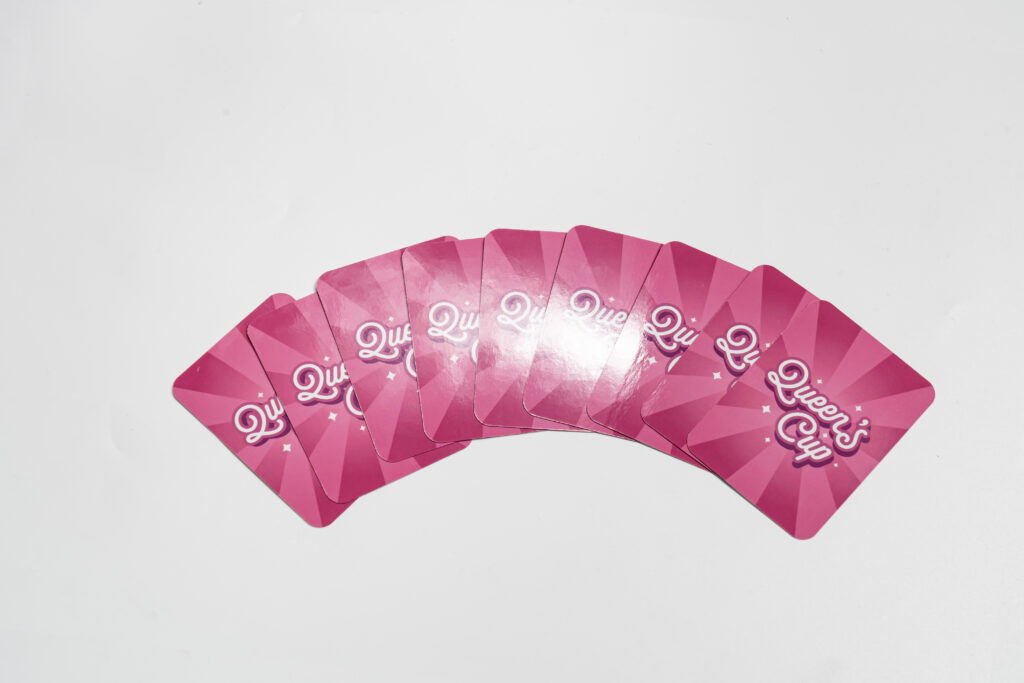
Glossy Lamination
Glossy lamination creates a shiny, reflective surface that enhances color vibrancy and makes printed graphics appear more vivid and eye-catching. The glossy coating provides a smooth touch and adds a protective layer to the cards.
However, because of its reflective nature, it may produce glare under strong lighting conditions.
Matte Lamination
Matte lamination offers a smooth, non-reflective surface with a soft and elegant appearance.
It helps reduce glare and improves readability, making it suitable for artistic decks, educational cards, and premium card products that require a sophisticated finish.
2.Air-Cushion Finish
Air-cushion finish is one of the most popular surface treatments used for professional playing cards. It creates a micro-embossed texture on the card surface, forming tiny air channels that reduce friction between cards.
This unique texture allows cards to move more smoothly during shuffling, dealing, and handling. Air-cushion finish is widely used for casino playing cards, poker decks, and professional gaming cards because of its excellent performance and durability.
3.Linen Finish
Linen finish playing cards feature a fine crosshatch texture that resembles the surface of linen fabric. This textured finish improves the grip and handling experience while providing a premium tactile feel.
The linen texture helps reduce slipping between cards, making shuffling and dealing smoother. Due to its combination of functionality and luxury appearance, linen finish is commonly used for high-end playing cards, collectible decks, custom card games, and premium poker cards.

4.Plastic Coating Finish
Plastic-coated playing cards are covered with a protective plastic layer that enhances durability, water resistance, and overall lifespan.
These cards are ideal for outdoor games, frequently used decks, and environments where cards may come into contact with moisture or spills. The plastic coating makes the cards easier to clean and helps maintain their appearance even after repeated use.
Plastic-coated playing cards are often considered a durable option for players who need long-lasting performance and easy maintenance.
The waterproof playing cards produced using this process are also ideal for professional magic decks.
Additional Finish Options for Custom Playing Cards
Besides the finishes mentioned above, custom playing cards can also be enhanced with various specialty finishes to create unique visual effects and premium experiences.
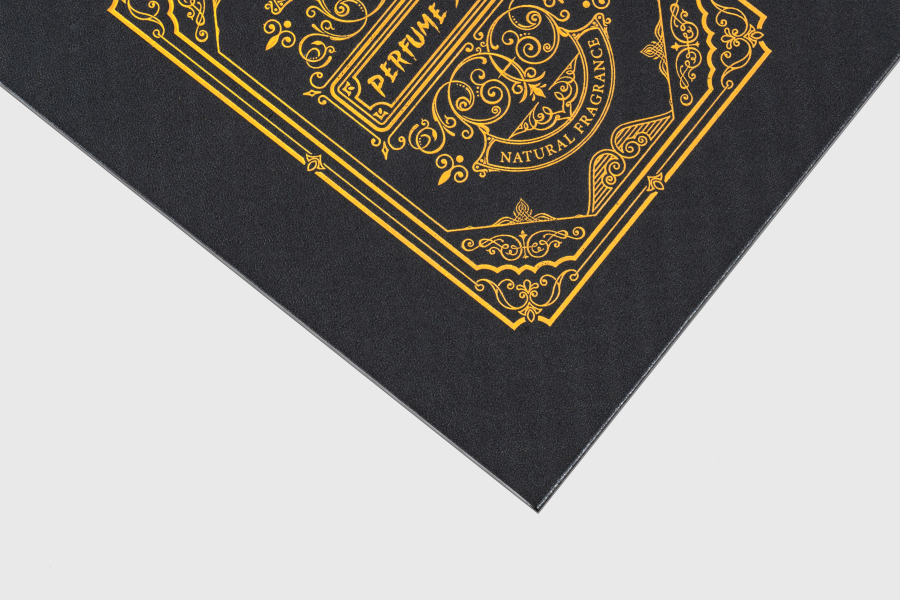
Foil Stamping
Foil stamping applies metallic foil onto selected areas of the card surface, creating a luxurious effect with gold, silver, holographic, or custom-colored finishes.
Spot UV Coating
Spot UV adds a glossy raised effect to specific areas of the card design, creating contrast between matte and shiny surfaces while highlighting logos, patterns, or artwork details.
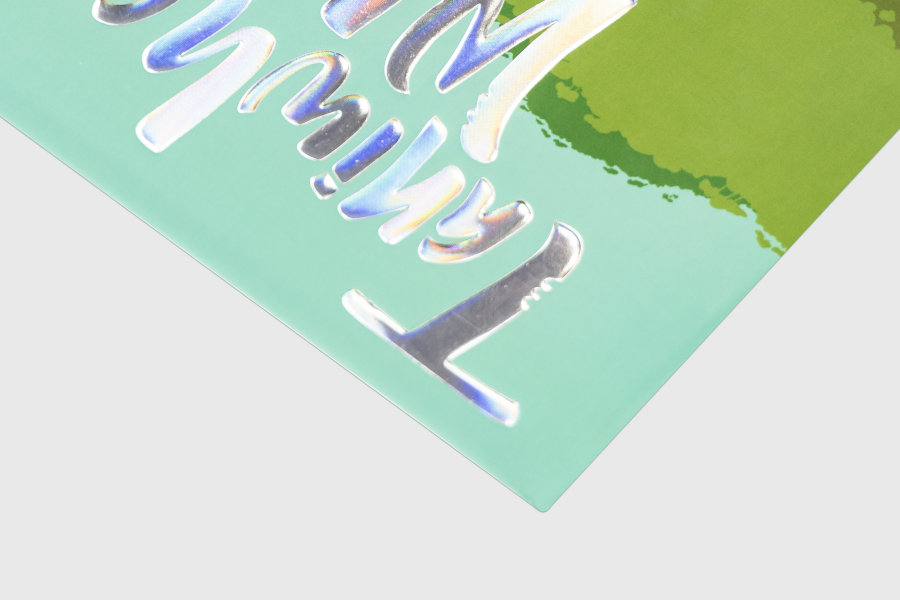
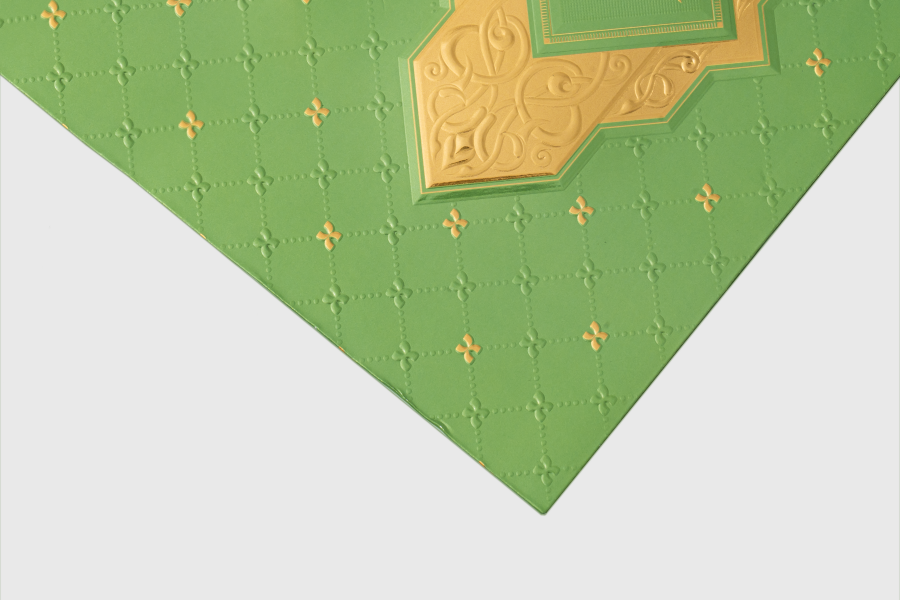
Embossing and Debossing
Embossing raises selected design elements, while debossing presses them into the card surface. These techniques add depth and a premium three-dimensional feel.
Understanding Linen Finish Playing Cards
As mentioned above,linen finish refers to a textured card surface created through an embossing process. During production, manufacturers press the card surface with a special pattern roller to create tiny raised lines that form a woven texture.
Unlike smooth cards, linen finish cards have a noticeable tactile pattern that can be felt when touching the surface.
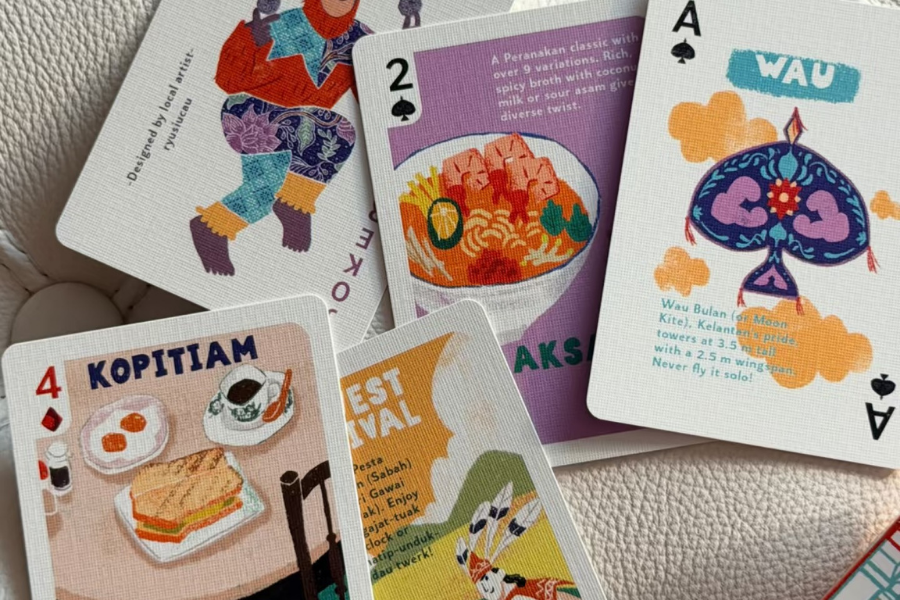
What Does Linen Texture Look Like?
Linen texture typically features a fine crosshatch pattern that resembles the woven structure of fabric.
Although the texture is subtle, it adds a premium tactile quality to playing cards, giving them a more sophisticated and luxurious appearance. This textured surface also helps reduce glare, allowing players to enjoy the printed artwork more comfortably under different lighting conditions.
How Does Linen Texture Feel?
Linen finish playing cards provide a slightly textured touch. Players can experience both the smoothness of the card surface and the enhanced friction between cards during shuffling.
This texture allows cards to slide smoothly during handling while preventing excessive slipping, creating a balanced and comfortable playing experience.
For this reason, many premium poker brands, board game publishers, and custom playing card manufacturers choose linen finish technology to enhance the quality and performance of their card decks.
Among the various surface finishes available, the one that differs most significantly from the linen texture is the ‘Smooth Finish’. This finish results in a smooth, even surface. Because this printing technique is cost-effective and requires a simpler production process, manufacturers often use it for standard playing cards, promotional giveaways, and cards intended for short-term use.
Let’s now take a closer look at smooth-laminated playing cards. Incidentally, at Xinyi, even with a smooth laminate finish, we can ensure your playing cards retain a premium feel.
What Is Smooth Finish on Playing Cards?
As mentioned earlier, smooth finish refers to a card surface without any embossed texture. The surface is flat, clean, and polished, creating a sleek and refined appearance.
Because of its smooth surface, light can be reflected more evenly, allowing players to view the printed artwork clearly under different lighting conditions. With minimal surface friction, smooth finish playing cards offer fast and effortless handling, making them a popular choice for fast-paced games where quick card movement and smooth gameplay are essential.
Linen Finish vs Smooth Finish Playing Cards: What’s the Difference?
Manufacturers widely use both linen finish and smooth finish in playing card production, but each one provides a completely different playing experience.
| Feature | Linen Finish | Smooth Finish |
| Surface | Textured embossed pattern | Flat and smooth surface |
| Grip | Better grip and control | More slippery feeling |
| Shuffle | Controlled and balanced | Faster card movement |
| Appearance | Premium textured look | Clean and simple appearance |
| Touch | Fabric-like tactile feeling | Polished and silky |
| Fingerprints | Less visible | More noticeable |
| Usage | Luxury decks, poker cards, casino-style cards | Standard playing cards, promotional decks |
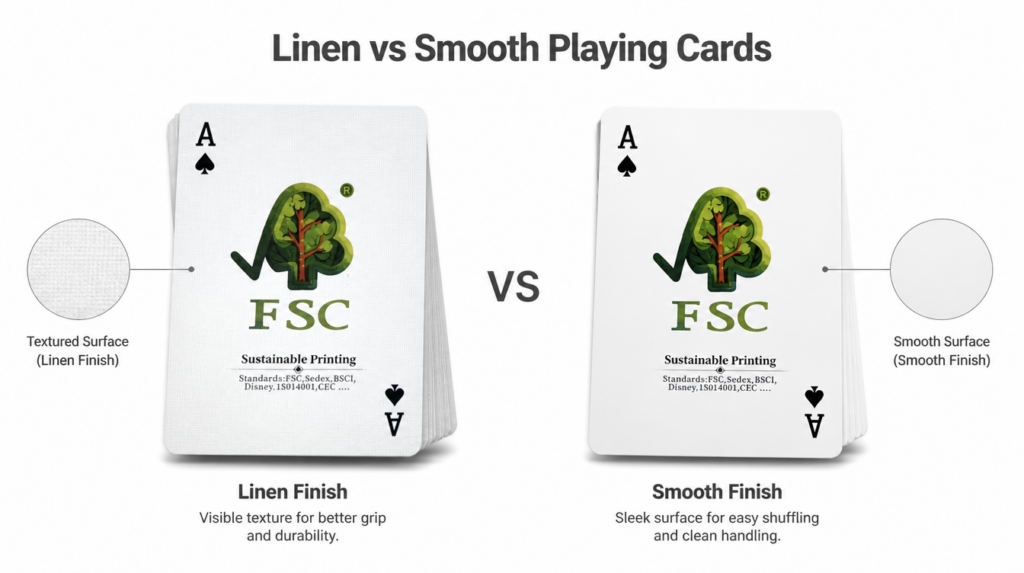
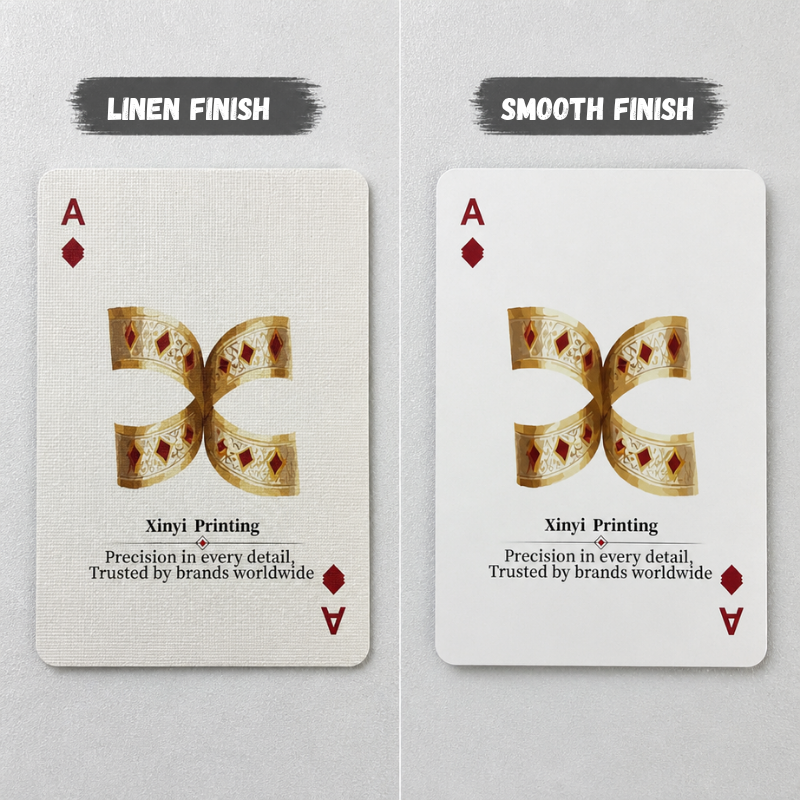
As shown in the image below, this is a detailed comparison between smooth finish and textured finish playing cards. The image clearly highlights the differences in surface texture and appearance between these two finishes.
How Are Linen Finish Playing Cards Made?
Producing high-quality linen finish playing cards involves a series of precision manufacturing processes. From artwork preparation to the final embossed texture, every step contributes to the deck’s appearance, durability, and handling performance.
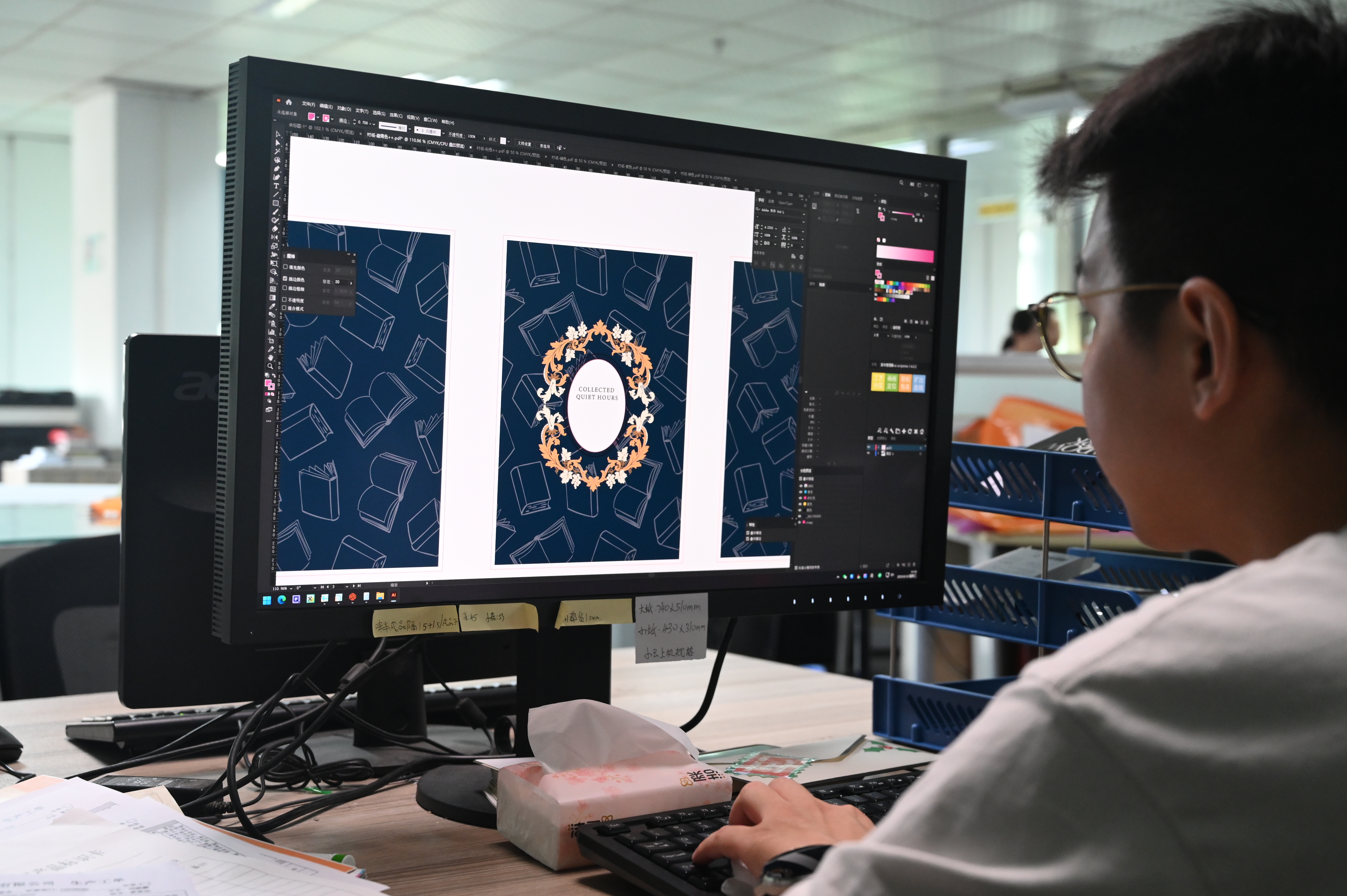
1. Artwork Preparation
Every deck begins with digital artwork. Before production starts, designers carefully review the card layout, ensuring that each card face, back design, suit, number, color, and cutting line is correctly positioned.
A printed proof is often produced for inspection, allowing every detail to be verified before mass production begins.
2. Plate Making
Once the artwork is approved, printing plates are created using a Computer-to-Plate (CTP) system. Laser technology transfers the digital artwork directly onto aluminum printing plates with exceptional precision.
Each color (Cyan, Magenta, Yellow, and Black) requires its own dedicated printing plate, ensuring accurate color reproduction throughout the printing process.

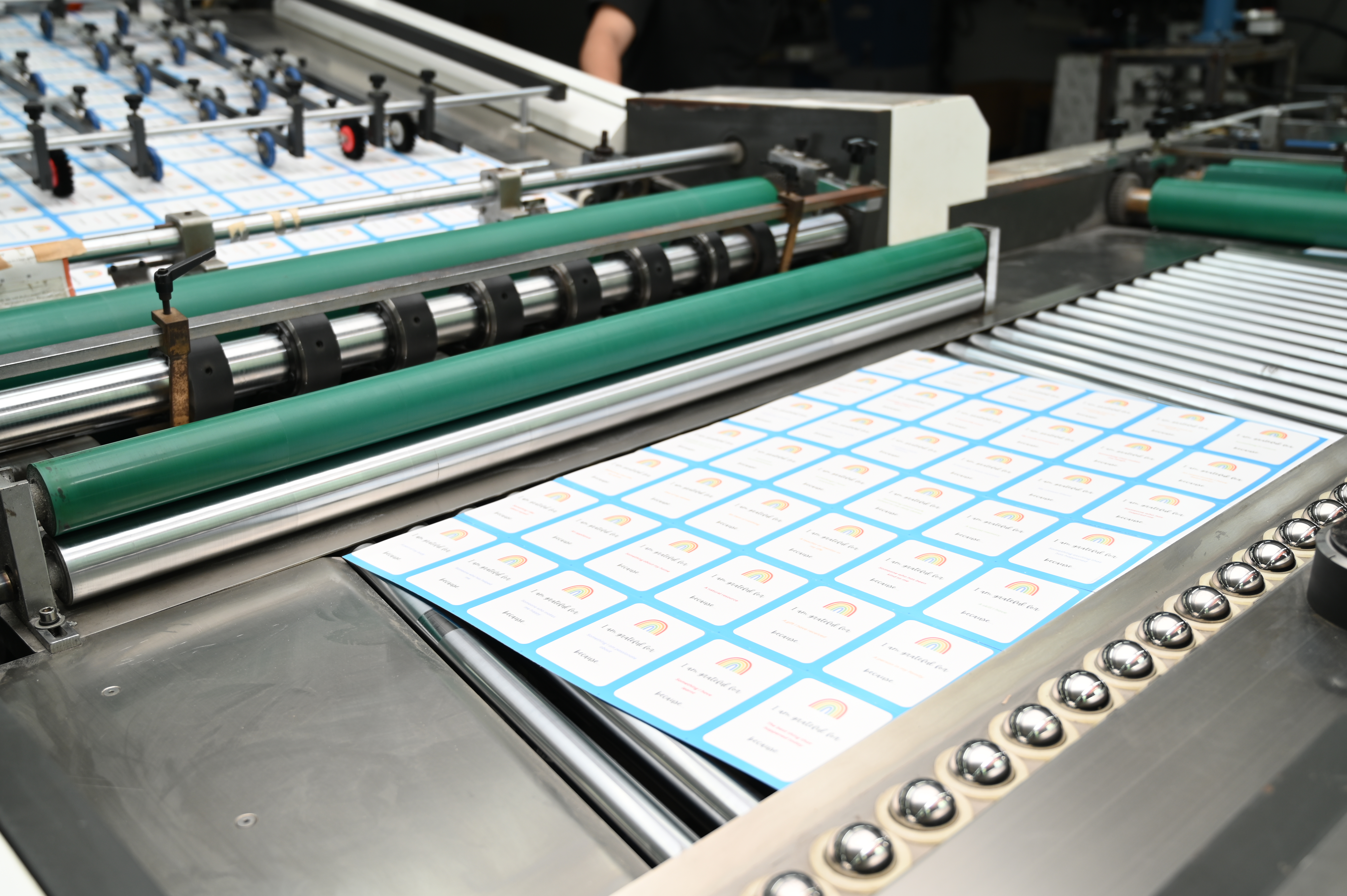
3. Offset Printing
Premium playing cards are typically produced using high-quality offset printing.
Next, the printing phase begins: workers pour thick cyan ink into the ink fountain, while simultaneously pouring the other three ink colors into their respective fountains. As the printing press operates, ink from each fountain is distributed evenly across 16 rollers, and the paper feeder delivers the cardstock sheets one by one into the press.

4. Laminating the Card Stock
After printing, multiple paper layers are laminated together to create durable playing card stock.
A colored core layer—typically blue core paper or black core paper—is bonded between two outer paper layers. This opaque center prevents players from seeing through the cards, ensuring fairness during gameplay while improving stiffness and durability.This is the crucial step in producing blue-core or black-core playing cards.To learn more details about blue-core and black-core paper, please refer to this article:How to choose the right paper for core your playing card?
5. Creating the Linen Finish
This is the defining step that transforms ordinary playing cards into linen finish playing cards.
After the printed sheets receive a protective coating, they pass through a precision embossing machine equipped with engraved steel rollers. Under carefully controlled pressure, the rollers press a fine crosshatch pattern into the card surface.
Unlike printed patterns, the linen texture is physically embossed into the coating, creating the distinctive woven appearance and tactile feel associated with premium playing cards.
This embossed texture provides several important advantages:
- Better grip during gameplay
- Improved shuffle control
- Reduced visible fingerprints
- Less glare under various lighting conditions
- A more premium tactile experience
The embossing pressure, roller accuracy, and coating formulation must all be carefully controlled to ensure a consistent texture across every sheet.
As shown in the image below:
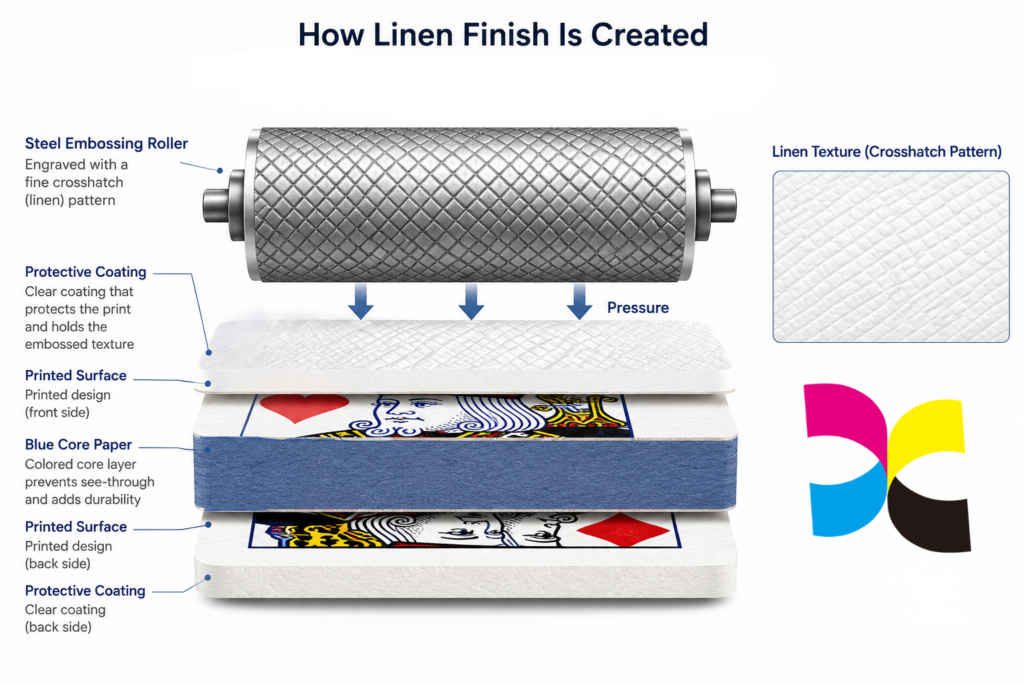
6. Precision Die Cutting
Once the embossing process is complete, the large printed sheets move to automated cutting equipment.
High-speed rotary cutters first divide the sheets into strips before precision die-cutting machines separate each individual playing card
Every card is cut to exact dimensions with smooth edges and tight manufacturing tolerances.
We have also showcased the process of cutting and assembling the cards into a complete deck in our social media videos—click here to watch! Rotating blades on the machine first cut the card stock into strips and then into individual playing cards; the cut cards are then gathered into a 54-card deck and moved to the next machine.
7. Corner Rounding
After cutting, each card passes through a corner-rounding machine.
A custom steel die trims all four corners, producing the familiar rounded shape that improves durability, prevents corner damage, and provides a more comfortable handling experience.
8. Quality Inspection
Before packaging, every production batch undergoes comprehensive quality control.
Only products that meet strict quality standards proceed to packaging.
9. Packaging
Finally, the finished playing cards are automatically counted into complete decks, inserted into custom tuck boxes, wrapped in protective cellophane, and heat-sealed.
The completed decks are then packed into export cartons, ready for shipment worldwide.
Professional Linen Finish Card Manufacturing
At XINYI Printing, we combine advanced offset printing equipment, automated laminating lines, precision embossing machines, and intelligent quality inspection systems to manufacture premium linen finish playing cards with exceptional consistency.
Whether you need poker cards, board game cards, tarot cards, or custom promotional decks, our complete production capabilities ensure every deck delivers outstanding print quality, durability, and professional handling.
Custom Linen Finish Playing Cards Printing
Linen finish playing cards deliver an exceptional tactile experience. The distinctive embossed texture provides a more secure grip and a noticeably more comfortable, professional feel in the player’s hands.
Unlike standard smooth-finish cards, the linen texture adds a premium look and feel that enhances both the playing experience and the perceived value of the deck.
Linen finish is an excellent choice for a wide range of premium card products, including:
Luxury playing cards、Poker decks、Board game cards、Collector’s editions
Partner with Xinyi Card Printing today and bring your custom card project to market with confidence.
In the printing industry, colour is also an indispensable topic.To give a simple example: when you require custom playing card printing—say, you wish to order a pack of yellow playing cards but cannot describe the exact shade of yellow—providing the PANTONE colour code makes it very easy to identify that particular shade. The PANTONE colour system has long been an integral part of our daily lives, and it is particularly closely linked to the printing industry.
Color management is one of the most critical yet often overlooked aspects of custom playing card printing. Whether you’re producing a poker deck, tarot cards, trading cards, or educational flashcards, accurate and consistent color reproduction directly affects the quality, usability, and perceived value of your product.
In this guide, we will provide a detailed overview of the complete colour management workflow—from the preparation of design files to the final quality inspection—and explain how professional playing card manufacturers ensure that every deck of cards meets the expectations set for your design.
Why Color Management Matters in Custom Playing Card Printing
When designing any product, colour serves as an expression of a brand’s visual identity. Recently, a high-profile cross-industry intellectual property dispute arose. The dispute stemmed from Nike launching a pair of trainers featuring colours highly similar to 7-Eleven’s iconic colour scheme without authorisation. The trainers featured orange, green and red stripes similar to those on the 7-Eleven sign, prompting 7-Eleven China to sue Nike, alleging that the colour scheme of its latest design plagiarised 7-Eleven’s iconic three-colour logo.
This demonstrates just how crucial the exclusive use of colour is to the visual identity and brand image of a logo. It silently influences users’ emotional connection to and perception of a brand.
Just imagine opening a pack of playing cards and finding that some cards have a slightly darker back colour than others, or that there are noticeable colour variations between different printing batches. Even the slightest colour variation can diminish the perceived quality of the product and have a negative impact on customer satisfaction.
For many card products, colour also serves an important functional purpose.
For example, magic playing cards rely on clear suit symbols and highly recognisable colours. Collectible trading cards require vibrant illustrations to showcase each character’s special effects and magical abilities, tarot cards use colour to convey their mystical characteristics; educational flashcards, meanwhile, place greater emphasis on colour accuracy.
In commercial printing, maintaining this level of consistency is by no means as simple as merely loading ink into the printing press. Professional manufacturers control multiple variables throughout the production process, including colour profiles, paper characteristics, ink density, environmental conditions and post-press processes.
This entire workflow is known as colour management, and it plays a crucial role in the production of high-quality custom playing cards.
Through colour, playing card designers can shape the user experience and create playing cards unique to their brand; when customers see a particular colour combination, they will immediately think of your playing cards.
Therefore, Each card in a deck is compared as a single unit; as it forms a whole, the colours on the front and back must match. There must be no colour discrepancies within a single deck, and colour consistency must be maintained across multiple production runs. Only cards with consistent colours are considered complete. Therefore, before printing begins, we need to provide the printer with the most accurate colour reference files.
Understanding Color Systems in Commercial Printing
RGB vs CMYK
RGB (Red, Green, and Blue) is an additive color model used for digital displays such as computer monitors, smartphones, and televisions. It creates a wide range of colors by blending different intensities of red, green, and blue light. The more light that is combined, the brighter the resulting color appears.
CMYK (Cyan, Magenta, Yellow, and Key/Black) is the standard color model for commercial printing. Rather than producing colors with light, CMYK generates them by layering inks that absorb and reflect specific wavelengths of light on paper. Because printed materials rely on ink instead of illuminated pixels, CMYK is the preferred choice for packaging, books, playing cards, and other printed products.
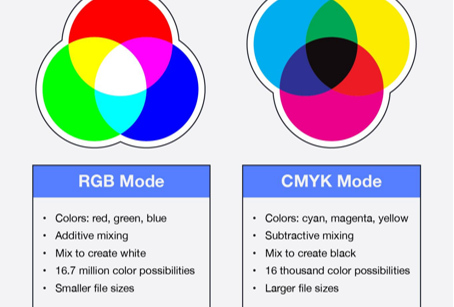
Most playing card artwork is created digitally using the RGB color mode because computer monitors, tablets, and smartphones display colors with red, green, and blue light. RGB offers a wider color gamut and can produce brighter, more vibrant colors on screen.
However, commercial printing uses CMYK inks—cyan, magenta, yellow, and black—to reproduce colors on paper. During production, RGB files are converted to CMYK, which may cause slight color shifts if the artwork is not prepared correctly.
For custom playing card printing, we recommend designing directly in CMYK or converting artwork before final approval. This minimizes unexpected color differences and ensures the printed cards closely match your expectations.
Key Points
- RGB is used for digital displays.
- CMYK is the industry standard for printing.
- RGB colors may appear less vibrant after conversion.
- CMYK artwork provides more predictable print results.
Pantone (PMS) Colors
PANTONE is a world-renowned authority specialising in the development and research of colour. (In 1962, Lawrence Herbert, founder of Pantone, developed a revolutionary colour system enabling the identification, matching and communication of colours, thereby resolving issues relating to the production of precise colour matches in the graphic design industry. Recognising that individuals perceive the same spectrum differently, he pioneered the PANTONE MATCHING SYSTEM, a fan-shaped colour guide containing standard colours.)
The PANTONE colour chart (as shown on the right) is an internationally recognised standard colour chart and a world-renowned authority on colour. It encompasses colour communication systems across sectors such as printing, textiles, plastics, graphic design and digital technology, and has become the internationally standardised language for communicating colour information today. Countries around the world have widely adopted the unified spot colour standards set by the US-based PANTONE, and the PANTONE colour chart has thus become the medium through which colour is conveyed.


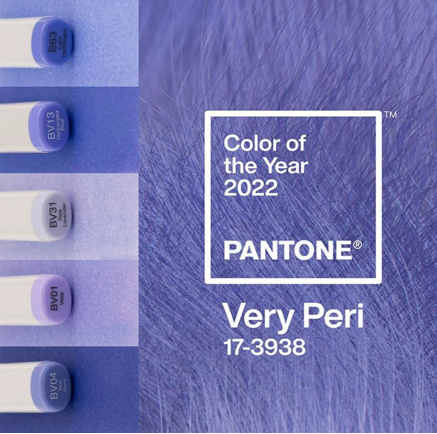
Pantone Matching System (PMS) is the world’s most recognized color standard for brand consistency. Each Pantone color is assigned a unique code, allowing printers worldwide to reproduce the same color accurately.
For custom playing cards, Pantone colors are commonly used for company logos, brand identity, tournament cards, promotional decks, and luxury packaging. Metallic gold, silver, and fluorescent inks are also available through Pantone spot color printing.
When exact brand colors are required, Pantone printing provides greater consistency than standard CMYK printing.
Common Applications
- Brand logos
- Corporate identity
- Premium playing cards
- Luxury tuck boxes
- Metallic foil coordination
Spot Color vs Process Color
Spot color and process color serve different printing purposes.
Process color uses four CMYK inks to reproduce full-color photographs and illustrations. It is the most economical solution for artwork containing gradients and multiple colors.
Spot color uses pre-mixed ink instead of combining CMYK inks during printing. This method delivers exceptional color accuracy and consistency, making it ideal for logos, solid backgrounds, and special colors that cannot be accurately reproduced in CMYK.
For most custom playing cards, CMYK printing is sufficient. However, luxury editions and branded decks often combine CMYK with one or more spot colors to achieve premium visual results. Process Color (CMYK)Spot ColorUses four process inksUses pre-mixed inkBest for photosBest for logosLower costHigher color accuracyUnlimited image colorsPerfect for solid colors
| Process Color (CMYK) | Spot Color |
| Uses four process inks | Uses pre-mixed ink |
| Best for photos | Best for logos |
| Lower cost | Higher color accuracy |
| Unlimited image colors | Perfect for solid colors |
ICC Color Profiles
An ICC profile is a color management standard that ensures consistent color reproduction between different devices, including monitors, proofing systems, digital printers, and offset presses.
Without proper ICC profiles, the same artwork may appear different on each device. Professional printing factories use calibrated monitors, standardized lighting, and ICC workflows to maintain color consistency throughout production.
At Bonroy Printing, color-managed workflows help minimize color variation from digital artwork to finished playing cards, providing customers with reliable and repeatable print quality.
Benefits of ICC Profiles
- Consistent screen-to-print color
- Reduced color deviation
- Accurate proofing
- Stable production quality
- Better communication between designers and printers
Common Artwork Issues That Affect Playing Card Color
Creating beautiful artwork is only the first step toward producing premium-quality custom playing cards. Even the most creative designs can suffer from unexpected color shifts, blurry images, or trimming errors if the production files are not prepared correctly.
Many color-related problems actually originate before printing begins. Incorrect color modes, low-resolution images, missing bleed areas, or improperly exported files can all affect the final appearance of your playing cards.
Below are some of the most common artwork issues we encounter during prepress inspection—and how to avoid them.
1、Using the RGB colour mode rather than CMYK
One of the most common mistakes is submitting artwork designed in the RGB colour mode.
As mentioned above, RGB (red, green, blue) is designed specifically for digital display devices such as monitors, smartphones and tablets. Because screens emit light, RGB is capable of rendering a wider, brighter and more saturated colour range than commercial printing presses.
However, professional custom playing card printing utilises the CMYK colour model (cyan, magenta, yellow and black). During the printing process, RGB artwork must be converted to CMYK, and certain colours cannot be reproduced accurately.
Best Practice
Before exporting print-ready files, ensure that your design is created or converted to CMYK mode. This helps minimise unexpected colour shifts and allows designers to preview colours more accurately prior to production.
2、Low-Resolution Images Reduce Print Quality
Image resolution has a direct impact on the sharpness and clarity of printed playing cards.
While images downloaded from websites or social media may look acceptable on screen, they are often only 72 DPI, which is far below commercial printing standards.
When enlarged for printing, low-resolution images may appear:
Blurry
Pixelated
Soft around the edges
Lacking fine details
The image below shows a comparison of the print results for images at different resolutions. Low-resolution source material can result in severe pixelation and blurring in the final product, which cannot be rectified in post-production; this is a detail that is easily overlooked in design but has a significant impact.
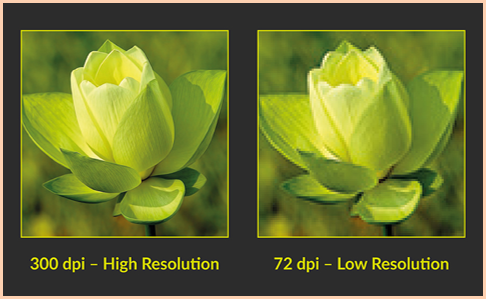
For playing cards, where artwork often contains intricate illustrations, decorative borders, and small text, image quality is especially important.
Professional printing typically requires artwork to be prepared at 300 DPI at the final print size.
3、Missing Bleed Can Cause White Edges
Playing cards are printed on large sheets and then trimmed into individual cards.
Because cutting machines have a small tolerance, artwork should always include a bleed area, usually around 3 mm, extending beyond the final trim line.
Without bleed, even a slight cutting variation may result in unwanted white edges or cropped backgrounds.
Likewise, important elements such as:
- Card titles
- Numbers
- Logos
- Suit symbols
- Character illustrations
should remain inside the safe zone to prevent accidental trimming.
A properly prepared file with bleed helps ensure clean, professional-looking edges on every card.
4、Missing Fonts or Unoutlined Text
Failure to convert text to curves when submitting files, or the use of non-standard fonts, may result in garbled text, character corruption or the substitution of default fonts on the output device, thereby severely compromising the layout.
To avoid these issues, designers should convert all text to outlines before exporting, or embed the fonts when creating the PDF. This ensures that the design will be rendered exactly as intended throughout the production process.
5、Missing Linked Images or Transparency Issues
Complex artwork often contains linked images, transparent effects, shadows, or blending modes.
If these elements are not embedded correctly before exporting, unexpected issues may occur during printing, including:
Missing graphics
Transparency artifacts
Incorrect shadow rendering
Unexpected color changes
Flattening transparency and embedding all linked images before exporting can greatly reduce these risks.
Printing Technology and Color Control
To produce custom playing cards with vibrant and consistent colours, a high-quality printing press alone is far from sufficient. From press calibration to final inspection, every stage of production must be carefully monitored to ensure that the printed colours accurately reproduce the original design.
In a professional playing card manufacturing facility, colour management is a comprehensive quality control process rather than a single production step. Advanced measuring instruments, standardised lighting conditions and experienced quality control staff work in close collaboration to ensure colour consistency throughout the entire printing process.
The following are some key technologies and quality control procedures used to achieve reliable colour reproduction in the printing of custom playing cards.
Measuring Color with a Spectrophotometer
One of the most important tools in modern commercial printing is the spectrophotometer.
Unlike visual inspection, which can vary from person to person, a spectrophotometer measures color objectively by analyzing how light reflects from the printed surface.
The device compares printed colors with predefined target values and detects even subtle differences that may not be noticeable to the human eye.
Using spectrophotometric measurements allows printing technicians to:
Verify color accuracy
Maintain batch-to-batch consistency
Monitor ink density
Reduce subjective judgment
Improve repeatability for future reorders
For brands that require consistent color reproduction across multiple production runs, this technology provides a reliable scientific standard.
Tip: If your factory uses an X-Rite, Techkon, or Konica Minolta spectrophotometer, you can mention the brand names. These are well-known in the international printing industry and help reinforce your technical credibility.
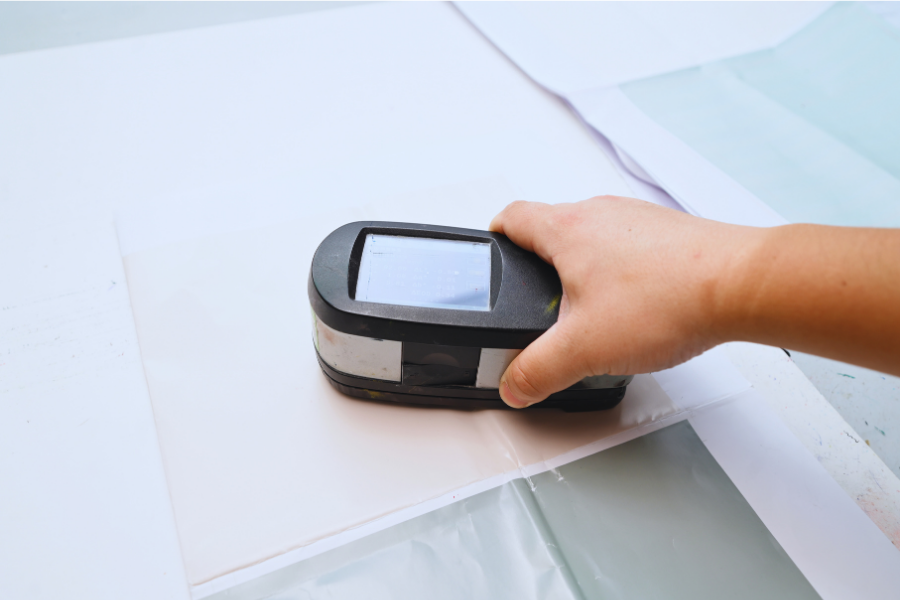
Print Inspection Under a Digital Viewing Booth
Printed colors can appear dramatically different under various lighting conditions. A card that looks accurate in an office may look warmer under incandescent lighting or cooler under daylight.
To eliminate this inconsistency, professional manufacturers inspect printed sheets using a Digital Viewing Booth equipped with standardized light sources.
These viewing systems simulate internationally recognized lighting conditions, allowing inspectors to evaluate colors in a controlled environment.
During inspection, technicians check:
- Overall color accuracy
- Color consistency across the sheet
- Flesh tones and illustration details
- Neutral gray balance
- Brand color matching
- Text readability
- Registration accuracy
Because every inspection takes place under the same lighting conditions, color evaluations remain consistent regardless of the surrounding environment.
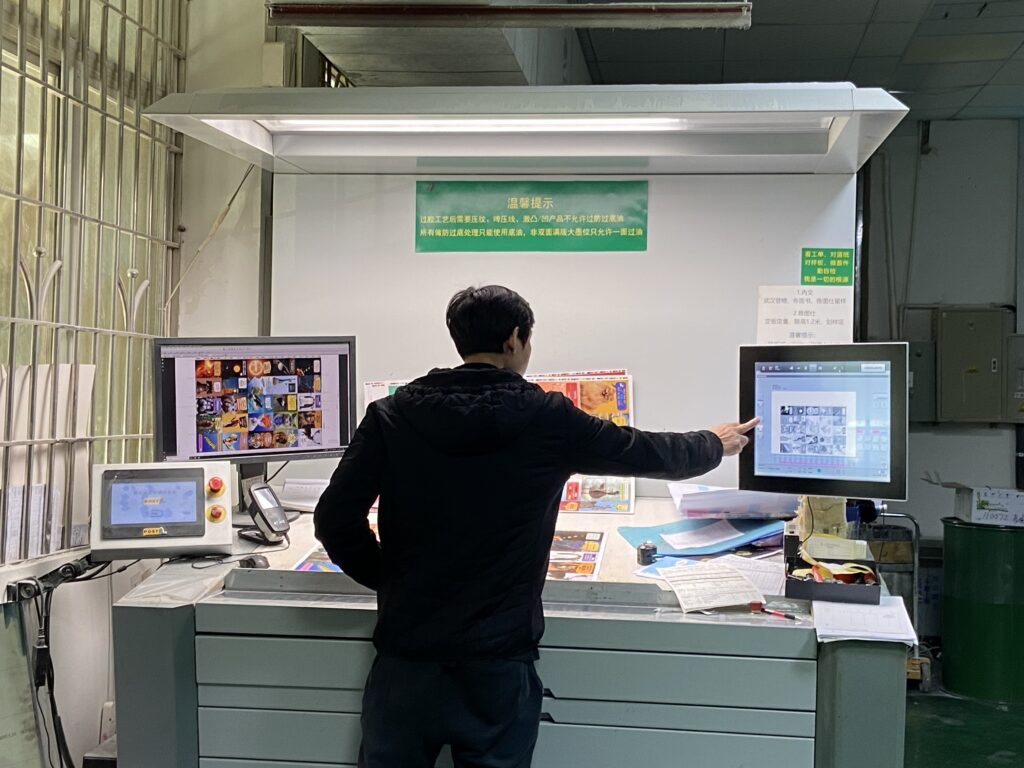
Why Professional Color Control Matters
Every stage of the printing process influences the final appearance of a custom playing card.
Without proper measurement and inspection, small color variations can accumulate and become noticeable in the finished deck. This is especially important for products featuring large areas of solid color, detailed illustrations, or brand-specific color requirements.
By combining calibrated printing equipment, objective color measurement, standardized viewing conditions, and rigorous quality inspections, professional manufacturers can achieve the consistency expected for premium custom playing cards.
Whether producing poker cards, tarot decks, trading cards, or educational flash cards, a comprehensive color control system helps ensure that every card reflects the designer’s original vision.
In summary, Xinyicard Printing is equipped with advanced, fully integrated printing facilities that keep pace with the latest industry innovations.
Our factory features abundant natural daylight through large glass windows, embraces sustainable manufacturing, and utilizes digital printing technology, eco-friendly soy-based inks, recyclable materials, and innovative recycled coffee-ground paper solutions.
Partner with Xinyicard Printing and bring your custom playing card business to life with reliable quality, professional service, and sustainable printing solutions.
Why Choose Xinyi Card Printing for Color-Critical Projects
At Xinyi Card Printing, we understand that every deck of playing cards tells a story, and that accurate colour reproduction is essential to bringing that story to life.
Our production process combines state-of-the-art equipment, experienced technicians and rigorous quality control to ensure that every project meets professional printing standards.
As mentioned earlier, we offer professional pre-production design reviews; CMYK and Pantone colour management; and both offset and digital printing solutions.
Whether you are producing custom playing cards, tarot cards, collectible trading cards, flashcards or board game cards, our team is committed to delivering consistent colour quality and exceptional craftsmanship.
Frequently Asked Questions
1. What color mode should I use for custom playing card printing?
CMYK is the recommended color mode because commercial printing presses reproduce colors using cyan, magenta, yellow, and black inks. Designing in CMYK helps minimize unexpected color shifts.
2. Can you match my brand colors?
Yes. For projects requiring highly accurate brand colors, Pantone (PMS) color matching may be available. Our team can recommend the most suitable solution based on your design and production requirements.
3. Which paper is best for premium playing cards?
Black core paper is widely considered the preferred choice for premium playing cards due to its excellent opacity, durability, and professional handling characteristics.
4. Is offset printing better than digital printing?
Offset printing generally provides superior color consistency and is the preferred choice for medium and large production runs. Digital printing is ideal for prototypes, samples, and smaller quantities.
5. Will matte lamination make my colors look dull?
Matte lamination softens reflections and creates a more elegant appearance. While colors may appear slightly less vibrant than with gloss lamination, many designers prefer the sophisticated finish it provides.
6. Should I request a printed proof?
If color accuracy is important to your project, a printed proof is highly recommended. It allows you to review colors, artwork, and finishing before full production begins.
7. Can I reorder my deck with the same colors later?
Yes. By maintaining production records and following standardized color management procedures, professional manufacturers can help achieve consistent results across future print runs.
8. Do surface finishes affect color?
Yes. Different finishes influence how light interacts with the printed surface, which can make colors appear brighter, softer, richer, or more reflective.
Understanding the benefits of personalized playing cards is critical for avoiding the high cost and zero recall of disposable event swag. Most promotional items are quickly discarded, representing a sunk marketing cost and a failed opportunity to build a lasting, tactile connection with your audience.
This analysis benchmarks applications for trade shows, corporate gifting, and employee onboarding. We examine how production choices—from 310gsm black-core stock to durable tuck box packaging—directly influence perceived value and campaign lifespan, ensuring your investment generates long-term brand exposure.
Why Custom Playing Cards Are Effective Marketing Tools
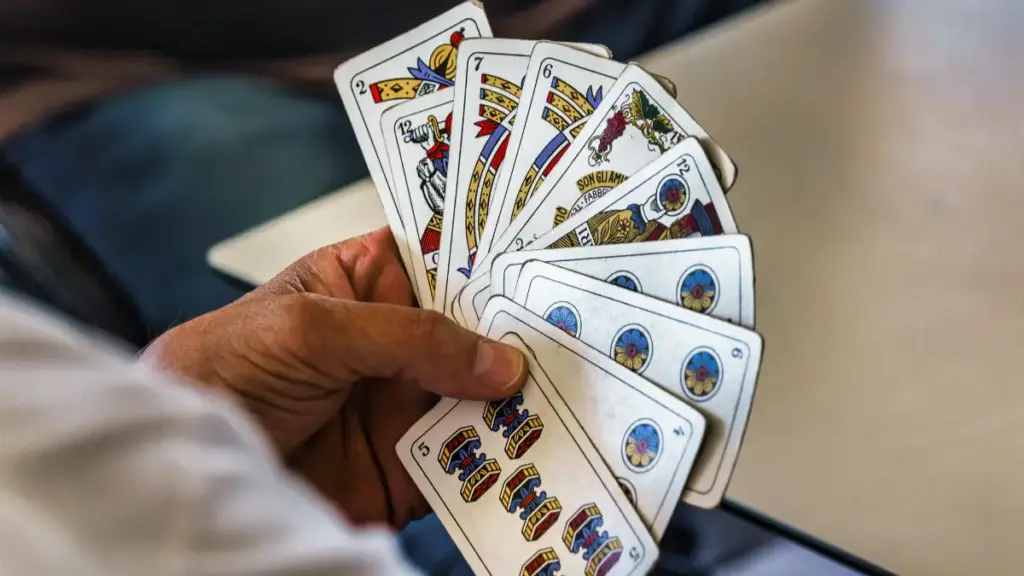
Customizable playing cards are powerful marketing assets because they combine high utility with an exceptionally long campaign lifespan. Unlike digital ads that disappear in seconds or paper brochures that end up discarded, a high-quality deck of cards functions as a reusable promotional gift that people naturally keep for months or years.
This extended shelf life guarantees repeatable, zero-cost brand exposure. Every time a deck is shuffled and dealt during social gatherings or networking events, your logo and message gain highly visible placement on the table. Furthermore, because playing cards are physically handled in a relaxed, positive social context, they build a tactile brand exposure and emotional connection that passive screen advertising simply cannot replicate. For businesses seeking high-ROI bulk promotional items, custom decks turn passive targets into active, engaged participants.
Corporate Event Giveaways
When selecting unique custom event swag, event planners must balance immediate engagement with long-term marketing ROI. While over 90% of plastic promotional pens and flyers are discarded within three months, a premium deck of corporate playing cards acts as a high-value gift that audiences retain for over two years, extending your brand exposure long after the venue clears.
To maximize this investment, businesses must choose between paper vs. plastic playing cards based on the event’s target tier:
- Premium Paper Cards: Utilizing 310gsm German black-core paper with a linen finish offers a traditional, casino-grade tactile experience. They are highly cost-effective for large-scale conferences and welcome kits.
- Durable Plastic Cards: 100% waterproof PVC decks offer a modern, indestructible alternative. They are perfect for premium bulk corporate gifts, VIP clients, or outdoor company retreats.
By integrating custom decks into your event strategy—whether as a reward for booth badge scans or as an icebreaker during sales kickoffs—you replace disposable novelties with a memorable brand asset. Choosing the right material ensures your custom decks deliver repeated, zero-cost impressions during relaxed social settings for years to come.
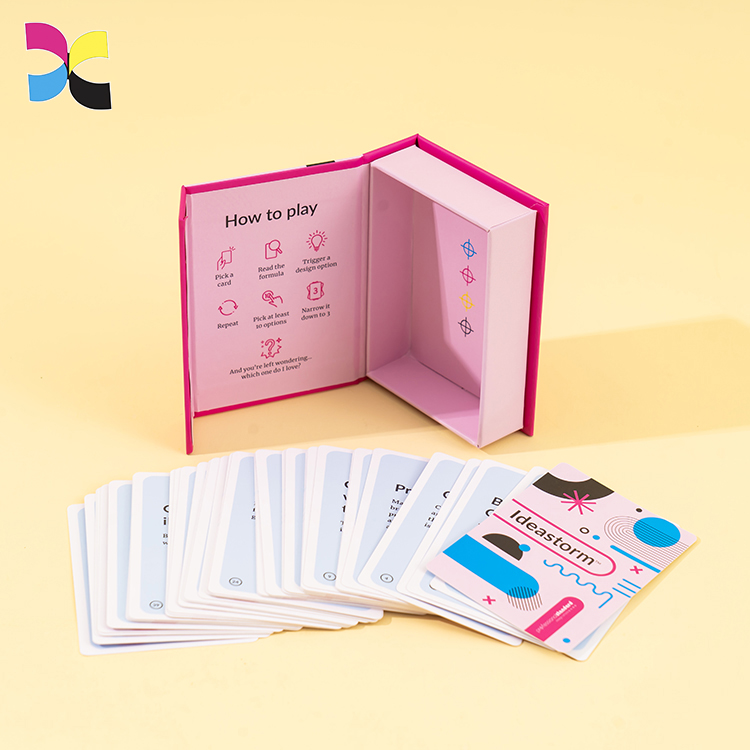
Trade Show Promotions
If you are looking for strategic ways on how to increase trade show booth traffic, custom playing cards offer a high-impact solution through gamification. Instead of passively handing out brochures that end up in the trash, exhibitors can use custom decks as interactive tools to boost attendee dwell time and maximize lead generation.
Implementing a gamified booth strategy turns passive foot traffic into high-converting prospects:
- The “Collect-to-Win” Challenge: Distribute individual, custom-designed face cards throughout the expo hall or via partner booths. Force attendees to visit your booth to collect the remaining cards or matching pairs to win a premium prize, successfully driving massive foot traffic.
- Interactive Icebreakers & Demos: Use custom cards featuring QR codes on the Jokers. Invite visitors to scan the card for an instant-win product demo or a digital consultation, seamlessly shifting them from physical engagement to your digital sales funnel.
To survive hectic transit and constant handling, pairing these cards with durable, heavy-duty tuck boxes or shrink-wrapping is essential. By replacing traditional, low-recall flyers with an interactive card game, you ensure your brand stays in the hands of high-value leads long after the trade show floor closes.
Employee Onboarding and Company Culture
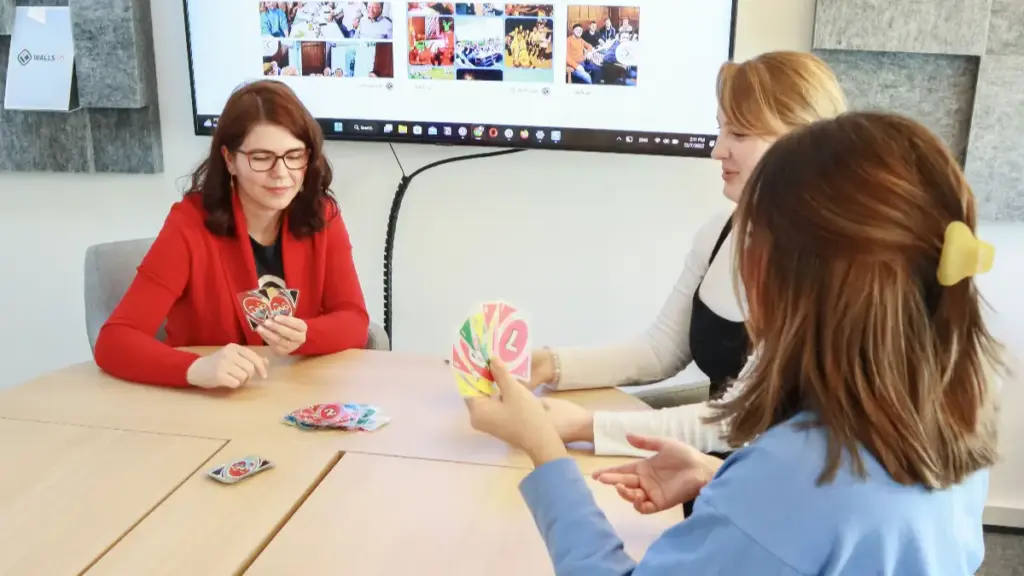
Corporate culture often gets lost in dense, 50-page employee handbooks that new hires rarely finish. To combat information overload, HR professionals and operations managers are turning to custom playing cards as interactive company culture training tools. By converting static onboarding materials into a physical, gamified artifact, companies can transform the critical first 90 days into an engaging learning journey.
A standard 52-card deck serves as an exceptional micro-learning framework, breaking complex organizational knowledge into structured, digestible pieces across the four suits:
- Hearts (People & Culture): Core corporate values, founder quotes, and diversity milestones.
- Diamonds (Market & Products): Key product lines, target buyer personas, and competitive positioning.
- Clubs (Operations & Workflows): Essential internal tools, communication protocols, and project workflows.
- Spades (Compliance & Security): Data privacy standards, IT security policies, and safety guidelines.
HR teams can use the numbered cards (2–10) for foundational knowledge and face cards for advanced case studies, turning orientation into interactive trivia games. This replaces boring slide decks with an active peer-to-peer connection tool.
To ensure these training decks survive years of heavy office use, selecting heavy-duty 310gsm black-core stock with a durable finish is essential. Investing in these premium custom decks provides organizations with highly effective, creative employee onboarding kits that build lasting cultural integration.
Hospitality and Tourism Branding
High-end properties are shifting from generic giveaways to custom playing cards to upgrade their boutique hotel guest experience items. A branded deck serves as a sophisticated, screen-free amenity and a powerful tool for location-based storytelling.
To maximize brand impact, hospitality brands should focus on three strategic touchpoints:
- Premium Material Alignment: To match five-star standards, properties can source casino-grade 310gsm black-core paper with a linen finish and foil stamping. Eco-resorts can utilize FSC-certified stocks and soy-based inks to reinforce sustainability.
- Destination Storytelling: Customizing face cards with local landmarks, native wildlife, or historical figures turns the deck into a curated travel keepsake that highlights the property’s unique location.
- Post-Stay Passive Remarketing: When guests take these premium souvenirs home, the cards spark organic word-of-mouth during future game nights. Printing a custom QR code on the tuck box or Jokers seamlessly bridges the physical-to-digital gap, driving direct repeat bookings.
For purchasing managers evaluating luxury hotel amenities wholesale, custom decks deliver an interactive experience and a long-lasting marketing ROI that traditional, disposable hotel swag cannot match.at visits or word-of-mouth recommendations.
Product Storytelling and Brand Education

Custom decks transform complex corporate messaging into a tangible, repeatable experience. By breaking down dense marketing collateral into 52 micro-lessons, businesses can utilize custom-printed decks as interactive product launch collateral and highly effective sales enablement tools.
To maximize narrative impact, brands can structure their educational decks using three proven formats:
- Chronological Product Journeys: Map out complex supply chains or manufacturing processes from start to finish. Each card represents a critical step—such as sourcing raw materials or quality control checks—turning a technical workflow into an approachable visual guide.
- Themed Category Suits: Allocate the four suits to distinct brand pillars. For instance, Hearts can showcase company milestones, Diamonds can highlight primary product lines, Clubs can map client case studies, and Spades can address technical FAQs.
- Character-Driven World Building: Replace standard face cards (Kings, Queens, Jacks) with custom illustrations of company founders, brand mascots, or industrial engineers to humanize the business and boost brand recall.
When printed on premium 310gsm black-core paper, these educational decks transition from temporary sales flyers into highly collectible interactive brand storytelling tools. They ensure your critical corporate data remains on the customer’s desk, continually reinforcing your market authority.cing key messages long after a trade show or training session has ended.
Crowdfunding and Retail Merchandise
Launching a custom deck via platforms like Kickstarter serves as a low-risk test market to validate your concept before investing in mass production. A successful campaign secures upfront capital from confirmed buyers, completely funding the high initial setup costs of premium manufacturing.
To scale a funded card project into a sustainable business, creators should target three core commercial paths:
- DTC E-Commerce Growth: Transition your campaign assets straight to an e-commerce platform like Shopify. You can scale seamlessly by moving from initial print runs to large-scale bulk ordering to maximize your profit margins.
- Corporate Sourcing: Position your custom-designed decks as premium merchandise for corporate buyers. Companies constantly seek unique promotional items, opening a lucrative channel for high-volume, recurring bulk orders.
- Wholesale Distribution: Use your successful crowdfunding data as powerful social proof when pitching to retail gift shops, specialty toy stores, and wholesale distributors. Demonstrating a pre-existing market gives you strong leverage to secure distribution deals.
To successfully capture these retail and corporate markets, the final product must meet commercial retail standards. Utilizing a specialized manufacturer that offers 310gsm German black-core paper and luxury packaging choices—such as rigid boxes with foil stamping or embossing—ensures your deck commands a premium price point. For creators looking at how to launch a custom playing card deck, crowdfunding is the perfect springboard for long-term retail success.
Influencer and Creator Merchandise
Custom playing cards offer a level of audience interaction that standard apparel cannot match. While a branded t-shirt is merely worn, a custom deck is actively played and collected, serving as a high-margin monetization tool for community lore and content.
To maximize fan engagement and revenue, creators typically utilize three tactical approaches:
- Lore-Based Customization: Replace standard faces with custom artwork of channel mascots, inside jokes, or community milestones. Involving fans via social media polls to vote on designs builds early ownership and hype.
- Strategic Printing Models: Independent creators can utilize print-on-demand (POD) models to eliminate inventory risk. Established channels can opt for factory bulk printing to unlock maximum profit margins and premium finishes like foil stamping.
- Content-Driven Marketing: Tease prototypes and use the finished decks as live on-stream props. This demonstrates product quality naturally, though creators must ensure proper financial disclosures to comply with advertising regulations.
To satisfy dedicated collectors, creators should avoid flimsy stocks. Sourcing retail-ready 310gsm black-core paper with an embossed linen finish ensures your deck feels like a premium collector’s item. For those designing high-margin influencer merchandise, personalized cards deliver a shared community experience with exceptional profitability.
How to Create a Successful Branded Playing Card Project
Executing a successful custom deck project relies on three critical production pillars: materials, packaging, and manufacturer selection. Because playing cards are an intensely tactile marketing tool, the physical choices you make directly dictate how audiences perceive your brand’s quality and professionalism.
| Component | Key Decision & Specifications | Impact on Brand Perception |
|---|---|---|
| Materials & Finishes | Select cardstock weight (300-330gsm), core type (blue vs. opaque black core), and surface textures (smooth varnish vs. embossed linen air-cushion finish). File prep requires CMYK mode at 300+ DPI. | Determines flexibility, snap, and handling performance. Premium black-core paper prevents light transparency and signals retail-grade luxury. |
| Packaging | Choose box styles (standard printed tuck boxes vs. two-piece premium rigid boxes). Enhance with premium upgrades like metallic foil stamping, embossing, or soft-touch matte lamination. | Creates the vital first impression. Sturdy packaging prevents shipping damage and positions the promotional deck as a legitimate corporate gift. |
| Manufacturer | Partner with a specialized custom card factory rather than a general commercial printer. Request exact die-line design templates and physical hard proofs before final bulk approval. | Guarantees flawless die cutting, accurate color matching (Pantone/PMS alignment), and professional product grading to protect your investment. |
Step 1: Select the Right Materials and Finishes
Avoid standard commercial brochure paper, which creases easily and undermines brand credibility. For mass-distribution giveaways, a 300gsm blue-core stock with a smooth varnish offers an excellent balance of cost and durability. For premium retail channels, high-end corporate gifts, or luxury hospitality amenities, the professional standard is 310gsm to 330gsm German black-core paper paired with an embossed linen texture. This creates an air-cushion effect that allows cards to glide effortlessly during shuffling.
Step 2: Match Packaging with Brand Positioning
Your packaging tells the customer what to expect before they ever touch a card. A custom-printed tuck box crafted from heavy cardboard is highly effective for retail merchandise and trade show promotions. To elevate the unboxing experience for VIP clients or limited-edition crowdfunding runs, upgrade to a rigid two-piece box featuring luxury accents like foil stamping or spot UV highlights to maximize perceived value.
Step 3: Work with a Custom Card Manufacturer
A specialized playing card manufacturer uses machinery and engineered paper specifically optimized for card flexibility and high-frequency use. Provide your printer with defined specifications—including exact card counts, dimensions, and preferred paper stocks. To ensure absolute brand accuracy, always design within the manufacturer’s structural templates to avoid bleed line misprints, and secure a physical hard proof to test the tactile feel before launching full-scale bulk production.
Final Thoughts
Generic promotional items are disposable and quickly forgotten. A custom deck of cards only becomes a lasting brand asset if the quality matches your company’s standards. The materials and finish are the first signals of professionalism your audience will literally hold in their hands.
Don’t leave the tactile experience to chance—verify the quality firsthand. We recommend requesting a sample pack to feel the difference between standard and premium finishes. When you’re ready, our team can review your project specs and provide a detailed quote.
Frequently Asked Questions
Can playing cards be customized for corporate promotions?
Yes, customized playing cards are a popular choice for corporate promotions. They work well as trade show giveaways, client gifts, or tools for product launches because they are durable and interactive. You can brand the card backs, faces, and packaging, creating a promotional item that offers high visibility and is kept and used for a long time.
How can I put my company logo on a standard card deck?
You can place your logo on the card backs, the box, or on select face cards like aces and jokers. The most common method is branding the back of every card for consistent visibility. You just need to provide a high-resolution logo file to a custom printer. They will typically send a digital proof for you to approve before the full print run begins.
Can I print different artwork on every single card face?
Yes, printing a unique design on every card face is a standard option with most custom card printers. This lets you turn a deck into a mini product catalog, a set of training flashcards, or a collection of unique illustrations. The cost is driven more by the quantity and card stock quality than by the number of different designs on the faces.
What is the turnaround time for corporate event card printing?
Turnaround time varies based on the order’s complexity. Standard production is typically 5 to 10 business days, plus shipping. Many printers offer rush services that can shorten production to 2 to 4 business days. For very urgent needs, combining rush printing with overnight shipping or local pickup can get cards delivered in as little as 1 to 3 days.
Are there luxury packaging options for business gifting sets?
Yes, there are many luxury packaging options available for business gifts. These include premium rigid boxes with magnetic closures, elegant wooden boxes with laser engraving, and custom gift kits that pair cards with other items like poker chips. You can add finishes like foil stamping or soft-touch coatings to create a memorable unboxing experience.
Can I create custom packaging for playing cards?
Absolutely. Custom packaging is a standard part of the process. The most common choice is a fully printed tuck box, like those seen in retail. For a more premium feel, you can also opt for rigid gift boxes, durable plastic cases, or metal tins. The packaging can be designed with your branding and artwork to create a cohesive final product.
Sourcing custom playing cards without a clear manufacturing specification leads to costly production errors. A mismatch in paper core, surface finish, or cutting tolerance can turn a potential retail asset into a stack of warranty claims, directly eroding your project’s profit margin and brand credibility.
This analysis breaks down the technical benchmarks of professional card production. We evaluate how material choices like 300 GSM black core stock and air-cushion finishes impact handling, and how process controls like offset lithography and ISO 9001 compliance ensure consistent quality from the first deck to the ten-thousandth.
How Are Custom Playing Cards Manufactured?
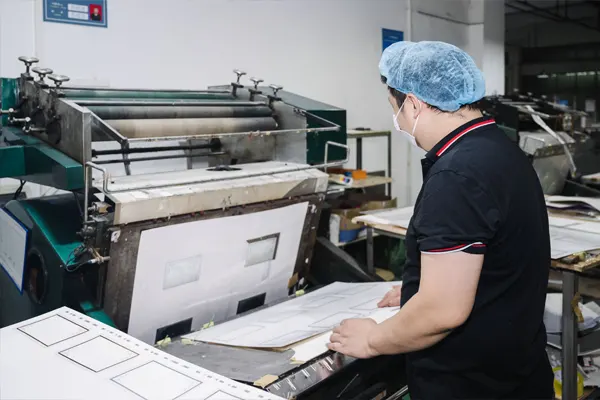
The process is a highly automated workflow: specialized paper is printed, coated, cut with precision, sorted into decks by machines, and then boxed for distribution.
Prepress, Stock Selection, and Printing
The process starts when a customer supplies the artwork. In the prepress stage, these files are checked for quality and arranged onto large “parent sheets” to make printing efficient.
The choice of paper is critical. Manufacturers use specialized cardstock with an inner core—often black or grey—which provides the necessary stiffness and opacity so you can’t see through the cards.
For most high-volume jobs, the decks are printed using offset lithography. This method transfers designs from printing plates to the cardstock, delivering high accuracy and consistent quality across thousands of decks.
Finishing, Cutting, and Assembly
After the sheets are printed, they’re coated with a finish. This coating seals the ink and is essential for the deck’s durability, slide, and overall feel during shuffling.
Next, high-speed machinery cuts the large sheets into individual cards and rounds the corners for a clean, professional look.
In the final stage, automated systems sort these cards into complete decks. The decks are then shrink-wrapped and placed into their tuck boxes, making them ready for shipment.
Choosing the Right Materials for Playing Cards
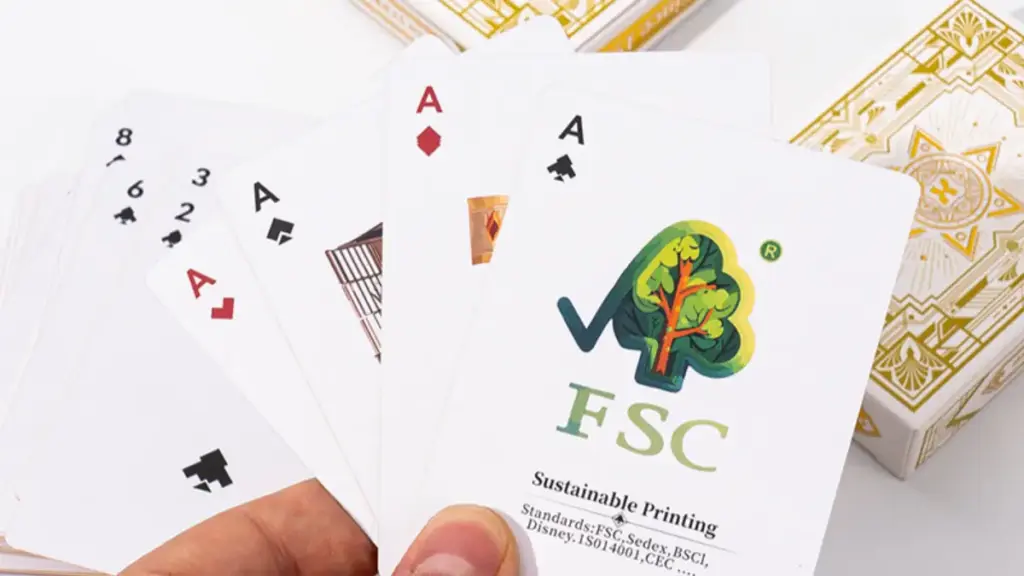
Card material is a tradeoff. Paper offers a classic feel with different cores for opacity, while plastic gives you maximum durability. The final handling depends on thickness and finish.
Paper Stocks and Core Options
Most playing cards aren’t just thick paper. They’re made of multiple paper layers laminated together with a core in the middle. This core is what provides the stiffness and, more importantly, the opacity to prevent seeing through the card.
- White core is the most economical option. It’s fine for prototypes or promotional decks where a little bit of see-through isn’t a deal-breaker.
- Blue core is the industry standard for most card games you’d buy in a store. It gives a good balance of opacity, toughness, and cost.
- Black core delivers the best opacity possible. It’s the premium choice for casino tables, magic performances, and any serious game where you can’t have any light bleed.
Evaluating black core vs. blue core paper stock allows brands to balance production budgets against performance security.
Plastic and Synthetic Card Materials
Plastic-coated cards have a paper core but get a thin plastic layer on top. This makes them more durable and resistant to moisture than a basic paper card.
Then you have 100% plastic cards, usually made from PVC. These are completely waterproof and tough to bend or tear. They last much, much longer than paper cards. But they feel different. They have a slicker, more rigid handling that lacks the traditional “snap” of a paper deck.
The decision really comes down to a tradeoff. You’re balancing the incredible longevity of 100% plastic against the familiar, comfortable handling of coated paper. For a deeper breakdown of cost, performance, and durability differences, you can check out our comprehensive comparison on paper vs. plastic playing cards.
Selecting the Right Thickness and Finish
Card thickness is measured in GSM (grams per square meter), and it directly impacts how durable and high-quality a card feels. For a quality game card, 300-330 GSM is the standard range.
A surface finish gets applied over the printed card and is critical for how the deck handles and shuffles. Common options include a basic varnish for simple protection or a smooth finish for a clean glide. The air-cushion finish is one of the most popular for high-performance decks. It creates tiny dimples on the card surface, trapping air to reduce friction. This results in smoother shuffles and fans, making it a favorite in magic and cardistry circles.
Printing the Card Artwork
Professional card printing relies on offset lithography for color accuracy and durability. Special inks, coatings, and precise alignment are non-negotiable for a premium deck.
Offset Printing for Premium Decks
When producing a serious run of decks, offset lithography is the only way to go. It’s the industry standard for a reason. The process transfers ink from a metal plate to a rubber blanket and then onto the card stock. For large runs, this method is cost-effective and produces incredibly uniform results from the first deck to the ten-thousandth.
You can’t print professional cards on just any paper. Premium decks require specialized cardstock, usually built with an opaque black core to stop you from seeing the art on the other side. After the ink is down, a protective coating is applied. This could be a varnish, an aqueous coating, or a textured linen finish to improve how the cards handle and how long they last.
Color Accuracy and Brand Consistency
With playing cards, color isn’t just aesthetic—it’s functional. Artwork needs strict color calibration to keep every card face, back, and logo consistent across the entire print run. This is another area where offset printing shines. It delivers exceptional color accuracy, which is vital when you need the 52nd card to look identical to the first, and for reprints a year later to match the original.
Most commercial card manufacturers work within a CMYK color model for production. Perfect registration is also non-negotiable. If the front and back art are even slightly misaligned, the borders will look off. It’s an instant sign of a cheap production job.
Special Inks and Printing Effects
The inks used on playing cards have to be tough. They need to be light-fast and non-transferring, so the art won’t fade or rub off on your hands after a few shuffles. Premium decks often feature specialized coatings to enhance the feel. This includes UV finishes or embossed textures like the classic “linen” or “air-cushion” finish that helps cards glide smoothly.
Decorative effects like foil stamping or embossing can add a high-end touch, usually on the tuck box but sometimes on the cards themselves. But any special effect is useless if it’s not durable. It must be fully compatible with the card stock and coating, otherwise you’ll get smearing, flaking, or worn edges.
Surface Finishing and Card Feel
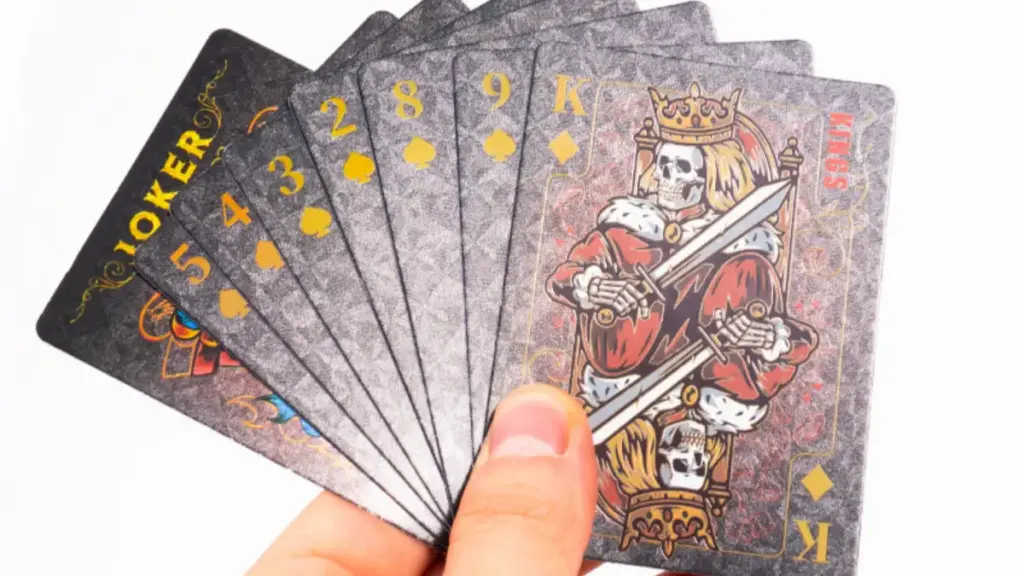
The “feel” of a playing card isn’t just the surface coating. It’s the result of how that finish works with the paper stock’s weight, thickness, and stiffness.
Core Finish Types and Their Characteristics
The surface treatment a card receives after printing is what defines its handling characteristics. Each type of finish offers a different balance of durability, glide, and control.
- Micro-embossed (Air-Cushion/Linen): This is the standard for any serious performance deck. The surface is pressed with tiny dimples that create air pockets between the cards. This reduces surface contact and allows for a smooth, controlled glide, which is essential for fanning and spreading.
- Aqueous & Varnish (Smooth): This is a liquid coating applied during the printing process. It’s a cost-effective way to protect the card, but the feel is different. Initially, it can be very slick, but over time it’s much more likely to start clumping together as oils and dirt build up.
- Plastic Lamination: A thin film of plastic is bonded directly to the card. These cards are very durable and resistant to moisture. For handling, they are often too slippery or even rubbery for the precise control needed in magic or cardistry.
How Finish Interacts with Card Stock to Create Feel
You can’t evaluate a finish in isolation. The final handling performance of a deck comes from the combination of its surface finish and the paperboard, or stock, it’s applied to. The stock determines the card’s fundamental physical properties.
The paper’s weight (measured in GSM) and thickness (caliper) dictate its core characteristics like stiffness, flexibility, and “snap”—how well it returns to flat after being bent. These properties are just as important as the surface texture.
The synergy between these two components creates the final feel. For example, a thick, stiff stock with a basic smooth finish will feel solid, rigid, and even clunky. A thinner, snappier stock with a quality linen finish feels much more fluid and responsive in the hands.
Cutting, Sorting, and Quality Control
Precise cutting, automated collation, and rigorous inspection are non-negotiable stages. They ensure every card in every deck is identical, correctly sorted, and free from manufacturing flaws.
| Process Stage | Key Technologies & Methods | Quality Control Focus |
|---|---|---|
| Precision Die Cutting | Steel-rule or rotary die cutting machines. Efficient multi-card layouts on large sheets. | Uniform dimensions (±0.2 mm tolerance), smooth edges, centered artwork, consistent corner rounding. |
| Automated Card Collation | Multi-station collating machines with automated feeders and integrated sensors. | Correct card count, proper sequence (ordered or random), and card orientation. Prevents missing or duplicate cards. |
| Inspection & Defect Prevention | Inline vision systems, regular die inspection and machine calibration, batch traceability systems. | Detecting size inconsistencies, rough edges, print misalignment, and incorrect deck composition. |
Precision Die Cutting
Once printed sheets are finished and cured, they move to the cutting stage. The goal here is simple but critical: turn a large sheet into a stack of identical cards. Any deviation in size, shape, or edge quality compromises the entire deck’s handling and shuffle feel.
- Uniformity: The process creates identical cards with perfectly rounded corners. Whether printing standard sizes of playing cards like Poker or Bridge, precise dimensions guarantee reliable shuffling and handling.
- Technology: Factories use steel-rule or high-speed rotary die cutting machines. These tools are engineered to make clean, exact cuts through various types of cardstock without crushing the edges.
- Efficiency: Die layouts are designed to cut many cards from a single sheet in one pass. This maximizes material use and maintains tight dimensional tolerances, often within ±0.2 mm.
- Process Control: Strict sheet alignment, known as registration, centers the artwork perfectly on each card. Technicians perform ongoing checks for edge quality to catch any issues from die wear.
Automated Card Collation
After cutting, the individual cards are just a pile of mixed-up components. Collation is the automated process of assembling those individual cards into complete, correctly sequenced decks. For custom games or TCGs, this step is where the specific rules of the deck are physically constructed.
- Deck Assembly: Multi-station collating machines assemble decks with the exact card count and sequence required. This ensures every single deck is complete.
- Sorting Logic: The system handles different sorting needs. It can assemble a standard 52-card deck in new deck order or create a controlled random distribution for trading card games with specific rarity rules.
- High Throughput: Automated feeders pull cards from different stacks and place them into complete decks at high speed, maintaining consistent assembly across thousands of units.
- Error Detection: Integrated sensors and cameras verify each card’s count, identity, and orientation as the deck is built. This system prevents common errors like missing cards, duplicates, or upside-down cards.
Inspection and Defect Prevention
Quality control isn’t a final step; it’s integrated throughout the cutting and collation process. Preventing defects is far more efficient than finding them at the end. The focus is on machine maintenance, real-time monitoring, and complete traceability.
- Defect Focus: Inspection targets flaws that ruin the user experience, such as inconsistent card sizes, rough or feathered edges, misaligned printing, or incorrect deck contents.
- Automated Rejection: Inline vision systems act as a constant watchdog. They scan cards during cutting and collation, automatically identifying and rejecting any flawed items before they make it into a deck.
- Preventive Maintenance: The best way to avoid bad cuts is to maintain the equipment. Regular die inspection, blade sharpening, and machine calibration are fundamental to producing consistent quality.
- Traceability: Finished decks are linked to specific production batches. If a quality issue is found later, this system allows the factory to track it back to the exact machine, operator, and time, enabling detailed root cause analysis.
Custom Packaging and Deck Assembly
Packaging does more than protect cards. It dictates the user experience, secures accessories, and ensures the product survives shipping. Every detail, from box fit to final wrap, matters.
Tuck Boxes and Rigid Boxes
The two main options are tuck boxes and rigid boxes. Tuck boxes are the industry standard—cost-effective folding cartons perfect for most decks. Rigid boxes are premium, non-collapsible setups used for collector’s editions that need superior protection. Getting the dimensions right is critical for both. The box must have a 1–2 mm internal buffer around the card stack. This small gap is what lets you get the cards out without damaging their edges. The material and finish also play a dual role. Paperboard protects the cards, while finishes like UV coatings or foil stamping give the product shelf appeal. The design itself has to account for the physical structure, like glue flaps and dust flaps, to make sure the box holds together and protects its contents.
Inserts, Guides, and Accessories
If your deck includes more than just cards, you need to plan for it. Internal inserts, made from paperboard or thermoformed plastic, lock the deck and any other components in place. This prevents everything from shifting and getting damaged in transit. Any printed materials like rule cards, leaflets, or booklets must be designed to fit within the box’s internal dimensions without causing it to bulge. For accessories like tokens or score pads, dedicated compartments or trays are necessary. They keep everything organized and prevent smaller pieces from scratching the cards.
Final Assembly and Packaging
The final assembly stage brings all the components together. The process involves collating the cards into their correct order, often cello-wrapping the deck to create a tamper-evident seal, and then inserting the deck into its box. For wholesale shipping, these finished decks are packed into larger corrugated cartons. The key here is to minimize empty space and control for humidity to prevent damage. The unboxing experience itself is a major part of the brand presentation. Outer panels carry the main branding, while inner flaps can hide small details or messages. Before anything ships, quality control is essential. We verify card counts, print accuracy, the structural integrity of the box, and that the barcode labeling is correct.
Quality Standards and Manufacturing Certifications
Card manufacturing quality relies on formal system certifications like ISO 9001 and practical technical benchmarks for materials, print accuracy, and physical handling performance.
Formal Certifications for Management, Safety, and Ethics
Beyond the physical product, a manufacturer’s credibility often rests on formal, third-party audited certifications. These systems demonstrate process control, ethical operations, and market compliance. For buyers, they are a reliable shortcut to vetting a supplier’s operational maturity.
- ISO 9001 (Quality Management): This is the baseline for any serious manufacturer. It confirms a documented system for managing production, from handling artwork files to final inspection. It’s the proof that a supplier can produce consistent, traceable results run after run.
- ISO 14001 & FSC™ CoC (Environmental & Materials): ISO 14001 shows the factory manages its environmental impact (waste, emissions). FSC (Forest Stewardship Council) Chain-of-Custody certification verifies that the paper stock comes from responsibly managed forests. This is non-negotiable for brands with sustainability goals.
- ICTI CARE (Ethical Manufacturing): This certification focuses on ethical labor practices in the toy and entertainment industry, covering working hours, wages, and factory safety. Since playing cards are often sold as games or children’s products, ICTI compliance is frequently required by major retailers.
- GSV (Global Security Verification): This program addresses supply chain security, a key concern for global brands shipping high-value or licensed products. It shows a manufacturer has procedures to prevent theft and tampering during production and logistics.
- CE Marking (Product Safety): For decks sold in the EU, especially those marketed to children, CE compliance is essential. It indicates conformity with EU safety standards, covering physical properties and limits on hazardous chemicals.
Technical Benchmarks for Card and Print Quality
Certifications prove a factory has good systems, but technical quality is judged by the cards themselves. These are the practical, uncertified standards that separate a premium deck from a promotional giveaway. They are defined by material choices and manufacturing precision.
Cardstock is the foundation. Premium decks use paperboard engineered for the right stiffness, snap, and durability. The use of a black or blue opaque core is a key benchmark, as it prevents light from showing through the card, which is critical for preventing cheating in any serious game.
Print and cutting precision are just as important. Tight registration ensures the art on the front and back of each card aligns perfectly, preventing uneven borders that could be used as markings. Color management ensures a brand’s specific colors are reproduced identically across thousands of decks and in future reprints. Finally, the die-cutting process must produce cards with uniform dimensions and smooth, burr-free edges for a clean shuffle and professional feel.
The final benchmark is the surface finish. Options like an embossed “air-cushion” texture are not just for show; they create tiny air pockets that reduce friction, allowing cards to fan and spread smoothly. This is a critical performance detail for magicians, cardists, and serious poker players.
How to Choose a Playing Card Manufacturer
Choosing a card manufacturer comes down to matching their production scale, prototyping support, and logistics capabilities to your project’s actual needs and budget. Get this right from the start.
Production Capacity and MOQ
Your project’s size dictates who you should be talking to. Don’t waste time with a high-volume factory for a 250-deck run, and don’t expect a small digital printer to handle 10,000 decks efficiently. It’s about finding the right fit for your capital and goals.
- Match the manufacturer’s scale to your project, whether it’s a small 100-deck test run or a 5,000+ deck commercial release.
- Verify their Minimum Order Quantity (MOQ) aligns with your budget. This number determines your real upfront investment.
- Ensure their quality control processes can maintain consistency, especially as you scale up to larger production runs.
Sampling and Prototyping Support
Never commit to a mass production run based on a digital proof alone. The final feel of the cards and the color accuracy of the box are things you can only judge with a physical product in your hands. A good partner makes this process straightforward.
- Request generic sample packs to evaluate their cardstocks, finishes, and box types before you commit to anything.
- Insist on a full pre-production prototype of your actual deck. This is your chance to approve the color, cut, and feel before you’re on the hook for thousands of units.
- Confirm they provide clear design templates and prepress support. This helps you avoid costly and time-consuming file errors.
Communication, Lead Time, and Global Shipping
Production problems and shipping delays are inevitable. The quality of your manufacturing partner is defined by how they communicate and manage these issues. You need a partner who can handle the logistics, not just run a printing press.
- Look for a manufacturer with a dedicated project manager and a track record of clear, responsive communication.
- Clarify realistic lead times for every stage—from proofing to final delivery—and build a buffer into your own launch plan.
- Verify their experience with shipping to your target countries, including how they handle customs and if they offer fulfillment services.
Final Thoughts
Cutting corners on cardstock, finishing, and quality control may lower initial costs, but it guarantees a product that fails in the hands of the end-user. The manufacturing standards outlined here are the only defense against misaligned prints, inconsistent cuts, and a damaged brand reputation. Investing in a professional, integrated production process is how you secure a retail-ready asset.
Don’t guess on the final feel of your product. Verify it by requesting a sample kit to compare our core paper stocks and air-cushion finishes directly. Our team is ready to build a technical quote based on your project’s exact specifications.
Frequently Asked Questions
How are custom playing cards manufactured in bulk?
The automated process starts with prepress digital layout and offset printing on specialized laminated cardstock. Printed sheets are coated, cured, and precision die-cut into individual cards. Automated systems then collate them into complete decks before final tuck-box packaging and shrink-wrapping.
How do playing card manufacturers prevent missing cards?
Factories use multi-layered tracking: exact counts are locked during prepress, while collation machinery uses optical sensors to instantly reject incomplete stacks. Completed decks are verified via ultra-precise weight scales, supplemented by random manual quality control audits before final sealing.
What machines are used for professional playing card printing?
High-volume runs rely on offset lithographic presses for peak color precision, while industrial digital presses handle prototyping. The full production line also integrates specialized roller coaters, embossing machinery for texturing, high-speed rotary die cutters, and automated packing systems.
Why use a single integrated factory for cards and packaging?
An integrated facility consolidates your supply chain into a single point of contact, eliminating cross-vendor freight costs and double markups. Parallel production accelerates turnaround times while ensuring absolute color matching and material consistency between the tuck box and the enclosed cards.
What certifications should a global card manufacturer hold?
Look for ISO 9001 (Quality) and ISO 14001 (Environmental) baselines. FSC™ Chain-of-Custody ensures responsibly sourced paperboard, while EN 71 compliance guarantees toy safety standards. For premium or casino-grade security printing, verification under ISO 14298 is highly recommended.
How does the factory manage color consistency across runs?
We utilize standardized ICC color profiles and calibrated physical proofs during prepress. In production, press operators deploy spectrophotometers to analyze color bars in real-time. Consistently sourcing identical paperboard grades and protective coatings prevents variations during future reprints.
Whether you’re designing your own unique tarot deck, launching a Kickstarter crowdfunding campaign, or searching for a professional tarot card manufacturer, understanding tarot card size is the first step toward creating a high-quality deck.
Generally speaking, tarot cards originated in Italy during the 14th century as a deck of 78 cards that were originally used for card games such as the French Tarot game. Over time, they evolved into one of the world’s most popular tools for divination and spiritual guidance. Today, tarot readings are commonly used to explore questions related to love, marriage, family, career, education, and personal growth. When people feel uncertain about their current situation or are searching for clarity, tarot cards are often consulted to provide insight and help guide future decisions.
A traditional tarot deck consists of 78 cards, divided into two main groups: the Major Arcana (22 cards) and the Minor Arcana (56 cards). The Major Arcana features individually named and numbered cards, beginning with The Fool (0) and ending with The World (XXI). Together, these cards symbolize different stages of human growth, life experiences, and spiritual development, forming what is commonly known as “The Fool’s Journey.” Through symbolic imagery—including people, celestial bodies, and abstract concepts—the Major Arcana tells a story of transformation, wisdom, and self-discovery.
The Minor Arcana consists of 56 cards divided into four suits: Wands, Cups, Swords, and Pentacles. Each suit represents a different aspect of life and contains ten numbered cards (Ace through Ten) along with four court cards: Page, Knight, Queen, and King. Together, the Minor Arcana reflects everyday experiences, emotions, relationships, challenges, and practical matters, complementing the broader life lessons represented by the Major Arcana.
In this guide, we’ll cover the most common tarot card sizes, compare different dimensions, share practical design recommendations, explain how to use a tarot card template, and explore custom tarot card printing options to help you bring your project to life.
Size of Tarot Cards:What Is the Standard Tarot Card Size?
Standard Tarot Card Size
When people search for “tarot card size,” they are usually referring to the traditional dimensions used by most commercially printed tarot decks.
The standard tarot card size is:
- Width: 2.75 inches (70 mm)
- Height: 4.75 inches (120 mm)
- Aspect Ratio: Approximately 1:1.7
This size has become the industry standard because it provides the ideal balance between artwork visibility, ease of handling, and shuffle comfort. Its larger format offers ample space for intricate illustrations, symbolism, and card descriptions while remaining comfortable to hold during readings.
Other Common Tarot Card Sizes
Other Common Tarot Card Sizes
Although 70 × 120 mm is the most widely used, custom tarot decks are available in many sizes.
| Size Type | Inches | Millimeters | Best For |
| Mini Tarot | 1.75″ × 3″ | 44 × 76 mm | Travel decks |
| Pocket Tarot | 2.25″ × 3.5″ | 57 × 89 mm | Everyday carry |
| Standard Tarot | 2.75″ × 4.75″ | 70 × 120 mm | Most tarot decks |
| Large Tarot | 3.5″ × 5.5″ | 89 × 140 mm | Collector editions |
| Oversized Tarot | 4″ × 6″ | 102 × 152 mm | Display or teaching |
Choosing the right tarot card size depends on several factors, including your target audience, artistic style, and intended use. For example, standard-sized cards are ideal for everyday readings, while mini or pocket-sized decks are perfect for portability. Larger formats provide more room for detailed artwork, making them a popular choice for collector’s editions, premium gift sets, and display or teaching purposes. Selecting the appropriate size will not only enhance the user experience but also help your tarot deck stand out in the market.
How Big Are Tarot Cards Compared to Playing Cards?
Many creators who are new to tarot are curious about how it differs from standard playing cards.
The following is a brief comparison chart:
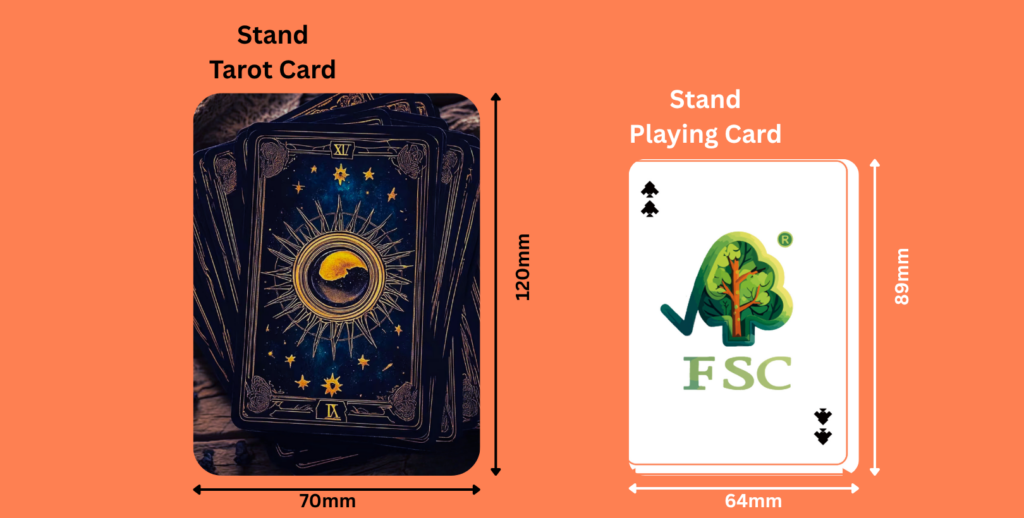
Poker Cards 2.5″ × 3.5″ (64 × 89mm)
Tarot Cards 2.75″ × 4.75″ (70 × 120mm)
As shown in the comparison above, tarot cards are noticeably taller and slightly wider than standard playing cards.
This larger format provides several advantages. It offers more space for detailed illustrations, intricate symbolism, and decorative artwork—essential elements in tarot reading, where visual clarity and symbolic imagery play a significant role. The increased card size also allows text, icons, and fine design details to be more legible, while premium cardstock enhances the overall tactile experience. As a result, tarot decks often deliver a stronger visual impact and a more immersive reading experience.
However, the larger dimensions also require appropriately sized packaging, storage boxes, and accessories to protect the cards and maintain their quality over time.
In general, playing cards are most commonly packaged in standard tuck boxes, which are lightweight, compact, and cost-effective. Tarot decks, on the other hand, tend to be packaged in premium rigid magnetic closure boxes. Because tarot cards are larger, contain more cards (typically 78), and are often considered collectible or artistic products rather than casual playing cards, high-end packaging better reflects their value. Many custom tarot decks also feature luxury finishing options such as gold foil stamping, silver foil, spot UV, or embossing, creating a more elegant unboxing experience.
The image below shows a typical tarot deck packaged in a premium magnetic rigid box, featuring high-quality construction and luxurious foil-stamped finishing:

Tarot Card Template & Design Guide
Before printing your tarot cards, preparing a professional design file is essential. Here, we provide a tarot card template available for download. Give it a try!
First, let’s introduce the elements included in a typical tarot card template.
1. Trim Line
The trim line indicates the final cutting edge of the card. After printing, the cards will be precisely cut along this line to reach the finished size. Any content outside the trim line will be removed during the cutting process.
2. Bleed Area
The bleed area is located outside the trim line and usually extends 3 mm beyond each edge of the card. The background color or artwork in this area should match the card itself to prevent white borders caused by slight cutting inaccuracies.
3. Safe Area
The safe area is the region inside the trim line. All design elements on the card—such as symbols, text, and illustrations—should remain within this area. Keep all important design content inside the safe area, and it is generally recommended to leave a margin of 3–5 mm from the edge.
4. Rounded Corners
Most tarot cards use rounded corners rather than sharp square corners. There are many types of rounded corners, and tarot cards typically use a corner radius of 3–5 mm.
5. Card Front
The card front is the front side of your tarot card. All of your artwork, illustrations, symbols, numbering, and other design elements are placed on this side. Since the mystical nature of tarot cards relies heavily on the storytelling of the card artwork and the visual experience conveyed by its symbols, designers should use high-resolution images (300 DPI) and CMYK color mode.
6. Card Back
As the name suggests, this is the back side of the tarot card. Usually, all cards in a tarot deck share the same card back design. Of course, depending on your design, you can also create multiple different card back designs. Like the front, important design elements should remain within the safe area.
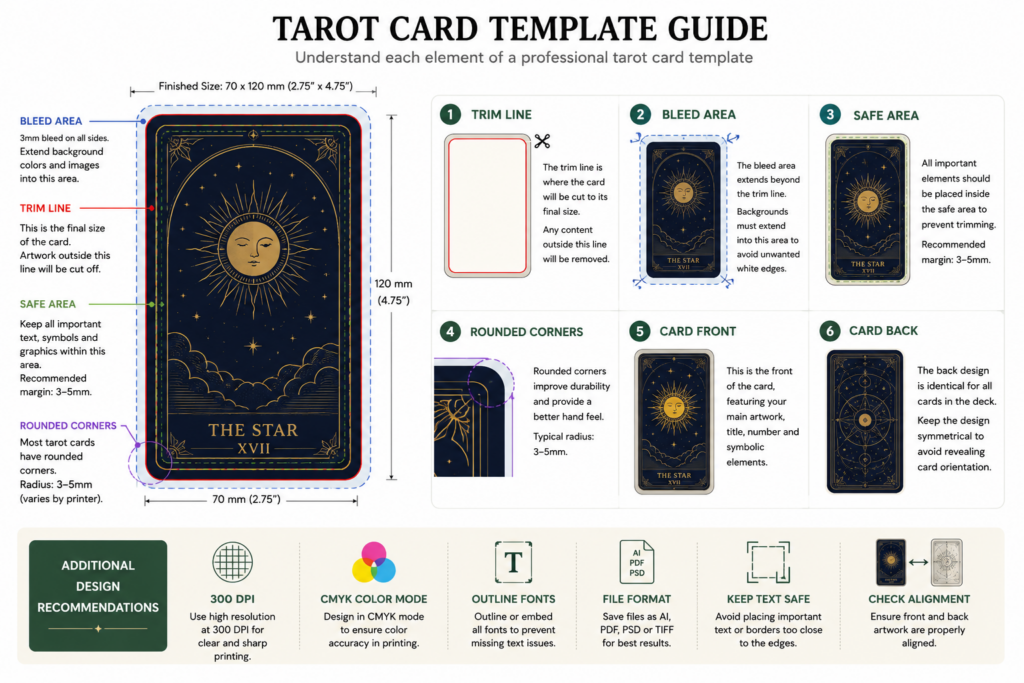
So, How Do You Design Your Tarot Cards?
Overall, the process consists of four parts: story theme, visual style, border style, and creation method.
1. Story Theme
Determine the theme of your story—what message does your story want to express, and what overall values does it convey? It is recommended to write a story outline yourself to connect all the character storylines.
Define your story’s background, including the time period, environment, perspective, and characters involved. Build the main conflict of the story. Why can’t the protagonist cooperate with the other characters or forces? The conflict must correspond closely to the background so that the protagonist feels believable. For example, if there is no obvious problem but the protagonist still wants to overthrow the ruling power, readers may find the story confusing.
Once the story framework is established, express it through your tarot card illustrations, symbols, and visual elements.
2. Visual Style
The visual style determines the overall tone of the entire deck. You can choose styles such as fantasy, dark fantasy, sun god or Eastern mythology, mystical astrology, and more. Different styles appeal to different audiences and reading purposes. People who enjoy adventure or cosplay may prefer astrological or dark fantasy styles, while love-themed readings may suit a dreamy aesthetic. Of course, designers are also free to create according to their own preferred artistic style.
3. Border Style
The border helps unify the entire deck. There are two main design approaches:
Character-focused design
Each card highlights a single character, with different border designs used for different characters.
Story-focused design
Each card depicts a scene or a segment of the story. A single storyline may span multiple cards, with the same border style used throughout that story.
4. Creation Method
Method 1: AI-Assisted Creation
This is currently the method that requires the least drawing and design experience. The core idea is to use AI to generate artwork in a desired style and then manually refine and adjust the results.
Method 2: Hand Drawing or Digital Tablet Illustration
Step 1: Create Sketches
Use a pencil or drawing tablet to sketch character poses and card decorations. Design tools such as Canva can also be used during this stage.
Step 2: Refine and Color
Color the artwork in Canva, or import the sketches into software such as Photoshop, using tools like the Pen Tool to trace, refine, and finalize the artwork. When coloring, you can try using features such as Gradient Map to create richer color variations.
Step 3: Combine Design Assets
During the design process, you can confidently incorporate additional assets to assist your artwork. For example, apply texture brushes as backgrounds or add decorative elements such as beads. The key is to blend these assets naturally with your hand-drawn artwork so the final design appears complete and cohesive.
Once all 78 cards have been designed, you can prepare your files for printing.
Custom Tarot Card Deck Printing
After completing your card designs and preparing the print-ready files, you can send them to a professional printing manufacturer to produce your custom tarot deck. Xinyi Printing offers premium wholesale printing services with high-quality craftsmanship, direct factory production, and manufacturer-direct pricing to help bring your tarot cards to market. Contact us today to start your custom tarot card printing project!
The key elements of tarot card printing include paper stock, surface finishing, printing techniques, and packaging options.
First, when selecting paper stock, tarot cards generally place greater emphasis on a premium look and feel. Common cardstock options include:
- 300gsm C2S Art Paper
- 310gsm Black Core Paper
- 330gsm German Black Core Paper
- Premium Casino-Grade Playing Card Stock
Common surface finishing options include:
- Matte Lamination
- Gloss Lamination
- Linen Finish
- Soft Touch Lamination
- Spot UV Coating
These finishing techniques not only protect the printed artwork but also create distinctive tactile experiences.
To emphasize the mystical atmosphere and radiant symbolism often found in tarot card artwork, foil stamping is one of the most commonly used printing techniques for tarot decks.
Professional packaging options for tarot cards include:
- Tuck-End Paper Boxes
- Two-Piece Rigid Boxes
- Magnetic Closure Rigid Boxes
- Drawer-Style Gift Boxes
- Collector’s Edition Gift Boxes
Many publishers also include guidebooks, insert cards, and custom accessories inside the packaging to create a more complete and premium unboxing experience.
Conclusion
Choosing the right tarot card size is an important step in designing a successful tarot deck. Although the standard size of 70 × 120 mm (2.75 × 4.75 inches) remains the most popular choice, custom dimensions can often better match specific artistic styles or market demands.
In addition to the card size, selecting the appropriate paper stock, surface finishing, printing method, and packaging solution can significantly enhance both the visual appeal and durability of your tarot deck. Working with an experienced custom tarot card printing manufacturer ensures that your artwork is reproduced accurately and that the finished product meets professional quality standards.
Whether you’re planning to launch your first independent tarot deck or expand an existing product line, understanding tarot card sizes and the printing process will help you create a deck that is both visually stunning and highly functional.
Choose Xinyi Printing to bring your premium artistic tarot cards to life!
FAQs About Tarot Card Size
What is the standard tarot card size?
The standard tarot card size is 2.75 × 4.75 inches (70 × 120 mm), which is used by most commercial tarot decks.
Are tarot cards larger than poker cards?
Yes. Tarot cards are taller and slightly wider than standard poker cards, providing more space for artwork and symbolism.
Can I customize the size of my tarot cards?
Absolutely. Professional manufacturers can produce tarot cards in custom dimensions to match your design and branding requirements.
What is the best cardstock for tarot cards?
Popular options include 300gsm art paper, 310gsm black core paper, and 330gsm German black core paper, depending on the desired durability and handling.
What resolution should tarot card artwork be?
For professional printing, artwork should be prepared at 300 DPI in CMYK color mode.
What packaging is best for tarot decks?
Common packaging choices include tuck boxes, rigid boxes, magnetic gift boxes, and drawer boxes. Premium editions often include guidebooks and custom inserts.
Can I print a small quantity of custom tarot cards?
Yes. Many professional printing companies offer low minimum order quantities (MOQs) for independent artists, creators, and crowdfunding campaigns, while larger production runs generally provide lower unit costs.
What bleed should I use when designing tarot cards?
A 3 mm bleed is recommended to ensure background artwork extends beyond the trim line, preventing white edges after cutting.
Choosing the wrong material for custom plastic playing cards directly impacts your total cost of ownership. Sourcing cheap, plastic-coated paper instead of true 100% PVC results in decks that warp, stain, and fray, forcing constant reorders and eroding game integrity in high-use environments like casinos or bars.
This analysis benchmarks 100% PVC plastic against multi-layered paper stock to define the right choice for your operation. We evaluate material lifespan—where plastic can last up to 50 times longer—and performance factors like water resistance and opacity to determine the total cost of ownership and ensure game security.
What Are Paper Playing Cards Made Of?
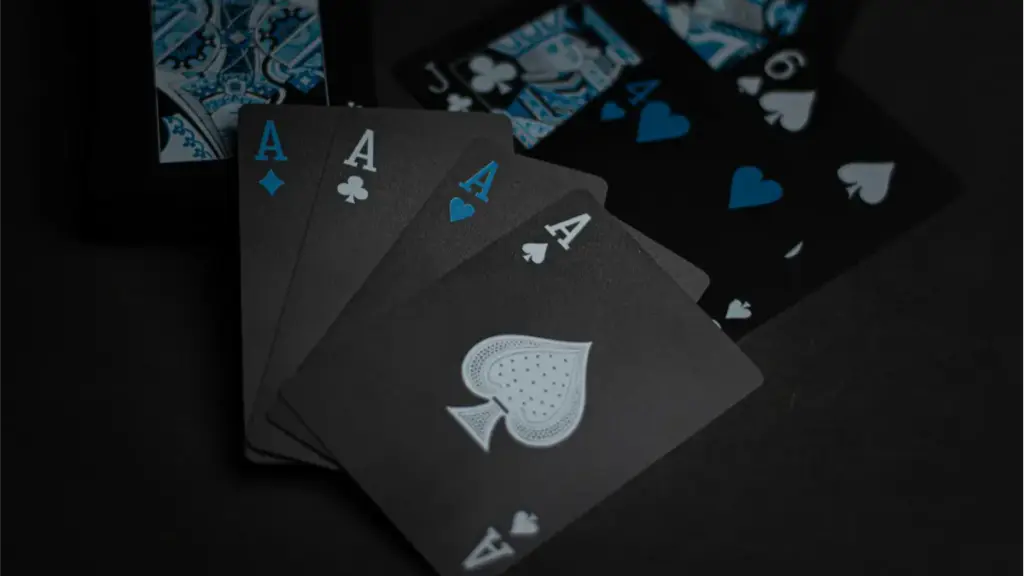
Paper playing cards aren’t just paper. They are engineered composites, combining multi-layered stock with an opaque core and specialized surface coatings for performance.
Core Material: Multi-Layered Card Stock
The foundation of a paper playing card isn’t standard office paper. It’s a specialized, multi-layered material known as card stock or pasteboard. This stock consists of at least two layers of paper laminated around a central core. This construction gives the card its necessary properties.
That inner core is critical. It’s typically colored black, grey, or blue to make the card opaque, preventing opponents from seeing the faces through the back. The stock’s weight, usually between 270 and 330 gsm, is carefully engineered to deliver the right balance of stiffness, flexibility, and “snap” needed for proper shuffling and handling.
Surface Coatings and Finishes
After the graphics are printed, cards get a surface coating, like an aqueous varnish. This protects the ink from wear and gives the cards a smooth feel. Some decks are labeled ‘plastic-coated,’ which means a thin layer of plastic is applied over the paper core for better durability and moisture resistance.
Many decks also feature a textured finish embossed onto the surface. You’ve probably felt the dimpled ‘air-cushion’ pattern or a cross-hatched ‘linen’ texture. These aren’t just for decoration. The texture creates tiny air pockets that cut down on surface friction, allowing the cards to glide over each other for smoother shuffling, fanning, and dealing.
What Are Plastic Playing Cards Made Of?
Plastic playing cards are made from synthetic polymers like PVC or Polyester. These materials are chosen for superior durability and waterproof performance over traditional paper cards.
Core Plastic Materials
Unlike paper-based cards, 100% plastic playing cards are built from synthetic polymers. The specific material affects the card’s flexibility, durability, and how it feels to shuffle. The most common options in the industry are:
- PVC (Polyvinyl Chloride): This is the workhorse material for durable, waterproof plastic cards. It’s a common choice for casino-style decks and any application where longevity is critical.
- Polyester-Based Plastics: Some manufacturers use polyester-based stocks for premium decks. These are known for being exceptionally tear-resistant and easy to wipe clean, making them ideal for heavy-use or outdoor environments.
- Plastic Blends: Some products are marketed as being made from “100% plastic blends.” This usually refers to proprietary formulations of polymers designed to achieve a specific balance of stiffness, snap, and texture.
Key Properties and Trade-Offs
Choosing a plastic material is a direct trade-off between durability and feel. These materials are selected for a clear set of performance benefits:
- Waterproof: Plastic cards do not absorb liquids. You can wipe spills off them without causing swelling or warping.
- Tear-Resistant: They are far less likely to crease, bend permanently, or wear out at the edges compared to paper cards.
- Long-Lasting: A single plastic deck can last dozens of times longer than a paper one in high-use settings like poker rooms or bars.
The main trade-off is handling. Plastic cards can feel slick and may clump together, making them less ideal for cardistry or magic tricks that rely on the specific friction of paper. The choice for plastic is almost always driven by a need for durability that outweighs the desire for a traditional paper feel.
Performance Differences Between Paper and Plastic Cards
Plastic cards dominate in durability and are waterproof, but paper cards provide superior grip and control for specific techniques like magic or cardistry.
| Performance Aspect | Paper Cards | Plastic Cards |
|---|---|---|
| Shuffle Feel and Flexibility | Paper’s higher friction and distinct ‘snap’ give you more control for shuffles and flourishes. They soften and crease permanently with use. | Low friction means smoother, easier shuffling. The cards are extremely flexible and snap back to their original shape without creasing. |
| Water and Wear Resistance | Moisture ruins paper cards, causing them to warp and delaminate. Edges fray and the print wears off with repeated shuffling. | Plastic is completely waterproof and simple to wipe clean. It’s far more durable, resisting tears and edge wear, and can last up to 50 times longer. |
| Surface Protection and Finish | A surface coating provides the initial glide, but it wears off over time. This exposes the paper fibers to dirt and oils, making the deck sticky. | The finish is integrated into the durable plastic itself. It resists oils and dirt, maintaining a consistent feel and look for its entire life. |
| Opacity and Light Blocking | Paper cards need an opaque inner core, usually black or blue, to stop light from showing through the faces, which is a major security risk. | The plastic material is inherently opaque. This provides superior and more uniform light-blocking, which is critical for game integrity. |
How Surface Finish Changes Card Experience
A card’s surface finish dictates the balance between slick shuffling and controlled grip, impacting everything from casino dealing to cardistry flourishes and even how well it cleans.
Handling and Performance in Play
The surface finish is what a player actually feels. It controls the friction between cards, which changes how a deck shuffles, deals, and performs maneuvers. There’s a constant trade-off between speed and control. Smooth, glossy finishes are extremely slick, allowing cards to cascade fluidly in a riffle shuffle. This is great for fast dealing but can be a liability for beginners who might send cards flying.
Embossed or textured finishes, on the other hand, provide more grip. The tiny air pockets they create offer just enough resistance for precise control, which is why magicians and cardists almost always prefer them. These textures make it possible to execute clean, even fans and ribbon spreads—maneuvers that are notoriously difficult with most smooth-finish decks, which tend to clump together or slide apart without control.
This difference also affects grip under various conditions. A very smooth card can become hard to manage with dry hands or stick together in humid environments. A light texture provides a more consistent, reliable feel, giving players more confidence in their handling.
Visuals, Wear, and Maintenance
Surface finish directly influences a deck’s appearance. A high-gloss finish makes colors look more saturated and vibrant, giving custom artwork a bigger impact. The downside is glare. Under the bright lights of a casino or a camera, that reflection can make cards hard to read. A matte or satin finish diffuses light, reducing glare and improving legibility, which is often preferred for professional play.
Wear and tear shows up differently depending on the finish. A smooth, glossy plastic surface will show fine scratches and scuffs fairly quickly, especially on dark-colored card backs. An embossed texture helps hide these minor blemishes, keeping the deck looking good for longer in casual use. Over time, the embossed pattern itself can wear down and flatten in high-contact areas, altering the feel.
Maintenance is another key factor. Since 100% plastic cards are washable, the finish affects how easy they are to clean. Smooth surfaces are the simplest to wipe down, as there are no tiny grooves to trap dirt or oils. This makes them ideal for high-traffic environments like bars, cruise ships, or poker rooms where decks are cleaned often. Textured finishes can require a more thorough wipe to stay pristine.
Comparing Cost and Product Lifespan
Plastic cards cost more upfront but often have a lower total cost over time. Their long lifespan reduces replacement frequency, making them a better investment for high-use environments.
Upfront Production Cost
Plastic playing cards have a significantly higher initial cost than paper. For small to mid-sized orders, expect to pay around $10 to $20 per deck. In contrast, basic paper decks can be sourced for as little as $1 to $4 per deck in larger quantities. This means you could buy two to five times more paper decks for the same initial budget.
Several factors drive the upfront cost of plastic cards:
- Material: The PVC or PET plastic substrate is simply more expensive than paperboard.
- Printing: Printing full-color, photo-quality images on plastic requires specialized technology and protective coatings, adding to the cost.
- Order Quantity: While many printers offer low or no minimums, the per-deck price is much higher for small batches. Prices drop with larger orders, but plastic remains more expensive than paper at any comparable volume.
Long-Term Replacement Cost
The higher initial investment in plastic cards is balanced by a much longer product lifespan. Plastic decks are waterproof, durable, and resistant to bending and edge fraying. They can withstand far more shuffling and handling than paper cards before they become marked, faded, or unusable.
In high-traffic environments like bars, game cafes, or poker rooms, paper decks need frequent replacement due to wear, moisture damage, and bent cards. A single plastic deck can often outlast multiple paper decks in these settings. This dramatically lowers the replacement frequency, which in turn reduces the ongoing costs of reordering, shipping, and managing inventory. Over the long run, the total spend on plastic decks can be equal to or even lower than the cost of constantly replacing cheaper paper decks.
Value for Different Business Models
The cost-benefit analysis of plastic versus paper cards depends entirely on the business model and usage intensity.
Casinos and Poker Rooms
These venues see continuous, high-intensity use. Plastic is the standard because it offers durability, cleanability, and a consistent professional feel. Reduced replacement frequency makes plastic more cost-effective over time, treating decks as operational assets rather than disposables.
Hospitality (Bars, Cruise Ships, Restaurants)
Cards in these settings are exposed to spills, food, and rough handling. Waterproof plastic decks survive this abuse, reducing the need to constantly throw out stained or warped paper decks. The per-play cost of a plastic deck is often lower because it lasts so much longer.
Board Game Publishers
For premium or “deluxe” editions of games, plastic cards can be a key differentiator. They add to the perceived value and ensure the game components last for years, which is important for evergreen titles and collectors. While not justified for every mass-market game, it’s a valuable upgrade for high-end products.
Corporate Promotions
The choice here depends on the campaign’s goal. For a large-scale, low-budget giveaway, paper is more economical. But if the goal is to make a quality impression and ensure the branded item stays in use for a long time, a durable plastic deck provides far more value and extended brand exposure.
Sustainability in Playing Card Manufacturing
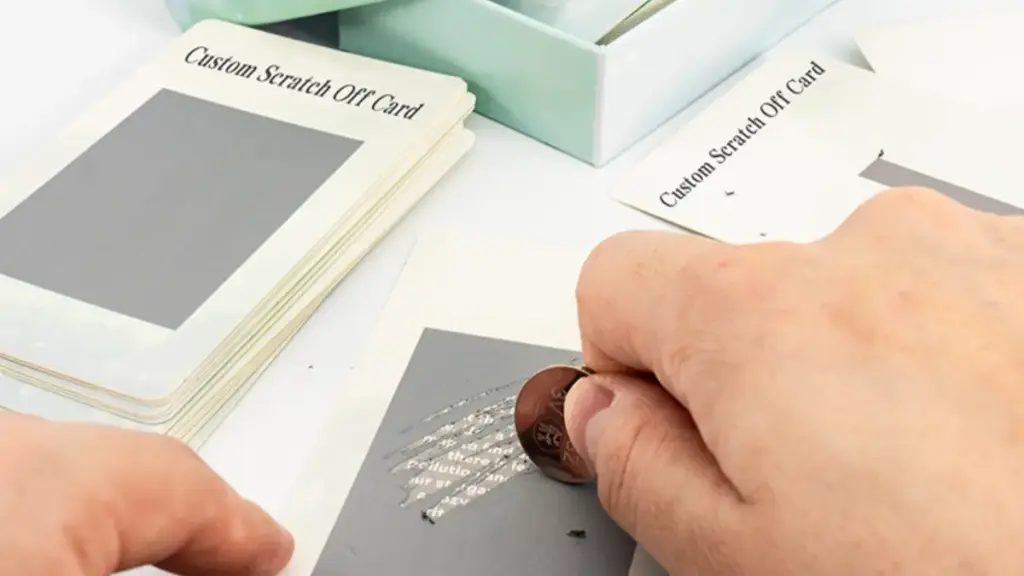
Smart packaging isn’t an afterthought. It’s a core part of a sustainable product, focusing on less plastic, better materials, and clear recycling paths for the customer.
- Focus on single-material paperboard from FSC-certified or recycled stock. This makes recycling straightforward for the end user without any confusion.
- Cut down on waste by using correctly sized boxes. Ditch unnecessary extra layers like outer plastic sleeves that just get thrown away.
- Swap single-use plastics like cellophane wrap and plastic trays for paper-based alternatives. Paper seals and die-cut inserts do the job just as well.
- Use finishes that don’t interfere with recycling. Vegetable-based inks and water-based aqueous coatings are smart choices over plastic film lamination.
- Make sure the packaging story matches the cards. If you’re selling cards made from recycled plastic, putting them in a recycled paper box sends a consistent message.
- Add simple, clear icons and instructions. Show people exactly how to recycle or dispose of the packaging correctly.
Best Material for Different Card Applications
| Application | Best Material | Why It Fits | Tradeoffs |
|---|---|---|---|
| Casino and Gaming Decks | 100% plastic (PVC or similar). | Provides maximum durability and a long service life under heavy shuffling and constant handling. | Higher initial cost compared to paper; the slick surface may take getting used to. |
| Waterproof and Outdoor Cards | 100% plastic or waterproof synthetic stock. | Completely resistant to water, spills, and dirt, making them easy to wipe clean and ideal for any environment. | May not have the same print feel as premium paper; durability increases the cost. |
| Collector and Retail Decks | Premium paper stock for collectors; plastic-coated paper for value-focused retail. | Paper offers a superior tactile feel and supports sharp, detailed artwork for collectible presentation. Coated paper balances cost and durability for the retail market. | More susceptible to moisture and edge wear than full plastic cards. |
| Educational and Promotional Cards | Plastic-coated paper for budget-friendly campaigns; 100% plastic for repeated use. | Coated paper offers a good balance of affordability and print quality for promotions. Full plastic creates a longer-lasting item for educational tools like flashcards. | Plastic-coated paper is less durable than full plastic, which has a higher upfront cost. |
How to Choose the Right Material for Your Custom Deck
Your deck’s intended use dictates the material. 100% plastic is for heavy-duty, wet, or professional settings. Plastic-coated paper offers the best balance for most promotional and casual decks.
Start with Your Deck’s Intended Use
The most important decision driver is how the cards will actually be handled. The environment and frequency of play determine whether you need maximum resilience or if a standard, cost-effective option will do the job. There’s no single “best” material, only the right material for the application.
For any high-intensity setting, 100% plastic is the only serious choice. This includes casinos, poker rooms, bars, or cruise ships where cards are shuffled constantly and exposed to spills. The same applies to outdoor use—if the deck will be near a pool, on a boat, or on a camping trip, you need a fully waterproof plastic material like PVC or a synthetic equivalent. These decks can be wiped clean and won’t warp from humidity.
For most other projects, plastic-coated paper is the workhorse. This material is ideal for promotional giveaways, corporate events, or casual home games. It provides good print quality and a familiar feel while offering enough durability for moderate use. It strikes a practical balance that works for projects where extreme longevity isn’t the primary goal.
Balance Durability and Budget
The material choice is a direct trade-off between upfront cost and long-term value. A 100% plastic deck costs more per unit to produce. The raw materials are more expensive, and printing on a non-porous surface requires a more specialized process. This higher initial investment can be a non-starter for mass giveaways or budget-sensitive campaigns.
But the higher cost of plastic is justified by its lifespan. In a high-use environment, a single plastic deck can outlast dozens of paper-based decks. It resists bending, fraying, and moisture damage that quickly ruins paper cards. This dramatically reduces the replacement frequency, lowering the total cost of ownership over time. For a casino or a busy game cafe, buying cheaper paper cards that need constant replacement is simply bad economics.
Plastic-coated paper is the budget-friendly option. It’s affordable for large runs, making it the default choice for most promotional products. You get a functional, good-looking deck at a low per-unit price. The key is to match the investment to the expected use. If the deck is a short-term marketing tool or for occasional play, plastic-coated paper is efficient. If it’s an operational asset meant for repeated, heavy use, 100% plastic is the smarter financial decision.
Final Thoughts
Choosing plastic-coated paper may lower upfront costs, but it introduces unacceptable risks in professional settings. For any operation where game integrity, brand reputation, and long-term value are critical, 100% PVC plastic is the only standard that performs. It protects your investment against the constant wear, spills, and handling that destroy lesser materials.
Don’t guess on material quality—verify it. We recommend ordering a sample set to evaluate the finish, snap, and durability for yourself. Contact our team to discuss your specific requirements and get your production run scheduled.
Frequently Asked Questions
Are plastic playing cards better than paper cards?
Plastic cards are superior for durability, water resistance, and frequent play, making them standard in casinos. Paper cards offer a lower cost, a traditional feel, and are preferred for magic or cardistry techniques. The best choice depends on how you plan to use them.
What is the difference between 100% plastic and plastic-coated cards?
The core material is the key difference. 100% plastic cards are made from a solid plastic sheet. Plastic-coated cards have a paper core with a thin plastic varnish on the surface. This makes true plastic cards far more durable, fully waterproof, and resistant to marking.
Can I print my own design on 100% plastic cards?
Yes, you can print full custom artwork on 100% plastic playing cards. Specialized printing processes allow for detailed, full-color designs on both card backs and faces. Most manufacturers provide templates and file requirements to guide your design.
Do plastic playing cards stay flat after being bent?
Plastic cards are highly resilient and typically return to their flat shape after normal bending from shuffling and gameplay. Unlike paper, they resist permanent creasing. Extreme folding can still cause damage, and improper storage in high heat may lead to a gradual bow over time.
Can paper cards be waterproof?
Standard paper cards are not waterproof. They can be made water-resistant with surface coatings, but the paper core remains vulnerable to moisture, especially at the edges. For a deck that can withstand spills and repeated cleaning, 100% plastic is the required material.
What is the minimum order for custom plastic cards?
The minimum order quantity varies by supplier. Many online print-on-demand services have no minimum, allowing you to order a single deck. Traditional manufacturers often require minimums of 100 decks or more to make production economical.