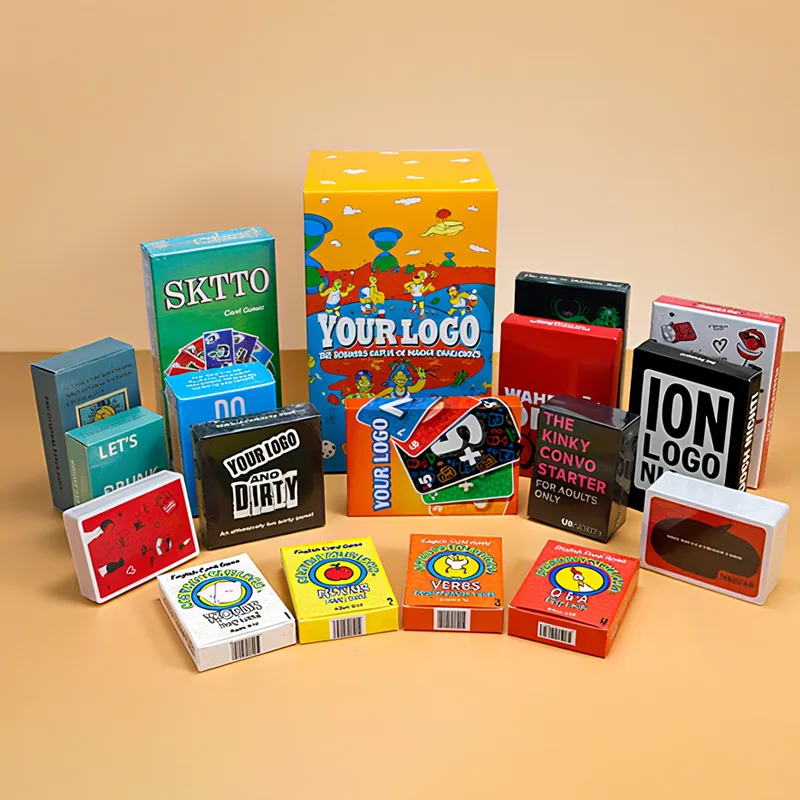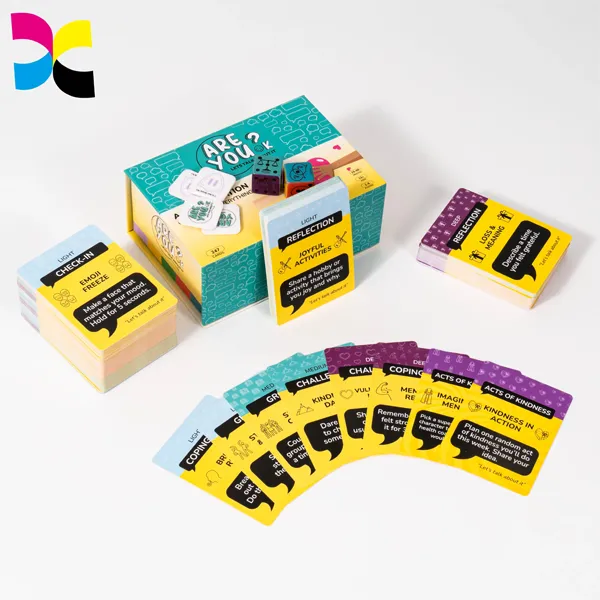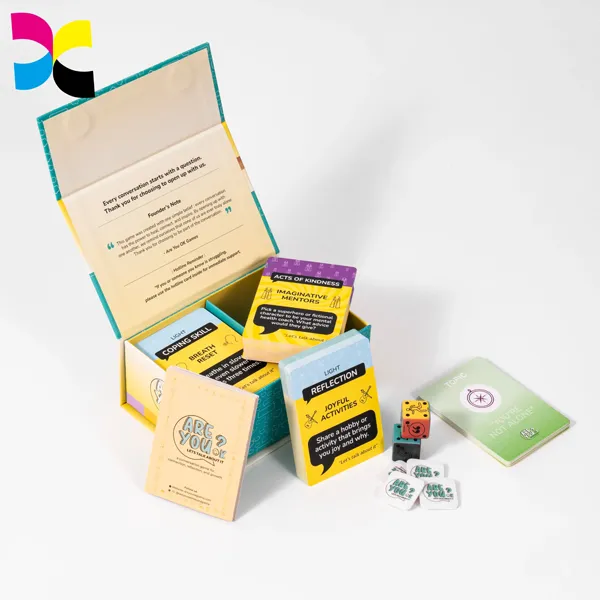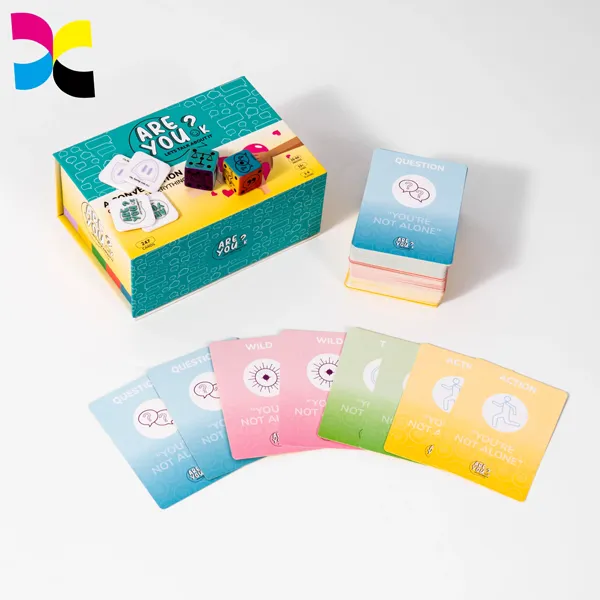
Selling affirmation cards on Amazon requires more than an attractive deck. Sellers need to choose a clear target market, prepare products for retail, build a listing that converts, and calculate costs before setting a price. Fulfillment and inventory planning also affect profit and sales performance.
This article explains how to take an affirmation card deck from product research to an active Amazon listing. It also covers the printing and packaging decisions that can affect product quality, customer reviews, and long-term sales.
Key Takeaways
- Study competitor reviews to find customer needs and gaps in the market.
- Choose card stock, packaging, and product identifiers before mass production.
- Use relevant keywords, clear images, and useful bullet points to improve listings.
- Calculate production, shipping, Amazon fees, advertising, and returns before pricing.
- Choose FBA or FBM based on sales volume, costs, and inventory control.
Research Affirmation Card Demand and Choose a Niche
Before designing a deck, study existing Amazon listings in your target category. Read negative reviews and look for repeated complaints, such as thin cards, damaged boxes, hard-to-read text, or messages that feel too generic. These comments show what buyers expect and where competing products fall short.
Use these findings to define your product. If buyers complain about card durability, consider thicker stock and protective finishes. If the messages lack focus, develop a deck for a specific audience, such as teachers, nurses, parents, or entrepreneurs.
Check the number of competing listings, their prices, review counts, and product positioning. A niche with clear customer complaints may offer room for a better product, while a crowded category with similar designs may require a stronger selling point.
You can also review our analysis of whether selling affirmation cards is profitable to understand market opportunities, production costs, and business challenges before placing your first order.

Prepare Affirmation Cards for Amazon Retail Requirements
An Amazon-ready affirmation deck needs suitable materials, secure packaging, and the correct product identification. These details should be confirmed before mass production.
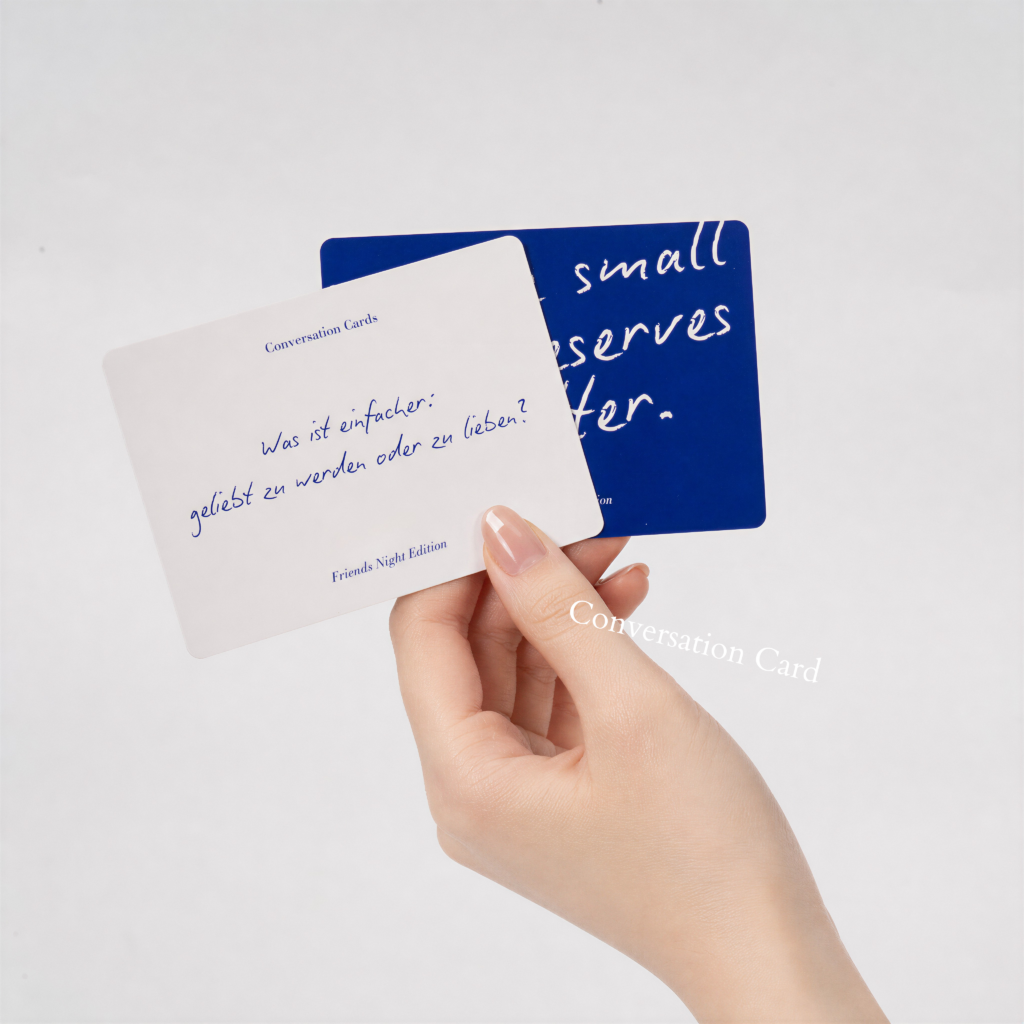
Choose durable card stock. Cards made for daily handling should resist bending and surface wear. A weight of 300–350 gsm is a useful starting point for many decks, although the best choice depends on card size, paper structure, and intended use. Matte lamination can help protect printed surfaces, while rounded corners reduce edge damage.
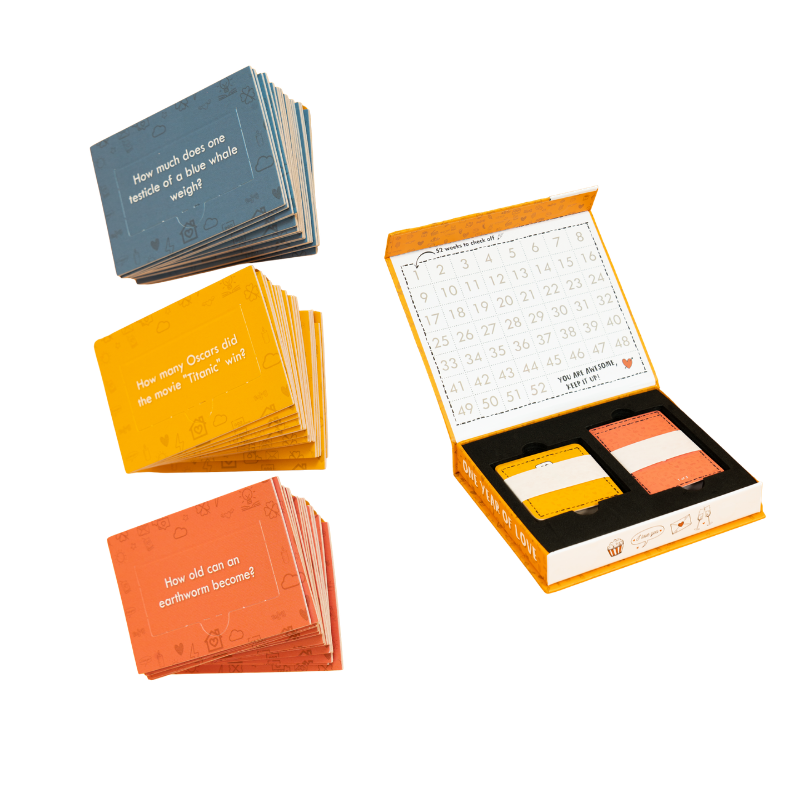
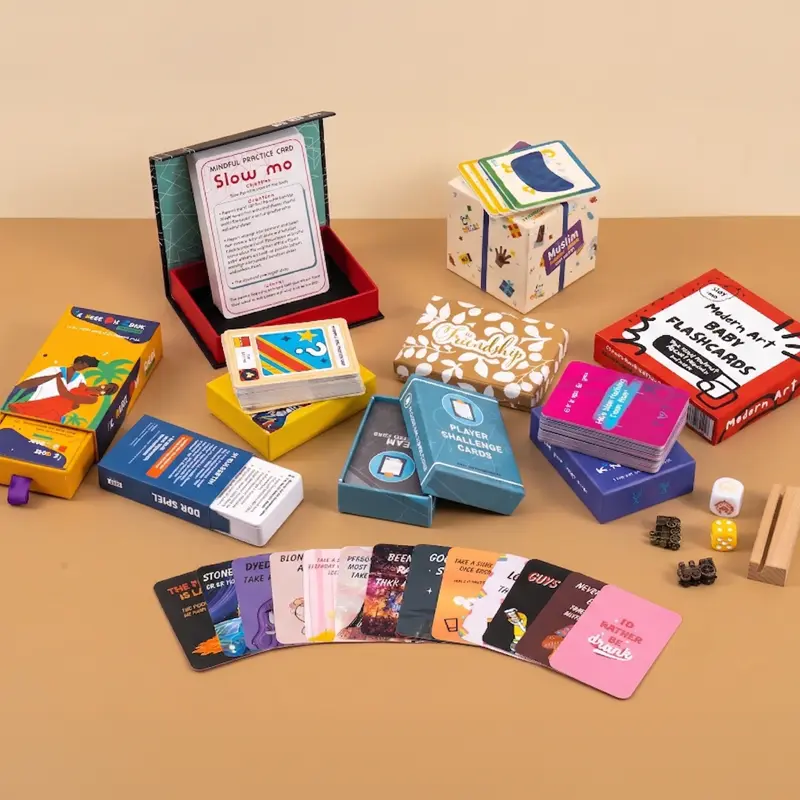
Plan the packaging. The box should hold the full deck securely and stay closed during storage and delivery. Tuck boxes suit cost-conscious products, while rigid boxes offer stronger protection and a more premium presentation. A sleeve or shrink wrap can provide an additional layer of protection.
Confirm product identification. Most new Amazon listings need a valid product identifier, such as a UPC or EAN, unless the product qualifies for a GTIN exemption. For FBA, each unit also needs an eligible barcode for inventory tracking. Check whether your product can use a manufacturer barcode or needs an Amazon barcode before printing labels. Amazon Seller Central+1
Barcode position, label size, and print quality should be checked during artwork preparation. For more details on card stock, finishes, and box structures, see our custom affirmation card printing options.
Finally, confirm sample approval and bulk production lead times with your manufacturer. Allow extra time for shipping inventory to Amazon and completing fulfillment center check-in before the planned launch.
Build an Amazon Listing That Converts Card Buyers
A clear listing helps shoppers understand what the deck contains and whether it meets their needs. Start with a product title that describes the deck naturally and includes the main search phrase. Avoid adding unrelated keywords or promotional claims.
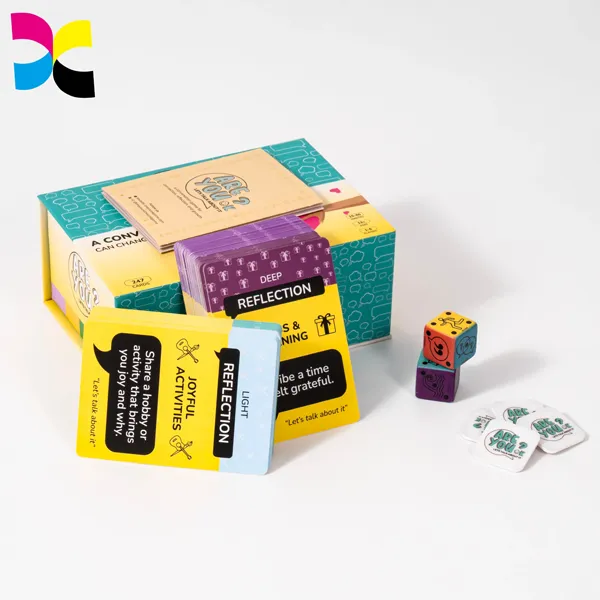
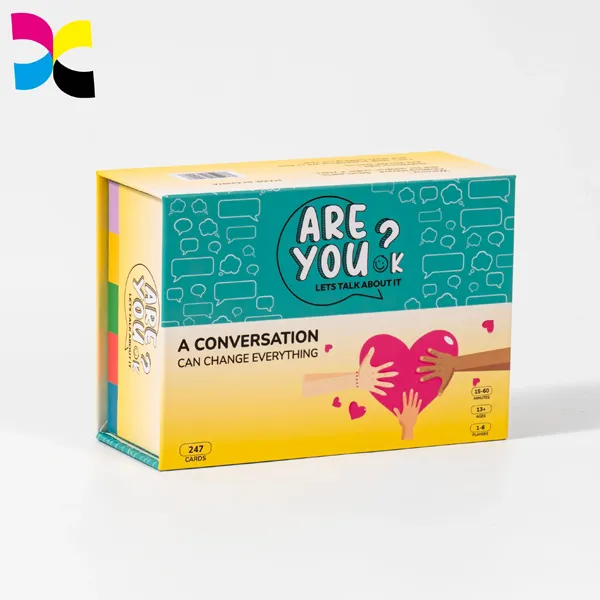
Images are especially important for card products. Amazon requires a main image on a white background, with the product clearly shown. Use additional images to show the cards, printed messages, box structure, card thickness, and details that are difficult to judge from the main image. Amazon Seller Central+1
Plan the image sequence around common buyer questions:
- What does the complete deck look like?
- How many cards are included?
- Can buyers read the text clearly?
- What materials and finishes are used?
- How does the packaging protect the cards?
Use bullet points to explain card quantity, dimensions, materials, intended audience, and main product benefits. Keep each point focused on one useful detail. Add relevant secondary search terms naturally in the description and other eligible listing fields rather than repeating the same phrase.
Eligible brand representatives can also use A+ Content to add comparison charts, product details, and brand information. For affirmation decks, a simple demonstration of how to draw and use a card can help shoppers understand the product. Access depends on Amazon’s current eligibility requirements.
Print a Retail-Ready Deck for Your Launch
Calculate Affirmation Card Costs and Set Your Price

Set your selling price after calculating the full cost of each unit. Comparing competitor prices alone can lead to a price that covers production but leaves little profit after Amazon fees and advertising.
Start with the landed product cost. Include card printing, packaging, inserts, freight, and any preparation or labeling costs. Then add Amazon’s referral fee, fulfillment or shipping expenses, storage costs where applicable, advertising, and an allowance for returns.
The manufacturing cost depends on several product decisions. Card quantity, paper weight, surface finish, box structure, and order volume all affect the factory quotation. Our article on affirmation card manufacturing costs explains how these choices affect the production budget.
Request quotations at two or more quantities to compare unit costs. A larger order may reduce the cost per deck, but it also ties up more cash in inventory. Choose a quantity that matches realistic sales expectations and your ability to store and move stock.
A reliable custom card printing manufacturer can help compare materials and packaging options before production. This is useful when you need to balance product quality, retail positioning, and target cost.
Finally, compare your calculated price with similar products on Amazon. If the required price is far above the market range, review the card count, finish, and packaging before reducing your margin. Advertising costs should also be included from the beginning, especially during the launch period.
Choose the Right Amazon Fulfillment Method for Your Deck

Amazon offers two main fulfillment options: Fulfillment by Amazon (FBA) and Fulfillment by Merchant (FBM). The right choice depends on sales volume, shipping costs, storage needs, and how much control you want over inventory.
| Factor | FBA | FBM |
|---|---|---|
| Inventory | Stored at Amazon fulfillment centers | Stored by the seller |
| Shipping | Amazon handles order fulfillment | Seller handles shipping |
| Customer service | Amazon handles eligible fulfillment-related service | Seller manages customer service |
| Costs | Fulfillment and storage fees | Shipping, labor, and storage costs |
| Prime eligibility | Eligible offers can receive Prime benefits | Requires a qualifying seller-fulfilled arrangement |
FBA can suit sellers who expect steady orders and want Amazon to handle storage, packing, and shipping. It can also make the product eligible for Prime delivery when the offer meets Amazon’s requirements. However, sellers need to manage storage costs and send inventory to fulfillment centers.
FBM gives sellers more control over stock and shipping. It may work better for small test orders, limited editions, or businesses with their own warehouse and shipping arrangements. The seller must meet Amazon’s delivery and customer service requirements.
Some sellers use both methods. FBA can handle regular inventory, while FBM supports special editions or additional stock when suitable. Compare the current fees and delivery requirements in Seller Central before choosing a fulfillment plan.
Launch Your Affirmation Cards and Improve Sales Performance
Once the listing is ready and inventory is available, focus on attracting relevant traffic and learning which products and keywords generate orders.
Start with a controlled advertising campaign targeting specific search terms related to your deck. Exact-match keywords can help you test whether shoppers searching for a particular theme or audience are interested in your product. Set a budget based on your expected margin rather than spending without a clear sales target.
Use Amazon’s permitted review request tools to ask customers for feedback. Do not offer discounts, gifts, or other benefits in exchange for positive reviews. Read customer feedback regularly to identify problems with card quality, packaging, or product descriptions.
Review listing performance each week:
- Search terms: Identify queries that generate relevant clicks and orders.
- Click-through rate: Check whether the main image and title attract shoppers.
- Conversion rate: Review whether the listing answers buyer questions.
- Customer feedback: Look for repeated complaints that may require product changes.
- Inventory levels: Plan reorders before stock runs low.
If customers repeatedly report damaged boxes or cards that bend easily, discuss the issue with your printing manufacturer and review the original specifications. This helps prevent the same problem in later production runs.
External traffic from social media, email campaigns, and creator content can also introduce the deck to new audiences. Make sure these channels lead to a relevant listing and that your promotional claims match the actual product.
Choose a Printing Partner for Retail-Ready Affirmation Decks
The printing manufacturer affects card quality, packaging, production costs, and delivery planning. For Amazon sellers, these details matter because customers expect the product they receive to match the listing images and description.
Before choosing a supplier, check whether the manufacturer can support:
- Consistent printing: Clear text, accurate colors, and reliable cutting across the full order.
- Suitable materials: Card stock and surface finishes that match the intended use and price range.
- Retail packaging: Secure boxes that protect the cards during storage and shipping.
- Flexible customization: Different card sizes, quantities, artwork, and finishing options.
- Production support: Sample approval, artwork checks, quality inspection, and clear lead times.
Xinyi Card Printing provides custom affirmation card production with options for different card stocks, matte lamination, foil stamping, rounded corners, and retail packaging. Brands can also request guidebooks, inserts, and other accessories to create a complete product set.
For businesses developing a new deck, our branded affirmation card development article explains how product positioning, content, design, materials, and manufacturing work together.
You can also explore our custom daily affirmation card printing service for available card and packaging options.
If you are preparing an Amazon launch, share your card size, quantity, material preferences, and packaging requirements with Xinyi. Our team can help review the specifications and provide a quotation and production schedule.
Final Thoughts
Selling affirmation cards on Amazon requires careful planning at every stage, from choosing a market niche to managing inventory after launch. A clear product concept, durable printing, suitable packaging, and accurate cost calculations give sellers a stronger foundation for long-term sales.
Choosing the right printing partner also helps reduce production risks and keep product quality consistent as orders grow.
Frequently Asked Questions
Can I sell affirmation cards on Amazon without a brand registry?
Yes, unregistered sellers can list with a GTIN barcode and standard product images. Brand registration provides A+ Content access, storefront tools, and stronger listing protection, which is worth completing once the deck shows traction.
How many decks should I order for a first Amazon launch?
Order enough to survive a stockout-free launch window, usually a first production run at the factory minimum plus a reorder buffer. Standard MOQs start at 500 sets, and the reorder decision should key to sales velocity from the first weeks.
What makes affirmation card listings get returns?
Three drivers dominate: cards thinner than the photos suggest, packaging damaged in transit, and statements that read generic. All three are production decisions, and all three are solvable in the spec sheet before the listing goes live.
Should I run Amazon ads for a new card deck?
A modest exact-match campaign helps a new listing find converting search terms and early velocity. Treat the budget as research spend, mine the search term report weekly, and shift spend toward the terms that actually sell decks.
FBA or FBM for a first affirmation deck?
Most first-time sellers choose FBA for the Prime badge and Buy Box competitiveness despite the fees. FBM fits when margins are tight, volumes are low, or warehouse capacity already exists. Revisit the calculation every season as fees and sales volumes move.