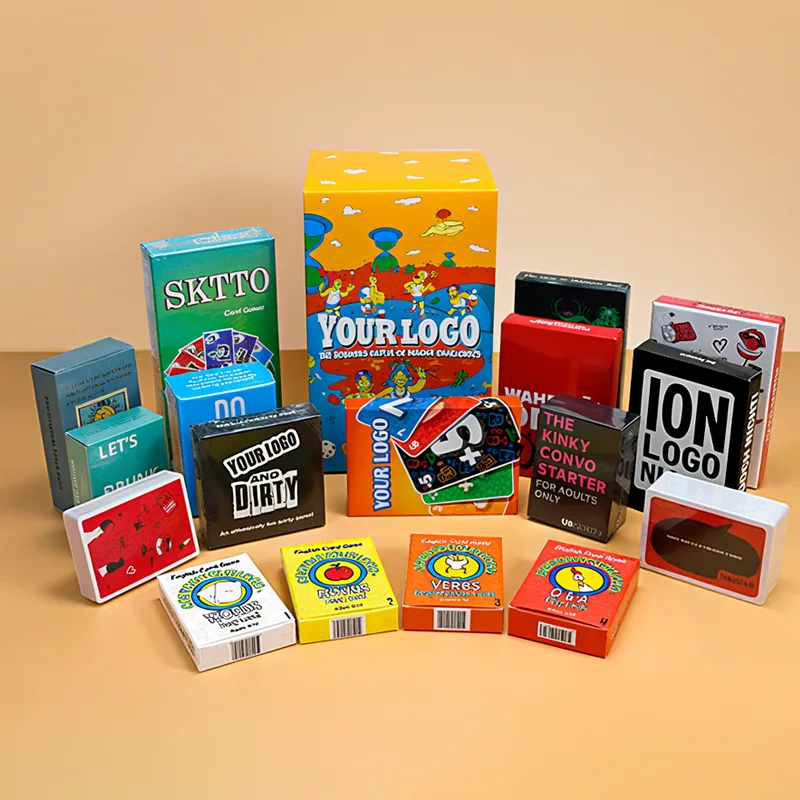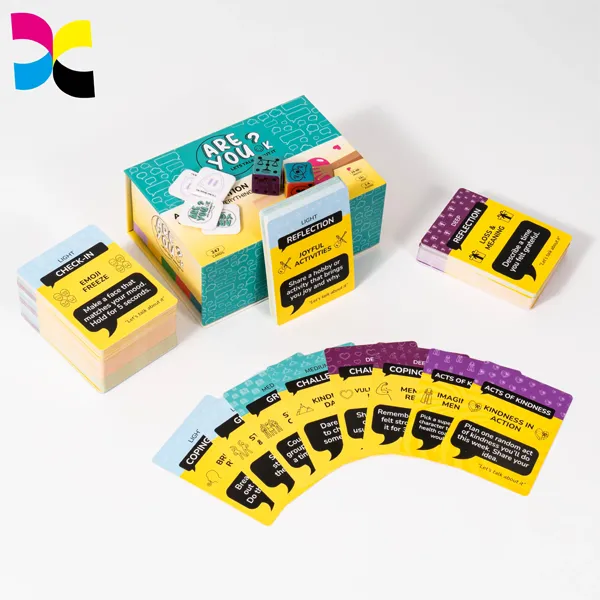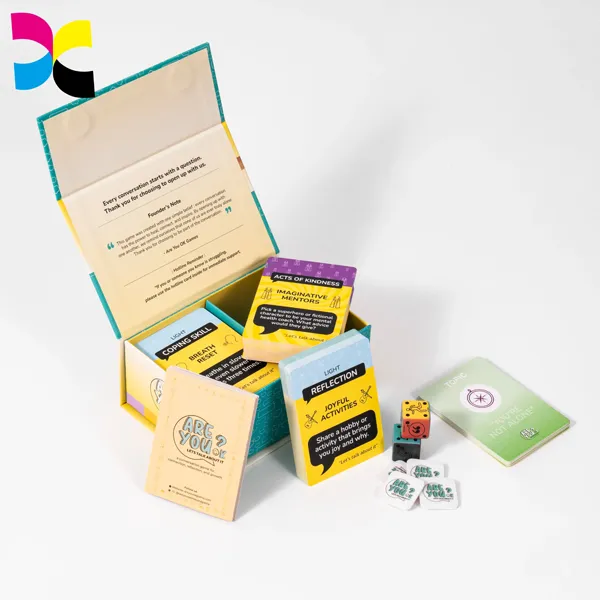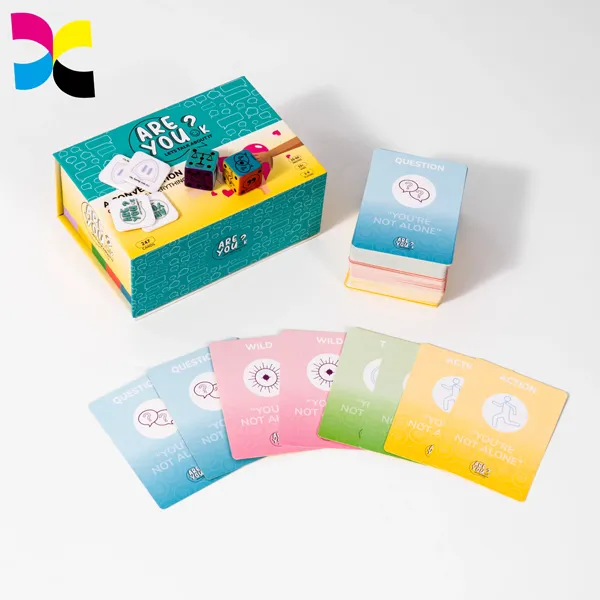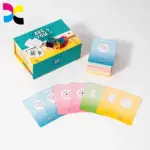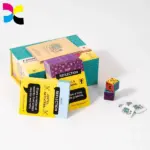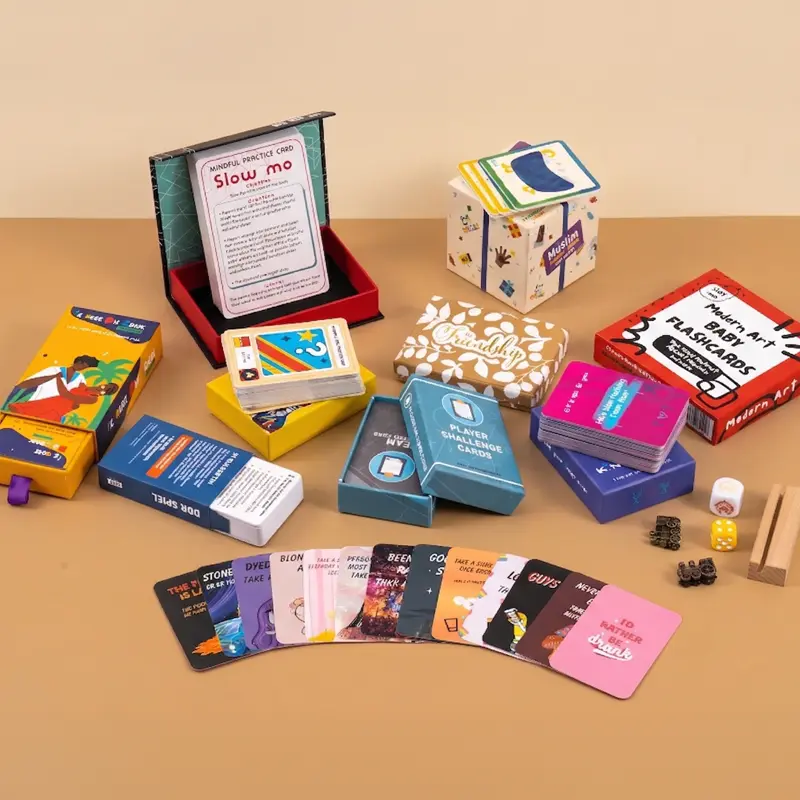
When producing and printing custom playing cards, selecting the right paper core is one of the most critical aspects of material selection. The paper core directly affects the cards’ feel, shuffling performance, flexibility, and overall performance during gameplay.
In the playing card printing industry, the most common options include black-core and blue-core paper. While they may appear similar at first glance, there are significant differences in opacity, flexibility, durability, and the overall user experience.
For custom playing card manufacturers, board game publishers, tarot card creators, and Kickstarter game developers, choosing between black-core and blue-core paper is not merely a technical printing decision—it directly impacts the gaming experience, product positioning, manufacturing costs, and even customer perception.
In the modern playing card printing industry, black-core and blue-core paper are among the most widely used materials in professional playing card production. However, many creators still misunderstand the actual differences between them.
This guide not only provides an in-depth analysis of the technical differences between black-core and blue-core paper but also explores how these materials affect:
Card feel
Shuffling sensation
Opacity
Durability
Brand positioning
Production budget
User experience
Whether you’re producing playing cards, tarot cards, collectible card games, or custom board game cards, understanding core paper technology will help you make more informed production decisions.
What Does “Core” Mean in Playing Card Paper?
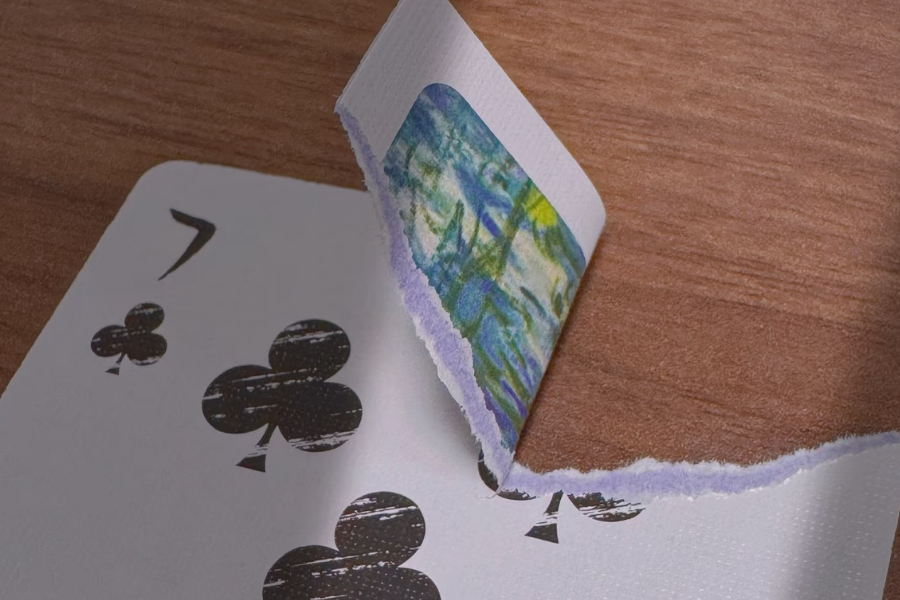
Playing cards are not made from a single sheet of paper.
Professional card stock is usually constructed from multiple layers laminated together. The middle layer is called the core, and its primary purpose is to prevent light transmission while improving structural stability.
A typical playing card structure includes:
- Front printable layer
- Core layer
- Back printable layer
The color of the middle layer determines the paper type:
- Black Core
- Blue Core
- White Core
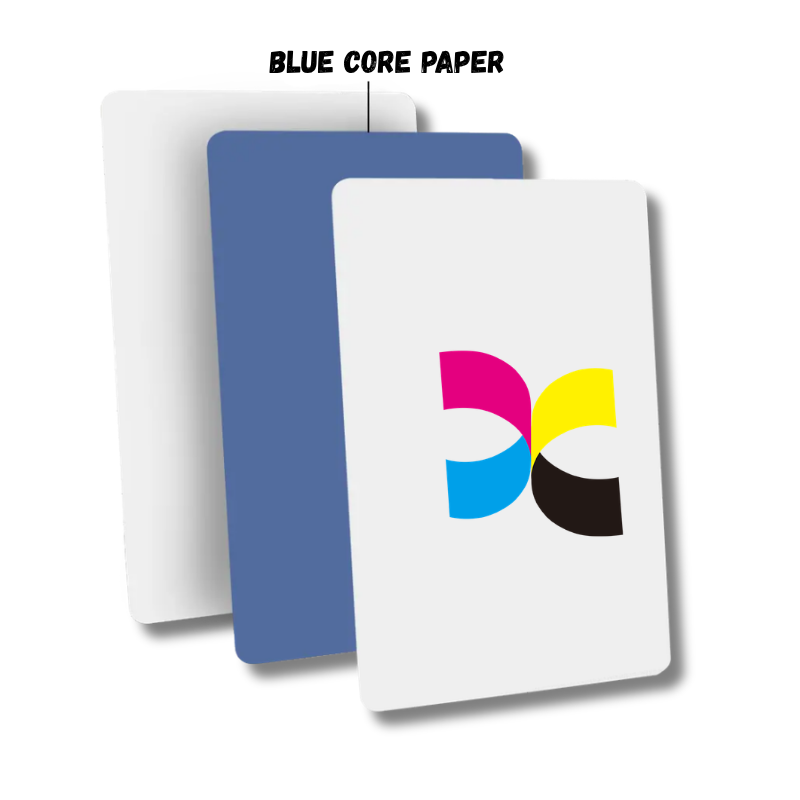
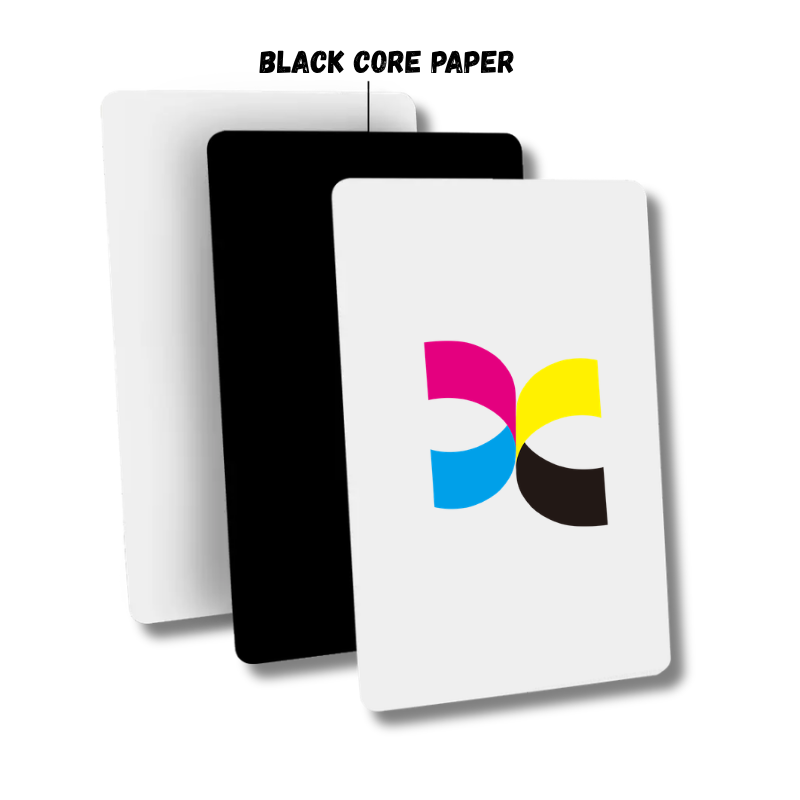
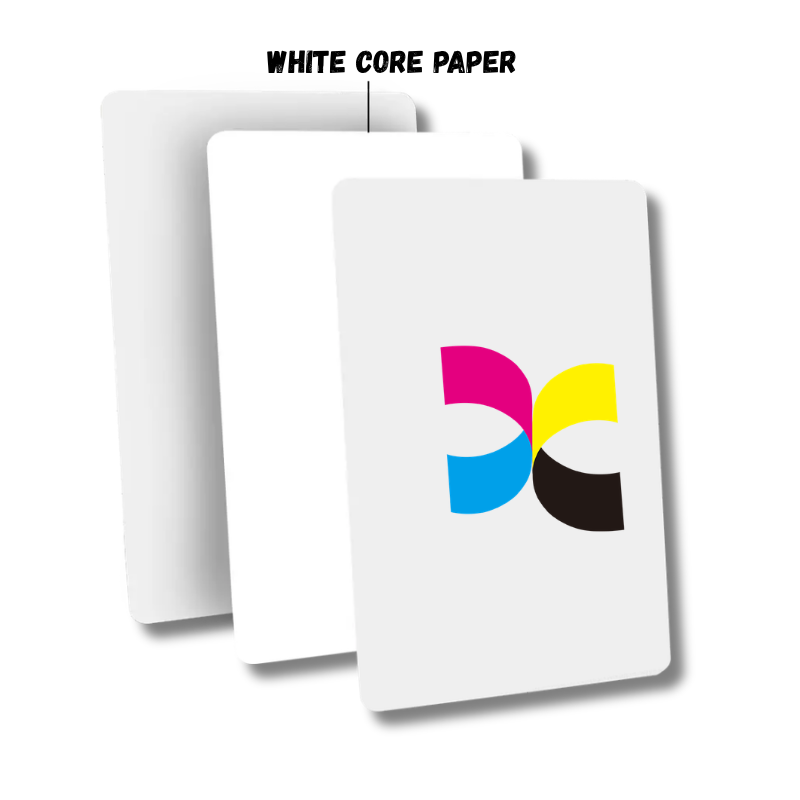
Although the color itself is not visible from the outside, the internal construction significantly affects how the cards perform in real-world gameplay.
What Is Black Core Paper?
Black core paper uses a dark black inner layer laminated between two printable paper surfaces.
It is generally regarded as a premium-grade card stock widely used in: Luxury tarot decks、Professional poker cards、High-end trading card games、Collector card products.
The Main Advantage: Superior Opacity
The biggest reason manufacturers choose black core stock is opacity.
The “Premium Feel” of Black Core Cards
One reason black core stock is associated with luxury decks is its handling behavior.
Black core cards often feel:
More rigid
More solid
More responsive during riffle shuffling
More stable during repeated gameplay
This tactile response is sometimes referred to in the industry as “snap.”
Good snap means the cards return to shape quickly after bending.
Players may not consciously understand the technical reason, but they immediately notice the difference in hand feel.
This becomes especially important for:
Professional cardistry
Poker handling
Frequent shuffling
Long gameplay sessions
What Is Blue Core Paper?
Blue core paper also contains a colored middle layer, but the internal layer is blue instead of black.
It remains one of the most common paper stocks used in commercial card printing because it offers a balance between performance and affordability.
Blue core is frequently used for: Standard board games、Educational flash cards、Family card games、Promotional card decks、Mid-range playing cards.
The Real Strength of Blue Core: Cost-to-Performance Ratio
Blue core paper exists because not every project requires casino-grade performance.
For many games, especially casual games, children’s games, mass-market retail products, and entry-level decks, blue core provides more than enough opacity and durability at a lower manufacturing cost.
Blue core provides more than enough opacity and durability at a lower manufacturing cost.
This becomes especially important for large-volume production runs.
For example:
A 500-deck print run may show only a small cost difference
A 50,000-deck production can create substantial budget impact
For publishers balancing quality and margins, blue core often becomes the practical choice.
Handling Differences: Black Core vs Blue Core
A Visual Guide to Black-Core vs. Blue-Core Paper
| Characteristics | Black-Core Paper | Blue-Core Paper |
| Key Advantages | Opaque, smooth texture | Excellent print quality, high cost-effectiveness |
| Print Quality | Dull colors, low saturation | Vibrant colors, high clarity |
| Texture & Durability | Soft and smooth, extremely tough | Balanced stiffness and elasticity, fold-resistant |
| Applications Casinos | Casinos, magic tricks, high-end collections | Daily entertainment, retail stores |
| Price | Relatively expensive | Moderate |
Black-Core Paper: Designed for Professionals
Black-core paper features a dark inner layer. This black structure effectively blocks light penetration, preventing players from seeing through the card edges to view the face design. As a result, it is widely used in casinos and competitive settings.
Pros: Excellent anti-cheating performance, extremely tough paper, soft and smooth to the touch, great shuffling experience, and highly durable.
Cons: Because the core is black, colors printed on it appear duller and less saturated compared to white or blue-core paper, making it less suitable for those who prioritize vibrant color reproduction. It is also relatively expensive.
Blue-Core Paper: The Popular Choice
Blue-core paper is one of the most mainstream card papers on the market, striking a good balance between print quality and cost.
Pros: Excellent ink absorption, resulting in vibrant, clear printed designs with broad design adaptability. Moderately priced, it is the top choice for most retail stores and general entertainment venues.
Disadvantages: It offers less opacity than black-core paper, and its durability and texture are also slightly inferior to black-core paper.
Beyond Black-Core and Blue-Core: Other Options
In addition to these two, the market also offers white-core paper, gray-core paper, and even coated paper, each with its own strengths:
White-core paper: The print quality is similar to blue-core paper, but the texture may feel slightly stiffer. It is a basic, general-purpose paper.
Gray-core paper: The most affordable option, but the paper is softer, prone to creasing, and offers average print quality. It is often used for disposable items or promotional activities.
Coated paper: Although not specifically designed for playing cards, it is very popular for game cards like tarot decks. Its advantage is extremely high color fidelity, which perfectly showcases the designer’s original artwork, but it has average durability and is prone to creasing.
So, how do you choose?
Prioritizing feel and anti-cheating: Go with black-core paper without hesitation—it’s especially suitable for players who play frequently or value the ritualistic experience.
Value for everyday entertainment: Blue-core paper is the perfect choice, offering a good balance of print quality and durability.
Beginners or those prioritizing visual quality: When on a budget, coated paper provides the visual experience closest to the original artwork.
Final Thoughts
In professional playing card manufacturing, paper core selection is far more important than many creators initially realize.
Black core and blue core paper may sound like small technical details, but they fundamentally influence how players experience your deck.
Black core emphasizes premium quality, stiffness, durability, and opacity.
Blue core focuses on flexibility, practicality, and cost-effective performance.
The best card publishers understand that successful product design is not just about artwork — it’s about creating a complete tactile experience from the moment the deck is opened.
If you are planning a custom playing card project, working with an experienced manufacturer can help you choose the ideal stock based on your game mechanics, audience, and production goals.
Professional Custom Playing Card Printing
At Xinyi Printing, we specialize in custom playing cards, board games, tarot cards, and premium card manufacturing solutions. Our team can help you select the right paper stock, coating, finish, and packaging options for your project.
Contact us anytime for paper samples, manufacturing recommendations, or a custom quotation.
Playing card size plays an important role in both gameplay and printing quality. Different card games, custom decks, and commercial printing projects often require different dimensions, thicknesses, and design specifications.
From standard poker-size cards to custom tarot or mini card formats, choosing the right size affects shuffling comfort, card handling, portability, and overall user experience.
In this guide, we’ll explore the most common playing card sizes, how to choose the best dimensions for your project, important card design specifications for printing, and the standard thickness options used in professional playing card production.
Common Sizes Of Playing Cards
There is no globally standardized “standard size” for playing cards; instead, they are primarily divided into two mainstream sizes based on their intended use and regional customs.
The Two Mainstream Sizes
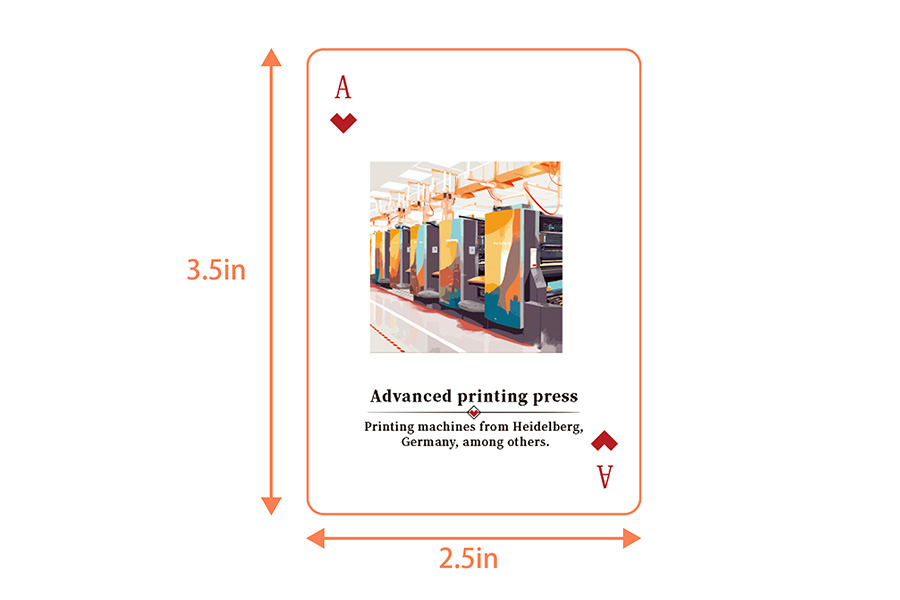
Poker Size:This is the preferred size for international tournaments and many professional players; the cards are wider, creating a more visually striking effect.
Millimeters (mm):63×88mm
Inches (in): 2.5 × 3.5 inches
Common brands: Bicycle and other brands commonly use this size.
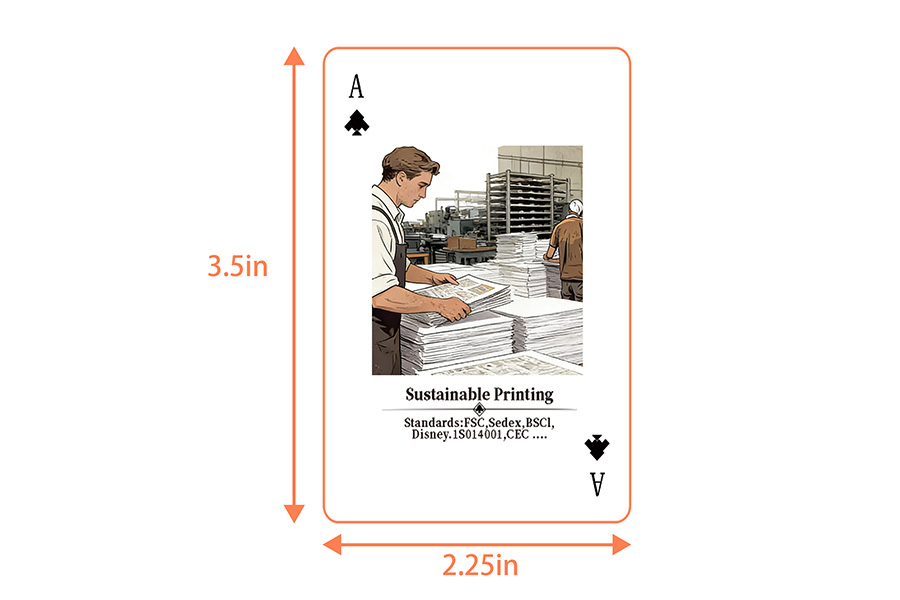
Bridge Size:The cards are relatively narrower, making them better suited for people with larger hands who need to hold a large number of cards at once; this size is also more common in Asia.
Millimeters (mm): 57 × 88 mm
Inches (in): 2.25 × 3.5 inches
Suitable scenarios: Ideal for players with smaller hands or games that require drawing many cards, such as Landlord.
Other Common Specialized Sizes
In addition to the two types mentioned above, certain specific games or card types also have their own standard sizes.
Dian Dan Special Cards: These are typically around 60×97 mm in size, with a longer face to make them easier to grip.
Fancy Cut / Collectible Cards: Some cards used for fancy cuts or as collectibles are smaller in size, such as 57×87 mm or 54×86 mm.
Tarot Cards: Sizes vary significantly, with common specifications including 70×120mm.
Jumbo Size: Primarily used for magician performances or display purposes; they were occasionally seen in old-style card game venues but are now quite rare.
Mini Size: A modern invention designed for portability, typically ranging from 32×87mm to 37×60mm. These are similar in size to Chinese Pai Gow tiles (air deck).
Sizes Fro Different Country
Due to cultural differences and varying game rules, the dimensions and number of cards differ by country. For example:
Spanish playing card specifications: 95×62mm, 87×57mm
German playing card specifications: 90×57 mm, 87×57 mm, 86×56 mm
French playing card specifications: 113×60 mm, 87×57 mm, 86×56 mm
Italian playing card specifications: 83×52 mm, 94×51 mm
Russian playing card specifications: 90×57 mm, 87×57 mm
How to Choose the Right Size for Your Playing Card
The choice of size depends mainly on the size of your hand and your primary style of play.
Hand length: A simple way to determine the right size is to measure your hand length. If your hand is less than 16 cm, we recommend bridge-sized cards; if it’s longer than 19 cm, poker-sized cards are a better fit.
Playing style: If you’re competing in international standard tournaments like Texas Hold’em, we recommend practicing with poker-sized cards; if you’re mainly playing for fun in China, bridge-sized cards or Duan Dan cards might feel more comfortable.
Design Guidelines for Printed Cards
Choosing the correct playing card size is only part of the production process. To achieve professional printing results, designers must also understand the standard card template specifications used in commercial card manufacturing.
Whether you are creating custom playing cards, tarot cards, trading cards, or board game cards, proper file setup helps ensure clean cutting, accurate alignment, and consistent print quality.
A professional playing card template is typically divided into three important production areas: the bleed line, the cut line, and the safe area.
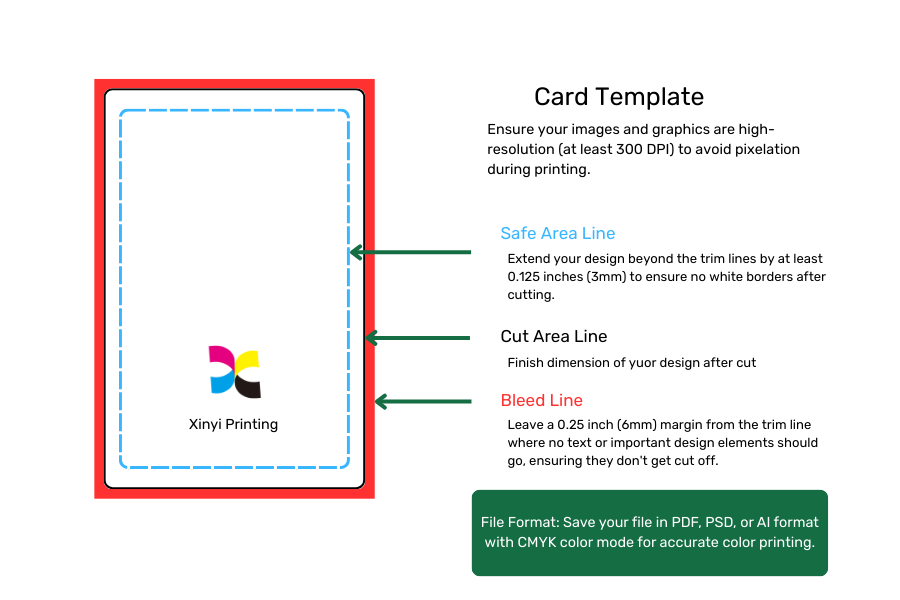
Bleed Line
The bleed line is the outermost section of the template and usually extends 0.125 inch (3mm) beyond the final card size. Background colors, patterns, and artwork should extend into this area to prevent unwanted white edges after trimming.
Since industrial cutting machines may shift slightly during mass production, adding bleed helps achieve clean edge-to-edge printing results.
Cut Line
The cut line, also called the trim line, indicates the final finished size of the card after production. Everything outside this area will be removed during cutting. Accurate trim alignment is especially important for poker cards, trading cards, and tabletop game cards that require smooth shuffling, stacking, and consistent dimensions.
Safe Area
Inside the trim line is the safe area, which protects important design elements such as text, logos, icons, and character artwork.
Most professional card templates recommend keeping essential content at least 0.25 inch (6mm) away from the edge. This helps prevent critical information from being trimmed during production and improves overall visual balance.
Image Resolution and File Setup
For premium playing card printing, artwork should be prepared at a minimum of 300 DPI to maintain sharp details and vibrant colors.
Designers should also use CMYK color mode instead of RGB, since commercial printing presses are optimized for CMYK printing. Common professional file formats include PDF, PSD, and AI, which help preserve layer quality and accurate print output.
Following proper playing card template specifications not only improves print consistency, but also reduces production errors, material waste, and costly reprints. For businesses, publishers, and independent creators, understanding these design standards is essential for producing high-quality custom card products.
Standard Playing Card Thickness and Cardstock Options
In addition to card size, thickness and cardstock selection are two of the most important factors that determine the overall quality, durability, and handling feel of playing cards. Different cardstock materials and thickness levels can significantly affect shuffling performance, flexibility, stiffness, print appearance, and user experience.
Whether you are producing poker cards, tarot cards, trading cards, or custom board game cards, choosing the right cardstock is essential for creating professional-grade card products.
Most standard playing cards are produced using cardstock ranging from 280gsm to 330gsm. Lighter cardstock is generally more flexible and cost-effective, while thicker cardstock offers a sturdier feel and improved durability.
For example, 280gsm cardstock is commonly used for promotional cards, educational flash cards, and lightweight game cards. In contrast, 300gsm to 310gsm cardstock is often preferred for premium custom playing cards because it provides a better balance between flexibility and strength.
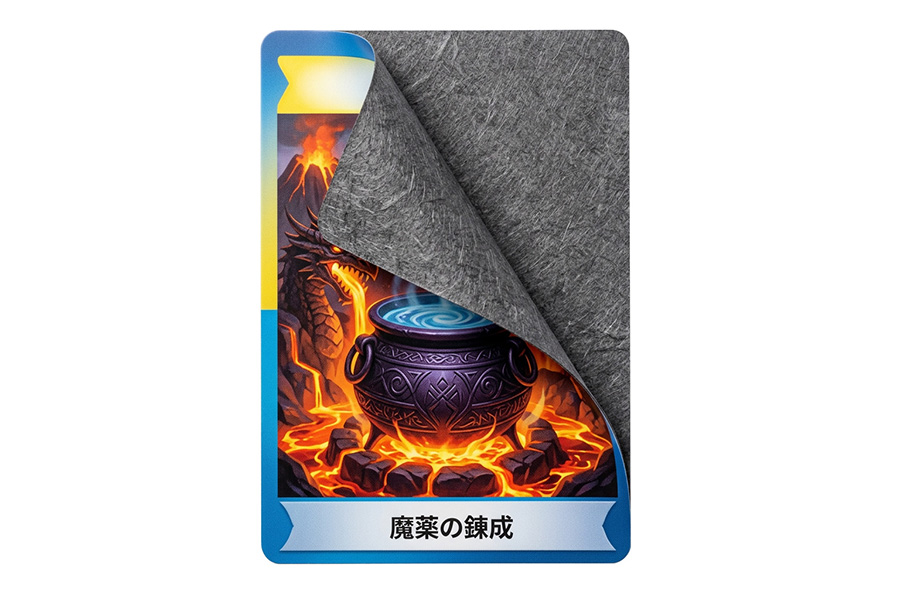
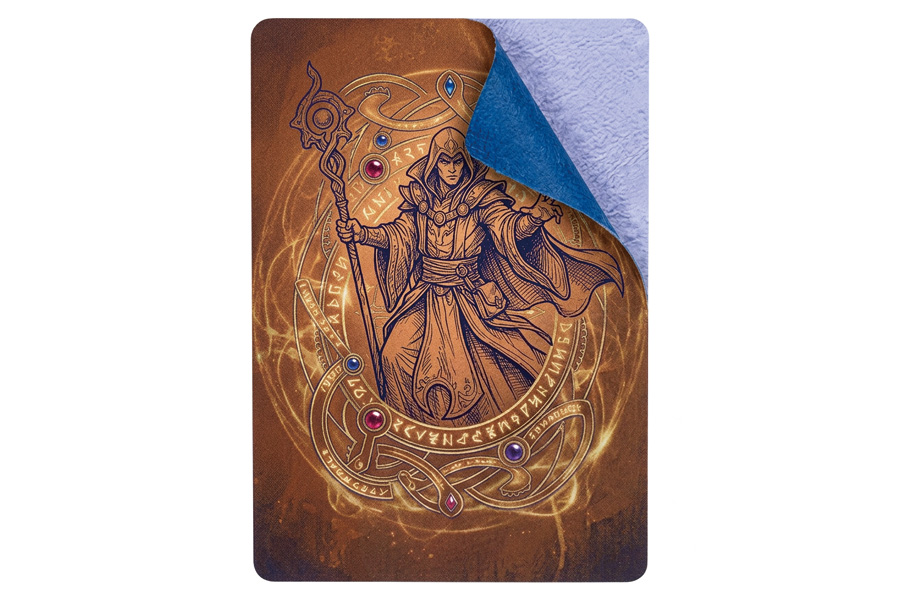
Professional casino-style playing cards frequently use black core or blue core cardstock. Black core paper contains an opaque middle layer that helps prevent light transmission, making the cards more durable and difficult to mark or see through during gameplay.
Blue core cardstock offers similar performance while maintaining good flexibility and shuffle quality. These premium paper cores are widely used for poker decks, collectible card games, and high-end tabletop cards.
Surface finish is another important consideration when selecting playing card materials. Common finishes include smooth finish, matte finish, glossy finish, and linen finish. Linen finish is especially popular for custom playing cards because its textured surface improves grip, reduces friction during shuffling, and creates a more professional tactile experience.
Matte finishes are often used for tarot cards and oracle cards due to their softer visual appearance, while glossy coatings can help enhance color vibrancy and image contrast.
When selecting cardstock thickness, designers and publishers should consider the intended use of the cards. Thicker cards may feel more luxurious, but extremely heavy cardstock can reduce shuffle comfort and increase production costs.
On the other hand, thinner cards may be easier to handle but less durable over time. Finding the right balance between thickness, flexibility, durability, and print quality is key to producing high-quality custom card decks that meet both functional and aesthetic requirements.
The thickness ranges vary significantly among different types of playing cards. Standard paper playing cards typically measure 0.28–0.30 mm (approximately 280–300 micrometers) in thickness, while cards intended for professional use or made from special materials are generally thicker.
Thickness Categories by Application and Product Type
| Playing Card Category | Standard Thickness Range |
| Standard Everyday Paper Playing Cards | 0.28–0.30 mm |
| Professional Entertainment Paper Playing Cards | 0.32–0.35 mm |
| AAA Premium Thick Paper Playing Cards | 0.45–0.55 mm |
| Professional PVC Plastic Playing Cards | Above 0.50 mm (some reach 0.53 mm) |
| Mini Portable Playing Cards | Around 0.30 mm |
Thickness Selection Recommendations
Playing cards are not necessarily better simply because they are thicker. Different thickness levels are designed for different usage scenarios:
- Casual Home Entertainment
For occasional family games or casual use, standard paper playing cards with a thickness of 0.28–0.30 mm are usually sufficient and offer better cost performance. - Frequent Family Gatherings or Card Rooms
For high-frequency use, thicker paper playing cards in the 0.32–0.35 mm range are recommended. They provide better stiffness, resist edge curling, and deliver a more durable long-term playing experience. - Competitive Guandan or Texas Hold’em Games
For professional or competitive gameplay, PVC plastic playing cards above 0.50 mm are preferred. These cards are waterproof, highly resistant to bending, and can maintain a flat surface even after repeated use. - Magic Performances and Cardistry
For magic tricks, flourishing, and card throwing performances, AAA premium thick paper playing cards with a thickness of 0.45–0.55 mm are recommended. Their increased rigidity helps prevent bending or deformation during intensive handling and aerial cuts.
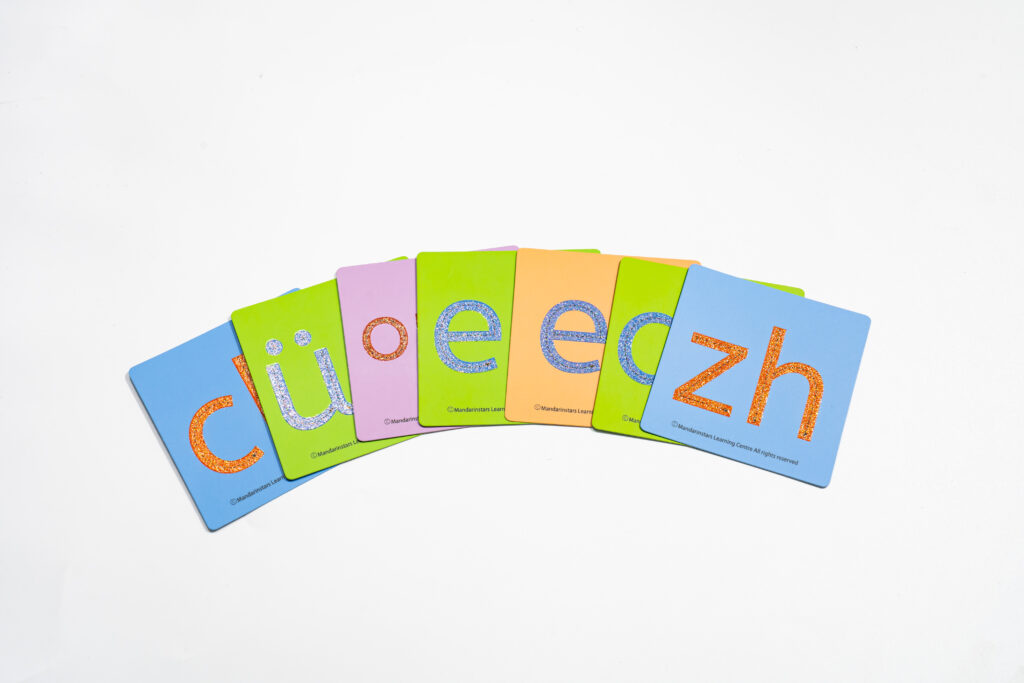
Custom Playing Card Printing Manufacturer
Conclusion
Choosing the right size, thickness, and material for playing cards is essential to achieving both exceptional performance and professional print quality.
From standard playing card and bridge card sizes to a variety of custom specifications, each size is designed for a specific purpose based on the type of game, user experience, and production requirements. Partner with Xinyi Printing to produce your finest playing cards.
FAQ About Standard Playing Card Sizes and Printing
1. What is the standard size of a poker playing card?
The most common standard poker card size is 2.5” × 3.5” (63 × 88 mm). This size is widely used for casino playing cards, custom poker decks, trading cards, and promotional card games because it offers a comfortable balance between handling, shuffling, and readability. Most professional card manufacturers support this size as the industry standard for custom playing card printing.
2. What is the difference between poker size and bridge size cards?
Poker size cards are typically 2.5” × 3.5”, while bridge size cards are slightly narrower at 2.25” × 3.5” (57 × 88 mm). Bridge cards are easier to hold for players with smaller hands and are commonly used in bridge games and certain educational card decks. Poker cards, however, provide more design space for artwork, logos, and custom graphics, making them more popular for branded and custom card printing projects.
3. Why is bleed required in playing card printing?
Bleed is essential because printed cards are cut in large batches using industrial cutting machines. Even high-precision equipment may have slight movement during trimming. A standard bleed area of 0.125 inch (3 mm) helps prevent unwanted white edges after cutting. Designers should extend background colors and artwork beyond the trim line to ensure clean edge-to-edge printing results.
4. What is the safe area in a card template?
The safe area is the inner section of the card where all important design elements should remain. Text, numbers, logos, and critical artwork should stay at least 0.25 inch (6 mm) away from the edge to avoid accidental trimming. Keeping content inside the safe area improves readability and ensures a professional appearance after production.
5. What resolution should artwork be for custom card printing?
Professional playing card printing usually requires artwork at 300 DPI resolution in CMYK color mode. Low-resolution images may appear blurry or pixelated after printing, especially on detailed illustrations or foil-enhanced cards. High-resolution artwork ensures sharper details, richer colors, and better overall print quality.
6. Which file formats are best for playing card printing?
The most commonly recommended file formats are:
- AI (Adobe Illustrator)
- PSD (Adobe Photoshop)
These formats preserve image quality, layers, vector graphics, and accurate color settings. Professional printers generally prefer print-ready files with bleed and crop marks already included.
7. What paper is commonly used for playing cards?
Most custom playing cards are printed on premium cardstock ranging from 280gsm to 330gsm. Common materials include:
- Black core paper
- Blue core paper
- Art paper
- Linen finish cardstock
Black core paper is especially popular for casino-quality cards because it improves opacity and durability while preventing light transparency through the cards.
8. Can I print custom finishes on playing cards?
Yes. Professional playing card manufacturers often offer specialty finishes such as:
- Gloss lamination
- Matte lamination
- Linen texture
- Foil stamping
- Spot UV
- Gilded edges
These premium finishes can improve durability, enhance visual appeal, and create a more luxurious feel for tarot cards, trading cards, and collector decks.
9. How many cards are usually included in a custom deck?
A standard poker deck typically contains:
- 52 playing cards
- 2 Joker cards
However, custom card decks can contain almost any quantity depending on the game design. Many board game cards, oracle cards, and educational card decks include anywhere from 20 to over 100 cards.
10. Why is CMYK color mode important for card printing?
Commercial printing presses use CMYK ink systems rather than RGB digital colors. Designing files in CMYK helps reduce color shifts between the screen preview and the final printed product. This is especially important for custom playing cards with dark backgrounds, vibrant illustrations, or brand-specific colors.
How much does it cost to manufacture custom affirmation cards? On average, production costs range from $0.25 to $1.50 per deck for bulk offset printing (1,000+ units) and $3.00 to $10.00 for small digital runs. Final pricing depends on three critical variables: order volume, paper types (such as 350gsm white-core or FSC-certified stock), and packaging complexity (tuck boxes vs. luxury rigid boxes). This guide benchmarks essential manufacturing variables to help you optimize material density and premium finishes while protecting your retail margins in today’s volatile market.
What Affects the Cost of Custom Affirmation Cards?

Four primary variables dictate your total manufacturing investment. Understanding these levers allows you to optimize your budget without compromising retail quality:
- Production Volume: The single biggest cost driver. High-volume runs (1,000+ units) trigger Offset Printing, reducing unit costs to roughly $0.25. Smaller batches use Digital Printing or Print-on-Demand, where unit prices can spike between $1.00 and $5.00 due to setup overhead.
- Material Density (GSM): Standard 350gsm cardstock is the industry baseline. Upgrading to premium rigid densities or specialized textures adds a 20% to 50% premium to your raw material expenses.
- Card Count & Specifications: The number of cards per deck determines plate size and material usage. A 40–60 card deck is the manufacturing “sweet spot” for maximizing efficiency and shipping weight.
- Packaging Complexity: While simple tuck boxes keep costs low, upgrading to magnetic rigid boxes or adding custom inserts can represent 10% to 30% of your total project spend.
Paper and Card Material Costs
Material selection is a primary cost driver, with base manufacturing expenses typically ranging from $0.15 to $1.20 per deck depending on density and certification. Upgrading from standard cardstock to premium paper types like white-core or FSC-certified materials can easily double your baseline investment.
Cost Comparison: GSM & Thickness
The physical bulk of your cards directly dictates material volume and price scaling.
| Paper Density | Thickness (PT) | Cost Premium | Best Application |
|---|---|---|---|
| 60-120 GSM | < 10 PT | Baseline | Instruction Leaflets |
| 250-350 GSM | 12-16 PT | +20% to 50% | Standard Affirmation Cards |
| 420-513 GSM | 22-27 PT | +50% to 100% | Premium Rigid Boxes |
Comparative Analysis: Premium Paper Types
Choosing between different paper types affects both the aesthetic finish (cut-edges) and your brand’s sustainability profile.
| Feature Category | Material Choice | Pricing Impact | Key Advantage |
|---|---|---|---|
| Core Color | Black / Blue Core | Mid-Range | High Opacity & Budget-Friendly |
| Core Color | White Core | +15% to 40% | Clean Cut-Edges for Luxury Decks |
| Eco-Friendly | FSC / Recycled | +10% to 25% | Verified Sustainable Supply Chain |
Pro Tip: For high-growth brands, combining 350gsm white-core paper with FSC certification offers the best balance between a premium “unboxing” feel and ethical manufacturing standards.
Printing and Finish Costs
Standard printing and basic lamination typically start at $0.10 to $0.30 per deck in bulk, while premium finishes introduce specialized setup fees ranging from $100 to $500 per design. High-volume orders (3,000+ units) are essential to amortize these fixed costs and maximize retail margins.
- Soft-Touch Lamination: Adds a 10% to 25% premium. Preferred by luxury brands for its velvety, fingerprint-resistant tactile feel.
- Matte & Gloss Lamination: The industry standard. Minimal cost impact; provides essential durability and color protection.
Specialized machinery and custom plates drive the pricing for high-end accents:
| Finish Type | Typical Markup | Setup / Plate Fee |
|---|---|---|
| Foil Stamping | +20% to 30% | $150 – $400 |
| Spot UV | +15% to 25% | $100 – $300 |
| Embossing | +20% to 40% | $200 – $500 |
| Gilded Edges | +30% to 50% | Variable (Labor Intensive) |
Packaging Costs for Affirmation Card Decks
This section breaks down the financial trade-offs between economy and luxury packaging. Generally, packaging represents 10% to 30% of your total project expense, with unit costs ranging from $0.25 for mass-market tuck boxes to over $12.00 for low-volume luxury rigid sets.
Tuck Box vs. Rigid Box Dynamics
Your box selection dictates both the manufacturing method and the final retail positioning of your brand:
- Tuck Boxes: The most cost-effective solution for mass-market decks. Using 250–400gsm paperboard, automated high-volume runs drop costs below $0.50 per unit. Because they ship flat, they also significantly reduce freight and warehousing expenses.
- Rigid Boxes: Designed for premium gift sets, these require 800–1200gsm chipboard. Due to manual assembly and gluing, low-volume runs (under 500 units) can cost $3.00 to $12.00+ each. However, they offer superior protection and a higher perceived value that supports premium retail pricing.
Inserts, Guidebooks, and Upgrades
The structural complexity of your packaging determines its capacity for additional components:
- Component Integration: Rigid boxes are essential for multi-component sets including guidebooks or tokens. Adding custom EVA foam or molded paper inserts typically increases production costs by $0.50 to $2.00 per unit.
- Specialty Upgrades: Features like magnetic closures, neck-and-shoulder structures, or foil-stamped exteriors add a 20% to 50% premium to the base box price.
Tooling and Assembly Fees
Initial setup costs remain a major hurdle for small production runs. Tuck box tooling (custom dies) averages $200 to $1,000, whereas rigid box tooling—requiring precision multi-part construction—ranges from $1,000 to $5,000+. Ordering 1,000+ units is the recommended threshold to effectively amortize these fixed setup fees.
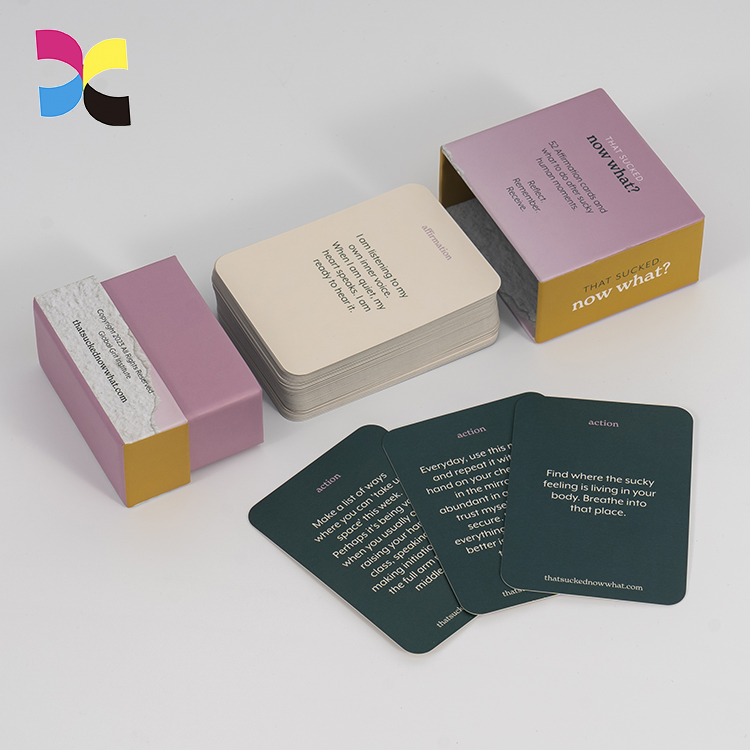
How MOQ Impacts Total Manufacturing Cost
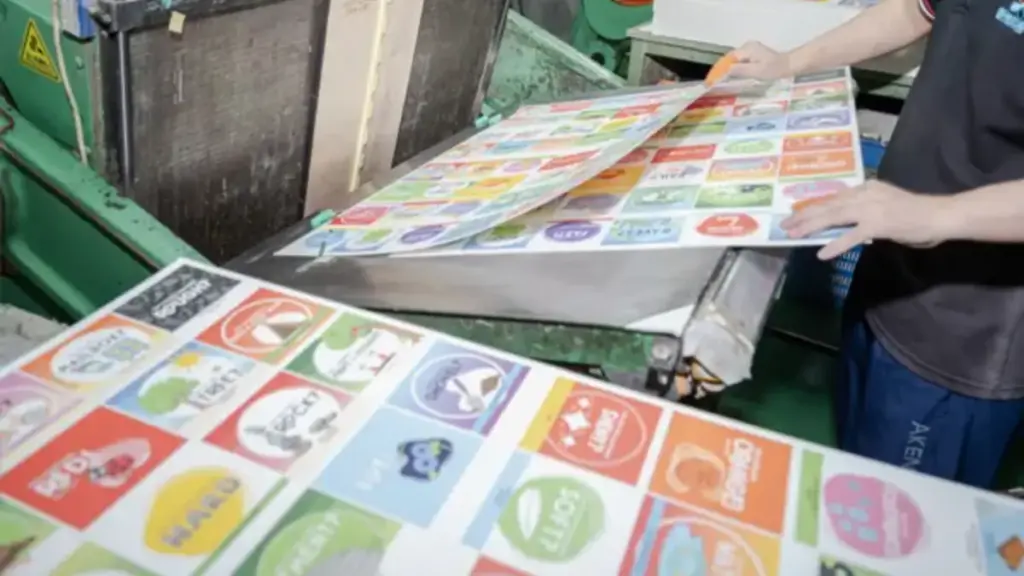
MOQ dictates your break-even point. High volumes dilute fixed costs and unlock raw material discounts, while small orders inflate per-unit prices and drain supplier attention.
The Cost Benefits of High MOQs
Hitting or exceeding minimum order quantities unlocks economies of scale that directly drive down your bottom line. Factories prefer large runs because they maximize machine uptime and simplify scheduling.
- Bulk material procurement: Buying at scale directly cuts prices because suppliers offer volume discounts on raw materials.
- Diluting fixed costs: Spreading fixed expenses like machine setup and quality control across a larger batch drastically lowers the per-unit expense.
- Supply chain stability: Predictable demand stabilizes the entire supply chain. This minimizes unexpected procurement and shipping costs for manufacturers operating in 2026.
The Financial Risks of Small Production Runs
Placing orders below optimal MOQ thresholds guarantees you will pay a premium. Factories must recover their initial setup time and overhead, forcing them to bake those expenses into a smaller number of units.
- Unabsorbed fixed costs: Machine prep and labor remain constant regardless of batch size. In a small run, these unabsorbed costs heavily inflate per-unit pricing.
- Operational friction: Small orders fragment supplier attention and disrupt factory efficiency, which ultimately raises administrative processing costs.
- Carrying cost trade-offs: Buyers must balance low order minimums against storage fees. Stockpiling inventory to secure better factory rates introduces a 20% to 30% annual carrying cost.
You have to weigh the premium of a short run against the cash flow drain of warehouse storage. Ordering at the supplier’s optimal MOQ balances production efficiency with lean inventory management.
Shipping and Logistics Costs
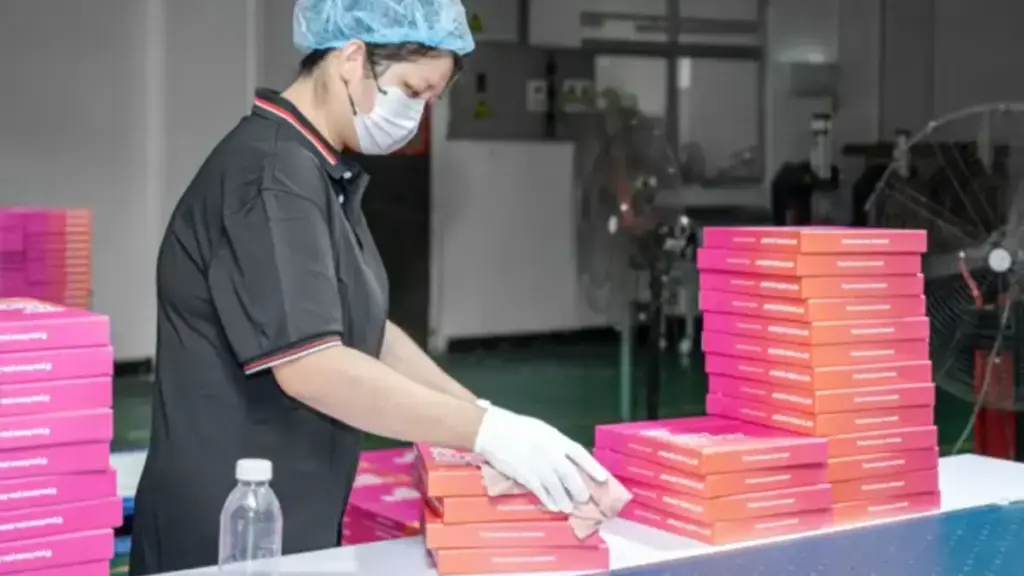
Transportation commands up to 70% of logistics budgets, while smart routing and inventory shifts help manufacturers reclaim lost margins in a volatile market.
Primary Components of Logistics Expenses
Manufacturing logistics costs break down into three core areas that directly impact your bottom line. Tracking these categories helps pinpoint exactly where margin erosion occurs.
- Transportation: Claims the largest share at 60% to 70%, driven heavily by fuel prices, carrier surcharges, and dimensional weight pricing.
- Warehousing: Takes up 15% to 25% of the total budget to cover labor costs, facility operations, and third-party storage fees.
- Inventory Carrying: Adds another 5% to 15%, an expense that reliably increases as supply chains expand and companies hold more stock.
Practical Methods for Cost Reduction
Trimming these expenses requires moving away from reactive logistics planning and implementing strict, system-level controls across your operations.
- Route Optimization: Advanced software calculates efficient paths and combines freight, minimizing fuel consumption and reducing delivery delays.
- Inventory Adjustments: Manufacturers are abandoning rigid just-in-time systems, opting instead for strategic stockpiling or nearshoring facilities to avoid global bottlenecks.
- Digital Integration: Cloud GPS tracking and automated documentation eliminate manual errors, immediately improving operational efficiency and supply chain transparency.
How to Reduce Affirmation Card Production Costs
Standardizing sizes, skipping premium finishes, and right-sizing your packaging are the fastest ways to slash card production costs without hurting product quality.
Simplifying finishes and packaging
Surface treatments and oversized custom boxes quickly inflate manufacturing quotes. You can maintain a professional feel while protecting your margins by skipping luxury add-ons and standardizing your logistics.
- Basic Coatings: Choose basic matte or gloss finishes instead of premium coatings to cut per-unit costs by 20 to 30 percent.
- Tuck Box Sizing: Standardize packaging with thinner tuck boxes sized precisely to your card dimensions to avoid material and sizing premiums.
- POD Fulfillment: Leverage print-on-demand services to minimize packaging requirements and reduce your inventory overhead.
Choosing cost-effective material combinations
Material selection dictates your baseline unit economics. Finding the right balance between card dimensions, paper density, and supplier capabilities scales your profitability directly.
- Compact Dimensions: Pair compact sizes like 2.5×3.5 inches with standard 300 DPI cardstock to keep per-deck costs under $2 to $5 for small runs.
- Bulk Purchasing: Combine high-quality standard stocks with bulk purchasing options to lower your unit prices on combined orders.
- Sample Verification: Request printer samples to verify color accuracy and stock thickness before you commit to a bulk order.
Designing for efficient manufacturing
Complex layouts create production bottlenecks and increase material waste. A printer-friendly design eliminates trimming errors and speeds up the entire assembly phase on the factory floor.
- Print-Ready Templates: Create clean, minimalist layouts at 300 DPI using templates to ensure bleed-free edges and precise trimming.
- Optimized Card Counts: Plan for 45 to 50 cards per deck with simple visual elements to simplify the cutting and assembly phases.
- Physical Prototyping: Prototype designs using home printing or local sample runs to refine details and check box compatibility before outsourcing.
Final Thoughts
Small production runs and budget materials might look appealing initially, but they quickly erode your profit margins and brand perception. Balancing your minimum order quantity with standardized sizing and optimized packaging protects your bottom line against volatile supply chain costs. Controlling these specific manufacturing variables ensures you build a profitable affirmation deck without sacrificing retail quality.
Stop guessing on your production costs and partner with Xinyi, a premier manufacturer with 25 years of expertise. We recommend to evaluate our high-grade paper densities and luxury box structures firsthand. Contact the Xinyi team today to dial in your exact specifications, optimize your margins, and secure a precision volume quote for your next high-growth project.
Frequently Asked Questions
How much does it cost to print 1000 affirmation decks?
Printing 1,000 affirmation decks costs between $1,000 and $5,000, breaking down to $1 to $5 per deck. Bulk manufacturing offers the best scale, dropping per-deck costs to $1 to $4.99. Print-on-demand services push the price higher, usually between $4.25 and $10.95 per deck for the same volume. Your final price depends on card count, paper weight, specialty finishes, and custom packaging.
What is the cheapest cardstock for custom cards?
Standard 65-80 lb basis weight cardstock provides the most cost-effective foundation. A 67 lb white cardstock delivers a solid balance of printability and rigidity without the premium markups of glossy or linen finishes. Ordering bulk wholesale sheets in 12×12 sizes for efficient die-cutting routinely brings the per-sheet cost under $0.15.
Are custom boxes expensive for card sets?
Custom boxes stay highly affordable when you order at wholesale volumes. Once you hit the 2,000-unit mark, per-unit costs drop to between $1.45 and $3.60. Smaller runs cost significantly more per box. Adding upgrades like rigid chipboard, custom laser engraving, or specialized inserts increases your final price.
How can I reduce the price of custom card printing?
You can slash printing costs by ordering larger quantities to leverage economies of scale. Stick to standard industry sizes and uncoated paper stocks to avoid custom trimming and specialty material fees. Limiting your artwork to one or two colors and designing without bleeds also drops prepress and production expenses drastically.
Does gold foil edge increase the cost significantly?
Yes, adding a gold foil edge increases total manufacturing costs by 10% to 30%. The rising price of raw gold, specialized machinery, and the slow heat-and-pressure application process drive this markup. To cut costs without losing the premium feel, opt for painted edges or alternative metallic foils like silver and bronze.
What is the typical setup fee for card production?
Setup fees usually range from $50 to $2,000 per job. This one-time charge covers essential equipment preparation, including creating printing plates, screens, and calibrating the machinery. The exact amount depends on your printing method, color count, and overall customization complexity. Ordering higher quantities spreads this fixed cost across more units, lowering your effective per-card price.
Navigating paper types dictates your production margins and retail pricing power for custom affirmation decks. Failing to balance tactile quality with unit costs leaves you with flimsy materials that degrade rapidly under daily therapeutic or classroom use.
This analysis benchmarks material density and surface coatings against commercial production standards. Xinyi Card Printing evaluate specifications ranging from standard 300gsm stocks to heavy-duty 400gsm black core options to help you align physical durability with optimal manufacturing expenses.
Why Paper Selection Matters for Affirmation Cards
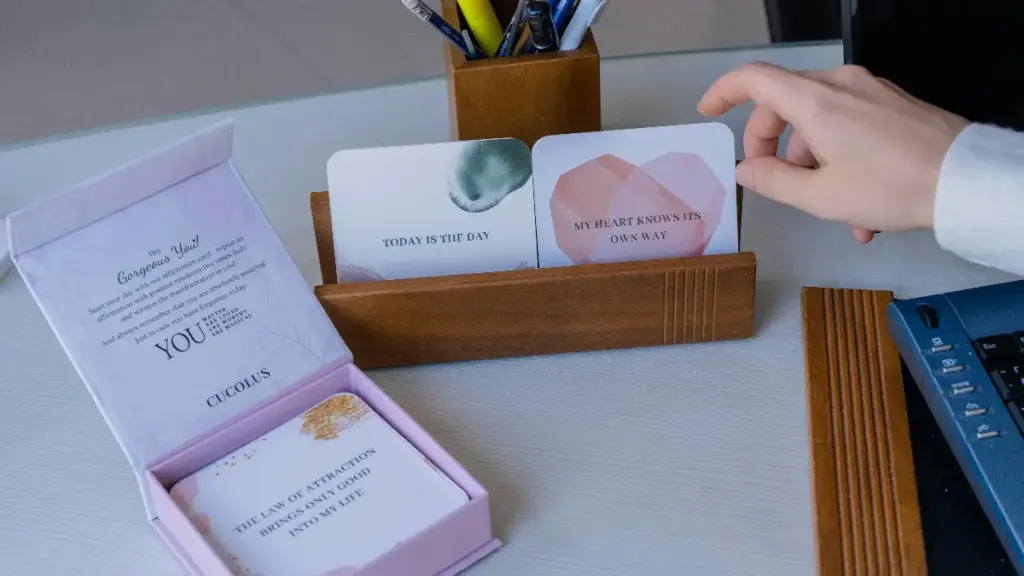
The right paper dictates an affirmation deck’s lifespan and market value. Heavy cardstock ensures durability, while premium finishes enhance text readability and retail appeal. Beyond aesthetics, the physical quality of your deck amplifies the benefits of affirmation cards by ensuring they remain a reliable tool for daily ritual.
Durability and Card Lifespan
Affirmation cards endure heavy handling. Daily pulls, group passing, and constant shuffling demand materials that survive repeated use. Thicker cardstock ranging from 350gsm to 400gsm resists wear and prevents creasing during these rigorous routines.
Print Quality and User Perception
Your paper choice controls how users interact with the printed artwork and text. Coated paper choices directly affect color vibrancy and image clarity. A high-quality coated stock keeps text crisp and readable, even in low-light environments.
Beyond visuals, the physical touch of the card drives purchasing decisions. Premium finishes like soft-touch or matte lamination elevate the tactile feel of every card. This sensory upgrade immediately boosts the retail value of the deck and signals quality to buyers.
Paper Types for Custom Affirmation Cards
Selecting the correct cardstock core determines your deck’s opacity, durability, and edge finish. Match the material density to your production volume and audience requirements.
| Core Material | Internal Core Color | Opacity (Light Block) | Best Use Case |
|---|---|---|---|
| White Core | Crisp White | Standard (Minimal show-through) | Fast prototyping, vibrant colored borders, budget-friendly decks |
| Blue Core | Dyed Blue | High (Active light blocking) | Commercial retail decks, professional double-sided printing |
| Black Core | Dense Black | Maximum (100% Opaque) | Premium collector editions, casino-grade decks, ink-heavy designs |
| FSC & Recycled | Kraft / White | Varies (Based on thickness) | Eco-conscious brands, organic aesthetics, sustainable wellness products |
White Core Paper
White core stock features a clean, white inner layer between printable surfaces. It is the go-to choice for vibrant color reproduction and creative edge effects.
- Best For: Fast prototyping and decks requiring bright, clean borders.
- Key Specs: Typically 216–300gsm; allows for sanding or embossing to reveal the white center.
- Advantage: Provides excellent surface brightness for sharp, legible text.
Blue Core Paper
Blue core incorporates a dyed center layer designed to block light. This is the industry standard for high-quality, double-sided commercial decks.
- Best For: Retail-grade affirmation decks and professional CMYK print runs.
- Key Specs: Durable 250–400gsm weights; complete opacity to prevent “show-through.”
- Advantage: Balances cost-efficiency with professional light-blocking capabilities.
Black Core Paper
Black core utilizes a dense, dark internal layer for maximum opacity. It is the gold standard for premium decks that require a heavy, high-end feel.
- Best For: Premium collector editions and ink-heavy, high-contrast designs.
- Key Specs: Superior rigidity; ensures clean-cut edges without visible white seams.
- Advantage: Total light blockage even under direct sunlight, ensuring maximum privacy for card faces.
FSC-Certified & Recycled Paper
Sustainable options use recycled kraft or FSC-certified fibers to meet the growing demand for eco-conscious wellness products.
- Best For: Brands prioritizing sustainability and natural, organic aesthetics.
- Key Specs: Available in 250–400gsm to match commercial durability standards.
- Advantage: Reduces environmental footprint while supporting various artistic finishes like watercolor or collage.
Premium Custom Affirmation Cards Built To Scale

Paper Weight Options for Card Decks
Cardstock thickness dictates deck durability and cost. Choosing between 300gsm for entry-level promos and 400gsm+ for luxury sets directly impacts hand-feel and shuffle longevity.
| Paper Weight (GSM) | Approx. Thickness | Hand-feel & Flexibility | Market Positioning |
|---|---|---|---|
| 300gsm | 0.30 mm | Lightweight & flexible; easy to shuffle. | Entry-level promos & flashcards |
| 320gsm | 0.31 – 0.32 mm | Standard rigidity; crisp “snap” feel. | Mid-range retail playing cards |
| 350gsm | 0.35 mm | Heavy-duty & stiff; feels substantial. | Premium affirmation & tarot decks |
| 400gsm+ | > 0.40 mm | Maximum rigidity; feels like a luxury board. | Collector editions & deluxe sets |
300gsm: The Entry-Level Standard
A versatile, cost-effective weight equivalent to 110lb cover stock.
- Thickness: Approximately 0.30mm.
- Best For: Promotional handouts, educational flashcards, and high-volume giveaways.
- Core Pairing: Often uses a blue core to maintain flexibility and opacity at a lower price point.
320gsm: The Professional Mid-Range
An upgraded specification that bridges the gap between promotional and retail-grade quality.
- Thickness: 0.31mm – 0.32mm.
- Best For: Standard playing cards and premium educational game decks.
- Core Pairing: Frequently paired with a black core to ensure total light blockage and added rigidity.
350gsm: The Heavy-Duty Choice
The gold standard for professional card creators who prioritize stiffness and color pop.
- Thickness: Approximately 0.35mm.
- Best For: Premium tarot decks, professional affirmation cards, and rigid board game components.
- Advantage: Offers superior surface flatness for ultra-sharp color reproduction and a “snap” feel during shuffling.
400gsm+: The Luxury Collector Tier
Ultra-thick, high-density stock designed for maximum physical presence and durability.
- Thickness: Exceeds 0.40mm.
- Best For: Luxury collector editions, heavy-duty game tiles, and products facing extreme daily handling.
- Advantage: Provides maximum structural rigidity and a heavy, premium weight that justifies high-tier retail pricing.
Finish Options for Custom Affirmation Cards
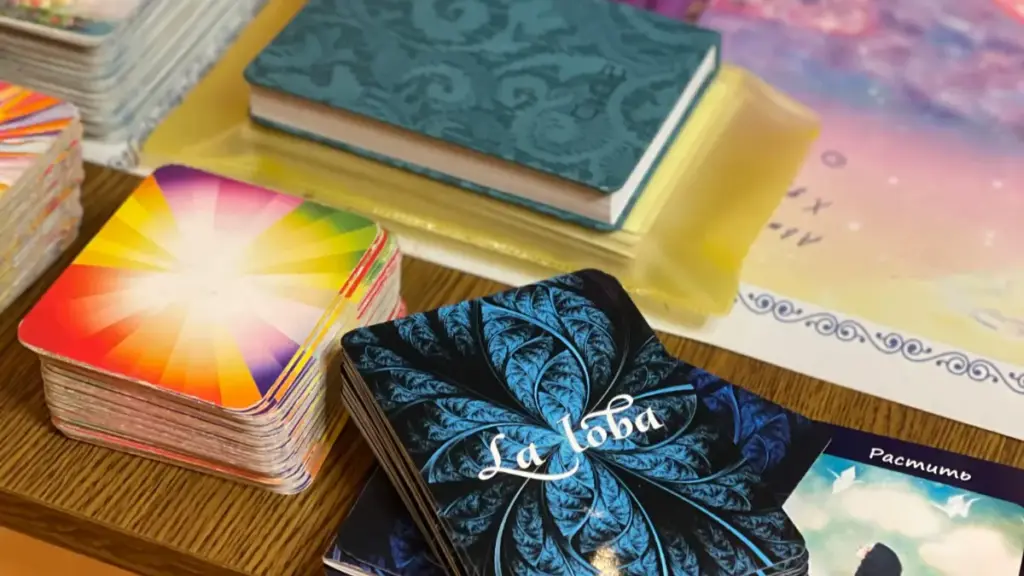
Card finishes dictate durability and tactile feel. Choose the right coating to protect against heavy handling while matching your brand’s physical aesthetic.
Matte lamination
We apply a soft, non-reflective film to both sides of the cardstock. This provides a smooth texture and protects the cards from daily wear.
The matte finish reduces glare and resists fingerprints, keeping text highly readable in any lighting. Wellness brands often apply this coating to 300–350gsm art paper to create an elegant, subdued appearance.
Gloss lamination
A shiny, reflective film coats the cards to boost color vibrancy and create a sleek surface. Gloss finishes resist smudging and moisture well during frequent handling in heavy-traffic environments.
Bright, highly saturated designs pop beautifully under this layer. Just remember that gloss surfaces show fingerprints more readily than matte options.
Soft-touch finish
This coating delivers a velvety, suede-like texture that upgrades the tactile experience. The premium hand feel reduces glare and resists wear, fitting perfectly into daily therapeutic rituals.
Creators frequently combine soft-touch finishes with FSC-certified papers to build sustainable, high-end educational products.
Spot UV finish
We add a raised, glossy coating to specific target areas like titles, borders, or brand logos. This dimensional emphasis creates a sharp contrast against matte base layers without covering the entire card in shine.
Spot UV engages users through tactile interest and directly improves the perceived value of large print runs.
Foil stamping
We press metallic foil directly onto the cards to provide reflective accents in gold, silver, or holographic colors. These details resist fading and elevate the luxury appeal of gift sets or premium decks.
You can pair foil stamping on the card faces with edge gilding to establish a cohesive, high-end look.
Embossing and debossing
Embossing raises the design to add physical depth, while debossing indents specific elements to create a subtle recess. These physical textures enhance the sensory experience of handling coated cardstock.
Brand logos and specific affirmation text stand out beautifully when you combine these physical textures with standard lamination for added protection.
Comparison Table of Surface Finishes & Textures
| Finish / Texture | Visual & Tactile Traits | Best Applications for Decks |
|---|---|---|
| Gloss | High sheen, smooth surface, vibrant colors | Image-heavy promotional decks, kids’ affirmation cards |
| Dull & Satin | Lower shine, balances photos with text | Educational guidebooks, instruction cards |
| Matte | Flat look, zero gloss, fingerprint-resistant | Standard retail affirmation decks, daily-use wellness tools |
| Smooth & Vellum | Natural texture, deep ink absorption | Minimalist cards, decks designed for journaling/writing |
| Laid & Linen | Subtle, traditional textured lines | Premium executive gift sets, luxury boutique decks |
| Felt | Soft, handcrafted, high-end tactile feel | Artisan spiritual decks, embossed luxury collector editions |
Edge and Protective Finishes
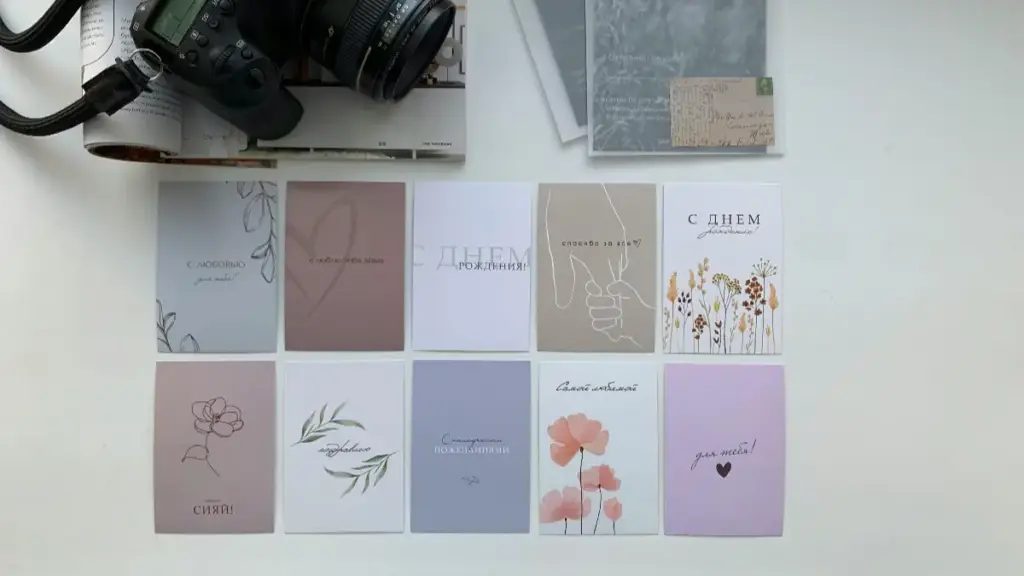
Edge and protective coatings extend material lifespan in demanding environments. These finishes block moisture and handling wear while upgrading the final product’s physical durability.
Colored edges
Applying pigment or dye to cut edges creates a uniform border that prevents fraying in high-traffic educational binders and traffic signage packets. This finish seals edges against moisture ingress to extend the lifespan of materials in humid or outdoor-exposed settings. Coated base papers, like gloss or silk, provide strong pigment adhesion for frequently handled items like student worksheets and directional flyers.
Gold and silver foil edges
Metallic foil stamping creates a premium, reflective border that resists tarnishing on educational certificates and traffic management reports. The bonding process uses heat and adhesive on coated paper stocks to enhance durability in high-traffic display folders. Applying this finish to silk or satin papers ensures edge protection and a subtle sheen that withstands repeated handling without flaking.
Anti-scratch coating
UV-based anti-scratch coatings form a hard polymer layer over printed surfaces and edges to prevent abrasions on educational posters and traffic instruction sheets. Printing presses apply these coatings, and ultraviolet light cures them to increase resistance to fingerprints, dirt, and scuffs. UV variants provide strong protection for items in busy classrooms or public kiosks, though they might limit your ability to write on the paper after coating.
Water-resistant coating
Aqueous or UV layers create a moisture barrier on paper surfaces and edges to protect traffic maps and educational materials from spills and weather. Coated papers with clay-latex layers fill pores for inherent resistance, which full-surface UV or spot applications enhance further. Gloss or silk finishes provide smooth, durable seals for flyers and brochures to deter absorption and warping in high-traffic scenarios.
How to Choose the Right Paper and Finish for Your Brand
Your choice of paper and finish directly signals your position in the affirmation cards market. Matching budget, audience needs, and durability dictates whether your deck feels like a cheap promo or a premium tool.
Budget vs premium deck positioning
Your budget dictates your baseline, but smart material selection maximizes perceived value at every tier.
Premium: Luxury positioning requires textured, matte, or metallic finishes. These specialized surfaces justify higher retail price points and establish immediate brand prestige through superior craftsmanship.
Entry-Level: High-volume distributions benefit from standard uncoated stocks, keeping costs low while providing a durable, natural feel.
Mid-Tier: Moving up-market, gloss or silk finishes on coated stocks produce vibrant colors ideal for promotional engagement.
Matching materials with target audiences
You must align your physical materials with the specific expectations of your end-user. Different audiences interact with card decks in fundamentally different ways.
- Promotional audiences: Gloss and silk finishes enhance color saturation. This makes them ideal for image-heavy promotional materials targeting quick visual engagement.
- Educational and corporate users: Matte, dull, and uncoated papers eliminate glare. This supports prolonged reading and writing without eye strain.
- Luxury consumer segments: Textured finishes like linen, felt, or suede add a tactile dimension that instantly signals high quality and exclusivity.
- Eco-conscious markets: Natural kraft or woven papers display visible grain. This conveys raw authenticity to audiences focused on sustainability and eco-friendly practices.
Balancing aesthetics and durability
Every profitable deck requires a compromise between visual impact, lifespan, and manufacturing expense. While gloss coatings offer vibrancy, matte alternatives provide superior resistance to fingerprints and glare.
If you prioritize durability on a budget, dropping the coating can reduce printing costs by 20% to 30% without sacrificing a professional appearance. Always evaluate physical samples for brightness to ensure visual sharpness, ensuring your final product aligns with your core brand identity.
Final Thoughts
Settling for budget cardstock might lower initial production costs, but it ultimately destroys your deck’s retail value and daily lifespan. Selecting premium 350gsm to 400gsm weights paired with a dedicated opaque core is the only reliable way to protect your brand against rapid physical wear. This tactile superiority instantly justifies higher price points and secures repeat buyer loyalty in a competitive market.
Do not guess on physical quality—verify the hand-feel and durability yourself. We recommend requesting a physical sample kit to test our custom finishes and core opacities firsthand. Contact our team today to map out your OEM specifications and secure your next commercial print run.
Frequently Asked Questions
What is the best paper type for affirmation cards?
Premium cardstock is the optimal choice to prevent wrinkling and ink bleeding. For decks used in high-traffic therapy or classroom settings, 350 GSM weight provides the necessary durability to resist damage and extend lifespan.
Which finish is most popular for wellness decks?
Matte or low-sheen finishes are the industry standard for wellness brands. These coatings reduce glare, hide fingerprints, and provide a calm aesthetic while ensuring a natural, grounded tactile experience during daily meditative rituals.
What paper thickness is best for daily-use decks?
A thickness of 320 to 350 GSM—approximately 0.35mm to 0.40mm—offers the perfect balance. This weight ensures the cards survive regular shuffling and bending without tearing, while remaining flexible enough for comfortable handling.
What kind of paper is eco-friendly for cards?
Sustainable options include 100% post-consumer recycled cardstock or tree-free alternatives like hemp, bamboo, and cotton. For high-volume production, agricultural waste and stone paper provide excellent durability while significantly reducing your brand’s environmental footprint.
What is “black core” paper for custom cards?
Black core cardstock features a dark internal layer that blocks light transmission entirely. This ensures total opacity, preventing double-sided artwork show-through. It adds structural rigidity and creates a premium, clean-cut edge for professional decks.
How do you choose paper for a premium card deck?
Select a 310–350 GSM weight based on handling needs. Use black core for total opacity during shuffling, or white core for vivid color reproduction. Complete the deck with matte lamination or spot UV finishes.
Producing eco-friendly affirmation cards requires more than vague green promises to secure premium retail space. Relying on unverified materials risks immediate rejection from high-end buyers and leaves your inventory stranded in a low-margin trap.
This analysis breaks down the exact material requirements to secure FSC certification and ISO 14001 compliance. We evaluate production shifts like soy-based inks that cut volatile organic compound emissions to 0.8 percent and document the verified sustainability credentials needed to command a 28 percent price premium.
Why Sustainability Matters for Affirmation Card Brands

Eco-friendly practices directly increase sales margins. Brands using certified sustainable materials see a 12-14% lift in demand and justify a 28% price premium while drastically reducing environmental waste.
Meeting Consumer Demand for Eco-Friendly Products
Buyers in the modern wellness space actively look for ethical values. Projections for 2026 show that 85% of consumers deliberately support companies demonstrating strong environmental responsibility. For affirmation card brands, this shift in buyer behavior requires a serious update to product strategy.
Verified sustainability credentials do more than protect the planet—they accelerate growth. Integrating eco-friendly materials into your catalog provides measurable commercial advantages.
- Sales Lift: Retail certification labels drive a 12% to 14% increase in baseline product demand.
- Price Premium: Trusted sustainability claims allow brands to command up to a 28% higher price point.
- Customer Loyalty: Transparently communicating eco-friendly practices directly on the packaging secures repeat buyers.
Reducing Environmental Impact Through Sustainable Production
Upgrading your production methods drastically cuts down on manufacturing pollution. Card makers achieve this by switching to 100% recyclable, chlorine-free paper paired with plant-based, vegan inks. These specific material choices keep toxic chemicals out of the environment and ensure the cards break down cleanly at the end of their lifespan.
Forward-thinking creators also eliminate plastics across the entire product lifecycle. They replace traditional shrink wrap, glossy laminates, and synthetic mailers with sustainable alternatives that meet strict environmental standards.
- Biodegradable Packaging: Swapping plastic cellos for compostable tissue and glassine envelopes.
- Clean Adhesives: Utilizing phenol-free labels and recycled stickers for shipping.
- Carbon Neutrality: Committing to ethical distribution networks and robust carbon offset programs.
Implementing these operational shifts keeps long-term waste out of landfills. It aligns your affirmation card brand with the exact ethical standards your target market expects.
FSC-Certified Paper for Custom Affirmation Cards
FSC certification ensures your affirmation cards come from responsibly managed forests. Using verified paper combined with eco-friendly inks meets consumer demand while supporting strict environmental and social standards.
| FSC Label | Material Composition |
|---|---|
| 100% FSC-Certified | Sourced entirely from approved, responsibly managed forests. |
| FSC Mix | Combines certified wood, recycled content, and controlled sources. |
What FSC certification means
The Forest Stewardship Council operates as an international organization promoting responsible forest management worldwide. Rather than relying on industry self-reporting, the group enforces strict verification protocols to maintain its global standards.
Independent auditors evaluate certified forests against strict environmental, social, and economic criteria. This comprehensive assessment ensures forestry operations protect workers, support local communities, and respect ecological boundaries.
Sourcing this paper provides a hard guarantee regarding material origins. The certification proves that producers harvest wood legally and actively protect local biodiversity from the forest floor up through the supply chain.
FSC paper types for card decks and packaging
Card manufacturers classify sustainable paper stocks based on the precise origin of the raw materials.
- 100% FSC-Certified Paper: Manufacturers produce this stock entirely from wood fibre originating in approved forests.
- FSC Mix Label: Producers combine materials from certified forests, recycled content, and controlled wood sources.
Building a sustainable product requires more than just clean paper. Card creators pair this stock with soy-based inks, water-based coatings, and plastic-free packaging materials to ensure the entire deck remains easily recyclable without chemical contamination.
To back these material choices, top-tier facilities optimize production processes to reduce energy consumption. They implement efficient manufacturing methods while maintaining ISO 14001 compliance for strict environmental management.
Eco-Friendly Printing Materials
Switching to plant-based inks and high-PCW recycled paper cuts VOC emissions to 0.8% and boosts deinking efficiency by 85%, ensuring sustainable yet vibrant card production.
Soy-based and vegetable inks
Plant-derived alternatives rely on soybean and vegetable oils to replace standard petroleum-based inks. This switch actively reduces volatile organic compound (VOC) emissions down to 0.8%, which drastically cuts air pollution during production.
These plant-based formulations deliver distinct operational and environmental benefits:
- Biodegradability: Soy inks break down up to 24 times faster than traditional petroleum options.
- Recycling Efficiency: Vegetable formulations simplify the deinking process when paper reaches the recycling facility.
- Safety and Quality: They improve workplace safety for offset printing crews while producing vibrant colors for educational affirmation cards.
Recycled and low-impact paper options
Using recycled paper stock directly minimizes the environmental footprint of card manufacturing. Options utilizing 30% to 100% post-consumer waste lower production energy use by 40% and save up to 17 trees per ton compared to virgin paper runs.
Printers also utilize alternative fibers and clean processing methods to maximize sustainability:
- Low-Impact Fibers: Fast-growing materials like hemp and bamboo provide strong substrates without heavy resource consumption.
- Clean Processing: These papers use chlorine-free processing methods to eliminate toxic chemical runoff into water systems.
- Optimized Combinations: Pairing recycled paper stock with soy inks boosts paper deinking efficiency by 85% at the end of the product lifecycle.
Sustainable Finishes and Packaging Solutions

True sustainability in card production demands replacing petroleum laminates and plastic cellophanes with aqueous coatings, soy inks, and plant-based packaging to maintain full recyclability.
Recyclable coatings and laminations
Moving away from traditional plastic films requires specific material choices that do not disrupt paper recycling streams. Printers pair FSC-certified paper with biodegradable soy inks to guarantee the entire card avoids plastic contamination.
- Soy-based inks: Printers apply these biodegradable inks to ensure full recyclability without leaving toxic residues in the repulping process.
- Aqueous and bio-based coatings: These alternatives replace traditional plastic films by delivering a grease-proof, acid-free finish that easily passes through standard paper recycling streams.
- Matte recyclable laminates: Print-on-demand services utilize these to eliminate the waste generated by standard, non-recyclable gloss varnishes.
These finishes offer the same durability and professional feel as conventional options but eliminate the invisible plastics that send otherwise recyclable paper straight to the landfill.
Plastic-free and cellophane-free packaging
Wrapping an eco-friendly card deck in plastic cellophane defeats the purpose of sustainable manufacturing. The industry utilizes compostable alternatives that mimic the protective qualities of plastic without the long-term environmental footprint.
- Compostable cellulose bags: Crafted from plant fiber, these replace cellophane and seal securely using paper logos, washi tape, or cotton twine.
- Glassine paper envelopes: This material offers transparent, grease-proof, and acid-free wrapping that preserves printed affirmations and composts naturally over time.
- Custom recyclable paper boxes: Manufacturers create these alongside FSC-certified packaging to complete sustainable card sets for educational markets.
Sourcing these material alternatives allows brands to deliver a premium unboxing experience while meeting strict retail eco-certifications and consumer expectations.
Sustainable Manufacturing and Production Efficiency
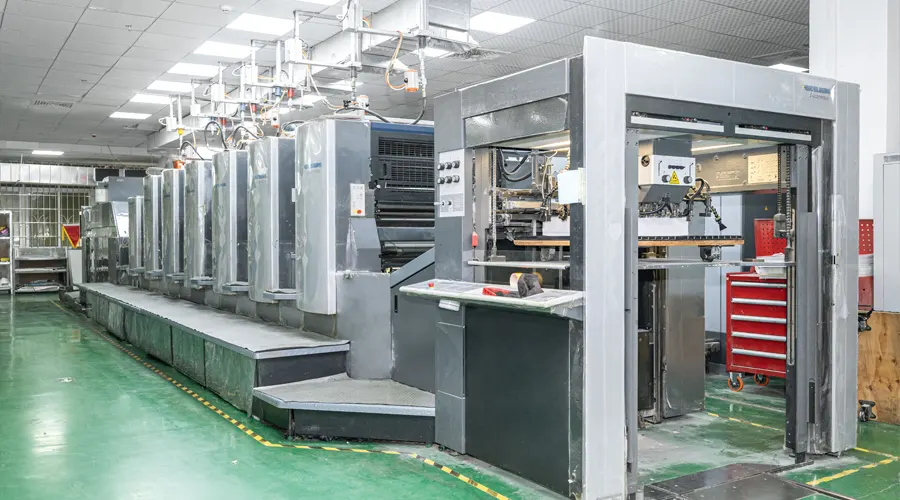
Streamlined production cuts material waste and reduces shipping footprints, proving that eco-friendly card manufacturing directly improves operational efficiency and logistics.
How integrated production reduces material waste
Integrated facilities combine design, printing, and assembly under one roof. This setup eliminates unnecessary intermediaries and tightens your control over material usage across the entire supply chain.
- Ink Reduction: Digital and waterless offset methods run on vegetable-based inks, cutting ink waste by 30-50%.
- Material Recovery: Sourcing 100% recyclable post-consumer waste (PCW) stock keeps raw materials out of landfills.
- Chemical-Free Processing: Alternative fibers, such as grass blends, process mechanically to yield zero chemical waste.
- Emission Offsets: Production hubs neutralize their carbon footprint by tying waste reduction directly to targeted 2026 reforestation programs.
Packaging optimization for lower shipping impact
Smarter packaging lowers transport emissions. Trimming the fat off your shipping materials means lighter parcels, less wasted cargo space, and a drop in fuel consumption per dispatch.
- Volume Reduction: Plastic-free boxes built from ECF pulp pair with compostable tissue paper to shrink total package volume by 50-70%.
- Weight Optimization: Phenol-free recycled labels and minimalist wrapping reduce the overall dead weight of your shipping materials.
- Zero-Waste Logistics: Biodegradable enclosures, including plantable seed paper, decompose completely after the end-user discards the packaging.
Relying on regional manufacturing limits the need for long-haul transport. When you combine localized production with these packaging upgrades, you create a highly efficient logistics pipeline that supports your sustainability metrics.
How Sustainability Affects Retail and Brand Value
Verified sustainability directly impacts bottom lines. Eco-certifications open doors to premium retail spaces, while green practices boost demand and justify higher prices in wellness markets.
Eco-certification requirements in retail channels
Retailers and consumers demand proof, not just promises. Nearly one-third of wellness products make unverified green claims, forcing retailers to actively scrutinize who gets shelf space and online visibility.
- Material Sourcing: Brands must use recyclable, non-PVC materials, relying on FSC-certified paper and soy-based inks to meet baseline retail expectations.
- Independent Verification: Third-party audits validate materials and production processes, allowing brands to bypass strict greenwashing filters.
- Marketplace Programs: Initiatives like Amazon’s Climate Pledge Friendly demand audited low-carbon production and eco-packaging before integrating products into their systems.
These verified credentials function as trusted signals for shoppers. They push eco-labeled affirmation cards higher up in retail search results and recommendations, securing critical visibility over non-certified competitors.
Why sustainability improves brand competitiveness
Eighty percent of buyers now factor environmental impact into their purchases. A clear majority value sustainability over traditional brand name recognition when selecting personal wellness products.
- Price Premiums: Sustainable practices drive consumer demand by up to 14 percent, allowing brands to command 28 percent higher margins.
- Sales Lift: Verified eco-labels generate a 12 percent sales bump and higher product glance views during the first year of retail placement.
- Market Contrast: Official certifications separate purpose-driven brands from the noise in crowded wellness categories.
This immediate contrast captures passive shoppers seeking responsible products. Long-term, purpose-driven commitments turn standard affirmation decks into premium, high-margin wellness tools that build trust and drive repeat purchases.
How to Choose a Sustainable Card Printing Manufacturer
Selecting an eco-friendly printer requires verifying strict compliance like ISO 14001 and assessing exact material capabilities, from post-consumer waste stocks to low-VOC inks.
Certifications and compliance standards
Printers often make sweeping environmental claims. You need documented proof that their operations and materials meet strict benchmarks. Rely on internationally recognized standards to vet potential partners.
- ISO 14001 Certification: Look for manufacturers holding this standard to guarantee they run strong environmental management and waste reduction systems.
- EN13432 Standards: Verify these specific compliance metrics if you source biodegradable materials for your cards.
- Carbon-Neutral Options: Request programs that actively offset production emissions through verified renewable energy initiatives.
- Chain-of-Custody Documentation: Demand clear, unbroken sourcing records for all FSC-certified substrates.
- Physical Proofs: Ask for documentation showing exact volatile organic compound (VOC) reductions during their printing process.
Evaluating eco-material and production capabilities
Beyond paperwork, audit what happens on the actual press. The manufacturer must supply low-impact materials and efficient printing methods tailored to your order volume.
- Substrate Selection: Prioritize 100% post-consumer recycled paperboard or stone paper. These options save energy and eliminate tree and water use during production.
- Inks and Printing Methods: Choose partners using soy or vegetable-based inks. Pair this with digital printing for small batches to cut VOC emissions significantly.
- Advanced Materials: Assess algae-based papers. These act as a practical carbon-negative option set to mature by 2026.
- Cost and Design Efficiency: Compare bulk pricing for recycled stocks. Integrate QR codes into your designs to minimize the actual printed content and save ink.
Final Thoughts
Relying on uncertified materials and plastic shrink-wrap might lower initial production costs, but it actively locks your brand out of premium retail channels. Committing to verifiable sustainability—backed by FSC-certified paper and soy-based inks—is the only way to command higher price margins and pass strict vendor compliance audits. Upgrading your manufacturing standards transforms a standard affirmation deck into a high-value, purpose-driven retail asset.
Don’t risk your reputation on unverified green claims—validate your production quality directly. We recommend requesting a physical sample pack to evaluate our FSC-certified substrates and compostable packaging firsthand. Contact our manufacturing team to discuss your exact retail specifications and build a fully compliant, eco-friendly product line.
Frequently Asked Questions
Is there such a thing as eco-friendly card printing?
Yes, eco-friendly card printing is a mature industry. Modern manufacturers rely on 100% post-consumer recycled paper, algae-based materials, and specialized compostable paperboards. Printers use sustainable soy or water-based inks instead of petroleum. Digital printing processes also cut chemical waste and energy consumption, ensuring professional quality without the environmental toll.
What is FSC certified paper for card decks?
Forest Stewardship Council (FSC) certification guarantees your paper comes from legally and responsibly managed forests. The certification requires strict environmental and social standards across the entire supply chain. For premium card decks, printers typically use 270-330 gsm FSC-certified cardstock. Many manufacturers pair this stock with biodegradable coatings to maintain professional handling while protecting natural habitats.
Are soy-based inks safe for children’s products?
Soy-based inks are entirely safe for children’s items like educational affirmation cards. They are non-toxic, odorless, and free from the harmful volatile organic compounds (VOCs) found in petroleum-based inks. The manufacturing process removes soy proteins, which eliminates allergy risks. These inks deliver vibrant colors and excellent durability without compromising safety.
Can I get plastic-free packaging for my card deck?
You can easily package card decks without plastic. Suppliers offer home-compostable cellulose bags, acid-free glassine envelopes, and kraft-paper clamshell boxes. These fully recyclable materials protect your cards during shipping and handling. Dropping shrink-wrap for these paper-based alternatives directly aligns your physical product with your eco-conscious brand image.
Does eco-friendly printing cost more than traditional printing?
Eco-friendly printing requires a 10-25% higher upfront investment. You pay a premium for specialized recycled substrates and non-toxic inks. But sustainable printing yields long-term savings through reduced energy use and lower disposal fees. Bulk runs also drop the per-unit cost significantly, helping you absorb the initial premium while delivering a high-value ethical product.
What are the best recyclable finishes for affirmation cards?
The most effective recyclable finishes include matte lamination, solvent-free UV coatings, foil stamping, and mechanical embossing or debossing. These techniques protect the cards and create premium textures without adding non-recyclable plastic barriers. Applying these finishes to FSC-certified, chlorine-free cardstock ensures your entire deck remains fully recyclable in standard paper facilities.
Sourcing custom affirmation card sets often traps brands in fragmented supply chains, where misaligned card stacks and box dimensions lead to packaging failures. Without an integrated workflow, splitting your print jobs delays market entry and rapidly erodes your profit margin.
This analysis maps the exact manufacturing process required to consolidate your supply chain and control unit costs. We evaluate precise material tolerances, comparing 350gsm standard cardstock against 400gsm black core upgrades, and assess rigid box clearances to help you secure a scalable production model.
Planning a Custom Affirmation Card Set
Successful affirmation decks bridge the gap between audience psychology and material engineering. To avoid fragmented supply chains, your production must align content strategy with precise physical specifications from day one.
Content & Audience Alignment
Define your niche to dictate the deck’s tactile feel. Clinical tools require minimalist, durable finishes, while luxury retail decks demand high-embellishment palettes.
- Standard Decks: 40–60 cards.
- Premium/Oracle Decks: 80+ cards.
Precise Technical Standards
Transitioning from digital art to a physical product requires strict adherence to industry dimensions and paper weights:
- Poker Format: 63 × 88 mm (Portable/Compact).
- Standard Affirmation: 70 × 120 mm (Daily Rituals).
- Core Materials: Use 300–350gsm for standard durability, or upgrade to 400gsm Black Core for 100% opacity and professional “snap.”
Integrated Tip
Calculate your Total Stack Thickness before finalizing packaging. Use the formula:
(Where T is card thickness, N is card count, and C is a 1.0-1.5mm clearance).
Failing to account for cardstock density leads to box failure—either crushing the cards or creating a loose, “cheap” user experience.
Choosing Materials for Affirmation Cards
The physical feel of an affirmation deck dictates its perceived value. Selecting the right weight, finish, and packaging separates premium retail products from budget alternatives.
Cardstock Types and Weights
Material composition dictates how your deck handles daily shuffling and blocks light transparency. Below is a direct comparison of the industry’s leading cardstock options to help guide your manufacturing selection:
| Material Feature | 350gsm Art Paper | 310gsm Black Core | 400gsm Premium |
|---|---|---|---|
| Opacity | Standard | 100% Opaque (Blocks Light) | High |
| Shuffle Feel | Smooth & Flexible | Professional Casino “Snap” | Rigid & Substantial |
| Price Point | Budget-Friendly Baseline | Mid-Range Luxury | Premium Upgrade |
For distinct brand positioning, you can also utilize Kraft/Recycled stocks for rustic, nature-inspired themes, or Waterproof PVC for heavy-handling routines in high-traffic environments.
Protective Finishes and Packaging Options
Surface coatings and structural enclosures secure the card edges and define your market positioning.
- Lamination Styles: Matte lamination delivers a soft, non-reflective, fingerprint-resistant surface ideal for minimalist designs. Gloss lamination maximizes color vibrancy and brightness.
- Premium Enhancements: Incorporating spot UV coatings, foil stamping, or metallic glitter edges creates sharp tactile contrast and justifies a higher retail price bracket.
- Packaging Architecture: Lower production costs with straightforward Tuck Boxes constructed from C1S paperboard. To dramatically elevate the unboxing experience, upgrade to Rigid Boxes built from thick grayboard with custom magnetic closures.
Printing and Finish Options for Card Decks
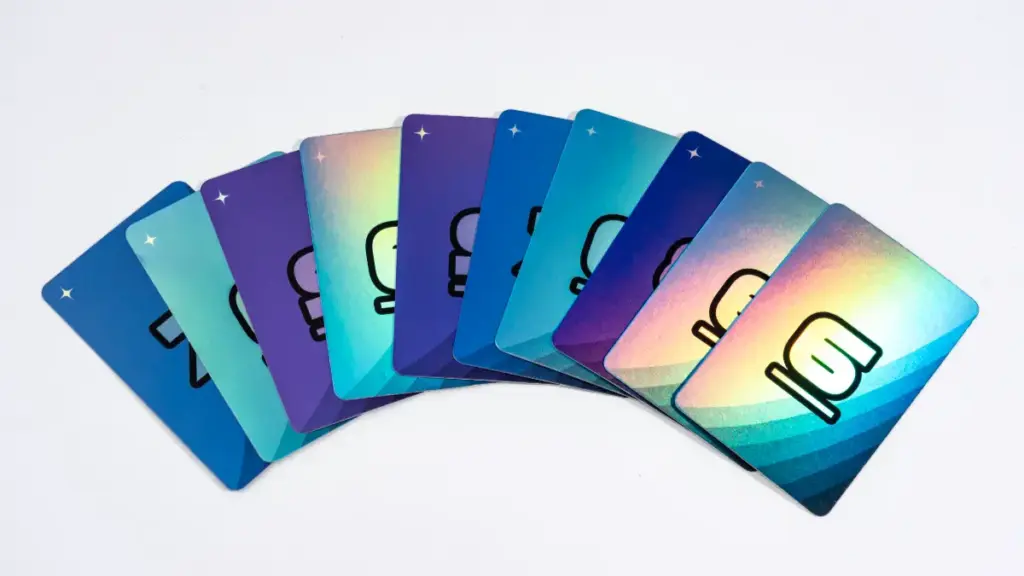
Choosing the right print finish and decorative effect directly impacts the tactile experience and perceived value of your custom card deck.
Surface Finishes
Surface coatings dictate how a deck feels in the hand and holds up to repeated shuffling. The right finish balances physical durability with clear readability.
- Matte finishes: Apply matte finishes to reduce glare and create a soft, fingerprint-resistant surface that keeps text highly readable.
- Glossy coatings: Choose glossy coatings to boost color vibrancy and protect the cards against daily wear.
- Linen textures: Select linen textures to provide a woven, fabric-like tactile experience that pairs well with thick 14-16 pt cardstock.
- Lamination: Add gloss or matte lamination over your prints to prevent scuffing and protect the card edges from peeling.
Premium Decorative Effects
Decorative enhancements turn standard card decks into retail-ready products. Specialized printing touches create visual contrast and tactile interest for high-end buyers.
- Spot UV coating: Highlight specific affirmations or borders with Spot UV to create a tactile shine against matte backgrounds.
- Metallic foils: Press metallic foils like gold, silver, or rose gold onto the cards to add shimmering accents and elevate the visual appeal.
- Embossing and debossing: Incorporate embossing or debossing to give custom boxes and key card elements a distinct dimensional texture.
- Custom die-cuts: Design custom die-cuts for non-standard card shapes like circles or ovals to build a highly unique presentation.
Manufacturing Custom Card Boxes and Inserts

Custom packaging requires precision. Selecting the right board materials and fitted inserts protects your affirmation cards while directly boosting perceived value and brand identity.
Types of Card Boxes
Manufacturers produce a wide range of box styles to house affirmation cards. Gable boxes stand out as a highly versatile option that improves product presentation and reinforces brand identity. You select from multiple finishes and colors, like premium white and black cardboard, to match your specific aesthetic goals. Suppliers build strong, protective boxes using specific board materials based on your project requirements.
- Corrugated board: Built for rugged distribution and maximum impact protection.
- Solid bleached sulfate (SBS): Delivers a smooth, premium surface ideal for high-quality printing.
- Adjustable thickness: Scaling your material thickness directly improves physical durability and boosts the perceived quality of the card sets.
Custom Insert Design
Custom cardboard inserts act as the structural core inside your packaging. They secure items during shipping, organize your cards, and prevent damage from sudden movement. Heading into 2026, most brands prefer cardboard inserts over foam because paperboard ensures better structural integration and seamless customization.
- Material selection: Designers choose Kraft board, corrugated cardboard, or SBS board based on specific product weight and fragility needs.
- Customization capabilities: Facilities offer custom sizing and allow you to print text, item numbers, or brand logos directly onto the inserts.
- Digital printing: Provides a cost-effective, high-quality solution for small batch runs.
- Flexographic printing: Stamps non-photo quality designs efficiently across large quantity production runs.
Integrated Card and Box Production Process
An integrated production workflow aligns card design, material specs, and box sizing early to prevent manufacturing delays and control unit costs.
| Production Element | Standard Configuration | Premium Upgrade (Cost Driver) |
|---|---|---|
| Card Material | Glossy or matte cardstock finish | Thicker core materials with linen texture |
| Box Structure | Single-piece tuck box closure | Two-piece rigid or magnetic closure |
| Production Scale | Small print-on-demand batch runs | High-volume inventory stocking |
Preparation and Material Selection Workflow
A smooth manufacturing run starts long before the files hit the press. Designers add extra bleed space around the card edges and convert all RGB color profiles to CMYK layout formats. This guarantees the printed colors match the digital intent and prevents uneven white borders during the cutting phase.
Smart creators print local prototype batches to test legibility and simplify visual details. Catching these small design flaws early prevents costly full-run errors. Once the artwork is approved, attention shifts to selecting the physical materials and engineering the packaging.
- Cardstock Finishes: Users select from matte, glossy, or linen cardstock options to define the exact product texture.
- Box Dimensions: Manufacturers calculate specific box measurements based on the final card stack thickness.
- Closure Types: Builders design tuck, rigid, or magnetic packaging so the final cards fit without stretching or tearing the box.
Production Steps and Cost Variables
Printers manage the full assembly cycle in-house. They cut the printed sheets to size, fold the cardboard boxes, insert the decks, and apply protective shrink-wrap. Before launching this entire process, clients order physical samples to verify color accuracy, test the paper feel, and confirm the structural box fit.
Users approve digital proofs before facilities begin the standard two-to-four-week manufacturing cycle. Managing costs during this production phase requires specific decisions around order volume and component upgrades.
- Batch Scaling: Starting with small print-on-demand batch orders keeps 2026 inventory expenses low and matches initial market demand.
- Material Upgrades: Upgrading to thicker card materials directly increases overall manufacturing costs.
- Packaging Upgrades: Selecting two-piece rigid boxes instead of standard tuck boxes raises unit production expenses.
Quality Control and Packaging Inspection
Rigorous factory audits and drop-tested packaging guarantee your custom affirmation cards survive global transit, protecting your margins and brand reputation.
Card quality inspection
Custom affirmation card producers run strict final inspections to verify print quality, color accuracy, and material integrity across the entire deck. Before committing to full production runs, manufacturers send digital proofs or physical testing samples. This step lets you confirm the paper stock, surface finish, and print precision firsthand.
When evaluating a manufacturing partner, look at the data behind their claims. Reputable suppliers prove their capabilities through specific industry standards and hardware:
- ISO 9001 Certifications: Validates their ongoing quality management systems.
- Verified Equipment: Virtual or on-site factory audits confirm the presence of high-end machinery like Heidelberg offset printers and automated cutting machines.
- Project Portfolios: Past production records prove their ability to deliver consistent results at scale.
Packaging and shipping checks
A premium card deck only succeeds if it survives the supply chain. Producers perform dedicated drop box tests to simulate real-world shipping stresses, guaranteeing the packaging maintains structural integrity during global transit. Quality assurance teams also cross-check client reviews and platform data to ensure the selected packaging reliably supports high-conversion custom sets.
Suppliers provide several protective, low-waste packaging options to fit different brand positionings:
- Custom Lid Boxes: Sturdy enclosures designed for retail shelves and heavy handling.
- Eco-Friendly Materials: FSC-certified paper and sustainable builds that appeal to environmentally conscious buyers.
- Protective Bags: Alternative low-waste enclosures for lightweight or highly portable sets.
Once the final product passes all checks, global shipping networks deliver the inventory directly to your doors or fulfillment centers. This integrated approach to manufacturing and logistics easily sustains ongoing print-on-demand operations through 2026.
Final Thoughts
Sourcing your affirmation cards and packaging from disjointed facilities risks structural mismatches and delays your market entry. Consolidating your production with a single manufacturer guarantees your exact cardstock thickness aligns perfectly with your custom box dimensions. This integrated workflow protects your margins from costly reprints and secures the premium tactile quality retail buyers expect.
Do not guess on paper durability or packaging fit. We recommend ordering a physical sample kit to test our cardstock finishes and verify the rigid box construction firsthand. Contact our production team to review your exact specifications and map out your initial manufacturing run.
Frequently Asked Questions
What is included in a standard affirmation card set?
A standard set includes a deck of 52 to 60 cards featuring positive, empowering statements. The front of the cards showcases unique artwork or illustrations, while the back contains non-dated planners or blank space. Manufacturers package these sets in decorative slide boxes, tuck boxes, or magnetic rigid boxes, and many brands add accessories like wood block display stands or mindfulness tools.
How do I choose the right box for my card deck?
Start by matching the box dimensions to your exact card size and stack height, adding a 0.1 to 0.25-inch clearance so users can easily remove the cards. Select a box style that fits your budget and brand. Rigid boxes or magnetic book-style boxes offer a premium feel ideal for luxury sets, while tuck-end or lift-off lid boxes provide an affordable, lightweight option. Prioritize paperboard custom trays to stabilize the stack and protect the edges.
What are the best dimensions for card set packaging?
Packaging dimensions depend entirely on your card size and the total deck count. Common affirmation card sizes include 2.5 by 3.5 inches, 2.75 by 4.75 inches, and 3.5 by 5 inches. The interior of the box must exceed the card stack dimensions by 1 to 3 millimeters per side. For a standard 40 to 60 card deck sized 70 by 120 millimeters, a rigid box with interior dimensions of 72 by 122 by 30 millimeters works best.
How do I ensure color consistency between cards and boxes?
Use the Pantone Matching System (PMS) to specify spot colors for both the cards and the packaging to maintain exact hue accuracy. Convert your digital RGB designs to CMYK color mode before printing. Select matching substrates, like pairing premium cardstock with box paper that accepts the same inks, and request color-managed proofs from your supplier to confirm visual cohesion before moving to full production.
What is the standard turn-around time for custom card sets?
End-to-end turnaround for custom card sets ranges from two to three weeks. This timeline includes one to three days for the initial design phase, a quick proof review, and 10 to 14 business days for printing and production. Shipping times vary based on location, with domestic deliveries typically taking five to 10 days to arrive.
Are rigid boxes better than tuck boxes for premium sets?
Yes, rigid boxes outrank tuck boxes for premium affirmation sets. Manufacturers build them from thick chipboard ranging from 1.5 to 3 millimeters, offering superior structural strength, crush resistance, and long-lasting durability. Tuck boxes work well for lightweight or budget decks, but rigid boxes elevate the perceived brand value, create a high-end unboxing experience, and accommodate heavy decks or extras like guidebooks.
Sourcing wholesale affirmation cards dictates whether your wellness brand scales into global retail or stagnates with low-margin fulfillment. Small-batch printing eats into revenue, limits your ability to offer competitive pricing to physical stores, and leaves you vulnerable to stockouts during peak seasons.
This analysis breaks down the manufacturing logistics required to secure a scalable production model. We benchmark material specifications like 280gsm blue core cardstock against pricing structures that drive total deck costs below $1.15 per set to protect your retail profit margins.
Why Wholesale Production Matters for Wellness Brands

Sourcing wholesale affirmation cards dictates whether your wellness brand scales into global retail or struggles with low-margin fulfillment. Shifting to dedicated high-volume printing directly lowers your per-unit costs, protecting your bottom line when distributing to retail partners in 2026. Smaller print runs consume revenue and prevent you from offering competitive wholesale pricing to physical stores.
Beyond profitability, bulk manufacturing stabilizes your entire supply chain. Producing larger quantities establishes a critical inventory buffer, allowing you to instantly fulfill sudden demand spikes from wellness studios or bookstores without shipping delays.
Furthermore, industrial wholesale printers eliminate the material and color variations common in print-on-demand setups. You guarantee uniform cardstock thickness, exact color accuracy, and standardized, transit-ready packaging across every deck. Retail buyers expect this strict predictability, ensuring your products arrive pristine and shelf-ready.
How Wholesale Affirmation Card Printing Reduces Costs
Scaling up production directly slashes your affirmation card manufacturing cost by spreading fixed engineering expenses across thousands of units. Transitioning to commercial wholesale custom card printing eliminates the financial penalties of manual calibration and machine downtime.
Lower Cost-Per-Unit Through High-Volume Runs
Printers distribute fixed plate creation and setup fees over your entire order. Increasing your bulk card production volume forces individual deck prices down.
- Bulk Rates: Shifting away from small batches allows brands to secure competitive baseline pricing on high-end paper stocks.
- Margin Increases: Large-scale commercial runs price up to 15% lower than localized setups, directly expanding your retail profit margins.
- Total Deck Costs: Orders hitting 500 units in 2026 drop total deck costs below $1.15 per set, while 1,000+ unit runs unlock deeper price breaks to around $0.85 per deck.
Combined Setup and Logistics Efficiencies
Industrial facilities maximize efficiency by consolidating technical processes, moving savings directly from the printing press to your fulfillment pipeline.
- Shared Technical Setup: Suppliers execute die-cutting, custom ink mixing, and matte finishing simultaneously for your entire run, eliminating repetitive labor fees.
- Freight Discounts: Ordering full pallets allows buyers to secure heavy bulk logistics discounts from international freight forwarders.
- Fulfillment Bypasses: Factories ship pre-packaged decks in master cartons as ready-to-sell retail units, completely bypassing secondary warehouse handling costs.
Choosing Materials for Large-Scale Production
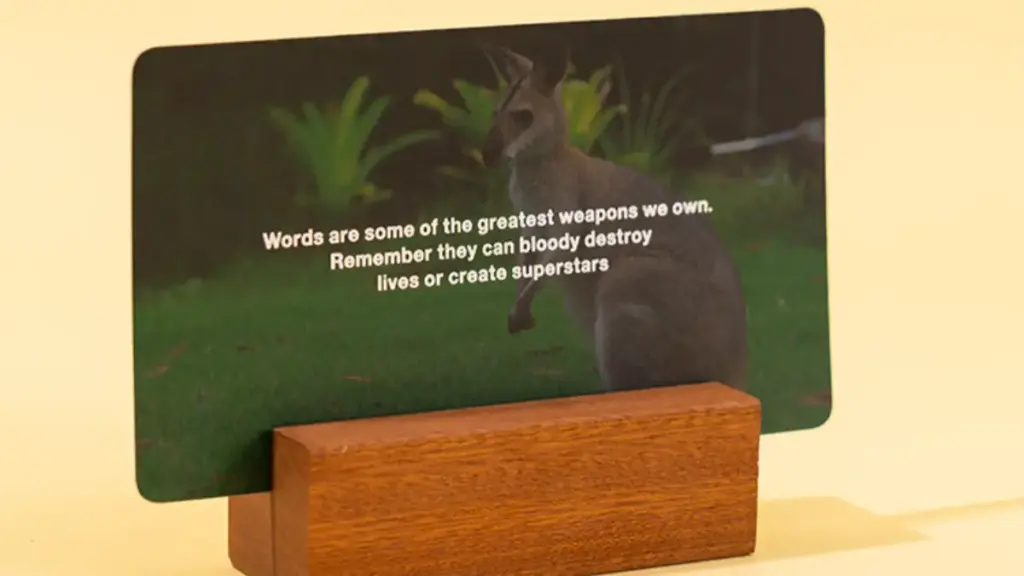
Material selection dictates retail success. Specifying the correct affirmation cards paper types and finishes balances premium tactile feel with the structural durability required to survive global transit and daily retail handling.
Cardstock Weights and Core Technologies
Cardstock thickness directly impacts how your product holds up over time. You must source materials that prevent warping without inflating volumetric freight costs.
- Standard Wholesale Decks: Specify 280gsm blue core cardstock. This weight delivers the optimal balance of sharp print clarity, structural rigidity, and opaque snap for commercial runs.
- Sustainable Product Lines: Source recycled fiber variants in the 270–300gsm range. This meets eco-friendly compliance targets without sacrificing the card’s resilience.
- Handling Durability: Keep all selections strictly between 250gsm and 350gsm to ensure the cards resist bending and corner splitting during high-frequency use.
Protective Coatings and Rigid Outer Packaging
Protecting the ink and the physical deck from moisture, friction, and retail shelf-wear requires professional post-print treatments.
- Post-Print Finishes: Apply an aqueous coating or matte lamination after printing. This seals the ink, improves the tactile texture, and adds critical moisture resistance.
- Outer Retail Boxes: Package decks in 1.5mm to 2.0mm rigid cardboard boxes. This specific thickness prevents crushed corners during international shipping and maintains a premium shelf presence.
- Quality Assurance (QA): Always request physical pre-production samples. You must verify the material durability and finish quality firsthand before authorizing a standard 1,000-unit bulk production run.
Maintaining Brand Consistency Across Bulk Orders
Strict color profiling and archived physical benchmarks guarantee identical print quality across high-volume and long-term manufacturing runs.
Color Consistency and Print Quality Control
Manufacturers in Guangdong hubs like Guangzhou and Shenzhen rely on Heidelberg offset printers and automated cutting machines to maintain exact color replication for high-volume orders. Managing color accuracy at this scale requires buyers and procurement teams to enforce rigid pre-production protocols.
- File Preparation: Buyers must embed Pantone swatches into CMYK digital files and request hard-copy proofs before authorizing bulk production.
- Tolerance Metrics: Contracts need specific tolerance levels, such as Delta E ≤ 2.0, to enforce strict color profiles and minimize variance across large runs.
- Quality Management: Auditing factories for ISO 9001 certification ensures they apply standardized systems for accurate foil stamping and eco-friendly ink application.
- Supplier Selection: B2B procurement data in 2026 shows that facilities with reorder rates above 45% consistently deliver reliable spot UV coating and exact print fidelity.
Reprint Consistency for Long-term Product Lines
To prevent quality drift over time, brands execute multi-order contracts that lock in exact material specifications, artwork files, and production parameters. Suppliers in Wenzhou and Shenzhen secure identical material sourcing, matching cardstock thickness and surface finishes precisely across multiple runs.
- Physical Benchmarks: Retaining archived samples from initial runs provides a physical standard to verify perfect matches on dimensions, cuts, and coatings for all future reprints.
- Sustainable Sourcing: Procurement teams analyze platform data to partner with FSC-certified facilities holding retention rates above 45% for sustainable long-term manufacturing.
- Process Replication: Large-scale operations managing scaling MOQs utilize dedicated supply chains to perfectly replicate embossing and heat-transfer printing for established product lines in 2026.
Packaging and Logistics for Wholesale Card Decks
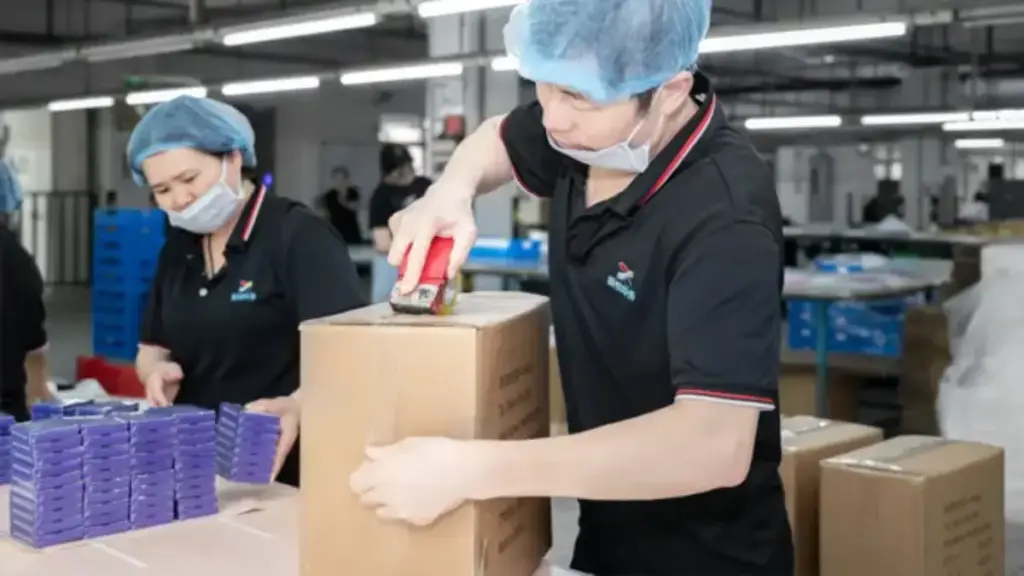
Choosing between air and sea freight comes down to your inventory timeline and deck volume. Suppliers offer multiple transit modes and incoterms to accommodate tight turnarounds or tight budgets.
Air Freight vs Sea Freight for Large-volume Orders
- Air Freight: Select air freight for time-sensitive shipments of 5,000 or more decks. You can expect a 7 to 12-day delivery window straight from major manufacturing hubs.
- Sea Freight: Opt for sea freight to cut landed costs on orders exceeding 10,000 decks. Plan for a 30 to 45-day transit time to match your inventory schedule.
- Incoterms: Compare supplier terms like DDP for fully covered duties against FOB and CIF options. This allows you to balance logistics budgets with shipping speed.
Protecting Card Decks During International Shipping
Heavy cardstock requires multi-layer protection during international transit to prevent bending and moisture damage. Start at the unit level and build outward to secure the pallet.
- Unit Protection: Shield heavy cardstock in rigid, water-resistant primary boxes with magnetic closures. Shrink-wrap each box to prevent shifting and bending inside the casing.
- Carton Organization: Organize retail units in mailer boxes using foam dividers. Pack these directly into double-wall corrugated master cartons reinforced with exterior corner protectors.
- Palletizing: Palletize bulk orders with heavy stretch-wrap and add desiccant packs to ocean cargo to block humidity. This setup keeps the arrival damage rate below 1%.
Managing Reprints and Seasonal Inventory
Effective wholesale inventory relies on strict bin card tracking, timing bulk reprints at 30% capacity, and shifting stock ratios to capture seasonal wellness peaks.
Tracking Inventory and Timing Reprints
You need immediate visibility into your physical stock to prevent stockouts during peak buying periods. Attach bin cards directly to your physical storage to track real-time stock levels for specific affirmation decks. This visual system instantly flags your exact reorder points so you never miss a wholesale order.
- Reorder Threshold: Trigger new print batches when current stock drops below 30% capacity.
- Batch Sizing: Order reprints in batches of 500 to 2000 units to maintain wholesale volume efficiency.
- Lead Times: Factor in four to six weeks for custom printing production and delivery.
- Demand Projection: Rely strictly on historical sales data to project exact order quantities.
Adjusting Stock for Seasonal Demand
Wellness trends drive massive spikes in demand around major holidays. You must adjust your inventory ratios early to capture these sales without sitting on dead stock after the season ends.
- Peak Season Buildup: Ramp up inventory two to three months before major wellness holidays. Double your stock to secure a 60 to 90-day supply.
- Strategic Allocation: Dedicate 40% of your inventory to seasonal variants like 2026 New Year affirmation packs. Keep the remaining 60% dedicated to core product lines.
- Off-Peak Reduction: Run bundle promotions on wholesale platforms to clear excess seasonal inventory and return to a standard 30 to 45-day supply.
How to Choose a Wholesale Affirmation Card Manufacturers
Finding the right manufacturer requires balancing production location with precise technical capabilities. Prioritize partners offering transparent volume pricing and reliable customization methods.
| Selection Criteria | Tactical Approach | Business Impact |
|---|---|---|
| Product Scope | Vet facilities for complementary items like notebooks and custom boxes | Consolidates your vendor list |
| Location Strategy | Compare overseas scale against domestic quality control | Balances unit costs with supply chain risk |
| Sourcing Platforms | Submit exact technical specs for competitive bidding | Generates multiple factory quotes within 48 hours |
Key Selection Criteria for Suppliers
You need a supplier that aligns with your exact product requirements and profit targets. Evaluating potential partners goes beyond the per-unit cost; it requires a deep dive into their operational capabilities and pricing models.
- Product range assessment: Look for partners producing complementary items like notebooks and custom packaging solutions. This allows you to scale your brand under one roof and streamline logistics.
- Manufacturing location: Weigh domestic versus overseas facilities. Overseas hubs offer massive scale and aggressive competitive pricing, while domestic options provide tighter quality control and faster shipping.
- 2026 pricing structures: Scrutinize their wholesale models. You need full access to bulk catalogs to verify that their volume discounts will actively support your projected profit margins.
Customization Capabilities and Platforms
Your manufacturer must execute your exact design specifications without technical limitations. Leverage established platforms to find facilities equipped for specialized print jobs and rigorous quality standards.
- Targeted customization methods: Require specific techniques from print specialists. Demand digital printing, laser printing, and premium paper selections to guarantee a high-quality tactile finish.
- Established sourcing channels: Utilize wholesale marketplaces like Alibaba or Faire. These platforms centralize verified distributors and factories tailored to large-scale affirmation card production.
- Rapid competitive bidding: Send exact technical specifications directly to sourcing platforms. This approach forces suppliers to compete, delivering multiple qualified factory bids to your inbox within 48 hours.
Final Thoughts
Moving away from piecemeal print-on-demand setups secures the unit economics required for serious retail expansion. While local printers offer low commitments, locking in 280gsm blue core cardstock and 1.5mm rigid packaging through dedicated wholesale production is the only way to safeguard your brand against structural warping and transit damage. This standardized manufacturing approach protects your profit margins while meeting the strict quality demands of global buyers.
Do not leave your retail reputation to chance—verify the physical materials in person. We recommend starting with a hard-copy sample to test the tactile finish and exact color accuracy of the affirmation decks firsthand. Contact our production team to map out your technical specifications and secure your volume pricing tier.
Frequently Asked Questions
What is the standard MOQ for wholesale card printing?
Standard minimum order quantities (MOQs) range from 100 to 500 decks per custom design to offset setup costs like plating and die-cutting. Ready-made catalog items may start at 50 units, while low-volume test runs are best handled via print-on-demand.
How much does it cost to mass-produce affirmation cards?
Mass production costs decrease significantly as your volume scales. For custom 50-card decks, expect to pay around $1.45 to $2.10 per unit for small 100-deck runs. However, scaling up to 500 decks drops your per-unit cost below $1.15.
Can I get a price break for ordering 1000+ decks?
Yes. Hitting the 1,000-deck threshold unlocks substantial volume discounts by spreading fixed setup fees. For example, a premium deck that costs $1.15 at 500 units frequently drops to $0.85 per set at 1,000+ units, protecting your retail margins.
What are the best shipping methods for wholesale card orders?
For large-volume orders, use LCL (Less than Container Load) sea freight to minimize landed costs, allowing 30 to 45 days for delivery. For tight retail deadlines, select air freight with reliable forwarders for 7 to 12-day port-to-door transit.
How do I find a reliable card manufacturer in China?
Target printing hubs in Guangdong Province, specifically Shenzhen and Dongguan. Vet suppliers using B2B platforms by verifying their ISO 9001 or SEDEX certifications. Always review a physical pre-production sample to confirm cardstock weight and color accuracy before mass production.
What is the average lead time for wholesale card production?
Custom wholesale production typically takes 2 to 4 weeks. This timeline begins only after advanced payment and formal digital proof approval. Remember to factor in an additional 30 to 45 days if you choose sea freight for international logistics.
Affirmation cards have become one of the fastest-growing products in the self-care, wellness, and gift markets. From independent creators on Etsy to established wellness brands, more and more businesses are launching their own affirmation card decks—and for good reason.
This guide goes beyond simple explanations. It helps you understand why affirmation cards sell, who is buying them, and how you can turn an idea into a professionally printed, market-ready product. Whether you’re exploring the concept or ready to source a manufacturer, this article is built to guide you from inspiration to execution.
What Are Affirmation Cards?
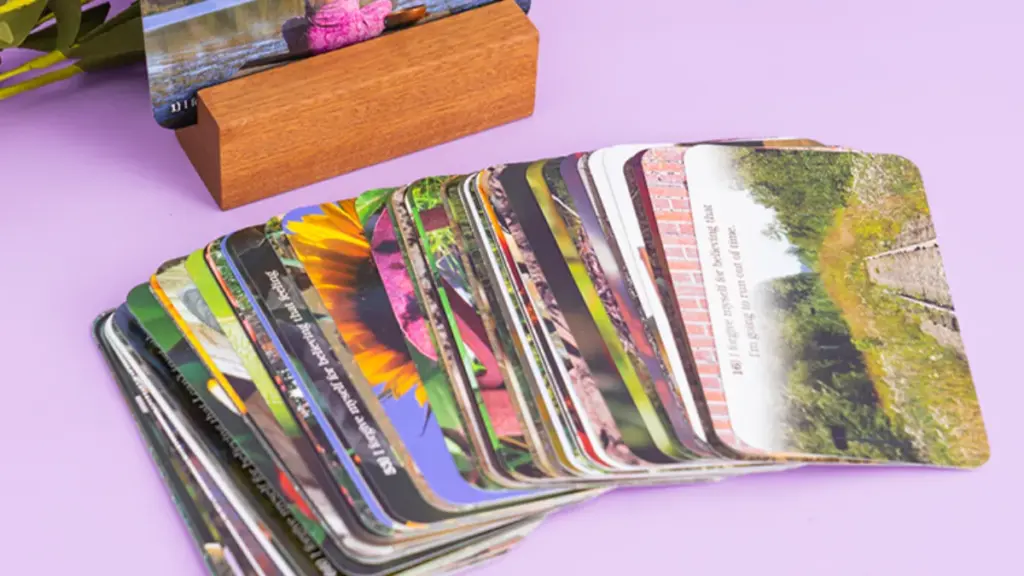
Affirmation cards are a type of printed card deck featuring positive statements, motivational prompts, or mindful reminders designed to influence mindset and emotional well-being.
Each card typically includes:
- A short affirmation (e.g., “I am confident and capable”)
- Minimalist or symbolic artwork
- A consistent design theme across the deck
They are often used for:
- Daily routines (morning rituals, journaling)
- Meditation and mindfulness practices
- Emotional support and self-reflection
- Gifts in the wellness and lifestyle category
Unlike oracle or tarot decks, affirmation cards are usually more direct and practical. Their purpose is not interpretation, but repetition and reinforcement, which makes them appealing to wellness users, coaches, gift buyers, and brands looking for meaningful lifestyle products.
6 Key Benefits of Affirmation Cards

Affirmation cards are popular because they combine emotional value with practical daily use. For individual users, they offer encouragement, focus, and routine support; for brands and creators, they also represent a product format that is easy to theme, package, and position for specific audiences.
1. Supports Positive Thinking Habits
At the user level, affirmation cards are valued because they help reinforce encouraging messages through daily repetition. Many people use them as part of a morning routine, journaling practice, or mindfulness habit, which gives the product a clear emotional purpose rather than making it feel like a purely decorative item.
For brands, this matters because products tied to everyday rituals tend to feel more useful and more repeatable in real life. A deck that supports positive thinking habits can be positioned not just as a set of printed cards, but as a practical wellness tool people return to again and again.
2. Easy Entry into the Wellness Market
The wellness category includes a wide range of products, many of which require specialized knowledge or complex development (such as apps, courses, or books). Affirmation cards, by contrast, are relatively simple to conceptualize and produce. The core requirement is clear: meaningful content combined with appealing design.
This lowers the barrier to entry for new brands and creators. You don’t need a large team or technical infrastructure to launch a product. At the same time, the cards still align with established wellness themes like mindfulness and emotional balance, which means they can be positioned within an existing market demand rather than needing to create demand from scratch.
3. Makes a Highly Giftable Product
Affirmation card decks are compact, visually expressive, emotionally meaningful, and easy to bundle with journals, candles, tea sets, subscription boxes, or other self-care items.
This makes them attractive not only for direct-to-consumer sales, but also for seasonal promotions, boutique retail, and branded gift sets. A well-designed deck can work as both a personal purchase and a thoughtful gift, which broadens its sales potential across multiple channels.
4. Provides Strong Personalization Potential
Affirmation cards are highly customizable in both content and presentation. A brand can personalize the tone, audience, theme, artwork, size, paper stock, finish, box style, and supporting booklet to create a deck that feels unique to its market position.
This is a major advantage for private label and custom projects because personalization is often what separates a generic deck from a branded product with real retail value. Whether the target audience is mothers, students, therapy clients, spiritual users, or workplace teams, affirmation cards can be tailored to match a very specific user need.
5. Keeps Production Relatively Simple
Compared with more complex tabletop or multi-component products, affirmation cards are relatively straightforward to develop and manufacture. The product usually centers on a consistent card format, a manageable number of components, and packaging options that are already well established in commercial printing.
That simplicity is especially appealing for first-time product creators or brands testing a new category. It allows businesses to focus more on message, design, and positioning, while working with a manufacturer on standard decisions such as card size, cardstock, finish, box type, and sample approval.
6. Delivers High Perceived Value Relative to Cost
The cost of producing affirmation cards is mainly determined by materials, printing, and packaging, all of which are relatively predictable. However, the way customers evaluate the product is less about raw materials and more about presentation and meaning.
Design quality, thematic consistency, and packaging all influence how the product is perceived. A well-designed deck can be positioned as a premium item even if the underlying production cost remains moderate. This gap between cost and perceived value creates room for pricing flexibility, allowing brands to maintain reasonable margins while still offering a product that feels worthwhile to the end customer.
Benefits Overview
| Benefit | Why it matters | Product implication |
|---|---|---|
| Supports Positive Thinking Habits | Gives users a clear daily-use purpose and emotional value | Strong fit for self-care decks, daily ritual products, and branded wellness tools |
| Easy Entry into the Wellness Market | Aligns with popular wellness and mindfulness demand | Suitable for coaches, yoga brands, therapists, educators, and self-care businesses |
| Highly Giftable Product | Works for personal buying and gift occasions | Good for boutiques, seasonal sales, subscription boxes, and gift bundles |
| Strong Personalization Potential | Helps brands stand out with tailored themes and design | Ideal for private label decks, niche audiences, and OEM customization |
| Low Production Complexity | Easier to launch than more complex card-based products | Efficient for sampling, small-batch testing, and standard printing workflows |
| High Perceived Value vs. Cost | Premium look can increase appeal without excessive production complexity | Great for gift-positioned products, retail-ready decks, and upgraded packaging options |
Who Should Create an Affirmation Card Deck?
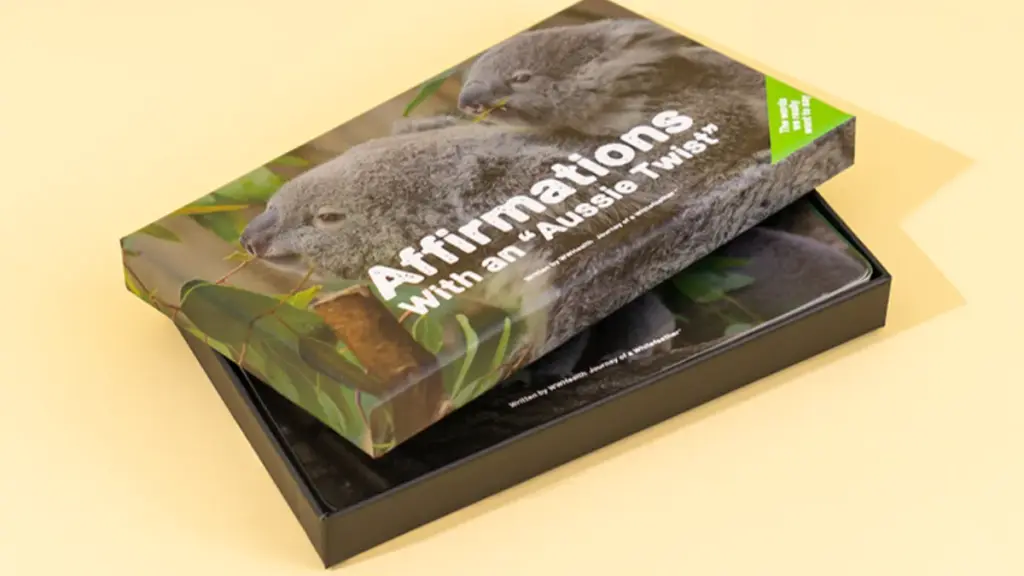
Affirmation cards are not limited to designers or publishers. In fact, a wide range of individuals and businesses can successfully launch their own decks.
1. Coaches and Therapists
Life coaches, mindset coaches, and therapists can use affirmation cards as:
- Client tools
- Branded products
- Passive income streams
2. Content Creators & Influencers
If you already have an audience, affirmation cards can:
- Extend your personal brand
- Convert followers into customers
3. Wellness & Lifestyle Brands
Brands in yoga, meditation, skincare, or holistic health can:
- Add a complementary product line
- Increase average order value
4. Entrepreneurs & E-commerce Sellers
Affirmation cards are ideal for:
- Shopify stores
- Amazon FBA sellers
- Etsy creators
Low MOQ and flexible customization make them beginner-friendly.
What to Consider When Designing Custom Affirmation Cards

Designing a custom affirmation card deck requires clear decisions about audience, messaging, format, materials, and packaging so the final product feels cohesive, useful, and ready for sale. When these elements are planned early, it becomes much easier to create a deck that matches your brand and performs well in the market.
1. Define Your Target Audience
The first step is to be clear about who the deck is for. A deck designed for therapists, for example, will likely need a calmer tone and more reflective content, while a deck for a gift shop, a children’s brand, or a lifestyle store may need brighter visuals and a more accessible style.
Your target audience influences almost every design decision, including the wording of the affirmations, the illustration style, the size of the cards, and the type of packaging.
2. Card Content & Tone
Once the audience is defined, the next priority is the content itself. You need to decide what kind of affirmations the deck will include, how many themes it should cover, and what tone best fits the people you want to reach.
Some decks focus on one clear topic, such as self-love, gratitude, confidence, calm, or healing, while others are broader and mix several themes in one set. Tone matters just as much as content, because a deck for spiritual wellness may sound very different from one created for children, professionals, or therapy support. If the tone, language, and design style all work together, the deck will feel much more polished and brand-consistent.
3. Card Size and Quantity
Card size and deck quantity directly affect usability, production cost, and overall product positioning.
Common Affirmation Card Sizes
- 63 × 88 mm (poker size)
Compact and cost-efficient, widely used for mass production - 70 × 120 mm (standard affirmation size)
One of the most popular formats for daily-use decks - 80 × 120 mm / 88 × 126 mm (oracle size)
Balanced size with better readability and visual space - 95 × 140 mm (large format)
Used for premium or design-focused decks with stronger visual impact
Typical Deck Sizes (Number of Cards)
- 30–40 cards
Entry-level or simple daily affirmation decks - 40–60 cards (most common)
Balanced for usability and production cost - 60–80 cards
More content depth, often used in oracle-style decks - 80+ cards
Premium or complex decks, usually with guidebooks or extended themes
4. Paper Type and Finish
Paper and finishing define how affirmation cards feel, perform, and are perceived in the market. Common options include:
Paper Types
- 300–350gsm coated paper: standard option with smooth surface and good print quality
- 350–400gsm premium cardstock: thicker, more durable, better hand feel
- Black core paper: prevents transparency, used for higher-end decks
Finishing Options
- Matte lamination: soft, non-reflective, most commonly used
- Gloss lamination: brighter colors and higher surface shine
- Soft-touch coating: smooth, premium tactile experience
- Varnish or UV coating: added protection with subtle finish
Additional Enhancements
- Rounded corners for better handling and durability
- Foil stamping for logos or titles
- Embossing or debossing for texture
- Edge gilding in gold or silver for premium positioning
5. Packaging Design and Presentation
Packaging affects both protection and first impression, and it plays a major role in how the product is positioned. Common options include:
Packaging Types
- Tuck box: lightweight and cost-effective, suitable for entry-level decks
- Rigid box: strong structure with a more premium feel
- Magnetic closure box: higher-end option with enhanced unboxing experience
- Drawer box: slide-out design that adds uniqueness and perceived value
Additional Packaging Elements
- Paper or foam inserts to hold cards in place
- Printed guidebook to add content and usability
- Shrink wrapping or sealing for retail presentation
How to Turn an Idea Into a Printed Deck
Creating a custom affirmation card deck starts with a clear concept and moves through structured steps from idea to physical product.
1. Conceptualize the Theme and Purpose
Start by defining your deck’s theme, audience, and emotional focus. Decide whether it centers on mindfulness, gratitude, confidence, or a niche group like students or entrepreneurs. Establishing a consistent tone and style ensures the deck feels cohesive and guides all downstream design and production decisions.
2. Develop the Card Content
Write concise, clear affirmations that are easy to read and remember. Consider grouping cards by theme or sequence for daily use, and include an instruction card or guidebook to improve usability and perceived value. This stage forms the foundation for a deck that connects with users and stands out in the market.
3. Design the Deck
Select card layout, typography, colors, and imagery that appeal to your target audience. Finishing options like matte, gloss, or soft-touch coatings enhance tactile feel and durability. Consistent design across the deck reinforces professionalism and branding.
4. Prototype and Review
Produce a sample deck to check color accuracy, font legibility, and overall usability. Collect feedback to refine content, design, and card sequence, reducing errors before full-scale production.
5. Print and Package
When it’s time to print, working with an experienced manufacturer like Xinyi Printing ensures your deck meets both quality and scale requirements. We can produce up to 5 million cards per month, while offering rapid prototyping with samples delivered in as little as 7 days. Our production processes are backed by internationally recognized standards, including ISO9001 and ISO14001, as well as certifications for FSC, green printing, Disney, BSCI, and SEDEX. We can handle both small-batch testing and large-scale orders, providing high-quality printing, durable finishing, and premium packaging, ensuring your deck is market-ready and visually compelling.
By following these steps and leveraging Xinyi Printing’s capabilities, you can efficiently transform your idea into a high-quality, retail-ready affirmation card deck.
Common Mistakes to Avoid
Even though affirmation cards are simple products, there are common pitfalls that can impact sales.
| Common Mistake | Why It Matters | How to Avoid |
|---|---|---|
| Unclear Target Audience | Leads to generic content that fails to engage | Define the audience before writing or designing |
| Inconsistent Tone | Deck feels scattered and unprofessional | Maintain a single voice throughout all cards |
| Poor Readability | Cards are difficult to use daily | Choose legible fonts, proper sizes, and clear spacing |
| Overly Complex Design | Distracts from the affirmations and increases cost | Keep visuals simple and focus on usability |
| Ignoring Packaging | Deck may feel low-value or get damaged | Invest in protective, visually appealing packaging |
| Skipping Prototype & Feedback | Errors or low usability only discovered after mass production | Create samples and gather user feedback before printing |
FAQs
What are affirmation cards used for?
They are used for daily motivation, mindset improvement, and mindfulness practices.
Do affirmation cards really work?
Their effectiveness depends on consistent use. They help reinforce positive thinking patterns over time.
Who buys affirmation cards?
Typical buyers include wellness consumers, gift shoppers, journaling users, coaches, therapists, educators, and people interested in personal growth products.
How many cards should be in a deck?
Most decks contain 30–60 cards, balancing usability and production cost.
What size should affirmation cards be?
There is no single required size, because the best format depends on portability, display use, and brand style. Many printers offer standard and custom dimensions to match different product goals.
How much does it cost to print affirmation cards?
Costs vary depending on quantity, materials, and packaging. Entry-level runs with low MOQ are possible, making them suitable for small businesses.
What paper and finish are best?
That depends on the look and budget of the deck, but coated paper, matte lamination, glossy lamination, foil details, embossing, and rounded corners are all common choices.
Can I create a custom affirmation card deck for my brand?
Yes, and that is exactly why this product category is growing. Brands and creators use custom decks to build identity, create emotional connection, and offer meaningful products that are easy to sell online or in-store.
Final Thoughts
A well-made affirmation deck combines message, design, and product quality in one format. If you are planning to turn your concept into a retail-ready deck, Xinyi Printing can help bridge the gap between idea and production with custom affirmation card printing, packaging support, sampling, and manufacturing guidance.
For most flashcards, the best paper is cardstock because it is thicker, sturdier, and better suited to repeated handling than regular paper. For home printing, 160–220 gsm heavy paper or light cardstock is usually the most practical choice, while custom printed flashcards for retail, education, and wholesale projects are more commonly produced on 250–350 gsm card stock with matte, gloss, or laminated finishes depending on the product goal.
The right choice depends on four things: product positioning, budget, target users, and shipping or packaging requirements. A low-cost study deck, a classroom teaching tool, and a premium branded flashcard set may all use different materials even if they serve the same basic format.
This guide explains which flashcard paper types work best, what GSM to choose, how finish affects performance, and how to match materials to different customer and sales channels.
Common Paper Types Used to Make Flashcards
Flashcards can be made from several types of paper and board, and the right material depends on how the cards will be used. For most projects, the decision comes down to 4 things: thickness, print quality, durability, and whether users need to write
1. Cardstock (Art Paper / Cover Paper)
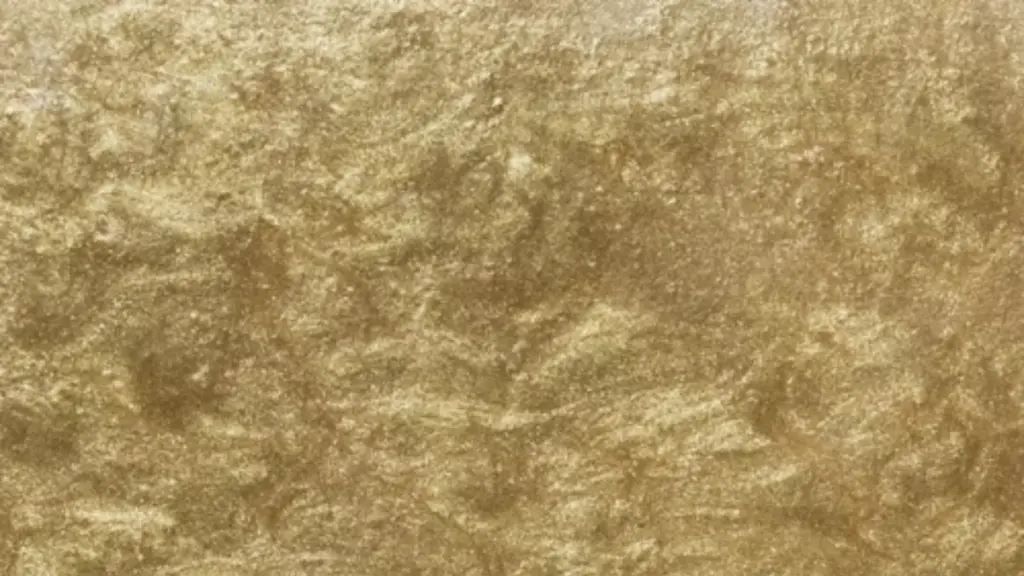
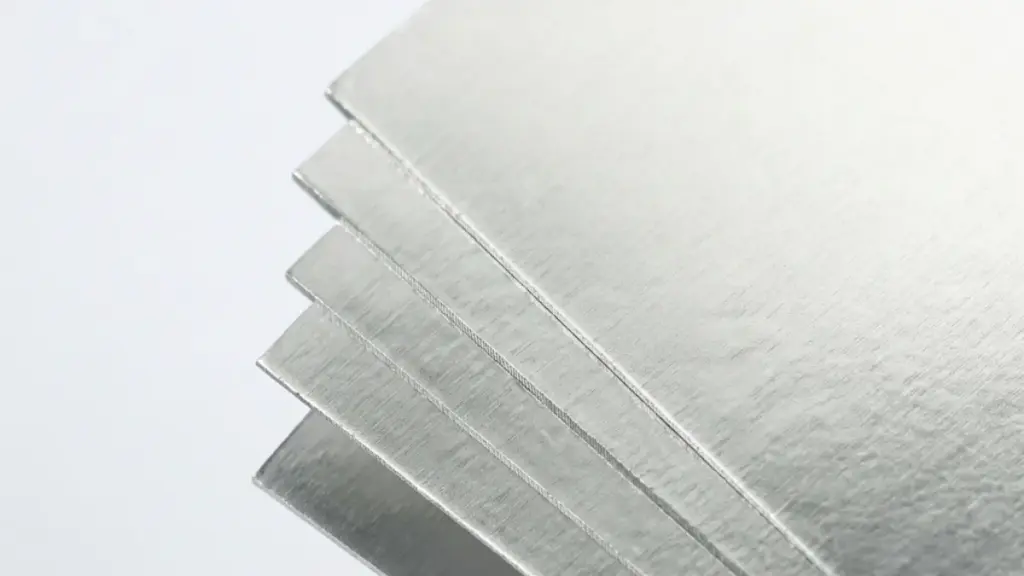
Cardstock is the standard choice for most flashcards, especially for educational sets, study decks, and retail products.
- GSM range: 250–400 GSM
- Key features: Thick, sturdy, smooth surface
- Best for: Educational flashcards, retail products, study decks
Cardstock offers a good balance between durability and print quality. It supports both writing and high-resolution printing, making it the default choice for most professional flashcard production.
2. Coated Paper (C1S / C2S)
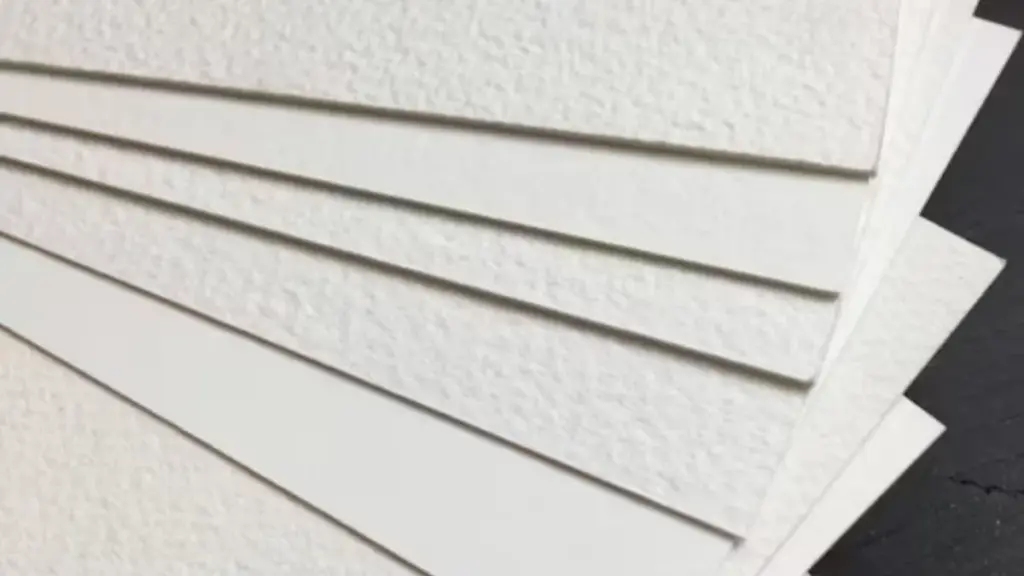
Coated paper is used when print sharpness and color performance matter more. The coating creates a smoother printing surface, so images and graphics usually look brighter and more refined.
- C1S (Coated One Side): One side glossy, one side writable
- C2S (Coated Two Sides): Both sides coated
- Best for: Flashcards with images, illustrations, or vibrant colors
If your flashcards rely heavily on visuals (e.g., children’s learning cards, product cards), coated paper improves color vibrancy significantly.ors, product visuals, or retail presentation.
3. Uncoated Paper
Uncoated paper has no surface coating, so it feels more natural and is easier to write on. It is a practical choice for flashcards designed for note-taking, revision, or fill-in learning activities.
- Texture: Slightly softer and more paper-like.
- Best for: Writable flashcards, teacher-use cards, revision cards, study notes.
- Common tradeoff: Colors look more muted than on coated stock.
This option makes sense when usability matters more than visual polish. If learners need to mark answers, add notes, or interact with the card directly, uncoated stock is often the better fit.
4. Laminated Paper
Laminated flashcards are made by adding a protective film over printed cardstock. This gives the cards better resistance to moisture, scratches, and frequent handling, which is why lamination is common in children’s and classroom products.
- Finish options: Matte or glossy lamination
- Best for: Kids’ learning cards, language-learning sets, long-use educational products.
- Useful when: The cards need a longer life span or a more premium finished feel.
- Benefits: Water-resistant, tear-resistant, long-lasting
5. Synthetic Paper (Plastic Cards)
Synthetic paper is the premium option for flashcards that need very high durability. These materials are often made from PVC, PET, PP, or other synthetic substrates that are waterproof, tear-resistant, and built for demanding use.
- Common materials: PVC, PET, PP, and other printable synthetic stocks.
- Waterproof: Yes.
- Best for: Outdoor learning tools, therapy cards, industrial training cards, washable kids’ flashcards.
You may also like: Different Types of Flashcards: Complete Guide for Effective Studying
What GSM Is Best for Flashcards?
GSM (grams per square meter) determines the thickness and rigidity of the paper. In general, the best GSM for flashcards falls into three practical ranges depending on how the cards will be used.
- 160–220 gsm works well for home printing, lightweight study cards, and budget-conscious projects.
- 250–300 gsm is a strong standard for educational products, classroom use, and many custom flashcard orders.
- 300–350 gsm is better for premium, retail-ready, and high-durability flashcards.
Related reading: Paper Weight Guide: GSM vs. lb vs. kg Conversion Calculator
Below is a useful overview table for material selection:
| Paper Type | GSM | Finish | Use Case |
|---|---|---|---|
| Regular Paper | 80–120 gsm | Uncoated | Draft flashcards, temporary study use, low-cost handouts |
| Heavy Paper / Light Cardstock | 160–220 gsm | Usually uncoated or matte | Home printing, pilot runs, lightweight educational cards |
| Standard Cardstock | 250–300 gsm | Matte, gloss, or uncoated | Standard flashcards for schools, language learning, and custom orders |
| Premium Cardstock | 300–350 gsm | Matte or gloss lamination | Retail flashcards, branded products, durable wholesale decks |
| Writable Coated-One-Side Stock | Varies by project | One side coated, one side writable | Flashcards with vivid printing on one side and writing on the other |
| Synthetic / Waterproof Stock | Custom specification | Durable protective surface | Kids’ cards, therapy cards, outdoor or high-moisture settings |
Matte, Glossy, or Uncoated: Which Finish Should You Choose?
Finish has a direct effect on readability, color impact, writing usability, and product positioning. Choosing the right finish is often just as important as choosing the base paper itself.
Matte Finish

Matte is one of the best all-around finishes for flashcards because it reduces glare and keeps text easy to read. It is particularly suitable for educational cards, language-learning sets, and classroom products where content clarity matters more than shine.
Glossy Finish
Glossy finishes make colors look brighter and more vibrant. They are a good fit for image-heavy flashcards, children’s recognition cards, and branded retail products where visual appeal on shelf or on screen is important.
Uncoated Finish
Uncoated stock is the best option when flashcards need to be written on. It provides a more natural paper feel and supports pen or pencil use better than laminated or fully coated surfaces.
One-side Coated Finish
For some projects, a coated-one-side structure gives a better balance than fully coated stock. C1S paper allows one side to display bright, sharp printing while the uncoated side remains more suitable for writing or adhesive use, which can be useful in certain educational and mounted-card applications.
Laminated Finish
Matte lamination and gloss lamination both improve surface durability. Matte lamination tends to support a premium educational feel, while gloss lamination works better when strong color pop and wipe-clean performance are part of the product value.
Quick Comparison
| Finish Type | Readability | Color Performance | Writable | Durability | Best Use Case |
|---|---|---|---|---|---|
| Matte | Excellent (low glare) | Moderate | Limited | Medium | Educational, language learning, text-heavy flashcards |
| Glossy | Medium (can reflect light) | High (vivid colors) | No | Medium | Image-based cards, kids’ flashcards, retail products |
| Uncoated | High | Low to moderate | Excellent | Low | DIY cards, note-taking, writable study flashcards |
| One-side Coated (C1S) | High | High (on coated side) | Yes (on uncoated side) | Medium | Flashcards with print on one side and writing on the other |
| Laminated (Matte / Gloss) | Matte: High / Gloss: Medium | High | No (unless using marker) | High | Kids’ cards, reusable cards, premium retail flashcards |
How to Choose the Best Paper for Different Flashcard Uses

The best material should match the final sales channel and user experience. Flashcards sold through wholesale, retail, e-commerce, schools, or private-label programs do not need the same balance of cost, finish, and durability.
Flashcards for Kids
Children’s flashcards require a very different standard compared to adult-use cards. Durability and safety matter more than cost.
For this category, thinner paper is usually not suitable. Cards get bent, chewed, dropped, and exposed to moisture. A typical recommendation is:
- 350 GSM or above cardstock
- Matte lamination (or soft-touch lamination)
- Rounded corners
In some cases, especially for toddlers, clients move toward thick board card or even laminated rigid cards to avoid edge damage and improve lifespan.
Another important factor is surface performance. A wipeable laminated surface allows repeated use, which is particularly valuable for early education products.
Key takeaway:
If the cards are for kids, prioritize durability, safety, and reusability over cost savings.
Flashcards for Language Learning
Language flashcards are used differently—they are handled frequently, shuffled often, and need to remain easy to read in different environments.
Here, going too thick can actually reduce usability. Cards that are too rigid become uncomfortable to handle over time.
A balanced setup usually works best:
- 300–350 GSM cardstock
- Matte or light coating (to reduce glare)
- Clear double-sided readability
- Sizes such as 3 × 5, A7, or A6 for quick review and easy carrying.
If writing is part of the learning process, some projects use:
- Uncoated stock, or
- C1S (coated one side) for print + writing functionality
Key takeaway:
For language learning decks, readability and handling comfort often matter more than premium feel.
Flashcards for Classrooms and Schools
Classroom flashcards are typically produced in larger quantities and used over longer periods. The key challenge here is balancing durability with cost efficiency.
Unlike retail products, schools usually don’t need luxury finishes—but they do need consistency and longevity.
A common specification includes:
- 300–350 GSM cardstock
- Matte finish (to reduce glare under classroom lighting)
- Optional light lamination for extended use
- 4 × 6, A6, or larger formats for group teaching
Because these cards are often shared among multiple students, surface wear resistance becomes more important than visual appearance.
Key takeaway:
Avoid glossy finishes in classrooms—they reflect light and reduce readability, especially under fluorescent lighting.
Flashcards for Retail or Branded Products
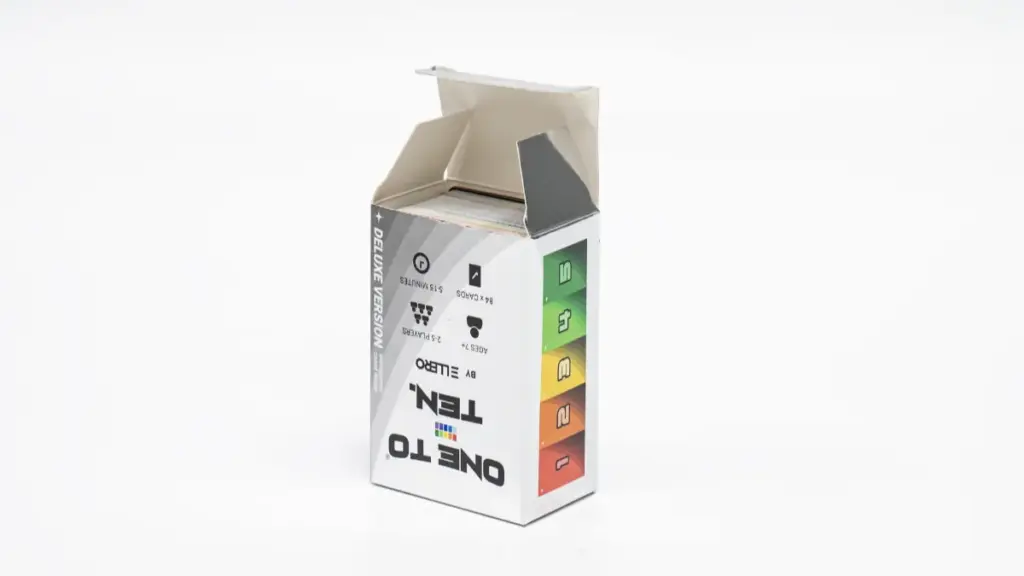
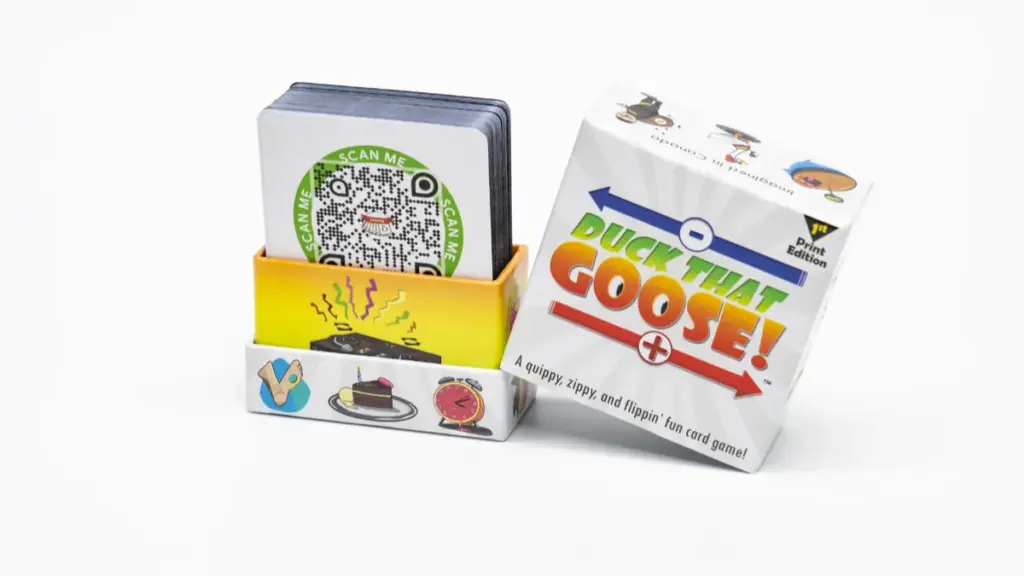
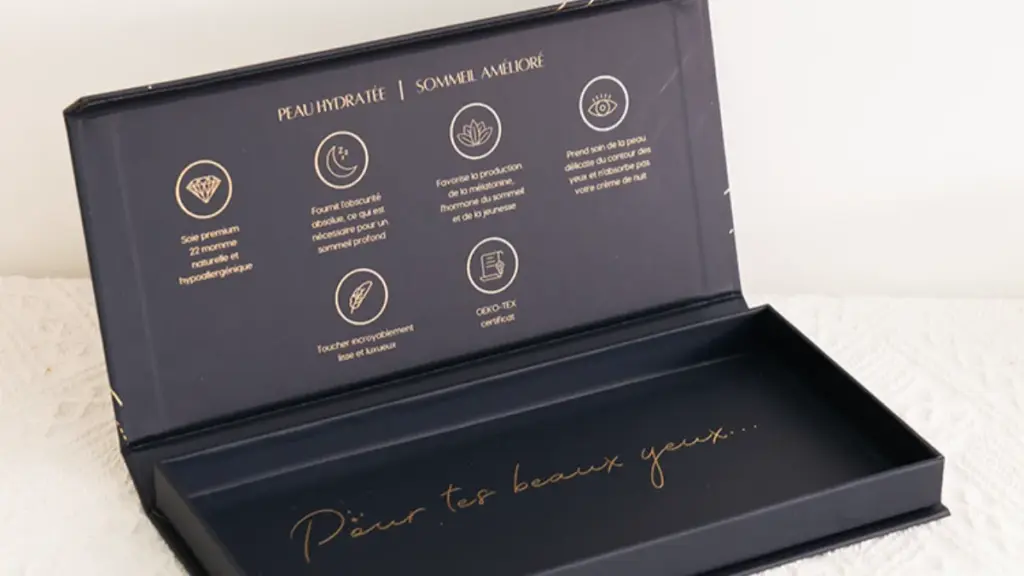
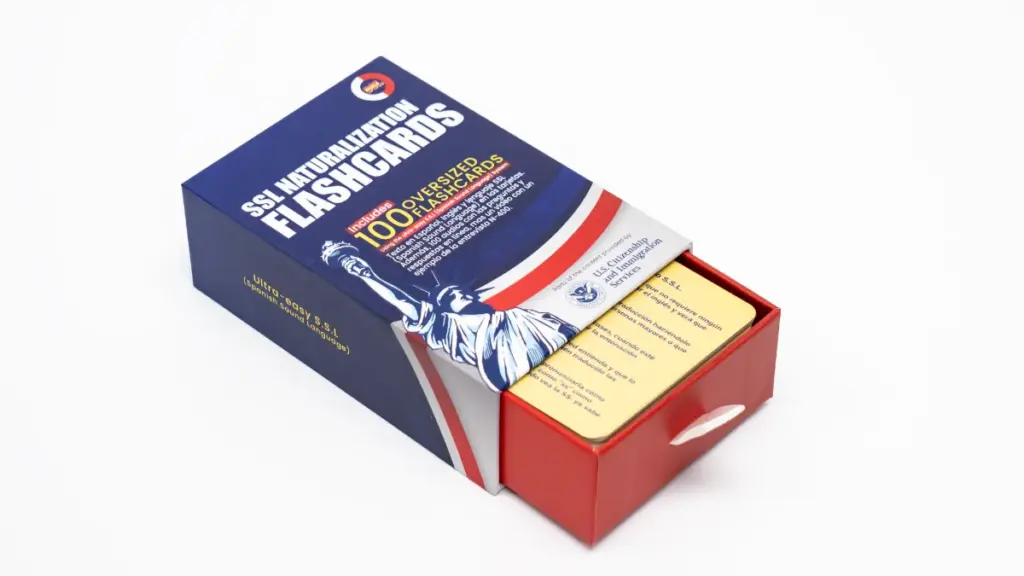
Retail flashcards operate under completely different expectations. Here, the product is not just a learning tool—it is also a consumer product competing on shelf and online.
This means the material choice must support:
- Visual appeal
- Perceived quality
- Long-term durability
Typical specifications include:
- 300–350 GSM premium cardstock
- Matte or gloss lamination
- High-quality color printing
- Consistent finish across the entire deck
In addition, packaging becomes part of the experience:
- Rigid boxes
- Magnetic boxes
- Tuck boxes
Key difference vs educational cards:
Retail products are judged within seconds. Paper quality, surface feel, and edge finishing directly influence purchase decisions.
Printing Tips for Better Flashcards
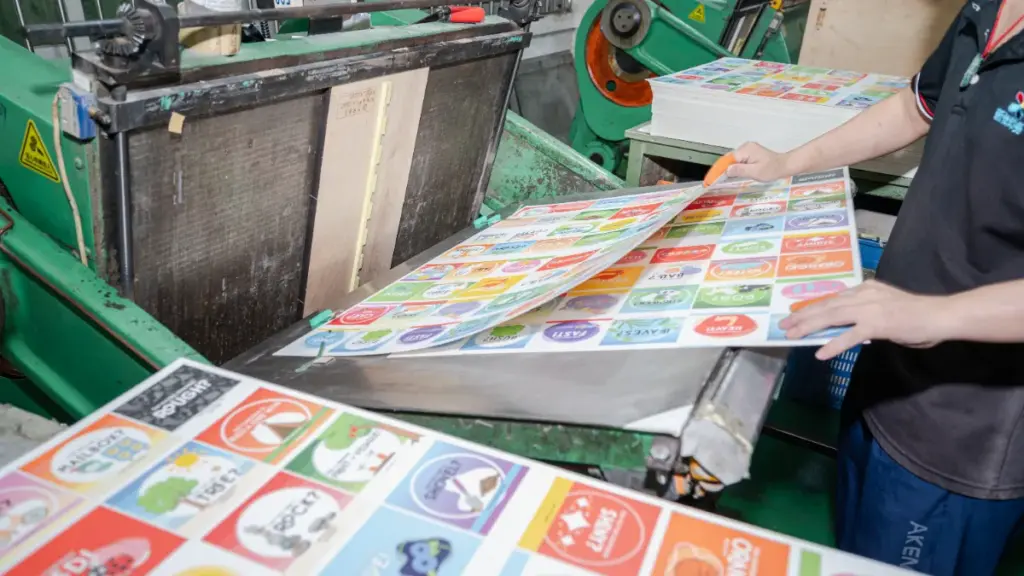
- Match the printing format to the product use
Single-sided flashcards work well for display cards, teacher prompts, or simple educational aids, while double-sided printing is better for vocabulary, Q&A, and memory-based learning products. If you choose double-sided printing, use stock with good opacity and make sure front-and-back alignment is set correctly to avoid show-through or uneven trimming. - Choose a size and finishing style that fit the end market
Common flashcard sizes include 3 × 5 inches, 4 × 6 inches, A7, and A6, with 3 × 5 and A6 often used for portable study decks, while 4 × 6 is better for children’s cards, illustrations, and classroom visibility. Rounded corners improve durability and handling, hole punching is useful for ring-bound sets, and lamination is worth considering for classroom, children’s, or long-life products. - Prepare files for commercial printing from the start
Use print-ready PDF files, set artwork in CMYK, keep images at 300 DPI, and add 3 mm bleed plus a safe margin for text and logos. These details help reduce production errors and make the final flashcards look more professional across bulk orders.
Need a factory-direct flashcard manufacturer? Xinyi Printing supports wholesalers, retailers, publishers, schools, and brands with custom flashcard production from material selection to packaging. We offer fast sampling, stable bulk manufacturing, flexible customization, and global shipping support for educational and retail-ready card products.
Send us your size, quantity, artwork, or target market, and our team will recommend the right specification and quote for your project.
FAQs About Flashcard Paper Type
Is cardstock better than regular paper for flashcards?
Yes. Cardstock is usually better because it is thicker, more durable, and better suited for repeated handling than regular paper.
What is the best GSM for flashcards?
For most flashcard products, 250–350 gsm is the strongest commercial range, while home-printed flashcards often work better with 160–220 gsm stock depending on printer limitations.
Should flashcards be matte or glossy?
Matte is generally better for text-heavy educational use because it reduces glare, while glossy is better for image-heavy designs and stronger color presentation.
Can flashcards be writable?
Yes, but the material must support writing. Uncoated cardstock or coated-one-side stock is usually more suitable than fully laminated or heavily coated surfaces.
What is the best paper for custom flashcard printing?
For many custom projects, 300 gsm or 350 gsm cardstock is a reliable choice, with matte, gloss, or laminated finishing selected according to the target market, product positioning, and user needs.
The best flashcard paper is not just the thickest or most expensive one. It is the one that matches your product category, budget, customer expectations, and shipping plan, which is why material selection should always be made as part of the full flashcard product specification.
Board games play a significant role in children’s learning and education; they help cultivate essential social skills and keep children away from electronic devices.
Board games can enhance cognitive functions, and playing them helps develop numerical knowledge, arithmetic skills, and an understanding of abstract numerical concepts.
As the demand for educational and family board games grows, working with an experienced board game manufacturer like Xinyi Printing ensures high-quality custom board game printing, from cards and boards to packaging and components.
At the same time, research has shown that board games can enhance young children’s mathematical skills, particularly linear number-based board games.
Board games can also help alleviate symptoms associated with ADHD, such as those experienced by children with attention-deficit/hyperactivity disorder.
By playing board games from an early age, children have the opportunity to develop language and communication skills, as well as mathematical and cognitive abilities, in a fun and engaging way.
Children who learn and practice foundational academic skills through high-quality board games are more likely to achieve better academic performance than those without such opportunities.
The global board game market continues to grow rapidly, particularly in the children’s and family segments. Mechanisms that combine education with entertainment, colorful components, and highly interactive gameplay have made children’s board games one of the fastest-growing categories in the industry.
For board game publishers and creators planning to release new titles in 2026, understanding which games are currently popular and what types of components are being printed can help guide design, production, and marketing decisions.
This article will explore award-winning games, current publishing trends, and the most commonly printed components in children’s board games.
Board Game Arena’s 2026 Board Game Awards Winning Games
The online gaming platform Board Game Arena boasts millions of board game players worldwide and annually selects the most popular games on its platform.
The 2026 Board Game Arena Awards recognize games released in 2025 and highlight several outstanding titles across various categories.
Here are your champions across five categories, from the games released in 2025:
Best 2-Player Game: Toy Battle
A fast-paced, friendly game where you use cards to organize your toy army and compete in strategic battles. The game combines vibrant artwork, simple mechanics, and tactical decision-making, making it easy for anyone to pick up and enjoy.
Best Casual Game: Flip 7
Turn over the cards one by one—but don’t turn over the same number twice. It’s not as easy as it sounds… Will you go for the safe bet, or take a chance on the unpredictable Flip 7?
Best Regular Game: The Guild of Merchant Explorers
You are an ambitious explorer, charting paths through uncharted lands, discovering treasures, and connecting distant cities—all driven by a fierce desire for gold. Every new map is a blend of clever strategy and delightful “aha!” moments.
Best Expert Game: Galactic Cruise
Forget about heroic space chases or interstellar battles—Galactic Patrol is a European-style board game that focuses on worker placement and resource management. Despite featuring around 12 unique actions, the game is still quite accessible, and the mechanics are surprisingly simple.
Best brainteaser game: Orapa Mine
It’s time to go mining! Search for gems in the world’s largest diamond mine—the Orapa Mine. Send ultrasonic waves deep underground and analyze the returning signals to determine the location and condition of the gems. Use your deductive skills to find the mineral deposits and win!
Special Award: Board Game Arena Team Winner – Toy Battle
Although the competition was close, Toy Battle ultimately won over the hearts of the Board Game Arena team. Spanning multiple genres and seamlessly blending simplicity with strategy, Toy Battle brought smiles to everyone’s faces at BGA. Stay tuned for more news about this fantastic game.
These award-winning games showcase the diversity of modern board game design, spanning genres from fast-paced card games to strategic European-style board games. For publishers targeting younger players, many successful games share the following common characteristics:
1、Simple rules with deep strategic depth
2、Vibrant, durable components
3、High replay value
4、Mechanics that encourage social interaction
Why Board Games For Kids Are Growing in 2026
The rapid growth of family-friendly board games can be attributed primarily to the following factors:
- Educational value: Many children’s board games incorporate learning elements, such as basic math, problem-solving skills, memory, and logical thinking.
- Teamwork: Parents and educators are increasingly viewing board games as educational tools rather than merely entertainment.
- Screen-free entertainment: As families seek alternatives to digital entertainment, board games offer face-to-face interaction,
creative storytelling, and tactile experiences through physical components. - Crowdfunding and independent publishing: Platforms like Kickstarter and Gamefund make it easier for small studios to launch innovative family games, thereby enriching the variety of games entering the market each year.
For more information on board game components, please refer to our other article: What Are The Basic Components Of A Board Game Set?
Key Design Trends in Board Games For Kids
Certain design trends are shaping board games aimed at younger players.
Cooperative gameplay: Cooperative games allow players to work together toward a shared goal, making them particularly well-suited for family play.
Shorter playtime: Most children’s games aim to keep each round between 15 and 30 minutes to maintain players’ attention.
Narrative and adventure themes: Fantasy creatures, exploration, and storytelling are increasingly popular themes.
For example, modern games often feature beautiful visuals and immersive worlds, such as Wyrmspan, which uses detailed illustrations and engaging storylines to captivate players.
Why Printing Quality Matters for Kids’ Games
Children’s board games experience heavy use, which means manufacturing quality is critical.
Key considerations include:
1、thicker cardboard components
2、scratch-resistant card coatings
3、safe, non-toxic inks
4、reinforced game boxes
High-quality printing not only improves durability but also enhances the visual appeal that attracts younger players.
Bringing Your Kids’ Board Game to Life with the Right Printing Partner
After exploring the top kids’ board games of 2026, one thing becomes clear:
great gameplay is only part of success — high-quality printing and manufacturing are just as important.
From vibrant game boards and durable cards to premium packaging, every detail affects how players experience your game.
That’s where a professional board game manufacturer makes a difference.
Why Work with Xinyi Printing
At Xinyi Printing, we specialize in custom board game and card game manufacturing for publishers, indie creators, and crowdfunding projects worldwide.
We support every stage of production, including:
- Prototyping and sample production
- Custom card printing (linen, matte, UV, etc.)
- Game boards, punchboards, and tokens
- Premium rigid boxes and packaging
- Logistics support for global delivery
Whether you are launching a kids’ educational game or a family strategy game, our team ensures your product meets both quality standards and market expectations.
Start Your Board Game Project Today
If you’re inspired by the latest award-winning games and planning your own project, now is the perfect time to bring your ideas to life.
Contact Xinyi Printing today to get a quote or request a sample kit, and turn your board game concept into a finished product.