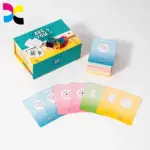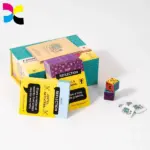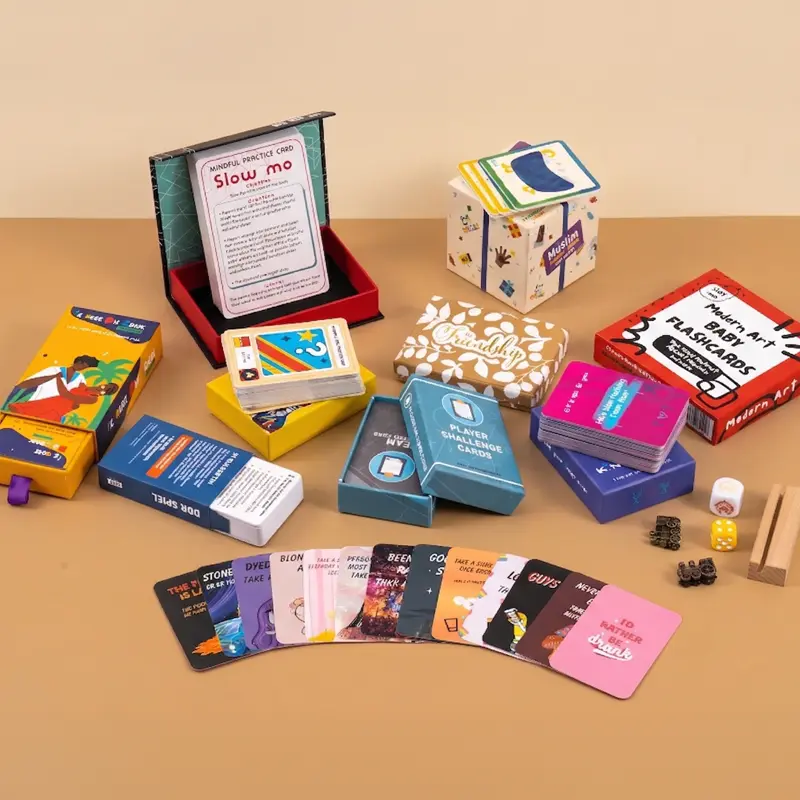
The global learning landscape has shifted dramatically over the past decade. EdTech platforms, mobile learning apps, AI-powered tutoring systems, and algorithm-driven spaced repetition tools have transformed how students consume information. From language-learning apps to professional certification platforms, digital solutions promise speed, automation, and efficiency. As screens increasingly dominate classrooms and self-study routines, many educators and brands are re-evaluating traditional printed materials.
So, in the debate of paper flashcards vs digital, which helps you remember better and learn faster?
The short answer: both can be effective—but physical flashcards often promote deeper memory retention, while digital flashcards offer greater convenience and scalability. The best choice depends on learning context, cognitive engagement, and long-term goals.
This article explores the differences between paper and digital flashcards from a scientific, practical, and business perspective—so you can make an informed decision.
Paper Flashcards vs Digital: What’s the Difference?
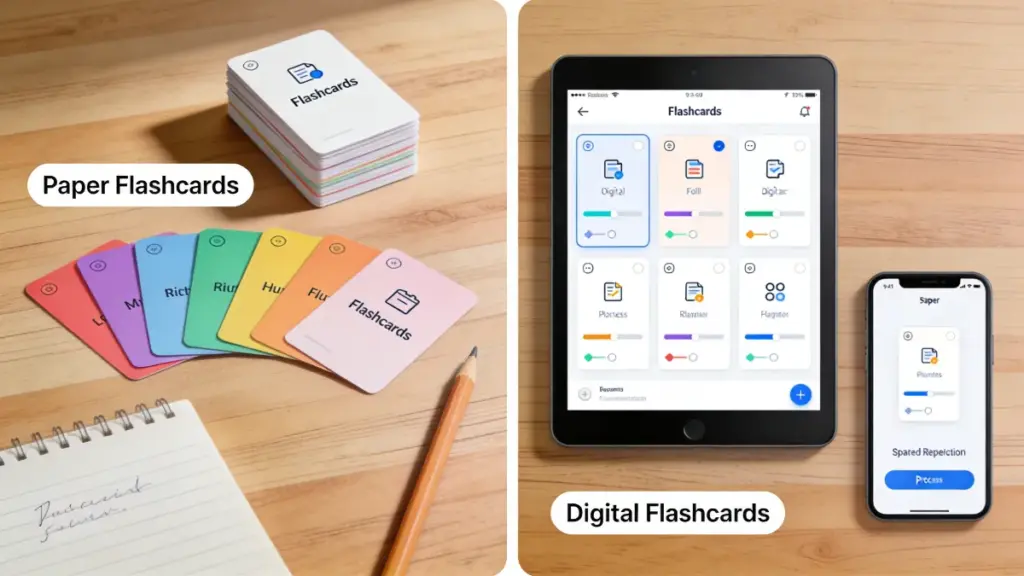
At its core, the comparison between paper flashcards vs digital flashcards is about interaction design and cognitive engagement.
Physical flashcards are tangible learning tools. They involve touch, motion, spatial organization, and visual focus. Digital flashcards exist within software environments, often enhanced by automation, multimedia, and progress tracking systems.
Below is a direct comparison to illustrate the key differences:
| Aspect | Paper Flashcards | Digital Flashcards |
|---|---|---|
| Format | Physical printed cards | App or web-based interface |
| Sensory Input | Tactile + visual | Primarily visual + audio |
| Memory Engagement | Strong kinesthetic reinforcement | Algorithm-driven repetition |
| Distractions | Minimal | Potential notifications / multitasking |
| Portability | Physical deck required | Accessible across devices |
| Customization | Fixed once printed | Easily editable and expandable |
| Production Cost | Printing + logistics | Development + hosting |
| Scalability | Economies of scale | Infinite duplication |
| Brand Value | High perceived tangible value | Digital service perception |
Printed flashcards come in various formats depending on their educational purpose. If you want to explore the different types of flashcards used in language learning, early education, and professional training, understanding these formats helps clarify why physical cards remain widely adopted.
Do Physical Flashcards Improve Memory Retention?

Physical flashcards naturally encourage active recall, a learning method where the brain retrieves information without cues. The act of flipping a card forces a pause—a moment of cognitive effort that strengthens neural pathways.
Several cognitive factors contribute to stronger retention with physical cards:
- Embodied cognition: Physical manipulation enhances encoding.
- Spatial memory cues: Learners remember card position and grouping.
- Reduced digital distraction: No alerts, no app switching.
- Manual spaced repetition: Sorting piles reinforces categorization.
Research in cognitive psychology shows that effective learning often involves “desirable difficulty,” a concept introduced by Robert A. Bjork. Tasks that require effortful retrieval—such as using flashcards—enhance long-term retention. Physically managing a deck and actively recalling answers increases cognitive effort, which strengthens memory consolidation and improves long-term recall. For children, this effect is even more pronounced. Fine motor development and sensory interaction are part of early learning. A printed vocabulary card does more than present information; it engages developmental processes.
Digital flashcards can replicate spaced repetition through algorithms, but they often reduce learner agency. When the system schedules reviews automatically, the user may become passive. In contrast, manually organizing physical cards reinforces intentional learning behavior.
Are Digital Flashcards More Convenient?
With a smartphone, learners can access thousands of cards instantly. Cloud synchronization allows seamless switching between devices. Progress tracking visualizes improvement, and adaptive algorithms optimize review intervals.
Digital flashcards offer advantages such as:
- Instant scalability
- Searchable databases
- Multimedia integration (audio, video, animation)
- Automatic spaced repetition scheduling
- Real-time progress analytics
For university students managing complex subjects or professionals studying for certifications, digital systems reduce administrative effort. There is no need to manually reorganize decks; the software handles scheduling.
However, convenience introduces trade-offs:
- Screen fatigue reduces focus.
- Multitasking temptation weakens attention.
- Learning sessions may become shorter and less deliberate.
Convenience improves accessibility—but does not automatically guarantee better learning outcomes.
When Are Paper Flashcards Better Than Apps?

There are clear contexts where physical flashcards outperform digital alternatives.
Early Childhood Education
Parents and educators often limit screen time. Physical cards integrate naturally into hands-on teaching methods, group activities, and classroom interaction.
Exam Preparation
Students preparing for standardized tests frequently prefer analog tools. Paper flashcards simulate non-digital exam environments and reduce online distractions.
Retail & Gifting Markets
Educational products purchased as gifts benefit from tangible packaging. A well-designed flashcard set conveys quality and value in a way digital downloads cannot.
Low-Tech Environments
In regions with limited internet access, printed flashcards remain reliable and independent learning tools.
Tactile Learners
Some learners simply retain information better when physically handling materials. While learning style theories are debated, user preference strongly influences motivation—and motivation drives consistency.
The physical size of a flashcard also impacts usability. Different dimensions of flashcards influence readability, portability, and how comfortably learners can handle the deck.
Cost Comparison: Printed vs Digital Flashcards
From a business standpoint, the cost comparison between paper flashcards vs digital flashcards is complex.
Digital products eliminate physical production costs but require:
- Software development
- Platform maintenance
- Hosting infrastructure
- Ongoing updates and support
Printed flashcards require:
- Cardstock material (e.g., 300–350gsm)
- Core layers (black or blue core to prevent transparency)
- Printing and coating
- Die-cutting and packaging
- Logistics and shipping
However, printed flashcards benefit from economies of scale. Larger production volumes significantly reduce per-unit costs. Additionally, premium finishes—such as linen texture, matte lamination, UV coating, or eco-friendly soy ink—enable higher retail pricing.
Digital products often rely on subscription models. Physical flashcards generate revenue through one-time retail sales or bundled educational kits.
For brands, the decision depends on revenue structure. For publishers and education retailers, physical flashcards remain highly monetizable.
Hybrid Learning: Combining Paper and Digital

Rather than asking which format will replace the other, many education brands integrate both:
- Physical flashcards with QR codes linking to audio content.
- Companion mobile apps for review tracking.
- Printed decks as primary tools, digital systems as supplements.
- Bundled physical products with premium online access.
This approach combines:
- Deep tactile engagement
- Automated spaced repetition
- Brand visibility through physical packaging
- Data tracking through digital platforms
Hybrid learning models allow brands to diversify revenue streams while delivering stronger educational outcomes.
The debate between paper flashcards vs digital is gradually shifting toward integration rather than opposition.
Why Education Brands Still Choose Paper Flashcards
Despite digital expansion, education brands continue investing in printed flashcards for strategic reasons.
Brand Perception
High-quality printed materials enhance credibility. Premium packaging, durable lamination, and professional design elevate brand identity.
Retail Compatibility
Physical products remain essential for bookstores, toy retailers, museum shops, and educational supply chains.
Durability & Safety
For children’s products, non-toxic ink, FSC-certified paper, and strong lamination ensure safety and longevity.
Price Positioning
Physical flashcards can be positioned as premium educational tools rather than low-cost digital downloads.
From a manufacturing standpoint, consistent thickness, accurate die-cutting, color precision, and long-term reorder stability are critical. Poor quality undermines learning effectiveness and brand trust.
For these reasons, printed flashcards maintain strong demand—even in digitally advanced markets.
Looking to Create High-Quality Custom Flashcards?
If you are developing an educational flashcard product, production quality determines market success.
Inconsistent thickness, color deviation, weak lamination, or imprecise cutting can damage both usability and brand reputation.
At Xinyi Card Printing (https://xinyicardprinting.com/), we specialize in manufacturing high-quality custom flashcards for education brands, retailers, publishers, and emerging learning startups worldwide.
We provide:
- Premium cardstock options (300–350gsm, black core, blue core)
- Matte, gloss, or linen finishes
- FSC-certified and eco-friendly materials
- High-precision color management
- Consistent batch production for long-term reorders
- Integrated packaging solutions (boxes, rings, instruction manuals)
Whether you are launching early childhood vocabulary cards, professional training decks, or language-learning products, we support both small MOQ pilot runs and scalable mass production.
Final Thoughts: Paper Flashcards vs Digital Flashcards
So, are physical flashcards still useful in the digital age? Absolutely.
In the comparison of paper flashcards vs digital, each format offers distinct advantages. Digital tools deliver automation and convenience. Physical flashcards promote deeper engagement, tactile reinforcement, and strong brand presence.
For learners seeking better retention, physical flashcards often provide stronger cognitive impact. For brands seeking scalable growth, combining both formats offers the greatest opportunity.
Technology has transformed education—but it has not eliminated the power of well-designed printed materials.
When designing flashcards, many projects run into problems long before printing begins—text feels cramped, cards are hard to handle, or production costs turn out higher than expected. In most cases, the issue comes down to one overlooked factor: card dimensions.
As flashcards continue to grow in demand across education, training, and retail markets, choosing the right size has become more important than ever. This guide explains the standard dimensions of flashcards and how to select the right size before printing.
Read More: What Is the Trading Card Size? Everything You Need to Know
What Are the Standard Dimensions of Flashcards?
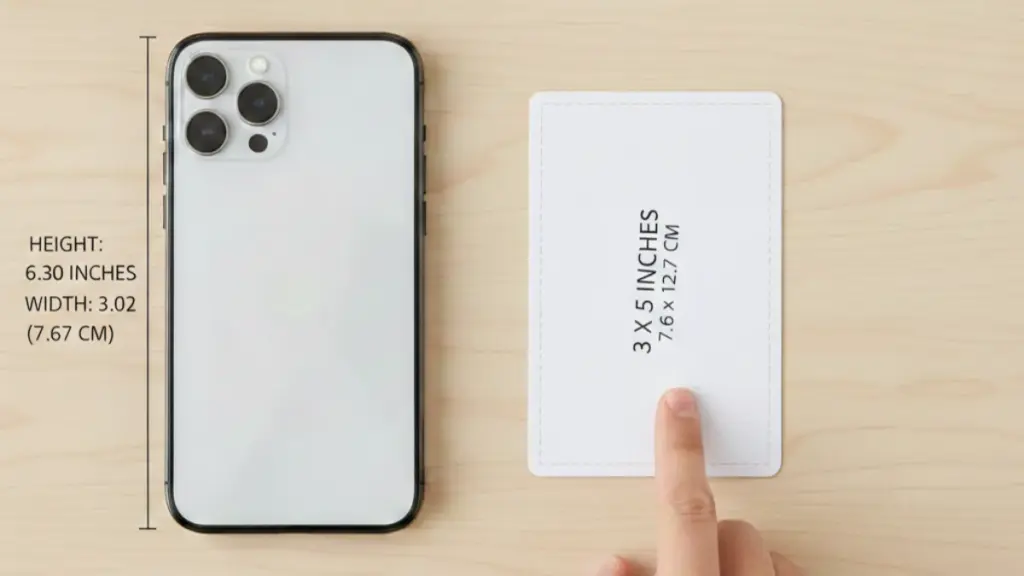
Across the education and stationery market, the most widely recognized standard flashcard size is 3 × 5 inches (about 7.6 × 12.7 cm). The most common standard flashcard dimensions are:
- 3 × 5 inches (76 × 127 mm)
- 4 × 6 inches (102 × 152 mm)
- 2.5 × 3.5 inches (63 × 88 mm, poker-size)
- A6 (105 × 148 mm)
Below, we provide a closer look at each size and its typical applications.
3 × 5 Inches (76 × 127 mm)
This classic size is compact yet provides enough space for questions and answers. It is versatile for general study, easy to shuffle, and suitable for both students and professionals in individual or small group learning.
4 × 6 Inches (102 × 152 mm)
A larger card offering more room for text or illustrations. Ideal for classroom teaching, children’s learning, or any scenario where visibility and clear organization are important.
2.5 × 3.5 Inches (63 × 88 mm, Poker Size)
A small, portable card that fits easily in pockets or small storage boxes. Often used for quick review or mobile learning, providing convenience without sacrificing usability.
A6 (105 × 148 mm)
An internationally recognized size that aligns with ISO paper standards. Provides a professional look and accommodates simple diagrams, text, or corporate training materials efficiently.
Flashcard Sizes and Recommended Applications
| Application / Scenario | Recommended Flashcard Size |
|---|---|
| Individual study or review | 3 × 5 in (76 × 127 mm) |
| Classroom teaching or group activities | 4 × 6 in (102 × 152 mm) |
| Portable or travel-friendly flashcards | 2.5 × 3.5 in (63 × 88 mm) |
| Corporate training or professional materials | A6 (105 × 148 mm) |
| Flashcards with diagrams or illustrations | 4 × 6 in (102 × 152 mm) |
How to Choose the Right Flashcard Dimensions Before You Print

Selecting the right flashcard dimensions is a practical decision that should be based on usage, content, and production requirements. Here are the key questions we usually walk through with clients before we start tooling and printing.
1. What Type of Content Will Go on Each Card?
Start by thinking about what each card needs to hold.
- Short prompts only (single words, short formulas): small or standard sizes like 2 x 3.5 in or 3 x 5 in are usually enough.
- Text plus small diagrams or examples: 4 x 6 in or A6 gives you more flexibility without feeling oversized.
- Large illustrations, charts, or multi‑step explanations: 5 x 7, 5 x 8, or even 6 x 9 can make sense, especially for teaching sets.
If you already have sample layouts in a design tool, sharing them with your printer is helpful – we can quickly see whether your planned content will feel cramped on a chosen size.
2. Who Is the End User?

Audience age and context play a big role.
- Young children: Larger cards (A6, 4 x 6, 5 x 7) with bigger type and strong visuals are easier for them to hold and see.
- Teen and adult self‑learners: 3 x 5 or A7 is often ideal for portability and quick review.
- Classroom or group sessions: 4 x 6, 5 x 7, or 5 x 8 improve visibility when a teacher holds up cards or places them on a board.
At Xinyi Printing, a common pattern we see is brands offering a main deck in 3 x 5 or A6, plus a separate teacher pack in a larger format.
3. How Will the Flashcards Be Used and Stored?
Use case affects both dimensions and thickness.
- On‑the‑go review (bags, pockets, commute): smaller cards are more practical and less likely to get damaged if paired with a tuck box or plastic case.
- Desk or home study: medium and large cards are fine, especially if they stay in a tray or on a stand.
- Classroom sets: you may need to consider storage boxes, hanging pockets, or bundled sets, which all interact with your chosen dimensions.
We also look at how you plan to package the product – for example, 100 cards of 3 x 5 in will require a smaller box than 100 cards of 5 x 8 in, and shipping weights and carton layouts change accordingly.
4. Which Markets Are You Selling To?
If you sell primarily in North America, inch‑based standards (3 x 5, 4 x 6, 5 x 8) make sense. If you target Europe and other ISO markets, A6 or A7 might feel more natural to buyers and retailers.
Some brands choose a core design and then have us adapt it to both an inch size and an A‑series size for different SKUs. That way, artwork and content stay consistent while the physical format fits local expectations.
5. What Does Your Budget and Print Run Look Like?
Larger cards use more material and can reduce how many pieces fit on a sheet, which affects cost per unit. For example:
- 3 x 5 in or A7 cards can often be ganged efficiently on standard press sheets, lowering waste.
- 5 x 8 in cards may require different sheet layouts, and their boxes and shipping cartons will also be bigger and heavier.
As a card printing manufacturer, we can simulate different nesting options on our press sheets and suggest the most cost‑efficient dimension within your desired range.
Contact Us
Choosing the right dimensions of flashcards before printing can prevent costly revisions and ensure your cards are effective, durable, and easy to use.
At Xinyi Printing, we work closely with clients to:
- Recommend suitable flashcard dimensions based on use and content
- Provide professional guidance on materials and finishes
- Support both low-MOQ and large-scale production
- Ensure consistent quality from design to final delivery
If you are planning a flashcard project and would like expert advice on dimensions, printing specifications, or customization options, our team is ready to assist.
👉 Visit https://xinyicardprinting.com/ to contact us and start your inquiry.
Flashcards have been used as a learning tool for decades, and for good reason. Simple in form yet powerful in practice, flashcards help learners actively recall information, reinforce memory, and study more efficiently.
However, not all flashcards are the same. From basic question-and-answer cards to image-based and fill-in-the-blank formats, different types of flashcards are designed for different learning goals. As a professional card printing manufacturer working with educators, publishers, and educational brands worldwide, we often see confusion around which flashcard type works best—and how those cards are actually made.
This guide walks you through the different types of flashcards, how they are used, and how to choose the right format for your learning or printing project.
What Are Flashcards and Why Are They So Effective?

Flashcards are learning cards that present information in small, digestible pieces—usually with a prompt on one side and an answer on the other. They are widely used for memorization, concept reinforcement, and long-term retention.
What makes flashcards effective is active recall. Instead of passively reading, learners must retrieve information from memory, which strengthens neural connections. Flashcards also work well with spaced repetition, allowing learners to review content at optimal intervals.
Because of this flexibility, flashcards are used across age groups and subjects—from early childhood education to language learning, medical studies, and professional training.
Read Now: How to Use Flashcards Effectively with Kids
4 Main Types of Flashcards (With Examples)
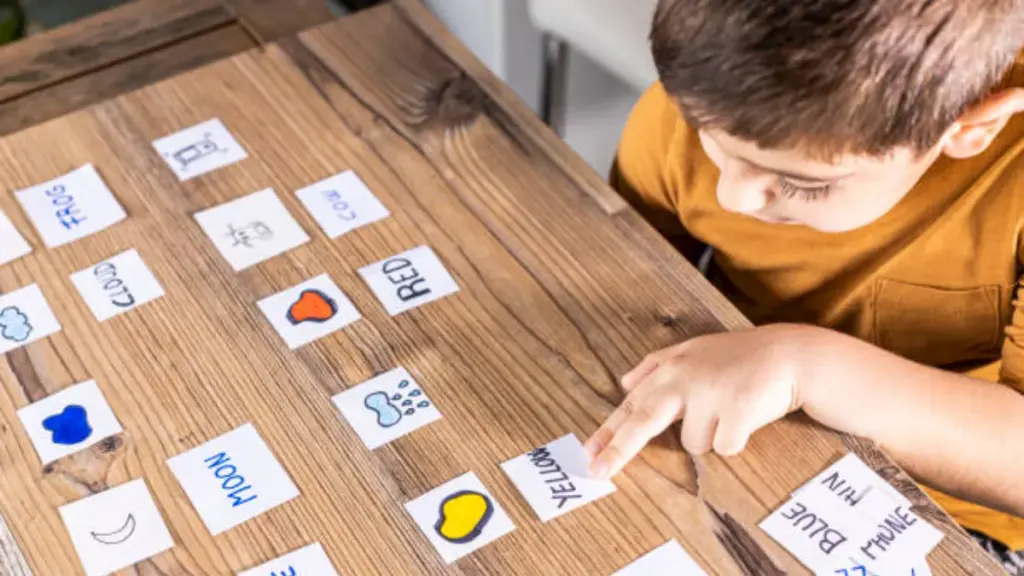
Although flashcards can be customized in countless ways, most fall into 4 core types. Understanding these foundational formats helps you choose the right structure before thinking about design or production.
Traditional Question-and-Answer Flashcards
This is the most common flashcard format. One side shows a question, term, or prompt; the other provides the answer or explanation. This format works best when learners need clear, direct recall.
Common uses:
- Exam preparation
- General knowledge review
- Training and certification programs
Vocabulary and Definition Flashcards
Vocabulary flashcards are a variation of the question-and-answer format, but they focus specifically on words and meanings. One side usually features a word, while the reverse explains the definition, pronunciation, or example sentence.
Common uses:
- Language learning
- Academic terminology
- Professional or industry-specific vocabulary
These flashcards are often produced as sets and may include visual cues or icons to support memory, especially for younger learners or second-language students.
Image-Based Flashcards
Image-based flashcards rely heavily on visuals. One side typically shows a picture, symbol, or illustration, while the other includes a word, label, or explanation. For children, image-based flashcards are especially effective.
Common uses:
- Early childhood education
- Visual learning
- Object recognition and concept building
Cloze Deletion (Fill-in-the-Blank) Flashcards
Cloze deletion flashcards present a sentence or statement with a missing word or phrase. The learner must recall and fill in the blank mentally before checking the answer.
Common uses:
- Advanced language learning
- Medical, legal, or technical studies
- Concept-based memorization
These cards are especially effective for learners who already understand the basics and want to strengthen contextual recall rather than simple definitions.
Digital Flashcards vs. Physical Flashcards
Flashcards have a long history that predates modern classrooms and technology. The earliest forms can be traced back to the 19th century, when educators used handwritten cards to help students memorize facts, vocabulary, and formulas. These physical cards became popular because they were simple, portable, and effective for active recall.
As learning moved into the digital age, digital flashcards emerged in response to new study habits and technologies. Computers, smartphones, and learning apps made it possible to store large numbers of cards, automate review schedules, and study anytime without carrying physical materials. Spaced repetition algorithms and cloud-based access further accelerated the adoption of digital flashcards, especially among students and self-learners.
However, the rise of digital flashcards did not replace physical ones. Instead, the two formats now coexist, each serving different learning styles, age groups, and use cases.
Below is a clear comparison to help you understand how digital and physical flashcards differ in practice.
| Aspect | Digital Flashcards | Physical Flashcards |
|---|---|---|
| Format | App-based or web-based | Printed cards made from paper or board |
| Portability | Accessible on phones, tablets, or computers | Portable but require physical storage |
| Learning Experience | Screen-based, often automated | Tactile, hands-on interaction |
| Best For | Independent learners, exam prep, large content sets | Children, classrooms, group activities |
| Customization | Easy to edit content digitally | Fully customizable in size, material, finish |
| Durability | Depends on device and software | Depends on paper, thickness, and lamination |
| Classroom Use | Limited by device availability | Ideal for shared and interactive learning |
| Retail & Educational Products | Not suitable | Commonly used for packaged learning products |
Best Practices for Studying With Different Types of Flashcards
No matter which type you use, effective flashcard study follows a few core principles:
- Keep information concise—one idea per card
- Shuffle cards regularly to avoid memorization by order
- Review difficult cards more frequently
- Combine flashcards with active recall and spaced repetition
How Different Types of Flashcards Are Designed and Produced
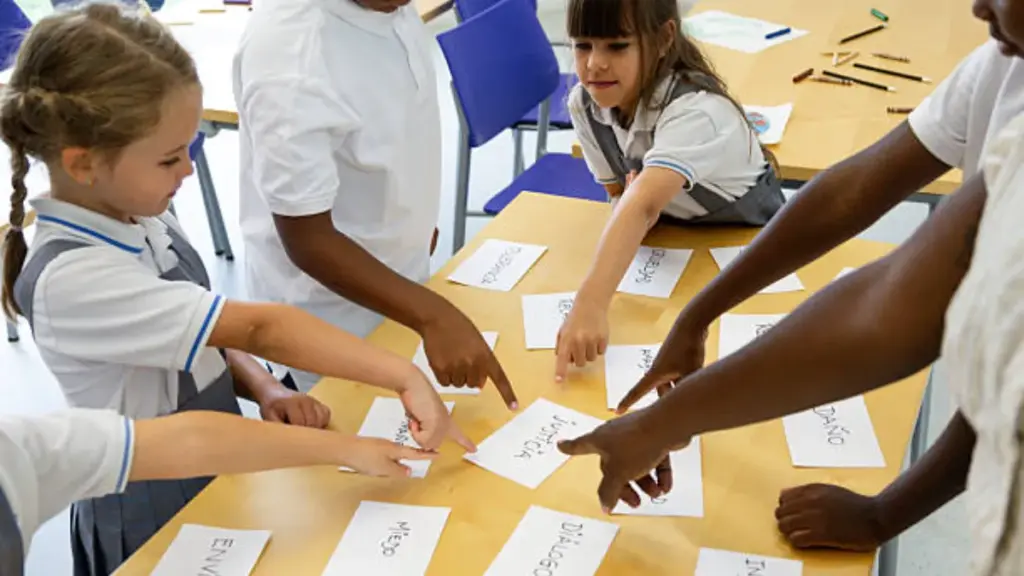
From a professional manufacturer’s viewpoint, each type of flashcard has its own design and production considerations. At Xinyi Printing, we see this every day when we help clients turn ideas into physical products.
- Content planning
- Decide the goal: early education, exam prep, language learning, therapy, or branding.
- Choose the card type: Q&A, vocabulary, image-based, cloze, or a mix.
- Plan the number of cards, categories, and any color‑coding or icon system.
- Graphic design and layout
- Select card size (e.g., poker size, bridge size, mini cards, or custom sizes).
- Choose fonts that are clear and readable at small sizes.
- For image-based sets, ensure high‑resolution artwork and consistent style across the deck.
- Add design elements such as borders, icons, and background colors while keeping the learning content easy to see.
- Material selection
- Cardstock thickness: Thicker stocks feel more premium and withstand heavy use. Common choices include 250–350 gsm or custom boards for flashcards used in schools.
- Finish: Matte lamination for less glare in classrooms, or glossy lamination for vibrant colors and easier cleaning (useful for kids’ cards).
- Corners: Rounded corners improve safety and reduce wear, especially for children’s and therapy cards.
- Printing and color management
- Use high-quality printing processes (such as offset printing) to keep colors accurate from the first card to the last card.
- Calibrate colors for images so skin tones, diagrams, and product branding look correct.
- For sets with multiple color groups, ensure each group is clearly distinguishable but not too aggressive on the eyes.
- Cutting, collation, and packaging
- Precision cutting keeps card edges smooth and uniform.
- Cards are sorted and stacked in the correct order or grouped by category, according to the client’s plan.
- Packaging options include tuck boxes, rigid boxes, magnetic boxes, or custom cases. Many educational publishers print instructions or quick‑start guides inside the box.
Working with an experienced flashcard printer like Xinyi Printing means you can focus on the educational content while relying on us to handle the technical side—materials, finishes, color consistency, and packaging—to produce a durable, professional product that reflects your brand.
Choosing the Right Flashcard Type for Your Project
Choosing the right flashcard type starts with one simple question: how will the cards actually be used? Different learning scenarios place very different demands on size, material, and structure.
For children and early learners, image-based physical flashcards made from thick board are usually the best option. They are easier to handle, more durable, and safer for frequent use. Rounded corners and sturdy materials help the cards last longer in real classroom or home environments.
For language learning, vocabulary and fill-in-the-blank flashcards are widely used. These can be produced on standard paper or laminated for repeated practice. Clear layouts, readable fonts, and consistent card sizes are more important here than decorative design.
If the flashcards are intended for exam preparation or professional study, question-and-answer formats work best. Learners typically prefer compact, easy-to-review sets with clean typography and a durable finish that can withstand heavy use.
For classrooms or retail educational products, physical flashcards remain the preferred choice. They support group interaction, do not rely on devices, and can be fully customized in size, material, and packaging.
Common Flashcard Customization Options
Customization allows flashcards to better match learning goals and brand identity. Common options include:
- Custom sizes and shapes
- Double-sided or single-sided printing
- Rounded corners for safety
- Matte or gloss lamination
- Custom packaging for retail or gifting
For publishers and brands, consistent quality across the entire set is essential, especially when producing flashcards in large quantities.
FAQs About Different Types of Flashcards
1. Is one type of flashcard always better than the others?
No. Each type plays a different role. Question-and-answer and cloze cards are strong for active recall, vocabulary cards build language and terminology, and image-based cards are great for visual learning and early education. The best projects often combine several types.
2. How many cards should be in a flashcard set?
There is no fixed rule, but many educational sets range from 30 to 150 cards. Smaller sets are easier for young children or targeted topics. Larger sets are suitable for comprehensive courses or exam prep.
3. Are physical flashcards still useful if I already use an app?
Yes. Many learners use apps for everyday review and printed cards for focused, offline sessions or group activities. Teachers and parents also value physical cards because they can be shared, passed around, and used in games without screens.
4. Which flashcard type is best for kids?
For younger children, image-based cards with clear pictures and simple words work very well. As children grow, you can gradually add vocabulary cards and simple Q&A cards. For more ideas on working with kids, see our article “How to Use Flashcards Effectively with Kids” on the Xinyi site.
5. How do I get my own flashcards printed?
First, finalize your content and decide on the card types you want to include. Then choose your preferred size, material, and finish. You can send your print‑ready files or work with our team to prepare them. As a specialized card manufacturer, Xinyi can guide you through sampling, production, and packaging so your flashcards are ready for teaching, selling, or distribution.
If you are planning a flashcard project—whether for a school, brand, online course, or your own learners—Xinyi can help you turn these different types of flashcards into a professional, durable product tailored to your audience and goals.
Flashcards have been a staple learning tool for decades, but not all flashcards are created equal. When designed and used thoughtfully, they can boost memory, improve engagement, and make learning more interactive for children. As a card printing manufacturer, we at Xinyi Printing have seen firsthand how high-quality materials, clear visuals, and durable construction can make a real difference in how kids interact with their learning tools.
In this guide, we’ll walk you through why flashcards work, how to use them effectively, and what to consider when designing and printing your own custom set.
Why Flashcards Work So Well for Kids

At their core, flashcards leverage a psychological process called active recall. Unlike reading a textbook or watching a video—where information is passively consumed—flashcards force the brain to retrieve a memory from scratch. When a child sees a picture of an apple and has to say the word “Apple,” their brain is building a stronger neural pathway than if they were just looking at a labeled diagram.
Flashcards tap into several key learning principles that make them particularly effective for children.
Memory Boost Through Active Recall: Flashcards encourage kids to actively retrieve information rather than passively read it. This process strengthens memory retention. When a child sees a card, recalls the answer, and checks it, the brain reinforces the connection, making the information easier to remember over time.
Short, Focused Learning Sessions: Children often have limited attention spans. Flashcards allow learning to be broken into small, manageable chunks, usually 5–10 minutes at a time. Frequent, short sessions are more effective than long, drawn-out study periods.
Multi-Sensory Engagement: Flashcards combine visual, tactile, and sometimes auditory elements, which enhances learning. Bright images, clear text, and the physical act of handling cards help children process information in multiple ways.
Child-Centered Learning: Flashcards can be customized to match a child’s current skill level, interests, and learning goals. This makes them more engaging than generic worksheets or textbooks and allows children to progress at their own pace.
Read Now: Different Types of Flashcards: Complete Guide for Effective Studying
5 Pro-Proven Methods to Use Flashcards Effectively

Using flashcards effectively goes beyond simply showing the cards and asking questions. Here are 5 proven strategies that can make learning more engaging and impactful for children:
1. Fast Flashing (Inspired by the Shichida Method)
Briefly showing cards for a second or two can create rapid visual stimulation. The goal isn’t deep analysis—it’s to capture the child’s attention and encourage their brain to quickly recognize shapes, colors, or words. This method works particularly well with very young children, helping them stay engaged with the learning process.
2. The Leitner System
Organizing flashcards into different boxes based on performance can help children focus on what they haven’t mastered yet. Cards answered correctly move to a box that’s reviewed less frequently, while cards answered incorrectly stay in the “practice” box. This system encourages repeated review of weaker areas, making learning more efficient and personalized.
3. Total Physical Response (TPR)
Incorporating movement into flashcard practice keeps children active and engaged. For example, you might spread cards on the floor and ask the child to “jump on the lion” or “run to the blue card.” By combining physical activity with learning, kids can reinforce memory through both sight and motion, which makes the experience more interactive and fun.
4. Story Building
Encourage creativity by asking children to pick a few random cards and create a short story using the images or words. This method moves learning from simple recognition to creative application. It also promotes language development, logical thinking, and the ability to connect concepts in a meaningful way.
5. The “Hide and Seek” Game
Turning flashcards into a game can make review sessions exciting. Hide cards around the room and have children find them. When they pick up a card, they need to correctly identify the image or word to “collect” it. This approach combines problem-solving, movement, and memory practice, keeping children motivated and attentive.
By combining these methods, you can transform flashcard practice into an engaging, multi-sensory experience. Each approach can be adapted to your child’s age, interests, and learning stage, ensuring that the cards remain both fun and effective.
Why Flashcard Quality Matters for Kids’ Engagement
As a manufacturer, we’ve observed that the quality of a flashcard can significantly influence a child’s willingness to engage with it. A well-made card invites touch, exploration, and repeated use, while a low-quality card can lead to frustration or disinterest.
Tactile Experience: Cards that are thick, have smooth finishes, and rounded corners feel better in children’s hands. Cards that are flimsy or rough are harder to handle and can quickly lose appeal.
Color Accuracy and Visual Appeal: Children respond to bright, accurate colors and clear images. Cards that are dull, faded, or visually cluttered are less likely to hold attention. Accurate color reproduction also helps with learning concepts like shapes, animals, or letters.
Durability for Long-Term Use: Flashcards are often handled hundreds of times. Durable printing and quality card stock prevent tearing, bending, or color fading, allowing the cards to maintain their usefulness over time.
How Quality Influences Engagement: When cards feel good to touch, look visually appealing, and survive repeated use, children are naturally more inclined to use them, turning learning into a consistent habit.
At Xinyi Printing, we specialize in producing durable, high-quality flashcards that retain color fidelity and provide the tactile experience kids enjoy. This ensures your custom flashcards remain a favorite learning tool for a long time.
How to Design Flashcards for Maximum Learning Impact
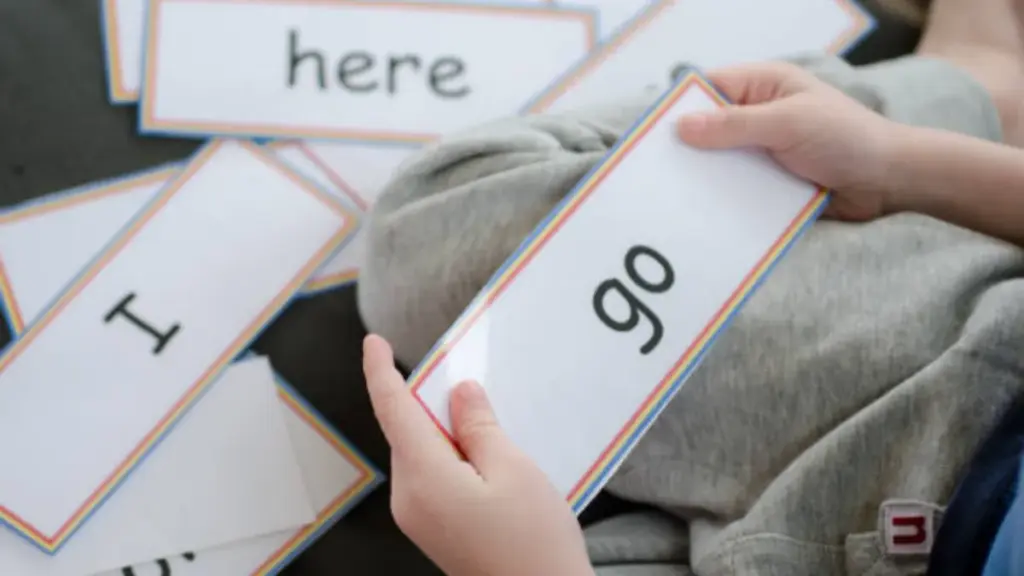
Designing flashcards is about balancing educational value with usability and engagement.
Age-Appropriate Content: Younger children benefit from simple images and basic words, while older children can handle more complex information or sentences. Tailoring content to developmental stages is essential for effective learning.
Visual Layout and Fonts: Keep layouts clean and organized. Use clear, legible fonts and consider font size relative to the child’s age. Pair text with images to reinforce understanding.
Interactive and Game-Friendly Design: Flashcards that allow for interaction—matching, sequencing, or problem-solving—encourage active engagement. Designing with play in mind increases both enjoyment and retention.
Balanced Information: Avoid overcrowding cards. Each card should focus on one idea or concept. Too much information can overwhelm and reduce learning efficiency.
Choosing Materials and Printing Options
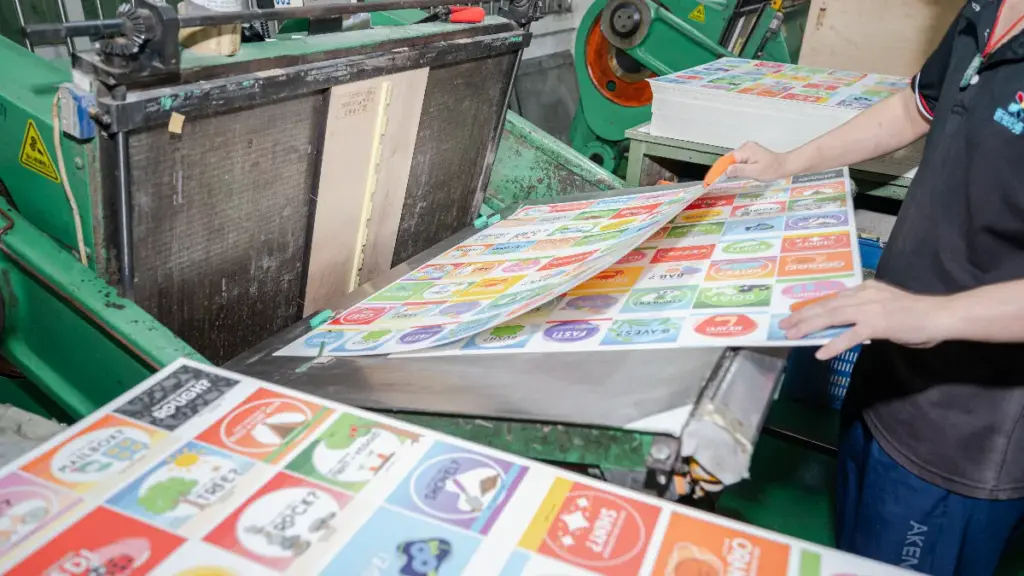
Choosing the right materials is where many educational brands struggle. At Xinyi Card Printing, we recommend paying attention to paper stock, finishing, and printing techniques to ensure your flashcards are long-lasting, safe, and engaging.
Paper Material, Thickness, and Weight
For children’s flashcards, we suggest using high-quality, coated cardstock that can withstand frequent handling. Typical specifications we offer include:
- Paper thickness: 300–400 gsm (grams per square meter) for standard flashcards; thicker options up to 450 gsm for extra durability.
- Material type: Matte or glossy coated paper, which provides smooth surface handling and improves ink adherence.
- Weight: Heavier card stock feels sturdy in little hands and resists bending or curling over time.
Rounded Corners for Safety and Usability
Cards for children should have smooth, rounded corners to prevent paper cuts and make shuffling easier. At Xinyi, we commonly provide R3 or R5 radius rounded corners, depending on your design preference.
Lamination and Surface Finishes
Lamination adds durability, enhances color vibrancy, and makes cards easier to clean. Options include:
- Gloss lamination for bright, eye-catching colors.
- Matte lamination for reduced glare, suitable for reading or classroom use.
- Soft-touch or anti-scratch coatings for premium tactile experience.
Printing Quality and Ink Options
High-quality printing ensures images and text are sharp and colors remain vibrant over time. At Xinyi, we use soy-based, non-toxic inks that meet international safety standards (EN71/ASTM), making them safe for children to handle. Our printing options include:
- CMYK full-color printing for detailed illustrations and realistic colors.
- Spot color printing for logos or specific elements.
- Special effects such as metallic or UV coating for educational or premium card designs.
Custom Sizes and Shapes
We can tailor the size of your flashcards to your educational goals. Standard sizes range from 65×90 mm to 90×120 mm, but we can accommodate fully custom dimensions to fit your unique design requirements.
Common Mistakes to Avoid When Using Flashcards
Even well-designed flashcards can fail if certain pitfalls are ignored:
Overloading Cards: Putting too much information on a single card can overwhelm children and reduce retention.
Ignoring Age and Cognitive Level: Using cards that are too complex or too simple can hinder learning. Cards should match the child’s development stage.
Low Durability or Poor Materials: Cheap or flimsy cards tear easily, fade, or lose their shape. This reduces repeated use and can frustrate children.
Lack of Variety or Interaction: Cards that are only used in a static, drill-like manner become boring. Incorporate games and activities to maintain interest.
By addressing these common issues, you ensure that your flashcards remain both effective and engaging.
Conclusion: Make Flashcards Fun, Durable, and Educational
Flashcards are more than a teaching tool—they’re a bridge between learning and play. To maximize their potential, it’s important to consider not just how they’re used, but how they’re made. High-quality materials, vibrant printing, and thoughtful design all contribute to children’s engagement and learning outcomes.
If you’re looking to create flashcards that last, look great, and support effective learning, Xinyi Printing offers professional custom card printing services. From selecting the right paper and finishes to ensuring color accuracy and durability, we help educators, schools, and parents produce flashcards that children will enjoy using again and again.
Whether you want to create a classroom set, a custom learning game, or a personalized home study deck, starting with quality design and printing makes all the difference. Explore our services today and take the first step toward custom flashcards that truly support learning and engagement.
Starting a trading card business is exciting, but many founders struggle with the same questions: should they resell cards or create their own, how much it really costs to get started, and what steps actually matter in the beginning. Poor decisions early on—especially around production and budgeting—can be expensive to fix later.
This guide walks you through a clear 9-step roadmap, showing exactly what to do to start and grow a trading card business in today’s market. It explains how the business works, what to prepare before printing, and how to move from idea to launch with confidence. Written from the perspective of a professional trading card printing manufacturer, this updated guide reflects current industry practices and serves as a practical blueprint you can follow.
What Is a Trading Card Business and How Does It Make Money?
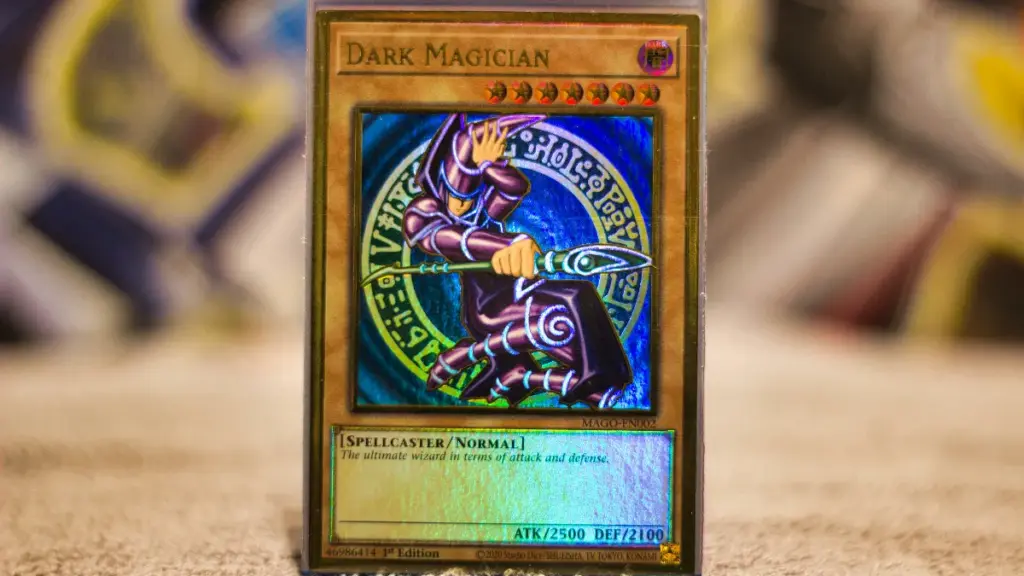
A trading card business is any operation that creates, sells, or resells collectible or game-oriented cards for profit. That includes original trading card games (TCGs), licensed collectibles, sports cards, character cards for brands, and more. Most trading card businesses make money in a few main ways:
- Selling sealed products like booster packs, starter decks, and boxed sets.
- Selling single cards, especially graded or high-value “chase” cards.
- Selling custom or branded cards for events, influencers, or companies.
The key is simple: you buy or produce cards at one cost, then sell them at a higher perceived value through design, rarity, branding, and customer experience.
Is Trading Card Business Profitable in Today’s Market?
Yes, but profitability is not guaranteed.
The market has grown significantly over the past decade, driven by online communities, livestream sales, crowdfunding platforms, and nostalgia-driven demand. However, competition has also increased. The most profitable trading card businesses today usually share three traits:
- A clearly defined niche
- Controlled production costs
- Consistent product quality
New entrants who underestimate manufacturing costs, overproduce inventory, or rush to market without validation often struggle. Profitability comes from planning, not speed.
Trading Card Market Overview and Key Opportunities
Today’s trading card market is no longer dominated solely by large brands. Independent creators and small studios now launch successful projects through:
- Crowdfunding campaigns
- Direct-to-consumer online stores
- Community-driven marketing (Discord, social platforms)
Key opportunities include:
- Niche themes with passionate audiences
- Limited runs and premium finishes
- Custom-designed card games or educational decks
Tips: Shorter print runs with flexible customization are increasingly popular—especially for startups testing the market.
Trading Card Business Models Explained
Before taking any operational steps, you need to choose a business model.
- Reseller model: Buying and selling existing cards. Lower creative effort, higher dependence on market prices.
- Creator model: Designing and producing your own card set or game. Higher setup effort, but more control over branding and margins.
- Hybrid model: Selling existing cards while gradually introducing original products.
Your model will directly affect your costs, timelines, and production requirements.
Step 1: Choose Your Niche and Target Customers
Before you dive into production or sales, it’s essential to choose your path based on the business model you prefer. The three main models we discussed—Creator, Reseller, and Hybrid—can each be thought of as a distinct route. Selecting a route helps you focus on the right niche, target audience, and next actions.
| If you are… / If you like… | Recommended Route | Why this Route Works |
|---|---|---|
| Creative and want to design your own cards | Creator (Original Cards) | You can offer unique products and build a brand around originality. |
| Interested in buying and selling popular cards | Reseller (Existing Cards) | You can start quickly with lower upfront design effort, focusing on sourcing and sales. |
| Want a mix of both creative control and resale opportunities | Hybrid (Mixed Model) | Combines originality with existing demand, building brand identity while leveraging market trends. |
| Unsure or exploring multiple interests | Start small with Hybrid | You can test both approaches with minimal risk and adjust based on customer response. |
Route 1: Creator (Original Cards)
Focus on designing and producing your own trading card sets. Your goal is to offer something unique that players or collectors cannot find elsewhere.
Next 3 actions:
- Define the theme or concept of your cards.
- Determine your initial card count, rarities, and product format.
- Plan artwork and printing specifications in consultation with a trading card printing manufacturer.
Route 2: Reseller (Existing Cards)
Focus on buying and selling popular cards, targeting collectors or investors.
Next 3 actions:
- Research which card sets or brands have high demand and resale value.
- Establish sourcing channels and pricing strategy.
- Identify your sales platform—online marketplaces, retail, or both.
Route 3: Hybrid (Mixed Model)
Combine reselling popular cards with limited original releases to build a brand and community.
Next 3 actions:
- Decide which portion of your inventory will be original vs resale.
- Align marketing and community engagement around both types of products.
- Coordinate production timelines so original products complement resale offerings.
As you choose your route, ask yourself: Who are my ideal customers? What motivates them to buy? And what unique value can I deliver? Keeping these questions in mind ensures that the next steps—planning, budgeting, and sourcing—are aligned with the right audience and business model.
Step 2: Create a Practical Trading Card Business Plan

After choosing your route in Step 1, it’s time to create a practical business plan. Your plan doesn’t need to be complex, but it must map out your product, audience, costs, and goals. A clear plan helps you stay organized and ensures your next steps—like production, marketing, and sales—are aligned with your chosen model.
Creator (Original Cards)
If you are designing your own cards, your plan should focus on product uniqueness and production feasibility.
Key actions:
- Define your card concept, theme, and target audience.
- Estimate production quantities, card types, and variations (rarities, foil, limited editions).
- Set realistic timelines for design, prototyping, and printing with your manufacturer.
- Outline pricing strategy and projected revenue per product line.
Reseller (Existing Cards)
If your model focuses on buying and selling popular cards, the plan should focus on sourcing, pricing, and inventory.
Key actions:
- Identify high-demand cards and reliable suppliers.
- Determine your inventory levels, purchase frequency, and budget.
- Set competitive pricing based on market research.
- Plan your sales channels—online marketplaces, local shops, or both.
Hybrid (Mixed Model)
For hybrid entrepreneurs, your plan should balance original products with resale inventory.
Key actions:
- Decide the mix between original and resale cards.
- Schedule production and sourcing so that original releases complement resale offerings.
- Align marketing and community engagement for both product types.
- Set pricing and profit targets for each product category.
Step 3: Calculate Startup Costs and Set Your Budget
Each business model has different cost drivers, so your budget should reflect your chosen route. Below are realistic cost ranges based on current market pricing for printing and retail inventory.
Creator (Original Cards)
Creators focus on designing and producing their own card products. Key cost components include design work, prototypes, printing, packaging, and initial marketing.
Typical Cost Ranges:
- Design and artwork: $300–$1,500 (depending on freelancer/agency)
- Prototyping: $30–$150 per prototype deck (digital print sample)
- Printing (Production run):
- 100–500 units: ~$1.00–$2.50 per card
- 500–1,000 units: ~$0.30–$0.80 per card (bulk)
Example: A standard 54‑card deck in a custom tuck box could be $250–$600+ for 1,000 sets depending on stock and finish.
- Packaging and finishing (foil, spot UV): $0.10–$0.60 per card extra
- Shipping & fulfillment: $10–$30 per carton domestically; higher for international
Estimated Total Startup Budget (Creator):
➡️ $1,500 – $6,000+ depending on run size, finishing quality, and packaging choices.
Reseller (Existing Cards)
Resellers don’t produce cards, but their budget mainly goes into acquiring inventory and preparing it for sale. Costs vary based on card types and volumes.
Typical Cost Ranges:
- Initial inventory: $1,500–$5,000+ for a diversified stock of popular sports or TCG cards
- Storage & shipping supplies: $100–$500
- Marketplace or listing fees: varies by platform (e.g., eBay, TCGplayer)
- Website setup (optional): $500–$2,000
Estimated Total Startup Budget (Reseller):
➡️ $3,000 – $7,000+ to build a meaningful inventory, cover initial fees, and prepare for sales.
Hybrid (Mixed Model)
This combines original card products with resale inventory. Your budget must reflect both production and inventory acquisition.
Typical Cost Ranges:
- Original printing (smaller runs): $300–$2,000 depending on run size and finish
- Existing card stock: $1,000–$5,000+
- Marketing & packaging: $500–$1,500
- Fulfillment & storage: $200–$800
Estimated Total Startup Budget (Hybrid):
➡️ $4,000 – $10,000+ depending on how heavily you weight original cards vs resale stock.
Budget Planning Tips
- Start with a prototype: Ordering a small print run or sample deck helps validate design and printing quality before large orders.
- Negotiate with manufacturers: Larger quantities often reduce per‑card cost significantly (a common threshold is 500–1,000 units).
- Include contingencies: Always set aside 5–10% of your total budget for unexpected revisions, delays, or shipping cost fluctuations.
By mapping your budget to the realities of printing and inventory acquisition, you can avoid overspending and shape realistic expectations before moving forward with production or sales.
Step 4: Source or Create Your Trading Cards
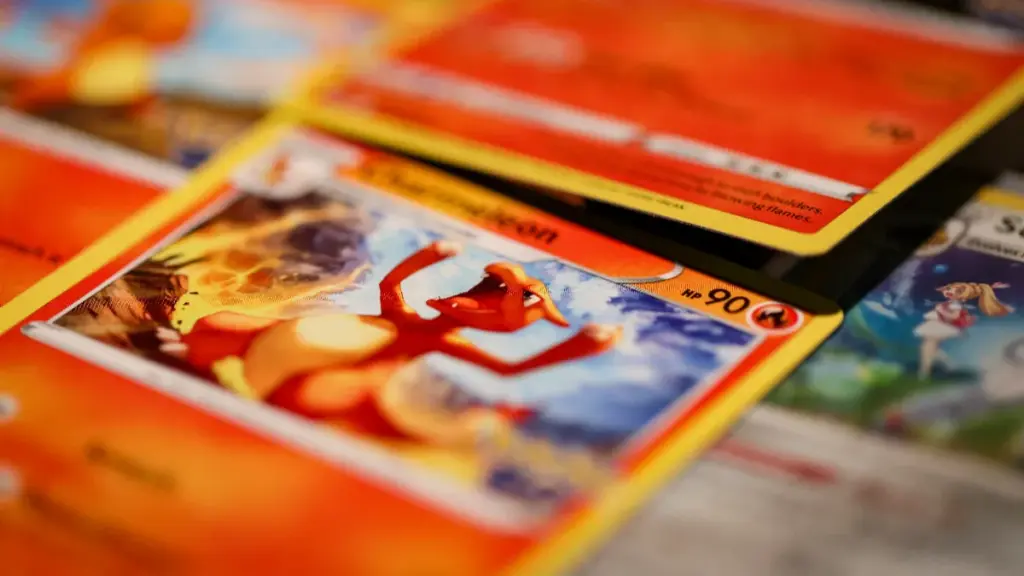
Once you’ve planned your budget and business strategy, the next step is to get your cards into production or sourcing. This step is where your business idea starts to become tangible. The approach differs depending on whether you are creating original cards, reselling existing ones, or doing a hybrid model.
Creator (Original Cards)
As a creator, your focus is on producing high-quality, unique cards that appeal to your target audience. This involves coordinating with designers and manufacturers.
Key actions:
- Finalize card design and artwork – ensure all graphics, text, and layouts are print-ready. You can learn more about the full design and printing process in our guide: How to Create and Print Custom Trading Cards
- Choose materials and finishes – decide on card stock, coatings (gloss, matte, linen), and packaging options. High-quality finishes improve durability and perceived value.
- Request prototypes from a manufacturer – get sample decks to check color accuracy, card thickness, and box fit before committing to a full print run.
- Confirm production timelines and quantities – align your printing schedule with launch plans to avoid delays.
Tip: Partnering with an experienced trading card manufacturer, like Xinyi, ensures your designs are optimized for production and reduces the risk of costly errors.
Read Now: Where to Print Custom Trading Cards?
Reseller (Existing Cards)
If you are focusing on reselling popular cards, sourcing strategy is key to profitability.
Key actions:
- Identify reliable suppliers or distributors – research wholesalers, retail auctions, or trade networks.
- Verify authenticity and condition – ensure cards are legitimate, graded if necessary, and in good condition for resale.
- Plan inventory based on demand trends – focus on cards with consistent interest and resale value.
- Prepare packaging and storage solutions – even resale cards should be shipped safely to maintain value.
Tip: Keeping a small initial inventory and scaling as demand grows minimizes risk and prevents overstock.
Hybrid (Mixed Model)
Hybrid businesses require a coordinated approach to handle both original and resale products.
Key actions:
- Source resale inventory first – secure the cards that will generate quick revenue.
- Coordinate original card production – schedule prototypes and bulk production to complement resale launches.
- Plan logistics for both product types – organize storage, packaging, and shipping to avoid bottlenecks.
- Test market response – consider launching a small batch of original cards alongside resale products to gauge interest before committing to larger runs.
Tip: Clear separation of production and sourcing timelines ensures hybrid operations remain manageable and profitable.
By completing Step 4, you move from planning to tangible inventory or product prototypes. This step also sets the stage for pricing, marketing, and community-building in the following steps, and ensures your business can deliver high-quality products that meet customer expectations.
Step 5: Set Up Your Business Legally and Financially
Even a small card business needs a proper foundation. Depending on your country and region, you may need to:
- Register a legal business entity.
- Open a business bank account and payment methods.
- Keep clear records of income, expenses, and taxes.
- Secure rights or licenses for any third-party IP you use.
If you work with licensed content, you must have written permission from the IP owner. A compliant manufacturer will only produce cards with properly authorized artwork and content, and will support confidentiality, NDAs, and secure workflows.
Spending time on structure at the beginning protects you later, especially when you grow or start distributing internationally.
Step 6: Build Your Store and Choose Sales Channels
After you have your products ready—whether they’re original cards, resale inventory, or a mix—it’s time to set up your sales channels. This step is largely similar for all trading card businesses, but the emphasis differs slightly depending on your model.
Key actions:
- Decide on your main sales channel:
- Creator: Independent website, crowdfunding platforms, and specialty marketplaces.
- Reseller: Online marketplaces like eBay, TCGplayer, or local stores.
- Hybrid: Combination of both, depending on the product type.
- Set up your online store or listings: Include clear product images, descriptions, and shipping information.
- Implement secure payment systems: PayPal, Stripe, or other trusted platforms.
- Optimize for customer experience: Easy checkout, clear policies, and responsive support.
Tip: Even though the core setup is similar, creators should highlight originality in product presentation, while resellers should emphasize authenticity and condition. Hybrid businesses should clearly separate original and resale products in listings to avoid confusion. shipping protection—elements that should be discussed with your printer during production planning.
Step 7: Price Your Trading Cards and Define Profit Strategy
Setting the right price ensures your business remains profitable while appealing to customers. Start by calculating your cost per unit, including production, packaging, shipping, and platform fees. Determine a realistic profit margin, typically 30–60% depending on card type and rarity. Research market prices from competitors and marketplaces to stay competitive.
Adjust pricing based on your model: creators can charge more for limited editions, resellers should track demand closely, and hybrids may use different margins for original versus resale products. Test your pricing and iterate based on customer feedback and sales performance to optimize revenue.
Step 8: Launch, Market, and Build a Community
Successful launches rarely rely on ads alone. Community-building is essential.
Effective strategies include:
- Pre-launch previews
- Transparent production updates
- Limited editions for early supporters
Consistent quality reinforces trust—especially when customers receive the physical product for the first time.
Step 9: Manage Inventory, Fulfillment, and Customer Experience
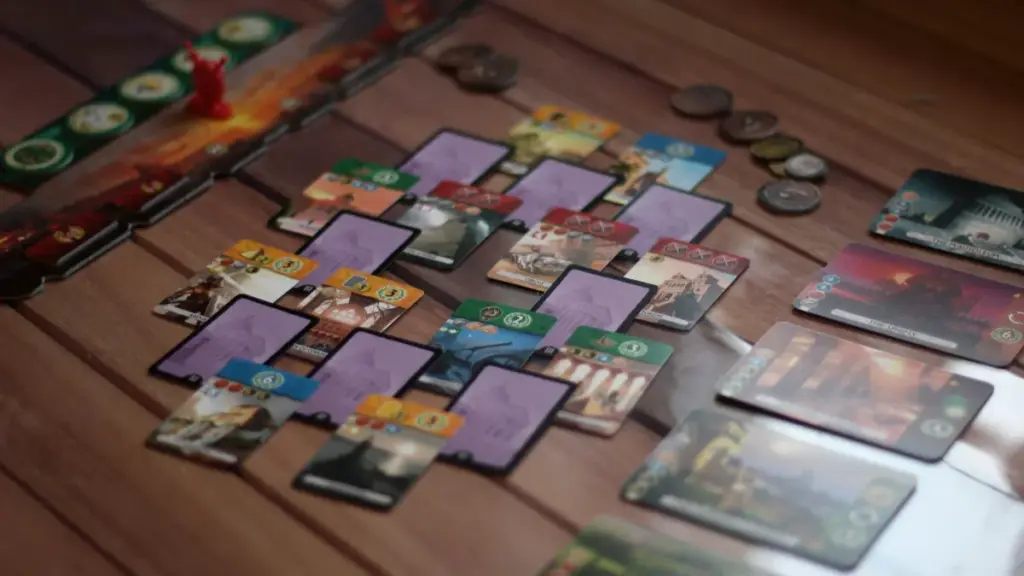
Poor fulfillment can damage even the best product.
Plan for:
- Safe storage
- Protective packaging
- Reliable shipping partners
- Clear replacement policies
Manufacturing consistency reduces customer complaints related to defects or color variation.
Common Mistakes New Trading Card Businesses Make
Many new creators and brands run into similar problems, such as:
- Printing too much inventory before validating demand.
- Underestimating artwork, development, or printing timelines.
- Choosing poor-quality materials that disappoint players.
- Ignoring legal issues around IP and licensing.
- Treating manufacturing as a one-off task instead of a partnership.
A practical way to avoid these mistakes is to test in small batches, work closely with an experienced card printer, and keep your first product line focused and manageable.
FAQs
How to start a trading cards business from home?
Many creators start from home by outsourcing printing and fulfillment. The key is choosing a manufacturer that supports small to medium print runs with consistent quality.
How much does it cost to start a trading card business?
Costs vary widely, but initial budgets often range from a few thousand dollars for small runs to significantly more for premium editions.
How long does it take to become profitable?
Most businesses take several months to a year, depending on demand, pricing, and production efficiency.
Do I need a license to sell trading cards?
Requirements depend on your country and whether you use licensed intellectual property.
How to scale a trading card business long-term?
Scaling usually involves expanding product lines, improving production efficiency, and maintaining consistent quality across larger volumes.
Final Thoughts
Starting a trading card business is both creative and operational. While branding and marketing attract customers, product quality and production reliability determine whether they return.
Working with an experienced trading card printing manufacturer allows you to focus on growing your business while ensuring your cards meet professional standards. At Xinyi Printing, we support creators and brands at every stage—from prototyping to large-scale production—helping ideas turn into tangible products that customers trust.
If you’re planning your next trading card project, understanding the process is the first step. Executing it well is what sets successful businesses apart.
Choosing a trading card manufacturer requires careful consideration of quality, production capability, and long-term reliability. Buyers often face challenges such as color inconsistency between runs, unclear or inflexible MOQs, long production lead times, and suppliers that struggle to scale from small test decks to full TCG production. To help navigate these common issues, we reviewed and selected 10 trading card manufacturers known for handling custom trading card designs and bulk orders with reliable quality, production capacity, and clear manufacturing processes.
Quick Comparison: 10 Trusted Custom Trading Card Manufacturers at a Glance
| Manufacturer | Type | Location | Typical MOQ | Main Products |
|---|---|---|---|---|
| Xinyi Printing | Manufacturer | Guangzhou, China | Flexible, from small custom runs to large volume | Custom trading cards, game cards, tarot, flashcards, children’s books, planners, premium rigid boxes |
| Precision Proco | Manufacturer | United Kingdom | Best for medium to large print runs | Trading card games, sports trading cards, collectible entertainment cards |
| Cartamundi | Manufacturer | Belgium HQ, plants in Europe & USA | Large-scale and ongoing programs | Trading card games, collectible cards, playing cards, board and card games |
| Millennium Print Group | Manufacturer | USA & Europe | Medium to very large series | Trading cards, collectible cards, packaging, commercial print |
| Aura Print | Online printing service / POD | United Kingdom | Very low MOQs, prototype-friendly | Custom TCG cards, small trading card runs, foil trading cards, marketing cards |
| Greenerprinter | Online printing service / POD | California, USA | No minimum order on many card products | Eco-friendly trading cards, game cards, postcards, marketing and promo cards |
| Primo Print | Online printing service | USA (multiple facilities) | Low quantities (from a few dozen cards) | Custom trading cards, business cards, postcards, marketing print products |
| Grifoll | Manufacturer | Spain (serving Europe) | High-volume campaigns | Trading card collections, loyalty and promotional cards, kids’ collectable programs |
| QinPrinting | Manufacturer | Shanghai, China | Short runs and larger offset runs | Trading cards, game cards, card decks, board game components, books and packaging |
| ChinaPrinting4U | Manufacturer / OEM | China | Flexible OEM MOQs | Custom card decks, trading cards, flashcards, tarot cards, promotional and educational cards |
Xinyi Printing
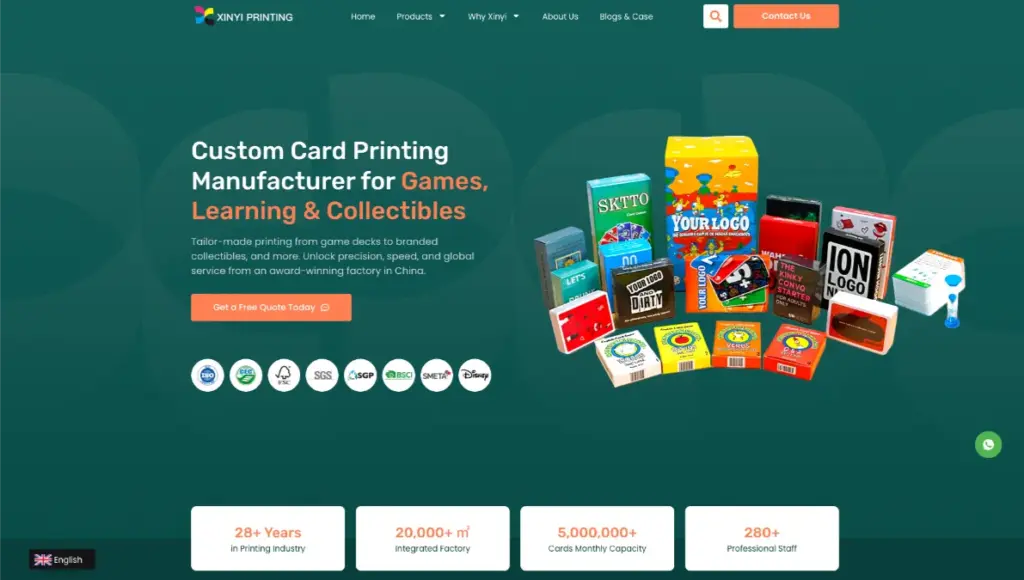
Recommendation: ☆☆☆☆☆
Location: Guangzhou, China
Main Products: Custom trading cards (TCG decks), board game cards, tarot cards, flashcards, affirmation cards, playing cards
MOQ: Flexible (from small custom runs to long-term mass production)
Brand Styles: Industrial-grade quality, eco-friendly, one-stop service for global brands
Founded in 1998, Xinyi Printing operates a 20,000㎡ factory in Guangzhou with over 280 staff and around RMB 80 million in cumulative investment, integrating book printing, packaging, and a wide range of custom card manufacturing for global brands. With Heidelberg and Komori multi-color presses, automated hardcover and box lines, and in-house QC labs, the company can handle up to 5 million cards per month while maintaining tight color control and consistency. As part of its broader card solutions, Xinyi provides custom trading card printing service alongside playing cards, tarot, flashcards, and board game cards, giving clients full flexibility from single decks to large, licensed collections. Xinyi is certified with ISO9001, ISO14001, FSC, CEC, SGS, Green Printing, BSCI, SEDEX 4P-SMETA, and Disney, and offers end-to-end services from file checking and sampling to global shipping and responsive after-sales support, making it a dependable choice for brands, publishers, and creators seeking high-quality trading card manufacturing.
| What We Love | Things to Consider |
|---|---|
| Strong capacity for both small MOQs and large, repeat trading card orders, including full TCG sets with boxes and inserts. | Lead times can be longer than local digital printers due to export logistics, especially for peak seasons. |
| Extensive certifications (FSC, BSCI, Disney, ISO, Green Printing) that satisfy major retailers and international compliance needs. | Best suited for clients ready to work with detailed print specs and export shipping rather than ultra-quick, same-week reprints. |
| One-stop solution covering cards, rulebooks, and high-end rigid boxes, with 3–5 day sampling and multilingual project support. | Communication is primarily online; on-site visits are possible but may not be practical for very small projects. |
Precision Proco
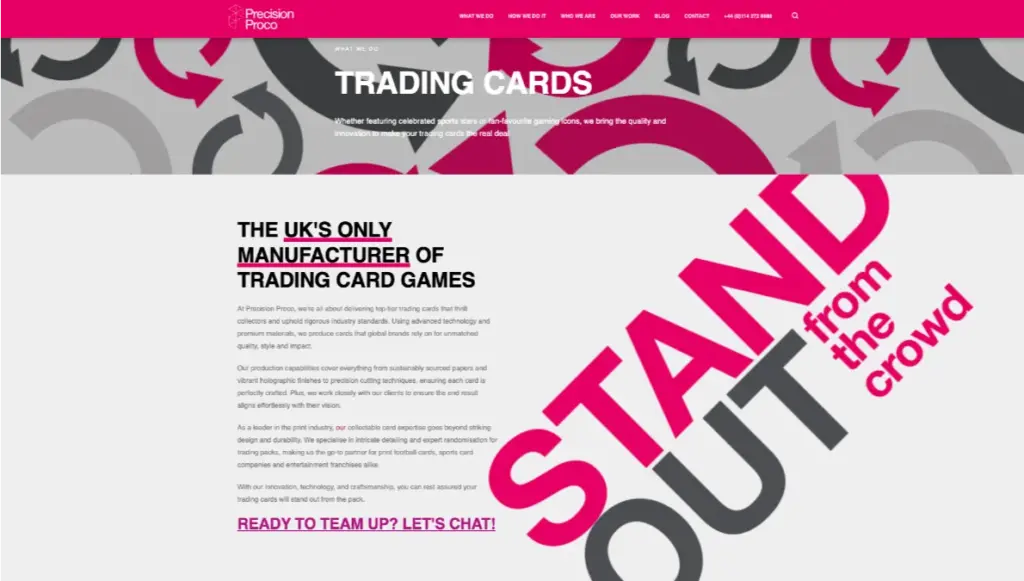
Recommendation: ☆☆☆☆☆
Location: United Kingdom
Main Products: Trading card games, sports trading cards, collectible entertainment cards
MOQ: Typically suited for medium to large print runs (project-based)
Brand Styles: Premium, security-focused, sustainability-driven production for TCG and sports cards
Precision Proco is positioned as one of the UK’s specialist manufacturers for trading card games and sports collectible cards, combining decades of print industry experience into a modern, ISO-certified facility that supports end-to-end custom trading card printing service for professional publishers. The company uses advanced offset and finishing technology to produce high-grade cards with features such as holographic foils, rare card treatments, and precise randomisation for packs, targeting established TCG publishers and entertainment franchises. With a strong focus on sustainability, colour accuracy, and secure production workflows, Precision Proco is a strong fit for European brands that need both local manufacturing and stringent quality control for high-value trading card projects.
| What We Love | Things to Consider |
|---|---|
| Deep experience with formal TCG and sports card ecosystems, including rare card finishes and pack randomisation. | Best aligned with publishers and brands that already have clear specifications and moderate-to-large volumes. |
| UK-based, ISO-certified manufacturing with strong emphasis on sustainability and material sourcing. | Less suited for very small indie orders or ultra-low MOQs looking for “prototype-only” runs. |
| Strong technical support and process control tailored to IP holders and licensed properties. | European production and labour costs may be higher than Asia-based manufacturers for price-sensitive clients. |
Cartamundi
Recommendation: ☆☆☆☆☆
Location: Global (headquartered in Belgium, with plants in Europe, USA, and other regions)
Main Products: Trading card games, collectible cards, playing cards, board games
MOQ: Optimised for large-scale industrial production and ongoing series
Brand Styles: Global, industrial, brand-focused manufacturing for top-tier IPs
Cartamundi is one of the world’s largest card and game manufacturers, operating multiple high-capacity plants across Europe and the United States to serve leading TCG, entertainment, and toy brands. Its facilities are designed for secure, high-volume production with advanced automation, online quality control, and sophisticated finishing options, making it a go-to partner for global IP owners and mass-market trading card campaigns. With strong expertise in both printing and game manufacturing logistics, Cartamundi is best suited for very large product lines that require consistent supply, global distribution support, and strict confidentiality.
| What We Love | Things to Consider |
|---|---|
| Global footprint and proven experience manufacturing for some of the most recognized card and game brands. | Entry thresholds and MOQs are typically high, making it harder for small or first-time creators to start here. |
| Industrial-scale capacity and robust security protocols for licensed trading card programs. | Process and lead times can feel complex for clients who are not accustomed to large corporate sourcing workflows. |
| Ability to support integrated game and card solutions with long-term production planning. | Less flexible for rapid, experimental or very niche projects compared to smaller specialist printers. |
Millennium Print Group
Recommendation: ☆☆☆☆
Location: USA & Europe (notably North Carolina, USA, and facilities in the Netherlands)
Main Products: Trading cards, game cards, commercial print, packaging
MOQ: Best for medium to very large production runs and recurring series
Brand Styles: Large-scale, secure, high-throughput card and print production
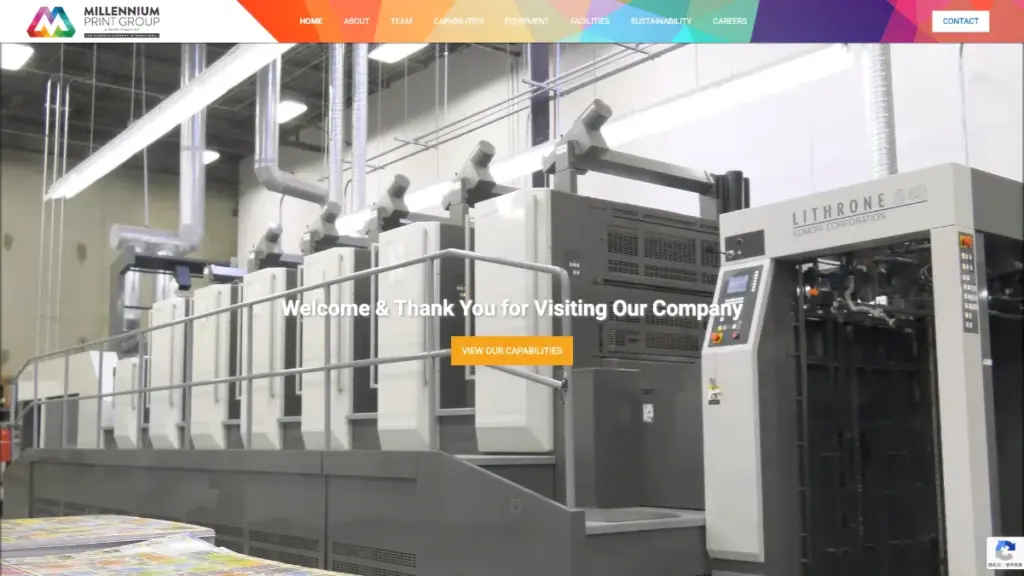
Millennium Print Group, part of the Park Communications family, operates more than 1.5 million square feet of production and warehouse space across North America and Europe, serving major brands and entertainment clients as a large-scale custom trading card printer. The company offers secure, high-speed printing, finishing, collating, and distribution services that align well with sustained trading card programs, including IP-based series and retail-focused products. With 24/7 operations and a strong focus on logistics and fulfilment, Millennium Print Group is especially attractive to clients who need continuous replenishment and integrated warehousing solutions around their trading card lines.
| What We Love | Things to Consider |
|---|---|
| Massive capacity and infrastructure for industrial trading card production and packaging. | Typically not oriented toward very small indie runs or prototype-only projects. |
| Integrated warehousing and distribution support that helps manage frequent reorders and large campaigns. | Project onboarding and compliance requirements can be demanding for small or inexperienced buyers. |
| Strong experience with entertainment and collectible products in regulated markets. | Best value is realised when volumes are high and long-term commitments are planned. |
Aura Print
Recommendation: ☆☆☆☆
Location: United Kingdom
Main Products: Custom TCG cards, marketing trading cards, small-run card sets
MOQ: Very low MOQs, suitable for prototypes and small series
Brand Styles: Indie-friendly, design-supportive, flexible short-run production
Aura Print is a UK-based print company that offers dedicated TCG and trading card printing services, targeting independent creators and small brands who need short runs and design guidance. Its service model combines print expertise with template support, artwork checking, and a range of paper stocks and finishes, helping first-time card creators bring their ideas to life at manageable quantities. Aura Print is particularly suitable for early-stage projects, convention promos, or “test runs” before committing to larger overseas manufacturing.
| What We Love | Things to Consider |
|---|---|
| Very low MOQs and accessible pricing for prototypes and indie projects. | Unit cost will generally be higher than larger overseas offset runs at big volumes. |
| Helpful design and file-prep support for creators who are new to trading card production. | Limited capacity for extremely large industrial orders compared with global manufacturers. |
| UK-based production with relatively quick turnaround for European customers. | Range of ultra-specialised security features may be narrower than top-tier TCG factories. |
Greenerprinter
Recommendation: ☆☆☆☆
Location: Richmond, California, USA
Main Products: Eco-friendly custom trading cards, marketing cards, printed collateral
MOQ: No minimum order quantities for many custom card products
Brand Styles: Sustainable, eco-certified, local U.S. green printing
Greenerprinter is a certified green printing business founded in 1987, specialising in environmentally responsible printing using recycled stocks and vegetable-based inks, with more than 20 years of operational expertise. Its custom trading card offering leverages FSC-certified, post-consumer waste papers, low-VOC inks, and carbon-offset shipping to deliver premium cards with minimal environmental impact. With a combination of Heidelberg offset and HP Indigo digital presses, Greenerprinter supports both small and mid-sized trading card runs for brands and creators who prioritise sustainability.
| What We Love | Things to Consider |
|---|---|
| Strong eco credentials (FSC, Green America, Bay Area Green Business) and use of recycled, compostable materials. | Focus is more on sustainability and marketing/collector cards than on high-security TCG mass production. |
| No minimums and flexible production using both digital and offset technologies in the U.S. | International clients may face higher logistics costs compared with regional printers. |
| Carbon-offset logistics and plastic-free packaging that align with eco-conscious brand messaging. | Some ultra-specialised TCG features (e.g., complex randomisation, certain foils) may require custom quotes or other vendors. |
Primo Print
Recommendation: ☆☆☆☆
Location: USA (headquartered in Cornelius, North Carolina, with multiple U.S. facilities)
Main Products: Custom trading cards, business cards, marketing print products
MOQ: Starts from low quantities (e.g., a few dozen cards, depending on spec)
Brand Styles: Online, fast-turn, marketing-oriented trading cards
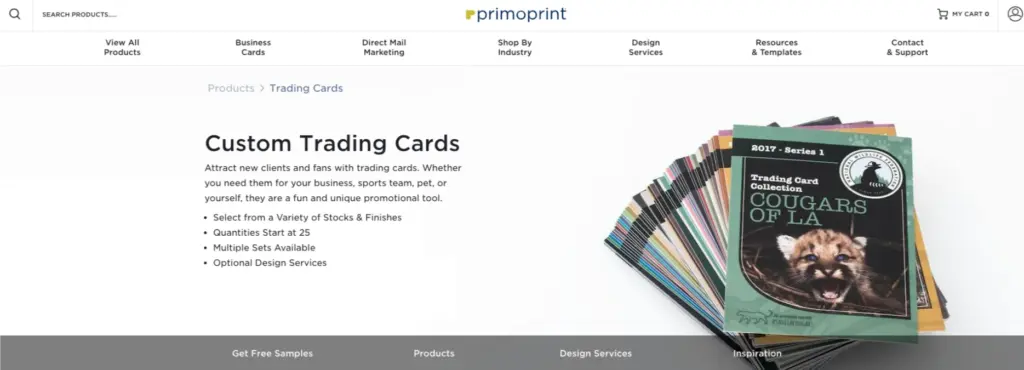
Primo Print, founded in 2006 (originally as UV Cards), is an online printing company focused on making the print buying experience simpler through user-friendly technology and strong U.S.-based customer service. With 9 production facilities across the U.S., Primo Print can deliver many orders within 1–2 business days to most of the country, including custom trading cards used for promotions, events, and brand storytelling. Its trading card products support various cardstocks and finishes, making it a practical choice for marketing teams and small brands seeking quick, reliable domestic production.
| What We Love | Things to Consider |
|---|---|
| Fast U.S. production and shipping coverage to about 90% of the country within 1–2 days. | More focused on promotional/marketing trading cards than complex TCG systems. |
| Easy online ordering with file upload, live chat, and real-time order tracking. | International customers may not enjoy the same speed and cost advantages as U.S.-based buyers. |
| Good balance of quality, speed, and pricing for small to mid-sized campaigns. | Limited hand-holding for game-specific mechanics like deck collation or booster pack randomisation. |
Grifoll
Recommendation: ☆☆☆☆
Location: Spain (serving Europe and international clients)
Main Products: Trading card collections, promotional and loyalty cards, kids’ collectable campaigns
MOQ: Typically geared toward large commercial or retail campaigns
Brand Styles: High-volume, campaign-driven collectable trading cards
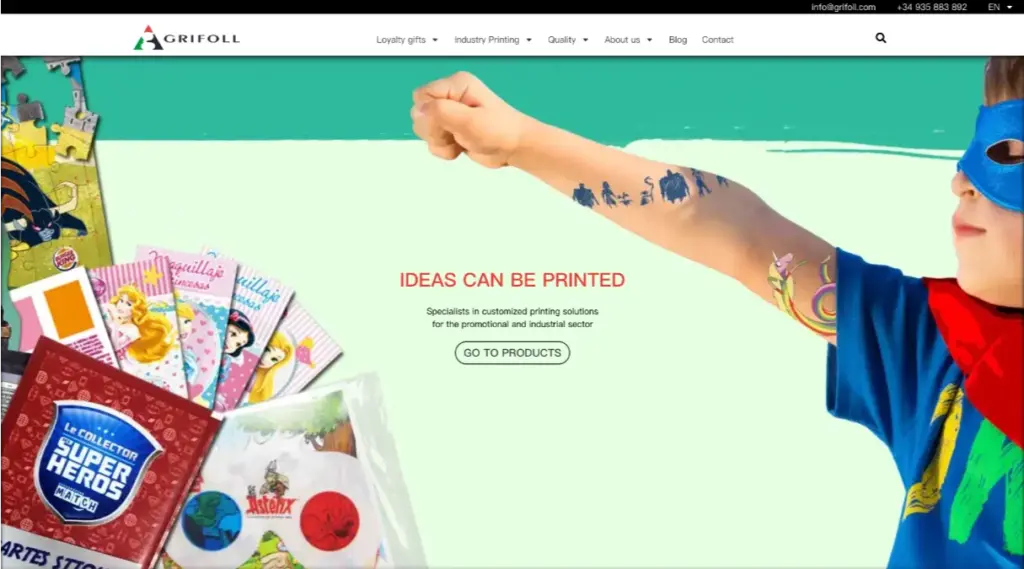
Grifoll is a European printing and packaging specialist with a dedicated trading card and collections division that focuses on large-scale collectible and promotional programs for brands and retailers. Its facilities can produce up to around 5 million cards per week, supporting nationwide or multinational campaigns such as supermarket loyalty collections, children’s magazines, and branded collectibles. Combining custom packaging, eco-conscious materials, and robust logistics, Grifoll is well-suited for high-volume, time-sensitive trading card promotions in Europe.
| What We Love | Things to Consider |
|---|---|
| Very high weekly capacity that can handle major retail or media-backed trading card campaigns. | Less suitable for very small indie runs or low-volume TCG projects. |
| Experience in designing and executing complete collectible programs with packaging and distribution. | Strongest fit is promotional and loyalty collections rather than niche hobby card games. |
| European location simplifies logistics and compliance for EU-based brands. | Lead times and planning cycles need to be aligned well in advance for mass campaigns. |
QinPrinting
Recommendation: ☆☆☆☆☆
Location: Shanghai, China (serving global clients)
Main Products: Custom trading cards, game cards, card decks, books, board game components
MOQ: Supports both short runs and larger offset runs
Brand Styles: Value-focused, creator-friendly, eco-conscious offset printing
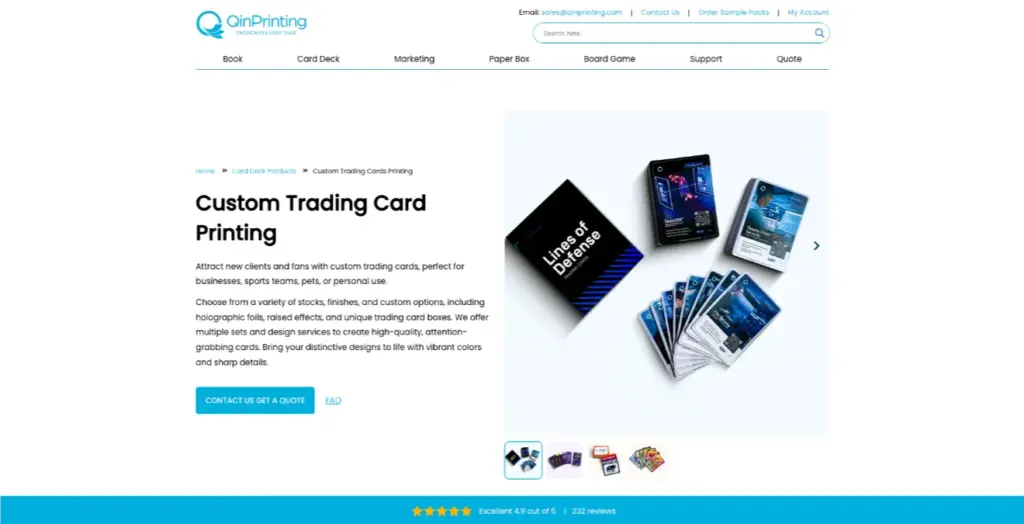
QinPrinting is an international offset printing company with over 25 years of experience producing books, board games, and custom card products, including trading cards and TCG-style decks. The company offers standard trading card sizes (such as 2.5″ × 3.5″) without extra die-cut charges, along with custom sizes, secure collation, FSC-certified paper, and soy-based inks. Known for its competitive pricing, free file checking, and Kickstarter-friendly support, QinPrinting is popular among indie creators and publishers seeking professional quality at accessible cost levels.
| What We Love | Things to Consider |
|---|---|
| Strong offset expertise with secure card collation and packaging for trading card projects. | As an overseas supplier, shipping times and freight coordination need to be factored into launch schedules. |
| Eco-friendly options including FSC paper, recycled stocks, and biodegradable soy inks. | Best economics are achieved at medium or larger quantities; very tiny runs may be better suited to local digital printers. |
| Good balance of pricing, quality, and service for global indie and mid-sized clients. | Clients should be prepared to provide detailed print-ready files or rely on external design support. |
ChinaPrinting4U
Recommendation: ☆☆☆☆
Location: China
Main Products: Custom card decks, trading cards, flashcards, tarot, promotional cards
MOQ: Flexible; accommodates both small and larger OEM orders
Brand Styles: Cost-effective, OEM/ODM card deck manufacturing
ChinaPrinting4U is an offset printing manufacturer with over 30 years of custom printing experience, specialising in products such as books, catalogues, and a wide range of card decks, including trading cards and educational cards. Its custom card deck service emphasises “100% premium quality printing at affordable prices,” with options for card stock, finishes, packaging, and global door-to-door shipping. Positioned as an online OEM card deck manufacturer, ChinaPrinting4U is well-suited to cost-sensitive brands and trading companies that need reliable production and export logistics without sacrificing print quality.
| What We Love | Things to Consider |
|---|---|
| Strong experience in OEM card deck production with global D2D shipping options. | Less brand-facing than some Western printers; ideal mainly as a behind-the-scenes manufacturing partner. |
| Competitive pricing for custom trading card and card deck projects with many specification choices. | Communication and sampling timelines may be longer than working with a local domestic printer. |
| Ability to combine cards with books, boxes, and other printed components in one production stream. | Design work is not provided in-house, so clients need their own designers or agencies. |
How to Choose the Right Trading Card Manufacturer for Your Project
With so many capable trading card manufacturers available, the “best” option ultimately depends on your specific needs rather than brand size alone. Before making a final decision, it’s worth aligning your project requirements with the strengths of each manufacturer.
Project type and volume
Decide if you are printing a full TCG with boosters, a collectible series, or a one‑off promo set, and estimate realistic first‑run quantities. Large, ongoing programs are better suited to factory manufacturers, while small tests can start with POD or online printers.
Manufacturer vs. online printer vs. POD
Factory manufacturers generally provide better unit pricing, stronger quality control, and long-term scalability, but they often require higher MOQs and more detailed technical specifications. Online printers and POD platforms, on the other hand, are well suited for prototypes, short runs, or creators who prioritise speed and convenience over the lowest possible unit cost.
Materials, finishes, and quality control
Cardstock selection plays a major role in both durability and gameplay. Confirm paper weight and thickness, coating, and whether the manufacturer can match a standard TCG feel suitable for frequent shuffling. Request production samples or short test runs to evaluate colour consistency, registration, and special finishes such as foils or spot UV before committing to a full production run.
Certifications, compliance, and reputation
If your cards are intended for children or global retail distribution, certifications such as ISO and FSC are important indicators of compliance and responsible manufacturing. Proven experience with trading cards or game cards, along with transparent communication and repeat clients, often signals a supplier’s long-term reliability.
Timelines, logistics, and communication
Production lead times and shipping should be confirmed early, especially when working with overseas factories or launching during peak seasons. Clear file-preparation guidelines, responsive project managers, and proactive status updates help reduce risk and keep your launch timeline under control.
If you are planning a custom trading card project and need a manufacturer that can support both quality and scale, Xinyi Printing is well positioned to assist. With long-term experience in trading cards, flexible MOQs, certified production processes, and the ability to handle everything from test decks to full TCG programs with packaging, Xinyi works closely with creators, publishers, and brands to ensure consistent results. You can reach out to the Xinyi team to discuss specifications, request samples, or explore the most practical production approach for your project.
Custom trading cards are no longer just a niche product for hobbyists. Today, they are widely used by game publishers, brands, artists, and creators who care about consistency, durability, and professional presentation. As demand grows, one question comes up again and again:
Where should you print custom trading cards?
The short answer is that it depends on your goals. The long answer is what this guide is about. From a professional card printing manufacturer’s perspective, choosing the right printing partner can directly affect how your cards look, feel, and perform in the real world.
At Xinyi Printing, we work with clients who move beyond basic online printing and need reliable, scalable, and repeatable card production. This article explains the options available, what really matters in trading card printing, and how to decide which route fits your project.
Why Choosing the Right Partner Matters for Custom Trading Cards
Trading cards are not simple paper products. Unlike flyers or business cards, they are handled repeatedly, shuffled, stacked, and compared side by side. Small production issues become very visible once cards are in use.
When printing custom trading cards, quality is defined by details such as:
- Consistent thickness and stiffness across the entire deck
- Accurate front-to-back alignment
- Stable color reproduction from card to card
- Clean cutting and uniform corner rounding
- Surface finishes that resist scratching and wear
If these elements are not controlled properly, the final product may feel cheap, uneven, or unprofessional, even if the artwork itself is well designed.
Common Options: Where People Usually Print Custom Trading Cards
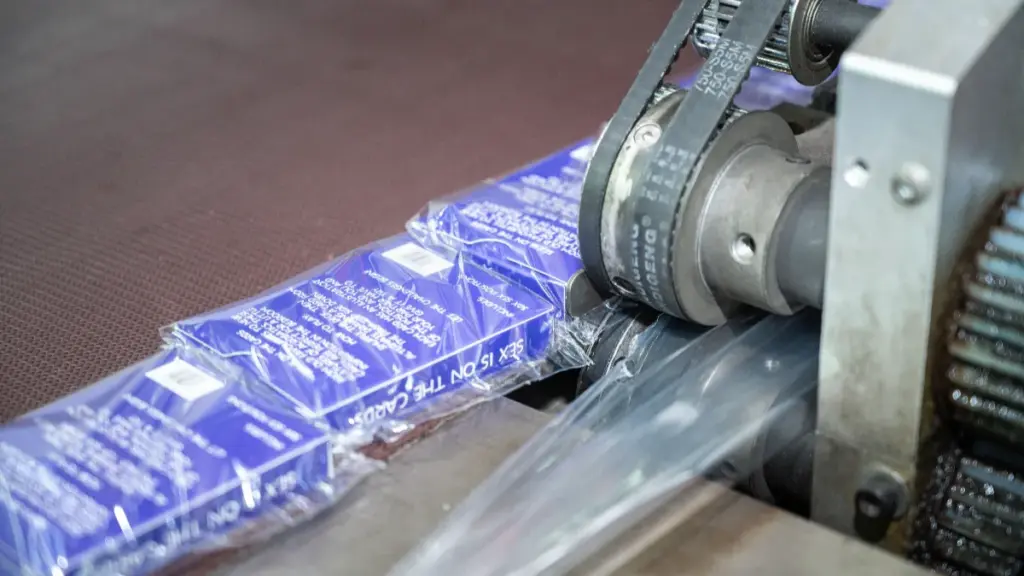
When people start looking for where to print custom trading cards, they often discover that there is no single “best” place for every situation. Instead, the market offers several common options, each suited to different needs, budgets, and production goals.
The options below outline the most common ways people print custom trading cards today, highlighting how each approach fits different project needs and production goals.
| Option | Best Use | Cost | Minimum Order | Quality & Scalability |
|---|---|---|---|---|
| Online Print Shops | Simple promo cards and small runs with basic specs. | Medium cost; fine for low–mid volumes, not optimized for very large runs. | Low–medium MOQs using preset quantity steps. | Quality acceptable for basic needs, but limited stocks/finishes and weaker consistency across full decks and reprints. |
| Print‑on‑Demand Platforms | Prototypes, early testing, and personal or experimental projects. | High unit cost; economical only when you print very small quantities. | Very low or no minimums; print to order. | Decent quality but restricted materials and finishes; scales poorly on cost and control for larger or long‑term projects. |
| Local Commercial Print Shops | Very limited quantities and time‑sensitive, local basic card needs. | Medium–high for cards; pricing tuned to general print work. | Small–medium runs; not built for ongoing large card programs. | Good general print quality, but little trading‑card specialization; limited experience with deck uniformity and large‑scale sets. |
| Large Printers & Professional Card Manufacturers (e.g., Xinyi) | Full decks, retail/crowdfunding runs, and long‑term trading card lines. | Lowest unit cost at scale; ideal for commercial production. | Higher MOQs, but supports pilot runs and mass production. | High, repeatable quality with tight control over materials and finishes; strong scalability for reprints, expansions, and global distribution. |
Online Print Shops
Online print shops are usually the most visible option in search results. These platforms are designed for convenience, allowing users to upload artwork, select from preset specifications, and place an order within minutes.
They are commonly used for:
- Simple promotional cards
- Small quantities
- Projects with limited customization
For trading cards, however, online print shops often operate within fixed systems. Card stock choices, surface finishes, and production tolerances are standardized for speed rather than specialization. This can work for basic needs, but it may fall short when consistency across a full deck or multiple print runs is required.
Print-on-Demand Card Platforms
Print-on-demand services are popular among independent creators and early-stage projects. They remove minimum order requirements and make it easy to test designs or concepts.
These platforms are typically chosen for:
- Prototypes and early testing
- Small batches with frequent design changes
- Personal or experimental projects
The trade-off is limited production control. Material options are usually restricted, and unit costs remain relatively high as quantities increase. For projects intended for retail, crowdfunding, or long-term distribution, these limitations often become more noticeable.
Local Commercial Print Shops
Local commercial printers provide another option, especially for clients who value face-to-face communication or fast turnaround for short runs.
They may be suitable for:
- Very limited quantities
- Time-sensitive projects
- Basic card printing needs
However, most local print shops are not specialized in trading card production. They often focus on brochures, packaging, or general marketing materials, which means they may lack experience with deck uniformity, card handling durability, and large-scale card set production.
Large Commercial Printers and Professional Card Manufacturers
Beyond these commonly discussed options, many brands, game publishers, and serious creators choose to work directly with large commercial printers or specialized trading card manufacturers, such as Xinyi Printing.
This route is typically selected when:
- Full decks or large card sets are involved
- Consistency across thousands of cards is essential
- Custom card stock, finishes, or packaging are required
- The cards are intended for sale, distribution, or long-term use
Unlike general print services, professional card manufacturers operate with production systems designed specifically for card products. This includes tighter control over thickness, alignment, color consistency, and finishing quality, as well as experience handling repeat orders and scalable production.
For many projects, moving to a specialized manufacturer is not about printing more cards, but about printing them better, more consistently, and with fewer risks.
Key Factors to Evaluate Before You Decide Where to Print
Before deciding where to print custom trading cards, it is worth stepping back and looking beyond price or convenience. Trading cards are functional products, and small production decisions can significantly affect how the final deck looks, feels, and performs over time. From a professional printing perspective, the following factors are the ones that matter most.
Card Size and Thickness Consistency

Trading cards are expected to follow well-established size standards, especially for TCG and collectible card games. Just as important as size is thickness consistency across the entire deck. Cards that vary even slightly in thickness can feel uneven when stacked or shuffled.
Online print services typically offer a limited range of preset thickness options designed for general use. Professional card factories, on the other hand, focus on tighter tolerance control, ensuring that every card in a deck feels uniform in hand.
Materials and Surface Finishes
Paper stock and surface treatment directly affect durability, hand feel, and visual impact. Common options include matte or gloss lamination, textured finishes, linen patterns, metallic foils, and holographic effects.
General print platforms often restrict users to a small selection of materials optimized for speed and simplicity. Professional card manufacturers usually provide a wider range of card-specific stocks and finishing techniques, along with guidance on how each option performs in real use, not just how it looks.
Color Management and Printing Method
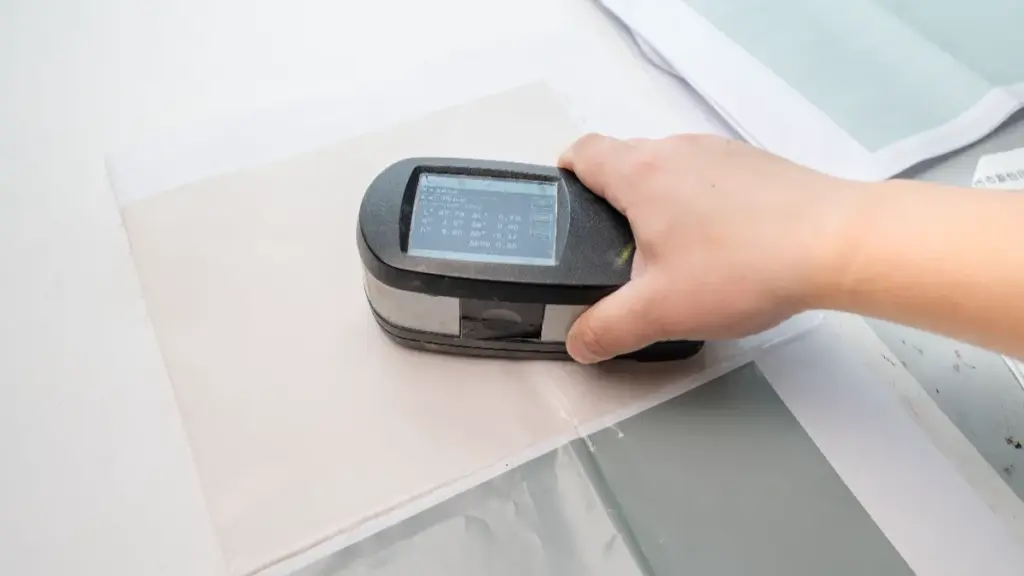
Color accuracy and consistency are critical in trading card production, especially when printing large decks or multiple print runs. Even minor color shifts between cards can be noticeable once they are laid out side by side.
Many online services rely on standardized digital workflows with limited color adjustment. Professional card factories typically operate controlled offset printing systems with calibrated color management, allowing for more stable and repeatable results across thousands of cards.
Pre-Press Support and File Review
Before printing begins, files need to be checked for bleed, alignment, resolution, and color setup. Mistakes at this stage can lead to cutting errors, color issues, or reprints.
Basic print services often automate this process, flagging only obvious technical errors. Professional card manufacturers usually provide manual pre-press checks and feedback, helping identify potential issues before they reach production.
Minimum Order Quantity, Lead Time, and Scalability
Some projects start small but are intended to scale. It is important to know whether a printer can support both initial validation runs and future mass production without changing suppliers.
Print-on-demand and quick-print services excel at low quantities but may struggle with cost efficiency and consistency at higher volumes. Professional card factories are structured to handle larger runs and repeat orders, making them better suited for long-term projects.
Quality Stability, Certification, and Compliance
For brands and publishers, quality stability goes beyond appearance. Production standards, process control, and compliance with international certifications play a role in risk management and brand protection.
While smaller print services may not operate under formal certification systems, professional manufacturing facilities often follow recognized standards such as ISO, BSCI, SEDEX or other industry compliance frameworks, especially when serving international markets.
When to Use an Online Print Shop vs. a Professional Card Manufacturer
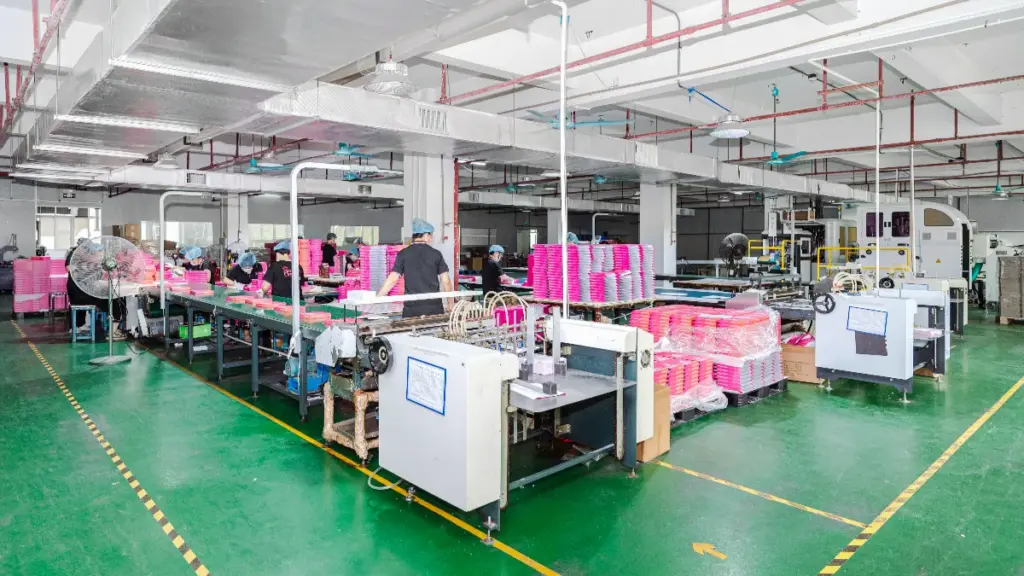
There is no single answer that fits every project. The right choice depends on what stage you are in and what you expect from the final product.
Online print shops or print-on-demand services make sense when:
- You are testing a concept
- You need a very small quantity
- Budget is the primary concern
- Long-term consistency is not critical
A professional card manufacturer becomes the better choice when:
- You are producing full decks or large card sets
- You need consistent quality across multiple print runs
- You plan to sell, distribute, or publish the cards
- You require custom materials, finishes, or packaging
As projects grow, many creators realize that the cost of inconsistency, reprints, or quality issues can be higher than the initial savings of using a general print service.
Why Xinyi Printing Is a Strong Option for Custom Trading Card Printing

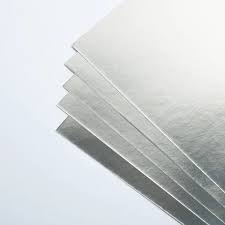
Xinyi Printing focuses on custom card printing and packaging for global clients, including trading card games, collectible card lines, flashcards, and branded card products. With a 20,000㎡ factory, 280+ staff, and over 28 years in printing, we are set up to manage complex, multi‑component projects rather than just individual prints.
For trading cards, we offer:
- standard and premium card stocks suitable for TCGs, sports trading cards, educational cards, and more;
- a wide range of finishes, including matte, gloss, soft‑touch, UV coatings, foil stamping, and holographic effects;
- full packaging solutions, such as tuck boxes, rigid boxes, booster packs, inserts, and retail‑ready displays;
- file checking, pre‑press support, fast sampling, and real‑time production updates via a multilingual team.
Because we work directly at the manufacturing level, clients are not limited to preset options. We help evaluate materials, finishes, and production methods based on how the cards will actually be used.
If you are planning a custom trading card project and need a manufacturer that can support both quality and scale, Xinyi Printing is ready to work with you.
How to Start Your Custom Trading Card Project with Xinyi Printing
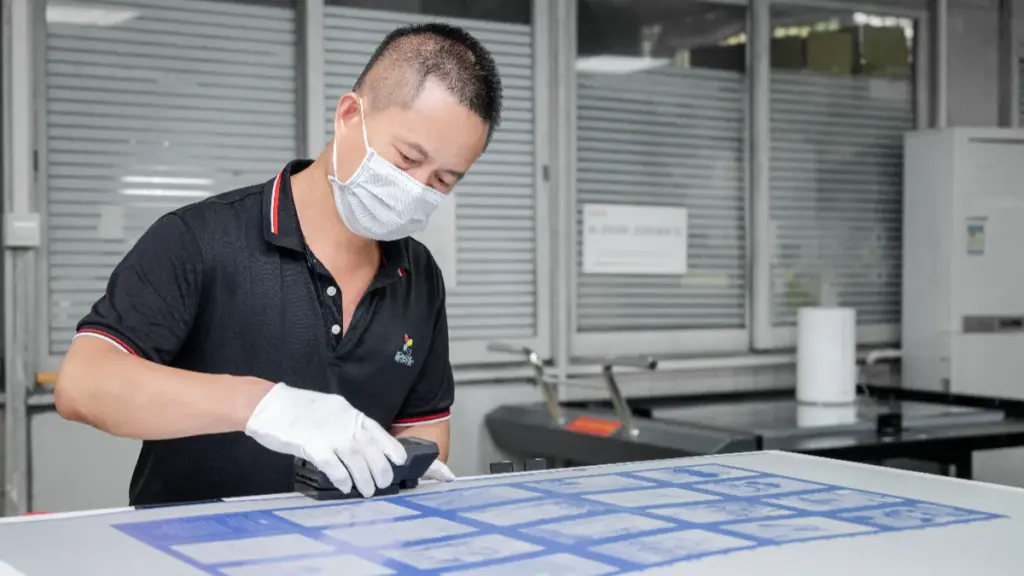
Starting a project with a professional manufacturer does not need to be complicated. At Xinyi Printing, we keep the process clear and structured.
The first step is defining the basic specifications, including card size, quantity, card stock, and surface finish. If you are unsure, our team can recommend options based on your application.
Next comes file preparation. We accept standard professional formats such as PDF, AI, and PSD, and we provide guidance on bleed, color mode, and layout to avoid production issues.
Sampling is available for projects that require confirmation of materials or finishes. This allows you to review physical results before moving into full production.
Once approved, production timelines are scheduled, followed by quality inspection and export-ready packaging. Throughout the process, communication is handled directly with our production team.
To learn more about the step-by-step process and detailed options for creating your cards, check out our custom trading card printing guide
Practical Tips for Creators Before You Send Files to Any Printer
Regardless of where you print, a few practical steps can help ensure better results.
- Make sure your artwork is set up in CMYK color mode and includes proper bleed. Trading cards are cut precisely, and bleed helps avoid unwanted white edges.
- Avoid placing important text or symbols too close to the edges or corners. Rounded corners can affect visibility if margins are too tight.
- If your deck includes many cards, double-check numbering, symbols, and alignment across files. Small mistakes multiply quickly in large card sets.
- Finally, think beyond appearance. How will the cards feel after repeated handling? How will they stack? These questions often lead to better material and finish choices.
Final Thoughts
When asking where to print custom trading cards, the real question is what level of quality, consistency, and reliability your project requires.
Online print shops and print-on-demand platforms serve a purpose, especially for early-stage ideas. But for projects that aim to scale, sell, or build a lasting brand, working directly with a professional card printing manufacturer offers a different level of control and confidence.
Xinyi Printing supports clients who want their trading cards to look professional, feel right in hand, and perform consistently across production runs. If you are ready to move beyond basic printing and work with a manufacturer that understands trading cards at a production level, our team is ready to support your project.
Trading cards have evolved from simple collectibles into a booming market spanning gaming, sports, and branded merchandise. As demand for high-quality, durable, and visually striking cards grows, businesses and creators face challenges in material selection, printing precision, and scalable production. Partnering with an experienced card printing manufacturer like Xinyi Printing ensures reliable mass production, consistent finishes, and compliance with international standards. This guide outlines the professional process for designing, producing, and delivering trading cards that meet both market expectations and brand requirements.
Different Types of Trading Cards
Trading cards come in various types, each serving unique purposes:
- Trading Card Game (TCG) or Game Cards: Typically used for tabletop or collectible card games, where durability and consistent print quality are critical.
- Sports Cards: Baseball, basketball, or football cards for fans or collectors, often requiring glossy finishes, foil accents, or special effects.
- Collector Cards: Limited edition or promotional cards, sometimes featuring foil, holographic effects, or embossed elements.
- Educational and Corporate Brand Cards: Used for learning, corporate promotion, or branding purposes; often printed on eco-friendly stock with clear graphics and readable text.
Each card type has specific requirements for card stock, finishes, and production scale. At Xinyi Printing, we provide consultation to match card type with the best materials and processes for your project.
Step 1 – Define Your Trading Card Project (Use, Size, and Quantity)
The first step in producing custom trading cards is clearly defining your project:
- Purpose: Determine whether your cards are for a game, promotion, or educational use. The purpose affects materials, finishes, and required durability.
- Size and Layout: Standard trading card sizes (e.g., 63 x 88 mm / 2.5 x 3.5 in) are commonly used, but custom sizes are also possible. Proper sizing ensures compatibility with sleeves, boxes, and display racks. You can reference our detailed Trading Card Size Guide for standard and alternative dimensions.
- Quantity: Define your production run. Small runs may suit digital printing, while larger batches often require offset printing for cost efficiency. This informs material choices, printing methods, and packaging.
At Xinyi Printing, we review your specifications and advise on the best combination of size, quantity, and production strategy to ensure both quality and cost-effectiveness.
Step 2 – Choose the Right Card Stock and Core for Trading Cards
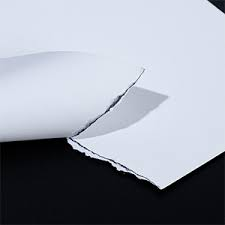
Selecting the appropriate card stock is essential for durability, feel, and print performance:
Card Stock Basics: Card stock refers to thick, rigid paper used for trading cards. Thickness is typically measured in gsm (grams per square meter) or pt (points).
Core Options:
- White Core: Smooth finish, standard stiffness, often used for TCG or educational cards.
- Black Core: Dark inner layer that enhances opacity, prevents light bleed-through, and creates a premium “snap” feel.
- Kraft / Eco Paper: Recycled or sustainable options, commonly used for environmentally-conscious brands or educational cards.
We provide recommendations based on card type: e.g., black core for high-end collectible cards, white core for bulk educational decks, and eco paper for corporate brand cards. Proper stock selection affects longevity, handling, and printing results.
Step 3 – Select Surface Finishes and Special Effects
Once you’ve chosen the core card stock, the next step is to decide how the surface should look and feel. Surface finishes and special effects can dramatically change the perceived value of your custom trading cards.
| Surface Finish / Special Effect | Appearance & Color Impact | Durability / Wear Resistance | Tactile / Visual Feel | Typical Use Cases |
|---|---|---|---|---|
| Gloss Lamination | Enhances color vibrancy and contrast | Good protection against scratches and fingerprints | Smooth, shiny surface | Sports cards, collectible cards |
| Matte Lamination | Slightly softens colors, reduces glare | Good scratch resistance, moderate durability | Smooth, non-reflective | Educational cards, premium TCG |
| Soft-Touch Lamination | Slightly muted colors | Excellent scratch and wear resistance | Velvety, luxurious feel | Limited edition, high-end decks |
| Spot UV | Highlights selected areas, adds contrast | Protects coated areas only | Glossy highlights on matte background | Rare or premium cards, accent graphics |
| Cold Foil | Metallic shine, reflective | Moderate durability, can scratch if unprotected | Smooth metallic finish | Rare, collectible, promotional cards |
| Hot Foil / Embossing | Metallic shine, adds dimension | Moderate durability | Raised or indented texture | Premium, limited edition cards |
| Holographic / Iridescent | Shifting rainbow effects, high visual impact | Moderate durability, prone to scratches | Eye-catching, dynamic surface | Collector cards, special editions |
| Matte + Emboss/Deboss | Slight color change due to texture | Good wear resistance | Tactile, 3D feel | Premium decks, corporate or gift cards |
Popular finishes for trading card printing:
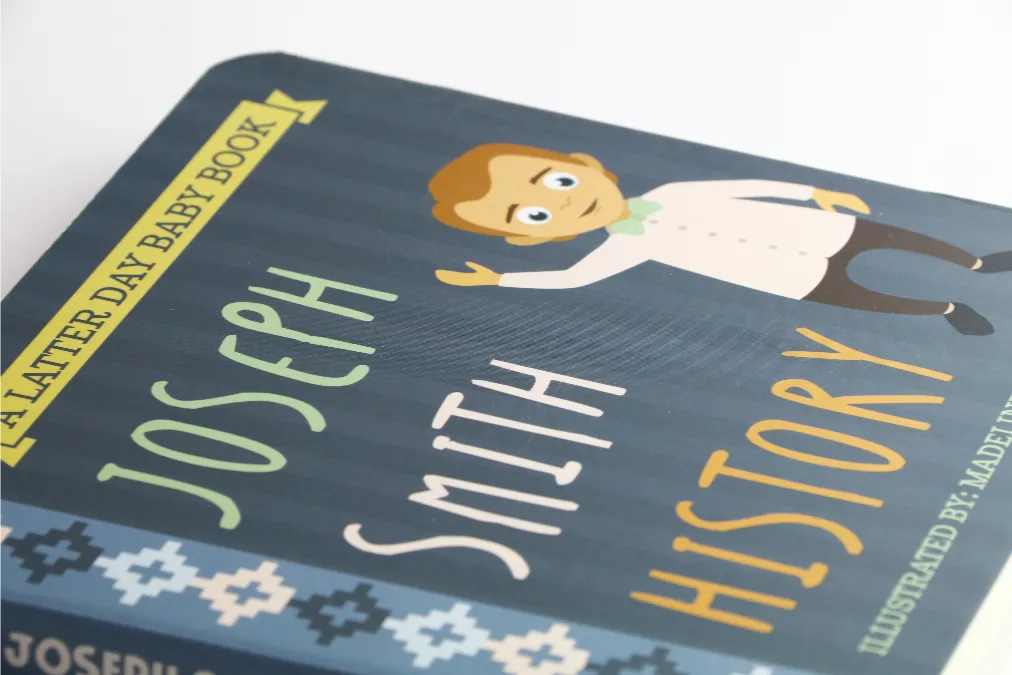
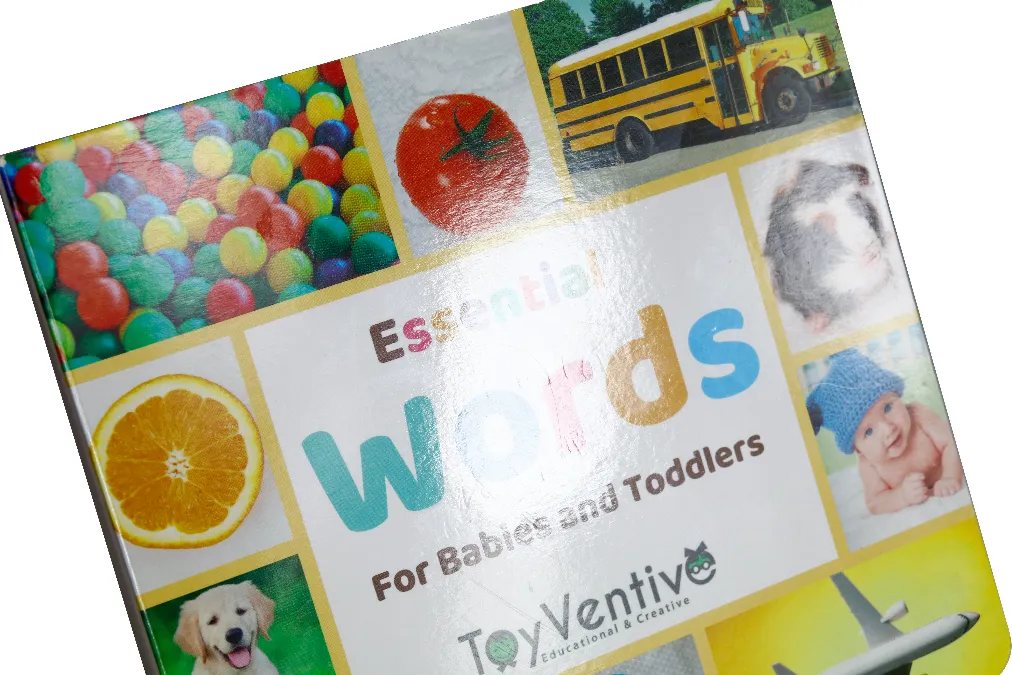
- Matte lamination
- Soft, low‑glare appearance with a smooth touch, ideal for text‑heavy TCG or educational cards
- Reduces fingerprints and offers good scratch resistance
- Gloss lamination or UV coating
- High gloss, vibrant colors, and sharper contrast—great for sports photography, character art, or promotional cards
- Adds good protection against handling and frequent shuffling
- Soft‑touch / velvet finishes
- Luxurious, tactile feel suitable for premium limited‑edition or collector’s sets
Special effects and premium enhancements:
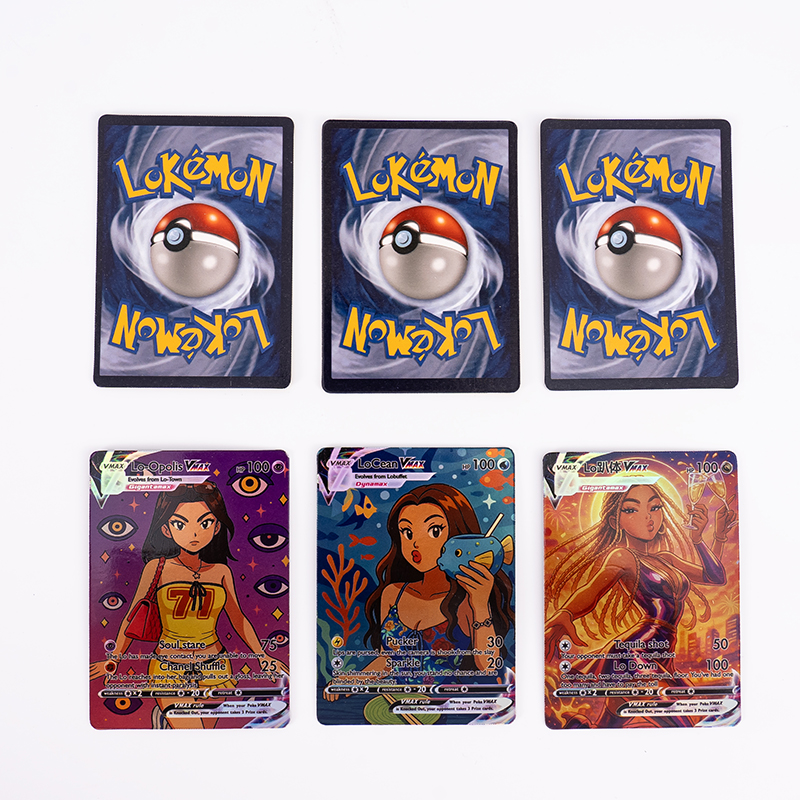
- Foil stamping (gold, silver, colored, holographic) for logos, borders, logos, or rarity icons
- Cold foil or holographic foil layers to achieve “holo” or “rainbow” effects across the card background
- Spot UV to highlight specific areas (icons, titles, patterns) with gloss contrast
- Embossing / debossing for 3D textures and more collectible appeal
At Xinyi, many TCG and collectible clients use a combination of standard matte or gloss cards for base tiers and foil‑enhanced or holographic cards for rare and ultra‑rare tiers, balancing cost and wow‑factor across the full set. Our production team can help you engineer a finish and effect combination that fits your brand, rarity structure, and budget.
Step 4 – Prepare Print‑Ready Files for Mass Production
To ensure accurate color, clean edges, and consistent cutting, your trading card designs must follow professional prepress standards.
- File Specifications: Ensure your artwork matches card dimensions, includes proper bleed (usually 3 mm), and observes the safe zone for critical content. Resolution should be 300 dpi in CMYK color mode.
- Special Considerations: Clearly mark rounded corners or custom die-cut shapes. Use vector formats for logos and text when possible.
- Common Mistakes: Low-resolution images, missing bleeds, or incorrect color profiles.
Xinyi’s prepress team performs a detailed file check before mass production—reviewing bleed, resolution, color mode, and die‑cut alignment. If something is off, we’ll share recommendations or help adjust files so you don’t lose time or compromise on quality.
Step 5 – Choose the Best Printing Method: Digital vs Offset
When your files are ready, it’s time to decide how to actually print your custom trading cards. The two main industrial methods are digital printing and offset printing. Each has its strengths depending on your quantity, budget, and quality expectations.
Digital printing for trading cards
- Best for short runs, prototypes, and test decks
- Faster setup, making it ideal for samples, pre‑launch campaigns, and small orders
- Slightly higher cost per card but lower upfront setup cost
Offset printing for trading cards
- The best choice for mass production (e.g., 200+ decks or larger trading card runs)
- Offers extremely consistent color, sharp detail, and excellent cost efficiency at scale
- Ideal for retail‑ready TCG/CCG products, sports releases, and licensed collectible series
As a high‑volume manufacturer, Xinyi uses both digital and offset printing in our trading card production lines. Many clients start with a digital sample batch to confirm colors, layout, and finish, then move to offset printing for the main production run once everything is approved. Our team can suggest the most suitable method based on your print quantity, distribution plan, and timeline.
Step 6 – From Proofing to Mass Production: How Xinyi Prints Your Custom Trading Cards
Typical production flow at Xinyi:
1. Consultation and quotation
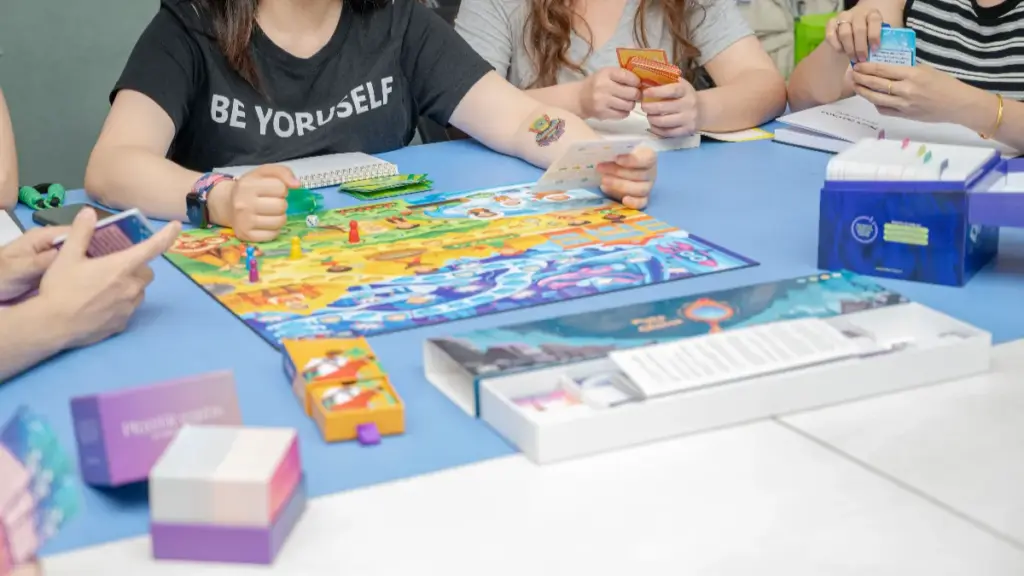
- You share your project specs: card type, size, quantity, materials, finishes, packaging, and destination
- We recommend configurations and issue a detailed quote
2. File preflight and proofing
- Our prepress team checks your files and may provide digital proofs or printed samples
- For color‑critical or high‑value projects, we can provide physical proofs for approval before mass production
3. Printing and finishing
- Once proofs are approved, we schedule your job on either digital or offset presses
- After printing, cards go through lamination, foil stamping, spot UV, or other finishing steps as specified
4. Cutting, collation, and QC
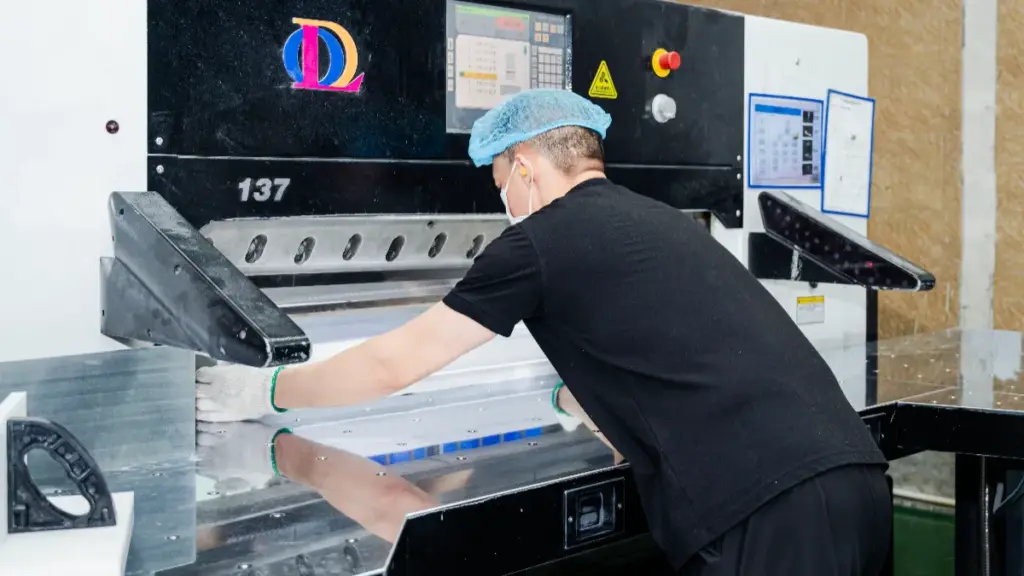
- Cards are die‑cut or guillotine‑cut to precise dimensions
- Sets are collated, sorted by rarity or pack configuration, and checked for color consistency, alignment, and defects
5. Packaging and shipment
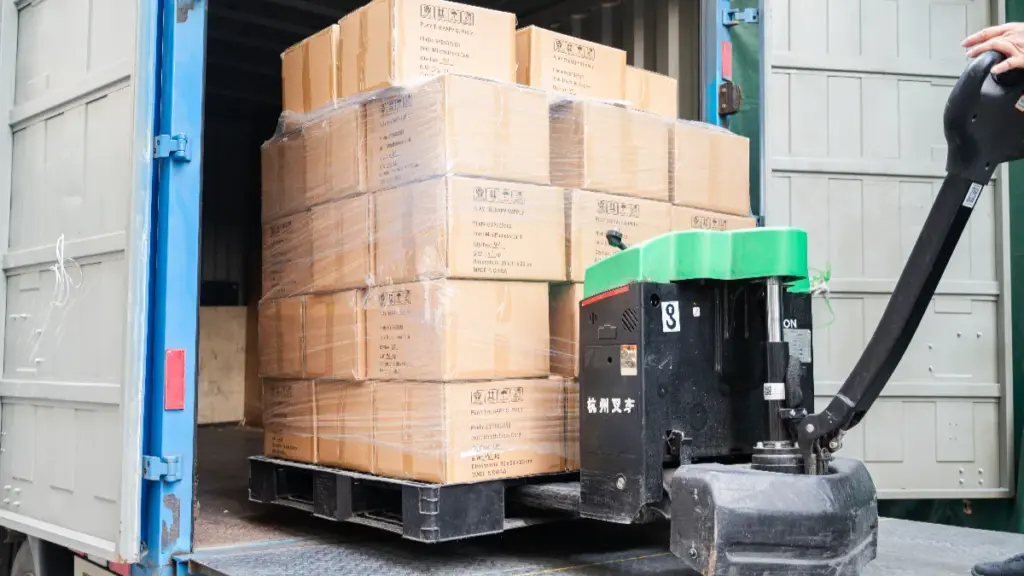
- Cards are packed into tuck boxes, rigid boxes, master cartons, or custom display boxes depending on your needs
- Our logistics team arranges shipping with suitable protection to keep your cards safe in transit
With automated production equipment, a 20,000㎡ factory, and experienced operators, Xinyi can handle both small and large trading card projects with consistent quality and reliable lead times.
Step 7 – Packaging, Protection, and Add‑ons
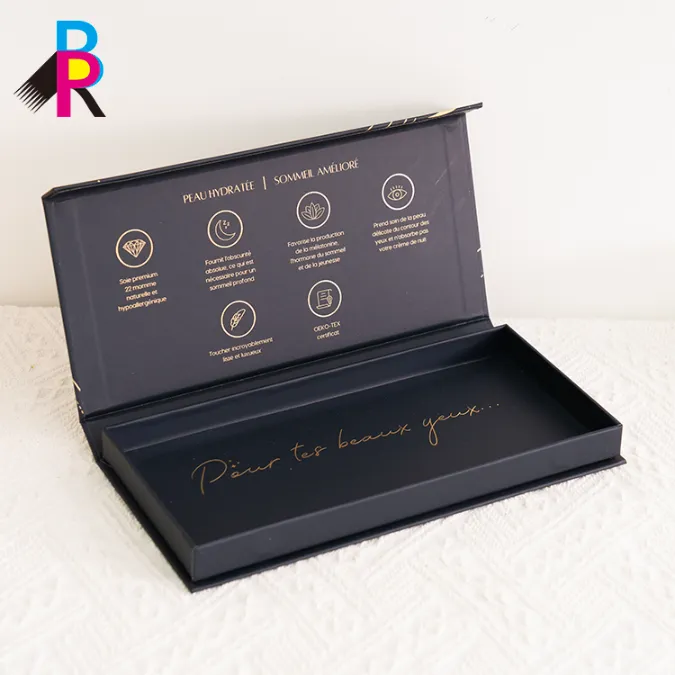
Printing your custom trading cards is only part of the project. Packaging, storage, and protective options have a huge impact on how your product is perceived and how long it lasts in the hands of players and collectors.
Popular packaging solutions:
- Tuck boxes for single decks or starter sets
- Rigid boxes / magnetic closure boxes for premium collector sets, bundle products, or gift editions
- Custom display boxes and retail packs for store shelves, booster packs, or blaster boxes
Protection and value‑added options:
- Card sleeves and toploaders for high‑value singles
- Rulebooks, booklets, or insert cards packed with the deck
- Tokens, punch‑out boards, and additional game components for full TCG or board‑game systems
Because Xinyi also manufactures board game components and packaging, we can provide an integrated solution—printing your trading cards and producing custom boxes, inserts, and accessories in the same facility to keep branding consistent and logistics simple.
Step 8 – Compliance, Sustainability, and IP Protection
Ensuring a safe, compliant, and environmentally responsible production process is a core part of Xinyi Printing’s services. We focus on:
- Environmental Standards: Using recyclable materials, eco-friendly inks, and processes that meet ISO and BSCI certifications.
- Production Compliance: Adhering to international safety regulations for printed products, such as CPSIA or EN71, where applicable.
- IP-Safe Manufacturing: Maintaining secure workflows, restricted access, and confidentiality measures to protect client-provided artwork and designs during printing.
Note: Xinyi Printing handles production compliance and IP-safe practices, but the responsibility for copyright, licensing, and content authorization remains with the client.
Which Type of Client Are You?
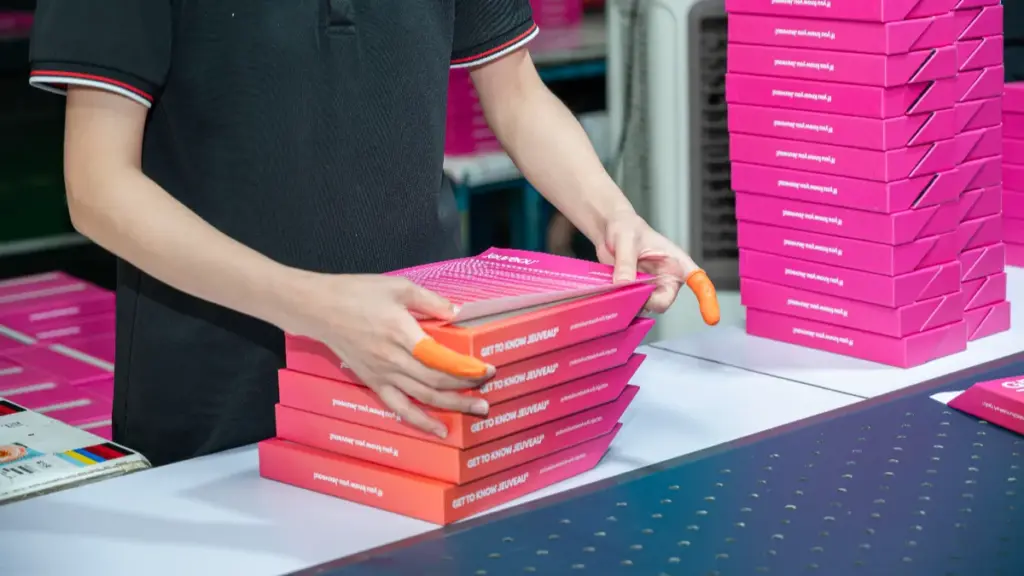
Different clients have different needs. Xinyi Printing provides tailored solutions for:
- Independent TCG Designers: Small batch runs, rapid prototypes, and digital printing with flexible packaging options.
- Sports / Club Clients: Mid to large runs with premium finishes, foil or holographic accents, and branded packaging.
- Education / Corporate Brand Cards: Eco-friendly materials, bulk production, durable finishes, clear branding, and instructional inserts.
For each scenario, we provide recommendations on card stock, surface finishes, minimum order quantity (MOQ), and proofing strategy, helping you make informed decisions efficiently.
How to Get a Quote and Start Your Custom Trading Card Project
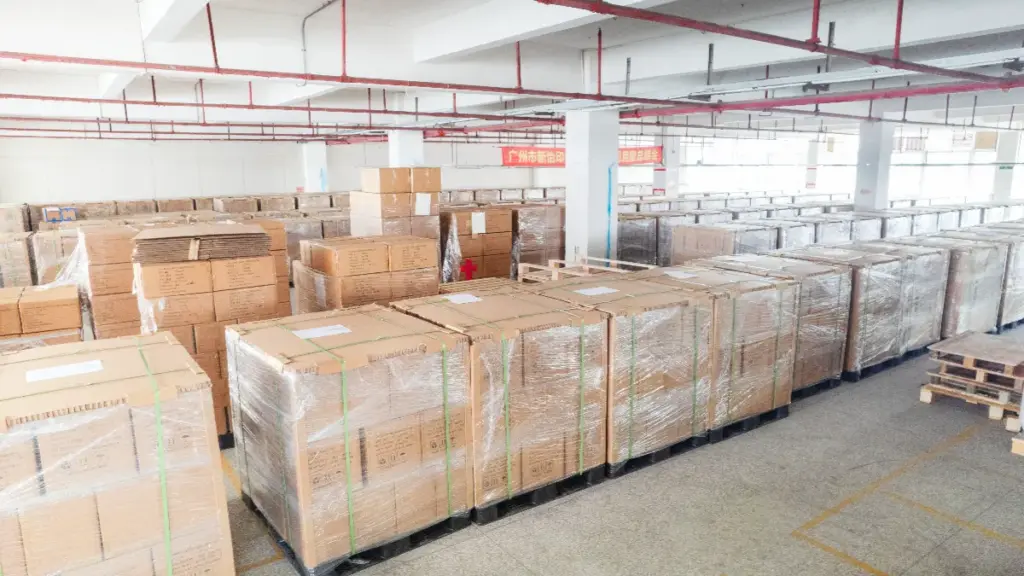
Once you are ready to create and print custom trading cards, the next step is to share the core details of your project so we can prepare a tailored solution.
For a fast and accurate quote, prepare:
- Card type and use (TCG, sports, collectible, education, promo, etc.)
- Card size, deck structure, and total quantities
- Preferred card stock (black core, white core, specific gsm) and finishes (matte, gloss, foil, holo, UV)
- Packaging style (tuck box, rigid box, retail packs, bundles)
- Destination country/region and target delivery date
You can reach Xinyi Printing through our website product pages and inquiry forms, where our multilingual sales team provides 24/7 responses, fast sampling, and real‑time order updates. From concept to finished decks, we are here as your manufacturing partner to bring professional‑grade custom trading cards to life.
Holographic cards are widely used in trading cards, collectible games, promotional cards, and premium brand packaging. Their shimmering surface and light-reactive effects instantly elevate perceived value and shelf appeal.
However, printing holographic cards at a professional level is very different from home experiments or small-batch DIY methods. In commercial card production, holographic effects must be stable, repeatable, and compatible with mass printing, cutting, and finishing processes.
As a professional card printing manufacturer with decades of experience in custom card production, Xinyi Printing works with global brands, publishers, and game creators to produce high-quality holographic cards at scale. This guide explains how holographic cards are printed in industrial production, what materials and technologies are involved, and what brands should consider when planning holographic card projects.
What Are Holographic Cards in Professional Printing?
In professional printing, holographic cards are printed cards that use holographic foil, film, or pre‑holographic board to create iridescent, rainbow, or depth effects across all or part of the card surface. Unlike simple metallic or foil cards, holographic cards rely on micro‑embossed diffraction patterns in the film that split light into multiple colors as the viewing angle changes.
For brands, game publishers, and artists, holographic card printing is specifically used to:
- Trading cards and collectible cards, such as sports cards, anime cards, and TCG/CCG releases, where holographic effects are used for rare, special, or limited-edition cards.
- Tarot cards and oracle cards, often using full holographic backs or spot holographic elements to enhance visual depth and thematic atmosphere.
- Game cards and board game components, including character cards, ability cards, and expansion cards that require higher visual impact.
- Membership cards and VIP cards, where holographic finishes convey exclusivity and premium positioning.
- Gift cards and prepaid cards, designed to stand out in retail environments and promotional displays.
- Promotional cards and brand cards, used for marketing campaigns, product launches, and event giveaways.
- Art cards and limited artist editions, where holographic elements are applied selectively to highlight artwork or special releases.
- Authentication, warranty, or certificate cards, where holographic surfaces support visual security and authenticity recognition.
Common Types of Holographic Effects Used in Card Printing

Professional holographic card printing offers multiple effect types; choosing the right one is a key creative and technical decision. Common options include:
- Full‑bleed holographic background
The entire card is printed on holographic card stock or laminated film, and your artwork sits on top, allowing the pattern to shimmer through midtones and light areas. This is popular for holo trading cards and collectible game cards. - Spot or selective holographic foil
A holographic foil is applied only to specific design elements—logos, titles, borders, rarity stamps, or special symbols—using hot foil, cold foil, or digital foil techniques. This creates a controlled “spot holo” effect that emphasizes brand or gameplay elements. - Patterned holographic textures
Professional suppliers offer numerous diffraction patterns: rainbow, shattered glass, starlight, honeycomb, wave, pixel, etc. These patterns can dramatically change how the light plays across the card and should be selected to match the style of your artwork and target audience.
Materials Used for Printing Holographic Cards
Choosing the right material combination is critical for both print quality and durability—especially for decks that will be shuffled and handled frequently. Xinyi Printing typically considers the following layers and components:
Base card stock
Common choices for holographic trading cards and game cards include 300–400 gsm coated art board, specialty game card stock with a black or blue core, and FSC‑certified or recycled boards for sustainable projects.
If you are not familiar with different measurement units for card size and paper weight when working with international printers, you can refer to our paper weight conversion guide for a clear breakdown.
Holographic substrate
- Pre‑holographic card stock (foil laminated to board at the mill or converter).
- Holographic film (PET or similar) laminated to printed sheets or to raw board, depending on the process.
- Holographic foil rolls for hot foil stamping, cold foil, or digital foil.
Surface finishes and protection
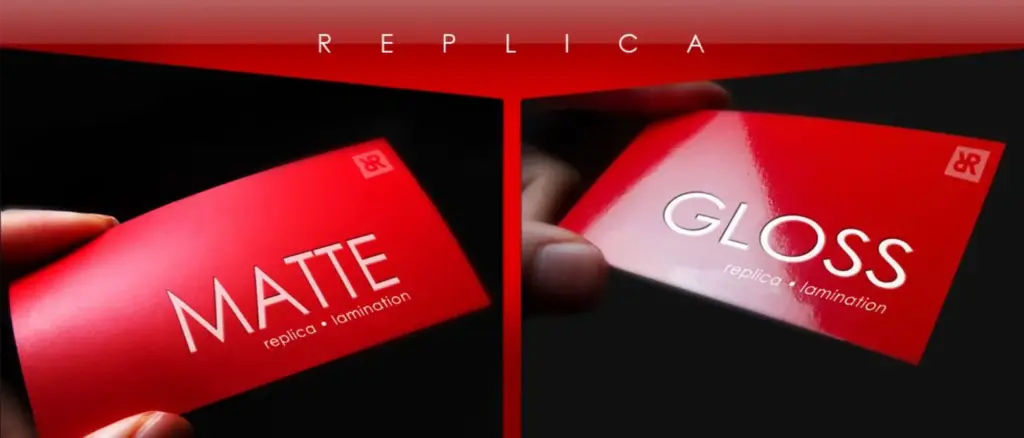
To control gloss and add protection, manufacturers use gloss or matte lamination, soft‑touch laminate, or UV varnish over the printed areas, sometimes in combination with holographic effects. This improves scratch resistance and card stiffness while keeping the “holo” look crisp over time.
How Holographic Cards Are Printed in Industrial Production
In industrial holographic card production, the process is engineered for color consistency, registration accuracy, and high yield—not just visual impact. A typical manufacturing workflow at a professional card printer like Xinyi Printing includes:
1. Prepress and file preparation
- Checking size, bleed, safe area, and resolution for standard trading card sizes (e.g., 63 × 88 mm) or custom formats.
- Separating artwork into CMYK print layers and dedicated holographic/foil layers using vector masks or spot colors.
2. Printing on holographic stock or base board
- For full‑bleed holographic cards, CMYK artwork is printed directly onto holographic card stock or laminated film using offset or high‑end digital presses.
- For spot holo, the base design is printed first onto premium board and then receives foil in a second step.
3. Applying holographic effect

- Hot foil stamping: A metal die and heated press transfer holographic foil to specific areas under pressure, ideal for sharp, metallic details.
- Cold foil: UV‑curable adhesive is printed where the foil should stick, and holographic foil is transferred inline on the press—excellent for fine halftones and gradients.
- Digital foil: Toner or varnish is digitally printed as a mask, then the sheet is passed through a foiling unit—suited to short runs and variable designs.
4. Lamination and coating
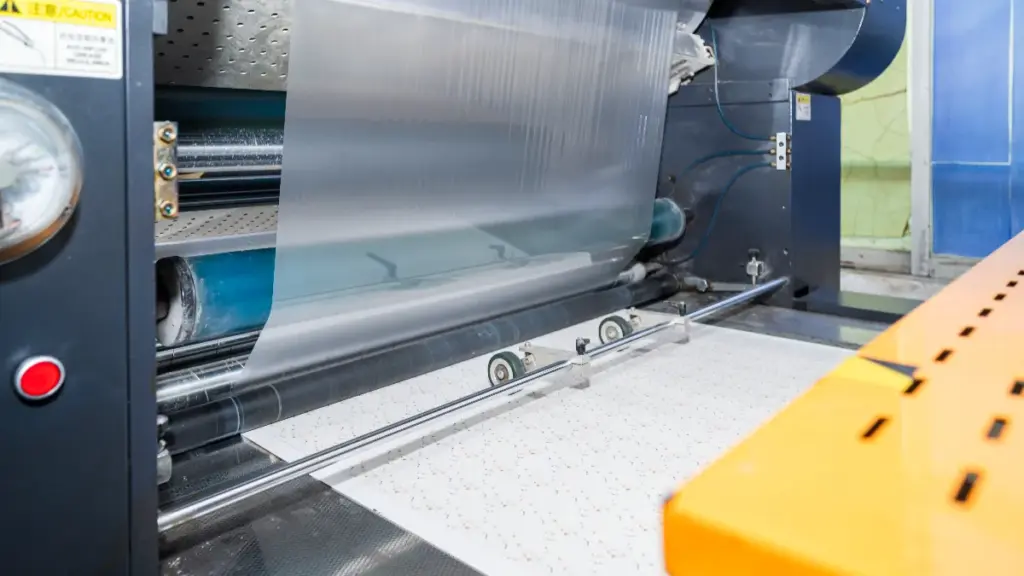
Where needed, an additional laminate or varnish is added to protect the printed and foiled surface, improve handling, and control gloss or tactile feel.
5. Die‑cutting, corner rounding, and collation
Cards are cut to final size using high‑precision guillotines or steel rule dies, corners can be rounded, and decks are collated, shrink‑wrapped, or packed into custom boxes or tuck cases.
Printing Technologies Used for Holographic Cards
Different holographic card projects call for different printing technologies, depending on run size, color requirements, and foil complexity. Common printing technologies include:
UV Offset Lithographic Printing (UV Offset)
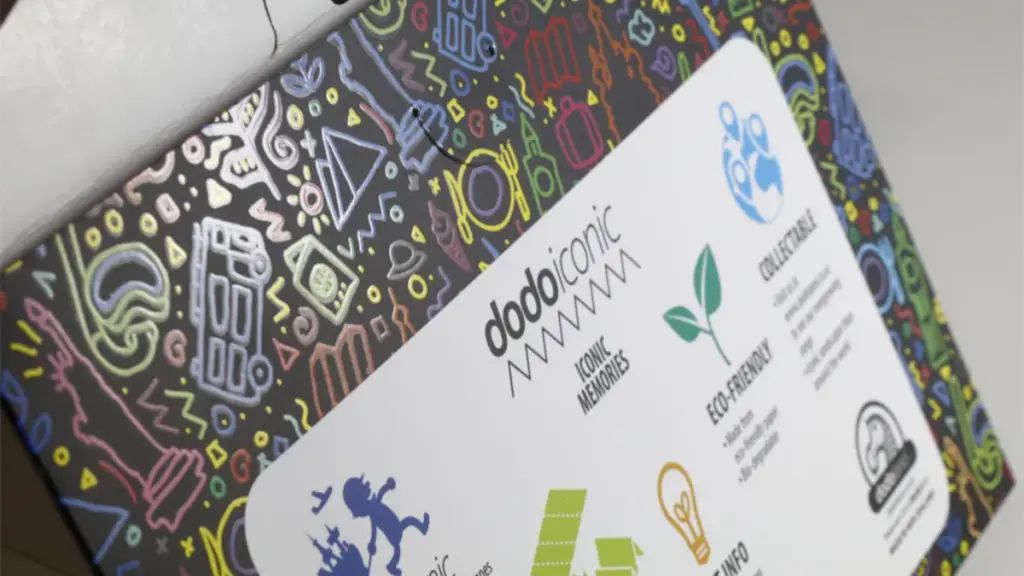
UV offset is one of the most common methods for printing on holographic paper and foil‑laminated board because the substrate does not absorb conventional inks well. UV‑curable inks are transferred via offset plates and then cured instantly with ultraviolet light, giving:
- Vivid color and sharp details on non‑porous holographic surfaces.
- Excellent adhesion on laminated or metallic boards used for full‑bleed holographic cards.
Conventional Offset Lithographic Printing
Conventional offset uses heat and air to dry the ink and is well‑suited to standard coated card stocks without lamination. For holographic projects, it is mainly used when:
- The holographic effect is added later via cold foil or hot foil stamping on a non‑laminated board.
- The card does not use pre‑holographic stock but relies on foil embellishment instead.
Digital Printing (Toner and Inkjet Systems)
High‑end digital presses are widely used for short runs, prototypes, and on‑demand holographic card printing. Digital printing can be combined with:
- Digital foil / digital embellishment units for spot holographic foil and raised foil details on small batches.
- White toner or white ink layers to control where the holographic background is blocked or allowed to shine through.
Hot Foil Stamping (Holographic Foil
Hot foil stamping uses a metal or polymer die, heat, and pressure to transfer holographic foil onto specific areas of an already printed card. It is the classic choice for:
- Spot holographic logos, titles, borders, and rarity icons.
- Creating raised or debossed holographic effects with strong metallic impact.
Cold Foil Transfer (Inline Foiling)
In cold foil, a UV‑curable adhesive image is printed on the sheet, then holographic foil is transferred inline on the press and overprinted with CMYK. This method is ideal for:
- Full‑color images printed over holographic foil, with precise registration.
- Complex gradients and fine halftones that are difficult to achieve with traditional hot foil stamping.
Screen Printing and UV Screen Varnish
Screen printing is sometimes used on holographic cards to add thick UV varnish, spot textures, or extra‑opaque white layers on top of holographic substrates. It is especially useful when:
- You want raised, tactile effects over holographic areas.
- You need strong blocking white underprint on very intense holographic patterns.
Here is a summarized table about common printing technologies in holographic cards printing:
| Printing method | Main use on holographic cards | Typical run size | Key advantages | Typical limitations |
|---|---|---|---|---|
| UV offset lithographic printing | CMYK printing on holographic paper or foil‑laminated board | Medium–large | Excellent color, sharp detail, fast curing on non‑porous holo substrates | Higher setup cost, less flexible for frequent design changes |
| Conventional offset printing | Base CMYK print on standard board before foil or laminate | Medium–large | Very consistent color, economical at scale | Not ideal directly on holographic film; slower drying vs UV |
| Digital printing (toner / inkjet) | Short‑run holographic cards, prototypes, POD with optional digital foil | Small runs | Low setup cost, supports variable data and quick changes | Higher unit cost for large volumes; more limited substrates |
| Hot foil stamping | Spot holographic logos, borders, rarity icons | Small–large | Strong metallic impact, crisp edges, classic “stamped” holo look | Requires dies; not ideal for fine gradients or very small text |
| Cold foil transfer | Large holographic areas and CMYK over holographic foil | Medium–large | Inline with printing, great for gradients and detailed images over foil | More complex setup; most efficient at higher volumes |
| Screen printing / UV screen varnish | Thick white, raised UV, textured effects on holo surfaces | Accent use | Very opaque whites, strong tactile finishes | Slower, usually an extra step rather than a main image process |
Design Considerations for Holographic Card Printing
Strong holographic card design is not only about adding “shiny” areas—it’s about planning how color, contrast, and foil interact under real lighting. When Xinyi Printing reviews files, some of the key design considerations include:
- Layering and masks
- Color and readability
- White ink and underprints
When printing on holographic stock, a white ink or underprint layer is often used to control where the holographic background is blocked and where it shines through. This is particularly important for faces, logos, and small typography. - File specifications
Supply print‑ready PDF or vector files in CMYK with sufficient bleed and resolution, and clearly label special colors or foil layers. Clear setup reduces prepress revisions and speeds up proofing
Quality Control in Holographic Card Production
Holographic cards demand stricter quality control than standard cards. Key QC checkpoints include:
- Incoming material checks
Verifying holographic films, foils, and base boards for pattern consistency, thickness, and surface defects before printing starts. - Color and registration control
Using spectrophotometers, press targets, and on‑press monitoring to ensure CMYK colors match approved proofs across the full run. Foil registration is continuously checked so holographic areas align with underlying artwork. - Mechanical and visual inspection
Random sampling of cards for foil coverage, scratch resistance, delamination, warping, and cutting accuracy. For trading card games or professional decks, shuffling feel and card stiffness are also evaluated to ensure a consistent tactile experience.
At Xinyi Printing, holographic card projects undergo material testing, press checks, and post-production inspections to ensure every batch meets export and brand standards.
Common Challenges in Printing Holographic Cards
Below are the most common issues encountered in holographic card printing and how professional manufacturers resolve them.
| Challenge | Root cause | Manufacturing solution | Outcome |
|---|---|---|---|
| Poor ink adhesion | Low surface energy of holographic films | UV inks, surface treatment, controlled curing | Durable print with strong scratch resistance |
| Excessive glare | Uncontrolled holographic reflection | Precise white ink blocking in key areas | Clear text and balanced visual contrast |
| Color inconsistency | Color shift on holographic substrates | Material-specific profiling and press calibration | Stable color across batches |
| Layer misregistration | Sheet movement during multi-layer printing | Tight registration control and sheet conditioning | Accurate alignment of all print layers |
| High rejection rate | Minor defects amplified by holographic surfaces | Pre-production trials and in-line QC checks | Reduced waste and consistent output |
| Cost control pressure | Higher material and process cost | Design-for-manufacturing optimization | Controlled cost without quality loss |
Customization Options for Holographic Cards Printing
At Xinyi Printing, typical customization options include:
Sizes and format
Standard trading card size (63 × 88 mm), poker and bridge sizes, mini cards, tarot, oversized promo cards, and fully custom dimensions.
Paper, cores, and finishes
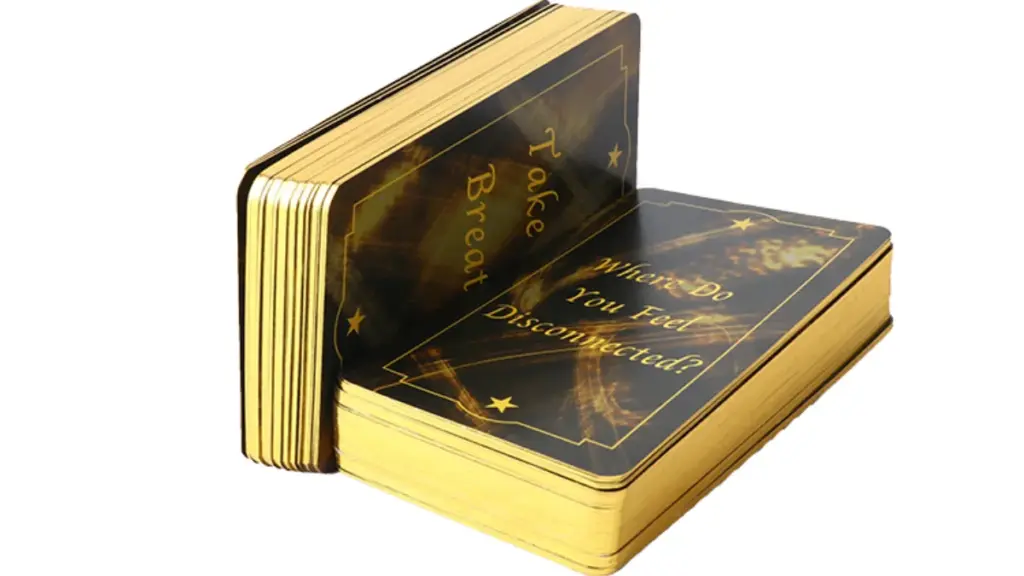
Different card cores (black, blue, or white) for opacity and game feel.
Gloss, matte, soft touch, or textured laminate on top of holographic effects for unique tactile finishes.
Holographic and foil options
Multiple holographic patterns, gold/silver holo foils, colored foils, and combinations of holographic and metallic elements on the same card.
Security and collectibility features
Serial numbering, QR codes, microtext, variable data printing, and anti‑counterfeit holographic elements for limited editions and licensed content.
Packaging and sets
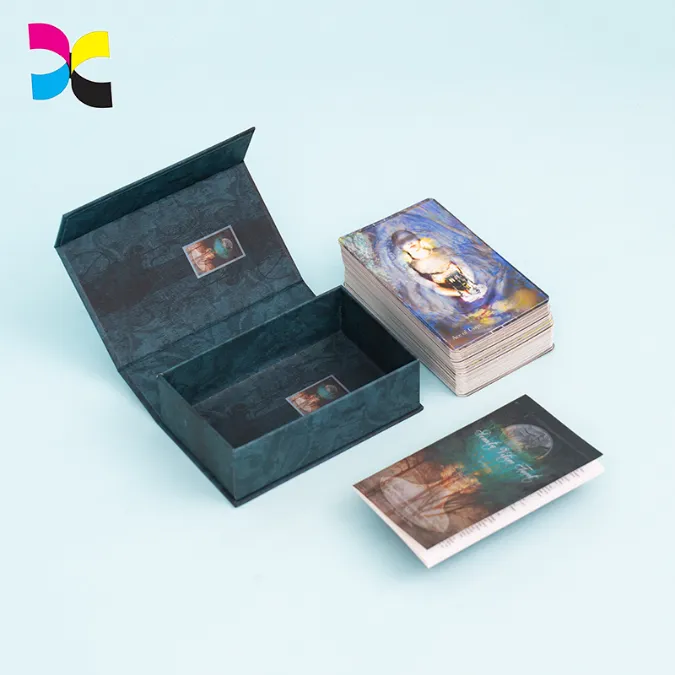
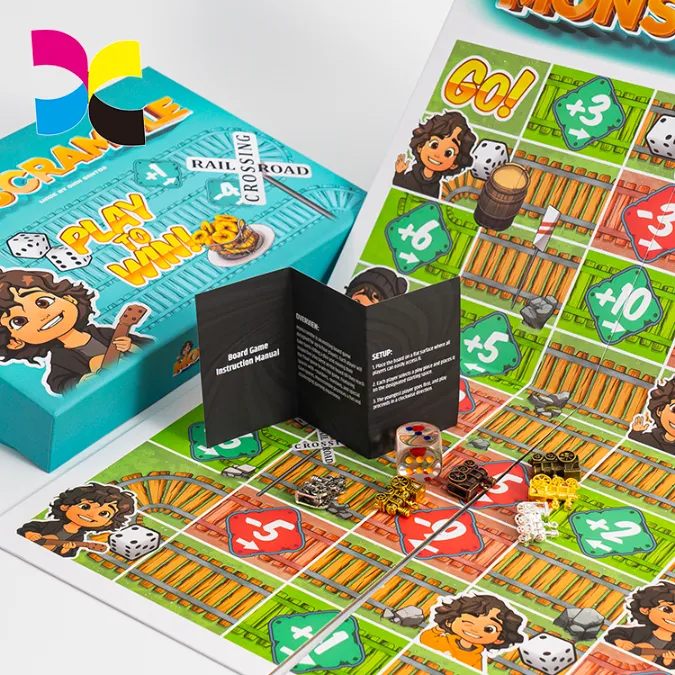
Custom tuck boxes, rigid boxes, booster pack configurations, and retail‑ready packaging designed around your holographic card set.
Why Work With a Professional Holographic Card Manufacturer
While there are many tutorials on how to make holographic cards at home, industrial holographic card printing is a different discipline—one that requires specialized equipment, materials, and process control. Working with a professional holographic card manufacturer like Xinyi Printing gives you several advantages:
- End‑to‑end technical support
From material selection and color management to foil pattern choice and file setup, an experienced team can help you avoid trial‑and‑error and move directly to production‑ready solutions. - Consistent, scalable quality
Industrial presses, automated finishing lines, and formal quality systems ensure that your first 500 cards and your 50,000th card match in color, holo effect, and cut precision. - Compliance, sustainability, and IP protection
A certified manufacturer can provide eco‑friendly materials, meet global safety standards, and protect your artwork and licensed content through NDAs and secure workflows.
If you are planning a new holographic trading card game, a premium deck, or branded holographic card set and want reliable, production‑grade results, partnering with a professional manufacturer like Xinyi Printing is the most efficient way to turn your designs into high‑quality, collectible holographic cards.
Printing a custom project should be straightforward — but when you start comparing quotes from different countries, paper weight quickly becomes confusing.
One factory lists 300 gsm, another mentions 110 lb, and a Japanese printer requests 180 kg. Are they describing the same thickness? Which one feels like a quality playing card, and which one might end up too soft or thin?
In global printing, paper weight systems differ by region: GSM in China and Europe, lb in the U.S., and kg in Japan. These numbers look similar, but they represent very different measurements. Misunderstanding them can lead to expensive production mistakes and disappointing results.
This guide will simplify the three major systems — GSM, lb, and kg — and show you how to compare them accurately. You can also use our Paper Weight Conversion Calculator below to get instant, reliable answers for your next printing project.
GSM ⇔ lbs Converter
Need help choosing? See the tables below for quick visual comparisons and expert recommendations.
Common Paper Weight Conversion: GSM to LB
| GSM | lb (Cover) |
|---|---|
| 200 gsm | 74 lb |
| 250 gsm | 92 lb |
| 300 gsm | 111 lb |
| 350 gsm | 129 lb |
| 400 gsm | 148 lb |
| GSM | lb (Text) |
|---|---|
| 80 gsm | 54 lb |
| 100 gsm | 68 lb |
| 120 gsm | 81 lb |
| 140 gsm | 95 lb |
| 160 gsm | 108 lb |
| 200 gsm | 135 lb |
Common Paper Weight Conversion: LB to GSM
| lb (Cover) | GSM |
|---|---|
| 80 lb | 216 gsm |
| 90 lb | 244 gsm |
| 100 lb | 271 gsm |
| 110 lb | 298 gsm |
| 120 lb | 325 gsm |
| 130 lb | 352 gsm |
| lb (Text) | GSM |
|---|---|
| 60 lb | 89 gsm |
| 70 lb | 104 gsm |
| 80 lb | 118 gsm |
| 90 lb | 133 gsm |
| 100 lb | 148 gsm |
| 120 lb | 178 gsm |
Common Paper Weight Conversion: GSM to KG
| GSM | kg (Cover)* |
|---|---|
| 200 gsm | 172 kg |
| 250 gsm | 215 kg |
| 300 gsm | 258 kg |
| 350 gsm | 301 kg |
| 400 gsm | 344 kg |
| GSM | kg (Text)* |
|---|---|
| 80 gsm | 69 kg |
| 100 gsm | 86 kg |
| 120 gsm | 103 kg |
| 140 gsm | 120 kg |
| 160 gsm | 138 kg |
| 200 gsm | 172 kg |
Now that you understand the math behind GSM, lbs, and kg, you might still be asking: “Okay, but which weight is right for my specific project?“
We have matched the most common print projects—from budget flyers to premium poker decks—with their industry-standard weights in every region.
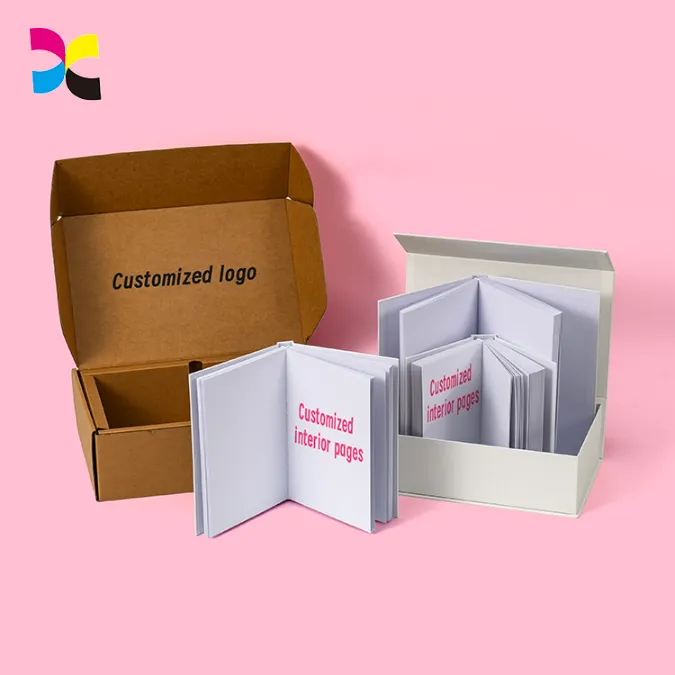
| Project Type | International (GSM) | US Standard (lbs) | Japan Standard (kg)* | Feel & Quality |
|---|---|---|---|---|
| Budget Flyers | 100 gsm | 70 lb Text | 90 kg | Thin, flexible, cheap. |
| Book Inner Pages | 128 gsm | 80 lb Text | 110 kg | Standard magazine feel. |
| Brochure / Cover | 157 gsm | 100 lb Text | 135 kg | Premium brochure feel. |
| Standard TCG | 300 gsm | 110 lb Cover | 180 kg | The “Pokemon” Standard. Snap and durability. |
| Premium Poker | 350 gsm | 130 lb Cover | 220 kg | Casino quality. Stiff and premium. |
| Luxury Packaging | 400 gsm | 145 lb Cover | 260 kg | Very rigid. Used for game boxes. |
What Is GSM?
GSM stands for Grams per Square Meter (g/m²). It is the most widely used measurement system for paper weight across the globe (Europe, Asia, Australia, and most of the world). It tells you how many grams a sheet of paper would weigh if it were exactly one square meter in size, so a higher GSM generally means a thicker and stiffer sheet.
For card games, packaging, and premium print products, GSM is often the most reliable way to compare stock, because it is consistent across different paper types and much easier to understand than regional basis-weight systems.
GSM to lb Conversion Formulas
The formula depends entirely on whether you are calculating for Text (thin paper) or Cover (thick paper).
A. For Text Paper (Flyers, Book Pages)
- Formula: GSM x 0.676 = lb (Text)
- Example: You have a standard 128 gsm glossy art paper. 128 x 0.676 = 86.5 lb
- Result: In the US, you would order 90 lb Text or 80 lb Text.
B. For Cover Paper (Cards, Packaging)
- Formula: GSM x 0.370 = lb (Cover)
- Example: You want a standard 300 gsm card stock for a poker deck. 300 x 0.370 = 111 lb
- Result: This is why the standard US weight for game cards is 110 lb Cover.
What Is LB?
In the U.S. printing industry, lb (pound) refers to the “basis weight” of a paper: the weight of 500 sheets in a specific base size for that paper category. Because each category (Text, Cover, Index, etc.) has a different base sheet size, 80 lb Text and 80 lb Cover are not the same thickness—80 lb Cover is significantly heavier and stiffer than 80 lb Text.
This is why a U.S. designer used to “100 lb Cover” can feel lost when a factory asks whether they want 300 gsm or 350 gsm; the numbers do not match directly unless you know which lb category you are working with.
lb to GSM Conversion Formulas
If a US client gives you a value in lbs, use these multipliers to find the international GSM equivalent.
A. From Text lb (Book Pages)
- Formula: lb (Text) x 1.48 = GSM
- Example: A client asks for an 80 lb Text interior for their rulebook. 80 x 1.48 = 118.4 gsm
- Result: You should quote them 120 gsm or 128 gsm paper.
B. From Cover lb (Cards)
- Formula: lb (Cover) x 2.707 = GSM
- Example: A client requests a heavy 130 lb Cover stock for premium tarot cards. 130 x 2.707 = 351.9 gsm
- Result: The perfect match is 350 gsm card stock.
What Is KG (Japan Ren-ryō)?
In Japan, commercial printers commonly describe paper weight in kg (kilograms) using the concept of 連量 (ren-ryō), which is the weight in kilograms of one ream (usually 1000 sheets) of a specific base sheet size. Two of the most common base sizes are 菊判 (Kiku-ban) and 四六判 (Shiroku-ban):
- Shiroku-ban (四六判):
- Sheet Size: 788mm x 1091mm.
- Usage: The dominant standard for trading cards (TCG), Doujinshi (B5), and posters. When you see “180kg” on a Japanese card site, it usually refers to Shiroku-ban.
- Kiku-ban (菊判):
- Sheet Size: 636mm x 939mm.
- Usage: Primarily for A-series books (A4, A5). Since the sheet is smaller, the kg weight for the same paper thickness will be lower than Shiroku-ban.
Pro Tip: To match the feel of a standard Japanese Pokemon card, you generally want 180kg (Shiroku-ban), which is approximately 300 gsm.
GSM to kg Conversion Formulas (Japan)
A. For Shiroku-ban (四六判) – The TCG Standard
- Formula: GSM x 0.86 = kg
- Example: You want to print a Doujinshi cover on 250 gsm paper. 250 x 0.86 = 215 kg
- Result: You would look for 220kg (Shiroku-ban) paper stock.
B. For Kiku-ban (菊判) – The A-Series Standard
- Formula: GSM x 0.60 = kg
- Example: You have the same 250 gsm paper, but for an A4 book (using Kiku-ban sheets). 250 x 0.60 = 150 kg
- Result: Notice how the same paper has a lower “kg” weight because the Kiku-ban sheet is smaller.
Ready to Choose the Right Paper for Your Cards?
If you’re still unsure whether 300 gsm, 110 lb Cover, or 180 kg is the best fit for your project, our team can help you decide based on your actual game, audience, and budget.
Xinyi Card Printing has over 28 years of experience producing flashcards, trading cards, board game cards, tarot decks, affirmation cards and custom packaging for clients worldwide, with ISO, BSCI, SEDEX, and Disney certifications to back up consistent quality.
- Get free paper recommendations tailored to your project.
- Request a sample pack to feel different weights and finishes in hand.
- Receive a detailed quote with the right GSM / lb / kg clearly marked.
Ready to print your deck with confidence?
👉 Contact Xinyi today to discuss your project, or send us your files and let our specialists recommend the ideal paper weight and finish for your cards.(Link this button to your Contact Us or Sample Request page)