Oracle vs Tarot: Quick Reference Matrix
| FEATURE | TAROT CARDS | ORACLE CARDS |
| Structure | Fixed (78 Cards) | Flexible (Any Amount) |
| Standard Size | 70 x 120 mm | 88 x 126 mm (Typical) |
| System | Major & Minor Arcana | Intuitive / Thematic |
| Shuffling | Fast, Riffle Shuffle | Slower, Overhand |
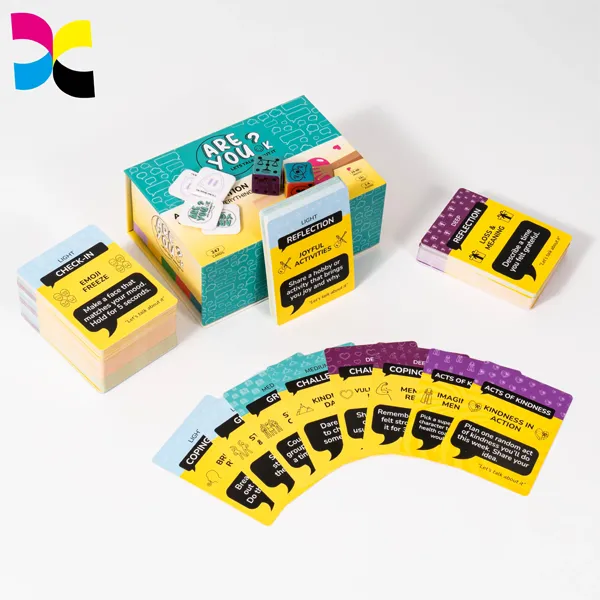
As a premier custom printing provider, we frequently receive requests to bring self-designed Tarot and Oracle decks to life. Whether crafted by professional illustrators or passionate hobbyists, these decks are more than just cards—they are a profound reflection of the creator’s vision and their unique understanding of the world.
Whether you are just beginning your journey of spiritual exploration or have been a seasoned practitioner for years, you’ve likely wondered: what is the actual difference between Oracle vs Tarot? In this comprehensive guide, we will break down the definitions of Tarot and Oracle cards and explore the key characteristics that set them apart.
If you are looking to print your own deck and require exquisite craftsmanship to capture the divine radiance and vibrant essence of your artwork, Xinyi Printing is your premier partner. We specialize in transforming your spiritual concepts into visual masterpieces.
So, let’s dive into our feature topic: Confused About Oracle and Tarot Cards? Here’s the Difference.
What Are Tarot Cards?
The Tarot is an ancient, symbolic card system originating in 15th-century Europe. Today, it serves as a sophisticated tool for self-exploration, psychological analysis, and divinatory prediction.
Structural Composition
A standard Tarot deck consists of exactly 78 cards, organized into two primary sections:
- The Major Arcana (22 Cards): Also known as the “Trump Cards,” these represent significant life transitions, spiritual evolution, universal laws, and core archetypal energies (e.g., The Fool, The Wheel of Fortune, The Lovers).
- The Minor Arcana (56 Cards): These handle the nuances of daily life—specific events, emotions, mental states, and material conditions. They are divided into four suits: Cups, Wands, Swords, and Pentacles (or Coins). This section includes 40 Pip cards (numbered 1–10) and 16 Court cards (Page, Knight, Queen, King).
What Are Oracle Cards?
Oracle cards are spiritual tools designed to provide soul-level inspiration, self-reflection, and positive guidance through beautiful artwork, text, and symbols. Unlike rigid “fortune-telling,” an Oracle deck acts as a medium for inner dialogue and whispers from the Higher Self.
Core Characteristics of Oracle Cards
- Fluid Structure: Unlike the strict 78-card system of the Tarot, Oracle decks are “free-form.” The total card count, themes, and rules are entirely up to the custom deck creator. Decks may contain 30, 44, or even over 100 cards.
- Intuition-Based & Accessible: The card faces usually feature highly intuitive imagery and direct messages (such as Angel Blessings, Animal Totems, or Cosmic Affirmations). They are extremely beginner-friendly, requiring no complex memorization of card positions or formal spreads.
- Emphasis on Energy Resonance: The process of drawing an Oracle card is one of energetic resonance. It allows the user to align their current vibration with the deck to receive the exact advice, comfort, or reminder needed at that specific moment.
Oracle Vs Tarot:What are The Main Differences?
Tarot is a structured, fixed system consisting of 78 cards. The deck is divided into two distinct categories: the Major Arcana and the Minor Arcana. The Major Arcana delves deep into profound archetypal themes, acting as a mirror that reflects our soul’s journey on Earth, while the Minor Arcana explores more specific aspects of our daily lives, illuminating our actual earthly experiences. They are divided into four different suits: Swords, Cups, Pentacles, and Wands.
By contrast, Oracle cards are a more flexible and diverse collection of cards, with each card carrying a unique message or imagery. These cards can come from a wide variety of decks, each with its own unique design, unique theme, guiding energy, and intention. Oracle cards offer a wonderful, flexible, and intuitive method of divination, allowing you to connect with your inner wisdom and intuition when interpreting the card messages. Unlike the more rigorously structured Tarot, Oracle cards provide a broader and more creative space for exploration, often focusing on specific aspects of life or spiritual guidance.
Essentially, the main difference between the two lies in their structure and purpose; Tarot has a fixed deck structure, while Oracle cards do not. Tarot is a comprehensive and long-standing system, whereas Oracle cards offer a more flexible, diverse, intuitive, and personalized approach. Both possess powerful strength to interpret our spiritual world.
Which Card Deck Should You Create: Tarot or Oracle?
If you are a creator planning your first card printing project, consider asking yourself:
- Do I want to interpret a centuries-old system through a unique artistic style? Choose Tarot.
- Do I want to create a world of my own, establishing my own rules and messages? Choose Oracle.
Or ask yourself:
- Do you have a pre-existing illustration theme? (Yes -> Oracle Cards)
- Do you want to follow classic occult symbolism? (Yes -> Tarot)
- Is your budget limited? (Yes -> Standard-sized Tarot; tooling costs are lower)
Regardless of which type of card you decide to produce, physical quality determines the user’s first impression.
Download our Tarot templates now! Start your Tarot journey today.
Popular Printing Options for Tarot and Oracle Card Decks
In the world of custom deck creation, the physical quality of your product speaks as loudly as the artwork itself. Whether you are aiming for a classic Tarot feel or a luxurious Oracle experience, choosing the right printing specifications is vital for durability, aesthetics, and the “shuffling experience.” Here are the industry-standard options most favored by professional creators:
1. Premium Card Stock & Core Technology
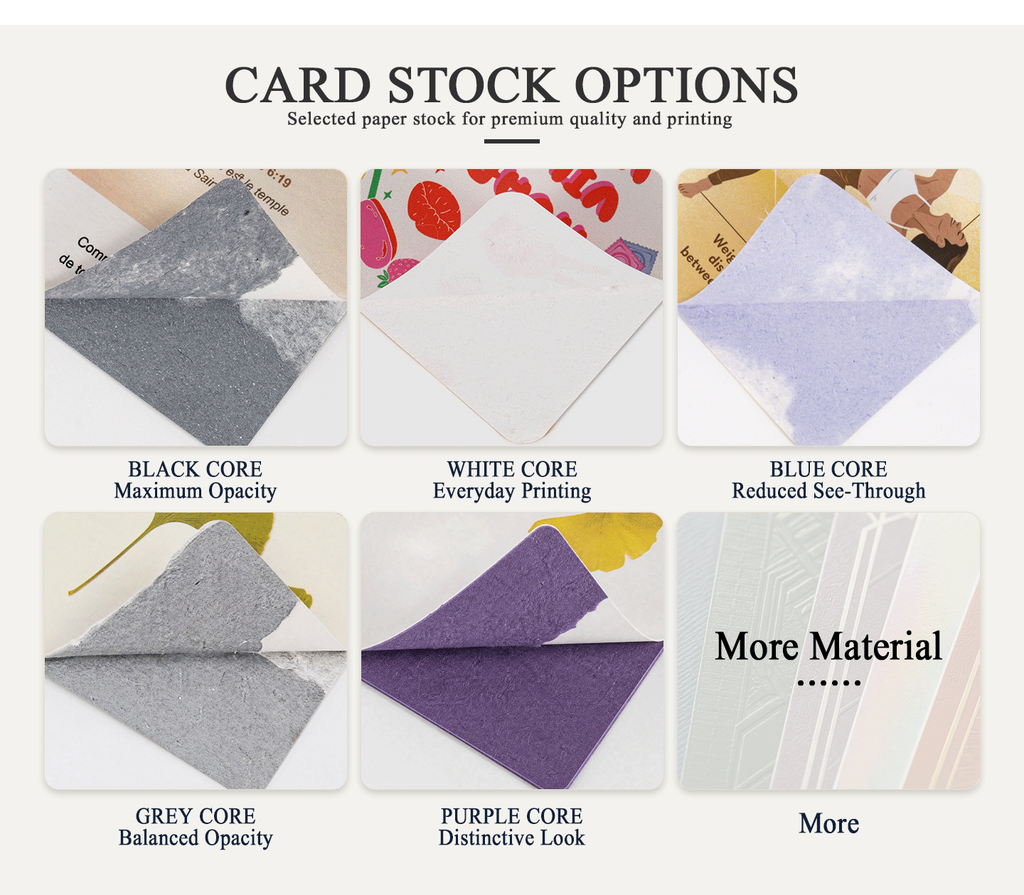
The “heart” of your card is the paper stock. For professional decks, we don’t just look at thickness; we look at the internal core.
- 310gsm – 330gsm Black Core (German Master Quality): This is the gold standard for Tarot decks. The black core layer ensures 100% opacity (no light shine-through) and provides the ultimate “snap” and flexibility required for frequent riffle shuffling.
- 350gsm – 400gsm White Core (Art Paper): Preferred for Oracle decks. These decks are often larger and used for slower, more intentional readings. The extra weight gives the cards a substantial, high-end feel in the hand.
- Eco-Friendly/Recycled Options: Increasingly popular for modern spiritual brands, using FSC-certified sustainable paper without compromising on the tactile finish.
2. Specialized Finishes and Textures
How a card feels when it slides against another determines its usability.
- Linen Finish (Air Cushion): A favorite for Tarot practitioners. The cross-hatch texture creates tiny air pockets between the cards, allowing them to glide effortlessly during shuffling. It also adds a vintage, professional look.
- Velvet/Silk Matte Lamination: Common in luxury Oracle sets. This “soft-touch” finish feels buttery and premium, reducing glare and making the colors appear more deep and sophisticated.
- High-Gloss Finish: Best for vibrant, high-contrast artwork. It makes colors “pop” and provides a protective layer that resists fingerprints.
3. Luxury Embellishments (The “Wow” Factor)
To beat the competition on retail shelves or Kickstarter, creators often opt for high-end decorative processes:
- Gilded Edges (Metallic Edging): Whether it’s classic gold, silver, rose gold, or even holographic matte, gilded edges are the hallmark of a “premium” deck. It protects the card edges from fraying while adding a stunning visual impact when the deck is stacked.
- Hot Foil Stamping: Using metallic foils on the card faces or backs to highlight specific symbols, borders, or text.
- Spot UV Effects: Applying a glossy, raised layer to specific parts of a matte card to create a subtle, light-catching contrast.
4. Professional Packaging & Guidebooks
A deck is rarely sold alone. The unboxing experience is part of the product.
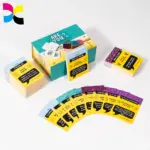
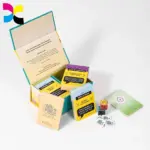
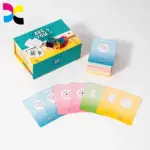
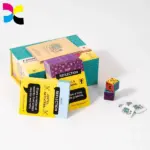
- Rigid “Lid and Base” Boxes: The standard for high-end Oracle and Tarot sets. These are sturdy, durable, and provide enough room for a thick guidebook.
- Tuck Boxes: A more portable and cost-effective option, often used for standard Tarot decks or travel-sized editions.
- Full-Color Guidebooks: From simple folded leaflets to 200-page perfect-bound books, providing a guidebook is essential for Oracle decks where the system is unique to the creator.
Technical Tip for Creators: When designing for Tarot, always consider the “shuffle-ability.” A card that is too thick (400gsm+) with heavy lamination can be difficult to riffle shuffle. If your system requires frequent mixing, stick to the 310gsm-330gsm range with a Linen or Matte finish.
Partner with Xinyi for Exquisite Printing: Start your Tarot Journey today.
Frequently Asked Questions About Tarot and Oracle Cards
Q1: Can I use Tarot and Oracle cards together in a single reading?
Answer: Absolutely. Many professional readers use Oracle cards to set the overarching theme or “energy” of a session, and then use the Tarot’s structured system to dive into the specific details and timelines. As a creator, you might even consider designing a companion Oracle deck to go along with your main Tarot deck—a popular trend in the custom card market.
Q2: What are the most common sizes for printing these decks?
Answer: While you can customize any size, the industry standards are:
- Tarot Standard: 2.75″ x 4.75″ (70 x 120 mm). This is the size most practitioners expect.
- Oracle Standard: 3.5″ x 5″ (88 x 126 mm). Oracle cards are often larger to allow the artwork and text to be more prominent.
- Pocket/Mini Size: 2″ x 3.5″ (approx. 50 x 88 mm) for travel-friendly editions.
Q3: Which is better for a first-time creator to design: Tarot or Oracle?
Answer: Oracle cards are generally easier for first-time designers because there is no fixed structure; you can create a deck with 30, 44, or 50 cards based on your vision. However, Tarot decks have a very loyal, established audience. If you choose Tarot, we recommend downloading our Standard Tarot Templates to ensure your 78-card layout meets professional printing requirements.
Q4: How do I ensure my custom cards are durable enough for daily use?
Answer: Durability comes down to the paper core and finish. For heavy use, we recommend 310gsm Black Core paper, which is designed to resist creasing and maintain its “snap” after thousands of shuffles. Adding a Matte or Glossy lamination also provides a protective barrier against moisture and skin oils.
Q5: Can I include a guidebook inside the box?
Answer: Yes! At Xinyi Printing, we offer various guidebook options, including:
- Little White Book (LWB): A small folded leaflet or stapled booklet that fits inside a standard tuck box.
- Full-Length Guidebook: A perfect-bound or case-bound book that typically sits inside a Rigid Lid-and-Base Box with the cards.