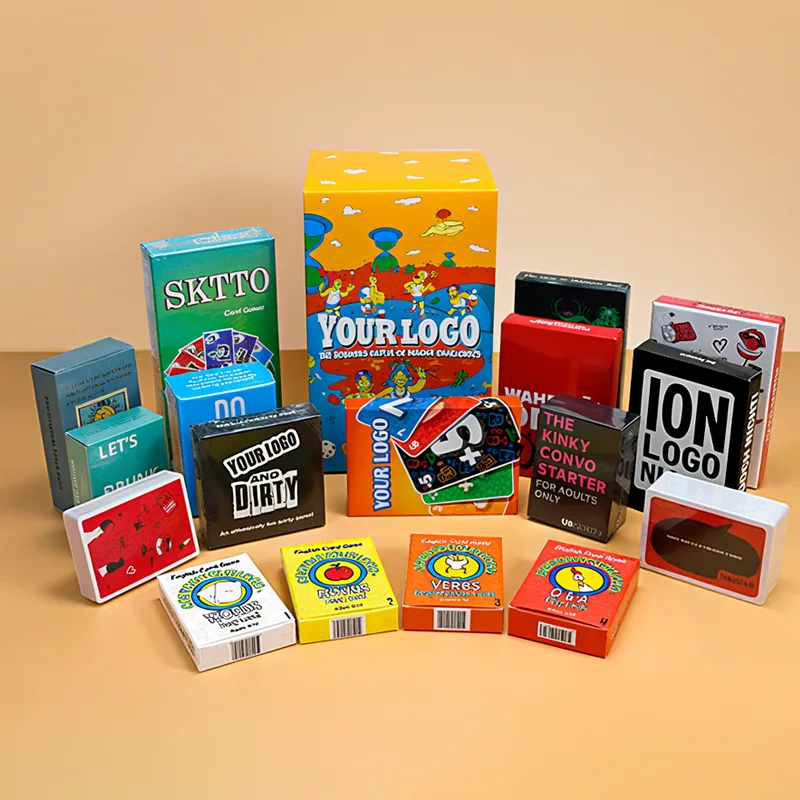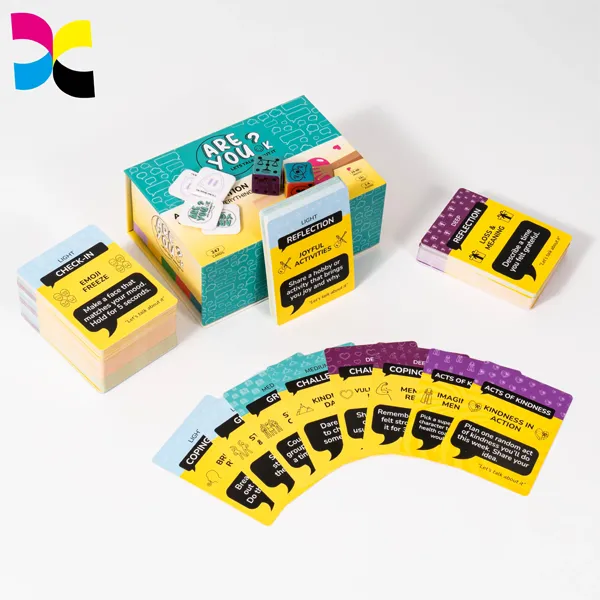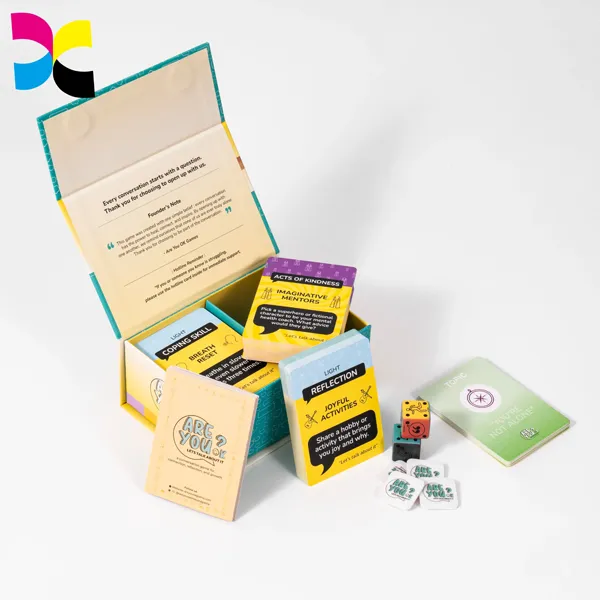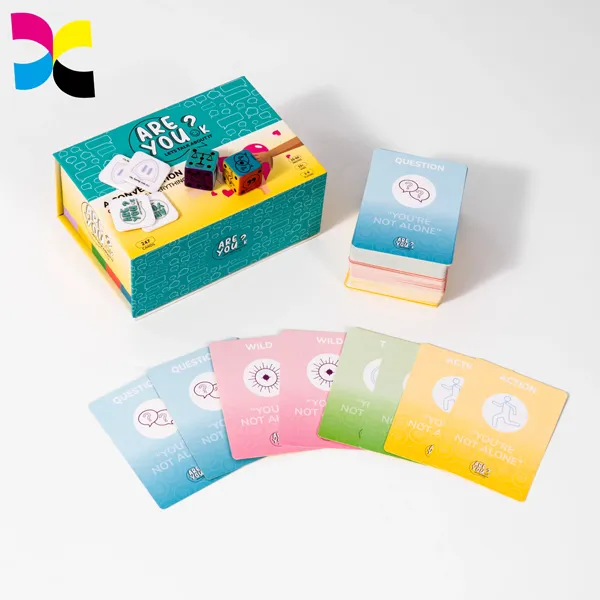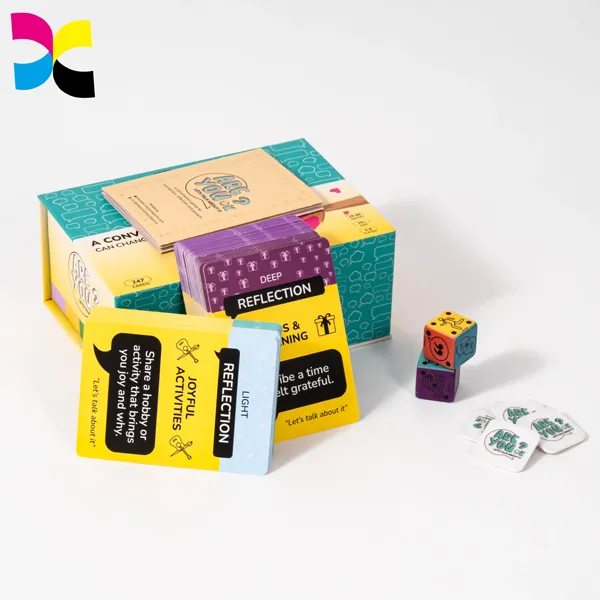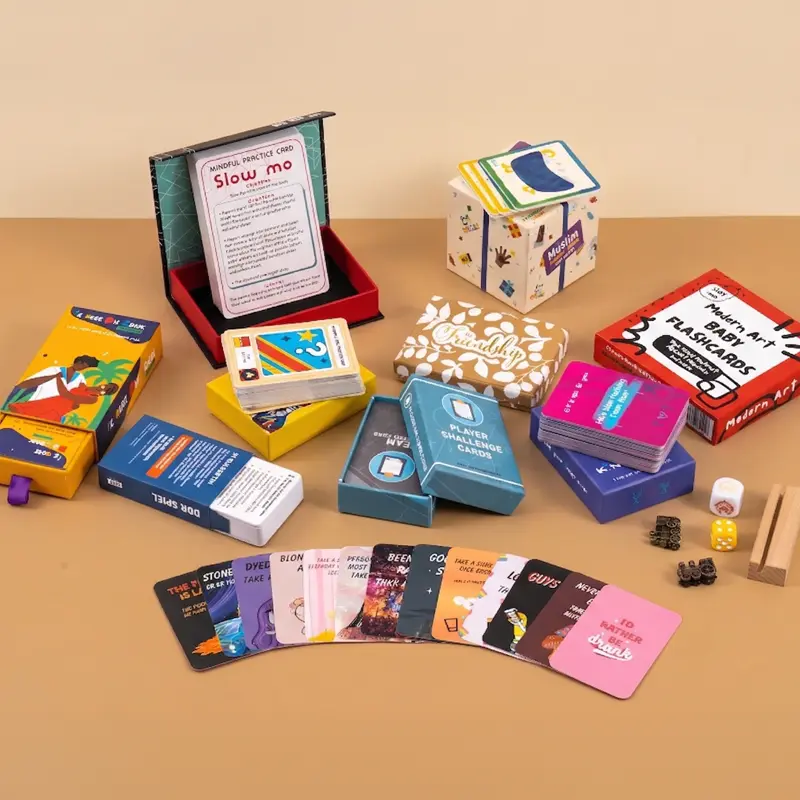
Before we dive into printing, let’s take a moment to appreciate what board games truly are.
They’re not just a pastime—they’re a way to bring people together, away from screens and into real, face-to-face connection. Whether it’s a family night, a party with friends, or a strategy-filled competition, board games remind us how fun interaction can be.
Xinyi Card Game Factory offer you a cost-effective solution: printed directly from the source, with lower prices and high consistency.
When you begin designing and manufacturing your own board game, one of the most common questions is: what components should my board game include? A board game is more than just the board itself — it’s a combination of game pieces, printed elements, and design features that work together to create an engaging play experience.
For new designers and seasoned creators alike, understanding key game elements helps you plan both game mechanics and production. Whether you’re preparing for crowdfunding, retail release, or custom board game printing, this guide breaks down the most important parts your game could include.
What Should a Board Game Include?
The Game Board
The central element of any board game, the game board defines the playing area and visual theme of your game. Boards can be single-panel or folding, and may include modular sections that change with each playthrough. Choosing the right board shape and size helps ensure players have enough space to interact with components and game mechanics.



Cards and Decks
Game cards are versatile and can represent actions, resources, characters, events, and more. Most modern board games use printed card decks made from laminated cardstock for durability. Including custom artwork and icons enhances player engagement and supports the game narrative.
Regular card sizes:
| No. | Popular Size | Diamention | Corner radius |
| 1 | Mini American cards | 41mm x 63mm (1.61″ x 2.48″) | |
| 2 | Mini European cards | 44mm x 67mm (1.73″ x 2.64″) | |
| 3 | Bridge cards | 57mm x 89mm (2.25″ x 3.5″) | R4 |
| 4 | Poker cards | 63mm x 88mm (2.48″ x 3.46″) | R3 |
| 5 | Tarot cards | 70mm x 120mm (2.76″ x 4.72″) | R6 |
| 6 | Jumbo cards | 88.5mm x 126.5mm (3.46″ x 4.96″) | R5 |
| 7 | Small square cards | 64mm x 64mm (2.5″ x 2.5″) | R7 |
| 8 | Medium square cards | 70mm x 70mm (2.76″ x 2.76″) | R5.5 |
| 9 | Large square cards | 88.9mm x 88.9mm (3.5″ x 3.5″) | R7 |
Tokens, Counters, and Chips
Small components like tokens, counters, chips, and coins serve many functions — from tracking scores to showing player resources. These pieces are usually printed or molded and come in a range of shapes and materials, helping reinforce your game’s mechanics and theme.
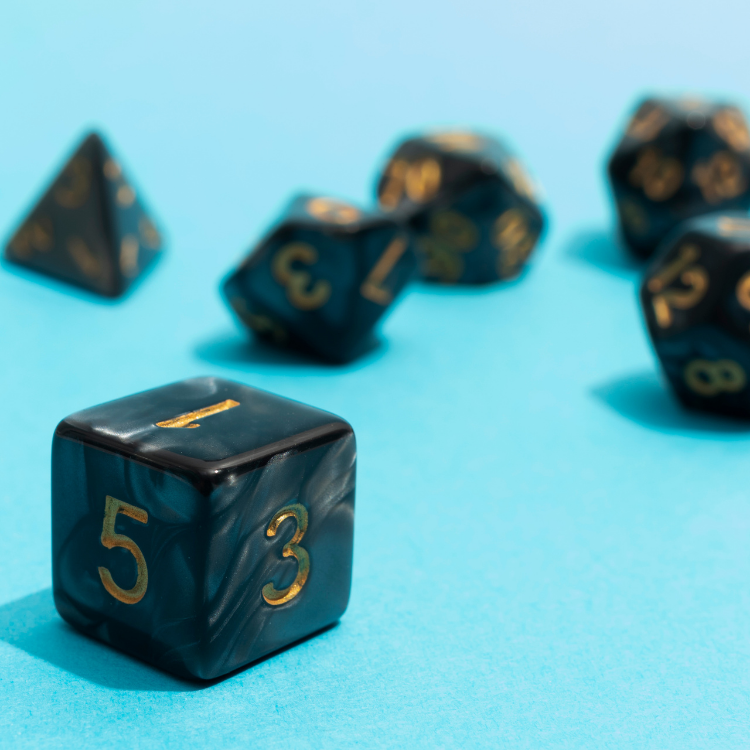
Dice, Spinners & Randomizers
Small components like tokens, counters, chips, and coins serve many functions — from tracking scores to showing player resources. These pieces are usually printed or molded and come in a range of shapes and materials, helping reinforce your game’s mechanics and theme.
Player Pieces: Meeples, Miniatures & Pawns
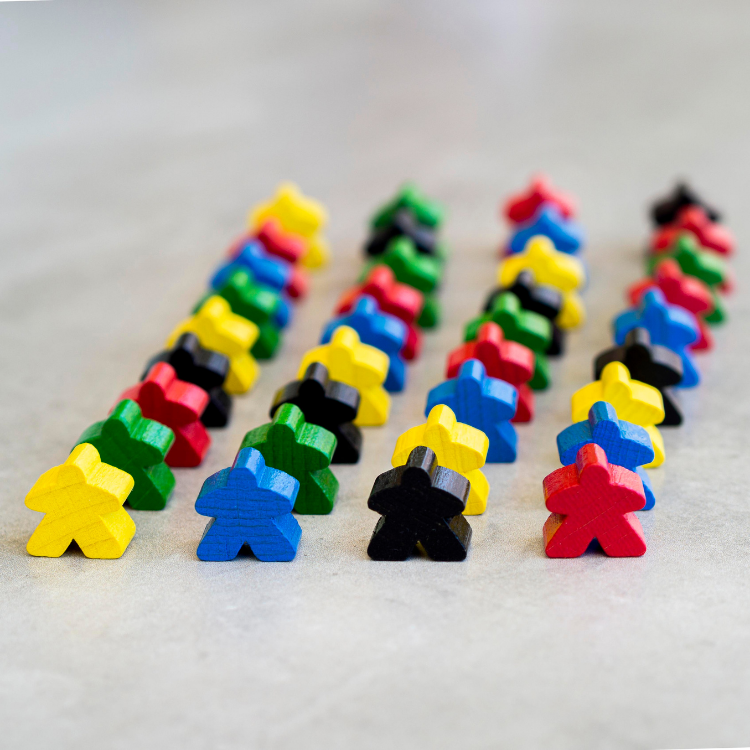
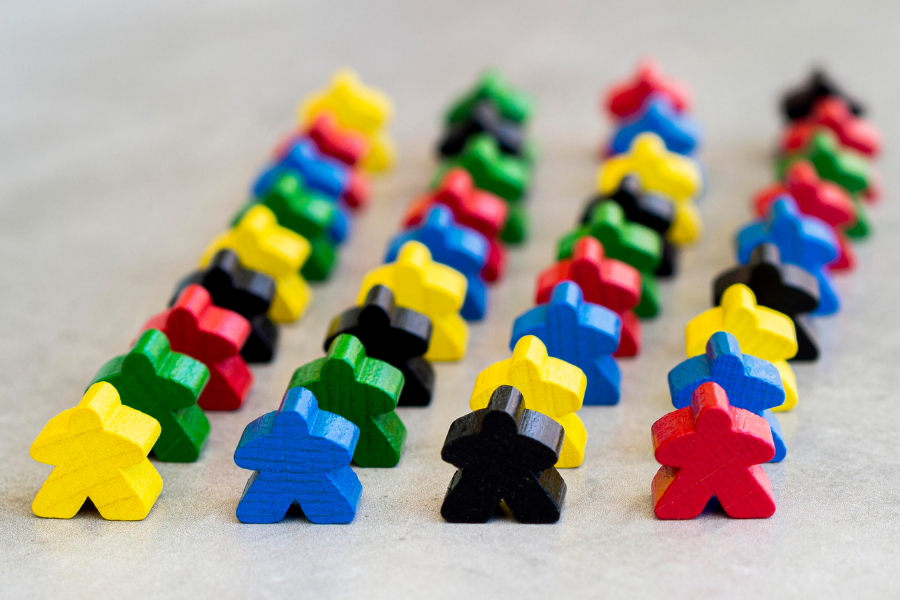
Player representation ranges from simple meeples and pawns to detailed miniatures that visually enhance gameplay. Meeples are iconic for many strategy games, while miniatures add thematic depth and collector appeal. Your choice will depend on your game’s style and budget.

Rulebook and Instructions
Without rules, players can’t play your game. A clear, well-designed rulebook should explain gameplay mechanics, setup, and objectives. You can print this as a booklet or full-color manual to help players learn quickly and reduce confusion.
Custom Game Mats & Inserts
Beyond the basics, many designers include game mats for specialized play surfaces and custom inserts for component storage. These printed elements make setup easier and improve the overall player experience.
Game Box and Packaging
The first impression of your board game comes from its packaging. A strong custom game box not only protects all components, but also communicates theme, quality, and brand identity. High-quality board game printing services offer custom box design, inserts, and finishes for retail readiness.
Board Game Market Size
The global board game market has seen steady growth over the past few years. According to compiled market research data, the market size exceeded USD 3 billion in 2023 and is projected to reach approximately USD 15 billion by 2025. This growth trend highlights the significant potential of the board game industry on a global scale. Research also shows that the market is predominantly led by Europe and North America. Europe holds the largest share, accounting for over 40% of the global market, while North America—especially the United States and Canada—represents another major region, with a large and active base of board game enthusiasts and consumers.
In 2023, the global board game market reached approximately RMB 20.1 billion. From 2019 to 2023, the compound annual growth rate (CAGR) was around %, and the market is expected to maintain a stable upward trajectory. By 2030, it is forecast to reach nearly RMB 37.5 billion, with a projected CAGR of 9.3% over the next six years.
As January 2025 approaches, a wave of new and highly anticipated board games is hitting the market, drawing attention from online retailers and gaming enthusiasts alike. This article will highlight some of the standout titles that are rising to the top, offering insights into the most in-demand products. Whether you are a retailer sourcing unique games or a wholesaler or enterprise looking to expand your offerings, these bestselling titles are sure to capture your customers’ interest.
Final Thoughts
There’s no one-size-fits-all formula for board game components — each game is unique and depends on your concept, mechanics, and audience. However, including a thoughtful mix of boards, cards, tokens, player pieces, clear instructions, and quality packaging will help ensure your game is playable, enjoyable, and ready for printing or manufacturing.
If you’re preparing your design for production, partnering with a professional custom board game printing and packaging provider can help bring your ideas to life with precision and quality — from prototype to final boxed product.
When unboxing a new board game, the game board is usually the first component you touch, unfold, and admire. Its sturdiness, smoothness, and print quality all contribute to the game’s premium feel. But what materials are game boards actually made of? Why do some boards feel thicker, flatter, more durable, or simply more “luxurious,” while others feel rough and resist folding?
To elevate your board game’s tactile appeal and wow players with its craftsmanship from the moment they hold it, remember: the feel of any board game or card set is like a first impression between people—crucial to the gaming experience. Building your board game brand hinges on ensuring top-notch quality!
At Xinyi, we specialize in crafting custom, premium board game components, inspiring both independent creators and top publishers.
Now, join Xinyi as we thoroughly analyze the most common material types and production techniques. Let us guide you in selecting the optimal board material for your next board game project!
What Are Board Game Boards Made Of?
Core Material
The thickness of a game board directly affects its durability, rigidity, and how flat it lays during play. Common industry thicknesses include:
1.5 mm – Ideal for entry-level or lightweight games
2.0 mm – The standard thickness for most mid-level board games
2.5 mm – Used for premium, deluxe, or large map boards with a more substantial feel
The core material used for most board game boards is either chipboard or greyboard.
What is Chipboard?
Chipboard is a dense, rigid material made from compressed recycled paper fibers. It is commonly used in board games, book covers, packaging, and other products that require structural support. Chipboard has a smooth, uniform surface and is available in various thicknesses, making it ideal for laminating printed artwork and creating durable game boards.

What is Cardboard?
Cardboard is a broad term used to describe thick, stiff paper-based materials, often used for packaging and shipping. In most industries, “cardboard” specifically refers to corrugated cardboard, which consists of a fluted (wavy) inner layer sandwiched between two flat liner boards. This construction provides excellent strength and cushioning, making it suitable for boxes and protective packaging.
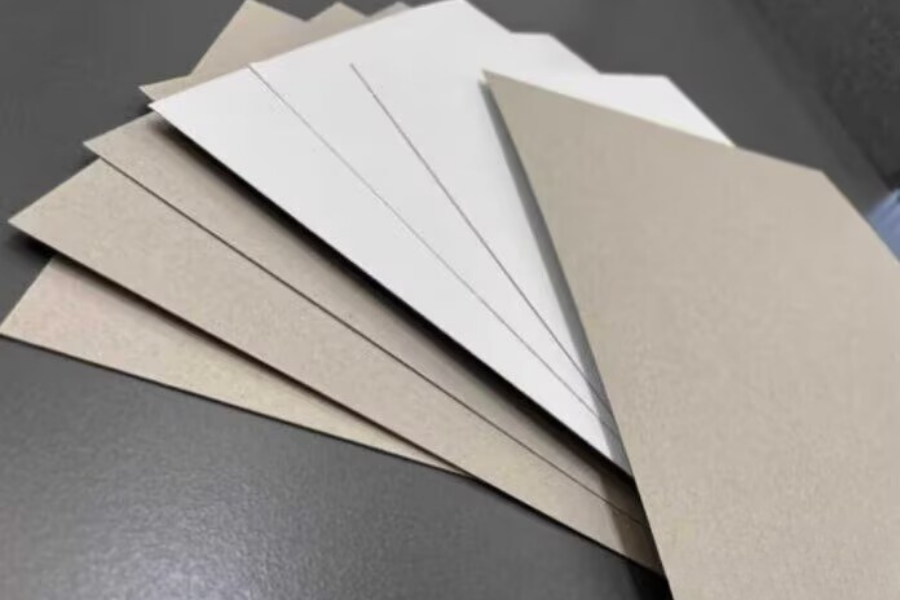
Both are rigid sheets made from compressed recycled paper fibers, offering excellent stability and strength—making them the industry standard for game boards.
Chipboard generally features a more uniform structure with a smoother, lighter-colored surface, providing consistent density and suitability for high-quality printing.
Greyboard, on the other hand, is darker in tone and made from recycled pulp. It feels slightly denser and is usually more cost-effective. In board game manufacturing, the two materials are often used interchangeably, as their performance is nearly identical in real gameplay. The main differences lie in surface color and compression method.
Why are The Core Materials for Game Boards so Important?
Regardless of whether chipboard or greyboard is used, the board is always wrapped with printed art paper and finished with protective lamination to ensure long-lasting color, smooth handling, and structural durability through repeated folding and frequent gameplay.However, choosing the right core material is still critically important, because it directly affects the board’s rigidity, resistance to warping, overall lifespan, and the premium impression players experience when they unfold the board. A well-selected material ensures that the board lays perfectly flat, withstands humidity changes, holds up against heavy use, and delivers the level of quality that matches your game’s production standards.
Creative Aspects of The Game Board
1.Surface Material: Printed Art Paper
After forming the core corrugated cardboard, both sides of the game board are covered with art paper bearing the printed design.
Common Paper Types:
157gsm C2S Art Paper—Industry Standard
128 gsm Art Paper — Slightly thinner but smooth surface
170 gsm Premium Art Paper — Used for luxury craftsmanship
Printing Processes:
Offset Printing — Vibrant colors, exceptional quality
Digital Printing — More efficient for small-batch samples
UV Printing — Special edition products, rich colors with ultra-durable finish
This printed layer lends the game board its visual appeal—maps, grids, terrain, icons, or illustrations.
2.Protective Coatings: Lamination and Surface Treatments
Similar to the surface treatments applied to books, cards, and packaging boxes, game board surfaces also require lamination and other treatments to protect printed designs and enhance durability. Common coating processes include the following:
Gloss Lamination:
Gloss lamination uses high-gloss resin as its core component, combined with solvents. After curing, it forms a highly transparent, high-reflectivity surface coating.
Matte Lamination:
Matte lamination uses a matting agent on a varnish base to disrupt the uniformity of light reflection on the coating surface. After curing, it creates a low-reflectivity, foggy matte finish.
Embossing:
This post-press technique uses high-temperature, high-pressure dies to create raised or recessed three-dimensional effects on printed surfaces. Achieving a tactile relief and visual depth without ink, it’s often used to enhance artistic appeal and brand recognition. Examples include fabric-like crosshatch textures that resist scratches while offering a luxurious, refined feel—a preferred choice for premium publishers.
Anti-Scratch Laminations:
Premium upgrade coatings with exceptional scratch resistance. These coatings define the tactile experience of the board and its durability under intense gameplay.
3.Board Folding Types
Most manufacturers support 39-inch × 27-inch game boards. Beyond this size, you’ll need custom equipment and incur higher costs.
Common dimensions include:
15-inch × 15-inch: Classic square format (similar to Scrabble)
20-inch × 20-inch: Popular for strategy games
20-inch × 30-inch: Games requiring larger playing areas
4.Premium and Unique Board Materials
Some manufacturers opt for distinctive materials to set their products apart.
Magnetic Boards: Incorporate a thin magnetic layer compatible with magnetic pieces, making them ideal for travel games.
Foam Core Boards: Lightweight yet substantial, used for prototypes or large-player boards, though less durable than particleboard.
MDF/Wooden Boards: Suited for deluxe or heirloom editions, offering exceptional rigidity but being costly and bulky.
PVC/Plastic Boards: Waterproof and durable, common for outdoor or bar-friendly games. These niche materials significantly elevate premium aesthetics.
From surface materials and protective coatings to folding formats and premium substrate options, every creative aspect of a game board contributes to its overall quality and player experience. The choice of materials not only defines visual impact but also determines durability, playability, and the perceived value of the game itself. By understanding these components and selecting the right combinations, creators can craft game boards that are visually striking, structurally reliable, and perfectly aligned with the gameplay experience they aim to deliver—whether for mass-market titles or high-end collector editions.
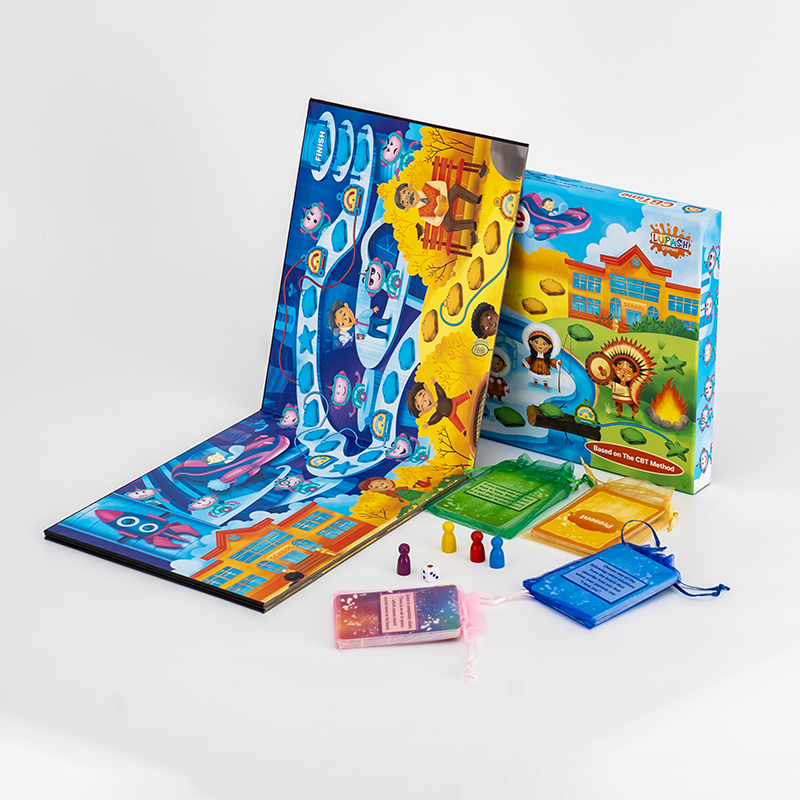
Conclusion: The board is the heart of a board game.
Though seemingly simple, every sturdy crease and vibrant pattern on a game board reflects meticulous material selection and exquisite craftsmanship. From cardboard thickness to lamination types and specialized finishing options, understanding these material properties will help you design games with comfortable tactile feel and outstanding play experience.
Whether you’re a game publisher, designer, or simply a player who appreciates well-crafted components, understanding the materials that make up a game board allows you to appreciate the craftsmanship behind your beloved tabletop games.
Partnering with professional board game manufacturers helps your brand stand out with unique appeal.
For centuries, playing cards have been an integral part of human entertainment. From classic poker card decks to modern collectible card games, trading cards, and custom tabletop accessories, card production is both an art and a science. Behind every deck lies the essence of materials engineering, printing technology, and precision manufacturing.
This guide will delve into the detailed process of card production, the materials employed, and why these choices are crucial to a deck’s durability, shuffling feel, visual appeal, and overall gaming experience.
What Are Playing Cards Made Of?
As we all know, the most classic material for playing cards is paper. But did you know? Besides paper, there are many other materials used to make playing cards. Moreover, paper itself comes in many varieties, resulting in different types of playing cards. First, let’s explore the simplest kind—playing cards made of paper:
Black Core Paper, most commonly used for: playing cards, casino cards, TCG cards, board game cards. Features a black inner core that allows light transmission, providing a solid feel during shuffling and cutting. Typically 300-330 gsm in thickness.This article:What Is Black Core Cardstock? details the uses of substandard cardboard; you can refer to it.
White Core Paper, featuring a softer white inner layer, is commonly used for educational cards or children’s cards. Thickness ranges from 280-320gsm, offering lower cost and vibrant color saturation.
Blue Core Paper, similar to black core paper, also prevents light transmission. It is very common in assigned factories, boasts low light transmission, and maintains consistent quality.
Linen Finish Paper,Offers a more premium tactile experience. Essentially black or white core paper with an embossed texture, commonly found in high-end playing cards, magic cards, and TCGs. Features fine surface lines for enhanced durability, smoother washing and cutting, reduced sticking, and a more professional feel.
Specialty Card Stock is used for collectible cards and blind box cards with strong design elements, such as Holographic Paper, Metallic Paper, Pearlescent Paper, Glitter Card Stock, etc. These offer striking visual effects and are suitable for premium, limited-edition cards.
Next, let’s take a look at cards made from other materials:
- PVC Cards
Common for waterproof decks, casino-style cards, and long-lasting educational cards.
- PET Plastic Cards
More eco-friendly than PVC, with excellent clarity.
- Metal Cards
Made of aluminum or stainless steel, often for premium gift sets.
- Wooden Cards
Laser-engraved or printed for artistic and eco-friendly decks.
- Acrylic Cards
High-transparency plastic used in anime merchandise and display cards.
How Are Playing Cards Made?
Step1:Designing Your Card Deck
Know Your Card Number:When you set out to create your own deck of playing cards, the first step is surprisingly simple—yet one that many beginners often overlook. Many dive straight into designing their custom deck without considering the number of cards. But the total count forms the foundation of the entire project. Without a clear figure, you might run out of ideas mid-design or end up with inconsistent styling as you scramble to fill unexpected gaps.
A standard deck contains 54 cards, so if you aim to replicate a traditional design, the count is already set. But if your goal is to create a non-traditional or entirely original deck, choosing the exact number of cards is crucial. It determines how many unique concepts or illustrations you’ll need.
Once the number of cards is set, the next step is to create a numbered list documenting every card you plan to include. This list will serve as your roadmap, guiding you through the brainstorming phase—and naturally leading you into the second stage of the creative process.
Choose the card size that you want to customize:Want to create your own card game? Need to know the correct playing card dimensions? We’ve carefully compiled this comprehensive guide covering various playing card sizes to help you make the best choice for perfectly printed cards. Go check it out!
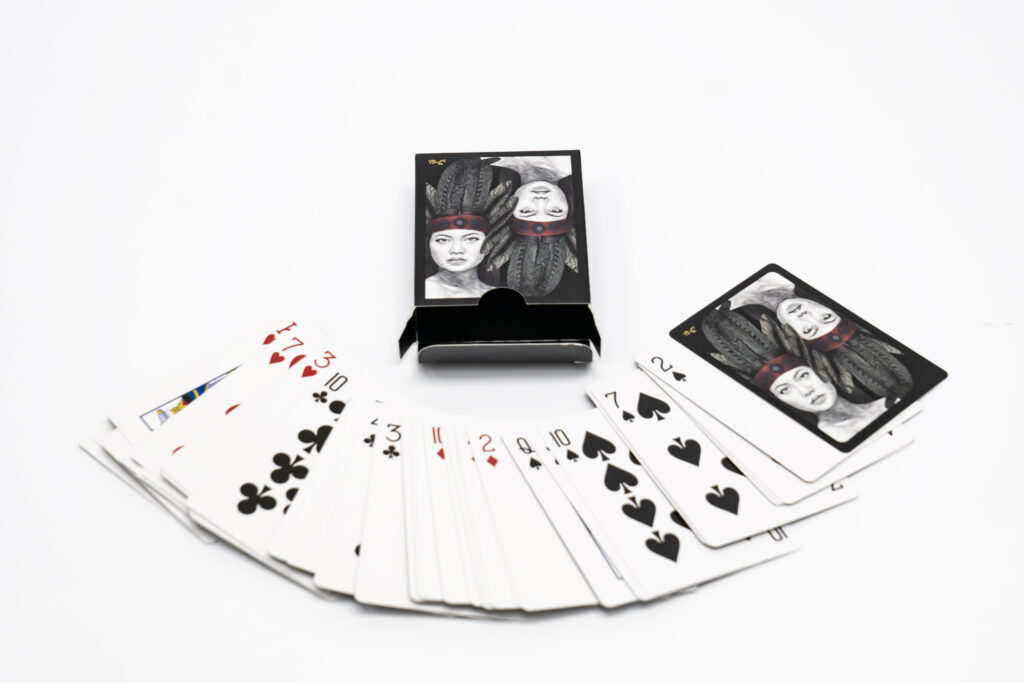
poker card deck
54 Cards
4 Suits, 9 Numbers, 5 Face Cards
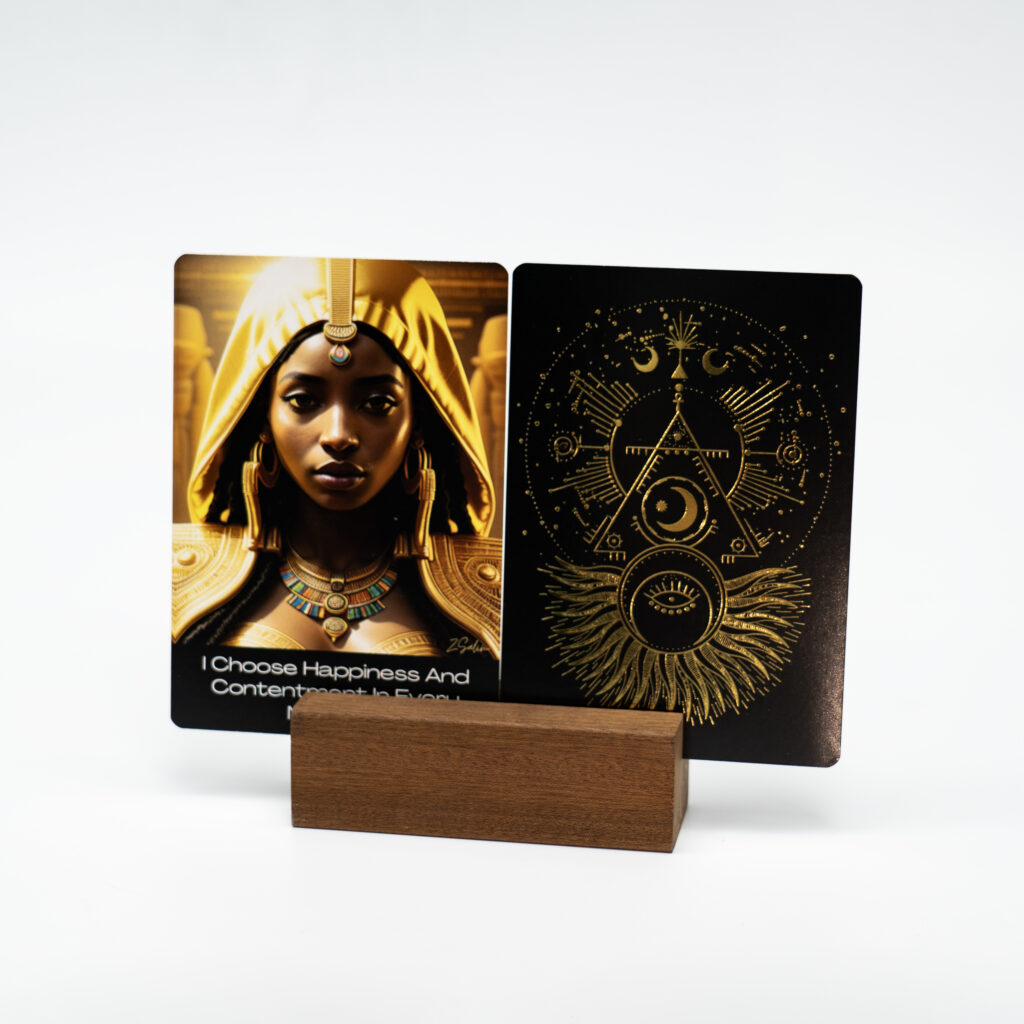
Tarot card deck
78 Cards
22 Major Arcana & 56 Minor Arcana
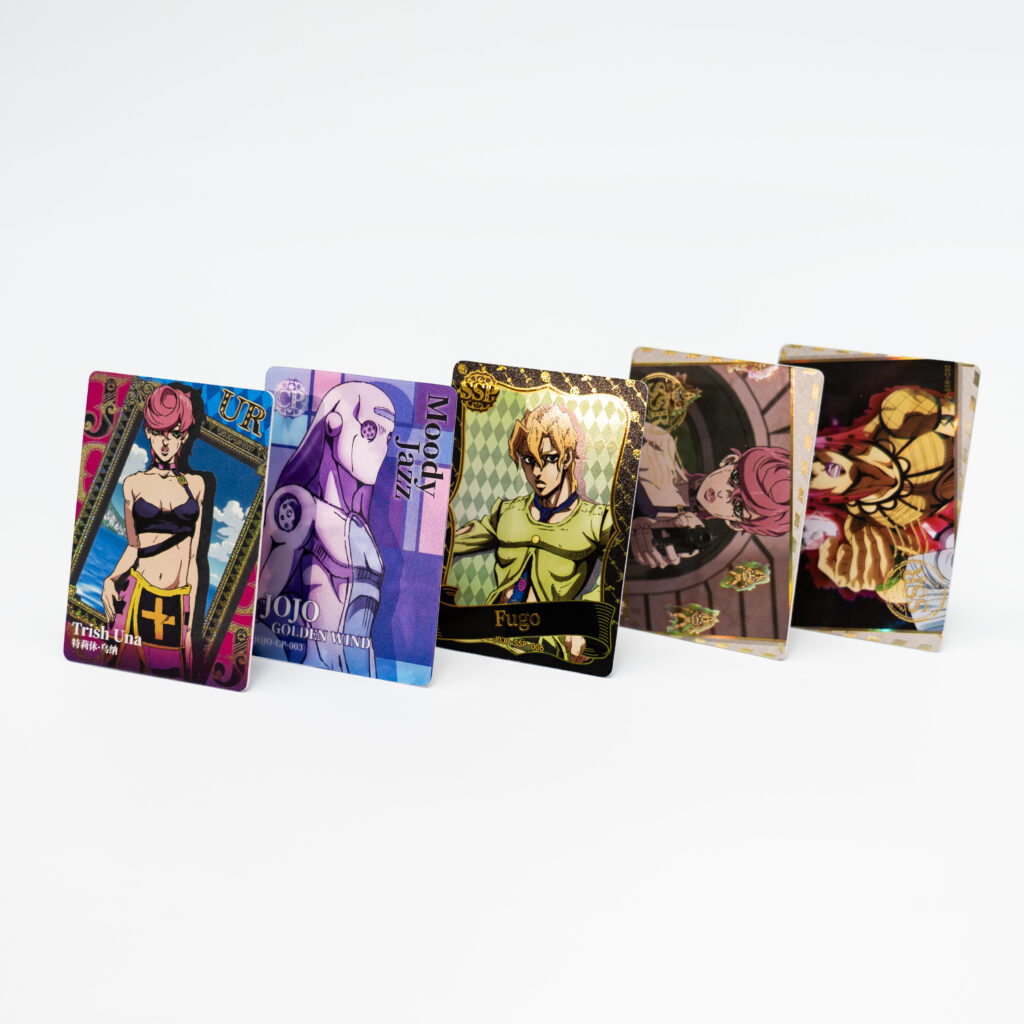
Custom Deck
Any Number Of Cards
Step2:Selecting The Paper Stock
Select your playing card paper based on intended use. Standard paper is generally recommended. For details, refer to Chapter 1 of this document.
Step3:Choosing the surface finishing
This step determines the feel, durability, and resistance to shuffling wear of playing cards. Common processing techniques include:
Gloss Coating
Forms a thin protective layer, enhancing color saturation and reducing wear.
Lamination (Gloss/Matte)
Adds thickness and protection. Matte lamination provides a soft-touch feel, while gloss lamination enhances shine.
Linen Texture (Embossing Process)
Imprints microtexture using metal rollers, improving shuffling smoothness and reducing card sticking.
UV or Spot UV
Used for collectible or premium cards to create high-contrast gloss effects.
Holographic or Foil Stamping
Commonly applied to special edition decks, promotional cards, or rare cards in trading card games.
Step4:Picking a Box Packaging
Xinyi offers a wide variety of box styles—whatever you need, we’ve got it.
Step5:Printing the Cards with The Best
Our professional printing team delivers meticulous service. At Xinyi manufacturer, you can entrust us with your design files for layout verification, bleed line adjustments, CMYK color value calibration, and more. Our factory produces proofs based on your files to confirm paper options. We then print using professional Heidelberg eight-color or six-color presses. After printing, we proceed to die-cutting: large sheets are creased along pre-cut lines, then precisely die-cut into individual cards. Cards requiring rounded corners return to the machine for smooth, consistent edges. The final steps involve assembly and packaging. Common packaging methods include plastic sealing/ thermosealing, paper box packaging, with box types including tuck boxes, rigid boxes, or metal cases. The factory also offers integrated customization for packaging boxes, storage pouches, and plastic containers.
Xinyi continuously employs manufacturing innovations, utilizing eco-friendly materials such as recycled paper substrates, plant-based plastics, and soy-based inks for raw material extraction. Digital foil stamping enables large-scale printing, while diverse card printing techniques perfectly craft your cards.
Though seemingly simple, playing cards involve precision engineering, specialized materials, and advanced techniques. From selecting the right paper to surface treatments, lamination, and precision cutting, every detail matters.

Understanding playing card manufacturing not only helps players appreciate their decks more but also empowers designers, publishers, and brands to make informed decisions during custom card production.
Conclusion
Playing cards may seem simple, but their creation involves careful engineering, specialized materials, and advanced manufacturing processes. From selecting the right card stock to applying finishes, laminating layers, and precision cutting, every detail matters.
Understanding how cards are made not only helps players appreciate their decks, but also empowers designers, publishers, and brands to make informed decisions when producing their own custom playing cards.
Partner with Xinyi! We offer one-stop customization options.
Whether it’s a family get-together, a lively night with friends, or a corporate team-building session, board games remain one of the most effortless ways to spark connection and break the ice.
Below, we’ve curated seven standout board-game genres that shine in any setting. Behind every immersive tabletop experience lies the craftsmanship of professional printing and packaging—elements that elevate durability, visual impact, and overall player engagement. In the final section, we’ll explore essential printing considerations for each genre, giving brands, artists, and indie creators the insight they need to bring remarkable games to life.
Board Games Types
1、Card Games
Card games feature simple rules, fast-paced gameplay, and portability. The most common example is the standard deck of 52 playing cards, serving as the ultimate icebreaker at any gathering. At the same time, we can build custom decks. In deck-building games, everyone starts with an identical, weak deck. As the game progresses, players purchase or draw stronger cards, adjusting their deck to suit their personal strategy. For those who love planning and creativity, these games offer a tremendous sense of accomplishment.
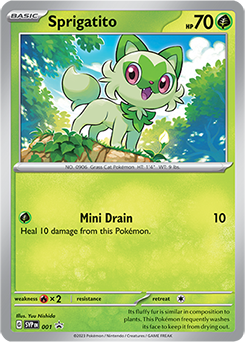
Similar card game genres include Uno, Bridge, and other TCG games (Pokémon, Magic: The Gathering).
2、Party & Deduction Games
The core of party deduction board games lies in hidden identities, secret roles, and seven-card decks. They’re incredibly fun and straightforward: players engage in discussions, voting, and accusing others with limited information, while activating role-based abilities. For instance, in Werewolf, the Witch wields “poison,” and the Seer can identify “Werewolves.” Similar games include “Who Am I?” and Truth or Dare.
These card games require nothing more than the cards themselves and a box to store them.
3、Strategy Games
These games emphasize strategy and planning, requiring players to think tactically to win. Examples include board games like chess and Go, as well as modern strategy games such as The Settlers of Catan and Farming Tycoon.
Strategy games form the core of deep tabletop gaming. They typically involve resource management, engine building, area control, and minimal luck. These games are competitive and complex, perfect for players who enjoy making tough choices and planning multiple turns ahead. Keep in mind—these activities often take several hours to complete, so plan ahead for a long night!
4、Kids & Educational Games
These games typically feature simple rules that are easy to learn, making them perfect for the whole family to enjoy together. Examples include the classic Monopoly and The Game of Life.
Some games are designed with educational purposes in mind, helping children and adults alike learn new knowledge or skills. Examples include games focused on mathematics and language learning.
5、Word Games
Scrabble, the world’s most famous word board game, has been published for decades and boasts countless international championships. Taboo is also widely played—a classic party word game where players must guess keywords while avoiding specific forbidden terms.
6、Cooperative Games
In these types of games, players do not compete against each other but must cooperate to win. Examples include Plague Inc. and The Island.
These four types of board games may require numerous board game components beyond cards, such as dice, game boards, paper or plastic tokens, rulebooks, and so on.
How to Make Your Board Game Stand Out in the Market? — Advice from a Printing Company
As a professional board game manufacturer, we recommend considering the following before design:
✓ Paper Selection
Black-core paper prevents light show-through, commonly used for playing cards and tarot decks. Blue-core paper offers a cost-effective alternative but lacks light-blocking properties.
✓ Finishing Techniques
Glossy lamination suits children’s games; matte lamination complements premium strategy titles. Many playing cards feature grid printing for enhanced texture.
✓ Cost Optimization
Standardized dimensions and uniform components yield more competitive pricing.
✓ Packaging Tier
Select from budget options to premium magnetic boxes based on your target audience.
Conclusion: A great board game relies on quality printing.
A successful board game’s greatest appeal lies not only in its gameplay but also in its “tactile feel, vibrant colors, and premium quality.”
Professional printing and packaging bring designs to life, enhancing player experience and elevating brand value.
Partner with Xinyi to customize your board game!
The affirmation card market is experiencing significant growth, driven by a global trend toward greater awareness of health, self-care, and mental well-being. Consumers are increasingly seeking practical tools to manage stress, build self-confidence, and cultivate a positive mindset. This demand has fueled a robust market for affirmation cards, which are sold both as ready-made products and as customizable items for businesses and gift-givers.
Affirmation cards introduced by printing manufacturers are more than just printed materials; they are powerful tools that help people shift their mindset, improve emotional well-being, and achieve personal growth. These cards are carefully designed with positive, inspiring messages aimed at helping users cultivate self-confidence, gratitude, and self-awareness. They are widely used in daily life, psychotherapy, education, and wellness.
According to the latest research, the global affirmation and positivity platform market was valued at $1.47 billion in 2024, with a compound annual growth rate (CAGR) of 17.2% projected for the forecast period. By 2033, the market is expected to reach $5.18 billion, driven primarily by the increasing integration of mental health solutions into daily life, the widespread adoption of digital platforms, and the growing popularity of positive psychology practices across various industries.
According to our latest research findings, this dynamic growth is driven by increased awareness of mental health, technological advancements, and a shift toward holistic well-being.
However, turning affirmation cards into a successful product requires more than just meaningful content—quality, material, and printing craftsmanship play an equally critical role in driving sales and brand value. At Xinyi Printing, we help brands bring their ideas to life with premium card production and packaging solutions.
Market Demand: How Big Is the Opportunity?
The demand for Affirmation Cards is not only continuing to grow but is also diversifying across multiple segments. Generally speaking, they can be categorized into the following areas:
Positive Affirmation Cards: These are among the most widely used meditation cards, designed to reinforce positive beliefs through daily repetition. Each card features an inspiring message focused on self-healing, self-affirmation, understanding, and compassion. For example, both Farmette and Intelligent Change sell these types of cards.

Focus & Mindfulness Cards: These cards are specifically designed for meditation and mindfulness practices, helping users focus their attention on the present moment. The phrases on the cards are concise, clear, and meaningful, typically used to train breath awareness, sensory experiences, or non-judgmental observation. Products like yoga cards serve a similar purpose.
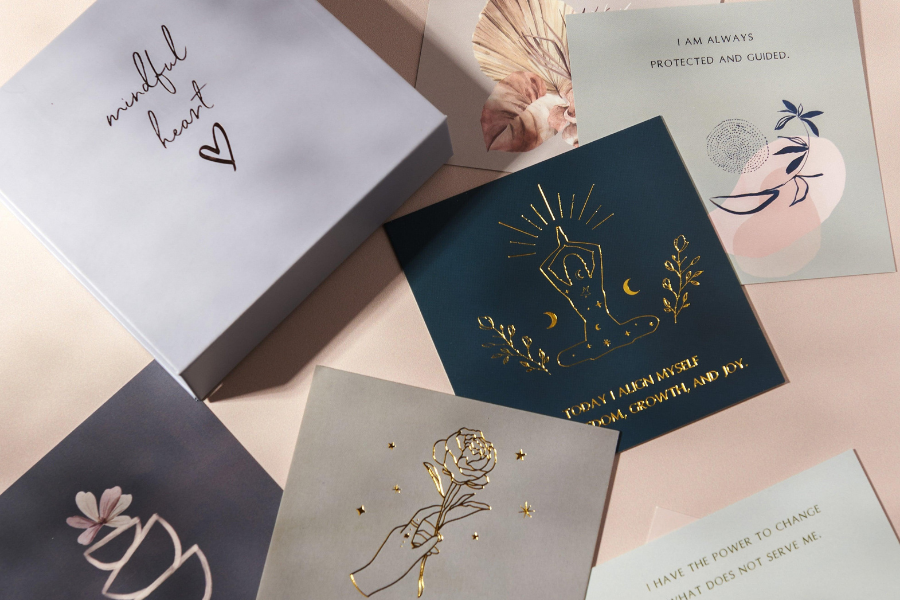
Gratitude Cards: Many businesses or individuals customize these cards to express gratitude to others or organizations. While the format is usually standardized, the wording is left to the user’s discretion—whether handwritten or printed.
Relationship Affirmation Cards: These cards aim to nurture emotional connections by fostering love, trust, empathy, and open communication between people. Couples can use them to deepen intimacy, while individuals can use them to enhance self-care and repair relationships.
Kids’ Affirmation Cards: Designed specifically for children, these cards use age-appropriate language to foster self-esteem, kindness, courage, and emotional awareness. The cards feature lively and engaging illustrations that promote social and emotional learning (SEL) and help children build a healthy self-image.
Affirmation Cards for Women: Designed to inspire confidence, calmness, and clarity in women, particularly those experiencing postpartum blues, these cards often feature beautiful, serene designs.
Key Insights:
The health and wellness product market is projected to maintain a compound annual growth rate (CAGR) of 7% to 8% through 2030.
In certain online sales channels, products related to affirmation cards have achieved annual growth rates of 30% to 50%.
In recent years, search interest in “affirmation cards” has significantly increased.This indicates that market demand is built on a robust and long-term foundation, rather than being merely a fleeting, short-term trend.
The market outlook is vast and diverse, and the expansive affirmation card market comprises numerous sub-segments. By leveraging high-quality printing and customized options, and by understanding these trends and consumer needs, sellers can lay the groundwork for success in both the B2C and B2B markets.
Why Affirmation Cards Are Profitable
Affirmation cards are considered high-margin, low-complexity products primarily for the following reasons:
1) Low production costs
As paper-based products, they are scalable for printing and suitable for mass production; digital printing has lowered the minimum order quantity threshold.
2) High perceived value
Emotional and psychological benefits increase consumers’ willingness to pay, while premium finishes (such as foil stamping and embossing) support higher pricing.
3) Repeat Purchasing Behavior
Customers tend to purchase multiple sets of cards with different themes, and seasonal and limited-edition products drive repeat purchases.
4) Strong Brand-Building Potential
Unique artistic designs and messaging create a competitive advantage, making it easy to build niche audiences (e.g., women, entrepreneurs, children).
Key Market Trends You Should Know
1、Customization First
Over 65%–70% of buyers prefer custom designs for brand promotion or gift-giving. Personalized affirmation cards allow people to tailor the experience to their unique stories, making the message feel more authentic and heartfelt, thereby increasing its impact.
Blank or writable cards: Blank affirmation cards printed with a unique background design, leaving the rest for the recipient to write their own message.
Custom Cards: Xinyi offers fully customizable cards where you can choose the affirmation text, theme, and artwork. Submit your design and customize now!
Name Personalization: Adding your name to the box or card enhances a sense of belonging and meaning.
Thematic Flexibility: Look for modular card sets so you can mix and match themes (e.g., confidence + gratitude) for dynamic use.
Customization transforms a generic tool into a highly personalized companion, particularly helpful during life transitions, recovery processes, or targeted self-improvement.
2、Corporate Wellness Needs
Companies are integrating motivational cards into HR programs and onboarding kits; we can leverage this business opportunity to expand our affirmation card business.
3、Eco-Friendly Printing
Sustainability is no longer an option: FSC-certified paper, soy-based ink, and recyclable packaging are all core principles that Xin Yi Printing has consistently upheld.
4、 Blending Digital and Physical Experiences
Modern card sets include: QR codes for meditation audio and app-linked experiences. Some affirmation cards even feature special chips that play music or quotes when placed against magnetic stickers.
Cost vs Profit: A Simple Breakdown
Typical business model:
| Cost | Description |
| Printing | Cards + box + inserts |
| Design | Artwork & content |
| Packaging | Custom boxes, finishes |
| Shipping | Bulk logistics |
Other business model:
Bundle sales—such as combining affirmation cards with journals—are an effective way to increase perceived value and boost overall revenue. By offering a complete self-care experience, brands can encourage customers to spend more while also strengthening product differentiation. This strategy not only enhances user engagement but also creates opportunities for premium pricing.
Challenges in the Affirmation Card Business
To be realistic, there are also challenges:
- Market saturation (many similar designs)
- Content originality (easy to copy)
- Quality inconsistency across suppliers
- Rising paper and material costs
This is where printing quality + branding = competitive advantage
How Printing Quality Impacts Profitability
In this category, print quality directly affects pricing power.
The physical quality of the cards directly affects their usability and lifespan, especially if you plan to use them frequently or in group settings such as yoga studios, therapy sessions, or workshops.
- Lamination: A laminated surface helps protect cards from moisture, stains, and daily wear, making them especially suitable for frequent use or shared settings.
- Card Thickness: Choosing cardstock in the range of 300–350 gsm provides a sturdier structure, offering a more premium touch and better resistance to bending.
- Corner Design: Rounded edges help minimize damage over time while also allowing for smoother and safer handling during use or shuffling.
- Sustainable Options: Many brands are turning to recycled paper and soy-based inks to meet the growing demand for environmentally responsible products.
Well-crafted cards not only offer greater durability but also create a more thoughtful and elevated user experience, reinforcing their purpose in mindfulness and daily reflection.
From Idea to Product: How to Start
1. Choose a Clear Niche
Start by identifying a specific audience and theme for your affirmation cards. Rather than targeting everyone, focus on a defined niche such as:
- Self-love and confidence
- Anxiety and mental wellness
- Business mindset and entrepreneurship
- Parenting or children’s emotional development
A well-defined niche helps you create more targeted content, build a stronger brand identity, and stand out in a competitive market.
2. Create Original Content & Design
Your content is the core of your product, so it should be authentic, meaningful, and aligned with your target audience.
For design and layout, you can use platforms such as:
- Canva – beginner-friendly with ready-made templates
- Adobe Illustrator – ideal for professional card layout and print-ready files
- Adobe InDesign – great for multi-page or structured card decks
Focus on:
- Clean typography and readability
- Consistent color palette
- Visually appealing artwork
3.Prototype Your Cards
Before mass production, creating a prototype is essential. This allows you to test:
- Card size and thickness
- Print colors and finish
- User experience (handling, readability, overall feel)
You can quickly create mockups using tools like:
- Placeit
- Smartmockups
Physical samples from a manufacturer are even more important, as they reflect the real product quality.
4. Work with a Reliable Printing Manufacturer
Choosing the right printing partner is critical to your product’s success. A reliable manufacturer ensures:
- Consistent print quality
- Premium materials (300–350gsm cardstock, finishes, etc.)
- Custom packaging solutions (rigid boxes, inserts)
- Stable production timelines
At Xinyi Printing, we support brands from prototyping to bulk production, offering:
- Custom affirmation card printing
- Eco-friendly material options
- Advanced finishes such as foil stamping and soft-touch lamination
- Full packaging solutions for retail-ready products
5. Launch via E-commerce or Wholesale
Once your product is ready, the next step is choosing the right sales channels.
Direct-to-Consumer (DTC) Platforms:
- Shopify – build your own branded store
- Etsy – ideal for creative and niche products
- Amazon – large-scale global reach
Wholesale & Retail:
- Sell to boutiques, bookstores, and wellness shops
- Partner with subscription box companies
- Distribute through lifestyle and gift retailers
Combining both online and offline channels can help you scale faster and reach a broader audience.
Final Thoughts
So, is selling affirmation cards profitable?
Yes—if you combine:
- Strong branding
- Unique content
- High-quality printing
With the global wellness trend continuing to grow, affirmation cards represent a scalable and sustainable product opportunity for brands, creators, and businesses.
Xinyi provide custom printing solutions for affirmation cards, including premium finishes, eco-friendly materials, and full packaging support for global brands.
Trading cards have become one of the most intriguing collectible categories in today’s global market. From vintage sports cards to modern gaming cards with ultra-premium finishes, some cards now sell for hundreds of thousands—or even millions—of dollars.
If you’re a collector, this guide helps you understand which trading cards hold the highest value and why. If you’re a brand or IP owner, this guide also reveals the manufacturing logic behind high-value cards—and how you can create collectible cards of your own.
Let’s begin with the question everyone is searching for:
Top 10 Most Valuable Trading Cards Ever Sold
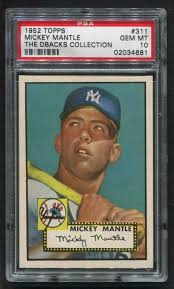
The trading card market covers sports, gaming, entertainment, and art cards. Here are some of the most valuable cards ever sold, representing different categories:
| Trading Card | Highest Recorded Price | Key Value Factors | Notable Sale Year |
|---|---|---|---|
| T206 Honus Wagner (Baseball) | $7.25M+ | Extreme scarcity; iconic status | 2021–2022 |
| 1952 Topps Mickey Mantle (PSA 10) | $12.6M | Mint condition rarity; early Topps era | 2022 |
| Pikachu Illustrator Card | $5.275M | Award-only promo; extremely limited | 2022 |
| 2003 LeBron James Exquisite RPA | $5.2M | Patch + autograph; modern grail | 2021 |
| Black Lotus (MTG – Alpha) | $500,000+ | Iconic MTG card; Alpha scarcity | 2021 |
| Yu-Gi-Oh! Tournament Prize Cards | $100,000+ | One-of-one prizes; ultra rare | Various |
| 1997 Precious Metal Gems (PMG) | $350,000+ | Low print run; iconic foil design | 2020–2023 |
| Legendary Soccer Rookie Cards (Pelé, Maradona, Messi) | $200,000+ | Global icons; vintage scarcity | 2021–2023 |
| 1/1 Artist Autograph & Sketch Cards | $10,000–100,000 | Unique artworks; famous illustrators | Ongoing |
| Modern Ultra-Premium Cards (Panini Flawless / NT) | $30,000+ | Gold, patch, diamond, auto inserts | 2019–2024 |
1. T206 Honus Wagner (Baseball) – $7.25 Million+
The T206 Honus Wagner sold for over $7.25 million in a 2022 private sale, continuing its status as the most iconic baseball card ever. Its value comes from an extremely limited print run (believed under 200 copies) and strong historical significance.
2. 1952 Topps Mickey Mantle – $12.6 Million (PSA 10)
A PSA 10 version of the 1952 Mantle sold for $12.6 million in 2022, making it the highest-priced sports card ever recorded. Known as the crown jewel of the postwar era, its near-perfect condition and cultural legacy drive unmatched demand.
3. Pikachu Illustrator Card (Pokémon) – $5.275 Million
The Pikachu Illustrator card reached $5.275 million in 2021 when purchased by a collector, becoming the most valuable Pokémon card in history. Awarded only to illustration contest winners in 1997–1998, fewer than 40 copies exist.
4. 2003 LeBron James Exquisite Rookie Patch Auto – $5.2 Million
This card sold for $5.2 million in 2021, becoming the most iconic modern basketball card. Featuring LeBron’s game-worn patch and on-card autograph, it is limited to just 23 copies, with high-grade versions driving massive collector competition.
5. Black Lotus (Magic: The Gathering – Alpha) – $500,000+
A graded Alpha Black Lotus sold for over $500,000 in 2021. Known as MTG’s most powerful and legendary card, the Alpha print had only 1,100 copies, and high-grade versions have become incredibly scarce over time.
6. Yu-Gi-Oh! Tournament Prize Cards – $100,000+
Yu-Gi-Oh! prize cards like “Tyler the Great Warrior” and “Tournament Black Luster Soldier” regularly exceed $100,000. Many were awarded only to championship winners, meaning some exist as true one-of-one collectibles with enormous rarity.
7. 1997 Precious Metal Gems (PMG) Cards – $350,000+
Collectors have paid more than $350,000 for stars like Michael Jordan or Kobe Bryant in PMG Red or Green variations. The 1997 PMG series had famously fragile foil surfaces and extremely low print runs, making high-grade versions nearly impossible to find.
8. Soccer Cards (Pelé, Maradona, Messi Rookie Cards) – $200,000+
High-grade rookie cards of soccer icons such as Pelé (1958), Maradona (1977), or Lionel Messi (2004) have reached $200,000 or more. As global football interest grows, early cards of legendary players continue to surge in value.
9. Artist Autograph Cards & Limited Sketch Cards – $10,000–100,000
Original sketch cards or on-card artist autographs—especially 1/1 editions—often sell between $10,000 and $100,000. These cards combine rarity with artistic uniqueness, making them highly desirable in both entertainment and art card markets.
10. Ultra-Premium Modern Cards (Panini Flawless / National Treasures) – $30,000+
Modern ultra-premium cards featuring diamonds, gold inserts, patches, or on-card autographs frequently exceed $30,000. Limited numbering, luxury materials, and strong athlete demand push these premium editions to high resale values.
Historical Price Trends & Market Dynamics
This chart shows auction and private‑sale data for major trading cards over the past 10–20 years:
Why Are These Trading Cards Worth So Much?
Understanding the value behind top-tier cards is essential—both for collectors and for businesses looking to create high-value card products. Below are the universal factors that drive card value.
1. Scarcity and Print Run
Scarcity is the number one driver of value. Cards with extremely low print numbers, such as 1/1, 1/10, or prize-only cards, carry built-in rarity.
- First Edition or early-print cards become naturally more valuable.
- Promotional cards distributed only at limited events can reach high prices.
- Serial-numbered cards (e.g., “07/50”) trigger the collector’s instinct.
2. Condition and Professional Grading
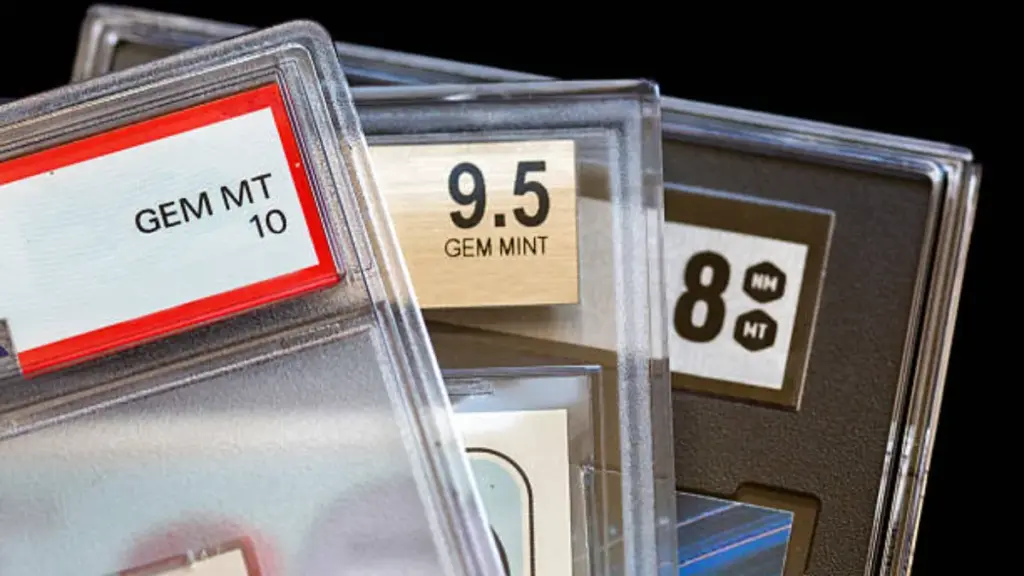
Professional grading is one of the most important factors that determine a trading card’s market value. Trusted grading companies like PSA, BGS, and CGC evaluate each card using strict standards to assign a numerical grade—usually from 1 to 10.
A higher grade indicates a card is closer to “perfect,” and collectors are willing to pay significantly more for it.Major grading companies and what they evaluate:
PSA (Professional Sports Authenticator)
PSA focuses on:
- Centering (whether the artwork is perfectly aligned)
- Surface quality (no scratches, dents, print lines, fingerprints)
- Edges (clean cuts without fraying)
- Corners (sharp, not bent or rounded)
PSA 10 “Gem Mint” is extremely difficult to achieve and represents a card with nearly flawless presentation.
BGS (Beckett Grading Services)
BGS provides four detailed sub-grades:
- Centering
- Edges
- Corners
- Surface
Their Black Label 10 (all sub-grades = 10) is one of the most prestigious designations in the hobby.
CGC (Certified Guaranty Company)
Originally known for comic grading, CGC evaluates cards for:
- Ink consistency and saturation
- Surface gloss and texture
- Print defects such as roller marks or faint lines
CGC grades feature high-precision measurements, making them popular among TCG collectors (Pokémon, MTG, etc.).
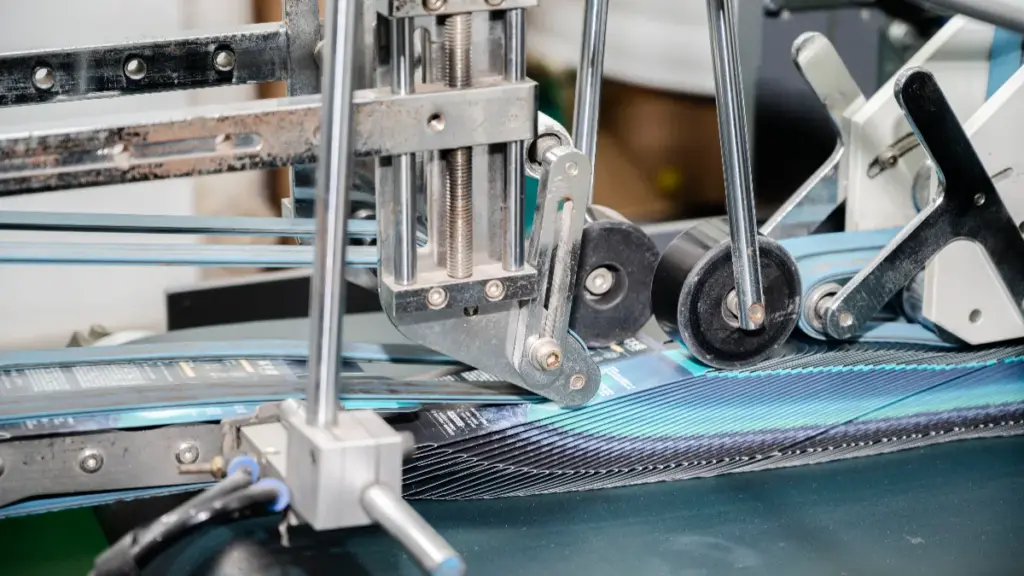
3. Artwork, IP Strength & Cultural Influence
Cards tied to strong IP franchises—Pokémon, Magic, major sports players, anime characters or well-known artists—naturally rise in demand.
Artistic impact also influences secondary value:
- Original illustrations
- Autographs
- One-of-one sketch cards
- Unique foil effects
- Character popularity
4. Premium Variants & Special Editions
The more unique the card, the higher its collectible value.
Common high-value card versions include:
- Holographic foil
- Reverse holo
- Gold or metal foil
- Rainbow foil
- Embossed or textured finish
- Patch or relic cards
- Autograph cards
These variants often require advanced manufacturing processes, contributing directly to their value.
The Manufacturing Process of High-Value Trading Cards

While collectors often see the surface-level rarity, few understand how production quality deeply affects a card’s long-term value. We, Xinyi Printing, a professional manufacturer specializing in card printing, we will explain how truly high-value cards are made and why their production standards matter.
1. High-Precision Printing and Color Control
The foundation of a premium trading card begins with the printing stage. Cards that achieve high grades typically share the same qualities:
- Perfect centering
- Precise registration alignment between colors
- Stable ink density without streaks or banding
- Clean surfaces free from dust, specks, or roller marks
To meet this standard, it is required advanced offset printing systems, multi-color presses, and digital plate-making technology to maintain detail, sharpness, and color consistency across large batches. At Xinyi’s facility, we use Heidelberg multi-color offset presses, Komori high-stability printing systems, and Kodak CTP plate-making technology to ensure precise registration and uniform ink performance across every sheet.
2. Multi-Layer Premium Finishing Techniques
Many of the world’s most valuable modern cards feature multiple layers of enhancement beyond traditional printing. These effects increase visual appeal, depth, texture, and long-term durability. Common high-value finishing techniques include:
- Hot foil stamping and cold foil: Used for borders, logos, holographic elements, rare symbols, and numbered editions. Premium cards often combine multiple colors or layered foil effects.
- Spot UV, raised UV, and 3D UV: Adds gloss, highlights artwork details, and creates embossed-like raised textures.
- Embossing and debossing: Introduces sculpted relief to logos or characters, commonly found in limited sports or collector cards.
- Special laminations: Soft-touch matte, ultra-matte, glitter, texture film, or protective laminations used to enhance both tactile feel and anti-scratch performance.
- Edge gilding and colored edges: A hallmark of collector editions and ultra-premium sets, adding a luxury appearance.
- Alternative substrates: Metal-core cards, PVC/PET materials, and hybrid composites used in ultra-high-end series such as Flawless or National Treasures.
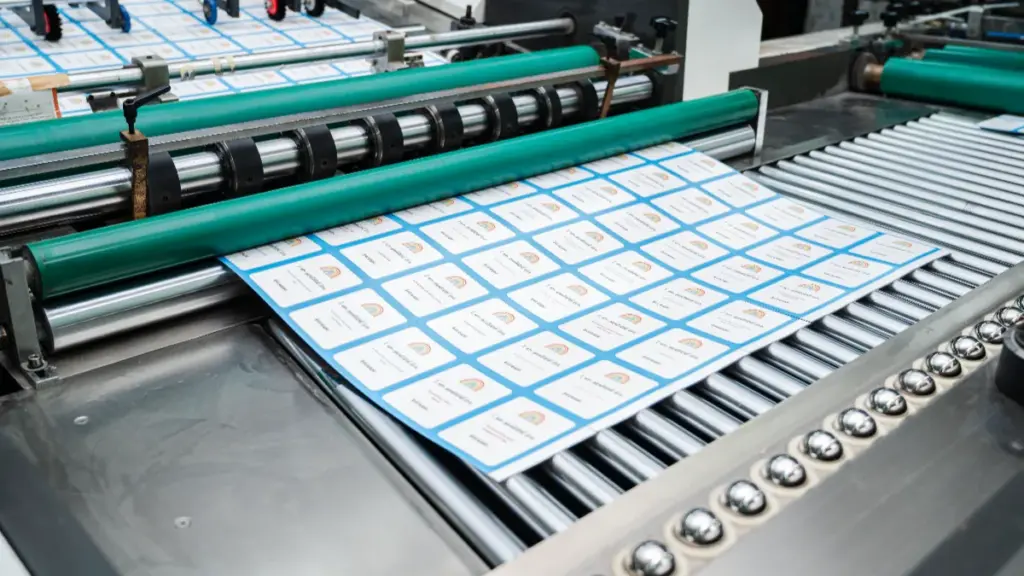
3. Material Selection and Long-Term Durability
A card that sells for six or seven figures decades later must survive years of handling, storage, and environmental exposure. High-value cards typically use:
- High-density, multi-layer card stock for stiffness and longevity
- FSC-certified premium paper with stable fiber structure
- Anti-scratch and anti-fingerprint films
- Moisture-resistant or waterproof laminations
- UV-resistant inks that prevent fading or yellowing
4. Precision Cutting and Edge Accuracy
Cutting quality is one of the most overlooked yet decisive factors in grading. High-value cards generally have:
- Perfectly parallel edges
- Consistent border width
- Zero chipping or whitening
- Smooth corners with no compression
Achieving this requires:
- Industrial-grade programmable cutting machines
- Accurate blade calibration
- Dust-free cutting environments
- Strict consistency checks during batch cutting
At Xinyi Printing, we use automated programmable cutting systems that maintain precise blade alignment and deliver uniform cuts across every batch.
5. Rigorous Quality Control Throughout Production
Every step of manufacturing—from paper selection to final packaging—affects the card’s investment value. Professional facilities typically use:
- Spectrophotometers to test color accuracy
- Gloss meters to measure surface reflection
- Abrasion testers for durability
- Registration systems for alignment accuracy
- Ink rub resistance testing
- Handling protocols to prevent scratches or edge damage
Create Your Own High-Value Trading Cards
If you’re looking to create collectible, limited-edition, or premium trading cards, here are the types of trading cards that brands are currently producing:
1. Premium / Collector Editions
- Numbered limited cards (e.g., 1/100, 1/500)
- First Edition releases
- Autograph or artist-signature cards
- Foil versions with multiple variations
- One-of-one sketch cards
- Metal cards
- Ultra-premium collector boxes and sets
These are ideal for:
- IP launches
- Game expansions
- Artist collaboration releases
- Influencer merchandise
- Crowdfunding rewards
- Brand anniversary products
2. Full OEM/ODM Customization Services
Professional factories can provide:
- Card design assistance
- High-precision printing
- Premium finishing processes
- Custom tuck boxes, rigid boxes, or collector boxes
- Blind pack (randomized) packaging
- Small batch production starting from MOQ 50
- Fast sampling & mass production
- Eco-friendly printing compliant with international standards
Ready to Create High-Value Trading Cards?
Whether you’re building your first card game, creating a premium collector edition, or designing limited cards for your IP, a professional manufacturing partner makes all the difference.
If you want to create:
- Limited edition trading cards
- First-edition collectible sets
- Premium foil or embossed cards
- Branded or IP-exclusive card products
- High-value tournament or event reward cards
We can help you bring them to life.
Contact us today to develop your own high-value trading card series—from design, printing, finishing, packaging, to delivery.
Whether designing or customizing cards, understanding standard sizes and printing specifications can save us a lot of trouble. The size you choose affects not only the card’s feel but also printing efficiency, layout design, packaging, shipping costs, and the overall user experience.
Here we’ve compiled common card sizes and printing essentials for different scenarios, along with guidance on selecting the best solution for your project. Just grab and go!
Why is Card Size Important?
First, selecting the right dimensions enhances every aspect of production and user experience.
Second, from a printing cost-efficiency perspective, certain sizes minimize paper waste and reduce expenses.
Finally, in terms of brand presentation, appropriate proportions amplify the card’s visual impact.
Common Card Sizes
Different types of cards have their standard sizes. Choosing standard sizes typically reduces costs and minimizes errors.
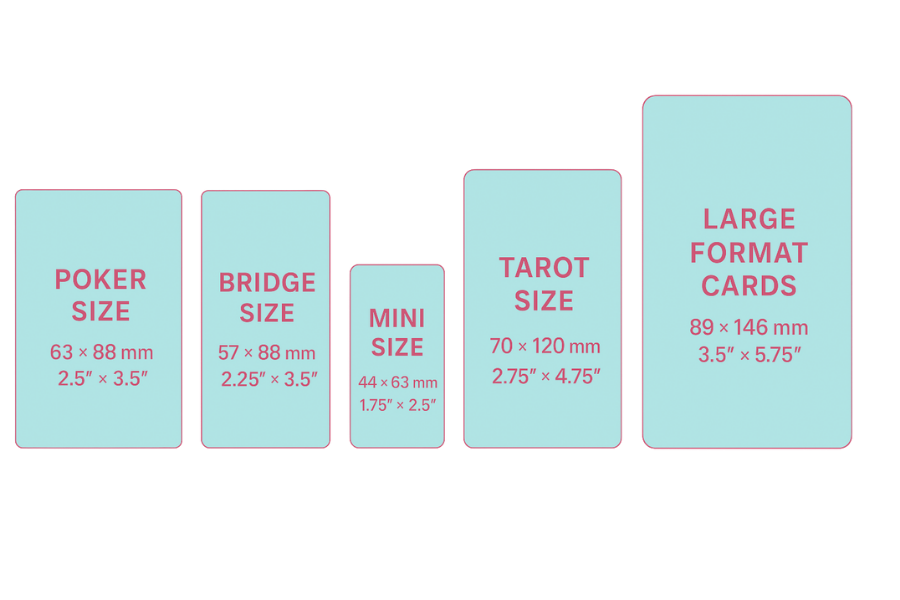
① Poker Card Size (63 × 88 mm / 2.5″ × 3.5″)
Perfect for:Playing cards、Board game cards、Promotional decks
This is the industry standard—versatile, comfortable to shuffle, and ideal for most custom projects.
② Bridge Card Size (57 × 88 mm / 2.25″ × 3.5″)
Perfect for:Educational cards、Flashcards、Fast-paced games
Slightly narrower than poker size, making it easier for kids or smaller hands.
③ Mini Card Size (44 × 63 mm / 1.75″ × 2.5″)
Perfect for:Travel decks、Bonus packs、Small-format games
Compact, portable, and cost-effective for large print runs.
④ Tarot Size (70 × 120 mm / 2.75″ × 4.75″)
Perfect for:Tarot & oracle decks、Art-focused collectible decks、High-visual storytelling cards
The taller format gives artwork more breathing space.
⑤ Large Format Cards (89 × 146 mm / 3.5″ × 5.75″)
Perfect for:Corporate training、Coaching cards、Presentation decks、Classroom resources
Large cards offer excellent readability and display impact.
⑥Trading card Size
Trading card size come in many different types, including standard trading cards, mini and Japanese-style cards, as well as oversized cards and other custom dimensions.
Custom Sizes and Shapes
If your project requires a unique design, custom die-cutting and printing can deliver:
- Any rectangular or square dimensions
- Rounded corners with varying radii
- Special shapes (circles, hexagons, character silhouettes)
- Oversized or miniature micro cards
- Custom cards are ideal for brand promotion, retail kits, and innovative game mechanics.
Key Factors to Consider When Choosing a Size
1、Material & Thickness:
250gsm – economical
300–350gsm – premium durability
Black-core / blue-core – anti-see-through quality
2、Surface Finishes:
Smooth or linen texture
Matte or glossy lamination
Anti-scuff and waterproof coatings
3、Packaging Options:
Your card size determines the box type:
tuck box
magnetic rigid box
two-piece box
tin box
blister packaging
Always finalize card size before selecting packaging.
Essential Pre-Press Specifications
Beyond sizes, these printing details are equally crucial to help you avoid rework and waste.
- Resolution: All images and artwork must be at least 300 dpi; otherwise, printed results will appear blurry.
Our prepress team will freely adjust your images to 300 PPI for crisp, detailed printing. - Color Mode: Always use CMYK color mode, the industry standard for printing. Using the common RGB mode on computers will result in noticeable color discrepancies in the final print.
- Bleed Area: To prevent content from being cut off during trimming, add a 3mm bleed area around all four edges of your design beyond the final trim size.
- File Format: Prioritize vector formats like AI or PSD for easy adjustments by the printer. If using bitmap formats like JPG or PNG, verify that the resolution meets the required standard.
- Material and Finishing: Select appropriate materials based on the card’s purpose. For example, business cards commonly use 250gsm matte coated paper, while playing cards may use PVC or specialty paper. If special finishes like foil stamping or laser engraving are required, confirm feasibility with the manufacturer in advance.
Summary
Choosing the right card size isn’t just about aesthetics—it also impacts how users interact with your product. The dimensions you select influence comfort, readability, and the overall impression your cards make. Thoughtfully chosen sizes can make instructions easier to understand, artwork more impactful, and the gaming experience smoother.
Different projects demand different approaches. Tarot and oracle cards typically require larger, more display-friendly dimensions; collectible cards benefit from compact, storage-friendly sizes; educational cards need ample space for clear visuals and text. Understanding each size’s specific purpose is key to creating cards that truly resonate with users.
A well-considered card size not only enhances usability but also strengthens your brand’s impact. By harmonizing dimensions, functionality, and design, you ensure your cards feel thoughtful, professional, and meticulously crafted—ultimately delivering a superior experience for every user.
Partner with Xinyi to create your exquisite game card journey!
Trading cards have a rich history that dates back to the late 19th century, originally appearing as collectible inserts in cigarette packs and later expanding into sports, games, and entertainment franchises. Over the decades, these small, portable pieces of art have grown into a vibrant global market. Today, trading cards are not only cherished by collectors but also actively used in trading card games (TCGs) like Pokémon, Magic: The Gathering, and Yu-Gi-Oh!, as well as for custom-designed and promotional cards.
In this guide, we will focus specifically on trading card sizes, exploring the main categories collectors and players should know:
- Standard Trading Card Size – the most common and widely compatible option;
- Mini and Japanese-Style Cards – smaller formats often used for niche or portable collections;
- Oversized Trading Card Sizes – large cards for display, promotional purposes, or collector editions;
- Custom and Novelty Trading Card Sizes – fully customizable cards for special projects or creative designs.
By the end of this section, you will have a clear understanding of each trading card size category, including their uses, advantages, and considerations for storage and customization.

Standard Trading Card Size
The standard trading card size is 2.5 x 3.5 inches (63.5 x 88.9 mm). It is the most widely recognized format, used in collectible card games like Magic: The Gathering, Pokémon, and Yu-Gi-Oh!, as well as in traditional sports cards. Standard cards are typically made from 300–330 gsm cardstock with a smooth or matte finish, providing a sturdy yet flexible feel. This size works perfectly with common sleeves, deck boxes, and binders, making it ideal for gameplay, trading, and display.
| Pros | Cons |
| Fits most sleeves and binders | Limited space for extra artwork or text |
| Easy to shuffle and handle | Standard design may feel less unique |
| Affordable for bulk printing | Less visually impactful than oversized cards |
Mini and Japanese-Style Trading Card Sizes
Mini cards generally measure 2 x 2.5 inches (50.8 x 63.5 mm). Japanese-style cards, commonly seen in anime-themed games, are slightly taller, around 2.4 x 3.5 inches (60 x 88 mm). Both types are printed on 280–310 gsm cardstock, making them lightweight and portable. Their smaller size is convenient for collectors with limited storage or players who need travel-friendly decks, but the reduced surface area can make artwork and text harder to read.
| Pros | Cons |
| Easy to carry and store | Smaller art and text may be hard to read |
| Unique or niche appeal | Fewer compatible sleeves available |
| Lightweight for travel | Can feel less substantial in hand |
Oversized Trading Card Sizes
Oversized cards, sometimes called jumbo cards, usually measure 4 x 6 inches (101.6 x 152.4 mm) or larger. They are printed on 350–400 gsm cardstock, often with lamination or glossy finishes to prevent bending and improve durability. These cards are primarily used for promotional displays, collector editions, or store demos rather than regular gameplay. Oversized cards draw attention due to their large artwork but require careful handling and dedicated display solutions like acrylic frames, wall mounts, or toploaders.
| Pros | Cons |
| Eye-catching and visually impressive | Not suitable for gameplay |
| Large surface for detailed art | Heavy and harder to store |
| Durable with thick cardstock | Requires specialized storage |
Custom and Novelty Trading Card Sizes
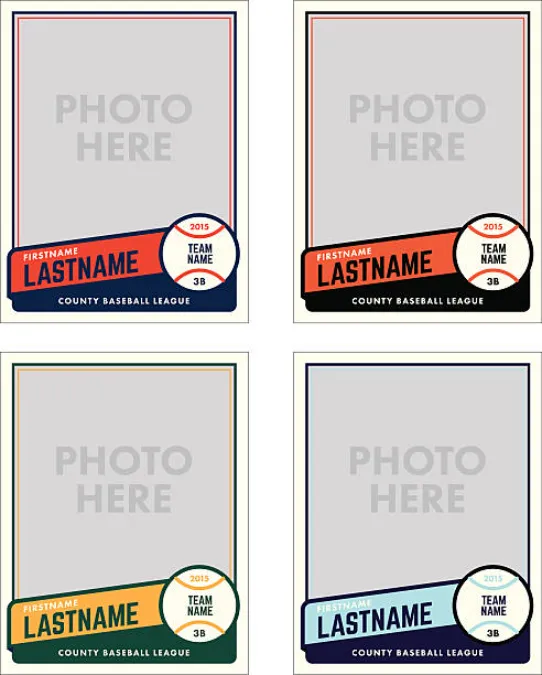
Beyond standard, mini, and oversized cards, many creators choose custom sizes to make their collections unique or suit specialized applications. Common custom dimensions include:
- Square cards – typically 3 x 3 inches, often used for educational decks, flashcards, or art-focused collections.
- Panoramic or landscape cards – sizes like 3 x 5 inches or 3 x 6 inches, ideal for multi-stat game cards, panoramic artwork, or visually immersive designs.
- Tall and narrow cards – such as 2 x 4 inches, frequently used for character profiles or event-specific cards.
- Mini square cards – around 2.25 x 2.25 inches, perfect for compact promotional giveaways or novelty decks.
When designing custom cards, there are several key factors to consider:
- Cardstock and thickness – Choose a weight that supports durability without compromising shuffle or handling. Typically, 300–350 gsm works well, while thicker options are better for oversized or specialty shapes.
- Sleeve and storage compatibility – Ensure your cards can fit in protective cases or custom boxes if needed.
- Artwork and text layout – Larger or panoramic designs allow detailed illustrations, while smaller cards require concise visuals and legible fonts.
- Gameplay and handling – Even unique shapes should maintain balance and ease of use during play, avoiding awkward shuffling or stacking issues.
How to Protect and Store Your Trading Cards
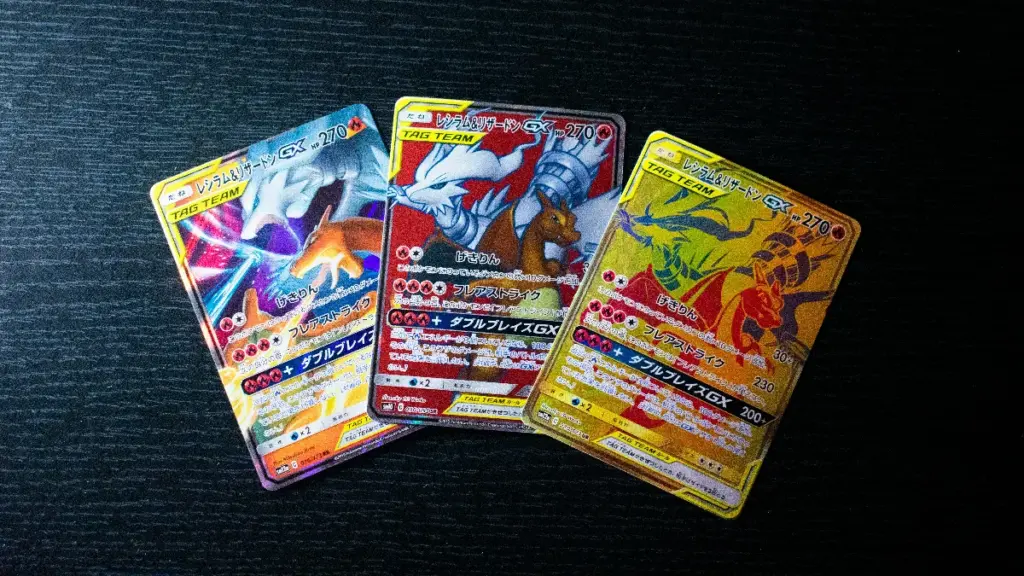
Proper protection and storage are essential to preserve your trading cards’ condition and value. Here are several effective methods:
- Penny Sleeves – Thin, transparent plastic sleeves that protect individual cards from scratches, fingerprints, and minor wear. Suitable for most standard and mini-sized cards, they are an affordable option for everyday handling and short-term storage.
- Deck Sleeves – Slightly thicker sleeves that provide extra durability and support for shuffling. Ideal for standard 2.5 x 3.5-inch cards or slightly smaller Japanese-style cards, they often feature matte or glossy finishes to enhance handling.
- Toploaders and Magnetic Cases – Rigid holders for maximum protection, perfect for valuable, oversized, or promotional cards. They prevent bending, warping, and physical damage.
- Binders and 9-Pocket Pages – Allow organized display of multiple cards. Standard, mini, and square cards can fit in appropriately sized pages. Adjustable dividers keep cards neatly separated and upright, helping to prevent bending or uneven pressure over time.
- Storage Boxes with Dividers – Cardboard or plastic boxes designed to hold multiple decks. Adjustable dividers keep cards neatly separated and upright, helping to prevent bending, warping, or uneven pressure on the collection over time.
- Handling and Environmental Care – Always handle cards with clean hands or gloves to avoid oils and dirt. Store cards in a cool, dry environment, away from direct sunlight, humidity, or heat sources, which can cause fading, warping, or deterioration.
Customize Your Trading Cards Now
If you want to create cards that match your vision, custom printing is the solution. At Xin Yi Printing, we specialize in high-quality card production with fast turnaround and flexible customization options.
Founded in 1998, Xinyi Printing has grown into a trusted custom card printing manufacturer with over 27 years of experience, a 20,000㎡ integrated factory, and more than 280 skilled staff. We specialize in high-quality custom cards, board games, and packaging, combining precision, innovation, and reliability. Our facility is equipped with Heidelberg 6-color and Komori 4-color presses, along with automated finishing and packaging systems, ensuring fast turnaround and consistent quality at scale. With decades of expertise and state-of-the-art equipment, Xinyi is the ideal partner for your custom card projects.
Get in touch with us today to request a quote and start creating your custom trading cards!
FAQs
Q1: What is the most common card size for beginners?
A: Standard 2.5 x 3.5 inches. It fits most sleeves, deck boxes, and binders.
Q2: Can I mix different card sizes in one deck?
A: Technically yes, but it’s not recommended for gameplay because it can affect shuffling and handling.
Q3: What thickness should I choose for custom cards?
A: 330–350 gsm is ideal for durability and tactile satisfaction, but oversized novelty cards may need 400 gsm or more.
Q4: How should I store oversized cards?
A: Use magnetic cases, acrylic frames, or dedicated display cabinets to prevent bending.
Q5: Are landscape cards compatible with standard sleeves?
A: Usually not. You may need custom sleeves for optimal fit and protection.
Trading cards have captured the interest of millions worldwide, from casual fans opening packs for fun to serious collectors hunting rare, high-value items. Whether you’re just starting your journey or looking to deepen your understanding, this guide will break down everything you need to know about trading cards including their types, special variations, boxes, and collection strategies. As a professional custom card printing manufacturer, we’ll also share insights into authenticating, storing, and even customizing your own cards.
What Are Trading Cards and Why Do People Collect Them?
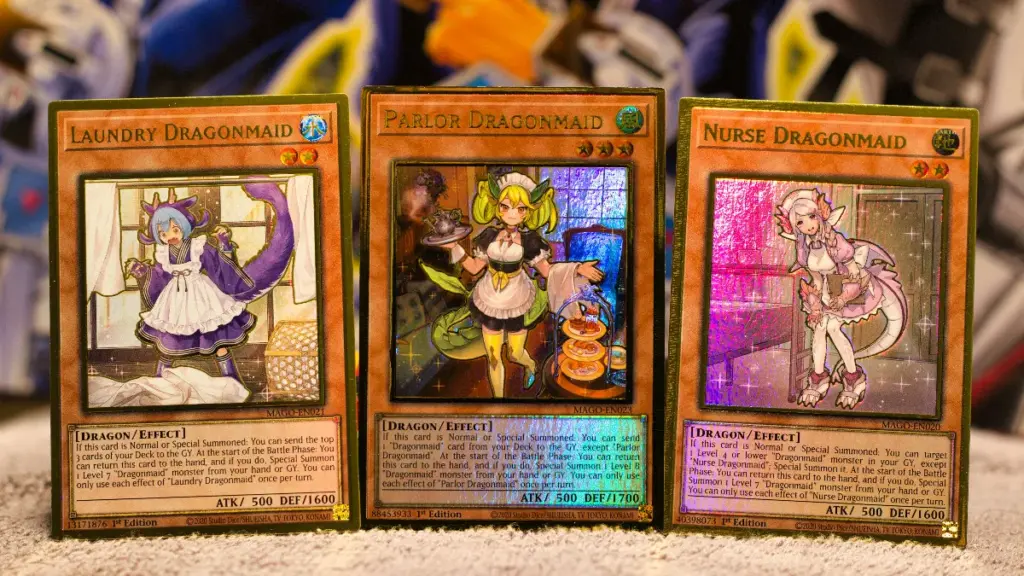
Trading cards are small, collectible cards that feature images, stats, or information about specific subjects—like sports athletes, fantasy characters, or artworks. People collect them for multiple reasons:
- Nostalgia and enjoyment: Many fans grew up opening packs of Pokémon, Magic: The Gathering (MTG), or sports cards. The act of opening a pack brings back memories and excitement.
- Game purposes: Some cards are used in trading card games (TCGs) and collectible card games (CCGs), where players build decks and compete strategically.
- Investment potential: Certain cards, especially rare or signed ones, can increase in value over time. For example, a first-edition Pokémon Charizard card can fetch over $200,000 at auction today.
An Overview of Different Types of Trading Cards
| Card Type | Definition / Description | Key Features / Notes |
| Sports Cards | Feature athletes from sports like baseball, basketball, football, or soccer. | Include stats, career highlights, and photos; rookie cards are highly valued; appeal to fans and investors. |
| Non-Sports Cards | Focus on entertainment, movies, TV shows, or pop culture icons. | Include artwork, trivia, or behind-the-scenes info; attract collectors interested in design and fandoms. |
| Trading Card Games (TCGs) | Cards used for games such as Pokémon TCG, Yu-Gi-Oh!, MTG. | Have unique stats and abilities; rarity levels from common to ultra-rare; influence gameplay and collection value. |
| Collectible Card Games (CCGs) | Similar to TCGs but focus more on storytelling or world-building. | Cards help complete storylines or unlock character arcs; often released in expansion sets. |
| Art Cards & Custom Cards | Cards highlighting visual creativity or custom designs. | Include original illustrations, limited editions, or promotional/custom cards for brands/events. |
| Base Cards | Core cards of a set, usually common. | Make up 70–80% of packs; essential for completing sets; not rare but necessary. |
| Inserts | Bonus cards randomly included in packs. | Feature unique artwork or limited editions; appear infrequently (e.g., 1 in 5 packs). |
| Parallels | Alternative versions of base cards. | Different colors, foil effects, or numbering; rarer than base cards; collectible appeal. |
| Autograph Cards | Cards signed by athletes, artists, or creators. | Highly sought-after; authentication can increase value 10–50×. |
| Memorabilia / Relic Cards | Cards containing physical items related to the subject. | Include jersey patches, props, or costumes; highly collectible and often expensive. |
Main Types of Trading Cards Explained
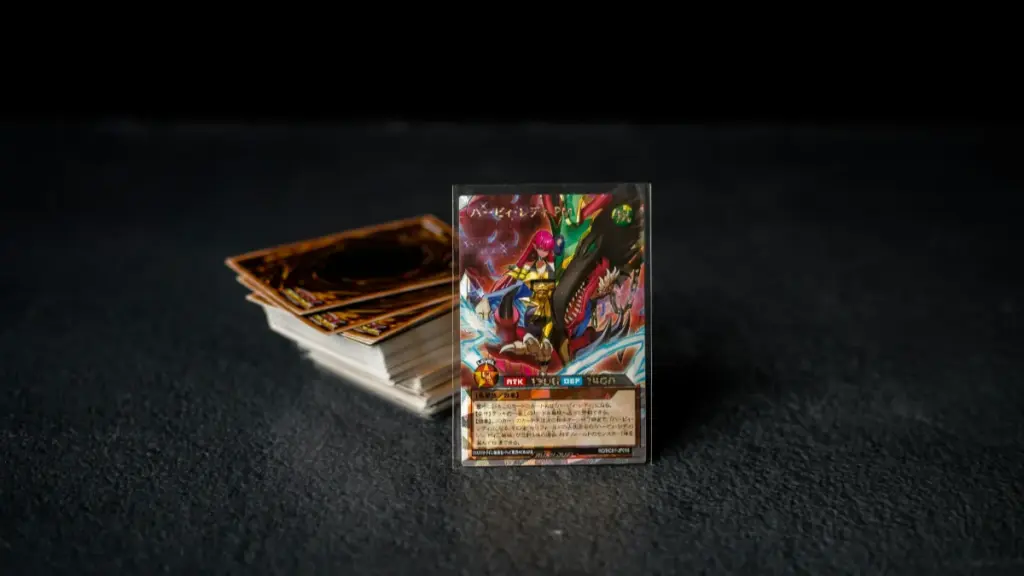
There are many different types of trading cards . Let’s explore the main categories:
Sports Cards
Sports cards are perhaps the most familiar type. They usually feature athletes from baseball, basketball, football, or soccer, along with stats, career highlights, and photographs. Rookie cards, or cards of a player’s first professional season, are highly prized. A high-grade 1952 Mickey Mantle baseball card, for instance, can be valued in the millions. Sports cards attract both fans and investors because of their historical and monetary significance.
Non-Sports Cards
Non-sports cards focus on entertainment, movies, TV shows, or pop culture icons. Think of collectible cards for franchises like Star Wars or Marvel. These cards often feature character artwork, trivia, or behind-the-scenes information. Non-sports cards appeal to collectors interested in design, artwork, and niche fandoms.
Trading Card Games (TCGs)
TCGs, such as Pokémon TCG, Yu-Gi-Oh!, and MTG, are designed for play as well as collection. Each card has unique stats, abilities, or effects that influence gameplay. TCG players enjoy opening packs to build powerful decks and trade duplicates with friends. These cards come in different rarity levels, from common to ultra-rare. Rarity affects their collectible value and sometimes their gameplay impact, as some rare cards may have stronger abilities or unique effects.
Collectible Card Games (CCGs)
CCGs are similar to TCGs but may emphasize storytelling or world-building elements more than competitive play. Players collect cards to complete storylines, unlock character arcs, or expand imaginary worlds. These games often include expansion sets, which keep the collection fresh and challenging.
Art Cards & Custom Cards
Art cards celebrate visual creativity. They might depict original illustrations, famous artwork, or limited-edition designs. Custom cards are a growing trend, especially for brands, educational institutions, and events. For example, companies can create custom promotional decks or limited-edition art cards to engage fans and clients.
Special Card Variations and Rare Finds Every Collector Should Know
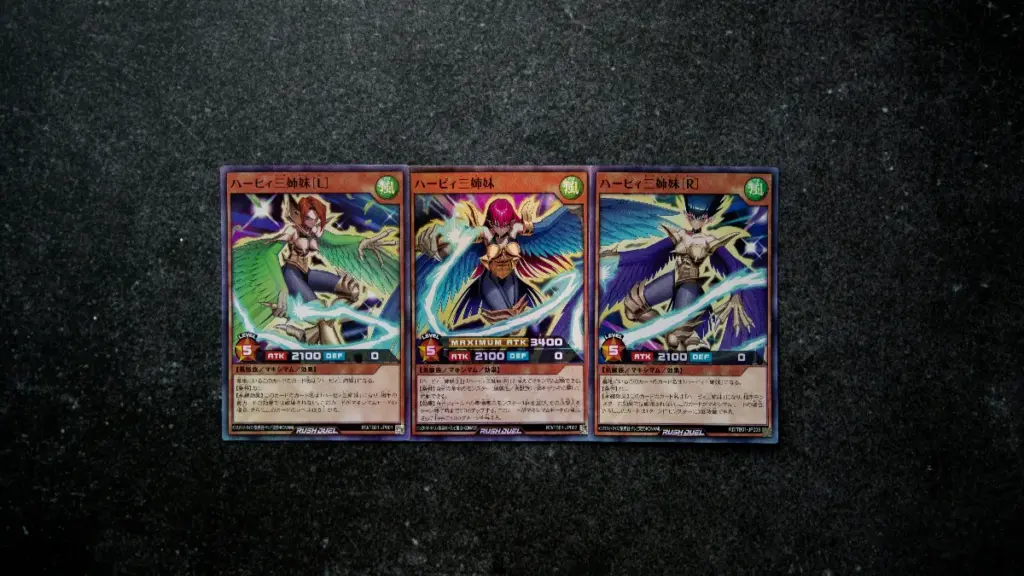
Collectors should understand card variations that make some items particularly valuable.
Base Cards
Base cards form the core of a set. They are usually common, making up 70–80% of packs. While not rare, base cards are essential for completing sets and tracking a collection.
Inserts
Inserts are bonus cards randomly placed in packs. They often feature unique artwork, limited editions, or thematic content. Insert rates vary; for example, a popular Pokémon insert might appear once every five packs.
Parallels
Parallels are alternative versions of base cards with different colors, foil effects, or numbering. They’re often rarer than base cards, which increases their appeal among collectors.
Autograph Cards
Autograph cards feature signatures from athletes, artists, or creators. They are among the most sought-after items in trading card collections. An authenticated autograph card can increase a card’s market value by 10–50 times.
Memorabilia / Relic Cards
These cards contain physical pieces related to the subject, like jersey patches, props, or movie costumes. Memorabilia cards provide a tangible connection to the theme, making them highly collectible and often expensive.
Different Types of Trading Card Boxes and Packs
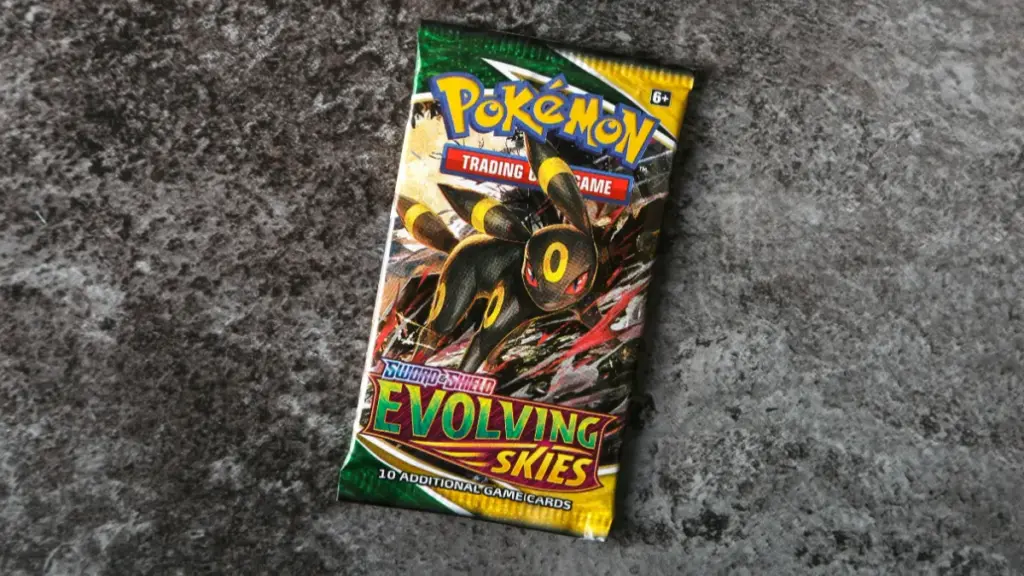
If you’re new to trading cards, the variety of boxes and packs can be confusing. Here’s a breakdown of the main types:
Hobby Box
A hobby box is designed for serious collectors. It usually contains premium cards, higher odds of rare inserts, and special features like foil or holographic cards. These boxes are more expensive than standard retail options but provide a higher chance of pulling valuable or collectible cards. Hobby boxes are best for dedicated collectors who want to focus on completing sets and finding rare cards.
Blaster Box
Blaster boxes are retail-friendly and easy to find in stores. They are more affordable than hobby boxes and typically contain fewer packs, making them ideal for beginners or casual collectors. Despite having lower odds of rare cards, blaster boxes still offer fun opening experiences and a chance to discover new favorites without a big investment.
Mega Box
Mega boxes are larger than hobby boxes and often include exclusive promotional cards, extra packs, or bonus inserts. These boxes give collectors more content for their purchase and increase the odds of finding special cards. Mega boxes are suited for heavy collectors who enjoy collecting in bulk or seeking rare items more efficiently.
Retail Box
Retail boxes are standard packages found in most stores. They can sometimes be similar to blaster boxes but may vary depending on the release. Retail boxes are accessible and convenient, making them a good choice for newcomers who want to start collecting without committing to larger or more expensive boxes.
Fat Pack / Booster Pack
Fat packs or booster packs contain a fixed number of cards and often include a small rulebook or guide for gameplay. Commonly used in trading card games, they are perfect for players who want to build decks gradually. These packs allow beginners to sample different cards without buying full boxes and offer opportunities to find unique cards.
Hanger Pack
Hanger packs are single-pack retail options, often displayed in stores with eye-catching designs. They are intended for impulse purchases or collectors who want to try just one pack at a time. Hanger packs are great for casual collectors or players who want a small, low-risk way to explore a new card set.
FOTL (First Off the Line)
FOTL packs are limited first-run packages that often include exclusive inserts not found in regular releases. They are highly coveted because they are produced in smaller quantities and can contain unique or promotional cards. FOTL packs are ideal for collectors seeking rarity, exclusivity, and potential investment opportunities.
How to Authenticate and Value Your Trading Cards
Knowing whether a trading card is genuine and understanding its value is crucial for collectors and investors alike. Here’s how you can approach this process:
- Check Physical Features: Examine the card’s edges, corners, and surface. Authentic cards usually have consistent coloring, sharp printing, and smooth edges. Look for misaligned text, blurry images, or unusual thickness—these can indicate a counterfeit.
- Look for Logos and Branding: Official trading cards include manufacturer logos, set symbols, and copyright marks. Compare your card with verified examples online to ensure these details match precisely.
- Grading Services: Professional grading companies like PSA, Beckett, and CGC assess cards based on condition, centering, corners, edges, and surface quality. Each card receives a numeric grade, typically 1–10, which significantly affects its market value. For example, a PSA 10 card can be worth many times more than a PSA 5 of the same card.
- Authentication of Autographs or Relics: Signed or memorabilia cards should come with certificates of authenticity (COA). Verify the signature against known examples, and check that relic pieces match official sources.
- Market Research: Use online databases like PSA Auction Prices or PriceCharting to track recent sales and trends. This helps estimate current market value and identify which cards are in demand.
How to Care for and Store Trading Cards Properly
Regular inspection helps spot early signs of wear or damage, which is crucial for investment-grade cards. Proper care preserves card value and appearance:
- Sleeves and Toploaders: Place cards in protective sleeves and rigid toploaders to prevent bends and scratches.
- Binder Storage: Keep cards in binders with acid-free pages. Avoid overstuffing to prevent warping.
- Temperature and Humidity: Store in cool, dry conditions. High humidity can cause cards to curl or stick together.
- Avoid Sunlight: UV light fades ink and damages card surfaces over time.
Tips for Beginners: How to Start Your Own Trading Card Collection
Starting a collection can be simple with these steps:
- Choose Your Focus: Decide if you want sports, TCGs, non-sports, or art cards. Focus makes collecting manageable.
- Set a Budget: Avoid overspending. Many beginners find $50–$100 per month manageable.
- Buy Starter Packs: Begin with affordable blaster boxes or booster packs to learn card types and rarity levels.
- Learn Card Grades: Understand grading and authenticity to avoid fakes.
- Engage with Communities: Online forums, local shops, and social media groups offer advice, trade opportunities, and market insights.
Remember, collecting is as much about enjoyment as it is about investment.
The Future of Trading Cards: Digital, NFT, and Custom Card Trends
Digital trading cards and NFTs are shaping the modern market. Collectors can now own unique digital cards with blockchain verification, which prevents forgery and ensures authenticity. Custom cards are also booming for promotions, events, and educational tools. Brands can create limited runs with special artwork or messaging, giving fans a personalized experience. Despite digital trends, physical cards remain highly valued for tactile and nostalgic experiences. The market is likely to see a blend of both worlds in the coming years.
Partner with a Professional Game Card Manufacturer for Custom Trading Cards
If you’re considering custom trading cards, partnering with an experienced custom card printing manufacturer like Xin Yi Printing ensures high-quality production, precise color reproduction, and durable materials. We offer flexible MOQ options, premium coatings, and custom packaging to meet your needs—whether for corporate gifts, promotional campaigns, or exclusive collector’s items. Working with a reliable manufacturer guarantees consistent quality, short lead times, and the peace of mind that your custom cards are collectible and long-lasting.
Trading cards have been a beloved collectible for decades, whether for sports, games, or entertainment. But have you ever stopped to think about what makes these cards feel sturdy in your hands, resist bending, and keep their vibrant designs intact? The answer lies largely in the paper they are printed on. As a professional custom card printing manufacturer, we’ve spent years working with different types of cardstock, and in this article, I’ll guide you through the most common paper types, their features, and how to choose the right paper for your cards.
An Overview of Common Paper Types for Trading Cards
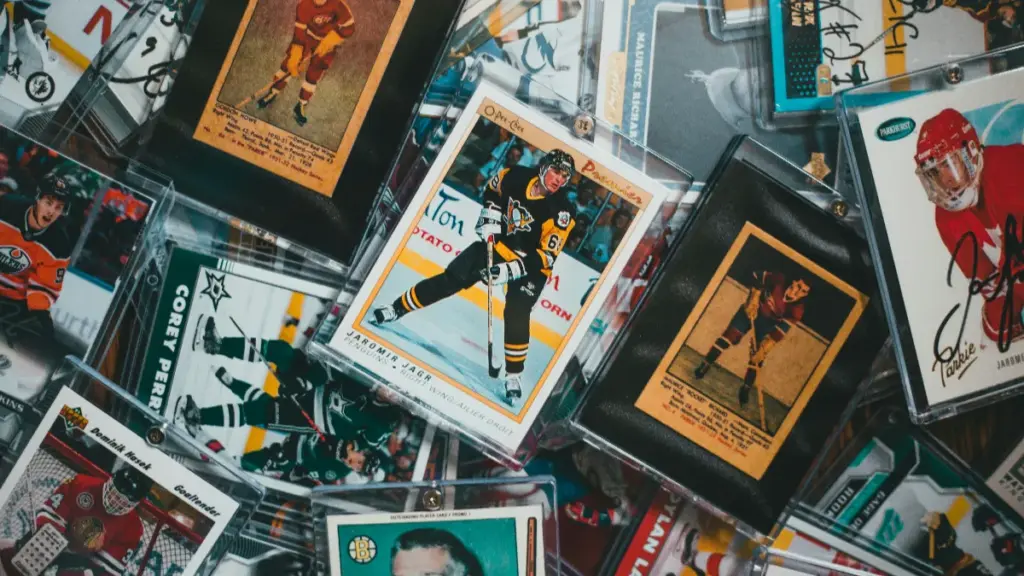
Generally, trading cards are made from different types of cardstocks. Common types include:
- Standard Cardstock: The most widely used, affordable, and versatile option.
- Black Core Cardstock: Features a black inner core for added opacity and durability.
- Premium / Thick Cardstock: Thicker and more rigid, often used for high-end or collector’s cards.
- PVC / Plastic Cardstock: Synthetic material for water resistance and extra durability.
- Coated Cardstock (Glossy / Matte): Surface coatings enhance visual appeal and protection.
- Specialty and Eco-Friendly Papers: Recycled or textured papers for unique branding.
Each type has its own advantages and limitations. Let’s break them down.
Standard Cardstock
Standard cardstock is a type of paperboard commonly used for trading cards. It is made from high-quality wood pulp and has a single-layer or lightly layered structure that provides moderate stiffness. The surface is smooth and uniform, which allows consistent ink adhesion and clear image reproduction. This cardstock is flexible enough for repeated handling while retaining its shape, making it suitable for general-purpose decks and promotional card sets.
Thickness: 14–16 pt
Weight: 250–300 gsm
Applications: Entry-level trading card games (TCG), general collectible cards, sports cards for casual play
| Pros | Cons |
| Smooth surface ensures clear printing | Less resistant to bending and edge wear |
| Widely available | Lower durability than thicker or specialty papers |
| Flexible for standard handling | Limited options for advanced finishes |
Black Core Cardstock
Black core cardstock is a type of multi-layered paperboard that features a solid black inner layer placed between two printable outer sheets. It is typically made from high-grade wood pulp sheets that are bonded under pressure. The black core adds opacity, preventing light from passing through, and increases card rigidity. Its surface supports standard offset or digital printing methods, producing sharp, vibrant images while maintaining structural stability.
Thickness: 14–16 pt
Weight: 300–330 gsm
Applications: Competitive trading card games (TCG), tournament decks, professional collectible card sets
| Pros | Cons |
| High opacity prevents see-through | Higher production cost than standard cardstock |
| Increased rigidity and strength | Slightly heavier than standard cardstock |
| Maintains straight edges | Limited finish options compared to coated cardstock |
| Suitable for competitive play | Reduced flexibility for shuffling |
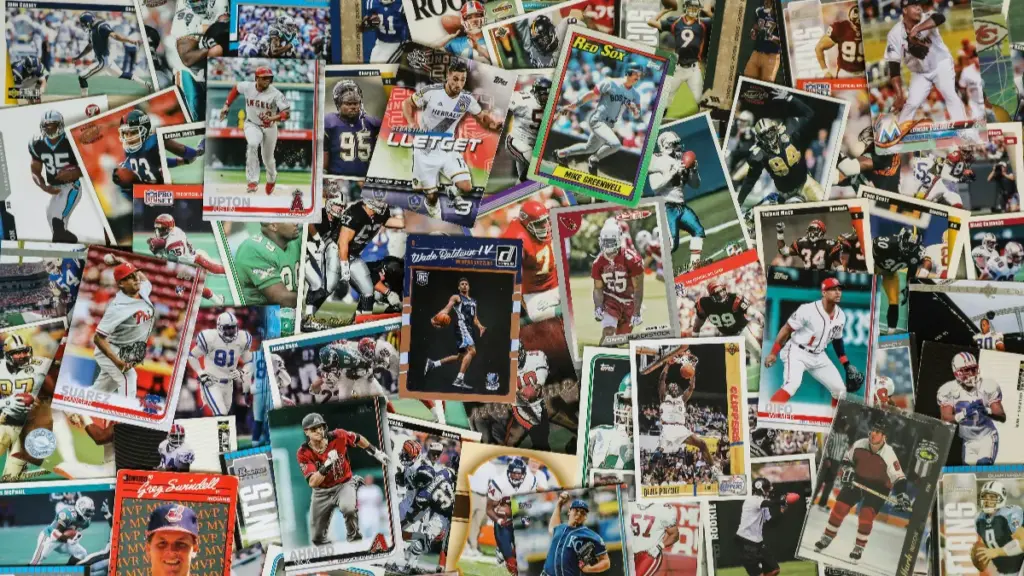
Premium / Thick Cardstock
Premium or thick cardstock is a type of heavy paperboard designed for high-quality trading cards. It is made from multiple layers of wood pulp pressed together to achieve greater rigidity and thickness. The surface is smooth or lightly textured to support detailed printing and enhanced color reproduction.
Thickness: 16–18 pt
Weight: 350–400 gsm
Applications: Limited edition collectible cards, high-end trading card games (TCG), display or showcase collector cards
| Pros | Cons |
| High rigidity and thickness | Higher material and production cost |
| Supports detailed printing | Less flexible for shuffling or frequent gameplay |
| Durable and long-lasting | May require specialized cutting equipment |
| Suitable for premium and display cards | Heavier shipping weight |
PVC / Plastic Cardstock
PVC cardstock is a type of synthetic card material made from polyvinyl chloride. It is fully waterproof and resistant to tearing, bending, and environmental stress. The surface is smooth and suitable for thermal, UV, or offset printing methods. PVC cards retain shape and durability even under heavy handling, making them ideal for long-lasting or frequently used trading cards.
Thickness: 305–350 microns (approximately 12–14 pt equivalent)
Weight: 310–350 gsm
Applications: Outdoor or travel-friendly trading cards, frequently handled collectible cards
| Pros | Cons |
| Water-resistant and tear-proof | Higher production cost than paper cardstocks |
| Strong and long-lasting | Requires specialized printing techniques |
| Maintains shape under heavy use | Limited recycling options |
| Smooth surface for vibrant printing | Heavier than standard paper cards |
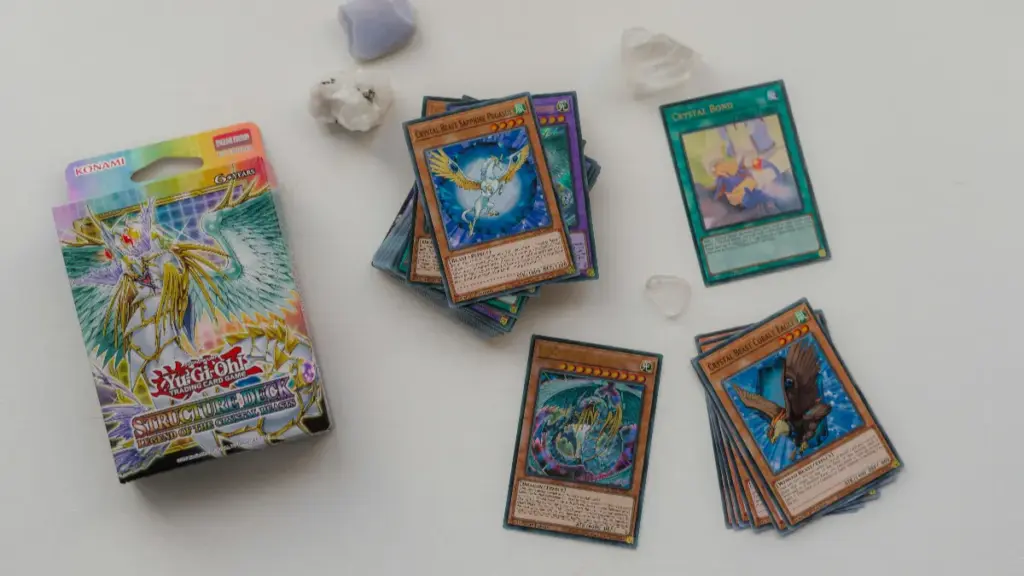
Coated Cardstock (Glossy / Matte)
Coated cardstock is a paperboard that has a surface layer applied to enhance printing quality and durability. Glossy coatings produce a reflective, shiny finish that makes colors appear vibrant, while matte coatings offer a smooth, non-reflective surface that reduces glare. The coating protects the card from minor scratches, moisture, and fingerprints, and is compatible with both digital and offset printing processes.
Thickness: 14–16 pt
Weight: 250–320 gsm
Applications: Collector cards with detailed artwork, photography-themed trading cards, premium game cards requiring visual appeal
| Pros | Cons |
| Enhanced color reproduction | Coating can increase production cost |
| Surface protection against wear | Glossy coatings may show fingerprints |
| Smooth or reflective finish | Limited texture options for tactile design |
| Compatible with various printing methods | Slightly less rigid than multi-layered cardstock |
Specialty and Eco-Friendly Papers
Specialty and eco-friendly papers include recycled, FSC-certified, or textured cardstocks designed to provide unique visual and tactile experiences. They are made from post-consumer fibers or sustainably sourced wood pulp, sometimes with linen, canvas, or felt textures. These papers balance environmental considerations with functional performance, offering a distinctive feel for collectors and brands emphasizing sustainability.
Thickness: 14–16 pt (varies by type)
Weight: 250–350 gsm
Applications: Environmentally-conscious collectible cards, limited edition TCG sets, branding-focused promotional trading cards
| Pros | Cons |
| Environmentally friendly and sustainable | Higher cost compared to standard paper |
| Unique textures enhance tactile experience | Limited availability of some specialty types |
| Suitable for branding and niche markets | May require specific printing adjustments |
| Supports responsible sourcing initiatives | Less standardization in thickness and weight |
Tips for Choosing the Right Paper for Your Trading Cards
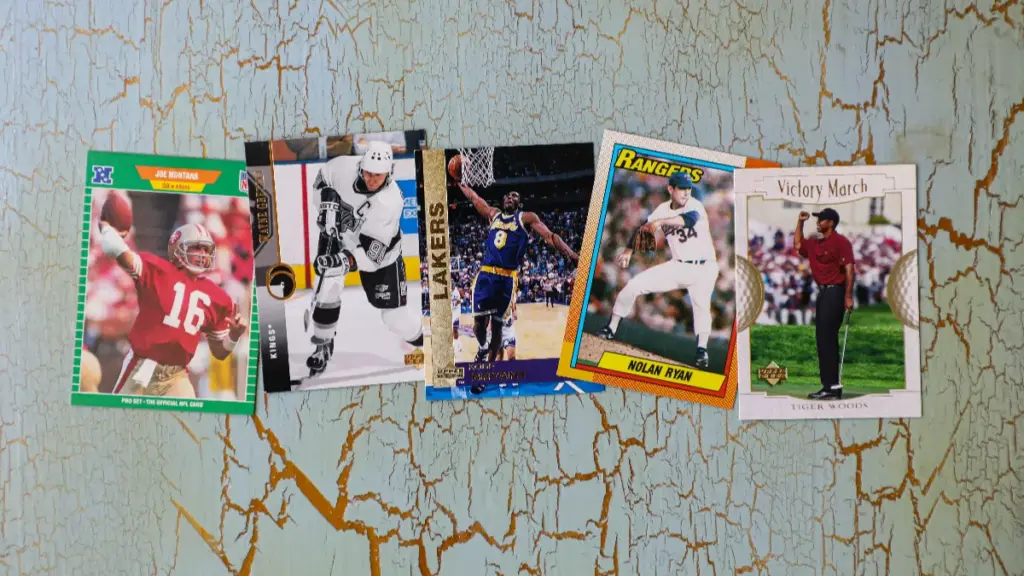
Choosing the right paper for your trading cards is essential to ensure durability, visual appeal, and the appropriate feel for the intended card type. Here are the key points to consider:
Card Type and Usage: Different trading card types have different requirements. Competitive TCG decks benefit from black core or coated cardstocks for rigidity and opacity, while collector or limited edition cards often use premium or thick cardstock for a substantial feel. Membership or travel cards may require PVC for durability and water resistance.
Thickness and Weight: Card thickness (pt) and weight (gsm) determine rigidity and tactile sensation. Thicker cards (16–18 pt, 350–400 gsm) are more durable and suitable for high-end collectibles. Standard or coated cardstock (14–16 pt, 250–320 gsm) provides flexibility for casual gameplay and general trading card use.
Surface Finish: The surface finish affects both appearance and handling. Glossy coatings enhance colors and make artwork pop, while matte coatings reduce glare and provide a smooth tactile experience. Specialty textures or eco-friendly finishes can add unique branding value or collector appeal.
Printing Compatibility: Ensure the chosen paper works well with your printing method. Coated and premium papers perform well with both offset and digital printing, while PVC cards require specialized inks or UV/thermal printing techniques.
Budget and Production Volume: Balance the desired quality with production costs. Premium, black core, or PVC cardstocks are more expensive but provide longer-lasting results and higher perceived value. Standard cardstocks are cost-effective for large runs without sacrificing basic performance.
Brand Image and Market Position: The choice of paper can reflect brand values. Eco-friendly or specialty papers communicate sustainability and attract environmentally-conscious collectors. Premium finishes signal quality and attention to detail, which can enhance brand reputation.
Contact Us
At Xin Yi Printing, we specialize in custom card printing for trading cards, flashcards, and card decks, affirmation cards and so on. We work with a wide range of cardstock options, coatings, and finishes to match your project goals.
Contact us today to discuss your custom card project. Our expertise ensures your cards look professional, feel premium, and stand the test of time.