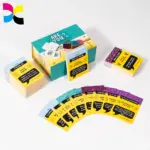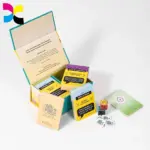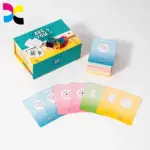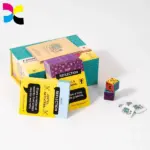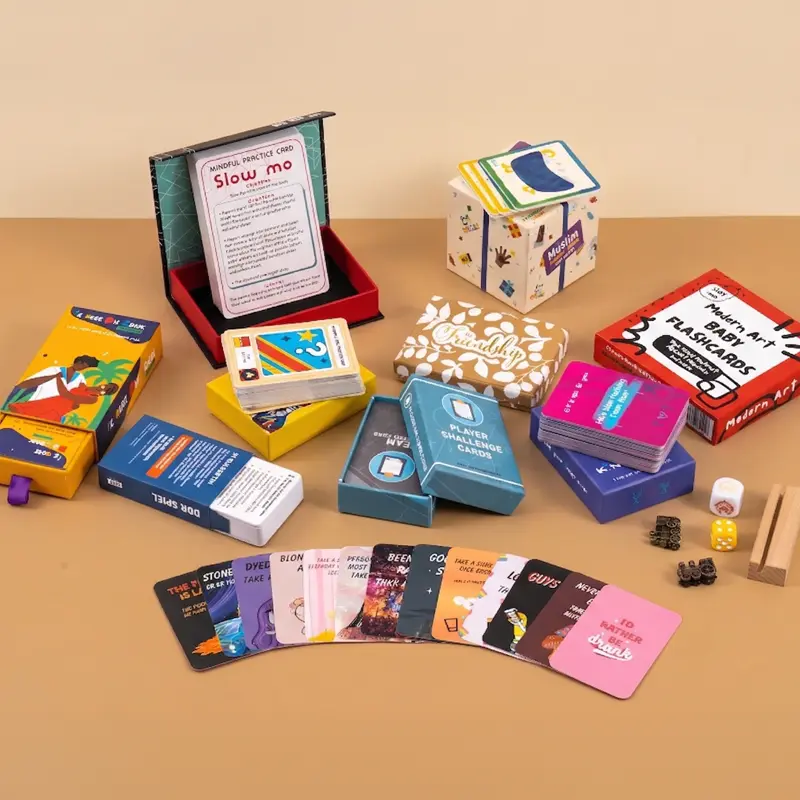
Navigating paper types dictates your production margins and retail pricing power for custom affirmation decks. Failing to balance tactile quality with unit costs leaves you with flimsy materials that degrade rapidly under daily therapeutic or classroom use.
This analysis benchmarks material density and surface coatings against commercial production standards. Xinyi Card Printing evaluate specifications ranging from standard 300gsm stocks to heavy-duty 400gsm black core options to help you align physical durability with optimal manufacturing expenses.
Why Paper Selection Matters for Affirmation Cards
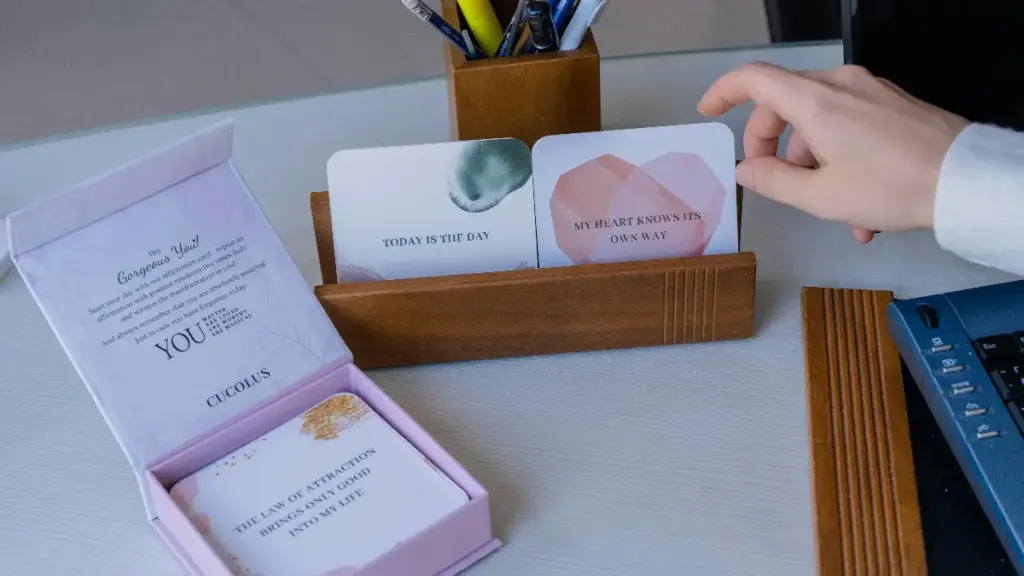
The right paper dictates an affirmation deck’s lifespan and market value. Heavy cardstock ensures durability, while premium finishes enhance text readability and retail appeal. Beyond aesthetics, the physical quality of your deck amplifies the benefits of affirmation cards by ensuring they remain a reliable tool for daily ritual.
Durability and Card Lifespan
Affirmation cards endure heavy handling. Daily pulls, group passing, and constant shuffling demand materials that survive repeated use. Thicker cardstock ranging from 350gsm to 400gsm resists wear and prevents creasing during these rigorous routines.
Print Quality and User Perception
Your paper choice controls how users interact with the printed artwork and text. Coated paper choices directly affect color vibrancy and image clarity. A high-quality coated stock keeps text crisp and readable, even in low-light environments.
Beyond visuals, the physical touch of the card drives purchasing decisions. Premium finishes like soft-touch or matte lamination elevate the tactile feel of every card. This sensory upgrade immediately boosts the retail value of the deck and signals quality to buyers.
Paper Types for Custom Affirmation Cards
Selecting the correct cardstock core determines your deck’s opacity, durability, and edge finish. Match the material density to your production volume and audience requirements.
| Core Material | Internal Core Color | Opacity (Light Block) | Best Use Case |
|---|---|---|---|
| White Core | Crisp White | Standard (Minimal show-through) | Fast prototyping, vibrant colored borders, budget-friendly decks |
| Blue Core | Dyed Blue | High (Active light blocking) | Commercial retail decks, professional double-sided printing |
| Black Core | Dense Black | Maximum (100% Opaque) | Premium collector editions, casino-grade decks, ink-heavy designs |
| FSC & Recycled | Kraft / White | Varies (Based on thickness) | Eco-conscious brands, organic aesthetics, sustainable wellness products |
White Core Paper
White core stock features a clean, white inner layer between printable surfaces. It is the go-to choice for vibrant color reproduction and creative edge effects.
- Best For: Fast prototyping and decks requiring bright, clean borders.
- Key Specs: Typically 216–300gsm; allows for sanding or embossing to reveal the white center.
- Advantage: Provides excellent surface brightness for sharp, legible text.
Blue Core Paper
Blue core incorporates a dyed center layer designed to block light. This is the industry standard for high-quality, double-sided commercial decks.
- Best For: Retail-grade affirmation decks and professional CMYK print runs.
- Key Specs: Durable 250–400gsm weights; complete opacity to prevent “show-through.”
- Advantage: Balances cost-efficiency with professional light-blocking capabilities.
Black Core Paper
Black core utilizes a dense, dark internal layer for maximum opacity. It is the gold standard for premium decks that require a heavy, high-end feel.
- Best For: Premium collector editions and ink-heavy, high-contrast designs.
- Key Specs: Superior rigidity; ensures clean-cut edges without visible white seams.
- Advantage: Total light blockage even under direct sunlight, ensuring maximum privacy for card faces.
FSC-Certified & Recycled Paper
Sustainable options use recycled kraft or FSC-certified fibers to meet the growing demand for eco-conscious wellness products.
- Best For: Brands prioritizing sustainability and natural, organic aesthetics.
- Key Specs: Available in 250–400gsm to match commercial durability standards.
- Advantage: Reduces environmental footprint while supporting various artistic finishes like watercolor or collage.
Premium Custom Affirmation Cards Built To Scale
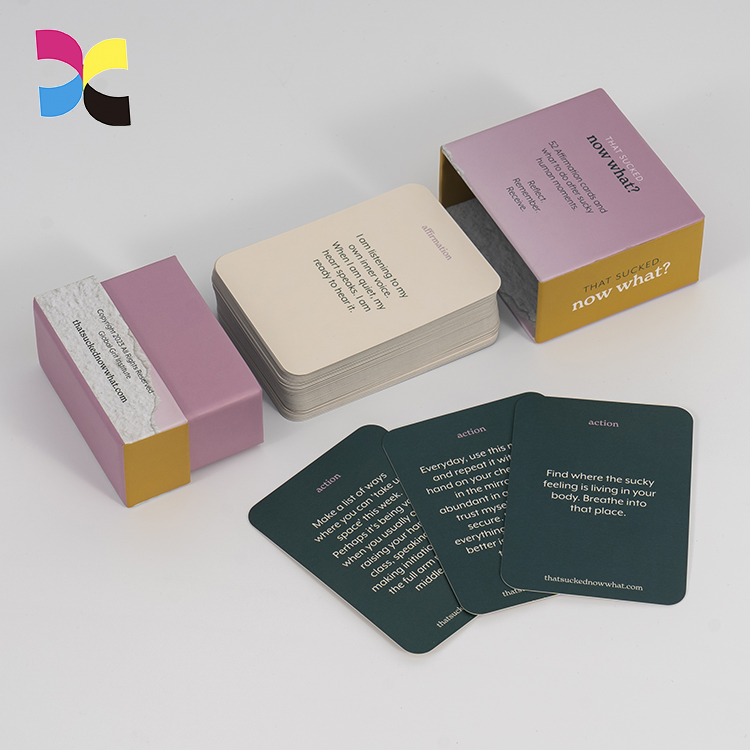
Paper Weight Options for Card Decks
Cardstock thickness dictates deck durability and cost. Choosing between 300gsm for entry-level promos and 400gsm+ for luxury sets directly impacts hand-feel and shuffle longevity.
| Paper Weight (GSM) | Approx. Thickness | Hand-feel & Flexibility | Market Positioning |
|---|---|---|---|
| 300gsm | 0.30 mm | Lightweight & flexible; easy to shuffle. | Entry-level promos & flashcards |
| 320gsm | 0.31 – 0.32 mm | Standard rigidity; crisp “snap” feel. | Mid-range retail playing cards |
| 350gsm | 0.35 mm | Heavy-duty & stiff; feels substantial. | Premium affirmation & tarot decks |
| 400gsm+ | > 0.40 mm | Maximum rigidity; feels like a luxury board. | Collector editions & deluxe sets |
300gsm: The Entry-Level Standard
A versatile, cost-effective weight equivalent to 110lb cover stock.
- Thickness: Approximately 0.30mm.
- Best For: Promotional handouts, educational flashcards, and high-volume giveaways.
- Core Pairing: Often uses a blue core to maintain flexibility and opacity at a lower price point.
320gsm: The Professional Mid-Range
An upgraded specification that bridges the gap between promotional and retail-grade quality.
- Thickness: 0.31mm – 0.32mm.
- Best For: Standard playing cards and premium educational game decks.
- Core Pairing: Frequently paired with a black core to ensure total light blockage and added rigidity.
350gsm: The Heavy-Duty Choice
The gold standard for professional card creators who prioritize stiffness and color pop.
- Thickness: Approximately 0.35mm.
- Best For: Premium tarot decks, professional affirmation cards, and rigid board game components.
- Advantage: Offers superior surface flatness for ultra-sharp color reproduction and a “snap” feel during shuffling.
400gsm+: The Luxury Collector Tier
Ultra-thick, high-density stock designed for maximum physical presence and durability.
- Thickness: Exceeds 0.40mm.
- Best For: Luxury collector editions, heavy-duty game tiles, and products facing extreme daily handling.
- Advantage: Provides maximum structural rigidity and a heavy, premium weight that justifies high-tier retail pricing.
Finish Options for Custom Affirmation Cards
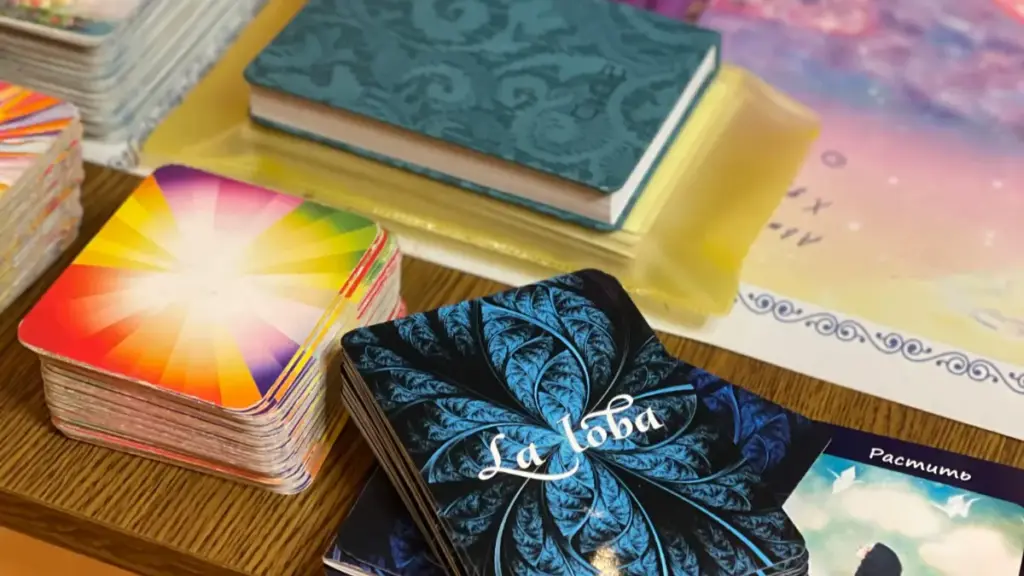
Card finishes dictate durability and tactile feel. Choose the right coating to protect against heavy handling while matching your brand’s physical aesthetic.
Matte lamination
We apply a soft, non-reflective film to both sides of the cardstock. This provides a smooth texture and protects the cards from daily wear.
The matte finish reduces glare and resists fingerprints, keeping text highly readable in any lighting. Wellness brands often apply this coating to 300–350gsm art paper to create an elegant, subdued appearance.
Gloss lamination
A shiny, reflective film coats the cards to boost color vibrancy and create a sleek surface. Gloss finishes resist smudging and moisture well during frequent handling in heavy-traffic environments.
Bright, highly saturated designs pop beautifully under this layer. Just remember that gloss surfaces show fingerprints more readily than matte options.
Soft-touch finish
This coating delivers a velvety, suede-like texture that upgrades the tactile experience. The premium hand feel reduces glare and resists wear, fitting perfectly into daily therapeutic rituals.
Creators frequently combine soft-touch finishes with FSC-certified papers to build sustainable, high-end educational products.
Spot UV finish
We add a raised, glossy coating to specific target areas like titles, borders, or brand logos. This dimensional emphasis creates a sharp contrast against matte base layers without covering the entire card in shine.
Spot UV engages users through tactile interest and directly improves the perceived value of large print runs.
Foil stamping
We press metallic foil directly onto the cards to provide reflective accents in gold, silver, or holographic colors. These details resist fading and elevate the luxury appeal of gift sets or premium decks.
You can pair foil stamping on the card faces with edge gilding to establish a cohesive, high-end look.
Embossing and debossing
Embossing raises the design to add physical depth, while debossing indents specific elements to create a subtle recess. These physical textures enhance the sensory experience of handling coated cardstock.
Brand logos and specific affirmation text stand out beautifully when you combine these physical textures with standard lamination for added protection.
Comparison Table of Surface Finishes & Textures
| Finish / Texture | Visual & Tactile Traits | Best Applications for Decks |
|---|---|---|
| Gloss | High sheen, smooth surface, vibrant colors | Image-heavy promotional decks, kids’ affirmation cards |
| Dull & Satin | Lower shine, balances photos with text | Educational guidebooks, instruction cards |
| Matte | Flat look, zero gloss, fingerprint-resistant | Standard retail affirmation decks, daily-use wellness tools |
| Smooth & Vellum | Natural texture, deep ink absorption | Minimalist cards, decks designed for journaling/writing |
| Laid & Linen | Subtle, traditional textured lines | Premium executive gift sets, luxury boutique decks |
| Felt | Soft, handcrafted, high-end tactile feel | Artisan spiritual decks, embossed luxury collector editions |
Edge and Protective Finishes
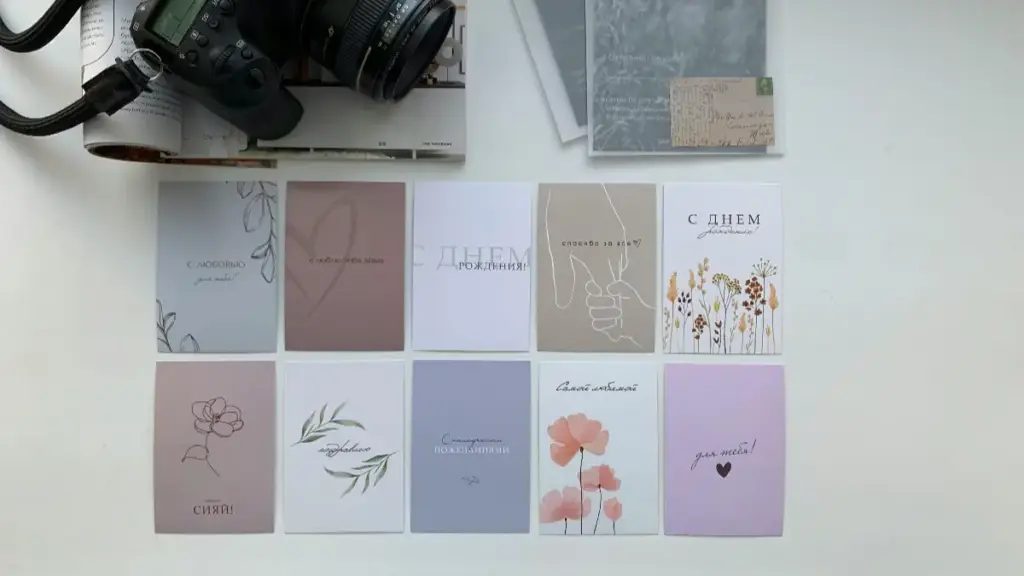
Edge and protective coatings extend material lifespan in demanding environments. These finishes block moisture and handling wear while upgrading the final product’s physical durability.
Colored edges
Applying pigment or dye to cut edges creates a uniform border that prevents fraying in high-traffic educational binders and traffic signage packets. This finish seals edges against moisture ingress to extend the lifespan of materials in humid or outdoor-exposed settings. Coated base papers, like gloss or silk, provide strong pigment adhesion for frequently handled items like student worksheets and directional flyers.
Gold and silver foil edges
Metallic foil stamping creates a premium, reflective border that resists tarnishing on educational certificates and traffic management reports. The bonding process uses heat and adhesive on coated paper stocks to enhance durability in high-traffic display folders. Applying this finish to silk or satin papers ensures edge protection and a subtle sheen that withstands repeated handling without flaking.
Anti-scratch coating
UV-based anti-scratch coatings form a hard polymer layer over printed surfaces and edges to prevent abrasions on educational posters and traffic instruction sheets. Printing presses apply these coatings, and ultraviolet light cures them to increase resistance to fingerprints, dirt, and scuffs. UV variants provide strong protection for items in busy classrooms or public kiosks, though they might limit your ability to write on the paper after coating.
Water-resistant coating
Aqueous or UV layers create a moisture barrier on paper surfaces and edges to protect traffic maps and educational materials from spills and weather. Coated papers with clay-latex layers fill pores for inherent resistance, which full-surface UV or spot applications enhance further. Gloss or silk finishes provide smooth, durable seals for flyers and brochures to deter absorption and warping in high-traffic scenarios.
How to Choose the Right Paper and Finish for Your Brand
Your choice of paper and finish directly signals your position in the affirmation cards market. Matching budget, audience needs, and durability dictates whether your deck feels like a cheap promo or a premium tool.
Budget vs premium deck positioning
Your budget dictates your baseline, but smart material selection maximizes perceived value at every tier.
Premium: Luxury positioning requires textured, matte, or metallic finishes. These specialized surfaces justify higher retail price points and establish immediate brand prestige through superior craftsmanship.
Entry-Level: High-volume distributions benefit from standard uncoated stocks, keeping costs low while providing a durable, natural feel.
Mid-Tier: Moving up-market, gloss or silk finishes on coated stocks produce vibrant colors ideal for promotional engagement.
Matching materials with target audiences
You must align your physical materials with the specific expectations of your end-user. Different audiences interact with card decks in fundamentally different ways.
- Promotional audiences: Gloss and silk finishes enhance color saturation. This makes them ideal for image-heavy promotional materials targeting quick visual engagement.
- Educational and corporate users: Matte, dull, and uncoated papers eliminate glare. This supports prolonged reading and writing without eye strain.
- Luxury consumer segments: Textured finishes like linen, felt, or suede add a tactile dimension that instantly signals high quality and exclusivity.
- Eco-conscious markets: Natural kraft or woven papers display visible grain. This conveys raw authenticity to audiences focused on sustainability and eco-friendly practices.
Balancing aesthetics and durability
Every profitable deck requires a compromise between visual impact, lifespan, and manufacturing expense. While gloss coatings offer vibrancy, matte alternatives provide superior resistance to fingerprints and glare.
If you prioritize durability on a budget, dropping the coating can reduce printing costs by 20% to 30% without sacrificing a professional appearance. Always evaluate physical samples for brightness to ensure visual sharpness, ensuring your final product aligns with your core brand identity.
Final Thoughts
Settling for budget cardstock might lower initial production costs, but it ultimately destroys your deck’s retail value and daily lifespan. Selecting premium 350gsm to 400gsm weights paired with a dedicated opaque core is the only reliable way to protect your brand against rapid physical wear. This tactile superiority instantly justifies higher price points and secures repeat buyer loyalty in a competitive market.
Do not guess on physical quality—verify the hand-feel and durability yourself. We recommend requesting a physical sample kit to test our custom finishes and core opacities firsthand. Contact our team today to map out your OEM specifications and secure your next commercial print run.
Frequently Asked Questions
What is the best paper type for affirmation cards?
Premium cardstock is the optimal choice to prevent wrinkling and ink bleeding. For decks used in high-traffic therapy or classroom settings, 350 GSM weight provides the necessary durability to resist damage and extend lifespan.
Which finish is most popular for wellness decks?
Matte or low-sheen finishes are the industry standard for wellness brands. These coatings reduce glare, hide fingerprints, and provide a calm aesthetic while ensuring a natural, grounded tactile experience during daily meditative rituals.
What paper thickness is best for daily-use decks?
A thickness of 320 to 350 GSM—approximately 0.35mm to 0.40mm—offers the perfect balance. This weight ensures the cards survive regular shuffling and bending without tearing, while remaining flexible enough for comfortable handling.
What kind of paper is eco-friendly for cards?
Sustainable options include 100% post-consumer recycled cardstock or tree-free alternatives like hemp, bamboo, and cotton. For high-volume production, agricultural waste and stone paper provide excellent durability while significantly reducing your brand’s environmental footprint.
What is “black core” paper for custom cards?
Black core cardstock features a dark internal layer that blocks light transmission entirely. This ensures total opacity, preventing double-sided artwork show-through. It adds structural rigidity and creates a premium, clean-cut edge for professional decks.
How do you choose paper for a premium card deck?
Select a 310–350 GSM weight based on handling needs. Use black core for total opacity during shuffling, or white core for vivid color reproduction. Complete the deck with matte lamination or spot UV finishes.