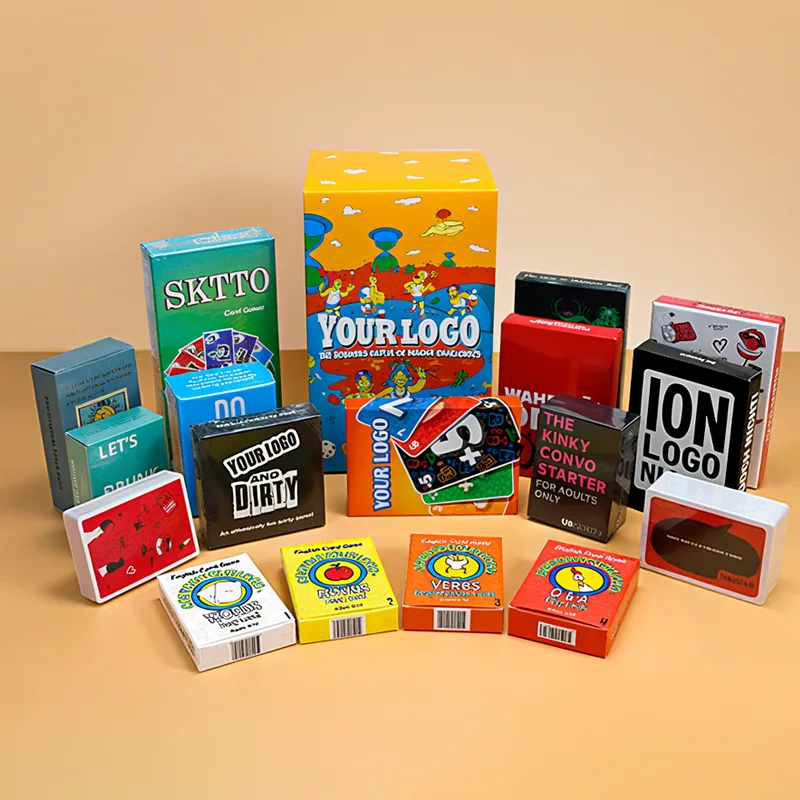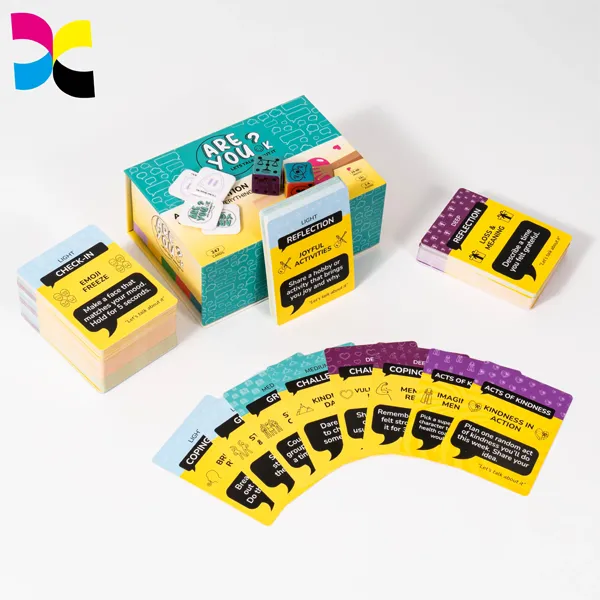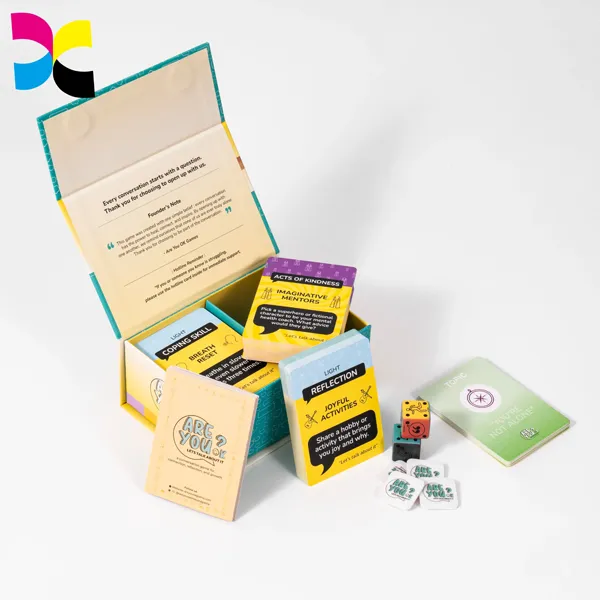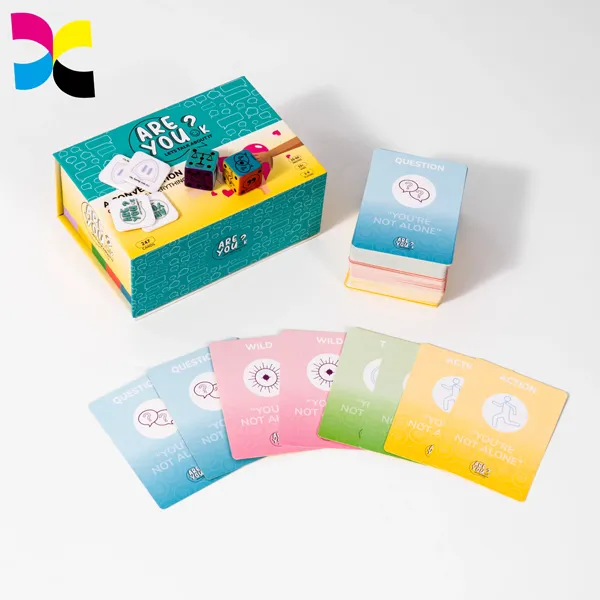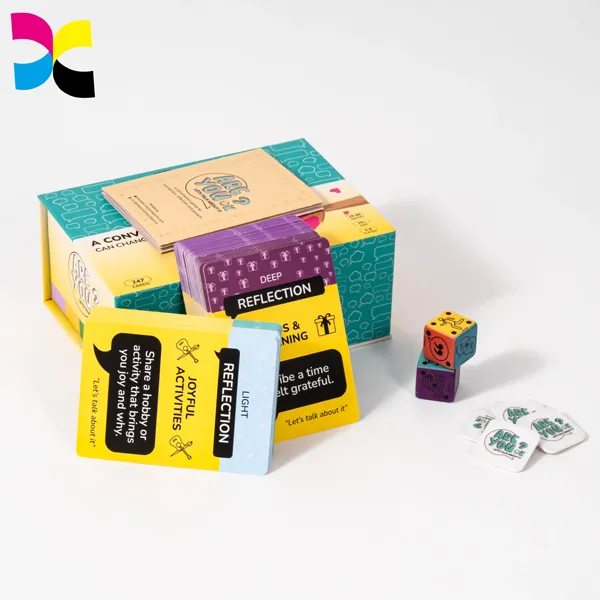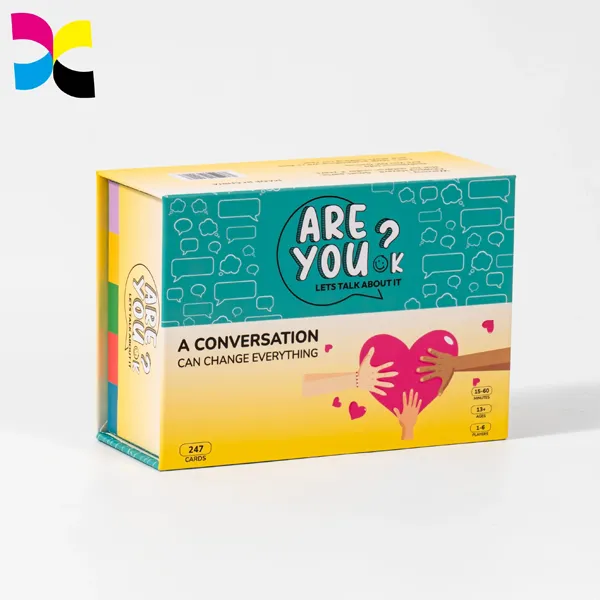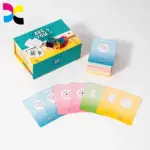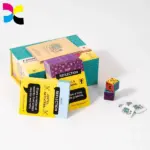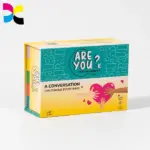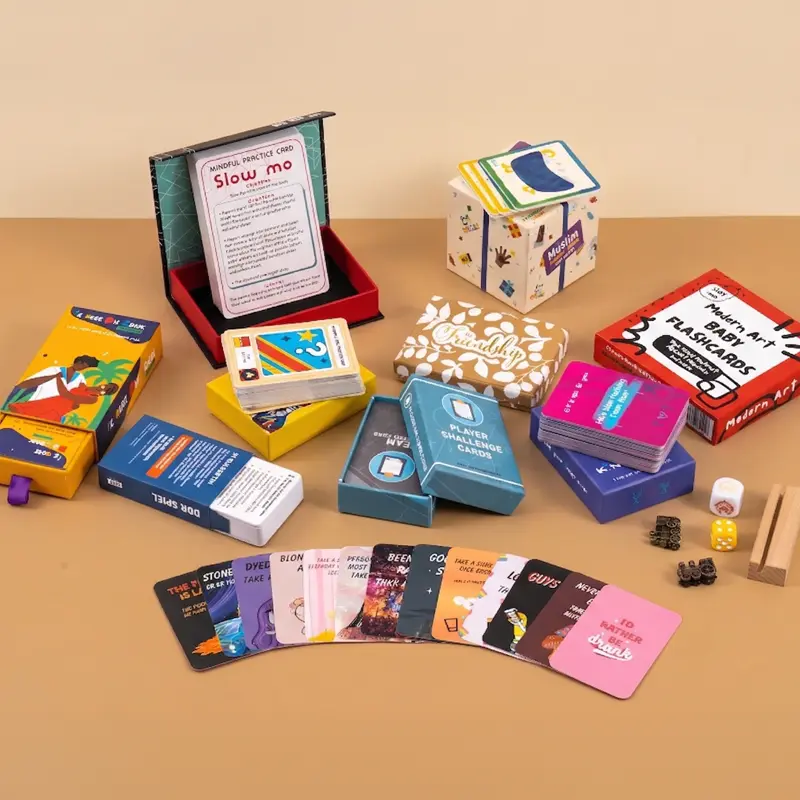
There are many types of cards in today’s market—from trading cards and board game decks to flashcards and promotional cards. While the design often gets the spotlight, the material beneath is just as important. Different cardstocks give different textures, durability, and levels of professionalism. Among them, black core cardstock has become a preferred option for projects that demand both visual appeal and lasting quality.
In this article, we’ll define what black core cardstock is, highlight its main features, compare it with other popular options, and explain where it’s most commonly used. If you are a designer, a publisher, or someone planning a custom card project, this guide will help you understand whether black core is the right choice for you.
What Is Black Core Cardstock?
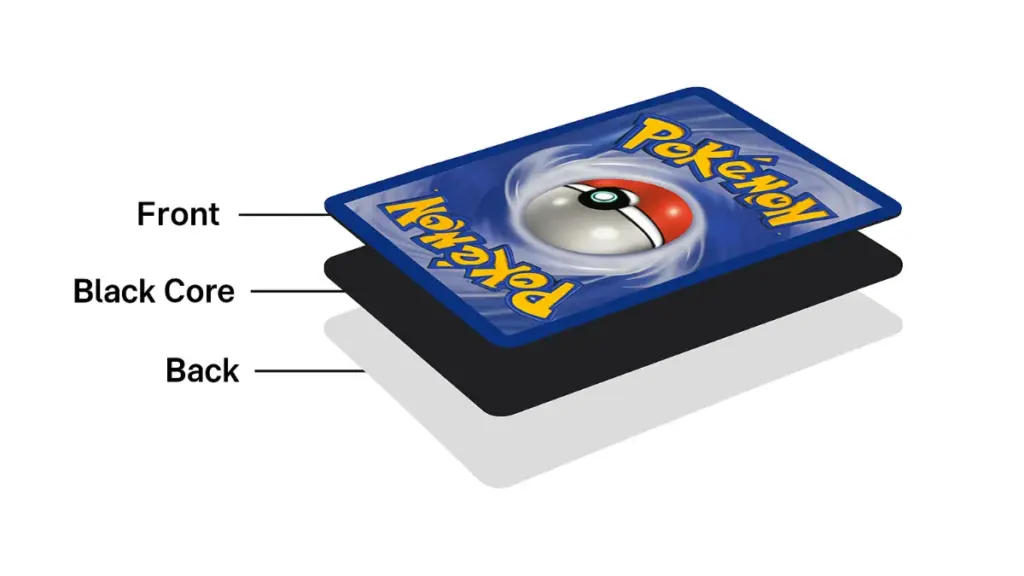
Black core cardstock is a type of multi-layered paperboard that features a solid black inner layer placed between two printable outer sheets. This unique construction gives the card a clean, professional edge while also preventing light from passing through. In other words, it makes the card opaque, ensuring that nothing printed on the reverse side becomes visible during use.
This material is widely used for products that require both premium appearance and reliable performance, such as trading card games, professional board games, and collectible decks.
Main Features of Black Core Cardstock
If you want to know why black core cardstock is often favored by professional card manufacturers, then first take a look at its core features:
High Thickness and Rigidity
Black core cardstock usually falls between 300–400 gsm, which gives it a noticeably firm and solid feel compared to standard cardstocks. This level of thickness not only provides stability but also ensures cards stay flat and resist warping. For trading cards, poker decks, and board game sets, this rigidity makes shuffling smoother and keeps cards in playable condition for longer.
High Opacity
The defining feature of black core cardstock is its excellent opacity. The solid black middle layer blocks light from passing through, which is crucial in card games where fairness matters. Players cannot see card faces through the back, ensuring professional-level game integrity that white or lower-grade cores often cannot guarantee.
Clean Edge Concealment
One of the most visible advantages is the seamless edge finish. Because of the black inner layer, the cut edges of the cards appear uniform and refined, without the distracting white lines common in standard cardstock. This subtle detail gives cards a premium look, especially for darker-themed or luxury designs.
Strong Durability
Built to withstand heavy handling, black core cardstock resists bending, creasing, and tearing better than standard cores. Even after repeated shuffling or frequent use, cards maintain their shape and appearance. This durability makes it a preferred choice for both professional publishers and collectors who value long-lasting quality.
Black Core vs Blue Core vs White Core: Key Differences
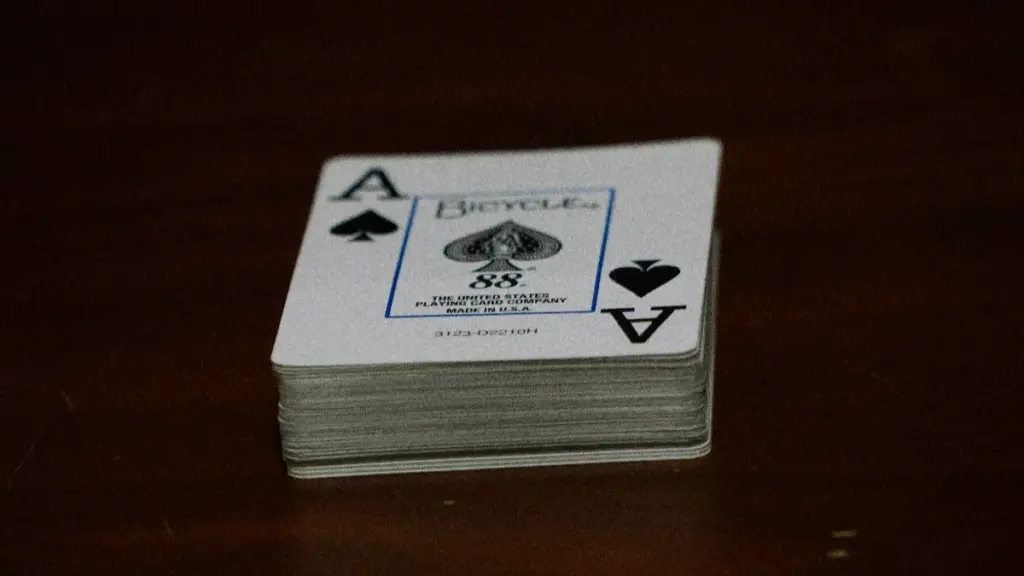
When selecting cardstock for custom cards, the three most common options are black core, blue core, and white core. Below is a clear comparison to help you understand the key differences.
| Feature | Black Core Cardstock | Blue Core Cardstock | White Core Cardstock |
| Core Layer | Solid black, opaque center | Thin blue center layer | No colored core, plain white center |
| Opacity | Excellent – blocks light completely | Moderate – reduces some light transmission | Low – light can pass through |
| Durability | High – resists bending and creasing | Medium – suitable for light to moderate use | Low – wears out quickly under heavy handling |
| Thickness (gsm) | 300–400 gsm, firm and stable | 280–330 gsm, lighter than black core | 250–300 gsm, softest option |
| Edge Appearance | Clean, seamless black edge | Slight blue tint on edges | White edges, easily visible after cutting |
| Typical Uses | Premium trading cards, collectible card decks, board games, educational flashcards | Standard playing cards, entry-level trading cards, learning cards | Budget-friendly decks, prototypes, promotional cards |
If you are curious about which type of cardstock your cards use, one quick method is to tear a card in half. A black core card will reveal a dark black inner layer, a blue core card shows a thin blue line, while a white core card has a plain white interior.
Common Applications of Black Core Cardstock in the Card Industry
Black core cardstock is versatile and highly sought after in several areas of the card industry. Here are some of its primary uses:
Trading Cards
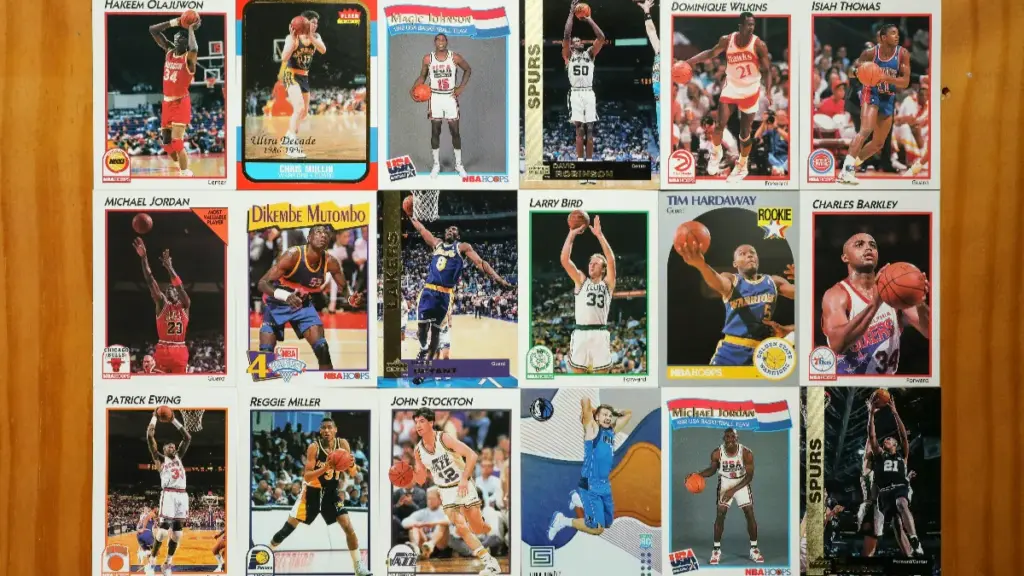
For collectible and trading cards, appearance is everything. Edge concealment ensures a professional look. Collectors often judge cards by minor details, and black core edges contribute to a higher perceived value. Premium trading cards like those used in Magic: The Gathering or Pokemon premium editions often incorporate black core layers.
Board Game Cards
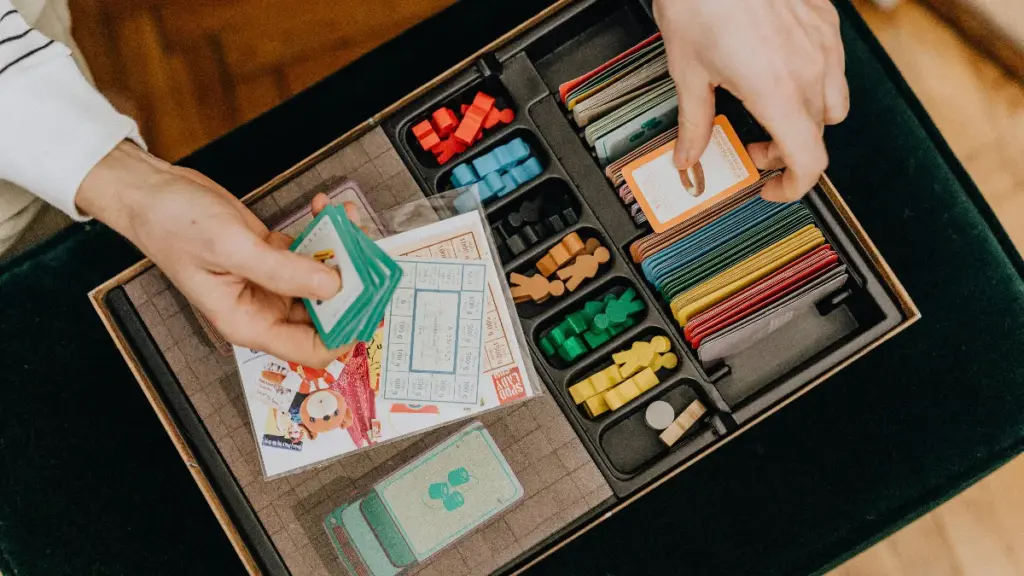
Many modern board game cards are core gameplay components. Black core cardstock enhances both aesthetics and durability. Game publishers favor black core because it prevents “ghosting,” a phenomenon where the print from the opposite side of a card shows through slightly. This is especially important for card games with double-sided designs or dark colors.
Flashcards and Educational Cards
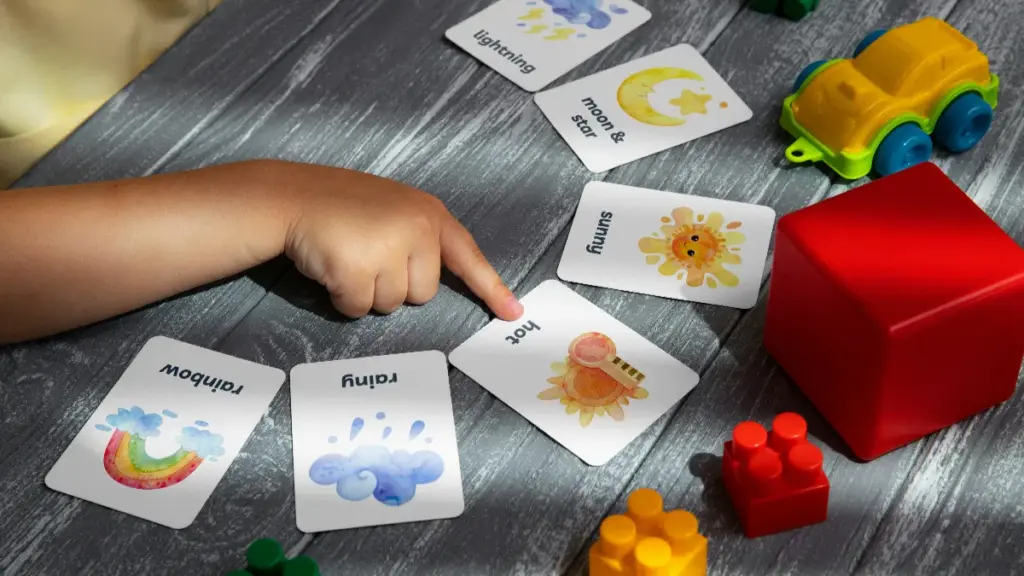
While appearance might not seem as critical for educational cards, black core cardstock still provides a better tactile feel and long-lasting durability. Teachers and students benefit from cards that can withstand frequent handling without bending or edge fraying.
Limited Edition and Promotional Cards
Companies often use black core cardstock for VIP or limited edition cards. The black core gives a sense of exclusivity, making recipients feel they are holding something special. For example, promotional flashcards for corporate gifts or marketing campaigns leverage the premium appeal of black core to enhance perceived value.
Printing and Finishing Options for Black Core Cards
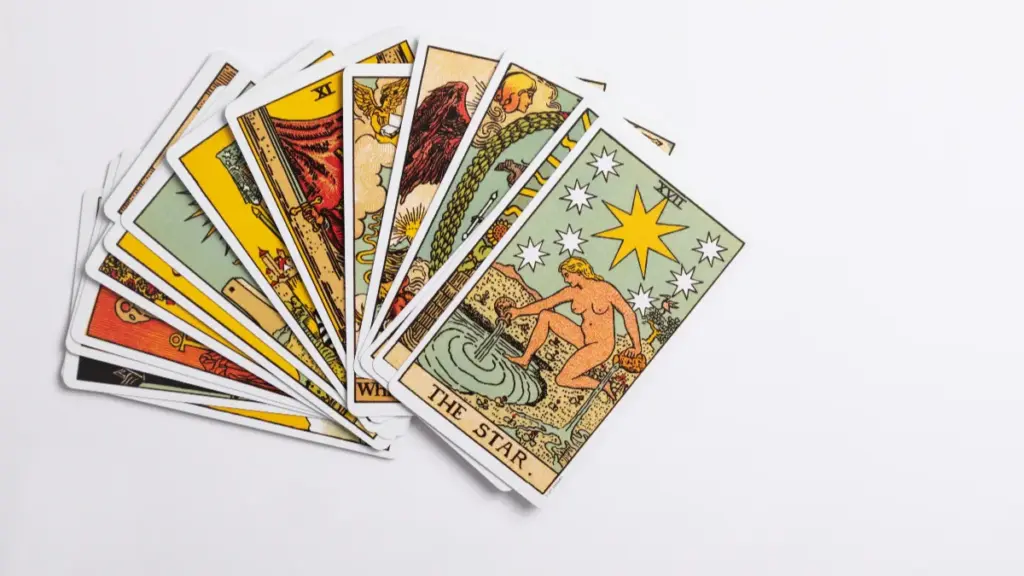
Black core cardstock is highly adaptable for a range of printing and finishing methods:
Offset and Digital Printing
Both offset and digital printing methods work well with black core cardstock. Offset printing is ideal for large production runs due to its cost-effectiveness and consistent color quality. Digital printing is more flexible for smaller batches or customized decks, ensuring sharp details and vibrant colors.
Coatings and Laminates
Adding coatings like UV gloss, matte varnish, or soft-touch lamination improves both appearance and durability. For example, soft-touch lamination adds a velvety feel and extra protection against fingerprints and wear. UV coatings make colors pop and enhance the contrast with black edges.
Spot UV and Foil Stamping
For premium cards, designers often apply spot UV or metallic foiling. Black core cardstock enhances these effects by providing a contrasting edge that draws attention to the design. Foil stamping, in particular, looks more luxurious when paired with dark edges.
Embossing and Debossing
Embossing (raising a design) or debossing (indenting a design) adds tactile and visual interest. Black core cards respond well to these treatments, creating a striking effect that stands out in both tactile feel and visual depth.
How to Choose the Right Cardstock for Your Project
When selecting cardstock for your cards, consider the following key factors:
- Purpose of the Cards: Determine how the cards will be used. For collectible or professional decks, prioritize durability and a premium look. For educational or casual-use cards, lighter and more economical cardstock may be sufficient.
- Budget: Cardstock cost varies by type and quality. White core options are more affordable and suitable for prototypes or short-run projects. Black core offers higher stability and a polished appearance, which can justify the higher price for premium decks.
- Durability Needs: Consider how often the cards will be used and handled. Thicker cardstocks resist bending, creasing, and edge wear better than thinner options.
- Visual and Tactile Experience: The feel and appearance of the card influence user perception. Black core offers clean, seamless edges and smooth surfaces, enhancing both aesthetics and handling.
Partnering With a Professional Custom Card Manufacturer
Producing black core cards requires precision and experience. Partnering with a professional custom card manufacturer ensures you get the best outcome. At Xin Yi Printing, we specialize in premium card production and offer:
- Access to high-quality black core sheets in multiple thicknesses.
- Expertise in printing, cutting, and finishing to guarantee clean, uniform edges.
- A wide range of customization options, including foil stamping, embossing, and lamination.
- Strict quality control to ensure consistency across every deck.
Partner with our experts today to bring your custom card project to life. Contact us to get started and ensure your cards meet the highest standards.
When it comes to card printing, choosing the right method can make a significant difference in quality, cost, and production speed. Two of the most widely used techniques in the printing industry are offset printing and digital printing. While both methods are highly effective, they serve different purposes and suit different types of projects. In this article, we will explore how each method works, their advantages and disadvantages, and key differences. By the end, you’ll have a clear understanding of which printing method is ideal for your custom card projects.
What Is Offset Printing and How Does It Work?
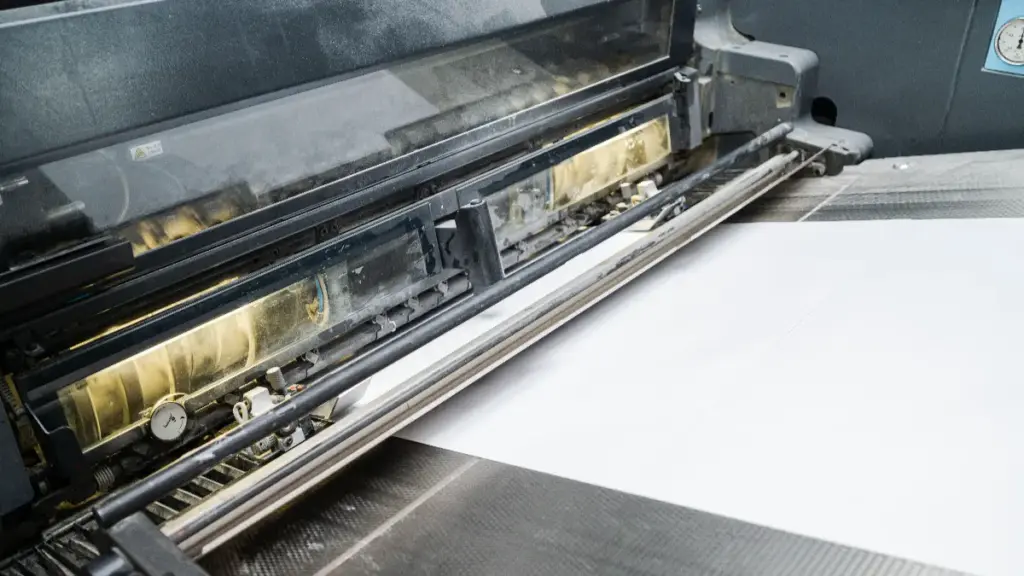
Offset printing, also called lithography, is a traditional printing method widely used in commercial printing. Its main principle relies on the natural repulsion between oil-based ink and water. The process begins with a metal plate, usually made of aluminum, which is etched with the image to be printed. The plate is coated with ink and water. The ink adheres only to the image area, while the non-image areas attract water, preventing ink from sticking there.
Once the plate is prepared, the image is transferred onto a rubber blanket. This blanket then presses the ink onto the printing surface, such as paper or cardstock. This indirect transfer ensures that the ink distribution is even and reduces wear on the plates. Offset presses can operate at high speeds and produce precise, consistent prints over large volumes.
What Is Digital Printing and How Does It Work?
Digital printing is a modern printing technology that directly transfers a digital image from a computer file onto a substrate without using plates. Unlike traditional methods, it relies on electronic data and advanced printing heads, such as inkjet or laser mechanisms, to apply the ink or toner precisely where it is needed.
In inkjet digital printing, tiny nozzles spray microscopic droplets of ink onto the paper, building up the image layer by layer. Laser digital printing, on the other hand, uses a laser to create an electrostatic image on a drum. Toner particles are then attracted to the charged areas and fused to the paper using heat and pressure.
Pros and Cons of Offset Printing
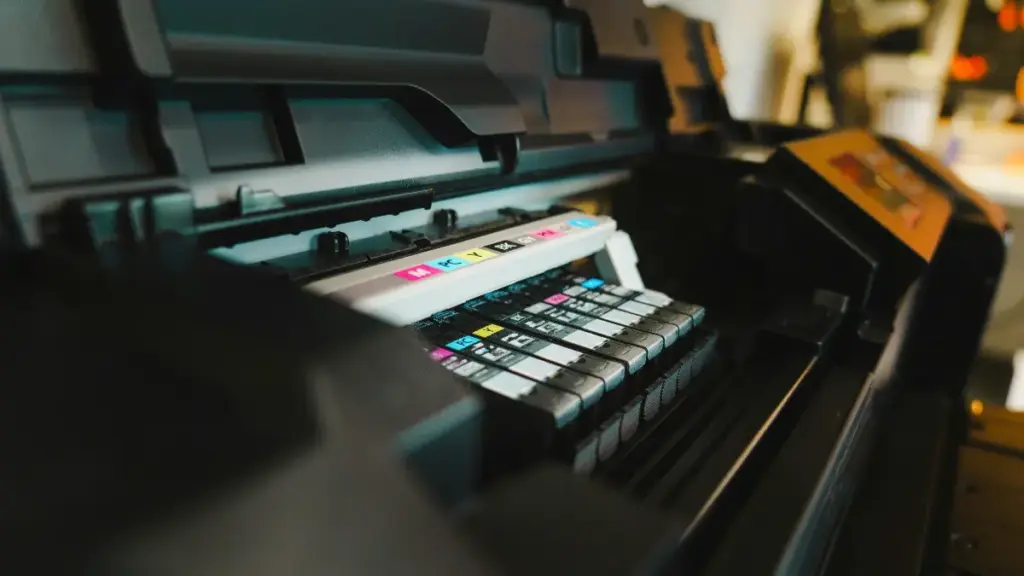
Offset printing has a long-standing reputation for quality and reliability. Here are the main pros and cons:
Pros:
- High Quality: Produces sharp, detailed images with smooth gradients and excellent color accuracy.
- Wide Paper Compatibility: Works on a variety of materials, including textured and heavy cardstock.
- Cost-Effective for Large Runs: As quantity increases, the per-unit cost decreases significantly.
- Special Color Support: PMS colors can be accurately reproduced, ensuring consistent branding.
- CMYK Full-Color Printing: Offset printing supports precise CMYK (Cyan, Magenta, Yellow, Black) color separation, making it ideal for detailed full-color images and complex designs.
Cons:
- High Setup Cost: Plates and press preparation add upfront costs.
- Longer Turnaround: Setup and calibration take more time than digital printing.
- Limited Flexibility: Design changes require new plates, which can be costly.
- Not Ideal for Short Runs: Small quantities are less economical due to setup costs.
Pros and Cons of Digital Printing
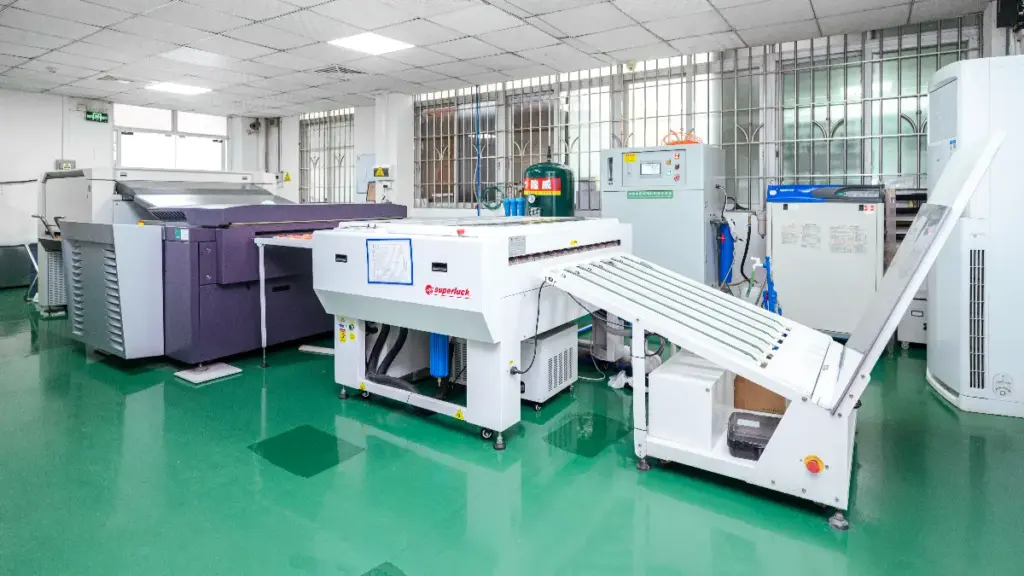
Digital printing offers unmatched flexibility, making it a popular choice for modern card printing projects. Here’s a breakdown:
Pros:
- Fast Setup: No plates are needed, so printing can start almost immediately.
- Low Minimum Order: Perfect for small batches or single-card projects.
- Variable Data Printing: Each card can be customized without additional cost.
- Consistent Full-Color Output: Supports complex, full-color designs efficiently.
Cons:
- Paper Limitations: Best performance is usually on medium-weight cardstock (200-350gsm).
- Color Matching Limitations: PMS or spot color precision is limited.
- Slight Quality Variation: Minor variations may appear between batches.
- Higher Per-Unit Cost for Large Runs: For thousands of cards, offset printing may be more economical.
What’s the Differences Between Offset Printing and Digital Printing?
Understanding the differences between these two methods is essential for choosing the right approach. Here’s a detailed comparison:
| Feature | Offset Printing | Digital Printing |
| Setup | Requires metal plates, longer setup time | No plates, minimal setup time |
| Best for | Large volume, consistent color | Short runs, personalized content |
| Cost per unit | Decreases with higher volume | Stable, slightly higher for large runs |
| Color Accuracy | Excellent, supports PMS colors | Good, but limited for spot colors |
| Paper Range | Wide, including heavy and textured stock | Medium to heavy stock, some limitations on very thick materials |
| Variable Data | Not practical | Fully supported |
| Turnaround Time | Longer | Shorter |
| Applications | Luxury business cards, board game cards, playing cards, premium greeting cards, high-quality card decks, brochures | Personalized cards, flashcards, limited edition promotional decks, custom loyalty cards, small batch prints |
In short, offset printing is ideal when quality, volume, and precise color matching matter most. Digital printing is preferable when speed, flexibility, and customization are priorities. Many professional card manufacturers, including us at Xin Yi Printing, select the method based on project specifics, often combining both technologies for optimal results.
Future of Printing: Hybrid Solutions and Industry Trends
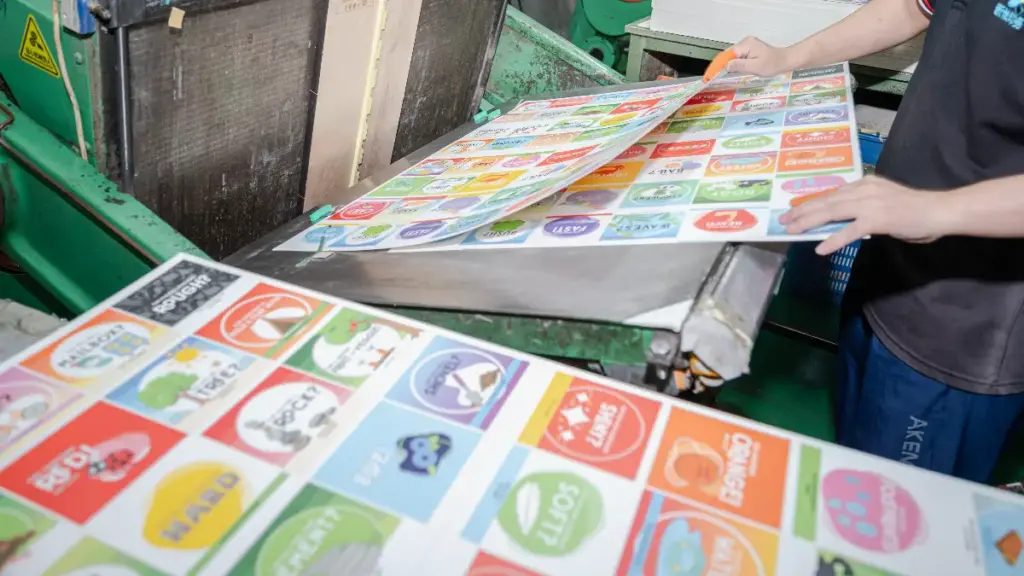
The printing industry continues to evolve, combining the strengths of offset and digital printing. Key developments include:
- Hybrid Solutions: Some presses now integrate digital modules with traditional offset workflows, enabling small customized runs while maintaining high-quality output. This allows manufacturers to offer lower minimum orders without compromising premium quality.
- Sustainability: Many printers are adopting eco-friendly inks and recyclable cardstock. For example, soy-based inks reduce volatile organic compounds (VOCs), and FSC-certified cardstock ensures environmentally responsible sourcing. Environmentally conscious practices are becoming a key selling point, especially in Europe and North America.
- Technological Advances: Digital presses now reach resolutions up to 1,200 dpi or higher, with advanced color management software ensuring consistent output across batches. Offset presses are also improving speed through inline coating and drying systems.
Elevate Your Cards with Our Expert Printing Solutions
Established in 1998, Xinyi Printing has become a trusted expert in high-quality card and packaging production. We specialize in custom cards, book printing, and premium packaging solutions for clients around the world. Our facility is equipped with Heidelberg 6-color and Komori 4-color presses, enabling high-precision, large-volume printing with exceptional consistency.
Ready to bring your custom cards to life? Request a free quote today and elevate your project with our expert printing solutions.
There are many kinds of paper, from thin sheets for everyday printing to heavy boards for sturdy packaging. Cardstock falls in the middle, offering both flexibility and strength. It’s a favorite choice for creating cards, invitations, and product packaging. But what makes cardstock stand out from other papers? This guide will take a closer look.
What Is Cardstock?
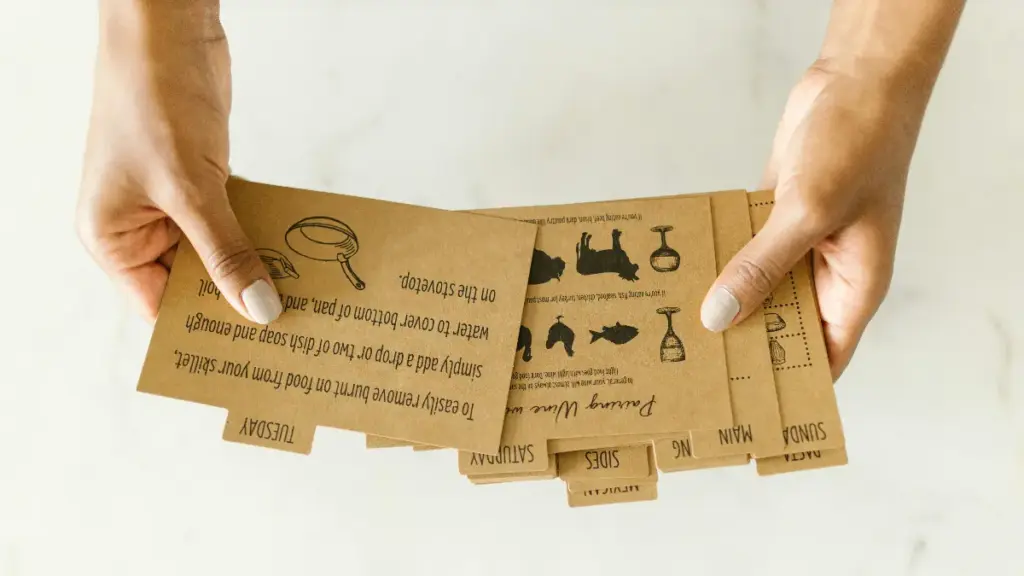
Cardstock, also known as cover stock or pasteboard, is a type of thick, durable paper. It is heavier and more rigid than regular printing paper, yet lighter and more flexible than cardboard. Most cardstock is made from wood pulp, but premium grades may include cotton or recycled fibers for better texture and strength.
Different Types of Cardstock Paper
Cardstock is available in many variations to meet different printing and design needs. Let’s look at the most common types:
- Matte Cardstock: Matte cardstock has a smooth, non-reflective finish, perfect for text-heavy prints or designs with subtle colors. It gives a modern, elegant look without glare.
- Glossy Cardstock: Glossy cardstock enhances vibrant colors and sharp images. It is often used for promotional materials, such as postcards, flyers, and packaging inserts.
- Textured Cardstock: This type includes linen, canvas, or laid finishes, adding a tactile element. Designers often choose textured stock for invitations or luxury packaging.
- Recycled Cardstock: Eco-conscious brands often opt for recycled paperboard. It provides a natural, slightly rough appearance and is made from post-consumer fibers.
- Coated vs. Uncoated Cardstock: Coated cardstock has a sealed surface, which makes colors more vibrant and resists dirt. Uncoated stock absorbs ink better, creating a softer, natural look.
What Is the Size of Cardstock?

Cardstock comes in multiple standard sizes, and knowing them helps you optimize printing and reduce waste.
- 8.5″ x 11″ (Letter size) – Common for U.S.-based printing; often used for greeting cards and marketing sheets.
- 11″ x 17″ (Tabloid size) – Ideal for posters, brochures, or larger folded projects.
- A4 (210 x 297 mm) – The global standard outside North America.
- 12″ x 12″ – Popular for scrapbooking and creative projects.
- Custom sizes – Many printing companies cut cardstock to fit unique product dimensions like board game cards, playing cards, trading cards or packaging inserts.
How Thick Is Cardstock?
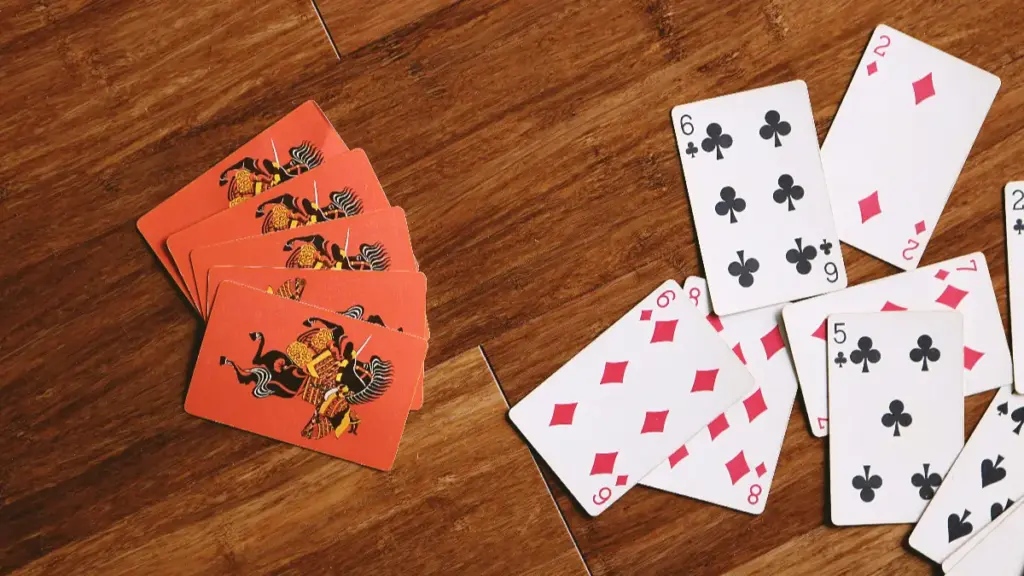
Cardstock thickness is one of the main factors that distinguishes it from regular paper or cardboard. It is usually measured in points (pt) or mils, which refer to the thickness of a single sheet.
Most standard cardstock ranges from 8 pt to 16 pt (0.008–0.016 inches), while premium or specialty cards can go up to 20 pt or more. For reference, typical printer paper is about 4 pt, and lightweight cardboard starts around 16 pt, so cardstock sits comfortably in the middle.
What Is the Weight of Cardstock?
Cardstock weight is a key factor in determining quality and usability. Weight is typically measured in pounds (lb) in the U.S. or grams per square meter (gsm) internationally.
| Weight (lb) | GSM (approx.) | Common Use Cases |
| 65 lb | 176 gsm | Greeting cards, simple brochures |
| 80 lb | 216 gsm | Postcards, invitations |
| 100 lb | 271 gsm | Premium business cards |
| 110 lb+ | 298 gsm+ | Rigid packaging, specialty cards |
The higher the weight, the sturdier the cardstock feels. For example, 80 lb cardstock bends easily but still feels premium, while 110 lb cardstock is closer to lightweight cardboard. For custom cards like trading cards or board game decks, 300 gsm is often preferred because it offers excellent durability for frequent handling.
What Is Cardstock Paper Used For?
Cardstock’s durability and print versatility make it a go-to material for countless applications:
- Game Cards: Trading cards, playing cards, and tarot decks require sturdy stock that withstands repeated handling.
- Business Materials: Business cards, brochures, and presentation folders rely on cardstock to project professionalism.
- Marketing Tools: Postcards, direct mailers, and point-of-sale displays often use glossy or coated stock for vivid colors.
- Creative Projects: Artists and crafters love cardstock for scrapbooking, die-cutting, and custom invitations.
- Packaging: Many small boxes, sleeves, and retail tags use thick cardstock to combine lightweight structure with brand appeal.
Cardstock Finishing and Specialty Printing Options
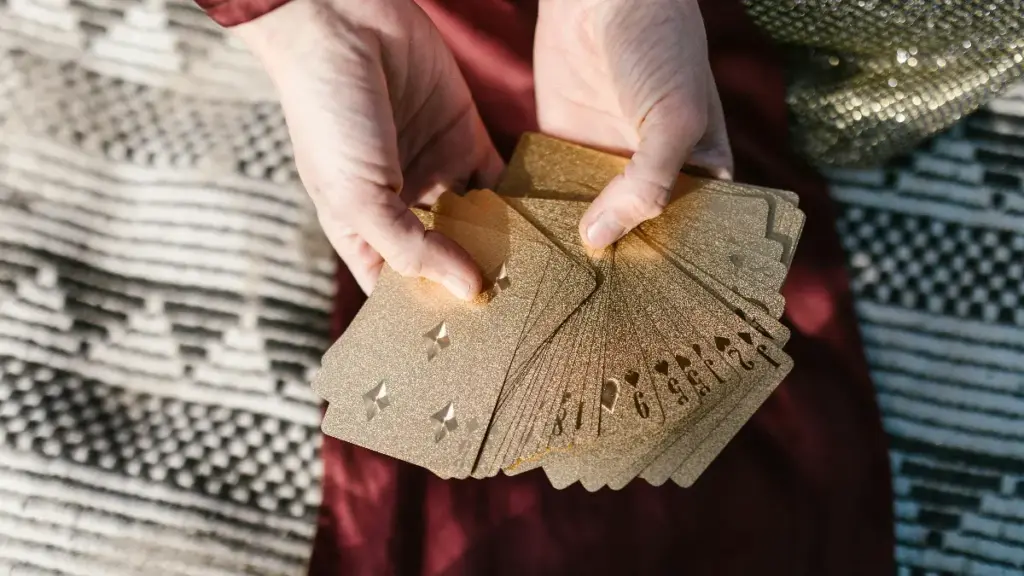
Finishing techniques transform plain cardstock into a premium product. Here are popular options:
- Foil Stamping: Metallic foil adds a luxurious touch to invitations or premium cards.
- Embossing/Debossing: These techniques create raised or recessed designs, adding texture and dimension.
- Spot UV Coating: Glossy highlights applied to specific areas create contrast and visual interest.
- Lamination: A thin plastic layer improves durability and protects against moisture.
- Die-Cutting: Custom shapes make packaging and marketing materials stand out.
How to Choose the Right Cardstock for Your Project?
Selecting cardstock requires balancing weight, finish, size, and cost. Here’s a simple framework:
- Define Purpose: Marketing materials often need glossy finishes to pop, while invitations or cards benefit from textured stock.
- Match Durability Needs: For packaging or collectible cards, choose 300 gsm or laminated stock for long-term strength.
- Consider Print Method: Offset printing works well for high-volume runs, while digital printing handles small batches and variable data.
- Factor in Budget: Specialty finishes add cost, but they also boost brand perception.
- Think About Sustainability: Recycled or FSC-certified cardstock appeals to eco-conscious audiences without sacrificing quality.
Final Thoughts: Elevate Your Brand with Professional Card Printing
At Xin Yi Printing, we specialize in custom card printing for games, learning, and collectibles, backed by over 27 years of manufacturing experience. We provide a full range of paper types like black core paper, specialty finishes, and packaging boxes to bring your designs to life. Our production line is fully automated—from prepress and printing to binding and hardcover finishing. Equipped with Komori 4-color and Heidelberg 6-color presses, our products deliver vibrant, high-resolution output and consistent product quality.
If you’re planning your next print project, let’s talk about how expert printing can elevate your brand. Click here to contact us.
The materials and craftsmanship of playing cards have evolved by blending traditional printing methods and techniques. With the rise of the playing card industry, various printing methods, techniques, and small-scale craftsmanship equipment have emerged, leading to many effects different from those of the past.
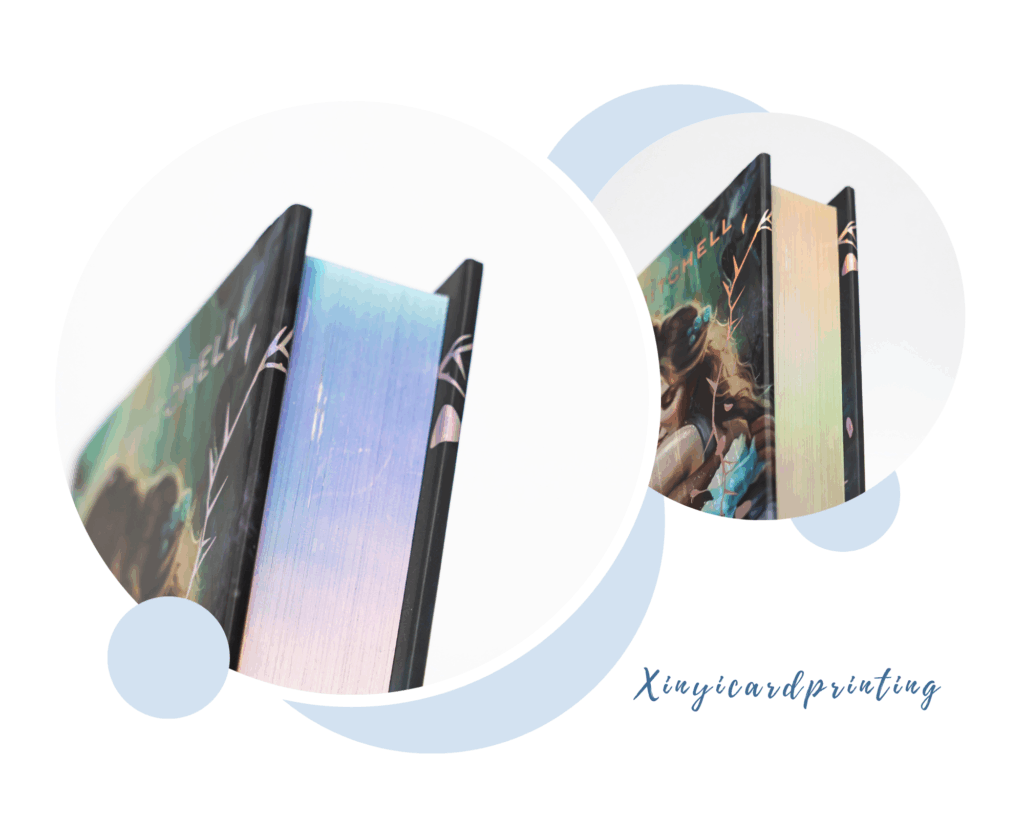
Different types of playing cards are suited to different printing processes. Tarot cards prioritize the user experience, requiring cards to be exquisite and highlighting their stunning illustrations. The beauty of the patterns on the cards is enhanced through printing techniques such as gold/silver foil stamping, laser engraving, foil edges, and iridescent patterns.
Additionally, paper selection is crucial. Poker cards emphasize the tactile feel, and embossing can be used to highlight surface textures. Whether you are a business or an independent game developer, making informed decisions about these elements can significantly impact the quality and success of your card game.
In this guide, we will explore the key considerations and available options for printing different types of card games to help you make the best choices for your card game project.
Card Paper Options
Coated Paper | Features | Application Scenarios |
|---|---|---|
| Coated Paper | 1. Water-resistant and stain-resistant, suitable for use in various environments. A thick paper used for high-quality printing, typically weighing 300 gsm or 350 gsm. 2. Durable and tear-resistant, with a long service life. 3. Supports high-quality printing and special processes to enhance visual appeal and texture. | Game cards, anime-themed cards, promotional cards |
| White Cardstock | 1. Hard texture, high stiffness, smooth surface without coating, thickness typically between 250 gsm and 400 gsm, good fold resistance. 2. Printing effects are less vibrant than coated paper but more natural. | Mid-range playing cards, board game cards, membership cards, etc., suitable for products requiring moderate durability and budget. |
| Black Core Paper | 1. Fully lightproof: The black core layer completely eliminates light penetration issues, making it suitable for high-security cards. Thickness typically exceeds 300gsm. 2. Premium texture: Uniform edge color, visually thicker and more luxurious. 3. Excellent durability: Typically paired with high-grammage paper, offering strong resistance to wear and tear. 4. Printing restrictions: Special inks or lamination processes are required; otherwise, it may affect the color reproduction on the front. In these aspects, Xinyi can print cards with the most perfect color reproduction for you. | Luxury edition cards, collectible-grade products (such as limited-edition TCG cards), and magic cards. |
| White Core Paper | 1. High aesthetic appeal: The white core layer ensures clean card edges, suitable for colored or light-colored cards. 2. Excellent printing quality: Accurate color reproduction, especially suitable for high-precision patterns. 3. Good durability: More resistant to bending than gray core paper, with lower risk of delamination. | Mid-to-high-end game cards (e.g., TCG), custom cards requiring high-quality printing. |
| Blue Core Paper | 1. Anti-cheating design: The blue core layer effectively prevents light transmission, avoiding the back patterns being peeked at (e.g., playing cards). 2. Professional feel: Commonly used in professional-grade playing cards to enhance product credibility. 3. Excellent durability: Superior bending and delamination resistance compared to white core paper. | Professional playing cards, competitive card games, or scenarios requiring anti-transparency. |
| Gold and Silver Paper | 1. Luxurious appearance: Gold and silver cardstock surfaces feature a metallic luster. 2. Excellent color reproduction: Superior brightness and print gloss performance. 3. Water-resistant and wear-resistant: Possesses certain water-resistant and wear-resistant properties. 4. Special effects possible: Surfaces feature a glossy finish. | Common materials for star cards, rare cards, board games, and other card games. |
Card Coating and Surface Finishing Options
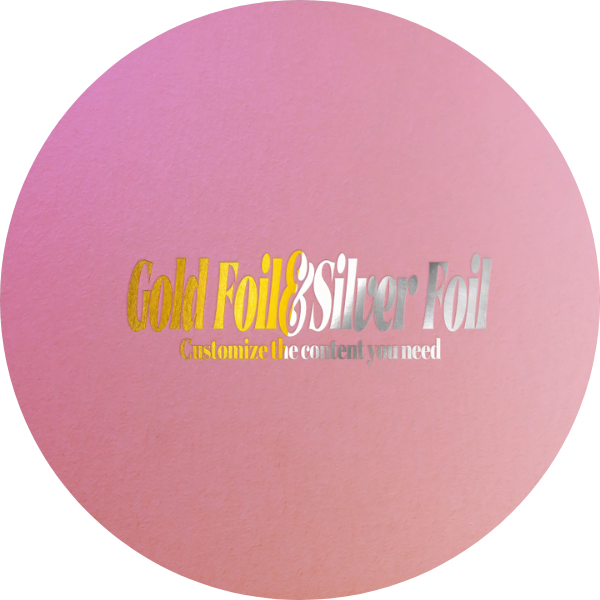
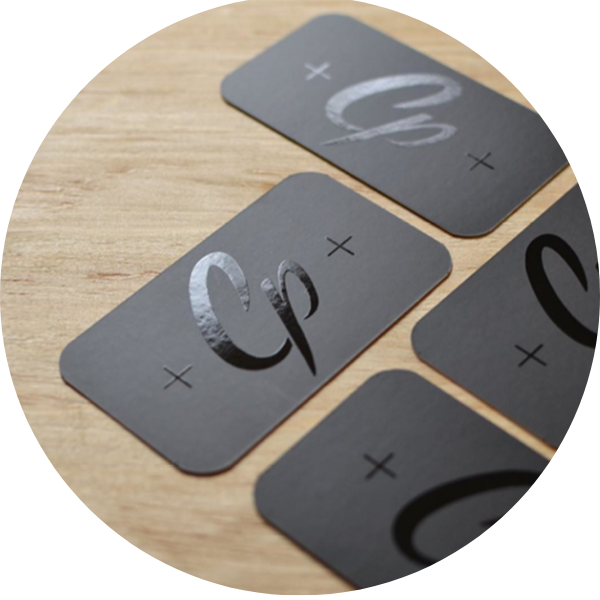
Gold/silver foil stamping: Gold itself has a strong visual impact. After foil stamping, the edges or patterns exhibit a rich metallic luster. Whether it is matte gold or glossy gold, it can showcase a warm or dazzling texture under light, instantly enhancing the visual appeal of the object.
Spot UV: After curing, UV coating can create high-gloss or matte surface effects. High-gloss UV coating has a strong mirror-like reflective property, with high light reflectivity, making patterns or text appear crystal-clear and translucent.
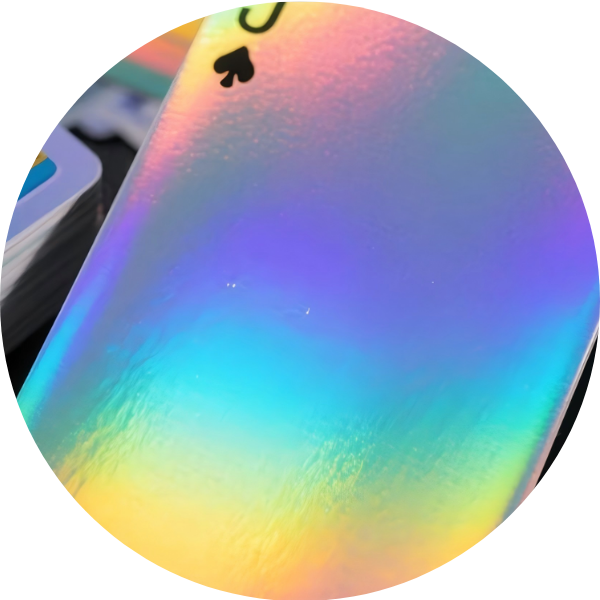
Laser: Laser patterns reflect, refract, or diffract light at different angles, creating a dynamic effect that changes with the viewing angle—for example, appearing golden from the front, blue or red from the side, or even displaying a gradient or flickering rainbow effect.
Lamination: a thin layer of plastic film is applied to the card, with a glossy or matte finish. Glossy lamination provides a shiny appearance and vibrant colors, while matte lamination offers a soft, glare-free appearance and smooth texture.
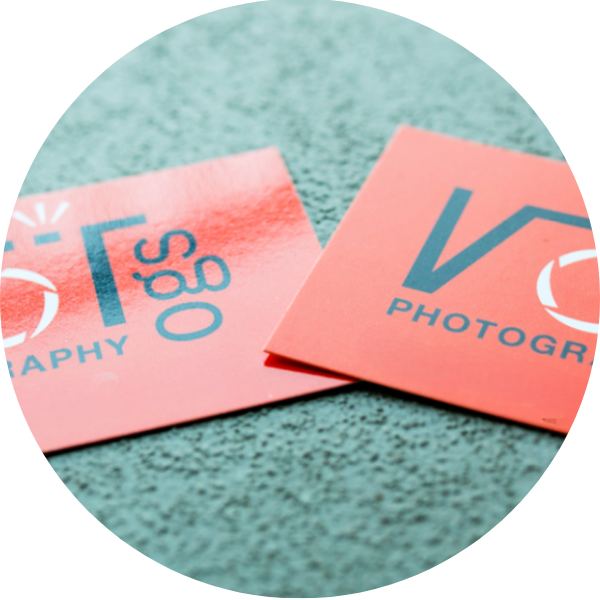
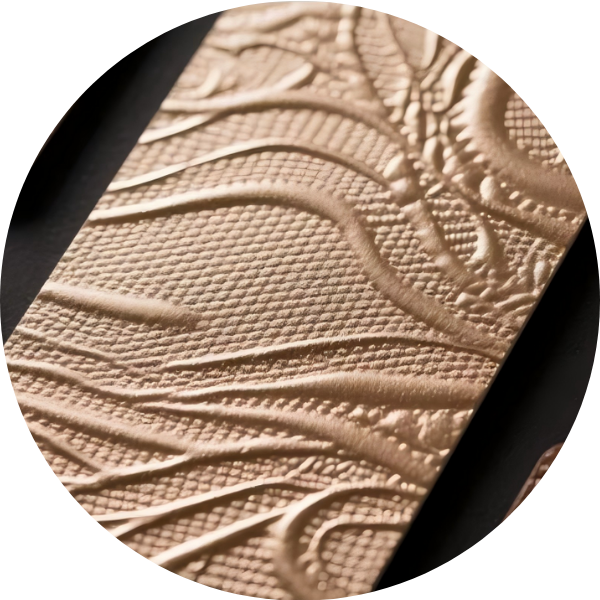
Embossing: Embossing is divided into raised and recessed patterns. The raised and recessed textures create light and shadow contrasts through reflective properties, giving the design a three-dimensional shadow effect on a flat surface. Even without relying on color, the texture itself can highlight the design theme.
Flocking: Flocking length can be adjusted according to requirements (typically 0.03–3mm). Localized flocking or varying densities of flocking can create raised patterns or gradient effects.
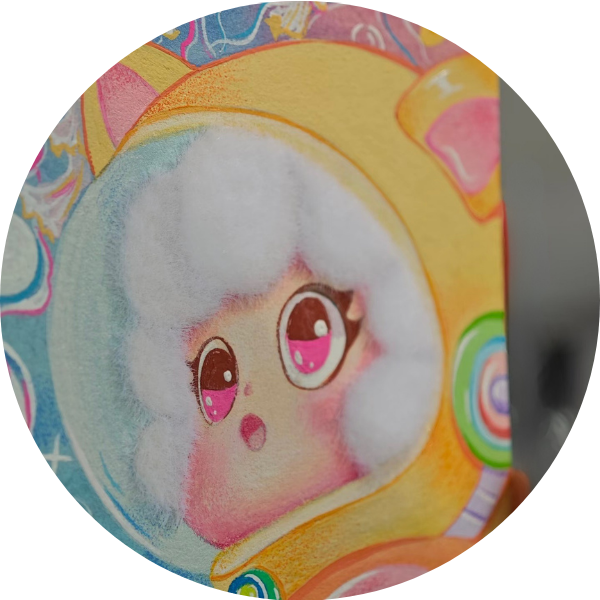
How do you choose the appropriate paper, coating, and surface treatment? This depends on the type of card game you are producing.
You can evaluate the following factors to determine which printing materials and processes to select:
Game Type: Trading card games and tarot cards may benefit from high-quality black core paper with a glossy laminate to ensure durability and a more expensive, luxurious appearance. In contrast, educational flashcards or interactive traditional card games may use C1S paper with a matte finish for ease of use and the ability to write on one side.
Budget: While premium materials and finishes clearly contribute to quality, they also increase costs. Balance your desire for high-end materials with budget constraints to find the right compromise. We excel at helping you save money while still achieving the results you desire; we know all the tricks, so if you have any questions, please contact us, and we will assist you in finding the solution your game requires.
Target Game Audience: Consider who will be playing your game. Children’s games may require more durable, splash-resistant finishes, while collector’s games may prioritize high-quality visual and tactile experiences.
2025 Trends in Game Card Printing
1. Adhering to sustainable business principles: Using eco-friendly paper & biodegradable coatings, Xinyi has developed coffee grounds paper samples, fully implementing environmental policies. The factory features large transparent windows to reduce artificial lighting and maximize natural light.
2. Enhancing the experience: More premium surface treatment combinations (e.g., Matte + Spot UV + Gold Edging)
3. Cross-industry applications: Combining game cards with art and NFT collections
Conclusion
Paper, coating, and surface treatment are the three key factors determining card quality. We recommend that clients first clarify the intended use and target audience when designing cards, then communicate with professional printing factories to obtain the most suitable solution. Xinyicardprinting is always online to provide you with the best printing solutions.
Introduction
Flashcards are a way to aid memorization by reviewing them in stages. In simple terms, the points to be memorized are divided into small cards and different cards are reviewed daily or weekly to enhance memory. They provide a simple yet powerful method and most importantly, portable and interactive way to improve recall, reinforce learning and test knowledge.
From elementary school students learning the alpha alphabet to medical school students preparing for exams, flashcards have been a trusted study partner for decades.
However, with so many modern learning tools on the market today, one question remains: is flashcard still effective? Or is it just an outdated tradition?
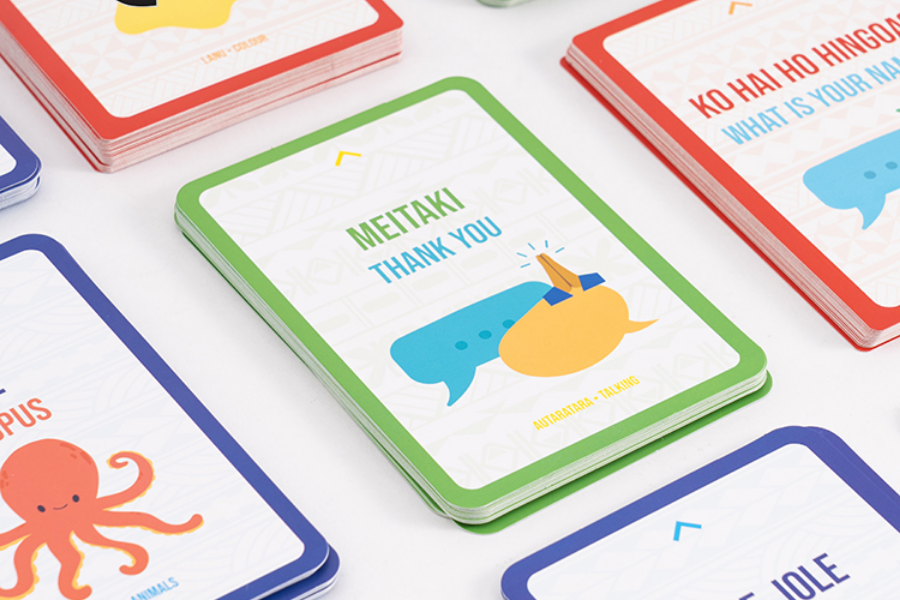
However, like any learning technology, pull-out cards have their strengths and limitations, as a quick survey of scientific research on their use in educational settings reveals.
In this article, we’ll help you explore what kind of advantages and disadvantages flashcard has as a teaching tool and how to fully utilize his maximum benefits, let’s explore together!
Why Flashcards Work
Flashcards are small cards, usually about the size of a standard playing card, with questions, terms or concepts printed on one side and corresponding answers or definitions on the other. They can be purely verbal, visual, or both. Students can use the printable flashcards independently, in pairs or small groups, or as a whole class interaction under the guidance of the teacher.
The subjects and categories you can use printable flashcards as an educational tool are varied and include language arts, science, civics, history, geography, math, and more. They are perfect for practicing vocabulary, facts, formulas, associations, and concepts. The key idea behind flashcards is repetitive and active exposure to information in a multi-sensory and interactive environment, which helps encode it into long-term memory. Flashcards allow for the implementation of spaced repetition, a technique that involves viewing information at increasing intervals to improve memory.
The Science Behind Flashcards
A flashcard is not simply a piece of paper. It is based on two powerful principles of learning psychology:
Active recall: flashcards encourage you to retrieve information from memory rather than passively rereading your notes. Each time you turn the card over to check your answer, you reinforce the “memory path”, making it easier to recall the next time.
Repeat at intervals: Reviewing the same card at incremental intervals keeps knowledge fresh. Digital flashcard apps like Anki and Quizlet use algorithms to organize this process, while physical cards not only serve this purpose, but can be opened at any time and kept away from electronic devices.
Self-Testing Effect: Simulating the exam environment helps reduce exam anxiety and improve proficiency.
Together, these principles explain why flashcards consistently outperform passive learning methods like highlighting or rereading.
Evidence from Research
For years, psychologists and educational researchers have been testing flashcards in classrooms and laboratories.
Studies have shown that students who self-test using flashcards remember more information after a few weeks than students who simply review their notes.
Flashcards are especially useful in subjects that require memorization, such as vocabulary, medical terms, historical dates, or formulas.
A Study of the Effectiveness of Electronic Flashcards in Medical Learning
- Demonstrates how UK undergraduate medical students feel about the use of electronic flashcards, which are generally recognized as an effective learning tool.
- In UCLA’s Kornell study, a group of participants studying with “spacing” outperformed “massed sessions” in 90% of cases, although 72% of the participants studied with “massed sessions”. sessions in 90% of cases, even though 72% of the participants subjectively felt that spacing was more effective.
Benefits Beyond Memory
Flexibility: You can learn anytime, anywhere, and make good use of your spare time.
Customization: Can be customized according to the course content or personal needs.
Engagement: More interactive and interesting than traditional memorization.
Although flashcards are often associated with rote learning, their value goes far beyond that:
Portability: Easy to carry around, both electronically and in paper format. Perfect for use in between studies, on the commute, or while eating at a coffee shop. But the paper version should be preferred over a teacher’s teaching tool.
Customizability: learners can design the cards to suit their goals, from simple quizzes to complex situational prompts.
Motivation and engagement: flipping through the flashcards is more interactive than staring at a textbook, allowing learners to stay focused for longer.
To maximize the effectiveness of flashcards, here are some best practices:
Keep the cards simple: one question, one answer.
Use visual elements: charts, icons, and colors enhance recall.
Use a mix of formats: Don’t just use “definition cards,” but add “application cards” (e.g., words in a sentence, formulas in a question).
Active review: avoid flipping too quickly – pause, recall, then check.
Combine with other methods: flashcards work best with practice exams, notes and group discussions.
Limitations to Consider
Surface Learning Risk: Memorizing only individual words or definitions may lead to a lack of deep understanding.
Time Investment: Creating flashcards requires time and effort.
Not Universal: Flashcards aren’t the best solution for subjects that require reasoning or integrated understanding.
Talk to Us
So, how effective are flashcards for studying? The short answer is: very effective—if used the right way. They help learners actively engage with information, strengthen memory, and prepare with confidence. While they can’t replace every learning method, they remain one of the most versatile and scientifically supported tools available.
Whether you’re preparing for an exam, learning a new language, or trying to master complex terminology, flashcards can be your best study partner—simple, flexible, and powerful.
Started with Xinyicardprinting!
In the intertwined realms of mysticism and psychology, tarot cards have long stood as captivating tools. They are not only a medium for divination and self-discovery but also works of art. When we speak of “professional tarot analysis,” mastery of interpretation alone is not enough—the quality of the cards themselves, particularly their printing and craftsmanship, plays a decisive role.
In this guide, we will explore what tarot really is and how to design and print your own unique deck. Let’s begin.
Step 1: Professional Tarot Analysis — A “Mirror” to the Inner World
Professional tarot reading is far more than simply “drawing a card and reciting its meaning.” Instead, it integrates:
- Spread structure & selection – Different questions require different layouts, such as the Celtic Cross, three-card spread, or relationship spread.
- Symbolic interpretation – Colors, symbols, and gestures reveal the subconscious.
- Narrative synthesis – Each card connects into a storyline that reflects real-life circumstances.
- Psychological insight – Tarot is not merely predictive; it offers awareness and guidance.
In essence, tarot is both a tool and an experience. And the quality of that experience is deeply tied to the quality of the cards themselves. Unlike ordinary playing cards, tarot decks serve as vessels for inner exploration. Poor printing disrupts the process, while refined craftsmanship elevates it.
Xinyicardprinting brings your tarot vision to life with:
- True-to-life color reproduction – Tarot images are rich in symbolic detail; high-end printing ensures every nuance is captured.
- Premium paper quality – Cards require the right balance of thickness and flexibility for smooth shuffling and durability.
- Diverse finishing options – Matte, glossy, UV, or foil stamping enhance both aesthetics and wear resistance.
- Full customization – From Rider–Waite to Thoth to fully original decks, we provide flexibility for any artistic vision.
Step 2: Tarot Through a Jungian Lens — The Language of the Psyche
Though ancient in origin, tarot continues to thrive in modern culture, particularly within psychology. The Swiss psychologist Carl Jung offered a powerful framework for understanding tarot through his theories of archetypes and the collective unconscious.
Tarot’s 78 cards form a symbolic system, with the 22 Major Arcana at its core. Each card reflects timeless archetypes:
- The Fool embodies the innocent adventurer.
- The High Priestess channels intuitive wisdom.
- The Emperor and The Empress represent order and nurture.
Jung’s idea of synchronicity explains the uncanny relevance of tarot readings. Neuroscientific studies suggest that when we gaze at images like the Judgement angel, the brain’s default mode network activates, linking abstract symbols to personal memory.
Key psychological perspectives on tarot include:
- The Mirror of the Subconscious
The Barnum Effect reveals why tarot resonates: vague yet positive messages are naturally personalized. A 2013 Journal of Personality and Social Psychology study found 78% of participants felt tarot readings accurately described them, even when identical texts were used. - Narrative Healing & Memory Reconstruction
Tarot readings parallel narrative therapy, transforming card spreads into life scripts. Neuroimaging research (NYU, 2020) showed this narrative externalization lowers anxiety by 32%. - A Bridge for Cognitive Flexibility
Tarot meditation stimulates the dorsolateral prefrontal cortex, enhancing divergent thinking. A Harvard study found practitioners improved creative flexibility by 27%.

In decision-making, tarot rituals create a psychological safe zone: randomness shifts focus, calms the limbic system, and frees cognitive resources—similar to mindfulness meditation.
Ultimately, tarot does not predict the future. Instead, it activates self-awareness through symbolic dialogue. The Magician card, for example, reminds us that true magic resides in the mind’s capacity for self-reflection—a dialogue between art, psyche, and meaning that has endured for centuries.
Step 3: Choosing the Right Design Style & Printing Specifications
Before creating your deck, it is essential to define the artistic style and confirm technical specifications. This ensures consistency, saves costs, and avoids delays.
- Define Your Style
- Classic Rider–Waite – Symbolically clear and widely recognized.
- Thoth or Marseille – Historic traditions with distinctive imagery.
- Modern or minimalist – Simplified for contemporary audiences.
- Fully custom – Unique illustrations that embody your vision or brand.
- Plan the Deck’s Structure
- Standard 78-card tarot deck or custom card count.
- Reversible back designs for professional shuffling.
- Consistent borders and typography for clarity.
- Select Printing Specifications
- Card size – Common formats: 70×120mm or 63×88mm (custom available).
- Card stock – Standard 300gsm, premium 350–400gsm, or specialty papers.
- Finishes – Matte, glossy, spot UV, or foil stamping.
- Corners – Rounded edges improve durability and handling.
- Confirm Technical Requirements
- File setup – 300 dpi, CMYK mode.
- Bleed & safety zones – Typically 3mm bleed to prevent trimming errors.
- Packaging – Options include tuck boxes, rigid boxes, or deluxe gift sets.
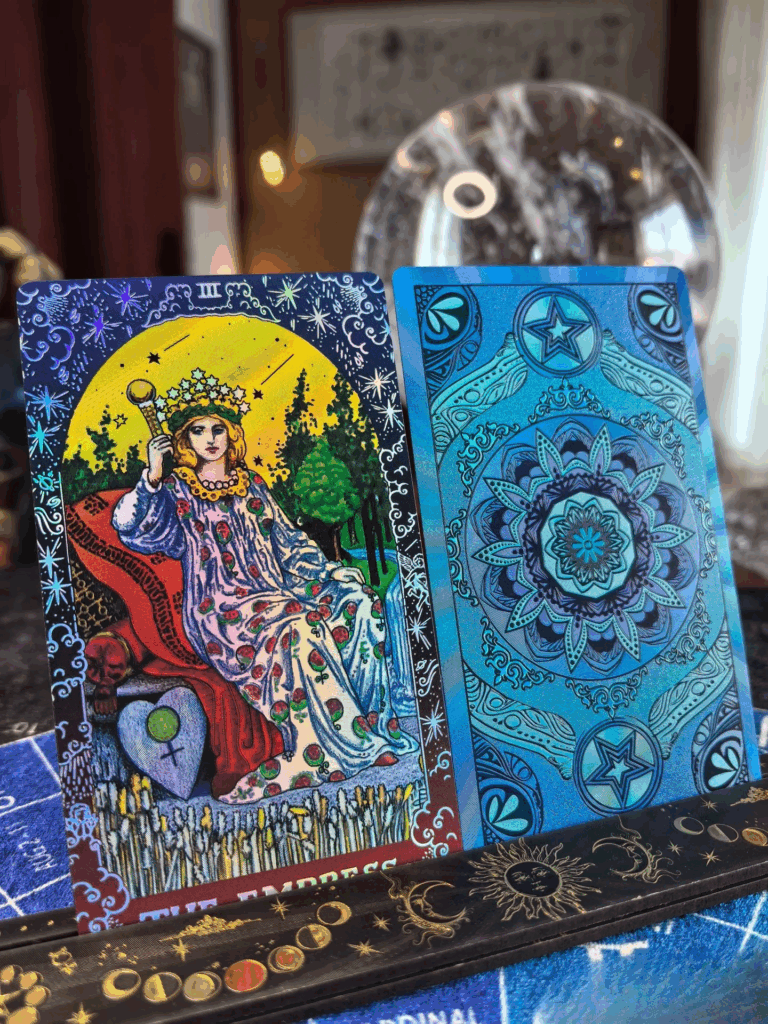
If you provide artwork, Xinyicardprinting supplies die-lines, bleed guidelines, and templates for precision production.
Step 4: Preparing Your Artwork for Perfect Printing
When submitting your final PDF to a trusted manufacturer like Xinyicardprinting, keep two principles in mind:
A. Quality Is Paramount
Use high-opacity, multi-layered card stock to prevent see-through, ideally premium 300gsm+ paper for durability.
B. Finishing Defines the Experience
Post-print finishes elevate both function and aesthetics:
- Lamination – Gloss, matte, velvet touch for protection and feel.
- Varnishing – Glossy, matte, or spot coating for visual emphasis.
- UV Coating – High-shine, selective highlights for logos or details.
- Foil Stamping – Metallic accents for luxury appeal.
- Embossing/Debossing – Raised or recessed textures for tactile impact.
- Special Effects – Fluorescent inks, textured coatings, or scented varnishes.
For tarot, foil stamping and embossing add richness, making each deck feel like a true collector’s item.
Tarot as Tool, Art, and Collector’s Treasure
For professionals and collectors alike, tarot is more than a reading tool—it is an artistic object. A high-end tarot project often integrates:
- Original illustration
- Exquisite printing craftsmanship
- Custom packaging and guidebooks
This transforms the deck into both a functional and collectible artwork.
When a reader holds a deck with vivid colors, refined textures, and flawless printing, the experience deepens: details emerge, focus intensifies, and trust between reader and querent strengthens. In this sense, printing is the hidden force behind professional tarot analysis.
Tarot reading is an art of symbolism, intuition, and psychology. Printing is the vessel that carries this art. If you aspire to create your own tarot deck or offer clients a premium experience, begin with the craft of printing.
Bring Your Custom Tarot Cards to Life
Xinyicardprinting proudly serves artists, publishers, and professional readers worldwide with custom tarot printing solutions. We combine premium materials, cutting-edge technology, and diverse finishes to transform your vision into durable, beautiful decks.
Whether you are designing a brand-new tarot system, reprinting a classic, or creating an exclusive boxed set, our team supports you every step of the way.
Contact us today to discuss your tarot project and discover how we can help turn your vision into reality.
You’ve probably heard of Pokémon, one of the world’s most iconic trading card games. In fact, trading cards come in many categories—from sports cards to anime-inspired cards—and each type attracts its own community of players and collectors.
If you browse social media, Wikipedia, or even AI platforms, you’ll notice one question keeps coming up: What makes trading cards so magical that not only young people, but also adults, are drawn to them?
The answer lies in several key factors:
Why Trading Cards Captivate Players
1、Unique Gameplay Mechanics
Trading card games are built on strategy and competition. Players win by constructing effective decks and executing clever tactics. This deep layer of strategy appeals strongly to competitive minds.
2、Collectibility and Rarity
A hallmark of trading cards is the thrill of collecting. With multiple rarities, abilities, and card types, players enjoy building their personal collection. Swapping and hunting for elusive cards brings endless excitement.
3、IP-Driven Popularity
Many card games leverage beloved IPs—anime, movies, video games—which already have vast fan bases. The combination of IP fandom and trading card gameplay doubles the appeal. The business model is simple: secure the IP → interpret it → print and produce → sell to end consumers.
4、Social Interaction
Trading cards are inherently social. Players meet, trade, and compete in tournaments, building friendships and communities that last beyond the game. Events and contests further strengthen these bonds.
5、Investment Value
Rare cards often command high prices in the secondary market, turning collectibles into assets. For many young people, trading cards are not just a hobby but also an investment opportunity.
Why the Trading Card Market is Booming
The trading card industry is growing at an impressive pace, and here’s why:
- Blind Box Economy + High Margins
The booster pack system works like blind boxes. Buyers keep purchasing in pursuit of rare cards. - Low Production Costs, High Profitability
Printing costs drop significantly at scale. Partnering with Xinyicardprinting ensures top-tier trading card printing solutions with maximum cost efficiency. - Secondary Market Dynamics
Scarcity drives resale premiums. Rare and limited cards fuel demand and motivate repeated purchases. - Artificial Scarcity by Publishers
Official publishers deliberately manage rarity, stimulating secondary market activity and sustaining consumer excitement. - Regular Expansions & New Content
Frequent new sets keep the game fresh. Players must continue purchasing to remain competitive or maintain complete collections. - Multiple Revenue Streams
- Direct sales: starter decks, booster packs.
- Accessories: binders, sleeves, storage boxes.
- Events & licensing: tournaments, sponsorships, IP partnerships.
- Brand Power & Community Ecosystem
Established brands like Pokémon and Magic: The Gathering build long-term loyalty. Strong communities encourage new players to join, creating a self-sustaining cycle.
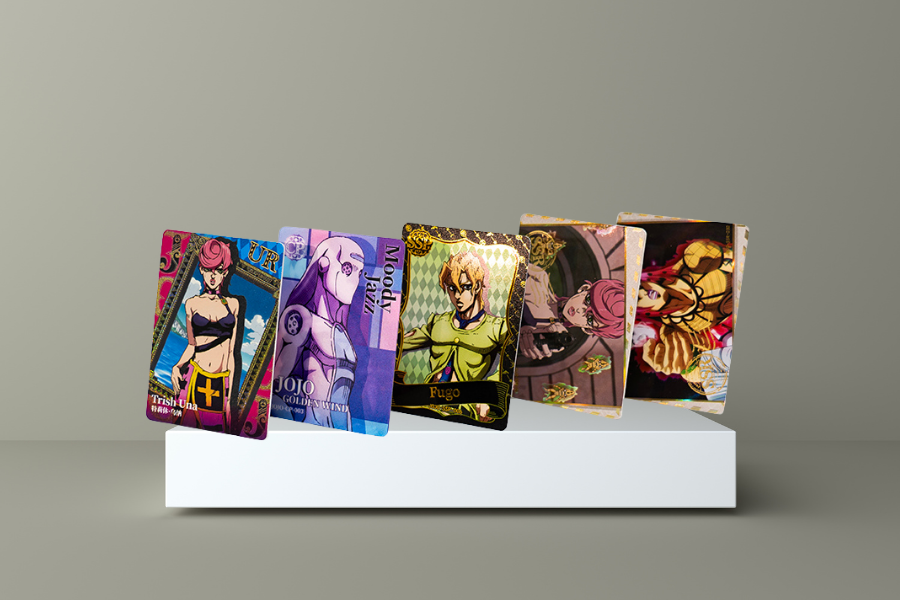
How to Start Your Trading Card Business
Step 1. Define Your Vision & Concept
Ask yourself: What drives you? Who is your target audience?
For example, if you want to produce Pokémon-style cards, your market may skew younger. Trading cards fall into seven categories, each with its own audience:
- IP Cards (Anime / Game / Movie / TV)
e.g. Pokémon TCG, Yu-Gi-Oh!, Magic: The Gathering, One Piece Card Game. - Sports Cards
Baseball, Basketball, Football (soccer & American football), Hockey, and niche sports like Tennis, F1, MMA. - Collectible / Non-Sport Cards
Movie cards, TV show cards, Comic hero cards (Marvel, DC), Celebrity cards. - TCG & CCG (Trading / Collectible Card Games)
Strategy-based, deck-building, competitive games. - Esports / Game Cards
Based on video games or esports players, e.g. League of Legends, Dota2. - Commemorative & Specialty Cards
Limited editions for events, Olympics, World Cup, conventions. - Art & Designer Cards
Artist-created, small-batch, highly collectible.
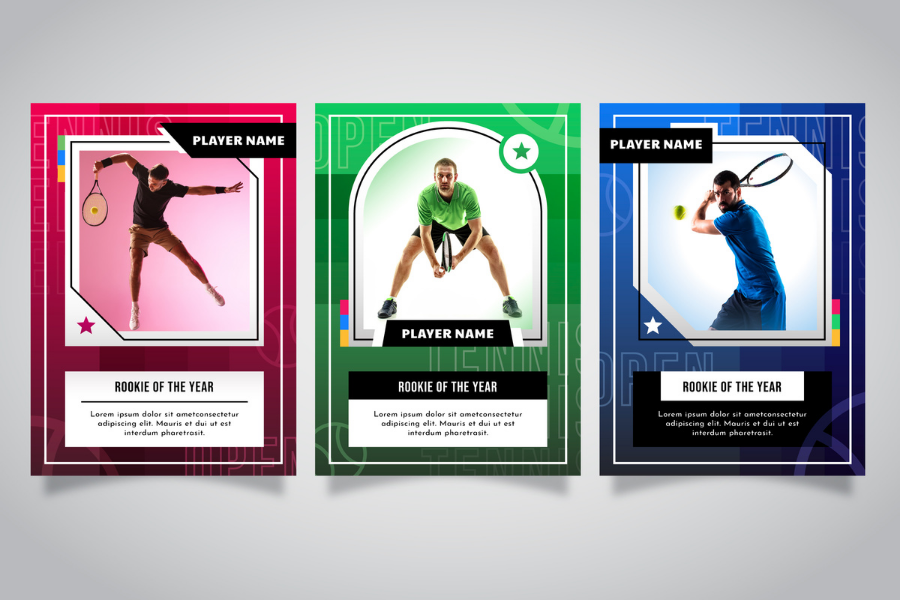
Identify whether you’re creating an original card game or curating collectible sets. Define your unique selling point—artwork, gameplay innovation, or outstanding customer service.
Tip: Platforms like GetCardBase reveal trending categories and investment-worthy cards, helping you make informed market decisions.
Step 2. Choose Your Path: Creator or Reseller
- Creator Path
- Pros: Full creative control, original IP, long-term growth potential.
- Cons: Requires creativity, design expertise, art direction, and reliable production.
- Reseller Path
- Pros: Faster entry using established IPs.
- Cons: Highly competitive, thin margins, upfront licensing required. You’ll need agreements with sports leagues, film studios, or artists before printing.
Step 3. Profit Strategy & Market Fit
- Creators: Combine trading card printing with booster packs. You’re selling the experience, not just cards.
- Resellers: Acquire rare cards, price strategically, and meet market demand.
Step 4. Partner with a Reliable Printing Factory
A long-term partner is essential. Many new entrants commit to massive orders—5,000–10,000 packs—spending tens of thousands upfront, hoping to recoup costs later. This capital-heavy model is risky.
At Xinyicardprinting, we offer on-demand printing: you produce cards only when customers order them. No upfront overstock. With diverse printing and finishing options—foil stamping, embossing, holographics—we help you bring your vision to life.
Step 5. Build Your Online Store & Grow Audience
- Create an ecommerce site (Shopify, WooCommerce) with strong trading card printing visuals.
- Use Instagram, TikTok, and YouTube to showcase card design, unboxings, and behind-the-scenes.
- Build communities on Discord and Reddit to drive loyalty and word-of-mouth.
Step 6. Pricing & Cost Strategy
- Creators: Main cost is design; printing is pay-per-order. Startup budgets can range from a few hundred to a few thousand dollars.
- Resellers: Expenses include inventory, packaging, grading, and platform fees. Pricing depends on rarity, demand, and card condition.
Step 7. Launch Your Business
- Sell via your online shop or print-on-demand platforms.
- Consider crowdfunding platforms like Kickstarter to test concepts, raise funds, and build a fanbase.
Final Thoughts
Whether you’re crafting your own trading card universe or curating existing collectibles, success depends on clear vision, effective trading card printing, and building a loyal community. With smart planning, risks shrink and opportunities multiply.
Thank you for reading — Xinyicardprinting is here to support your journey into trading card printing excellence!
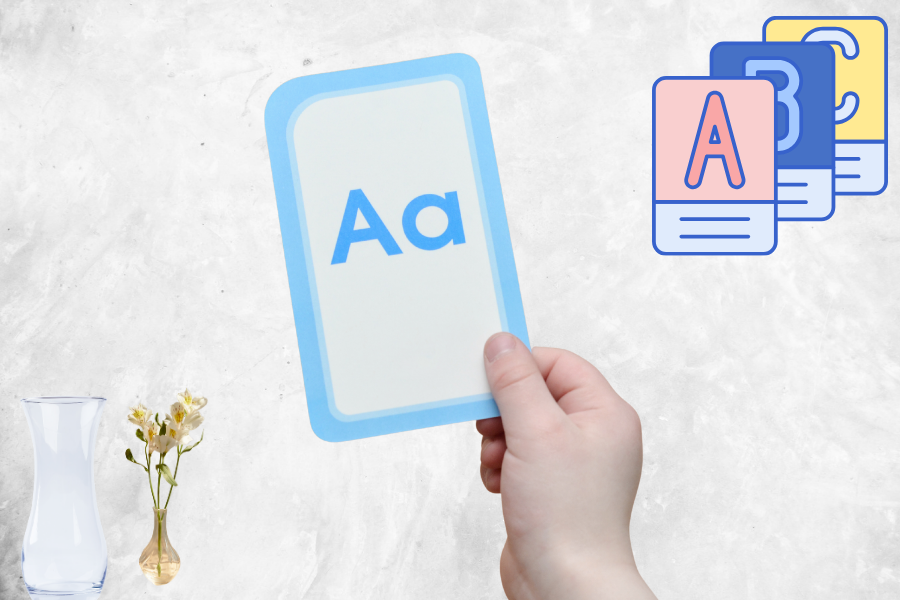
Flashcard Self-Introduction
Flashcards are educational tools used for memorization and review. They typically consist of cards with vocabulary or questions on one side and answers or definitions on the other. By repeatedly reviewing and testing, flashcards help learners reinforce their memory of words.
From letters and languages to trivia and scriptures, flashcards can be customized for any subject, age group, or learning style, making them ideal for education, games, and even small businesses.
Partner with Xinyicardprinting today! Create and print your custom flashcards.
The Magic Behind Flashcards
1. Active Learning: Unlike passive reading, flashcards require learners to actively think and recall, and this active learning process promotes better memory retention.
2. Spaced Repetition: Flashcard use typically follows the “spaced repetition” principle, which involves reviewing material at varying intervals. This method has been proven to enhance long-term memory.
3. Visual Association: Visual elements on flashcards, such as colors, images, or charts, serve as memory anchors, helping learners recall words more quickly.
4. Portability: Flashcards are lightweight and easy to carry, allowing learners to study anytime, anywhere, effectively utilizing spare time.
Steps to Create Flashcards
1. Design your custom flashcards using websites like Anki or Quizlet. Quizlet is an online learning platform that allows you to create, share, and print flashcards, as well as import vocabulary lists. Using these tools, you can choose an appropriate size (common sizes are 2.5 × 3.5 inches) and add text, images, etc., to the cards.
Alternatively, you can use image creation tools like Canvas, which offers a wide variety of templates for you to freely customize.
2. Define content for both sides: Write the word to be memorized on one side and its definition, example sentence, or related image on the other side.
3. Use keywords: Incorporate keywords in the definitions to aid in quick recall.
4. Personalize the design: Use different colors, symbols, or illustrations to distinguish between different types of vocabulary.
5. Keep it concise: Each card should not contain too much information; keep it simple and clear for easy memorization.
Flashcard Printing for Your Custom Flashcards
Once you have completed the design, you can proceed to print. Here are the steps for printing:
1. Choose paper: Use paper of appropriate thickness, such as 200-250 gsm cardstock, to ensure the cards are sturdy.
2. Choose surface finishing: For example, foil stamping, embossing, or debossing.
From coated and uncoated stocks to recycled, metallic, and linen, Xinyicardprinting offers a wide variety of stocks to create the look and feel you want. As for paper weights, we make it easy to experiment with both text and cover stocks as well.
At Xinyicardprinting, our online printing services include UV coating and laminate options. From high shine to subtle matte and the velvety, tactile Soft Touch laminate, our finishes not only protect against moisture and general wear but also create the look you want.
3. Print preview: Ensure content positioning is correct, preview print results, and avoid content being cropped after printing. At Xinyicardprinting, we will print your product on blue paper for preview to verify color accuracy and ensure everything is correct before proceeding with the final print.

Tips for Using Flashcards
1. Regular review: Review new vocabulary regularly based on the forgetting curve to reinforce memory.
2. Use spaced repetition: Review again after a few minutes, hours, or days, gradually increasing the review intervals.
3. Self-testing: Place the flashcard words face down and try to recall the definitions before flipping them over to check the answers.
4. Change your learning environment: Study in different environments, such as libraries, parks, or cafes, to enhance memory retention.
5. Engage multiple senses: Read the words aloud, write them down, or even use gestures to represent them. Engaging multiple senses can improve memory efficiency.
6. Interact with others: Play flashcard games with friends or study partners, such as competitions or mutual testing, to add fun to learning.
7. Utilize technology: Use electronic flashcard software, which typically has automatic spaced repetition features and can track learning progress.
Creative flashcard activities
1. Storytelling: Link a series of words into an engaging story to enhance memory coherence.
2. Theme categorization: Create flashcards organized by theme or category, such as food, colors, or professions, to facilitate systematic memory.
3. Visual association: Draw or attach images related to the words on the flashcards to utilize visual memory.
4. Action memory: Pair certain verbs with corresponding actions to reinforce memory through physical movement.
5. Emotional connection: Link words to your emotional experiences, such as happiness, sadness, or surprise, as emotional memories are often more profound.
Need more than flashcard printing for your school supplies? Get ideas here!
In the realm of psychology, there is a phenomenon known as the Rosenthal Effect or the Pygmalion Effect, which suggests that expectations, influences, language, or even subtle suggestions can significantly affect a person’s development and outcomes, ultimately leading to a self-fulfilling prophecy.
This illustrates the profound importance of intrinsic motivation in human growth. The mind, as powerful as it is, can lead us to wherever we choose to go.
In modern society, adults live immersed in a digital world. We constantly encounter the polished, glamorous lives of others, sometimes even comparing ourselves to them, which can lead to feelings of self-doubt. This is where Positive Affirmation Cards come in as a vital tool to manage the stress and negative emotions of the day—whether those emotions stem from work, relationships, or any other life pressures. Positive affirmation cards offer daily inspiration that can boost your confidence, provide reassurance, and encourage a mindset shift toward positivity.
The Role of Positive Affirmation Cards for kids
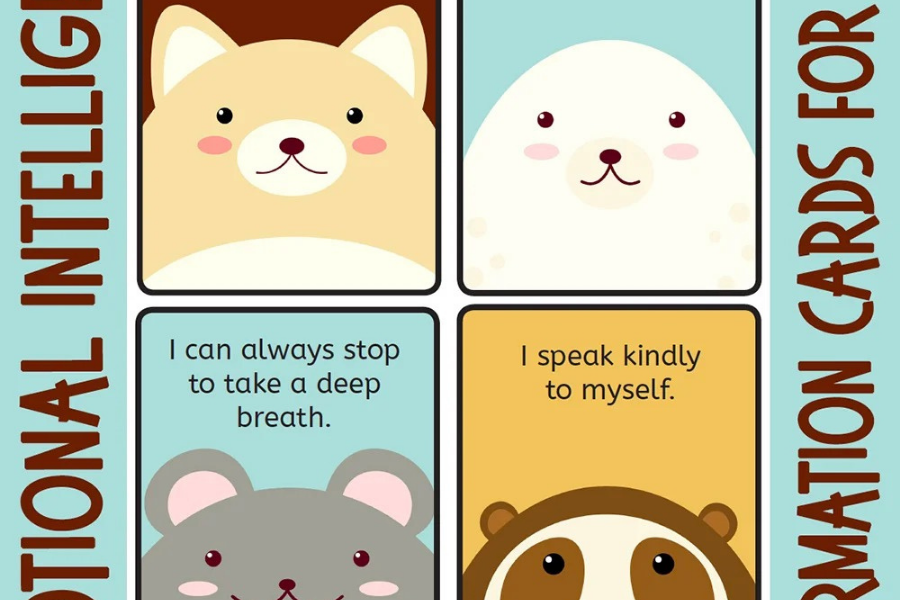
Positive affirmation cards are not only beneficial for adults but are also an excellent tool for children’s emotional management and psychological healing. These cards can be used to maintain the mental health of children, helping them deal with anxiety, build self-esteem, and create a foundation for emotional well-being from a young age. Teachers and educators also find these cards effective in managing classrooms, helping students focus on positive growth and personal development.
This guide will help you understand how you can utilize positive affirmation cards to change lives—not just your own, but those of others as well. By designing, printing, and sharing or selling these cards, you can provide a unique gift that serves as a reminder of strength and self-belief for others. There is immense joy in helping others through the act of creating something meaningful.
What Are Positive Affirmation Cards?
Positive affirmation cards are simple yet powerful tools designed for self-positive psychological suggestions. Think of them as your personal compliments, only better—these cards don’t just offer beautiful words; they serve as intentional, psychology-based tools. Each card features a concise, impactful statement, and when repeated regularly, these affirmations train your brain to believe in them, fostering long-term self-confidence.
Why Are They Effective?
Neuroplasticity: The brain forms new neural pathways when positive messages are repeated regularly, thereby helping to reinforce healthier thought patterns.
Stress Relief: Repeating affirmations activates areas of the brain that are associated with calmness, joy, and stress relief, helping reduce the daily pressures of life.
Future Focus: Affirmations that begin with phrases such as “I will” or “I choose” create a forward-looking mindset that encourages motivation and action toward achieving goals.
The Benefits of Using Affirmation Cards
Reduces Anxiety and Negative Self-Talk: Daily use of positive affirmations helps combat negative internal dialogue and fosters mental clarity.
Builds Self-Esteem and Confidence: Regular use of these cards allows individuals to establish a strong sense of self-worth and belief in their abilities.
Encourages a Positive Thinking Habit: With repeated practice, using affirmation cards can shape a daily routine focused on cultivating positivity.
Supports Personal Growth and Emotional Balance: These cards act as reminders to engage in behaviors that promote emotional well-being and overall personal development.

How to Use Positive Affirmation Cards Effectively
Choose a Card for the Week: Start by selecting a card that will serve as your theme for the week. When you wake up in the morning or during mundane activities like brushing your teeth, repeat the affirmation aloud to yourself. Do this again before you go to bed. Repeating the affirmation 8-10 times while genuinely believing in its truth is crucial. Reflect on how this affirmation feels, how it impacts your daily life, your body, your actions, and how it affects your communication with others. Commit to taking action each day that reflects the affirmation’s meaning.
Place the Cards in Visible Areas: Keep your affirmation cards on your desk, beside your bed, or any other place where you’ll see them regularly. This serves as a constant reminder throughout the day.
Avoid Passive Reading: Engage with the affirmations actively. Rather than just reading them passively, make it an intentional practice that integrates into your daily life.
Creating Your Own Affirmation Deck
Choose a Theme: Positive affirmation cards come in various types: cards for children’s positive encouragement, mindfulness cards, employee recognition cards for businesses, self-motivation cards for fitness, gratitude cards, courage cards, and more. Decide on a specific theme for your deck.
Master the Art of Wording: The wording of your affirmations is key. Use positive, impactful language that resonates deeply with your target audience.
Design the Cards: Whether you prefer a minimalistic approach or a vibrant, dopamine-inducing design, the appearance of your cards should align with the intended emotional response. A well-designed affirmation card can be a powerful visual tool.
Find a Reliable Printing Service: The quality of your cards is crucial. This is where Bonroy Printing comes in. With years of expertise in card printing, we specialize in bringing your designs to life with high-quality materials and attention to detail. Whether you’re creating a small batch for personal use or a larger set for distribution, Bonroy Printing ensures that your affirmation cards are printed with care and precision.
Conclusion
Positive affirmation cards are more than just words printed on paper; they are daily reminders of your inner strength and potential. With consistent use, they can help you build self-confidence, reduce stress, and nurture a mindset that is aligned with happiness and success. Begin using your affirmation cards today and let each one guide you toward a brighter, more empowered future.
If you’re ready to turn your affirmation card ideas into reality, Xinyi cardrinting is here to help. Our expert card printing services ensure your designs are printed to perfection. Whether for personal use, as a thoughtful gift, or as a product to sell, let us bring your vision to life with high-quality printing services. Start your journey with Xinyi cardrinting and make a positive impact on your life and the lives of others.
As the seasons change, we find ourselves in the second half of the year,the approach of Christmas becomes ever more distinct, its footsteps growing clearer with each passing day,and it’s time to start thinking about how to convey the joy of the season in the perfect way. Christmas cards are a timeless way to commemorate the holiday, and in 2025, some innovative Christmas card printing trends will help your holiday greetings stand out in unique ways.
Whether you’re sending cards to family and friends or using them for business marketing, choosing the right design can set the tone for the season. In this article, we’ll explore the hottest trends in Christmas card printing for 2025 and provide some design tips and inspiration to help you achieve the best design for your needs.
Design Style Reference
1.Minimalist Design: Less is More, Simplicity is Sophistication
In 2025, the minimalist design trend is having a significant impact on all aspects of creative design. These designs focus on clean lines, simple color palettes, and subtle holiday symbols. Imagine a snowflake, a minimalist Christmas tree, or a simple font-based pattern. The goal is to convey the joy of the holiday season in a understated yet elegant style.
Why It’s Popular:
1.Timeless: Minimalist designs have timeless appeal and are suitable for all audiences.
2.Refined texture: These cards have a stylish and refined appearance that will appeal to those seeking more modern holiday greetings.
3.Eco-friendly: Minimalist designs typically use less ink, making them a more sustainable choice.
Ideal for:
Business holiday cards and personal holiday cards are perfect for teams or individuals who prefer clean, elegant designs over traditional, elaborate Christmas cards.
2.Retro and Nostalgic Design
Christmas arrives with the winter, a season that brings a sense of tranquility. The vintage design style, characterized by classic fonts, festive motifs, and soft color palettes, will make a strong comeback in 2025. This style often blends elements from the 1950s and 1960s, such as Santa Claus, reindeer, and cozy holiday scenes. These elements stir our memories, evoking a nostalgic era, as if a time machine were transporting us back to a bygone past.
Why It’s Popular:
1.Evokes memories of childhood.
2.Uniqueness: While many people opt for modern designs today, retro greeting cards offer a charming and unique alternative.
Ideal for:
Family holiday cards: Perfect for families looking to add a touch of nostalgia to their holiday greetings.
Handicraft businesses
3.Bold, vibrant colors: Eye-catching designs
In 2025, bold and bright colors will take the spotlight. Over the past couple of years, dopamine dressing has become a huge trend—vibrant, multi-colored clashes that create a visual impact. While minimalist black and white fashion has its timeless appeal, it’s the splash of color that truly stands out in a crowd.
Similarly, for holiday card designs, vibrant hues will inject life into home décor, lifting the atmosphere and breaking away from the dull and quiet. Bright reds, deep greens, gold accents, and even unexpected neon or metallic tones are becoming increasingly popular in Christmas card printing. These eye-catching colors are perfect for creating bold, personalized cards that reflect individuality and make a statement.
Why It’s Popular:
Fun and lively, ideal for young people, embodying a sunny, uplifting spirit and brimming with vitality.
Ideal for:
Families with young children: Vibrant colors and playful designs are perfect for family greeting cards, especially for families with young children.
Creative art businesses
4.Interactive and Innovative Cards
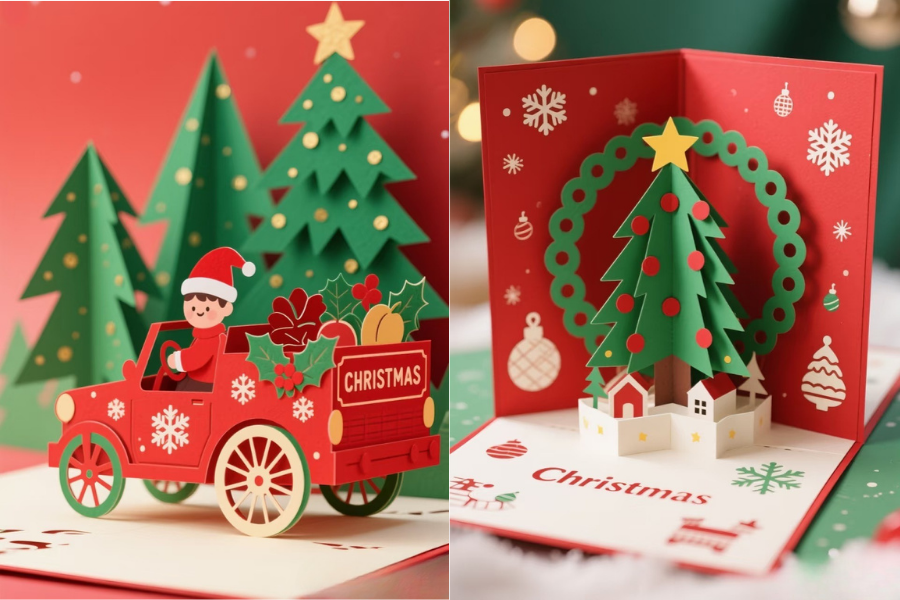
The interactive card trend is on the rise in 2025. People are now looking for cards that go beyond the traditional flat design and offer something more engaging. Pop-up cards, 3D cards, and even augmented reality (AR) Christmas cards are becoming increasingly popular. These innovative designs offer a unique and fun way for recipients to experience holiday greetings.
Why It’s Popular:
1.Engagement: Interactive elements make the card more engaging and fun to open.
2.Memorable: Cards with pop-up features or AR elements leave a lasting impression on recipients.
3.Innovation: These cards reflect a forward-thinking, tech-savvy holiday spirit.
Ideal For:
1.Businesses: Great for companies that want to create a memorable, unique experience for clients or customers.
2.Tech-Savvy Audiences: Perfect for younger audiences or anyone who appreciates cutting-edge design.
You can use some design websites to complete your Christmas card design, such as Canva, Adobe Express, Greetings Island, etc.
Using Sustainable Materials for Christmas Card Printing
Due to increasing awareness of environmental issues, many North American customers are now seeking greeting cards made from recycled materials or produced through environmentally friendly processes.
Recycled paper or cardboard is often used as the main component of eco-friendly greeting cards. This practice reduces the need for new raw materials, thereby reducing the environmental impact of papermaking.
The Xinyi factory currently also uses coffee grounds paper for printing. These materials are more sustainable than conventional tree-based paper, requiring less water and land to produce.Sustainable card printing often involves the use of vegetable-based inks instead of traditional petroleum-based inks.
Derived from renewable resources, vegetable-based inks are significantly less harmful to the environment. This switch not only supports sustainability but also ensures that the entire card, from material to print, aligns with eco-friendly principles.
Finding the Ideal Printing Partner
Xinyicardprinting will provide you with a unique printing collaboration experience. We not only adhere to the concept of sustainable development but also have the most advanced printing machines. For example, we can provide you with one-stop printing services that not only realize your Christmas card design concepts but also offer functional card printing services, such as the production of waterproof cards, which we handle with ease.
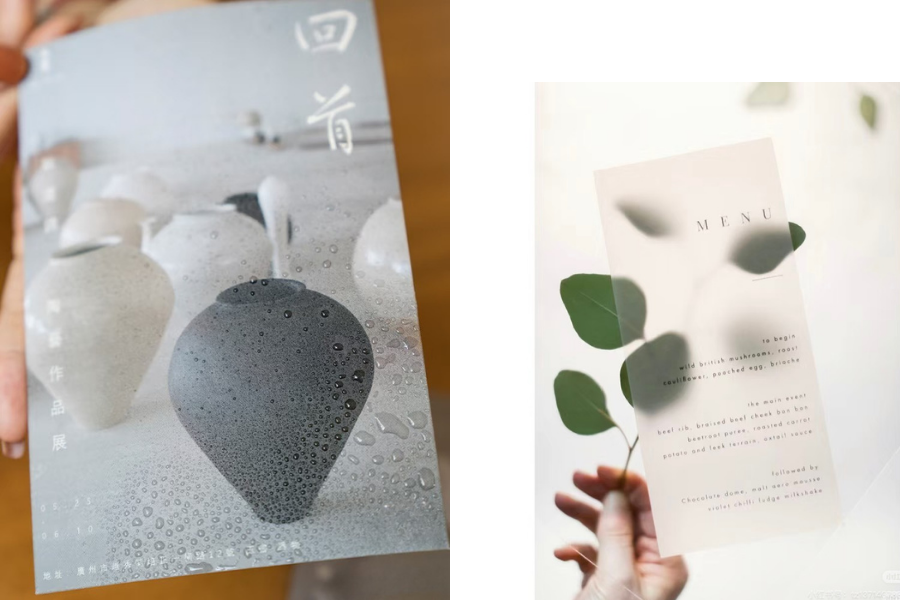
Similarly, we also offer waterproof playing cards. Despite the rise of digital solutions, traditional Christmas cards remain highly valued for their tactile quality and artistic expression.
To achieve such tactile quality and artistic presentation, the most important factor is choosing a printing factory capable of producing these effects. The highlights of 2024 Christmas card printing include cards crafted by artisans using traditional techniques such as letterpress printing, hand-painting, and calligraphy.
These cards are not just greetings; they are works of art that recipients treasure long after the holidays have passed.
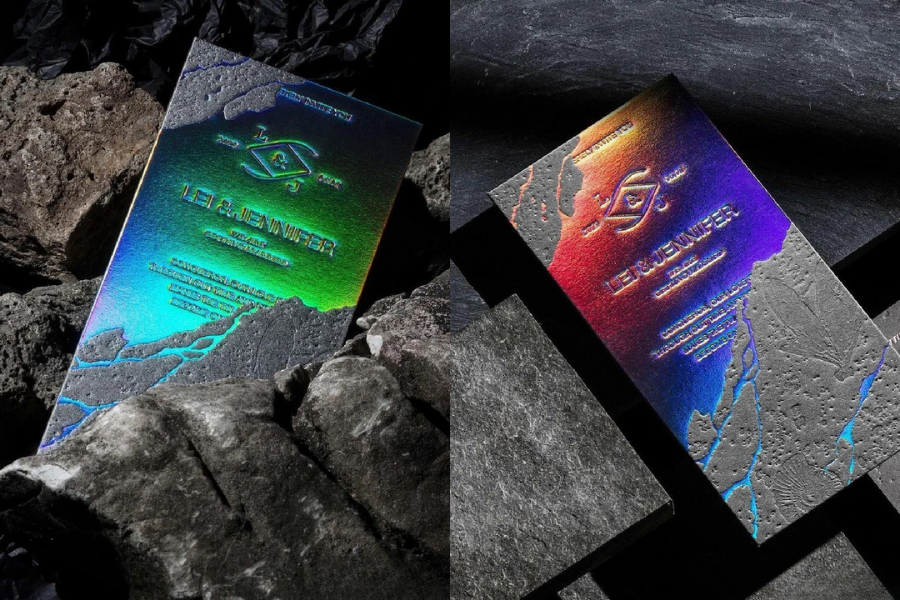
The following pictures are laser silver card paper, which shows different colors under different lights, and card embossing printing.
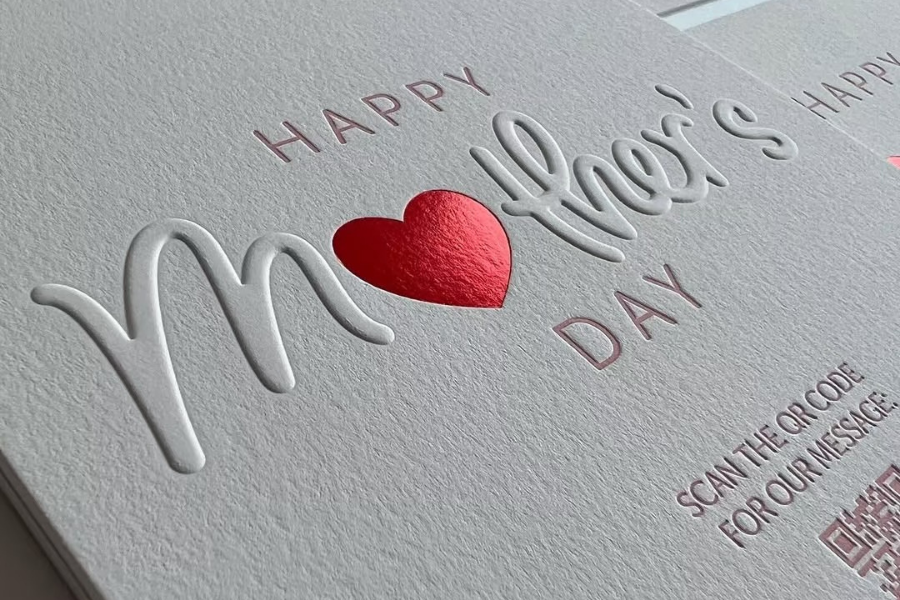
The following picture shows embossed printing, which has a raised and textured surface and is very suitable for three-dimensional Santa Claus or Christmas trees.
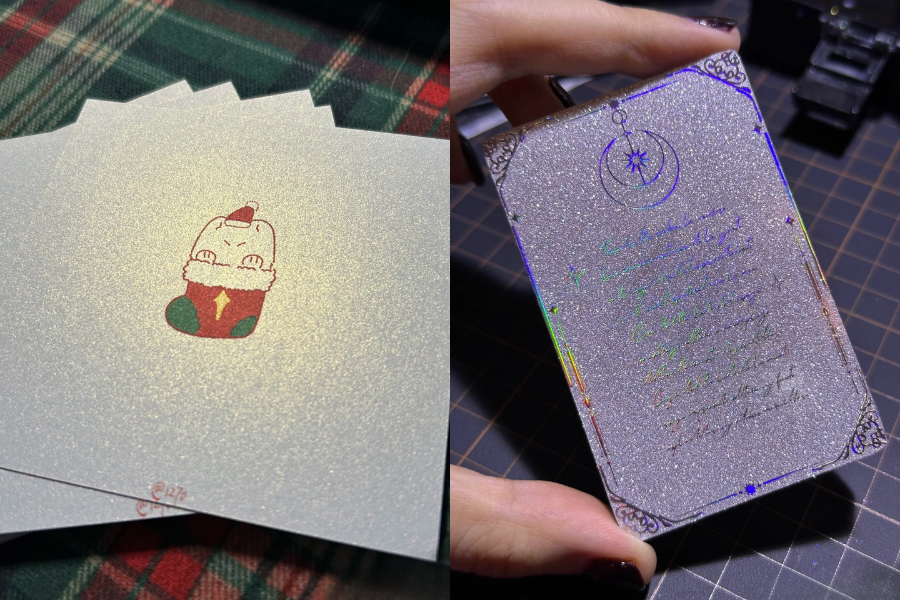
Also, you can add a pearlescent glitter effect to your Christmas cards, such as the one below.
By 2025, the Christmas card market in Western countries will continue to evolve toward personalization, sustainability, and artistic expression. Buyers from Europe, North America, and Australia are actively seeking cards that reflect emotional authenticity, such as photo-personalized cards, handwritten fonts, and custom illustrations.
Meanwhile, eco-friendly materials, including FSC-certified paper, recyclable envelopes, and plastic-free packaging, are becoming essential in the market. Bold colors, minimalist layouts, and tactile finishes (such as embossing or foil stamping) are highly popular in both retail and corporate sectors. Exporters capable of flexible customization and environmentally conscious production are most likely to capitalize on this growing demand. Whether it’s custom cards, matching envelopes, or other gift box packaging, feel free to contact us! Act now!