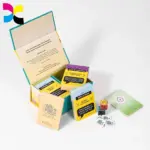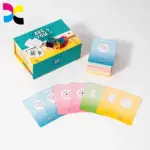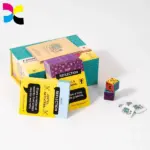
Esteja você projetando seu próprio baralho de tarô exclusivo, lançando uma campanha de crowdfunding Kickstarter, ou procurando por um fabricante profissional de cartas de tarô, entendimento tamanho da carta de tarô é o primeiro passo para criar um deck de alta qualidade.
De um modo geral, As cartas de tarô originaram-se na Itália durante o século XIV como um baralho de 78 cartas que foram originalmente usadas para jogos de cartas, como o jogo francês Tarot. Ao longo do tempo, eles evoluíram para uma das ferramentas mais populares do mundo para adivinhação e orientação espiritual. Hoje, leituras de tarô são comumente usadas para explorar questões relacionadas a amor, casado, família, carreira, educação, e crescimento pessoal. Quando as pessoas se sentem inseguras sobre sua situação atual ou buscam clareza, As cartas de tarô são frequentemente consultadas para fornecer informações e ajudar a orientar decisões futuras.
Um baralho de tarô tradicional consiste em 78 cartões, dividido em dois grupos principais: o Arcanos Maiores (22 cartões) e o Arcanos Menores (56 cartões). Os Arcanos Maiores apresentam cartas nomeadas e numeradas individualmente, começando com O tolo (0) e terminando com O mundo (XXI). Junto, estes cartões simbolizam diferentes estágios do crescimento humano, experiências de vida, e desenvolvimento espiritual, formando o que é comumente conhecido como “A jornada do tolo.” Através de imagens simbólicas – incluindo pessoas, corpos celestes, e conceitos abstratos - os Arcanos Maiores contam uma história de transformação, sabedoria, e autodescoberta.
O Arcanos Menores consiste em 56 cartões dividido em quatro naipes: Varinhas, Copos, Espadas, e Pentáculos. Cada naipe representa um aspecto diferente da vida e contém dez cartas numeradas (Ás até Dez) juntamente com quatro cartas da corte: Página, Cavaleiro, Rainha, e rei. Junto, os Arcanos Menores refletem experiências cotidianas, emoções, relacionamentos, desafios, e assuntos práticos, complementando as lições de vida mais amplas representadas pelos Arcanos Maiores.
Neste guia, vamos cobrir os mais comuns tamanhos de cartas de tarô, comparar diferentes dimensões, compartilhar recomendações práticas de design, explicar como usar um modelo de carta de tarô, e explore opções personalizadas de impressão de cartas de tarô para ajudá-lo a dar vida ao seu projeto.
Tamanho das cartas de tarô:Qual é o tamanho padrão da carta de tarô?
Tamanho padrão da carta de tarô
Quando as pessoas procuram “tamanho da carta de tarô,” eles geralmente se referem às dimensões tradicionais usadas pela maioria dos baralhos de tarô impressos comercialmente..
O tamanho padrão da carta de tarô é:
- Largura: 2.75 polegadas (70 milímetros)
- Altura: 4.75 polegadas (120 milímetros)
- Proporção: Aproximadamente 1:1.7
Este tamanho tornou-se o padrão da indústria porque fornece o equilíbrio ideal entre a visibilidade da obra de arte, facilidade de manuseio, e conforto embaralhado. Seu formato maior oferece amplo espaço para ilustrações complexas, simbolismo, e descrições dos cartões, permanecendo confortável para segurar durante as leituras.
Outros tamanhos comuns de cartas de tarô
Outros tamanhos comuns de cartas de tarô
Embora 70 × 120 mm é o mais utilizado, baralhos de tarô personalizados estão disponíveis em vários tamanhos.
| Tipo de tamanho | Polegadas | Milímetros | Melhor para |
| Mini Tarô | 1.75″ × 3″ | 44 × 76 milímetros | Baralhos de viagem |
| Tarô de Bolso | 2.25″ × 3,5″ | 57 × 89 milímetros | Transporte diário |
| Tarô Padrão | 2.75″ × 4,75″ | 70 × 120 milímetros | A maioria dos baralhos de tarô |
| Tarô Grande | 3.5″ × 5,5″ | 89 × 140 milímetros | Edições de colecionador |
| Tarô Grande | 4″ × 6″ | 102 × 152 milímetros | Exibir ou ensinar |
Escolhendo o certo tamanho da carta de tarô depende de vários fatores, incluindo o seu público-alvo, estilo artístico, e uso pretendido. Por exemplo, cartões de tamanho padrão são ideais para leituras diárias, enquanto decks mini ou de bolso são perfeitos para portabilidade. Formatos maiores oferecem mais espaço para obras de arte detalhadas, tornando-os uma escolha popular para edições de colecionador, conjuntos de presentes premium, e fins de exibição ou ensino. Selecionar o tamanho apropriado não só melhorará a experiência do usuário, mas também ajudará seu baralho de tarô a se destacar no mercado..
Qual o tamanho das cartas de tarô em comparação com as cartas de baralho?
Muitos criadores que são novos no tarô estão curiosos para saber como ele difere das cartas de baralho padrão..
A seguir está um breve gráfico de comparação:
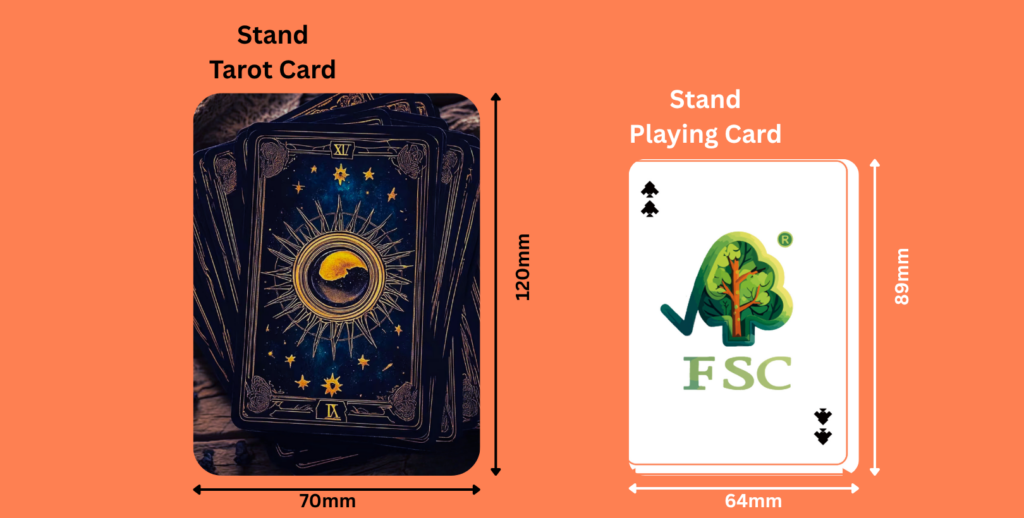
Cartas de pôquer 2.5″ × 3,5″ (64 × 89 mm)
Cartas de Tarô 2,75″ × 4,75″ (70 × 120 mm)
Como mostrado na comparação acima, as cartas de tarô são visivelmente mais altas e ligeiramente mais largas do que as cartas de baralho padrão.
Este formato maior oferece diversas vantagens. Oferece mais espaço para ilustrações detalhadas, simbolismo intrincado, e obras de arte decorativas – elementos essenciais na leitura de tarô, onde a clareza visual e as imagens simbólicas desempenham um papel significativo. O tamanho aumentado do cartão também permite texto, ícones, e detalhes finos de design para serem mais legíveis, enquanto a cartolina premium aprimora a experiência tátil geral. Como resultado, Os baralhos de tarô geralmente proporcionam um impacto visual mais forte e uma experiência de leitura mais envolvente.
No entanto, as dimensões maiores também exigem embalagens de tamanho adequado, caixas de armazenamento, e acessórios para proteger os cartões e manter sua qualidade ao longo do tempo.
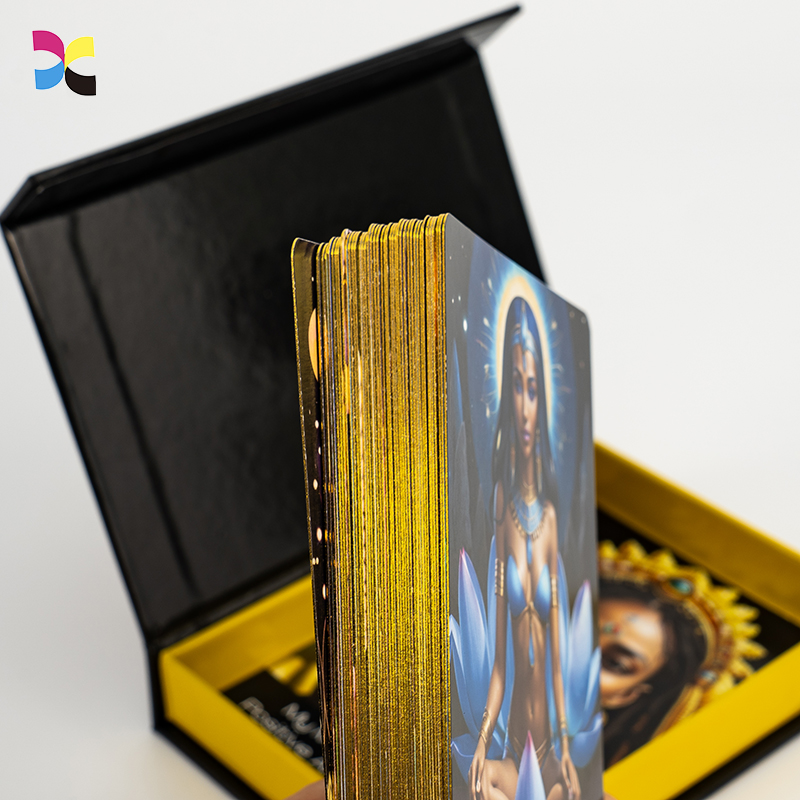
Em geral, cartas de jogar são mais comumente embalados em caixas de dobra padrão, que são leves, compactar, e econômico. Baralhos de tarô, por outro lado, tendem a ser embalados em caixas de fechamento magnético rígido premium. Porque as cartas de tarô são maiores, contém mais cartas (tipicamente 78), e são frequentemente considerados produtos colecionáveis ou artísticos, em vez de cartas de baralho casuais, embalagens de alta qualidade refletem melhor seu valor. Muitos baralhos de tarô personalizados também apresentam opções de acabamento luxuoso, como estampagem de folha de ouro, folha de prata, mancha UV, ou gravação, criando uma experiência de unboxing mais elegante.
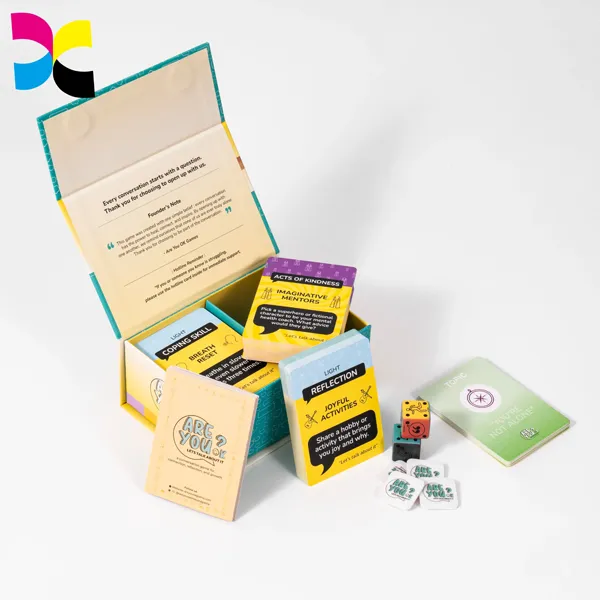
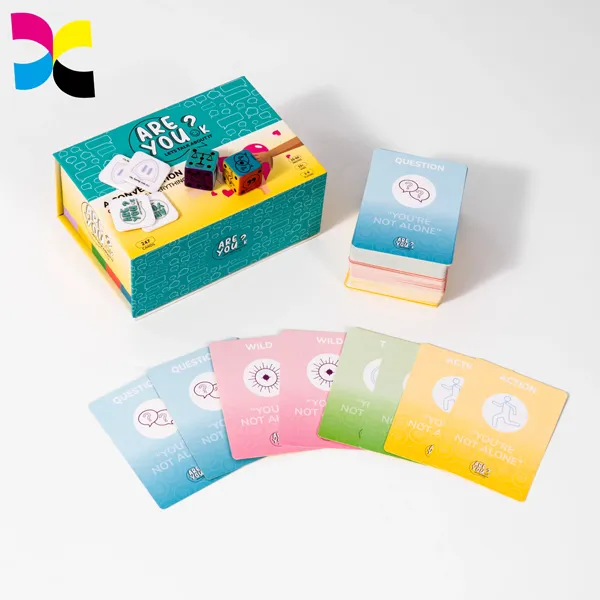
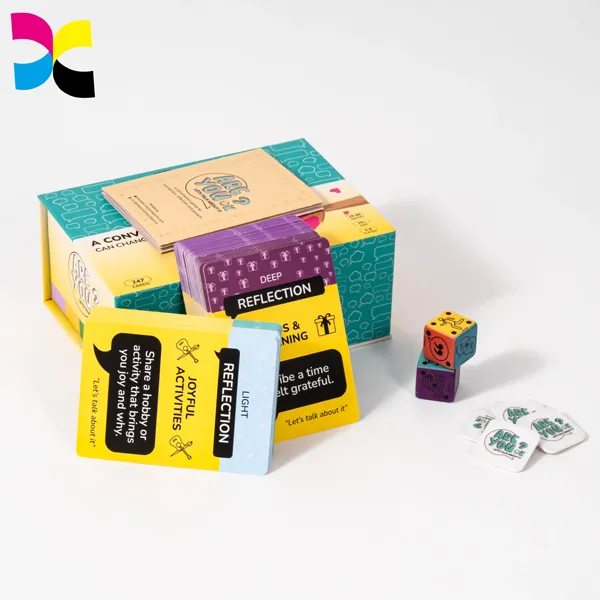
A imagem abaixo mostra um típico Baralho de tarô embalado em uma caixa magnética rígida premium, com construção de alta qualidade e luxuoso acabamento estampado:
Modelo de carta de tarô & Guia de projeto
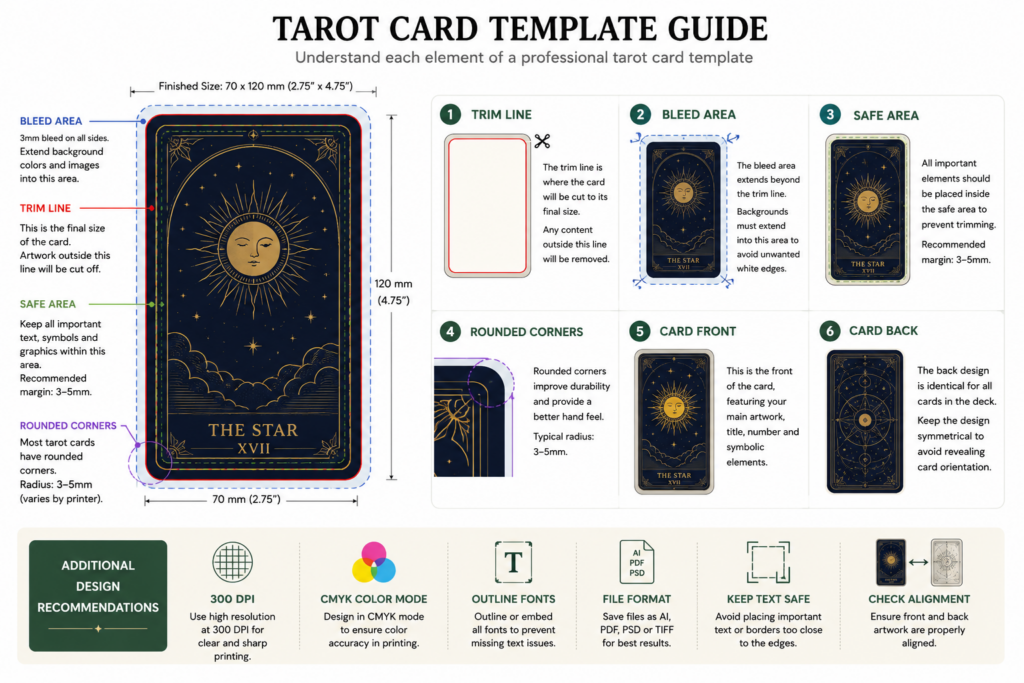
Antes de imprimir suas cartas de tarô, preparar um arquivo de design profissional é essencial. Aqui, nós fornecemos um modelo de carta de tarô disponível para download. Experimente!
Primeiro, vamos apresentar os elementos incluídos em um modelo típico de carta de tarô.
1. Linha de corte
A linha de corte indica a borda de corte final do cartão. Depois de imprimir, os cartões serão cortados com precisão ao longo desta linha para atingir o tamanho final. Qualquer conteúdo fora da linha de corte será removido durante o processo de corte.
2. Área de sangramento
A área de sangramento está localizada fora da linha de corte e geralmente se estende 3 milímetros além de cada borda do cartão. A cor de fundo ou arte nesta área deve corresponder ao próprio cartão para evitar bordas brancas causadas por pequenas imprecisões de corte.
3. Área Segura
A área segura é a região dentro da linha de corte. Todos os elementos de design do cartão, como símbolos, texto, e ilustrações - devem permanecer nesta área. Mantenha todo o conteúdo importante do design dentro da área segura, e geralmente é recomendado deixar uma margem de 3–5mm da borda.
4. Cantos arredondados
A maioria das cartas de tarô usa cantos arredondados em vez de cantos quadrados agudos. Existem muitos tipos de cantos arredondados, e as cartas de tarô normalmente usam um raio de canto de 3–5mm.
5. Frente do cartão
A frente da carta é a frente da sua carta de tarô. Todas as suas obras de arte, ilustrações, símbolos, numeração, e outros elementos de design são colocados neste lado. Como a natureza mística das cartas de tarô depende muito da narrativa da arte da carta e da experiência visual transmitida por seus símbolos, designers devem usar imagens de alta resolução (300 DPI) e Modo de cor CMYK.
6. Verso do cartão
Como o nome sugere, este é o verso da carta de tarô. Geralmente, todas as cartas em um baralho de tarô compartilham o mesmo design de verso. Claro, dependendo do seu projeto, você também pode criar vários designs diferentes de verso de cartão. Como a frente, elementos importantes do projeto devem permanecer dentro da área segura.
Então, Como você projeta suas cartas de tarô?
Geral, o processo consiste em quatro partes: tema da história, estilo visual, estilo de borda, e método de criação.
1. Tema da história
Determine o tema da sua história – que mensagem sua história deseja expressar, e quais valores gerais ele transmite? Recomenda-se que você mesmo escreva um esboço da história para conectar todas as histórias dos personagens.
Defina o pano de fundo da sua história, incluindo o período de tempo, ambiente, perspectiva, e personagens envolvidos. Construa o conflito principal da história. Por que o protagonista não consegue cooperar com os outros personagens ou forças? O conflito deve corresponder estreitamente ao pano de fundo para que o protagonista se sinta crível. Por exemplo, se não houver nenhum problema óbvio, mas o protagonista ainda quiser derrubar o poder dominante, os leitores podem achar a história confusa.
Uma vez estabelecida a estrutura da história, expresse isso através de suas ilustrações de cartas de tarô, símbolos, e elementos visuais.
2. Estilo Visual
O estilo visual determina o tom geral de todo o deck. Você pode escolher estilos como fantasia, fantasia sombria, deus do sol ou mitologia oriental, astrologia mística, e mais. Diferentes estilos atraem diferentes públicos e finalidades de leitura. Pessoas que gostam de aventura ou cosplay podem preferir estilos astrológicos ou de fantasia sombria, enquanto leituras com temas de amor podem se adequar a uma estética sonhadora. Claro, os designers também são livres para criar de acordo com seu estilo artístico preferido.
3. Estilo de borda
A borda ajuda a unificar todo o baralho. Existem duas abordagens principais de design:
Design focado nos personagens
Cada carta destaca um único personagem, com diferentes designs de borda usados para diferentes personagens.
Design focado na história
Cada carta representa uma cena ou segmento da história. Um único enredo pode abranger vários cartões, com o mesmo estilo de borda usado ao longo da história.
4. Método de Criação
Método 1: Criação Assistida por IA
Este é atualmente o método que requer menos experiência em desenho e design. A ideia central é usar IA para gerar arte no estilo desejado e, em seguida, refinar e ajustar manualmente os resultados.
Método 2: Desenho à mão ou ilustração de tablet digital
Etapa 1: Criar esboços
Use um lápis ou mesa de desenho para esboçar poses de personagens e decorações de cartões. Ferramentas de design como o Canva também podem ser usadas nesta fase.
Etapa 2: Refinar e Colorir
Pinte a arte no Canva, ou importe os esboços para um software como o Photoshop, usando ferramentas como a Pen Tool para rastrear, refinar, e finalizar a arte. Ao colorir, você pode tentar usar recursos como Mapa de gradiente para criar variações de cores mais ricas.
Etapa 3: Combine recursos de design
Durante o processo de design, você pode incorporar recursos adicionais com segurança para auxiliar seu trabalho artístico. Por exemplo, aplique pincéis de textura como plano de fundo ou adicione elementos decorativos, como miçangas. O segredo é combinar esses recursos naturalmente com sua arte desenhada à mão para que o design final pareça completo e coeso..
De uma vez por todas 78 cartões foram projetados, você pode preparar seus arquivos para impressão.
Impressão personalizada de baralho de tarô
Depois de concluir os designs dos seus cartões e preparar os arquivos prontos para impressão, você pode enviá-los para um fabricante de impressão profissional para produzir seu baralho de tarô personalizado. Impressão Xinyi oferece serviços premium de impressão no atacado com artesanato de alta qualidade, produção direta da fábrica, e preços diretos do fabricante para ajudar a lançar suas cartas de tarô no mercado. Contate-nos hoje para iniciar seu projeto de impressão de cartas de tarô personalizado!
Os principais elementos impressão de cartas de tarô incluir estoque de papel, acabamento superficial, técnicas de impressão, e opções de embalagem.
Primeiro, ao selecionar o estoque de papel, As cartas de tarô geralmente colocam maior ênfase em uma aparência premium. As opções comuns de cartolina incluem:
- 300papel de arte G/M C2S
- 310papel de núcleo preto gsm
- 330papel central preto alemão gsm
- Estoque de cartas de jogo premium para cassino
As opções comuns de acabamento de superfície incluem:
- Laminação fosca
- Laminação Brilhante
- Acabamento em linho
- Laminação de toque suave
- Revestimento UV localizado
Estas técnicas de acabamento não apenas protegem a arte impressa, mas também criam experiências táteis distintas.
Para enfatizar a atmosfera mística e o simbolismo radiante frequentemente encontrados nas artes das cartas de tarô, Carimbo de papel alumínio é uma das técnicas de impressão mais comumente usadas para baralhos de tarô.
As opções de embalagens profissionais para cartas de tarô incluem:
- Caixas de papel com extremidade dobrada
- Caixas Rígidas de Duas Peças
- Caixas Rígidas com Fechamento Magnético
- Caixas de presente estilo gaveta
- Caixas de presente de edição de colecionador
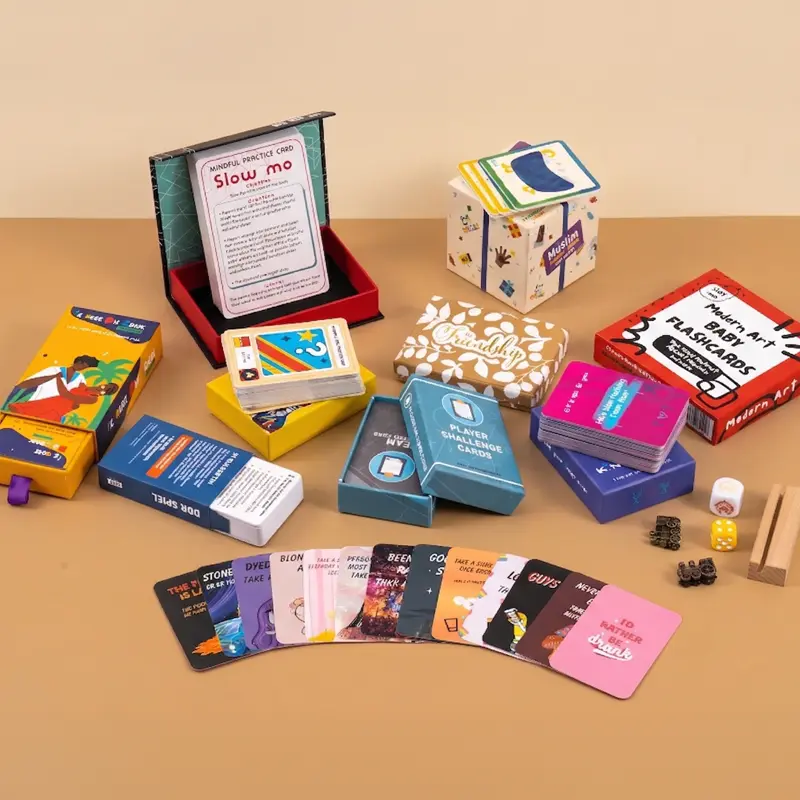
Muitos editores também incluem guias, inserir cartões, e acessórios personalizados dentro da embalagem para criar uma experiência de desembalagem mais completa e premium.
Conclusão
Escolhendo o certo tamanho da carta de tarô é um passo importante na criação de um baralho de tarô de sucesso. Embora o tamanho padrão de 70 × 120 milímetros (2.75 × 4.75 polegadas) continua sendo a escolha mais popular, dimensões personalizadas muitas vezes podem corresponder melhor a estilos artísticos específicos ou demandas de mercado.
Além do tamanho do cartão, selecionando o apropriado estoque de papel, acabamento superficial, método de impressão, e solução de embalagem pode melhorar significativamente o apelo visual e a durabilidade do seu baralho de tarô. Trabalhar com um fabricante experiente de impressão de cartas de tarô personalizadas garante que sua arte seja reproduzida com precisão e que o produto final atenda aos padrões de qualidade profissional..
Esteja você planejando lançar seu primeiro baralho de tarô independente ou expandir uma linha de produtos existente, entendimento tamanhos de cartas de tarô e o processo de impressão irá ajudá-lo a criar um deck visualmente deslumbrante e altamente funcional.
Escolher Impressão Xinyi para dar vida às suas cartas de tarô artístico premium!
Perguntas frequentes sobre o tamanho da carta de tarô
Qual é o tamanho padrão da carta de tarô?
O tamanho padrão da carta de tarô é 2.75 × 4.75 polegadas (70 × 120 milímetros), que é usado pela maioria dos baralhos de tarô comerciais.
As cartas de tarô são maiores que as cartas de pôquer??
Sim. As cartas de tarô são mais altas e ligeiramente mais largas do que as cartas de pôquer padrão, proporcionando mais espaço para obras de arte e simbolismo.
Posso personalizar o tamanho das minhas cartas de tarô?
Absolutamente. Os fabricantes profissionais podem produzir cartas de tarô em dimensões personalizadas para atender aos seus requisitos de design e marca.
Qual é a melhor cartolina para cartas de tarô?
As opções populares incluem 300papel de arte gsm, 310papel de núcleo preto gsm, e 330papel de núcleo preto alemão gsm, dependendo da durabilidade e manuseio desejados.
Qual deve ser a resolução da arte da carta de tarô?
Para impressão profissional, a arte deve ser preparada em 300 DPI em CMYK modo de cor.
Qual embalagem é melhor para baralhos de tarô?
As opções de embalagem comuns incluem caixas dobradas, caixas rígidas, caixas de presente magnéticas, e caixas de gaveta. As edições premium geralmente incluem guias e encartes personalizados.
Posso imprimir uma pequena quantidade de cartas de tarô personalizadas?
Sim. Muitas empresas de impressão profissionais oferecem quantidades mínimas de pedido baixas (Quantidade mínima) para artistas independentes, criadores, e campanhas de financiamento coletivo, enquanto séries de produção maiores geralmente proporcionam custos unitários mais baixos.
Que sangramento devo usar ao criar cartas de tarô?
UM 3 mm sangramento é recomendado para garantir que a arte de fundo se estenda além da linha de corte, evitando bordas brancas após o corte.