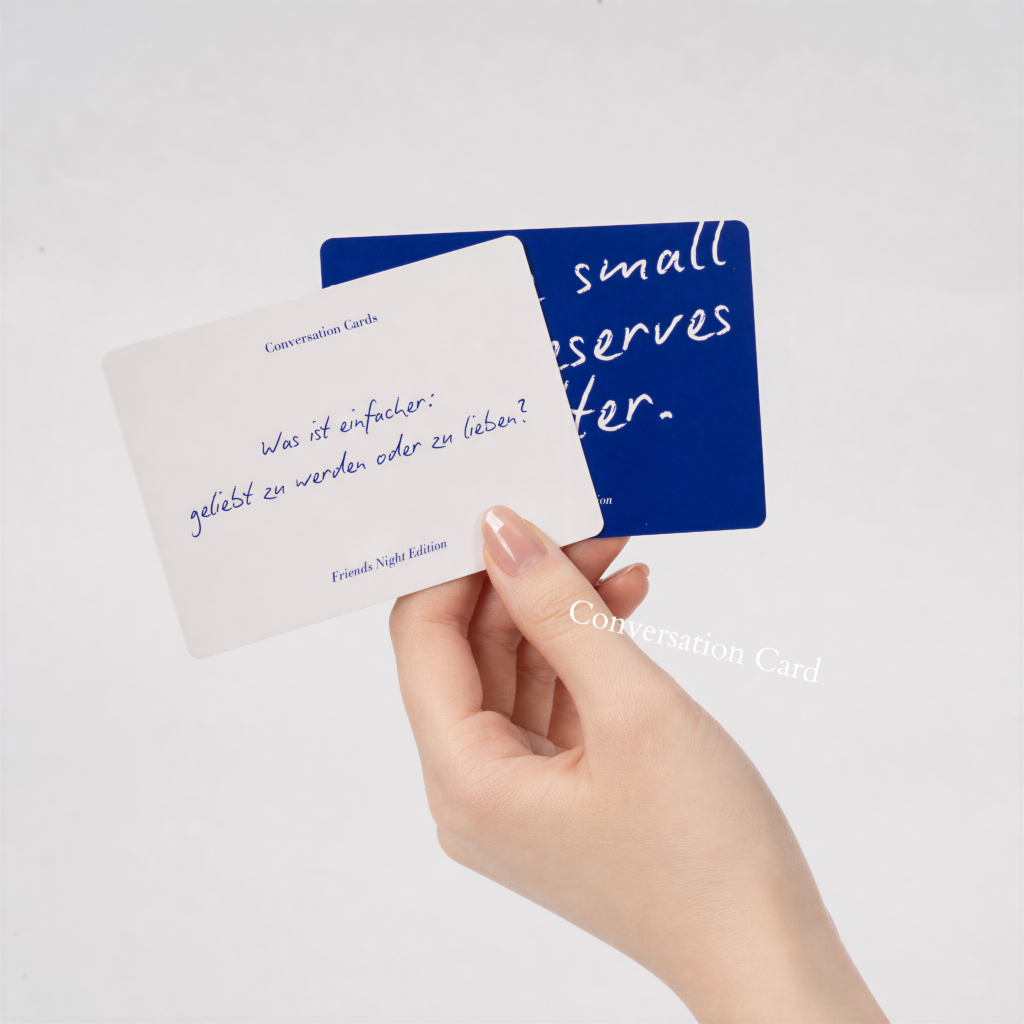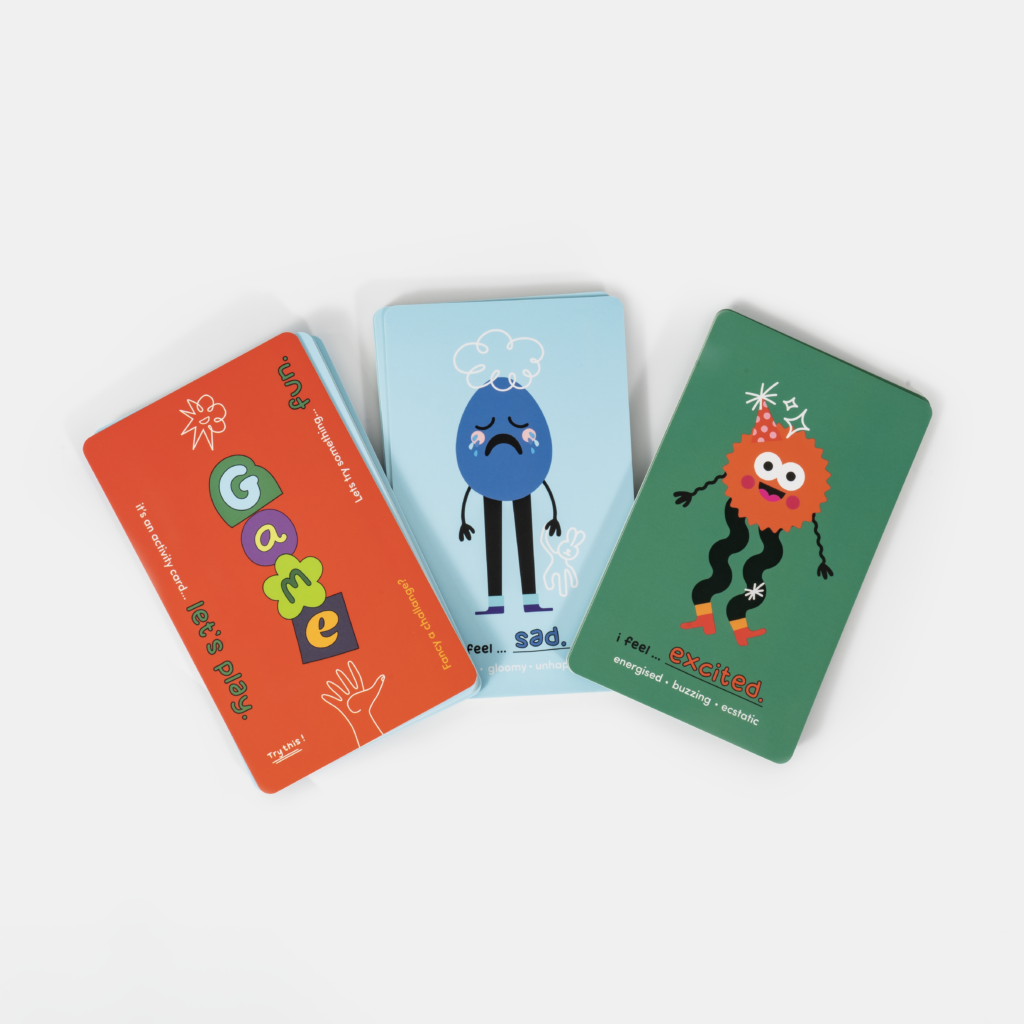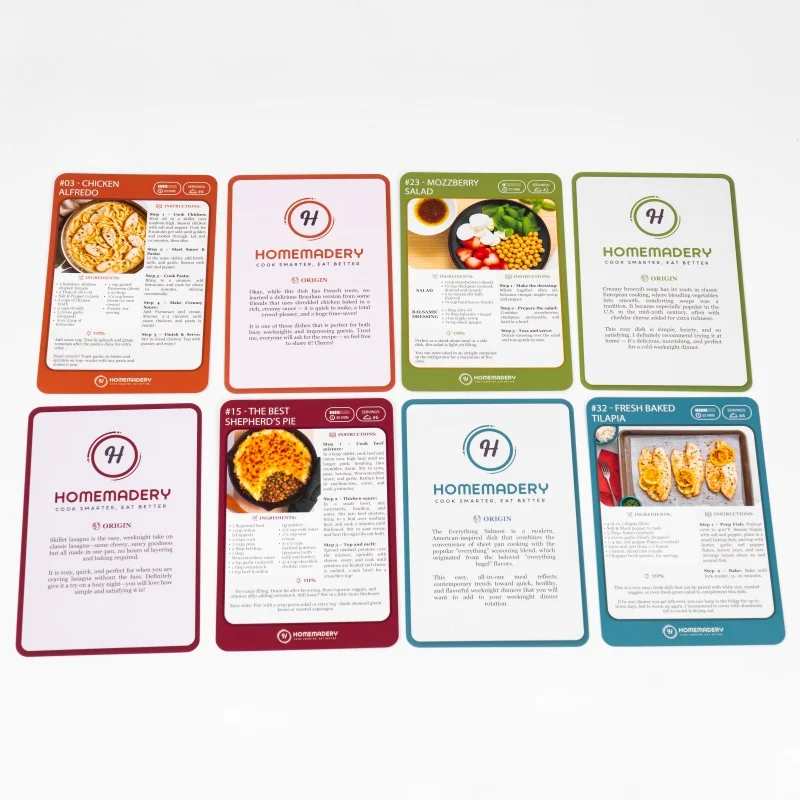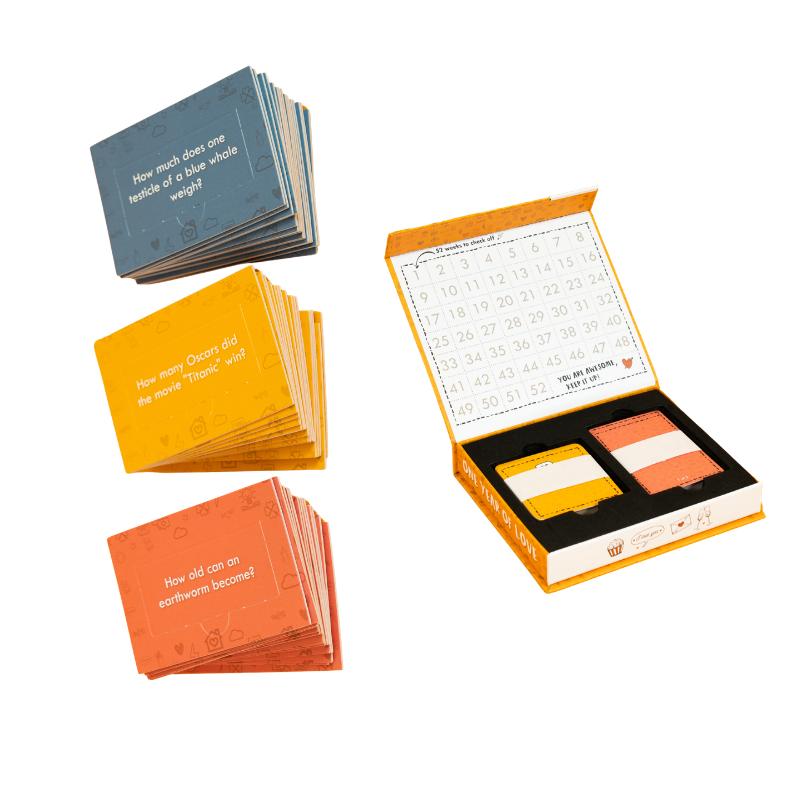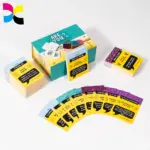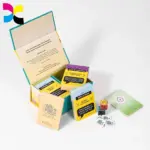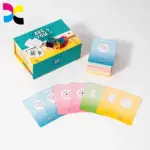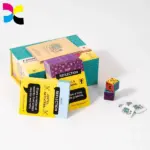
科学フラッシュカード 科学用語が印刷された単なる教育用カードではありません. 出版社向け, これらは科学的な正確さのバランスをとる必要がある物理的な学習製品です, 視覚的な明瞭さ, 耐久性, 生産コスト, ユーザーエクスペリエンスと.
このガイドでは、パブリッシャーがどのように開発できるかを説明します。, 印刷する, 科学フラッシュカードの製造, コンテンツ構成やビジュアルデザインから素材選びまで, 印刷, 仕上げ, パッケージング, と品質管理.
科学フラッシュカードと標準フラッシュカードの違い?
科学フラッシュカードは、主題の知識と視覚的な学習を組み合わせたものです, そのため、パブリッシャーは精度のバランスを取る必要があります, 可読性, デッキ全体の物理的な使いやすさ.
科学フラッシュカードには明確で正確な情報が必要です
科学フラッシュカードには科学用語が含まれる場合があります, 意味, 図, 式, または測定. たとえ小さな誤差でも学習者の理解に影響を与える可能性があるため、各要素は正確かつ一貫している必要があります。.
出版社は印刷する前にデッキ全体を確認する必要があります, 特に注意して:
- 科学用語: 条件を守る, スペル, 略語, 一貫した命名.
- 定義と公式: 説明を確認する, シンボル, 数字, ユニットは慎重に.
- 図とラベル: すべてのラベルが正しい構造または位置と一致していることを確認してください.
- カードシーケンス: 質問を残しておく, 答え, カテゴリ, 意図した順序で番号を付ける.
コンテンツは物理カードのフォーマットにも適合する必要があります. 説明が長いとカードが読みにくくなる可能性があります, そのため、出版社は単にフォント サイズを小さくするのではなく、文言を簡素化するか、複雑な情報を複数のカードに分割する必要があります。.
多くの場合、ビジュアル コンテンツはテキストと同じくらい重要です
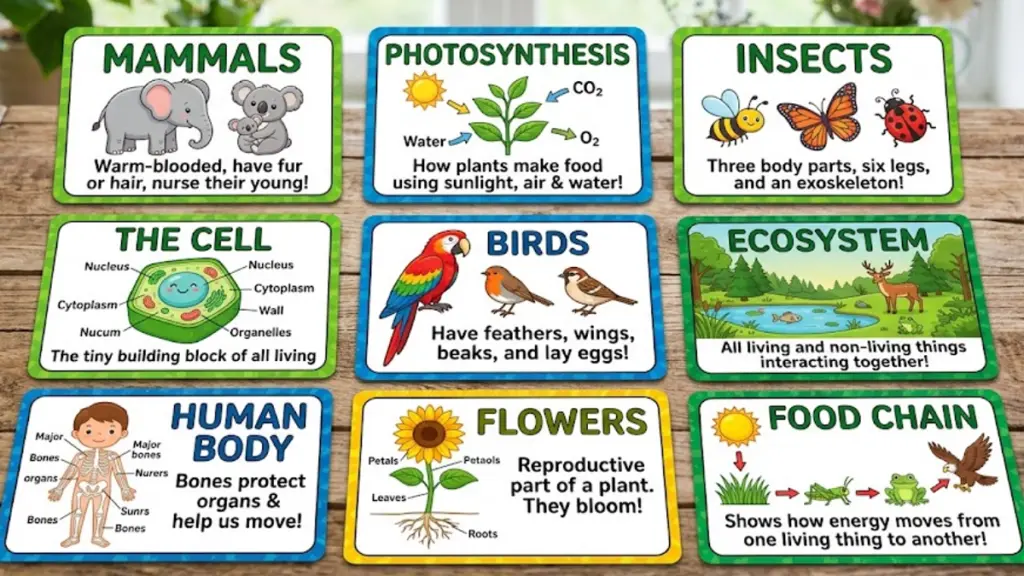
多くの 科学フラッシュカード 図やイラストを使って構造を説明する, プロセス, そして人間関係. 生物学では解剖学や細胞図が使用される場合があります, 一方、化学と物理学は分子構造に依存することがよくあります。, 数式, テクニカルイラストレーションも.
これらのビジュアルは印刷後も鮮明なままでなければなりません. 細い線, 小さなラベル, アートワークが最終的なカード サイズに縮小されると、類似した色が鮮明さを失う可能性があります。. したがって、出版社は印刷解像度を考慮する必要があります。, 対比, 画像スケール, アートワークの準備中の安全なエリア.
のために 視覚教育フラッシュカード, 明確な視覚的な階層は、ユーザーがどの情報を最初に読むべきかを理解するのにも役立ちます. メイン画像, ラベル, 条項, 説明は注目を集めるのではなく、連携して行う必要があります。.
異なる科学科目には異なるカード構造が必要です
科学の科目ではカードのデザインにさまざまな要求が課せられます. 生物学の資料には詳細な図が必要な場合があります, 一方、化学には正確な記号と公式が必要です. コンテンツ構造は、すべてのデッキを 1 つの標準フォーマットに強制するのではなく、これらの違いを反映する必要があります。.
| 科学科目 | 代表的なカード内容 | 主な焦点 |
|---|---|---|
| 生物学 | 条項, 解剖学, 図 | 画像の鮮明さと読みやすいラベル |
| 化学 | 要素, 数式, 反応 | 正確な記号と細かい詳細 |
| 物理 | 数式, 概念, 図 | 明確な方程式と視覚的な階層構造 |
| 地球科学 | プロセス, 構造物, 分類 | 詳細なイラストとシーケンス |
| 環境科学 | 種, 生態系, サイクル | 視覚的な比較と情報のグループ化 |
同じ原則がさまざまな年齢層に適用されます. 低年齢の学習者は、より大きなテキストとよりシンプルなビジュアルを必要とする場合があります, 一方、上級学習者はより密度の高い情報を処理できるようになります. 最終的なカード形式は常に学習目的をサポートする必要があります.
出版社は科学フラッシュカードのコンテンツをどのように構成すべきか
明確なコンテンツ構造は、学習者が情報を迅速に確認できるようにすると同時に、出版社に完全な科学フラッシュカードデッキを設計および作成するための反復可能な形式を提供します。.
一貫した表と裏のカード構造を選択する
カードの表と裏に役割を明確にする. フロントは用語を提示できます, 質問, 画像, または図, 背中が答えを提供する間, 説明, またはサポート情報.
例えば, 生物学カードの前面には、ラベルのない細胞図を表示できます, 裏面にはラベルと主要な機能が表示されます. コンセプト カードは、表面に質問をし、裏面にサポート イラストとともに短い回答を提供します。.
正確な形式は主題によって異なる場合があります, ただし、基本的な学習パターンは一貫していなければなりません. これによりデッキが使いやすくなり、デザイナーにタイポグラフィの明確なテンプレートが提供されます。, 画像の配置, 余白, そして前後のアライメント.
情報密度の高いカードのモデルとして生物学のフラッシュカードを使用する
生物学のフラッシュカード 用語を組み合わせることが多い, 図, ラベル, と説明, 情報密度の高いカードを計画するための有用なモデルになります。.
すべてのディテールを片側に配置するのではなく、, 出版社は情報を表と裏に分けることができる. 例えば, 解剖学カードは最初に主な構造を示し、裏面に名前と機能を提供します。. これにより、単純なリコールとチェックのプロセスが作成されます。.
のために 生物学の学習カード, 情報階層をシンプルに保つ:
- 主なコンセプト: 用語, 構造, または覚えておきたい質問.
- ビジュアルリファレンス: コンセプトを裏付ける図や画像.
- キーの説明: 簡単な定義, 関数, または例.
同じアプローチが化学でも機能します, 物理, およびその他の科学フラッシュカード. 各要素は、単に空きスペースを埋めるのではなく、学習目標をサポートする必要があります。.
デッキ全体にわたって科学的コンテンツの一貫性を保つ
一貫したビジュアル システムにより、ユーザーは関連するカードを認識しやすくなり、大きなデッキをナビゲートしやすくなります。. 出版社はタイポグラフィーにも同じ基本ルールを適用する必要があります, 色, イラスト, 番号付け, とカテゴリーマーカー.
| 要素 | 推奨されるアプローチ | 目的 |
|---|---|---|
| タイポグラフィ | 一貫したテキスト階層を使用する | 重要な情報を簡単にスキャンできるようにする |
| カラーコーディング | 明確なカテゴリに色を割り当てる | ユーザーが関連トピックを特定できるようにする |
| イラスト | ビジュアルスタイルの一貫性を保つ | 統一されたデッキの外観を作成する |
| 番号付け | 1 つの番号付けシステムに従います | デッキ全体を整理しておく |
この一貫性により、製品ラインの拡張も容易になります。. 新しい教育用フラッシュカードは同じ視覚ルールに従うことができます, 同じ出版社の異なるデッキが認識可能な製品スタイルを維持できるようにする.
耐久性のある, 産業規模での認定フラッシュカード.
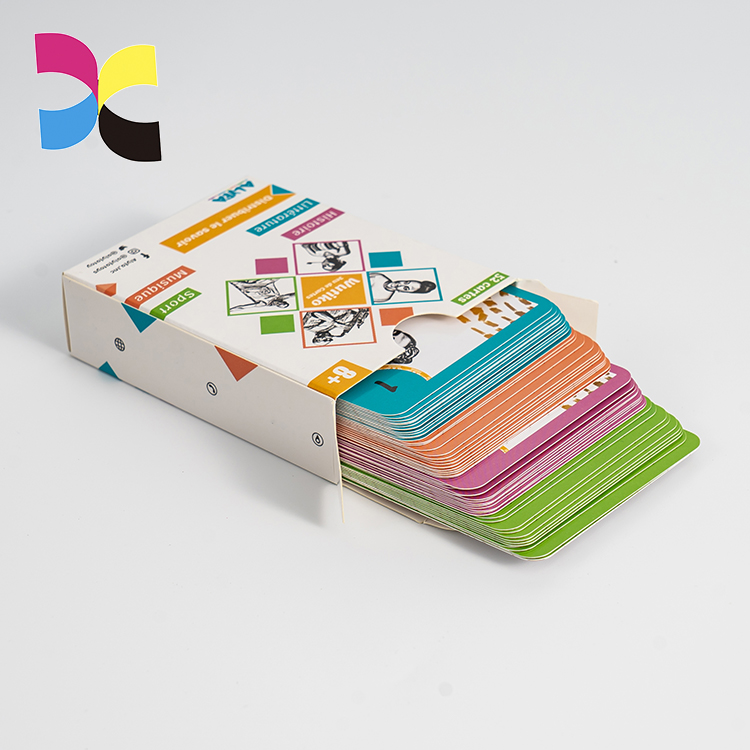
科学フラッシュカードのサイズの選び方, 紙, そして仕上げ
物理仕様は内容と一致する必要があります, 対象ユーザー, ニーズに対応する, 科学フラッシュカードが鮮明なままのパッケージ形式, 耐久性のある, そして実用的な.
カードのサイズをコンテンツと視覚的な詳細に合わせる
カードのサイズは、固定された標準ではなく情報密度に従う必要があります. 簡単な用語や短い質問はコンパクトなカードでもうまく機能します, 一方、詳細な解剖図やその他の視覚的なコンテンツにはさらに多くのスペースが必要になる場合があります。.
出版社向け, 主に考慮すべき点は、次のバランスです。 読みやすさと扱いやすさ. カードが大きいほど、ラベルやイラストを入れるスペースが広がります。, ただし、使用する材料も多くなり、より大きな梱包が必要になる場合があります. したがって、最終的なサイズは、デッキの使用や保管を不便にすることなく、学習タスクをサポートする必要があります。.
一般的なフォーマットとカスタムディメンションの場合, 出版社は信義の 印刷前のフラッシュカードの適切な寸法はどれくらいですか? 最終的なカードのサイズを計画するとき.
耐久性と印刷品質を重視して用紙を選択する
紙やカードストックはデッキの感触に影響します, ハンドル, 詳細な科学的内容を再現します. 教育用フラッシュカードは繰り返し使用されることが多いため、, 素材は鮮明な印刷をサポートしながら十分な剛性を提供する必要があります.
主な重要な要因には次のものがあります。:
- カードの厚さ: 予想される使用頻度とタイプに合わせて剛性を調整する.
- 表面: 鮮明な画像をサポートする表面を選択してください, 細い線, そして快適なハンドリング.
- 不透明度: 両面に重要な情報が含まれている場合の裏写りを軽減します。.
- 印刷適性: ストックが小さなテキストを再現していることを確認してください, 図, そして色もはっきりと.
- 耐久性: 繰り返しの取り扱いを考慮する, ストレージ, と交通.
- 仕上げの互換性: 紙がラミネートまたはその他の計画された仕上げで適切に機能することを確認します.
あらゆる用途に適した単一の紙重量はありません。 教育用フラッシュカード プロジェクト. 教室デッキ, 小売製品, 学習カード, プレミアム学習セットとプレミアム学習セットでは異なる仕様が必要になる場合があります. 出版社は信義の記事をレビューすることもできます What Type of Paper Is Best for Flashcards? 素材を比較するとき.
カードの使用方法に基づいて仕上げを選択してください
仕上げは、ユーザーがカードを扱い、読み取る方法をサポートする必要があります。. よく使う学習用デッキ, ラミネートまたはその他の保護仕上げにより、表面の耐久性が向上します。. マット仕上げは眩しさを軽減するのに役立ちます, 光沢仕上げはカラフルな画像をより鮮やかに見せることができます.
箔押しなどの加飾オプションも可能, エンボス加工, デボス加工, スポット UV はプレミアム製品やパッケージに付加価値を与えることができます。. しかし, ほとんどの人にとって 科学フラッシュカード, 可読性, 表面保護, 装飾的な効果よりも実際の取り扱いを優先する必要があります。.
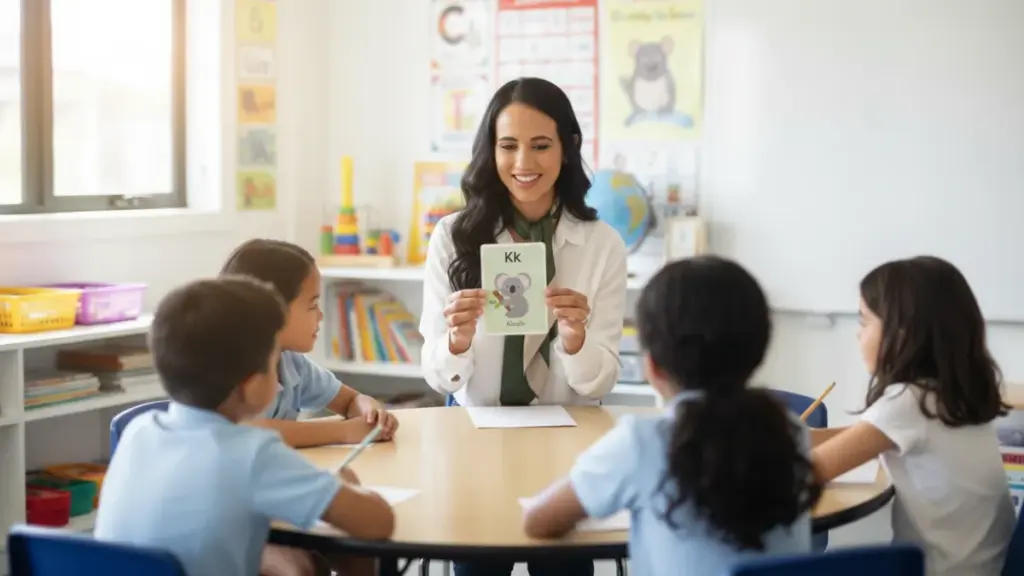
カスタムの科学フラッシュカードを印刷して作成する方法
制御された生産ワークフローにより、承認されたアートワークが一貫した物理的な製品に変わります, 完全なカスタム フラッシュカードの印刷注文が開始される前に、発行者にチェックポイントをクリアしてもらう.
フラッシュカードの両面印刷用にアートワークを準備する
科学フラッシュカードは、多くの場合、両面に重要な情報を掲載します。, したがって、アートワークの準備では、最終的なカードのサイズを考慮する必要があります, 出血する, 安全地帯, 色の設定, 画像解像度, および切断要件.
前後のアライメントにも細心の注意が必要です. 図, 国境, または、ラベルがトリムラインに近すぎると、切断中にわずかにずれる可能性があります. 小さな科学用語や図の細い線は、印刷後も判読できるように十分な解像度とコントラストが必要です。.
出版社は社内でファイルを準備したり、製版レビュー中に印刷業者と連携したりできます。. Xinyi はアートワークを確認し、カードのレイアウトに関するガイダンスを提供できます, ダイライン, 出血する, およびその他の印刷要件. カスタム フラッシュカードの魔法を解き放つ: 作成と印刷のガイド – XINYIボードゲーム また、一般的なファイルの準備に関する有用なリファレンスも提供します。.
量産前に物理プロトタイプを作成してレビューする
デジタルプルーフにより、アートワークが画面上で正しく見えるかどうかを確認できます, しかし、物理的なプロトタイプは、完成した製品が実際にどのように感じられ、どのように機能するかを明らかにします。.
のために フラッシュカードの印刷 プロジェクト, サンプルをチェックする必要があります:
- 印刷品質: テキストの鮮明さを確認する, 画像の詳細, そして色の再現性.
- 物理的な感触: カードの硬さをチェックする, 表面の質感, そして全体的な扱い方.
- 位置合わせ: 両面が正しく位置合わせされ、切断が必要な領域内に留まっていることを確認します。.
- 仕上げ: コーナーを検査する, コーティング, ラミネート加工, およびその他の選択された仕上げ.
このレビューは、詳細な図や小さなラベルを含む科学デッキに特に役立ちます。. サンプルに問題がある場合, 発行者は、何百、何千もの完成したカードを修正するのではなく、量産前にアートワークや仕様を調整できます。.
Xinyi はデジタル プルーフとカスタマイズされたサンプルを提供できるため、発行者は完全な注文が生産に入る前に製品をレビューできます。.
適切な製造およびパッケージング形式を選択する
最終的なフォーマットは、デッキがユーザーにどのようにリーチし、ユーザーにサービスを提供するかに一致する必要があります。. 教室向け製品にはシンプルなものが必要な場合があります, 開けやすいパッケージ, 一方、小売用の科学学習セットには、より強力な保護とより洗練されたプレゼンテーションが必要になる場合があります。.
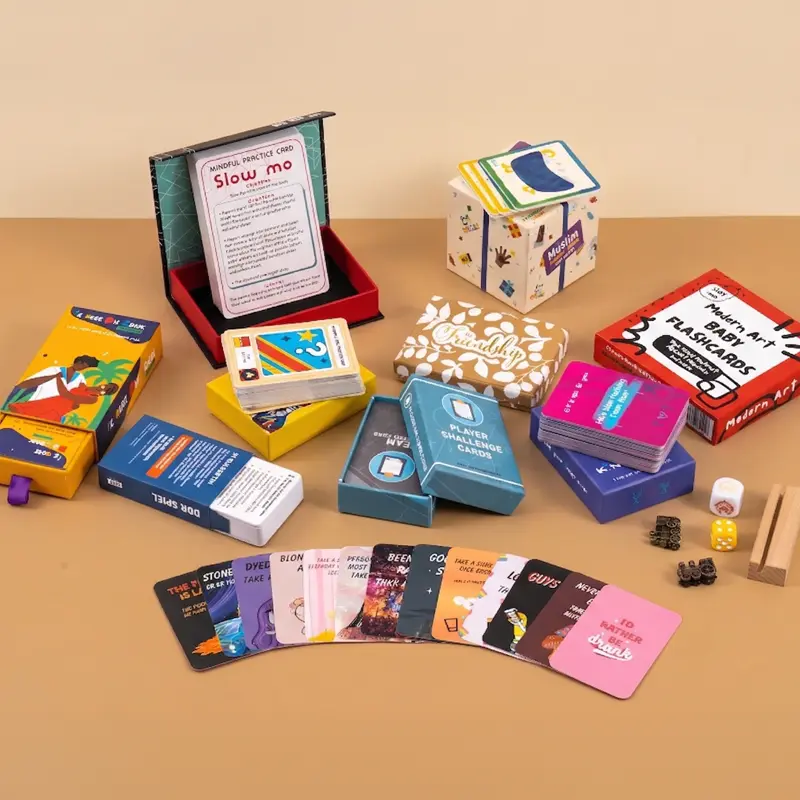
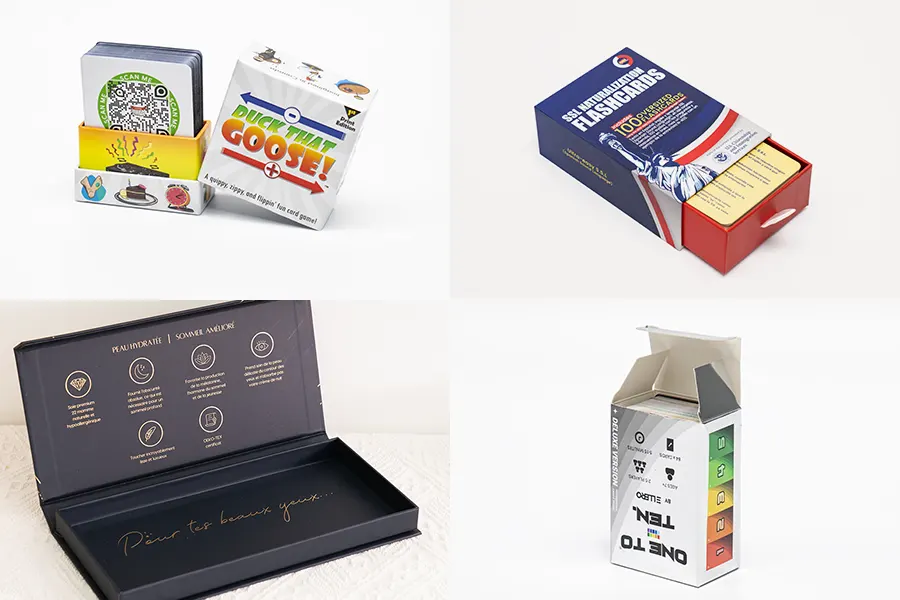
一般的なオプションにはタックボックスが含まれます, 硬い箱, ポーチ, シュリンク包装, および説明用インサート. パッケージはカードを主題ごとに整理するのにも役立ちます, レベル, またはデッキに複数のセットが含まれている場合のカテゴリ.
信義は両方をカスタマイズできます フラッシュカードの印刷 そして梱包のサポートも, 箱を含む, ポーチ, そしてインサート, そのため、カードとパッケージを個別のコンポーネントではなく、1 つの完全な製品として開発できます。.
カスタム科学フラッシュカードをテストおよび承認する方法
慎重な承認プロセスにより、出版社は印刷されたデッキが承認されたアートワークと一致することを確認できます。, 仕様, 量産開始前の梱包と梱包.
注文前にフラッシュカードのメーカーに尋ねるべきこと
始める前に カスタム印刷されたフラッシュカード, 出版社は、メーカーがプロジェクト全体を処理できることを確認する必要があります。, 印刷から仕上げ、サンプリング、梱包まで.
主な質問には以下が含まれます::
- カスタマイズ: メーカーは必要なサイズを生産できますか, 形, 材料, そして終わります?
- サンプリング: 大量生産の前に物理的なサンプルを提供できますか?
- 印刷品質: 詳細な図を再現できるか, 小さな文字, そして正確な色?
- 包装: 箱は提供してもらえますか, ポーチ, インサート, またはその他の必要な梱包?
- MOQと生産: MOQと予想される生産スケジュールは何ですか?
1 つのワークフローを通じてこれらの要件を管理できるメーカーは、プロジェクトの調整を容易にし、複数のサプライヤー間のコミュニケーションを減らすことができます。.
科学フラッシュカードのサンプルで確認すべきこと
サンプルは外観だけで判断するのではなく、承認されたアートワークや仕様と比較する必要があります。.
内容を確認する, 印刷する, 物理的な構築を一緒に行う:
- 内容の正確性: 条件を確認する, ラベル, 図, 番号付け, そしてシーケンス.
- 印刷品質: 小さな文字をチェックする, 画像の鮮明さ, 色の一貫性, そして前後のアライメント.
- 物理的な品質: 厚みを検査する, 切断, コーナー, 表面仕上げ, そしてハンドリング感覚.
科学デッキ用, 小さなラベルや詳細なイラストは、画面上では鮮明に見えても、印刷すると読みにくくなる可能性があるため、特に注意が必要です。.
量産前に完成したデッキを承認する
最終的な承認には以下の事項が含まれる必要があります。 完全なデッキ, サンプルカードは 1 枚だけではありません. 合計カード枚数を確認する, 順序, 表と裏のアートワーク, パッケージング, インサート, 生産開始前のその他のコンポーネント.
この最終チェックはカードの紛失を防ぐのに役立ちます, 間違ったアートワーク, 梱包ミス, そして高価な再版. 信義はサンプリングをサポートします, 印刷, 仕上げ, 組み立て, パッケージング, 完全なフラッシュカード プロジェクトの品質検査.
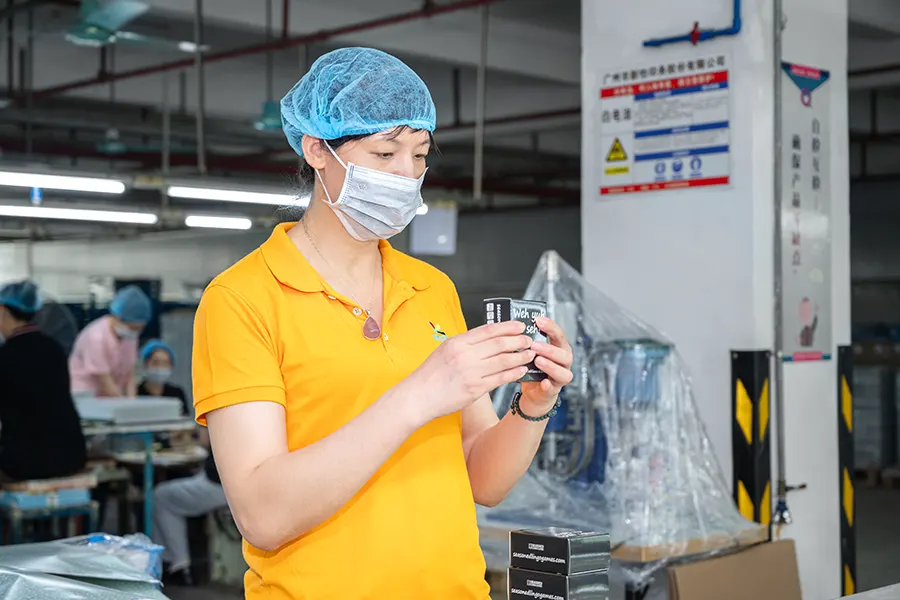
カスタム科学フラッシュカードに信義を選ぶ理由?
出版社は科学フラッシュカード プロジェクトの場合、カード印刷以上のものを必要とすることがよくあります。. 信義はカスタマイズを組み合わせます, 印刷, 仕上げ, パッケージング, と制作サポートを 1 つのワークフローで.
さまざまな科学フラッシュカード形式に合わせて柔軟にカスタマイズ
Xinyi 生産できる カスタムフラッシュカード 生物学用, 化学, 物理, 解剖学, 環境科学, およびその他の教育科目. パブリッシャーはコンテンツとターゲット市場に合わせて仕様を調整できます.
オプションには以下が含まれます:
- カード仕様: カスタムサイズ, 形, 厚紙, そして丸い角.
- 印刷と仕上げ: フルカラー両面印刷, マットまたはグロスラミネート, ホイル, 紫外線, そしてエンボス加工.
- 包装: カスタムボックス, ポーチ, インサート, およびその他のプレゼンテーション形式.
この柔軟性により、発行者は固定のカード形式に制限されることなく、さまざまなデッキや製品エディションを開発できます。.
プロトタイプからパッケージングまで完全なフラッシュカード制作
信義は完全にサポートします フラッシュカードの印刷 ワークフロー, アートワークチェックも含めて, サンプリング, 印刷, 仕上げ, 切断, 組み立て, パッケージング, 品質検査, そして発送.
1 つで作業する 製造業 パートナーはコミュニケーションを簡素化し、大規模なデッキや繰り返しの注文全体で一貫した仕様を維持するのに役立ちます。. 新しい科学フラッシュカード製品を計画している出版社向け, Xinyi はカード仕様について議論するための実用的な出発点を提供します, サンプル, パッケージング, および生産要件.
よくある質問
科学フラッシュカードとは何ですか?
科学、つまり事実を学ぶための学習カードです, 数式, 生物学などの主題の図表, 化学, そして物理学. 物理的なカードまたはデジタル ファイルにすることができます. それらが機能するのは、情報を能動的に思い出すことが強制されるためです。, ただメモを読み返すよりもずっと記憶に残ります. 各カードは、1 つの特定のコンセプトをテストするように設計されています, 単一の語彙のように, 一つの式, または図の一部.
科学フラッシュカードは通常どのように作成されますか?
出版社は教科書やカリキュラムから内容を取り出して、それを小さな要素に分割します。, テスト可能な質問. カードの表面は明確な質問をしています, 裏面には簡潔な答えが記載されています. 科学のトピックについては, 良いカードには重要なコンテキストが含まれています, 式の単位や生物学的プロセスの条件など. その後、カードは明確さと正確さのために編集されます.
科学フラッシュカードをカスタマイズできますか?
はい, カスタマイズはほとんどのフラッシュカード ツールの標準機能です. 質問と回答のテキストを編集できます, 画像を科学図に追加または置き換える, 色やフォントなどの書式設定を変更します. これにより、特定のレッスン プランに合わせてカードを調整したり、さらに練習が必要な領域に焦点を当てたりすることができます.
フラッシュカードの作成に使用される材料?
物理的なフラッシュカードは通常、インデックス カードまたは厚いカードストックで作られています。. デジタルフラッシュカードの場合, の “材料” コンテンツ入力 (授業ノートからのテキスト), PDF スライド, または図の画像. 教室で使用する場合, 多くのフラッシュカード セットは、簡単に配布できる印刷可能な紙のテンプレートとして設計されています。.
フラッシュカードはどこで印刷できますか?
チャンネルがいくつかあります. オンライン デザイン プラットフォームでは、多くの場合、オンデマンド印刷サービスが提供されます。. カスタムカードデッキの大量生産を専門とする専門メーカーに依頼することもできます。. 小規模な仕事や個人的な使用に, 一般的な業務用プリンターもオプションでご利用いただけます.
教育カードはどのように作られるのか?
プロセスはデザインファイルの準備から始まります. デザインは大きなカードストックシートに印刷されます. 印刷後, 耐久性を高めるために、ラミネートやコーティングなどの保護仕上げが施されることがよくあります。. シートはその後、個々のカードにカットされます, 角が丸くなっていることが多い. ついに, カードはデッキに分類されます, 説明書に従って組み立てられた, そしてパッケージ化された.