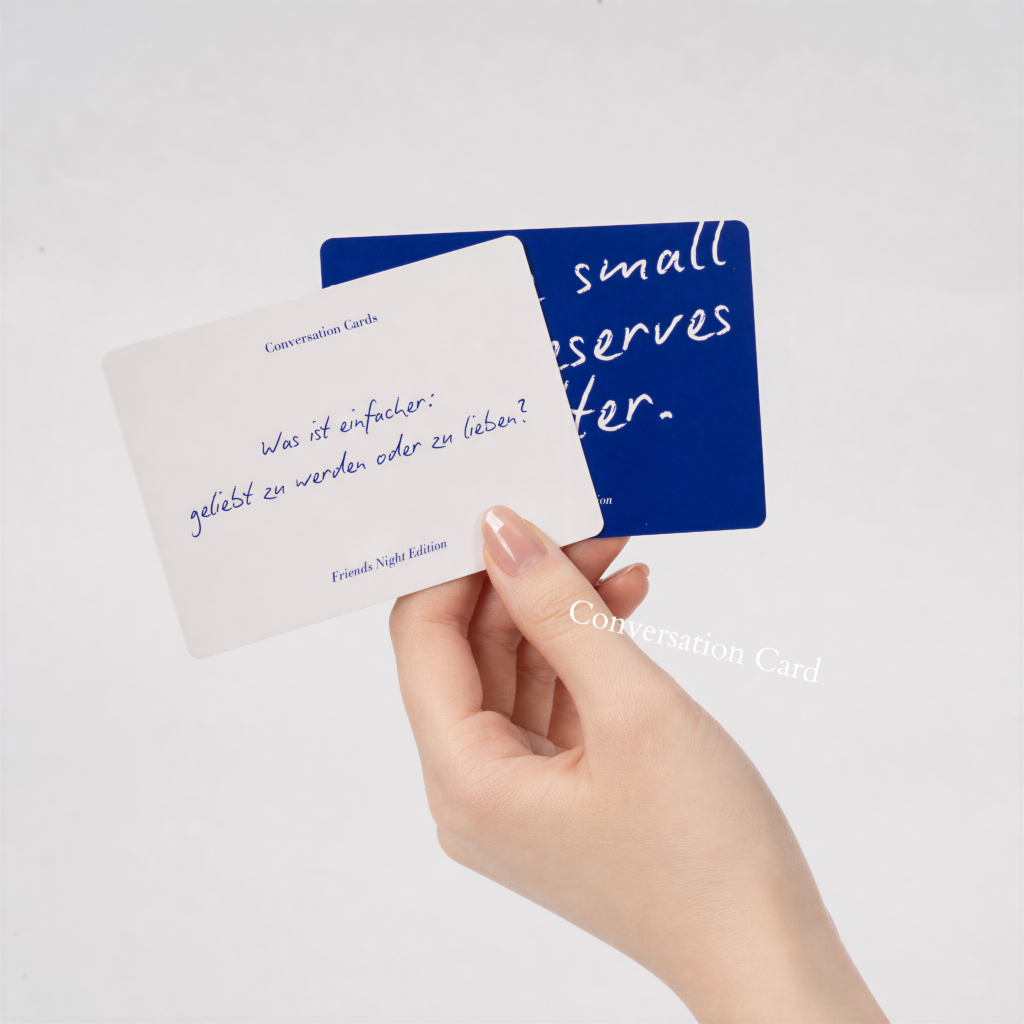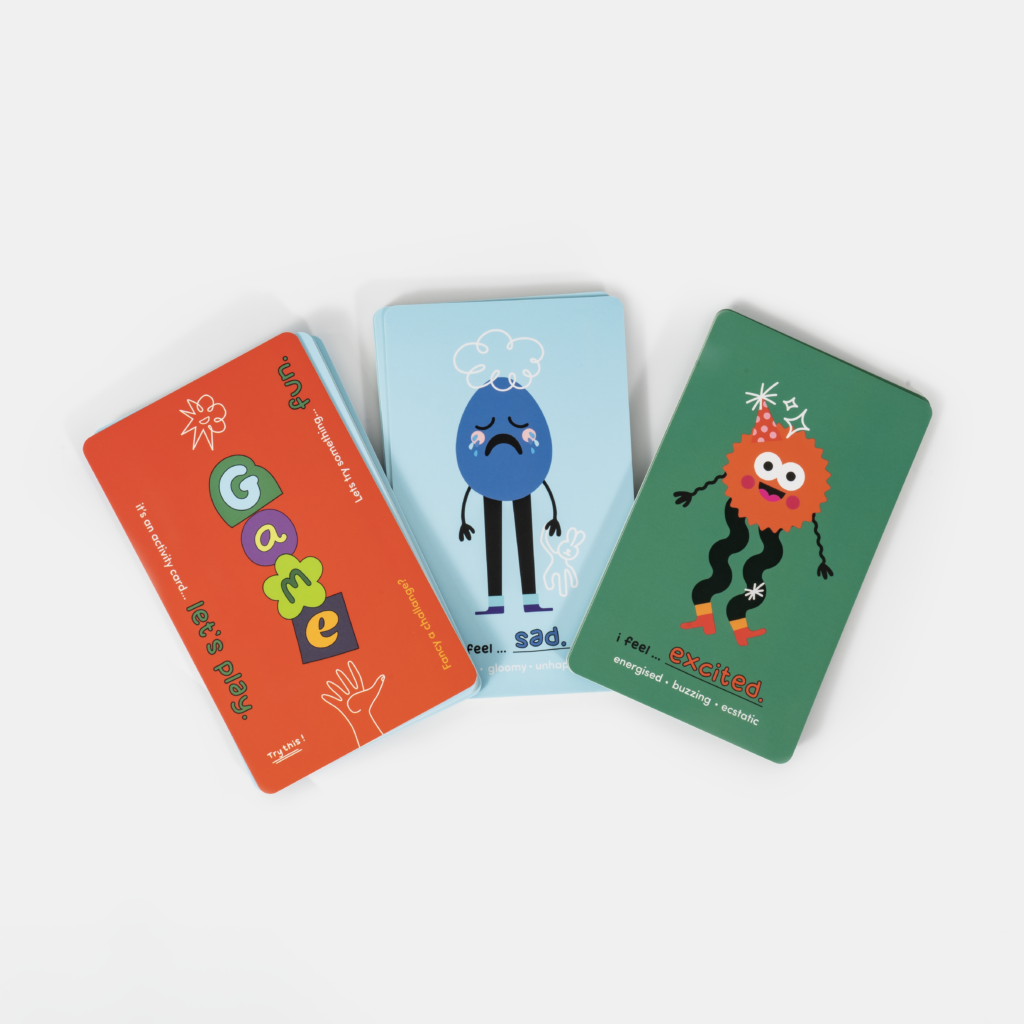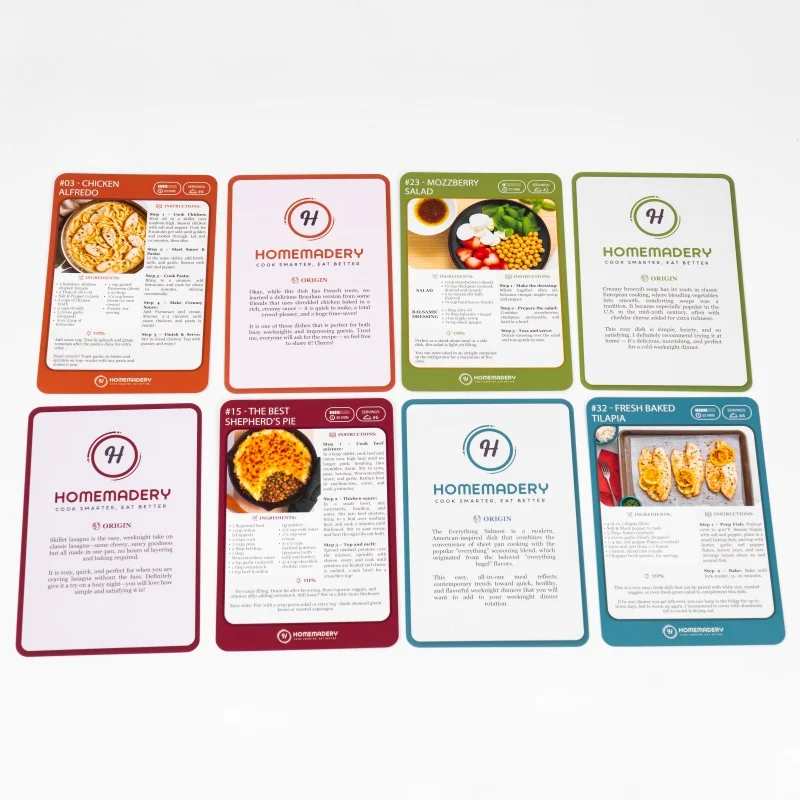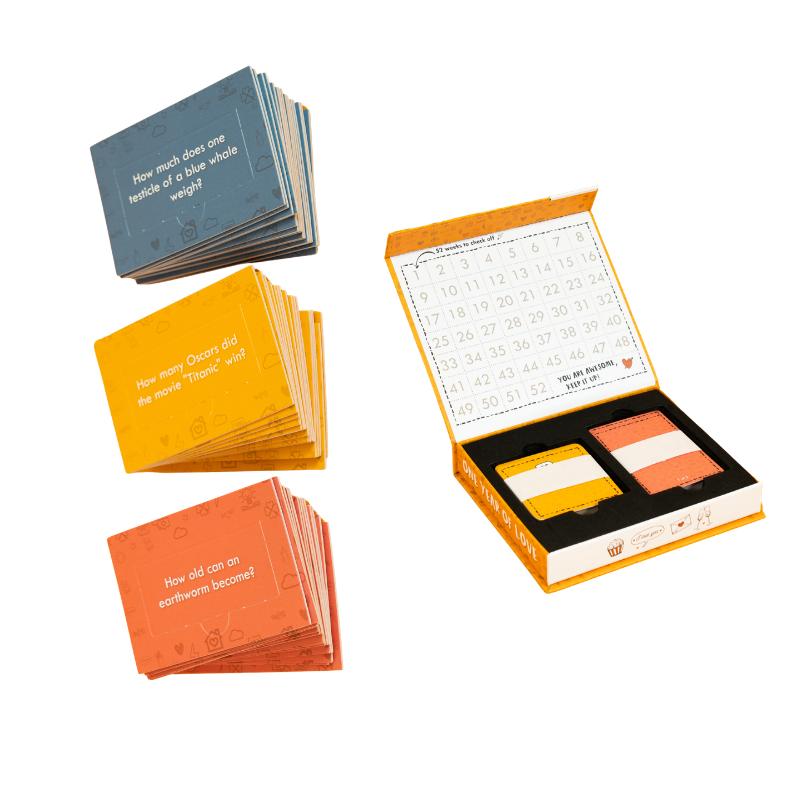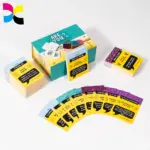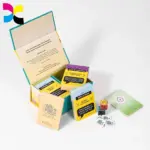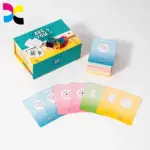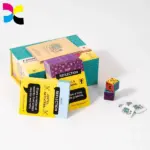
Flashcard scientifiche non sono semplicemente schede didattiche con stampati termini scientifici. Per gli editori, sono prodotti di apprendimento fisico che devono bilanciare l'accuratezza scientifica, chiarezza visiva, durabilità, costo di produzione, e l'esperienza dell'utente.
Questa guida spiega come gli editori possono svilupparsi, stampa, e produrre flashcard scientifiche, dalla struttura del contenuto e dal design visivo alla selezione dei materiali, stampa, finitura, confezione, e controllo di qualità.
Cosa rende le Flashcard scientifiche diverse dalle Flashcard standard?
Le flashcard scientifiche combinano la conoscenza della materia con l'apprendimento visivo, quindi gli editori devono bilanciare la precisione, leggibilità, e l'usabilità fisica dell'intero mazzo.
Le Flashcard scientifiche necessitano di informazioni chiare e accurate
Una flashcard scientifica può includere un termine scientifico, definizione, diagramma, formula, o misurazione. Ogni elemento deve essere accurato e coerente perché anche un piccolo errore può influenzare la comprensione dello studente.
Gli editori dovrebbero rivedere il mazzo completo prima di stamparlo, con particolare attenzione a:
- Terminologia scientifica: Mantieni i termini, ortografia, abbreviazioni, e denominazione coerente.
- Definizioni e formule: Controlla le spiegazioni, simboli, numeri, e le unità con attenzione.
- Diagrammi ed etichette: Assicurati che ogni etichetta corrisponda alla struttura o alla posizione corretta.
- Sequenza delle carte: Mantieni le domande, risposte, categorie, e numerazione nell'ordine previsto.
Il contenuto dovrebbe anche adattarsi al formato della carta fisica. Spiegazioni lunghe possono rendere difficile la lettura di una carta, pertanto gli editori dovrebbero semplificare il testo o dividere informazioni complesse su più schede anziché limitarsi a ridurre la dimensione del carattere.
Il contenuto visivo spesso conta tanto quanto il testo
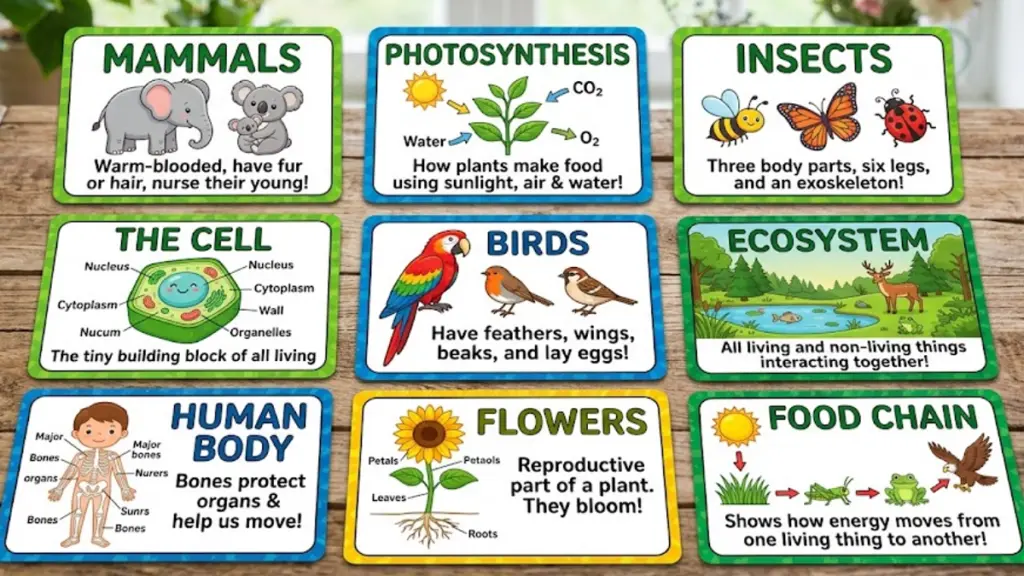
Molti flashcard scientifiche fare affidamento su diagrammi e illustrazioni per spiegare le strutture, processi, e relazioni. La biologia può utilizzare l'anatomia o i diagrammi cellulari, mentre la chimica e la fisica spesso dipendono dalle strutture molecolari, formule, e illustrazioni tecniche.
Queste immagini devono rimanere chiare dopo la stampa. Linee sottili, piccole etichette, e colori simili possono perdere chiarezza quando la grafica viene ridotta alla dimensione finale della carta. Gli editori dovrebbero quindi considerare la risoluzione di stampa, contrasto, scala dell'immagine, e aree sicure durante la preparazione della grafica.
Per flashcard di educazione visiva, una chiara gerarchia visiva aiuta inoltre gli utenti a capire quali informazioni leggere per prime. L'immagine principale, etichette, termini, e le spiegazioni dovrebbero lavorare insieme invece di competere per l'attenzione.
Diverse materie scientifiche necessitano di strutture di carte diverse
Le materie scientifiche pongono requisiti diversi alla progettazione delle carte. Un mazzo di biologia potrebbe aver bisogno di illustrazioni dettagliate, mentre la chimica richiede simboli e formule precise. La struttura del contenuto dovrebbe riflettere queste differenze piuttosto che forzare ogni mazzo in un formato standard.
| Argomento scientifico | Contenuto tipico della carta | Obiettivo principale |
|---|---|---|
| Biologia | Termini, anatomia, diagrammi | Chiarezza dell'immagine ed etichette leggibili |
| Chimica | Elementi, formule, reazioni | Simboli accurati e dettagli precisi |
| Fisica | Formule, concetti, diagrammi | Equazioni chiare e gerarchia visiva |
| Scienze della Terra | Processi, strutture, classificazioni | Illustrazioni e sequenze dettagliate |
| Scienze ambientali | Specie, ecosistemi, cicli | Confronto visivo e raggruppamento delle informazioni |
Lo stesso principio si applica a diverse fasce di età. Gli studenti più giovani potrebbero aver bisogno di testo più grande e immagini più semplici, mentre gli studenti avanzati possono gestire informazioni più dense. Il formato della scheda finale dovrebbe sempre supportare lo scopo dell'apprendimento.
Come gli editori dovrebbero strutturare i contenuti delle flashcard scientifiche
Una chiara struttura dei contenuti aiuta gli studenti a rivedere le informazioni più velocemente, offrendo allo stesso tempo agli editori un formato ripetibile per progettare e produrre mazzi completi di flashcard scientifiche.
Scegli una struttura di carte coerente fronte-retro
Dai ruoli chiari al fronte e al retro di ogni carta. Il fronte può presentare un termine, domanda, immagine, o diagramma, mentre il retro fornisce la risposta, spiegazione, o informazioni di supporto.
Per esempio, la parte anteriore di una carta biologica può mostrare un diagramma cellulare senza etichetta, mentre il retro rivela le etichette e le funzioni chiave. Una carta concettuale può porre una domanda sul davanti e fornire una breve risposta con un'illustrazione di supporto sul retro.
Il formato esatto può cambiare in base all'argomento, ma il modello di apprendimento di base dovrebbe rimanere coerente. Ciò rende il mazzo più facile da usare e offre ai designer un modello chiaro per la tipografia, posizionamento delle immagini, margini, e l'allineamento fronte-retro.
Utilizza le flashcard di biologia come modello per schede dense di informazioni
Flashcard di biologia spesso combinano i termini, diagrammi, etichette, e spiegazioni, rendendoli un modello utile per pianificare schede ad alta densità di informazioni.
Piuttosto che mettere da parte ogni dettaglio, gli editori possono dividere le informazioni tra fronte e retro. Per esempio, una scheda anatomica può mostrare prima la struttura principale e fornire nomi e funzioni sul retro. Ciò crea un semplice processo di richiamo e controllo.
Per schede di studio di biologia, mantenere semplice la gerarchia delle informazioni:
- Concetto primario: Il termine, struttura, o domanda da ricordare.
- Riferimento visivo: Il diagramma o l'immagine che supporta il concetto.
- Spiegazione chiave: Una breve definizione, funzione, o esempio.
Lo stesso approccio può funzionare per la chimica, fisica, e altre flashcard scientifiche. Ogni elemento dovrebbe supportare l'obiettivo di apprendimento piuttosto che semplicemente riempire lo spazio disponibile.
Mantieni i contenuti scientifici coerenti nell'intero piano
Un sistema visivo coerente aiuta gli utenti a riconoscere le carte correlate e semplifica la navigazione in un mazzo di grandi dimensioni. Gli editori dovrebbero applicare le stesse regole di base alla tipografia, colori, illustrazioni, numerazione, e indicatori di categoria.
| Elemento | Approccio consigliato | Scopo |
|---|---|---|
| Tipografia | Utilizza una gerarchia testuale coerente | Rendi le informazioni chiave facili da scansionare |
| Codifica colore | Assegna colori a categorie chiare | Aiuta gli utenti a identificare gli argomenti correlati |
| Illustrazioni | Mantieni lo stile visivo coerente | Crea un aspetto del mazzo unificato |
| Numerazione | Segui un sistema di numerazione | Mantieni organizzato il mazzo completo |
Questa coerenza rende anche più semplice espandere una linea di prodotti. Le nuove flashcard educative possono seguire le stesse regole visive, aiutare diversi mazzi dello stesso editore a mantenere uno stile di prodotto riconoscibile.
Durevole, Flashcard certificate su scala industriale.
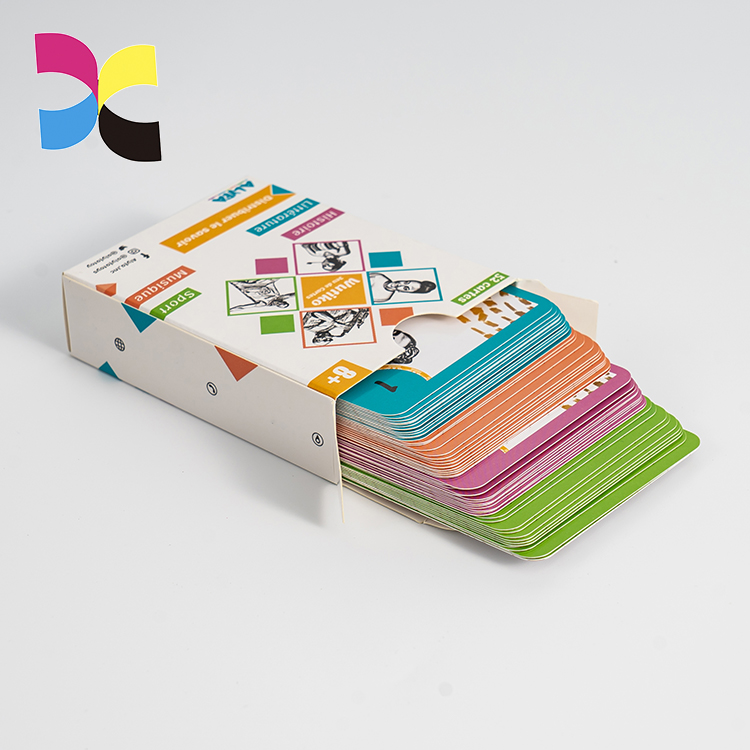
Come scegliere le dimensioni delle flashcard scientifiche, Carta, e Finiture
Le specifiche fisiche dovrebbero corrispondere al contenuto, utenti target, esigenze di movimentazione, e il formato della confezione in modo che le flashcard scientifiche rimangano chiare, durevole, e pratico.
Abbina le dimensioni della carta al contenuto e ai dettagli visivi
Le dimensioni della carta dovrebbero seguire la densità delle informazioni piuttosto che uno standard fisso. Termini semplici e domande brevi possono funzionare bene su schede compatte, mentre i diagrammi anatomici dettagliati o altri contenuti visivi potrebbero richiedere più spazio.
Per gli editori, la considerazione principale è l'equilibrio tra leggibilità e maneggevolezza. Una carta più grande può fornire più spazio per etichette e illustrazioni, ma utilizza anche più materiale e potrebbe richiedere un imballaggio più grande. La dimensione finale dovrebbe quindi supportare il compito di apprendimento senza rendere il mazzo scomodo da usare o riporre.
Per formati comuni e dimensioni personalizzate, gli editori possono fare riferimento a Xinyi Quali sono le giuste dimensioni delle Flashcard prima della stampa? quando si pianifica la dimensione finale della carta.
Seleziona carta per resistenza e qualità di stampa
La carta o il cartoncino influenzano la sensazione del mazzo, maniglie, e riproduce contenuti scientifici dettagliati. Poiché le flashcard educative spesso ricevono un uso ripetuto, il materiale dovrebbe fornire sufficiente rigidità supportando al tempo stesso la stampa trasparente.
I fattori materiali chiave includono:
- Spessore della carta: Adattare la rigidità alla frequenza e al tipo di utilizzo previsti.
- Superficie: Scegli una superficie che supporti immagini nitide, linee sottili, e maneggevolezza.
- Opacità: Riduci la visibilità quando entrambe le parti contengono informazioni importanti.
- Stampabilità: Assicurati che lo stock riproduca un testo di piccole dimensioni, diagrammi, e colori in modo chiaro.
- Durabilità: Considera la manipolazione ripetuta, magazzinaggio, e trasporto.
- Completa la compatibilità: Confermare che la carta funzioni bene con la laminazione o altre finiture previste.
Non esiste una grammatura della carta unica per ciascuno flashcard educativa progetto. Mazzi di classe, prodotti al dettaglio, carte di studio, e i set di apprendimento premium possono richiedere specifiche diverse. Gli editori possono anche recensire quelli di Xinyi Quale tipo di carta è migliore per le Flashcard? quando si confrontano i materiali.
Scegli le finiture in base a come verranno utilizzate le carte
La finitura dovrebbe supportare il modo in cui gli utenti gestiscono e leggono le carte. Per mazzi di studio usati frequentemente, la laminazione o altre finiture protettive possono migliorare la durabilità della superficie. Le finiture opache possono aiutare a ridurre i riflessi, mentre le finiture lucide possono far apparire più vivide le immagini colorate.
Opzioni decorative come la stampa a caldo, goffratura, Debossing, e gli UV spot possono aggiungere valore a prodotti o imballaggi premium. Tuttavia, per la maggior parte flashcard scientifiche, leggibilità, protezione superficiale, e la gestione pratica dovrebbe avere la priorità sugli effetti decorativi.

Come stampare e produrre flashcard scientifiche personalizzate
Un flusso di lavoro di produzione controllato trasforma la grafica approvata in un prodotto fisico coerente, fornire agli editori punti di controllo chiari prima che inizi l'ordine di stampa completo delle flashcard personalizzate.
Preparare la grafica per la stampa di flashcard fronte-retro
Le flashcard scientifiche spesso inseriscono informazioni importanti su entrambi i lati, quindi la preparazione della grafica deve tenere conto della dimensione finale della carta, sanguinare, zona sicura, impostazioni del colore, risoluzione dell'immagine, e requisiti di taglio.
Anche l'allineamento fronte-retro merita molta attenzione. Un diagramma, confine, oppure l'etichetta posizionata troppo vicino alla linea di ritaglio potrebbe spostarsi leggermente durante il taglio. I piccoli termini scientifici e le linee sottili dei diagrammi necessitano di risoluzione e contrasto sufficienti per rimanere leggibili dopo la stampa.
Gli editori possono preparare i file internamente o collaborare con la stampante durante la revisione della prestampa. Xinyi può controllare la grafica e fornire indicazioni sul layout delle carte, linee guida, sanguinare, e altri requisiti di stampa. Sbloccare la magia delle flashcard personalizzate: Una guida alla creazione e alla stampa – Xinyi Boardgame fornisce inoltre un utile riferimento per la preparazione generale del file.
Crea e rivedi un prototipo fisico prima della produzione di massa
Una prova digitale può mostrare se la grafica appare corretta sullo schermo, ma un prototipo fisico rivela come si sente e funziona effettivamente il prodotto completo.
Per un stampa di flashcard progetto, il campione dovrebbe essere controllato:
- Qualità di stampa: Controlla la nitidezza del testo, dettaglio dell'immagine, e riproduzione del colore.
- Sensazione fisica: Controllare la rigidità della carta, tessitura superficiale, e la gestione complessiva.
- Allineamento: Confermare che entrambi i lati siano registrati correttamente e che il taglio rimanga all'interno dell'area richiesta.
- Finitura: Ispeziona gli angoli, rivestimento, laminazione, e altre finiture selezionate.
Questa recensione è particolarmente utile per i mazzi scientifici con diagrammi dettagliati o piccole etichette. Se il campione mostra un problema, gli editori possono modificare la grafica o le specifiche prima della produzione di massa invece di correggere centinaia o migliaia di carte finite.
Xinyi può fornire prove digitali e campioni personalizzati in modo che gli editori possano rivedere il prodotto prima che l'ordine completo entri in produzione.
Scegli il giusto formato di produzione e confezionamento
Il formato finale dovrebbe corrispondere al modo in cui il mazzo raggiungerà e servirà i suoi utenti. Un prodotto per la classe potrebbe essere semplice, confezione facile da aprire, mentre un set di apprendimento scientifico al dettaglio può richiedere una protezione più forte e una presentazione più raffinata.
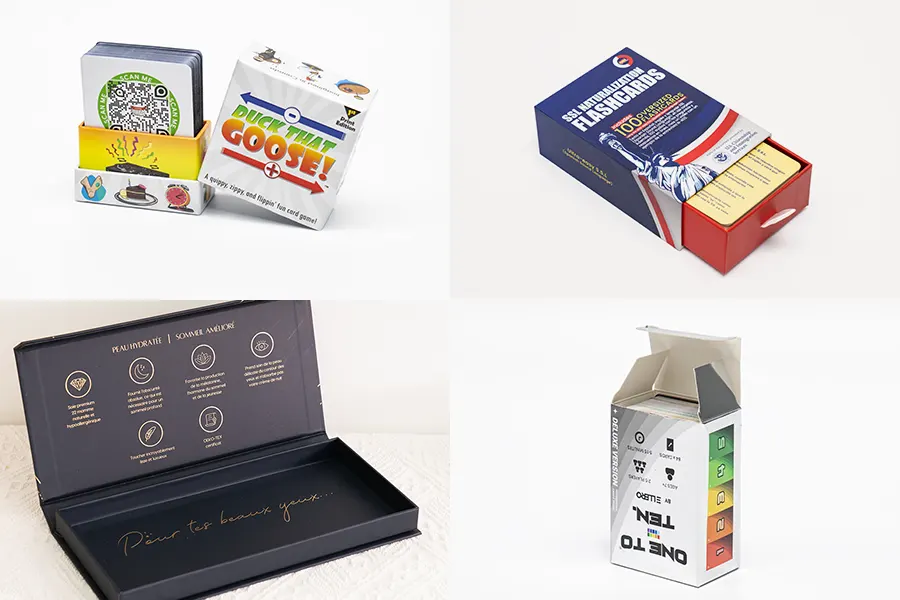
Le opzioni comuni includono gli astucci, scatole rigide, buste, avvolgimento termoretraibile, e inserti didattici. L'imballaggio può anche aiutare a organizzare le carte per argomento, livello, o categoria quando il mazzo contiene più set.
Xinyi può personalizzare entrambi stampa di flashcard e imballaggio di supporto, comprese le scatole, buste, e inserti, in questo modo le carte e la confezione possono essere sviluppate come un unico prodotto completo anziché come componenti separati.
Come testare e approvare flashcard scientifiche personalizzate
Un attento processo di approvazione aiuta gli editori a confermare che il mazzo stampato corrisponde alla grafica approvata, specifiche, e l'imballaggio prima dell'inizio della produzione di massa.
Cosa chiedere al produttore di Flashcard prima di ordinare
Prima di iniziare flashcard stampate personalizzate, gli editori dovrebbero confermare che il produttore può gestire il progetto completo, dalla stampa e finitura alla campionatura e al confezionamento.
Le domande chiave includono:
- Personalizzazione: Il produttore può produrre la dimensione richiesta, forma, materiale, e finire?
- Campionamento: Possono fornire campioni fisici prima della produzione di massa?
- Qualità di stampa: Possono riprodurre diagrammi dettagliati, piccolo testo, e colori accurati?
- Confezione: Possono fornire delle scatole?, buste, inserti, o altro imballaggio richiesto?
- MOQ e produzione: Qual è il MOQ e il programma di produzione previsto?
Un produttore in grado di gestire questi requisiti attraverso un flusso di lavoro può semplificare il coordinamento del progetto e ridurre la comunicazione tra più fornitori.
Cosa controllare su un esempio di Flashcard scientifica
Un campione dovrebbe essere confrontato con la grafica e le specifiche approvate piuttosto che giudicato solo in base al suo aspetto.
Controlla il contenuto, stampa, e costruzione fisica insieme:
- Precisione del contenuto: Verifica i termini, etichette, diagrammi, numerazione, e sequenza.
- Qualità di stampa: Controlla il testo piccolo, nitidezza dell'immagine, consistenza del colore, e l'allineamento fronte-retro.
- Qualità fisica: Ispezionare lo spessore, taglio, angoli, finitura superficiale, e sensazione di manovrabilità.
Per i mazzi scientifici, le etichette piccole e le illustrazioni dettagliate meritano particolare attenzione perché possono apparire chiare sullo schermo ma perdere la leggibilità dopo la stampa.
Approva il mazzo completo prima della produzione in serie
L'approvazione finale dovrebbe riguardare mazzo completo, non solo una scheda campione. Conferma il conteggio totale delle carte, sequenza, grafica fronte e retro, confezione, inserti, e altri componenti prima dell'inizio della produzione.
Questo controllo finale può aiutare a prevenire la perdita di carte, grafica errata, errori di imballaggio, e costose ristampe. Xinyi supporta il campionamento, stampa, finitura, assemblaggio, confezione, e controllo di qualità per progetti flashcard completi.

Perché scegliere Xinyi per le flashcard scientifiche personalizzate?
Gli editori spesso hanno bisogno di qualcosa di più della semplice stampa di card per un progetto di flashcard scientifiche. Xinyi combina la personalizzazione, stampa, finitura, confezione, e supporto alla produzione in un unico flusso di lavoro.
Personalizzazione flessibile per diversi formati di flashcard scientifiche
Xinyi può produrre flashcard personalizzate per la biologia, chimica, fisica, anatomia, scienza ambientale, e altre materie educative. Gli editori possono modificare le specifiche per adattarle al contenuto e al mercato di destinazione.
Le opzioni includono:
- Specifiche della carta: Dimensioni personalizzate, forme, cartoncino, e angoli arrotondati.
- Stampa e finitura: Stampa fronte/retro a colori, plastificazione opaca o lucida, sventare, UV, e goffratura.
- Confezione: Scatole personalizzate, buste, inserti, e altri formati di presentazione.
Questa flessibilità consente agli editori di sviluppare diversi mazzi o edizioni di prodotti senza essere limitati a un formato di carta fisso.
Produzione completa di Flashcard dal prototipo alla confezione
Xinyi supporta il completo stampa di flashcard flusso di lavoro, compreso il controllo delle opere d'arte, campionamento, stampa, finitura, taglio, assemblaggio, confezione, controllo di qualità, e spedizione.
Lavorare con uno produzione il partner può semplificare la comunicazione e contribuire a mantenere specifiche coerenti su grandi mazzi e ordini ripetuti. Per gli editori che pianificano un nuovo prodotto di flashcard scientifiche, Xinyi fornisce un punto di partenza pratico per discutere le specifiche della carta, campioni, confezione, e requisiti di produzione.
Domande frequenti
Cosa sono le flashcard scientifiche?
Sono schede di studio per apprendere i fatti scientifici, formule, e diagrammi per materie come la biologia, chimica, e fisica. Possono essere carte fisiche o file digitali. Funzionano perché ti costringono a ricordare attivamente le informazioni, che aderisce molto meglio della semplice rilettura degli appunti. Ogni carta è progettata per testare un concetto specifico, come un unico termine del vocabolario, una formula, o una parte di un diagramma.
Come vengono solitamente realizzate le flashcard scientifiche?
Gli editori prendono il contenuto dai libri di testo o da un curriculum e lo suddividono in piccoli, domande verificabili. La parte anteriore della carta pone una domanda chiara, e il retro fornisce una risposta concisa. Per argomenti scientifici, le buone carte includono un contesto importante, come le unità per una formula o le condizioni per un processo biologico. Le carte vengono quindi modificate per chiarezza e precisione.
Posso personalizzare le flashcard scientifiche?
SÌ, la personalizzazione è una caratteristica standard nella maggior parte degli strumenti di flashcard. È possibile modificare il testo su domande e risposte, aggiungere o sostituire immagini con diagrammi scientifici, e modificare la formattazione come colori e caratteri. Ciò ti consente di personalizzare le carte per un programma di lezione specifico o concentrarti su aree in cui hai bisogno di più pratica.
Quali materiali vengono utilizzati per realizzare flashcard?
Le flashcard fisiche sono solitamente realizzate con schede o cartoncini più spessi. Per flashcard digitali, IL “Materiali” sono gli input di contenuto: testo tratto da appunti di classe, Diapositive PDF, o immagini di diagrammi. Per uso in classe, molti set di flashcard sono progettati come modelli di carta stampabili che possono essere distribuiti facilmente.
Dove si possono stampare le flashcard?
Hai alcuni canali. Le piattaforme di progettazione online offrono spesso servizi di stampa su richiesta. Puoi anche rivolgerti a produttori specializzati che si concentrano sulla produzione di mazzi di carte personalizzati in grandi quantità. Per lavori più piccoli o uso personale, anche le stampanti commerciali generali sono un'opzione.
Come vengono prodotte le carte didattiche?
Il processo inizia con la preparazione del file di progettazione. I disegni sono stampati su grandi fogli di cartoncino. Dopo la stampa, una finitura protettiva come un laminato o un rivestimento viene spesso applicata per garantire una maggiore durata. I fogli vengono poi tagliati in singole carte, e gli angoli sono spesso arrotondati. Finalmente, le carte sono ordinate in mazzi, assemblato con eventuali istruzioni, e confezionato.