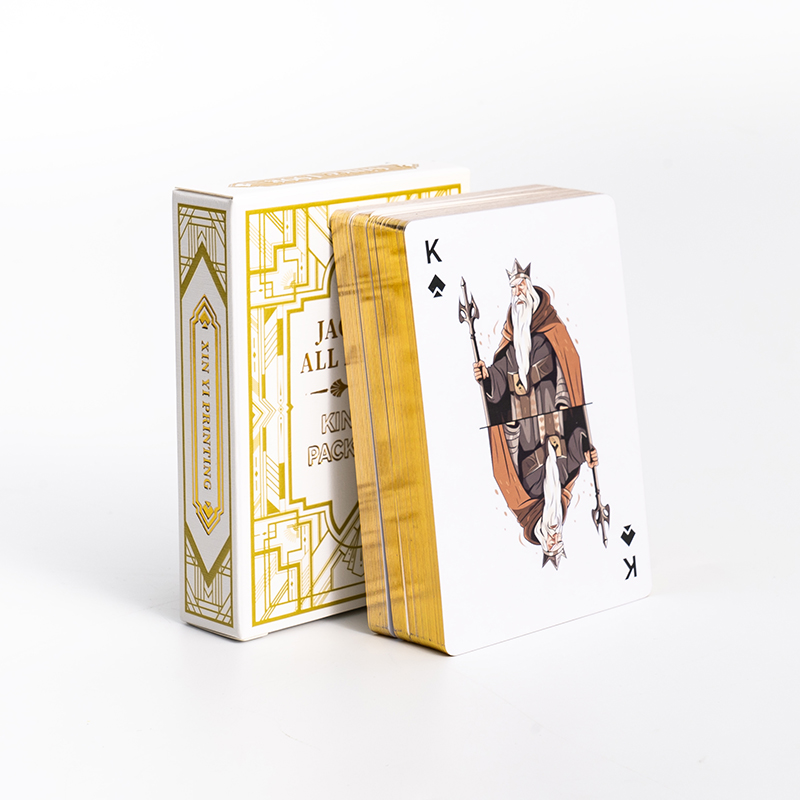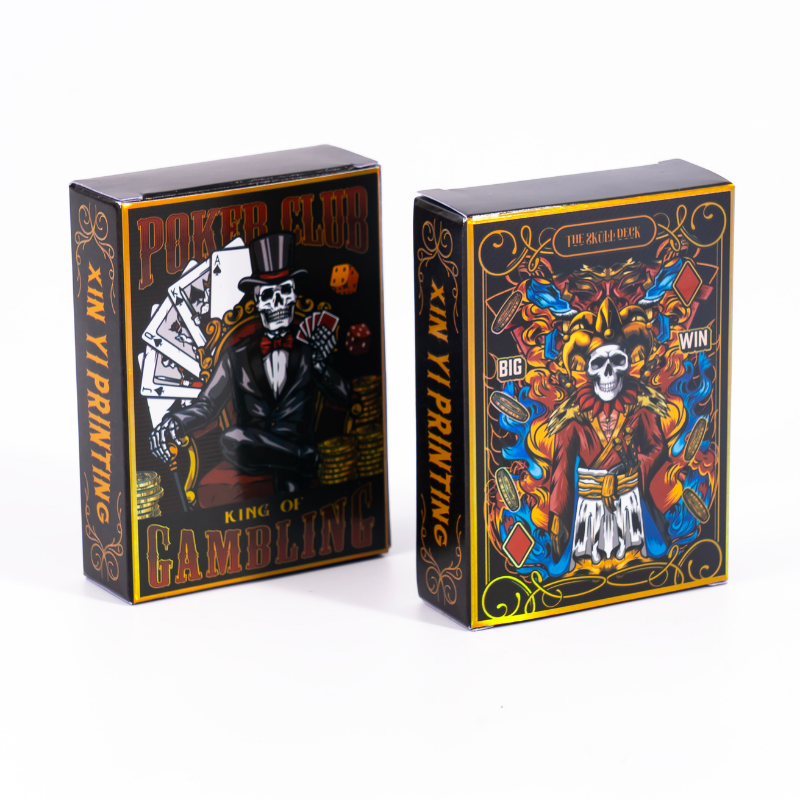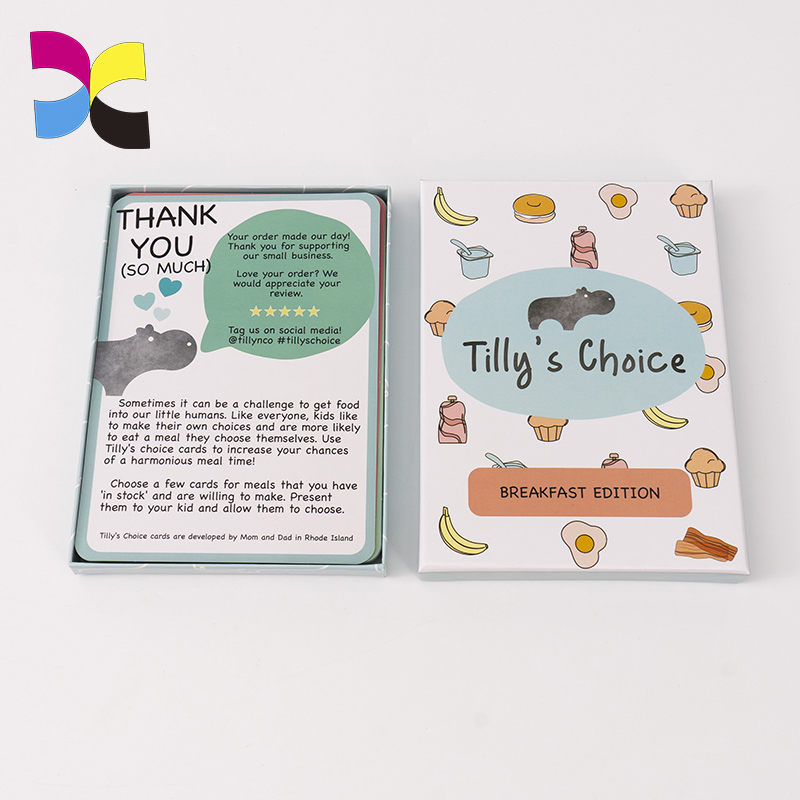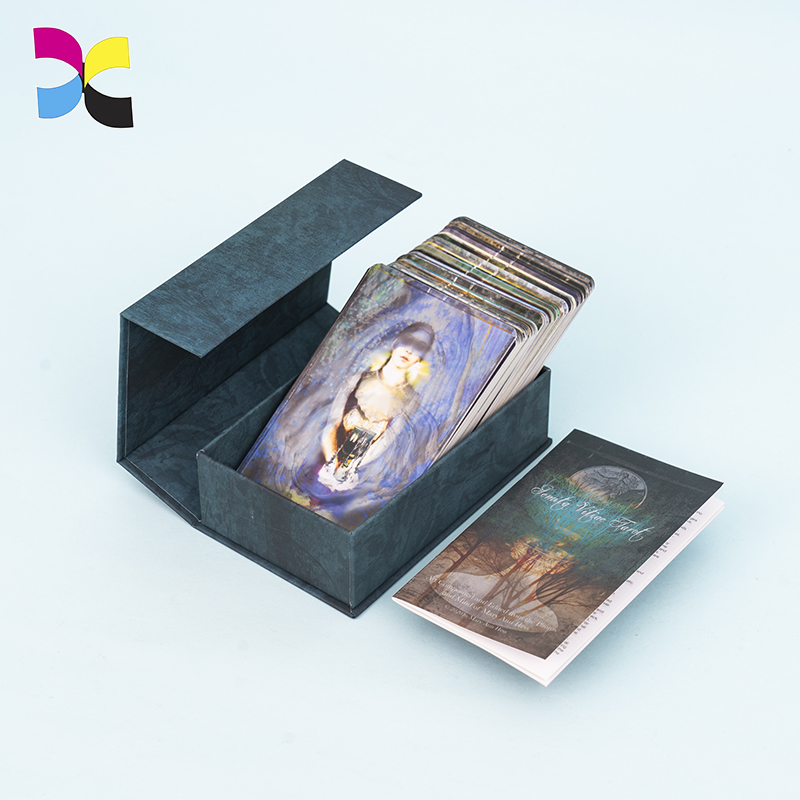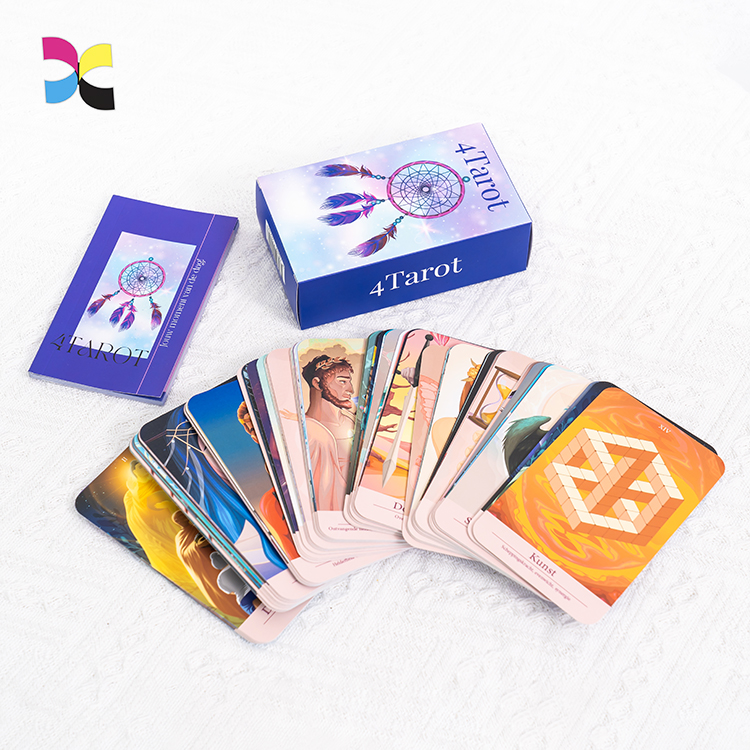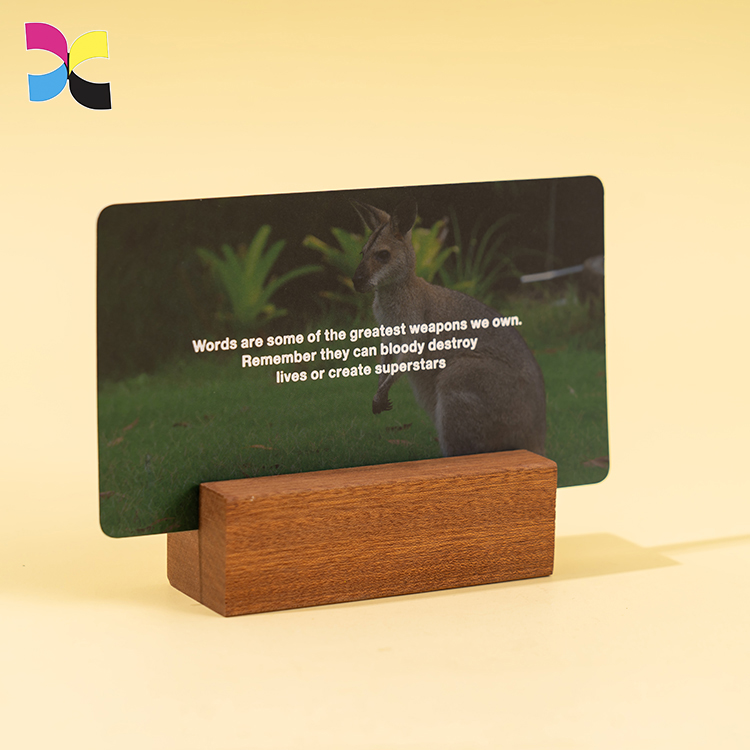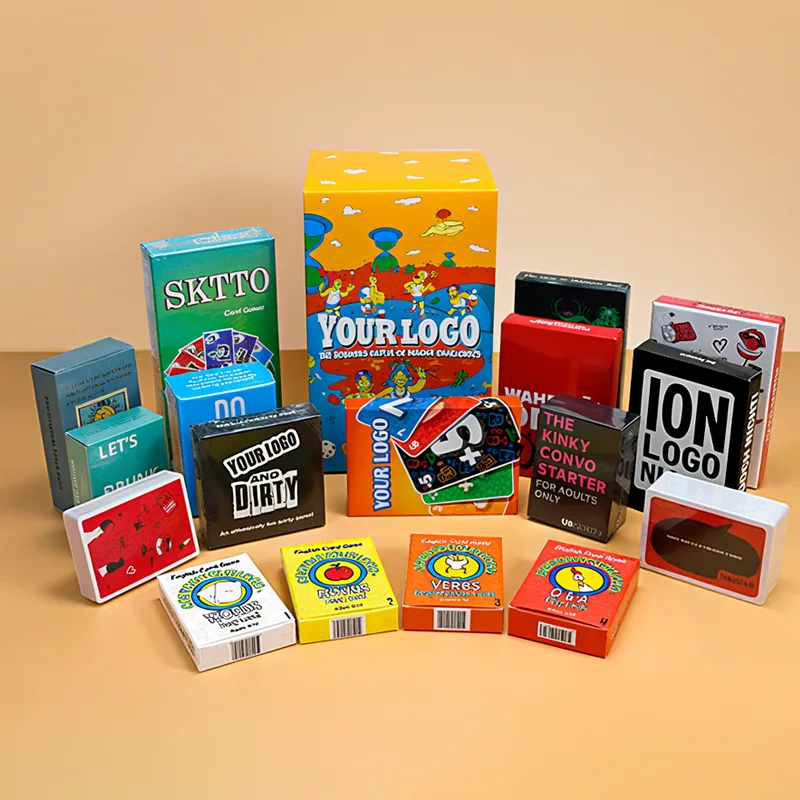
For centuries, playing cards have been an integral part of human entertainment. From classic poker card decks to modern collectible card games, trading cards, and custom tabletop accessories, card production is both an art and a science. Behind every deck lies the essence of materials engineering, printing technology, and precision manufacturing.
This guide will delve into the detailed process of card production, the materials employed, and why these choices are crucial to a deck’s durability, shuffling feel, visual appeal, and overall gaming experience.
What Are Playing Cards Made Of?
As we all know, the most classic material for playing cards is paper. But did you know? Besides paper, there are many other materials used to make playing cards. Moreover, paper itself comes in many varieties, resulting in different types of playing cards. First, let’s explore the simplest kind—playing cards made of paper:
Black Core Paper, most commonly used for: playing cards, casino cards, TCG cards, board game cards. Features a black inner core that allows light transmission, providing a solid feel during shuffling and cutting. Typically 300-330 gsm in thickness.This article:What Is Black Core Cardstock? details the uses of substandard cardboard; you can refer to it.
White Core Paper, featuring a softer white inner layer, is commonly used for educational cards or children’s cards. Thickness ranges from 280-320gsm, offering lower cost and vibrant color saturation.
Blue Core Paper, similar to black core paper, also prevents light transmission. It is very common in assigned factories, boasts low light transmission, and maintains consistent quality.
Linen Finish Paper,Offers a more premium tactile experience. Essentially black or white core paper with an embossed texture, commonly found in high-end playing cards, magic cards, and TCGs. Features fine surface lines for enhanced durability, smoother washing and cutting, reduced sticking, and a more professional feel.
Specialty Card Stock is used for collectible cards and blind box cards with strong design elements, such as Holographic Paper, Metallic Paper, Pearlescent Paper, Glitter Card Stock, etc. These offer striking visual effects and are suitable for premium, limited-edition cards.
Next, let’s take a look at cards made from other materials:
- PVC Cards
Common for waterproof decks, casino-style cards, and long-lasting educational cards.
- PET Plastic Cards
More eco-friendly than PVC, with excellent clarity.
- Metal Cards
Made of aluminum or stainless steel, often for premium gift sets.
- Wooden Cards
Laser-engraved or printed for artistic and eco-friendly decks.
- Acrylic Cards
High-transparency plastic used in anime merchandise and display cards.
How Are Playing Cards Made?
Step1:Designing Your Card Deck
Know Your Card Number:When you set out to create your own deck of playing cards, the first step is surprisingly simple—yet one that many beginners often overlook. Many dive straight into designing their custom deck without considering the number of cards. But the total count forms the foundation of the entire project. Without a clear figure, you might run out of ideas mid-design or end up with inconsistent styling as you scramble to fill unexpected gaps.
A standard deck contains 54 cards, so if you aim to replicate a traditional design, the count is already set. But if your goal is to create a non-traditional or entirely original deck, choosing the exact number of cards is crucial. It determines how many unique concepts or illustrations you’ll need.
Once the number of cards is set, the next step is to create a numbered list documenting every card you plan to include. This list will serve as your roadmap, guiding you through the brainstorming phase—and naturally leading you into the second stage of the creative process.
Choose the card size that you want to customize:Want to create your own card game? Need to know the correct playing card dimensions? We’ve carefully compiled this comprehensive guide covering various playing card sizes to help you make the best choice for perfectly printed cards. Go check it out!
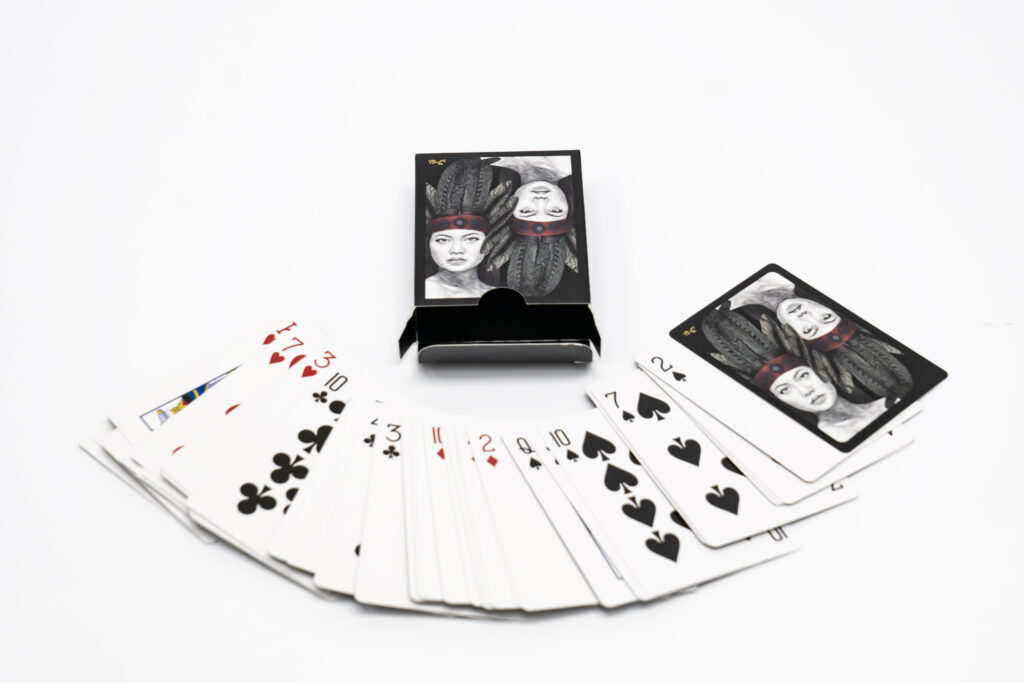
poker card deck
54 Cards
4 Suits, 9 Numbers, 5 Face Cards
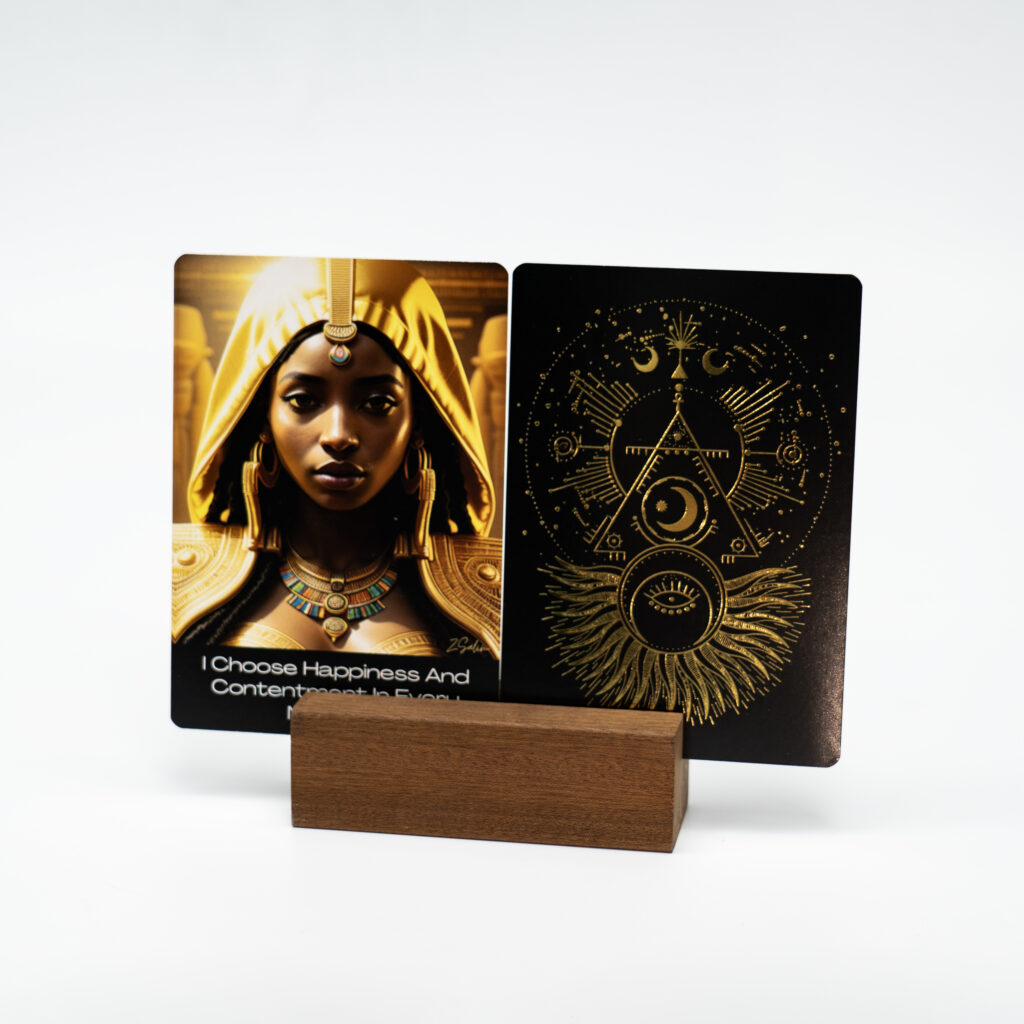
Tarot card deck
78 Cards
22 Major Arcana & 56 Minor Arcana
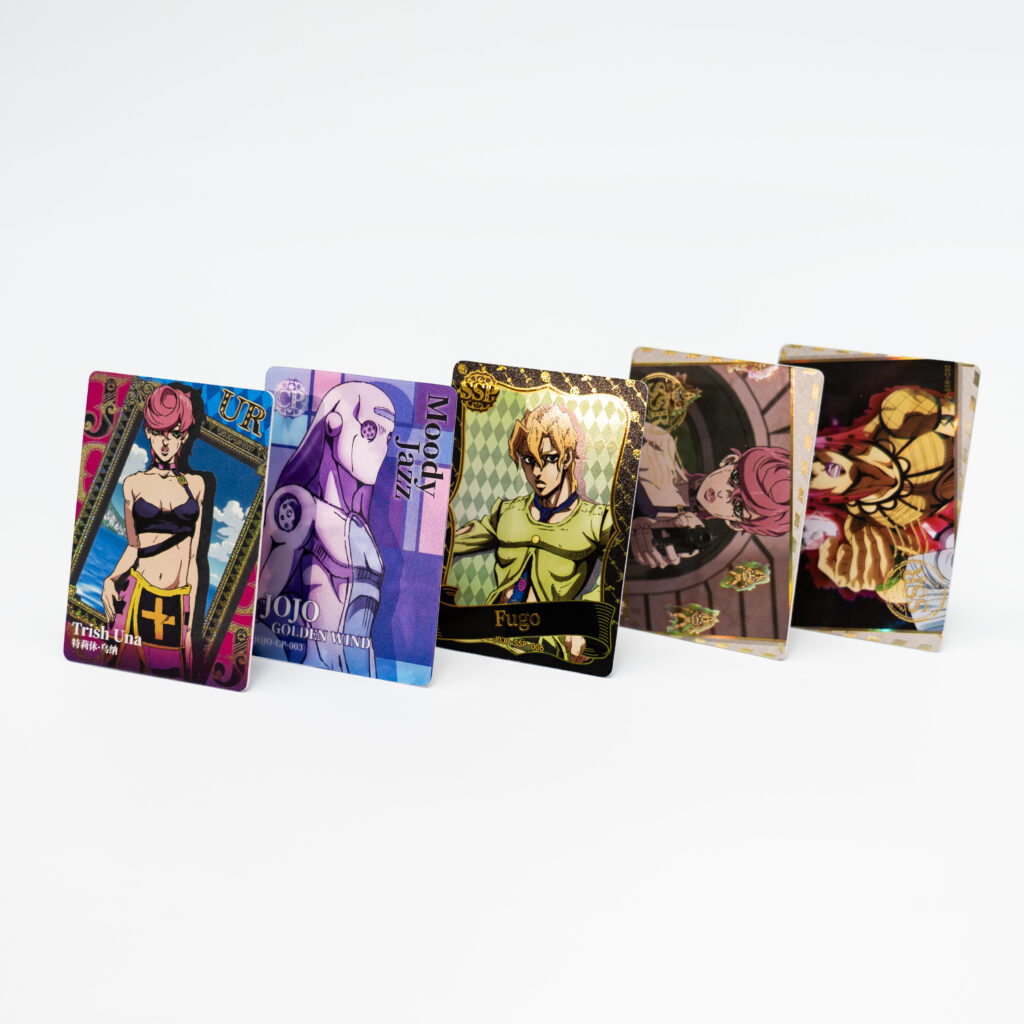
Custom Deck
Any Number Of Cards
Step2:Selecting The Paper Stock
Select your playing card paper based on intended use. Standard paper is generally recommended. For details, refer to Chapter 1 of this document.
Step3:Choosing the surface finishing
This step determines the feel, durability, and resistance to shuffling wear of playing cards. Common processing techniques include:
Gloss Coating
Forms a thin protective layer, enhancing color saturation and reducing wear.
Lamination (Gloss/Matte)
Adds thickness and protection. Matte lamination provides a soft-touch feel, while gloss lamination enhances shine.
Linen Texture (Embossing Process)
Imprints microtexture using metal rollers, improving shuffling smoothness and reducing card sticking.
UV or Spot UV
Used for collectible or premium cards to create high-contrast gloss effects.
Holographic or Foil Stamping
Commonly applied to special edition decks, promotional cards, or rare cards in trading card games.
Step4:Picking a Box Packaging
Xinyi offers a wide variety of box styles—whatever you need, we’ve got it.
Step5:Printing the Cards with The Best
Our professional printing team delivers meticulous service. At Xinyi manufacturer, you can entrust us with your design files for layout verification, bleed line adjustments, CMYK color value calibration, and more. Our factory produces proofs based on your files to confirm paper options. We then print using professional Heidelberg eight-color or six-color presses. After printing, we proceed to die-cutting: large sheets are creased along pre-cut lines, then precisely die-cut into individual cards. Cards requiring rounded corners return to the machine for smooth, consistent edges. The final steps involve assembly and packaging. Common packaging methods include plastic sealing/ thermosealing, paper box packaging, with box types including tuck boxes, rigid boxes, or metal cases. The factory also offers integrated customization for packaging boxes, storage pouches, and plastic containers.
Xinyi continuously employs manufacturing innovations, utilizing eco-friendly materials such as recycled paper substrates, plant-based plastics, and soy-based inks for raw material extraction. Digital foil stamping enables large-scale printing, while diverse card printing techniques perfectly craft your cards.
Though seemingly simple, playing cards involve precision engineering, specialized materials, and advanced techniques. From selecting the right paper to surface treatments, lamination, and precision cutting, every detail matters.

Understanding playing card manufacturing not only helps players appreciate their decks more but also empowers designers, publishers, and brands to make informed decisions during custom card production.
Conclusion
Playing cards may seem simple, but their creation involves careful engineering, specialized materials, and advanced manufacturing processes. From selecting the right card stock to applying finishes, laminating layers, and precision cutting, every detail matters.
Understanding how cards are made not only helps players appreciate their decks, but also empowers designers, publishers, and brands to make informed decisions when producing their own custom playing cards.
Partner with Xinyi! We offer one-stop customization options.