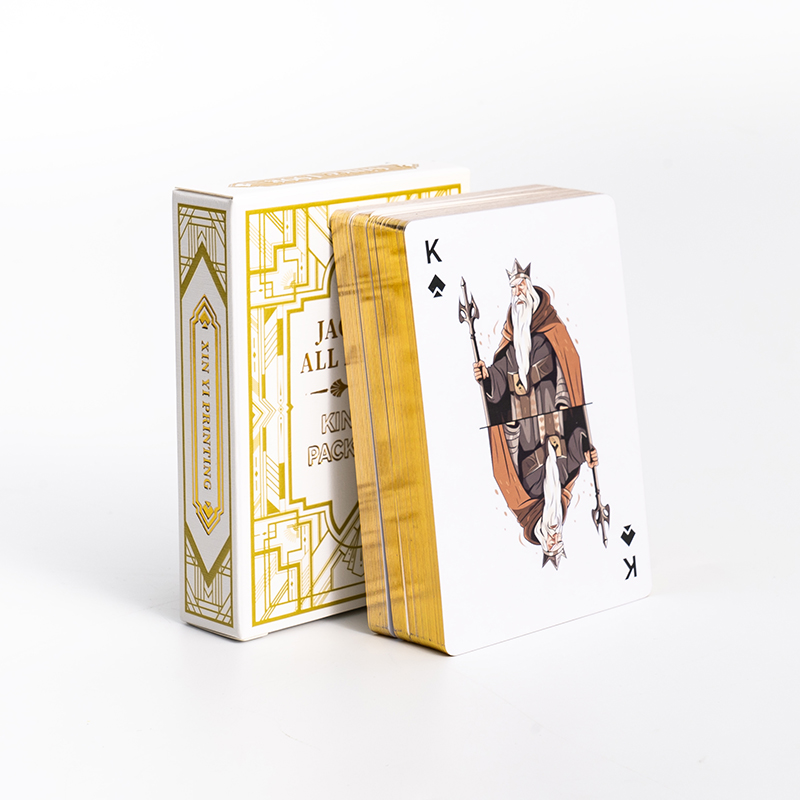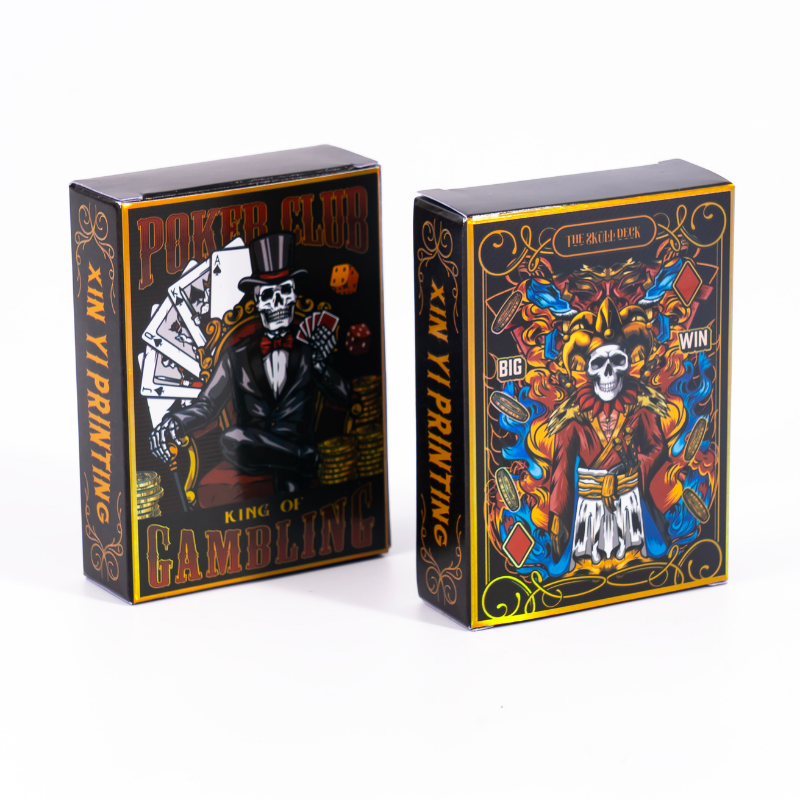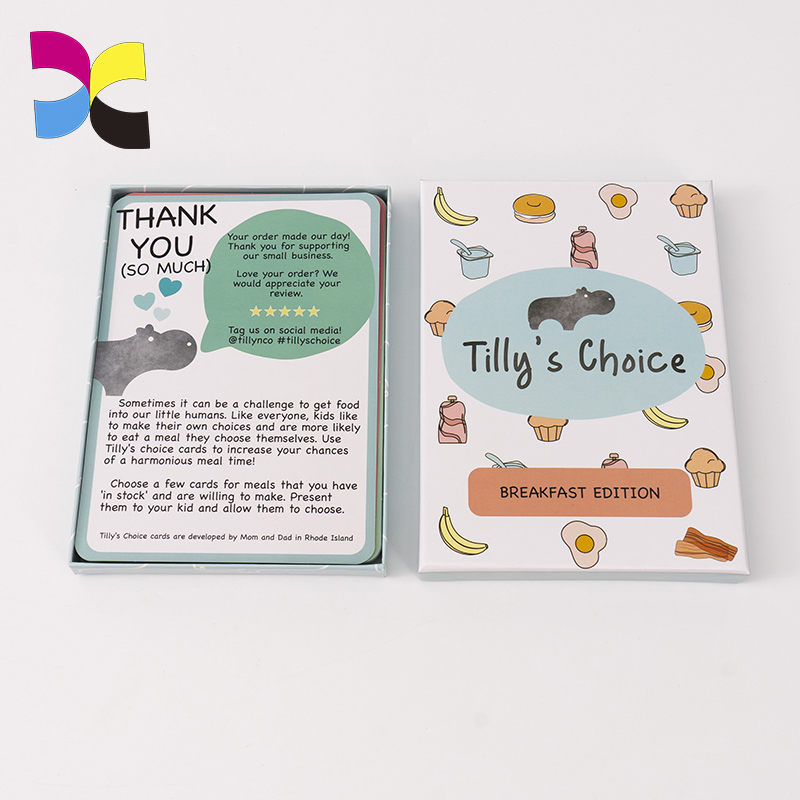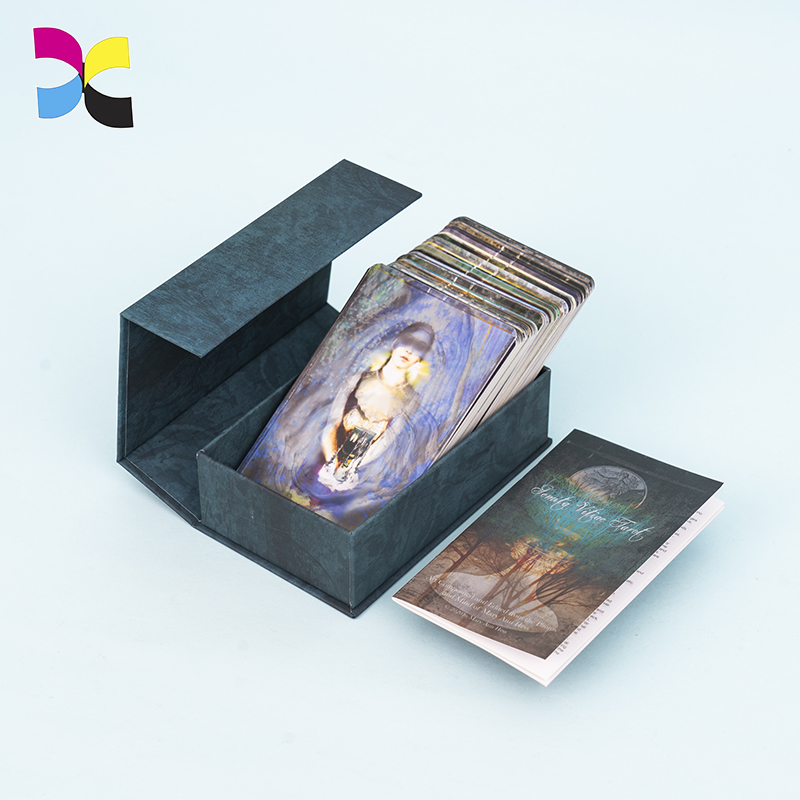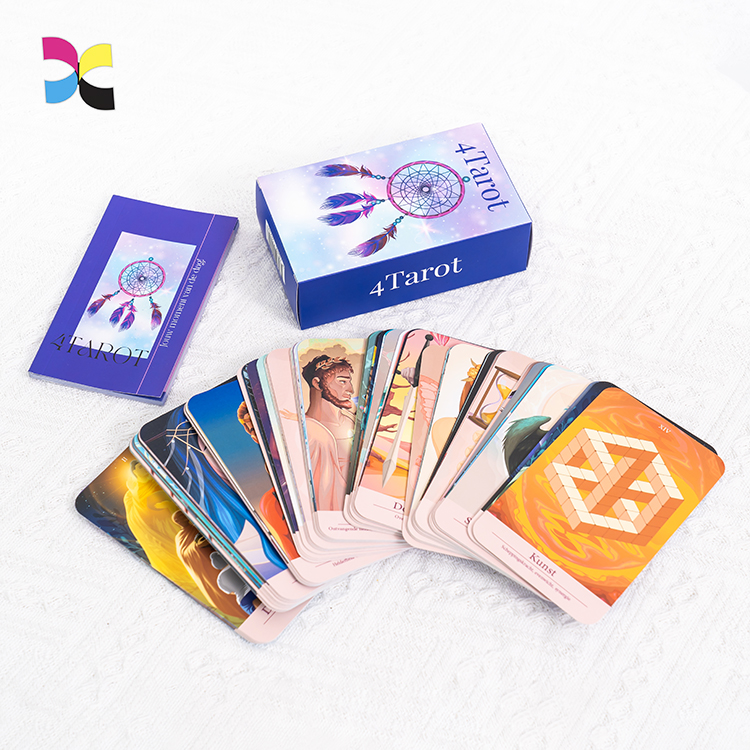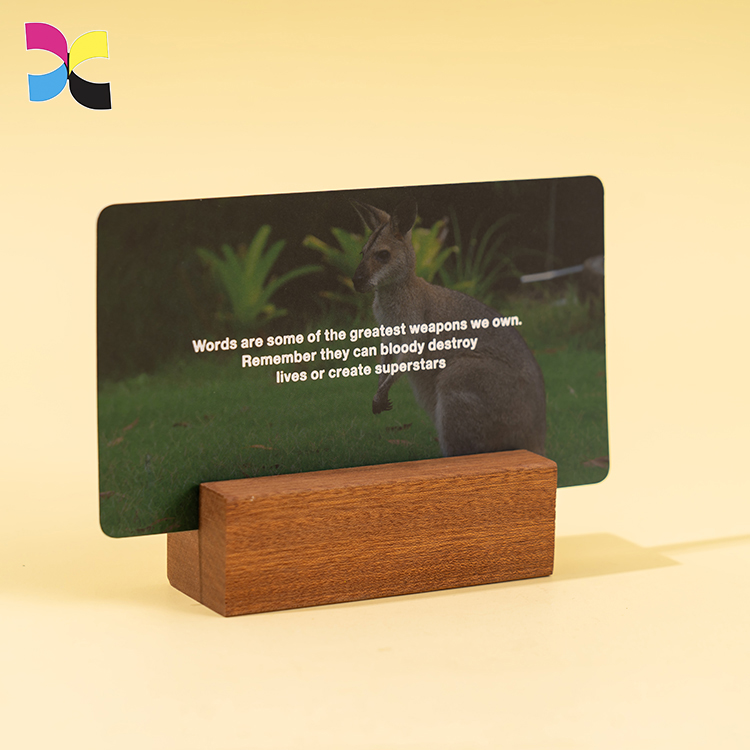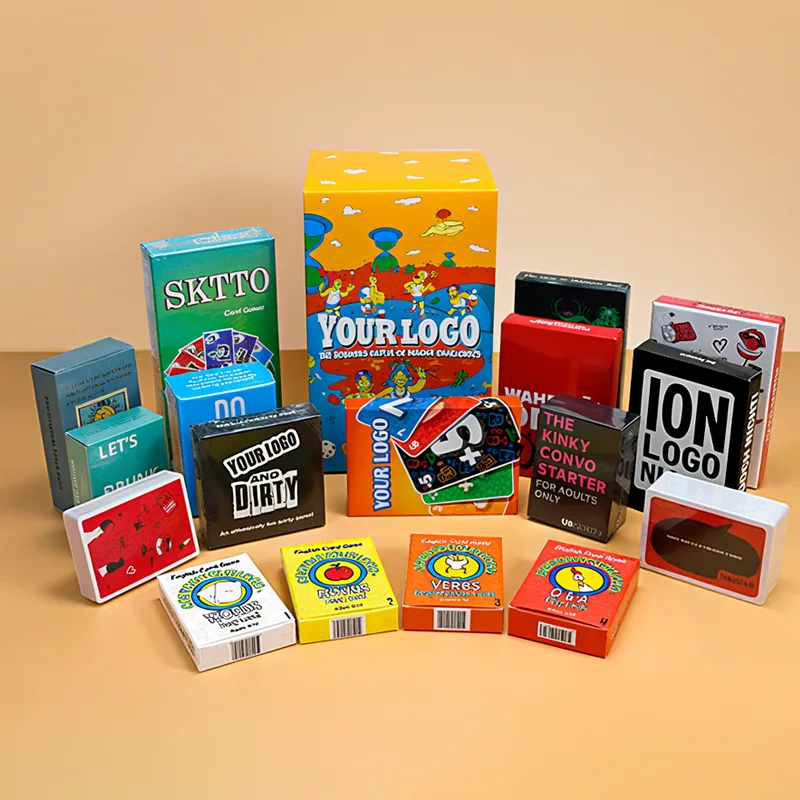
Les cartes à collectionner personnalisées ne sont plus seulement un produit de niche pour les amateurs. Aujourd'hui, ils sont largement utilisés par les éditeurs de jeux, marques, artistes, et des créateurs soucieux de cohérence, durabilité, et présentation professionnelle. À mesure que la demande augmente, une question revient encore et encore:
Où devriez-vous imprimer des cartes à collectionner personnalisées?
La réponse courte est que cela dépend de vos objectifs. La réponse longue est le sujet de ce guide. Du point de vue d’un fabricant professionnel d’impression de cartes, choisir le bon partenaire d'impression peut affecter directement l'apparence de vos cartes, sentir, et jouer dans le monde réel.
Et Xini, nous travaillons avec des clients qui vont au-delà de l'impression en ligne de base et qui ont besoin de services fiables, évolutif, et production de cartes reproductibles. Cet article explique les options disponibles, ce qui compte vraiment dans l'impression de cartes à collectionner, et comment décider quel itinéraire correspond à votre projet.
Pourquoi choisir le bon partenaire est important pour les cartes à collectionner personnalisées
Les cartes à collectionner ne sont pas de simples produits en papier. Contrairement aux dépliants ou aux cartes de visite, ils sont manipulés à plusieurs reprises, mélangé, empilé, et comparés côte à côte. Les petits problèmes de production deviennent très visibles une fois les cartes utilisées.
Lors de l'impression de cartes à collectionner personnalisées, la qualité est définie par des détails tels que:
- Épaisseur et rigidité constantes sur l'ensemble du pont
- Alignement précis d'avant en arrière
- Reproduction des couleurs stable d'une carte à l'autre
- Coupe nette et arrondi uniforme des coins
- Des finitions de surface qui résistent aux rayures et à l'usure
Si ces éléments ne sont pas correctement contrôlés, le produit final peut sembler bon marché, inégal, ou non professionnel, même si l'œuvre elle-même est bien conçue.
Options communes: Où les gens impriment habituellement des cartes à collectionner personnalisées
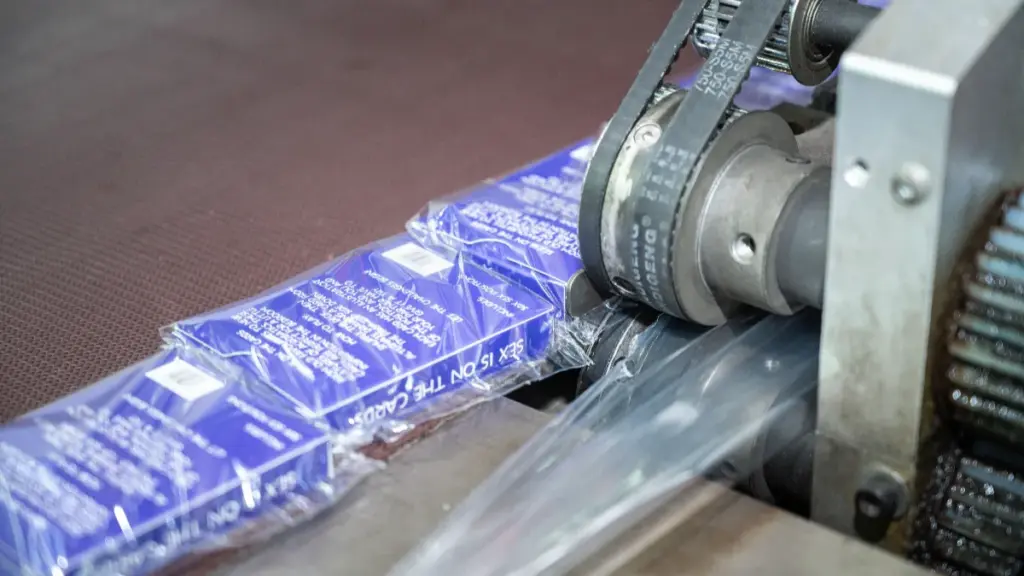
Quand les gens commencent à chercher où imprimer des cartes à collectionner personnalisées, ils découvrent souvent qu’il n’existe pas de « meilleur » endroit pour chaque situation. Plutôt, le marché offre plusieurs options courantes, chacun adapté à des besoins différents, budgets, et les objectifs de production.
Les options ci-dessous décrivent les façons les plus courantes d'imprimer des cartes à collectionner personnalisées aujourd'hui., soulignant comment chaque approche répond aux différents besoins du projet et objectifs de production.
| Option | Meilleure utilisation | Coût | Commande minimale | Qualité & Évolutivité |
|---|---|---|---|---|
| Imprimeries en ligne | Cartes promotionnelles simples et petites séries avec des spécifications de base. | Coût moyen; très bien pour les volumes faibles à moyens, non optimisé pour les très grandes séries. | MOQ faibles à moyens utilisant des étapes de quantité prédéfinies. | Qualité acceptable pour les besoins de base, mais stocks/finitions limités et cohérence plus faible entre les jeux complets et les réimpressions. |
| Plateformes d'impression à la demande | Prototypes, premiers tests, et des projets personnels ou expérimentaux. | Coût unitaire élevé; économique uniquement lorsque vous imprimez de très petites quantités. | Minimums très faibles ou inexistants; imprimer sur commande. | Qualité décente mais matériaux et finitions restreints; s’adapte mal aux coûts et au contrôle pour les projets de plus grande envergure ou à long terme. |
| Imprimeries commerciales locales | Quantités très limitées et urgentes, besoins de base locaux en matière de cartes. | Moyen-élevé pour les cartes; des prix adaptés aux travaux d'impression généraux. | Petites et moyennes séries; non conçu pour les grands programmes de cartes en cours. | Bonne qualité d'impression générale, mais peu de spécialisation en cartes à collectionner; expérience limitée en matière d'uniformité des decks et de décors à grande échelle. |
| Grandes imprimantes & Fabricants de cartes professionnelles (par ex., Xinyi) | Jeux complets, courses de détail/financement participatif, et lignes de cartes à collectionner à long terme. | Coût unitaire le plus bas à grande échelle; idéal pour la production commerciale. | MOQ plus élevés, mais prend en charge les essais pilotes et la production de masse. | Haut, qualité reproductible avec un contrôle strict des matériaux et des finitions; forte évolutivité pour les réimpressions, extensions, et distribution mondiale. |
Imprimeries en ligne
Les imprimeries en ligne sont généralement l'option la plus visible dans les résultats de recherche.. Ces plates-formes sont conçues pour plus de commodité, permettre aux utilisateurs de télécharger des illustrations, sélectionner parmi les spécifications prédéfinies, et passez une commande en quelques minutes.
Ils sont couramment utilisés pour:
- Cartes promotionnelles simples
- Petites quantités
- Projets avec personnalisation limitée
Pour les cartes à collectionner, cependant, les imprimeries en ligne fonctionnent souvent au sein de systèmes fixes. Choix de papier cartonné, finitions de surface, et les tolérances de production sont standardisées pour la vitesse plutôt que pour la spécialisation. Cela peut fonctionner pour les besoins de base, mais cela peut échouer lorsqu'une cohérence sur un jeu complet ou sur plusieurs tirages d'impression est requise.
Plateformes de cartes d'impression à la demande
Les services d'impression à la demande sont populaires parmi les créateurs indépendants et les projets en phase de démarrage. Ils suppriment les exigences minimales de commande et facilitent le test des conceptions ou des concepts..
Ces plates-formes sont généralement choisies pour:
- Prototypes et premiers tests
- Petits lots avec des changements de conception fréquents
- Projets personnels ou expérimentaux
Le compromis est un contrôle limité de la production. Les options matérielles sont généralement limitées, et les coûts unitaires restent relativement élevés à mesure que les quantités augmentent. Pour les projets destinés au commerce de détail, financement participatif, ou distribution à long terme, ces limitations deviennent souvent plus visibles.
Imprimeries commerciales locales
Les imprimeurs commerciaux locaux offrent une autre option, en particulier pour les clients qui apprécient la communication en face à face ou un délai d'exécution rapide pour les courts tirages.
Ils peuvent convenir à:
- Quantités très limitées
- Projets urgents
- Besoins de base en matière d'impression de cartes
Cependant, la plupart des imprimeries locales ne sont pas spécialisées dans la production de cartes à collectionner. Ils se concentrent souvent sur les brochures, conditionnement, ou du matériel de marketing général, ce qui signifie qu'ils peuvent manquer d'expérience en matière d'uniformité du deck, durabilité de la manipulation des cartes, et production de jeux de cartes à grande échelle.
Grandes imprimantes commerciales et fabricants de cartes professionnelles
Au-delà de ces options communément discutées, de nombreuses marques, éditeurs de jeux, et les créateurs sérieux choisissent de travailler directement avec de grands imprimeurs commerciaux ou des fabricants spécialisés de cartes à collectionner., tel que Impression Xinyi.
Cet itinéraire est généralement sélectionné lorsque:
- Des jeux complets ou de grands jeux de cartes sont impliqués
- La cohérence entre des milliers de cartes est essentielle
- Papier cartonné personnalisé, finitions, ou un emballage est requis
- Les cartes sont destinées à la vente, distribution, ou utilisation à long terme
Contrairement aux services d'impression généraux, les fabricants de cartes professionnels fonctionnent avec des systèmes de production conçus spécifiquement pour les produits de cartes. Cela inclut un contrôle plus strict de l’épaisseur, alignement, cohérence des couleurs, et qualité de finition, ainsi qu'une expérience dans la gestion des commandes répétées et de la production évolutive.
Pour de nombreux projets, S'adresser à un fabricant spécialisé ne consiste pas à imprimer plus de cartes, mais à propos de les imprimer mieux, de manière plus cohérente, et avec moins de risques.
Facteurs clés à évaluer avant de décider où imprimer
Avant de décider où imprimer des cartes à collectionner personnalisées, cela vaut la peine de prendre du recul et de regarder au-delà du prix ou de la commodité. Les cartes à collectionner sont des produits fonctionnels, et de petites décisions de production peuvent affecter considérablement l'apparence du jeu final., se sent, et performant dans le temps. Du point de vue de l'impression professionnelle, les facteurs suivants sont ceux qui comptent le plus.
Taille de la carte et cohérence de l'épaisseur

Les cartes à collectionner devraient suivre des normes de taille bien établies, spécialement pour TCG et jeux de cartes à collectionner. La cohérence de l’épaisseur sur l’ensemble du pont est tout aussi importante que la taille.. Les cartes dont l'épaisseur varie, même légèrement, peuvent sembler inégales lorsqu'elles sont empilées ou mélangées.
Les services d'impression en ligne offrent généralement une gamme limitée d'options d'épaisseur prédéfinies conçues pour un usage général.. Usines de cartes professionnelles, d'autre part, se concentrer sur un contrôle plus strict des tolérances, s'assurer que chaque carte d'un jeu soit uniforme en main.
Matériaux et finitions de surface
Papier et le traitement de surface affecte directement la durabilité, sensation de main, et impact visuel. Les options courantes incluent la stratification mate ou brillante, finitions texturées, modèles de lin, feuilles métalliques, et effets holographiques.
Les plates-formes d'impression générales limitent souvent les utilisateurs à une petite sélection de matériaux optimisés pour la rapidité et la simplicité.. Les fabricants de cartes professionnels proposent généralement une gamme plus large de supports et de techniques de finition spécifiques aux cartes., ainsi que des conseils sur les performances de chaque option en utilisation réelle, pas seulement à quoi ça ressemble.
Gestion des couleurs et méthode d'impression
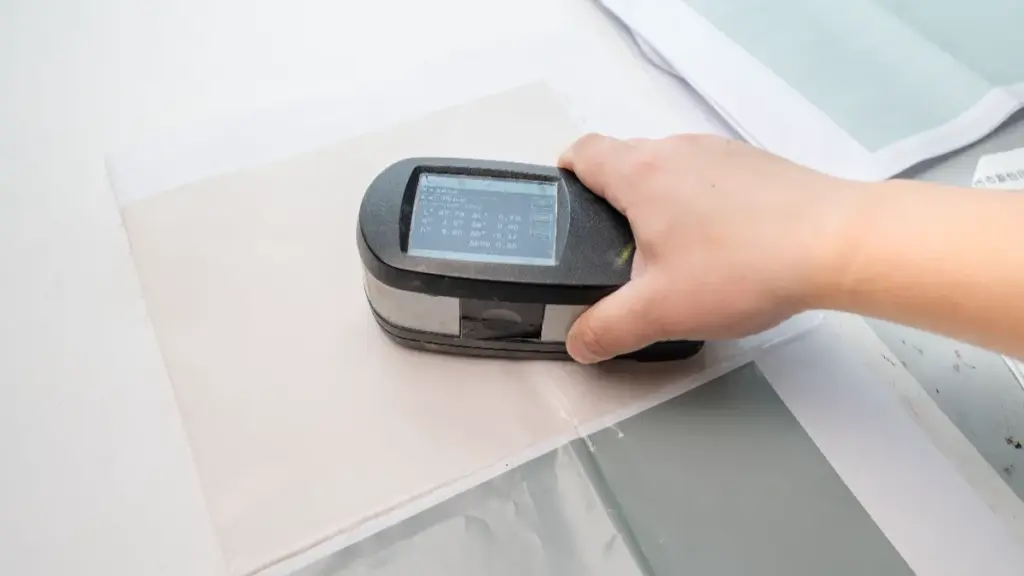
La précision et la cohérence des couleurs sont essentielles à la production de cartes à collectionner, en particulier lors de l'impression de grands jeux ou de plusieurs tirages. Même des changements de couleur mineurs entre les cartes peuvent être perceptibles une fois qu'elles sont disposées côte à côte..
De nombreux services en ligne s'appuient sur des flux de travail numériques standardisés avec un ajustement des couleurs limité. Les usines de cartes professionnelles utilisent généralement des systèmes d'impression offset contrôlés avec une gestion des couleurs calibrée., permettant des résultats plus stables et reproductibles sur des milliers de cartes.
Assistance pré-presse et révision des fichiers
Avant le début de l'impression, les fichiers doivent être vérifiés pour le saignement, alignement, résolution, et configuration des couleurs. Des erreurs à ce stade peuvent entraîner des erreurs de découpe, problèmes de couleur, ou des réimpressions.
Les services d'impression de base automatisent souvent ce processus, signaler uniquement les erreurs techniques évidentes. Les fabricants de cartes professionnelles fournissent généralement des contrôles et des commentaires manuels avant la presse., aider à identifier les problèmes potentiels avant qu'ils n'atteignent la production.
Quantité minimum de commande, Délai de mise en œuvre, et évolutivité
Certains projets démarrent modestement mais sont destinés à évoluer. Il est important de savoir si une imprimante peut prendre en charge à la fois les premiers tirages de validation et la future production en série sans changer de fournisseur..
Les services d'impression à la demande et d'impression rapide excellent pour les petites quantités, mais peuvent avoir des difficultés en termes de rentabilité et de cohérence pour des volumes plus élevés.. Les usines de cartes professionnelles sont structurées pour gérer des tirages plus importants et des commandes répétées, ce qui les rend mieux adaptés aux projets à long terme.
Stabilité de la qualité, Attestation, et conformité
Pour les marques et les éditeurs, la stabilité de la qualité va au-delà de l'apparence. Normes de production, contrôle de processus, et le respect des certifications internationales jouent un rôle dans la gestion des risques et la protection de la marque.
Bien que les petits services d'impression ne puissent pas fonctionner dans le cadre de systèmes de certification formels, les installations de fabrication professionnelles suivent souvent normes reconnues comme l'ISO, BSCI, SEDEX ou d’autres cadres de conformité du secteur, surtout lorsqu'il s'agit de servir les marchés internationaux.
Quand utiliser une imprimerie en ligne ou. un fabricant de cartes professionnel
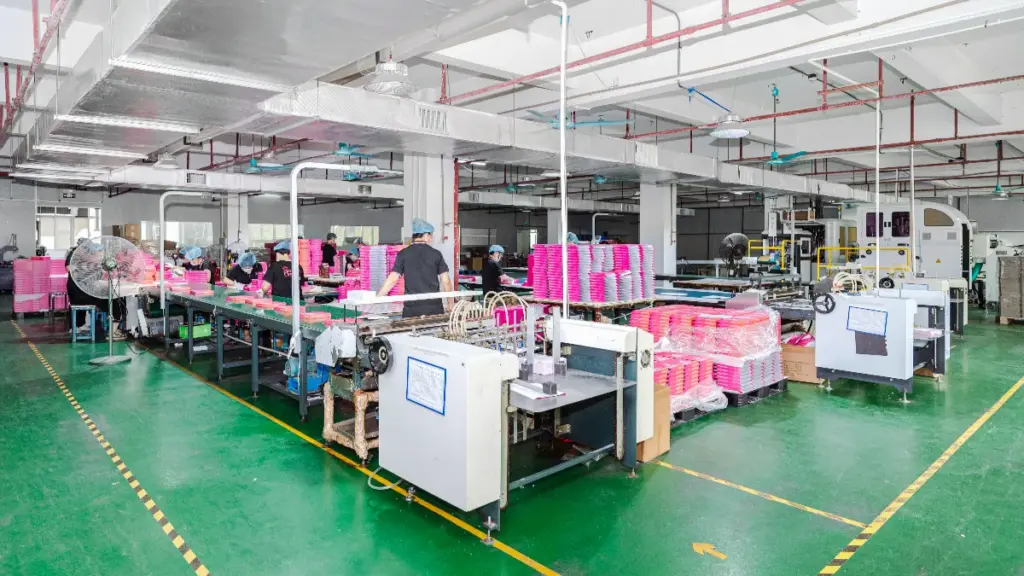
Il n’existe pas de réponse unique adaptée à chaque projet. Le bon choix dépend de l'étape dans laquelle vous vous trouvez et de ce que vous attendez du produit final..
Les imprimeries en ligne ou les services d'impression à la demande ont du sens lorsque:
- Vous testez un concept
- Il vous faut une très petite quantité
- Le budget est la première préoccupation
- La cohérence à long terme n’est pas critique
Un fabricant de cartes professionnel devient le meilleur choix lorsque:
- Vous produisez des jeux complets ou de grands jeux de cartes
- Vous avez besoin d’une qualité constante sur plusieurs tirages d’impression
- Vous envisagez de vendre, distribuer, ou publier les cartes
- Vous avez besoin de matériaux personnalisés, finitions, ou emballage
À mesure que les projets grandissent, de nombreux créateurs se rendent compte que le coût de l'incohérence, réimpressions, ou les problèmes de qualité peuvent être supérieurs aux économies initiales liées à l'utilisation d'un service d'impression général..
Pourquoi l'impression Xinyi est une option intéressante pour l'impression de cartes à collectionner personnalisées

Xinyi Printing se concentre sur l'impression et l'emballage de cartes personnalisées pour des clients internationaux, y compris les jeux de cartes à collectionner, lignes de cartes à collectionner, cartes flash, et produits de cartes de marque. Avec une usine de 20 000㎡, 280+ personnel, et plus 28 années dans l'imprimerie, nous sommes configurés pour gérer des complexes, des projets à plusieurs composants plutôt que de simples impressions individuelles.
Pour les cartes à collectionner, nous offrons:
- papiers cartonnés standard et premium adapté aux TCG, cartes à collectionner sportives, cartes éducatives, Et plus;
- une large gamme de finitions, y compris mat, brillant, toucher doux, Revêtements UV, tamponnage en feuille, et effets holographiques;
- solutions d'emballage complètes, comme des boîtes de rangement, boîtes rigides, boosters, inserts, et présentoirs prêts à la vente au détail;
- vérification des fichiers, assistance prépresse, échantillonnage rapide, et mises à jour de production en temps réel via une équipe multilingue.
Parce que nous travaillons directement au niveau de la fabrication, les clients ne sont pas limités aux options prédéfinies. Nous aidons à évaluer les matériaux, finitions, et des méthodes de production basées sur la manière dont les cartes seront réellement utilisées.
Si vous prévoyez un projet de carte à collectionner personnalisée et nous avons besoin d'un fabricant capable de prendre en charge à la fois la qualité et l'échelle, Xinyi Printing est prêt à travailler avec vous.
Comment démarrer votre projet de carte à collectionner personnalisée avec Xinyi Printing
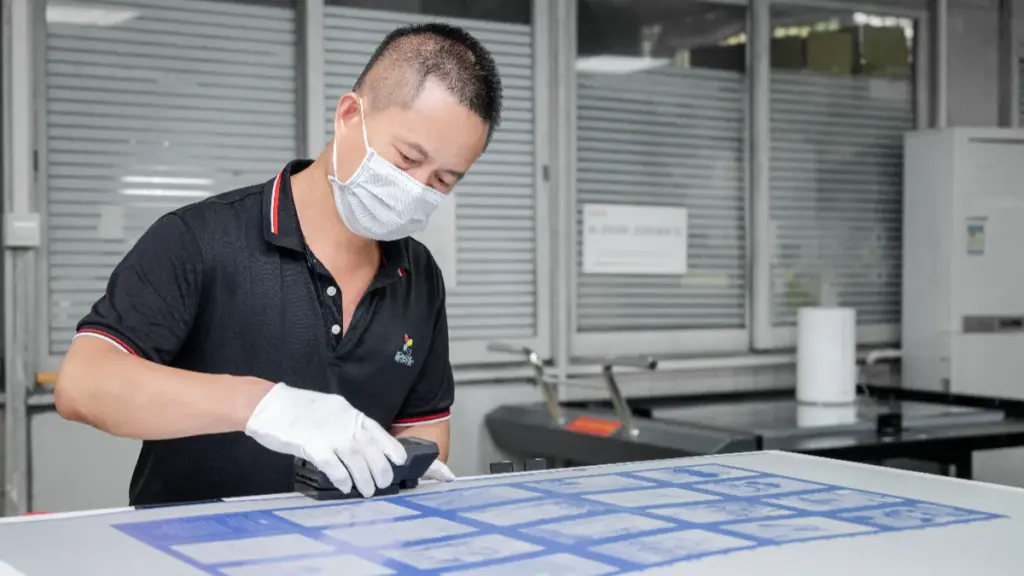
Démarrer un projet avec un fabricant professionnel n’a pas besoin d’être compliqué. Et Xini, nous gardons le processus clair et structuré.
La première étape est définir les spécifications de base, y compris la taille de la carte, quantité, papier cartonné, et finition de surface. Si vous n'êtes pas sûr, notre équipe peut vous recommander des options en fonction de votre application.
Vient ensuite préparation du dossier. Nous acceptons les formats professionnels standards tels que PDF, IA, et PSD, et nous fournissons des conseils sur le saignement, mode couleur, et mise en page pour éviter les problèmes de production.
Échantillonnage est disponible pour les projets qui nécessitent une confirmation des matériaux ou des finitions. Cela vous permet d'examiner les résultats physiques avant de passer à la pleine production..
Une fois approuvé, délais de production sont programmés, suivi d'une inspection de la qualité et d'un emballage prêt à l'exportation. Tout au long du processus, la communication est gérée directement avec notre équipe de production.
Pour en savoir plus sur le processus étape par étape et les options détaillées de création de vos cartes, consultez notre guide d'impression de cartes à collectionner personnalisées
Conseils pratiques pour les créateurs avant d'envoyer des fichiers à une imprimante
Quel que soit l'endroit où vous imprimez, quelques étapes pratiques peuvent contribuer à garantir de meilleurs résultats.
- Assurez-vous que votre illustration est configurée en mode couleur CMJN et comprend un fond perdu approprié.. Les cartes à collectionner sont découpées avec précision, et le fond perdu permet d'éviter les bords blancs indésirables.
- Évitez de placer du texte ou des symboles importants trop près des bords ou des coins. Les coins arrondis peuvent affecter la visibilité si les marges sont trop étroites.
- Si votre deck comprend de nombreuses cartes, revérifier la numérotation, symboles, et alignement entre les fichiers. Les petites erreurs se multiplient rapidement dans les grands jeux de cartes.
- Enfin, penser au-delà de l'apparence. Comment se sentiront les cartes après des manipulations répétées? Comment vont-ils s'empiler? Ces questions conduisent souvent à de meilleurs choix de matériaux et de finitions.
Pensées finales
Lorsque vous demandez où imprimer des cartes à collectionner personnalisées, la vraie question est de savoir quel niveau de qualité, cohérence, et la fiabilité dont votre projet a besoin.
Les imprimeries en ligne et les plateformes d’impression à la demande ont un but, surtout pour les idées précoces. Mais pour les projets qui visent à évoluer, vendre, ou construire une marque durable, travailler directement avec un fabricant professionnel d'impression de cartes offre un niveau de contrôle et de confiance différent.
Impression Xinyi soutient les clients qui souhaitent que leurs cartes à collectionner aient un aspect professionnel, se sentir bien en main, et effectuer des performances constantes tout au long des cycles de production. Si vous êtes prêt à aller au-delà de l'impression de base et à travailler avec un fabricant qui comprend les cartes à collectionner au niveau de la production, notre équipe est prête à accompagner votre projet.