When designing flashcards, many projects run into problems long before printing begins—text feels cramped, cards are hard to handle, or production costs turn out higher than expected. In most cases, the issue comes down to one overlooked factor: card dimensions.
As flashcards continue to grow in demand across education, training, and retail markets, choosing the right size has become more important than ever. This guide explains the standard dimensions of flashcards and how to select the right size before printing.
Read More: What Is the Trading Card Size? Everything You Need to Know
What Are the Standard Dimensions of Flashcards?
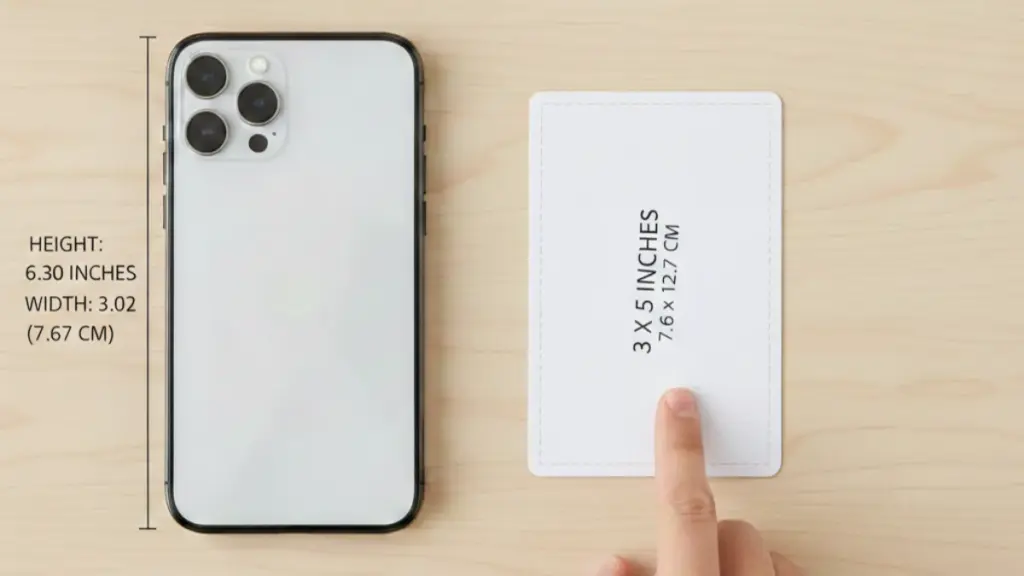
Across the education and stationery market, the most widely recognized standard flashcard size is 3 × 5 inches (about 7.6 × 12.7 cm). The most common standard flashcard dimensions are:
- 3 × 5 inches (76 × 127 mm)
- 4 × 6 inches (102 × 152 mm)
- 2.5 × 3.5 inches (63 × 88 mm, poker-size)
- A6 (105 × 148 mm)
Below, we provide a closer look at each size and its typical applications.
3 × 5 Inches (76 × 127 mm)
This classic size is compact yet provides enough space for questions and answers. It is versatile for general study, easy to shuffle, and suitable for both students and professionals in individual or small group learning.
4 × 6 Inches (102 × 152 mm)
A larger card offering more room for text or illustrations. Ideal for classroom teaching, children’s learning, or any scenario where visibility and clear organization are important.
2.5 × 3.5 Inches (63 × 88 mm, Poker Size)
A small, portable card that fits easily in pockets or small storage boxes. Often used for quick review or mobile learning, providing convenience without sacrificing usability.
A6 (105 × 148 mm)
An internationally recognized size that aligns with ISO paper standards. Provides a professional look and accommodates simple diagrams, text, or corporate training materials efficiently.
Flashcard Sizes and Recommended Applications
| Application / Scenario | Recommended Flashcard Size |
|---|---|
| Individual study or review | 3 × 5 in (76 × 127 mm) |
| Classroom teaching or group activities | 4 × 6 in (102 × 152 mm) |
| Portable or travel-friendly flashcards | 2.5 × 3.5 in (63 × 88 mm) |
| Corporate training or professional materials | A6 (105 × 148 mm) |
| Flashcards with diagrams or illustrations | 4 × 6 in (102 × 152 mm) |
How to Choose the Right Flashcard Dimensions Before You Print
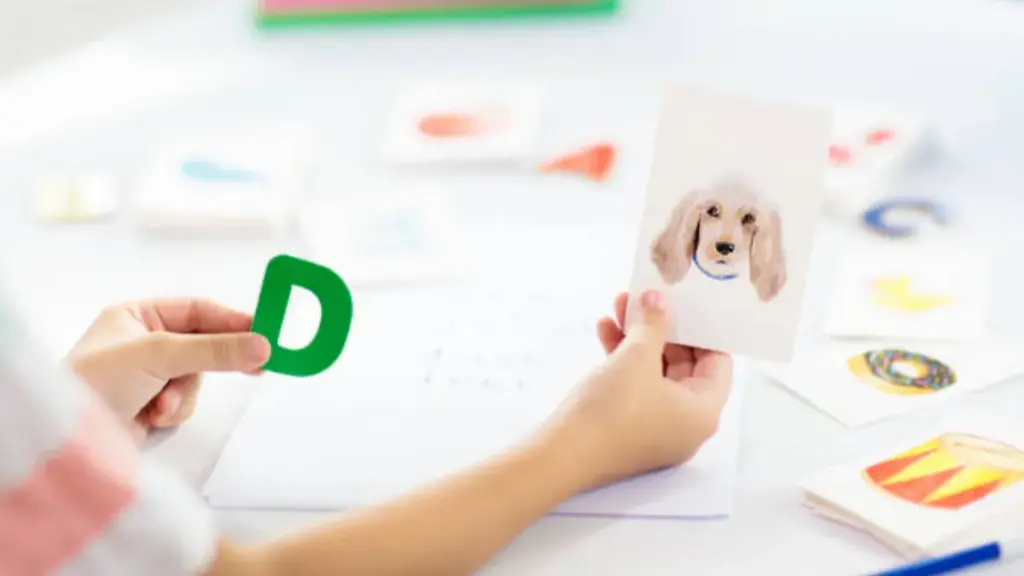
Selecting the right flashcard dimensions is a practical decision that should be based on usage, content, and production requirements. Here are the key questions we usually walk through with clients before we start tooling and printing.
1. What Type of Content Will Go on Each Card?
Start by thinking about what each card needs to hold.
- Short prompts only (single words, short formulas): small or standard sizes like 2 x 3.5 in or 3 x 5 in are usually enough.
- Text plus small diagrams or examples: 4 x 6 in or A6 gives you more flexibility without feeling oversized.
- Large illustrations, charts, or multi‑step explanations: 5 x 7, 5 x 8, or even 6 x 9 can make sense, especially for teaching sets.
If you already have sample layouts in a design tool, sharing them with your printer is helpful – we can quickly see whether your planned content will feel cramped on a chosen size.
2. Who Is the End User?

Audience age and context play a big role.
- Young children: Larger cards (A6, 4 x 6, 5 x 7) with bigger type and strong visuals are easier for them to hold and see.
- Teen and adult self‑learners: 3 x 5 or A7 is often ideal for portability and quick review.
- Classroom or group sessions: 4 x 6, 5 x 7, or 5 x 8 improve visibility when a teacher holds up cards or places them on a board.
At Xinyi Printing, a common pattern we see is brands offering a main deck in 3 x 5 or A6, plus a separate teacher pack in a larger format.
3. How Will the Flashcards Be Used and Stored?
Use case affects both dimensions and thickness.
- On‑the‑go review (bags, pockets, commute): smaller cards are more practical and less likely to get damaged if paired with a tuck box or plastic case.
- Desk or home study: medium and large cards are fine, especially if they stay in a tray or on a stand.
- Classroom sets: you may need to consider storage boxes, hanging pockets, or bundled sets, which all interact with your chosen dimensions.
We also look at how you plan to package the product – for example, 100 cards of 3 x 5 in will require a smaller box than 100 cards of 5 x 8 in, and shipping weights and carton layouts change accordingly.
4. Which Markets Are You Selling To?
If you sell primarily in North America, inch‑based standards (3 x 5, 4 x 6, 5 x 8) make sense. If you target Europe and other ISO markets, A6 or A7 might feel more natural to buyers and retailers.
Some brands choose a core design and then have us adapt it to both an inch size and an A‑series size for different SKUs. That way, artwork and content stay consistent while the physical format fits local expectations.
5. What Does Your Budget and Print Run Look Like?
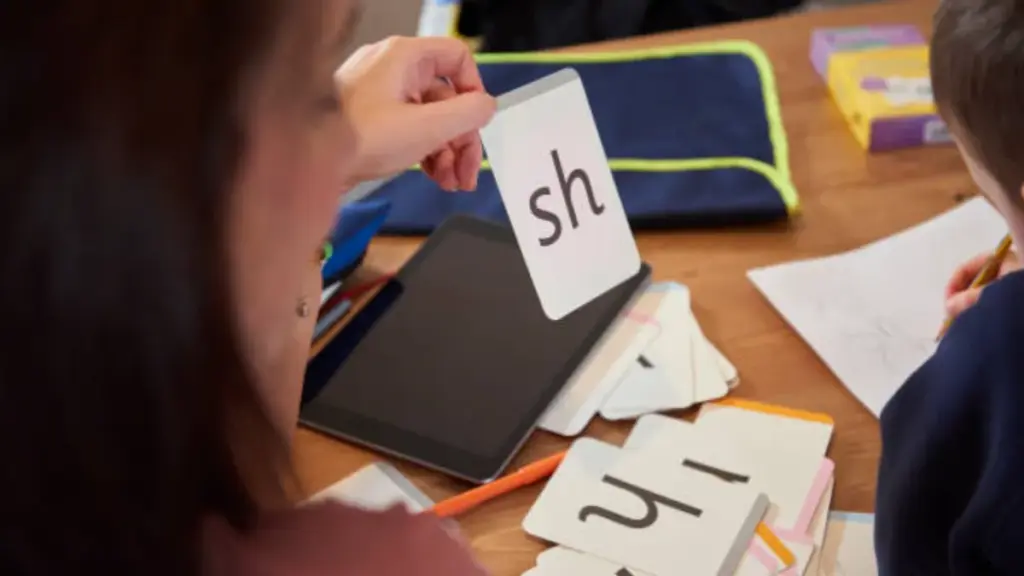
Larger cards use more material and can reduce how many pieces fit on a sheet, which affects cost per unit. For example:
- 3 x 5 in or A7 cards can often be ganged efficiently on standard press sheets, lowering waste.
- 5 x 8 in cards may require different sheet layouts, and their boxes and shipping cartons will also be bigger and heavier.
As a card printing manufacturer, we can simulate different nesting options on our press sheets and suggest the most cost‑efficient dimension within your desired range.
Contact Us
Choosing the right dimensions of flashcards before printing can prevent costly revisions and ensure your cards are effective, durable, and easy to use.
At Xinyi Printing, we work closely with clients to:
- Recommend suitable flashcard dimensions based on use and content
- Provide professional guidance on materials and finishes
- Support both low-MOQ and large-scale production
- Ensure consistent quality from design to final delivery
If you are planning a flashcard project and would like expert advice on dimensions, printing specifications, or customization options, our team is ready to assist.
👉 Visit https://xinyicardprinting.com/ to contact us and start your inquiry.