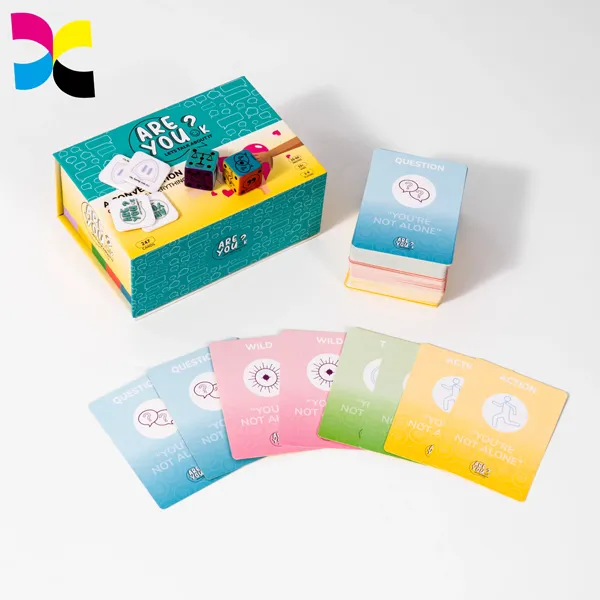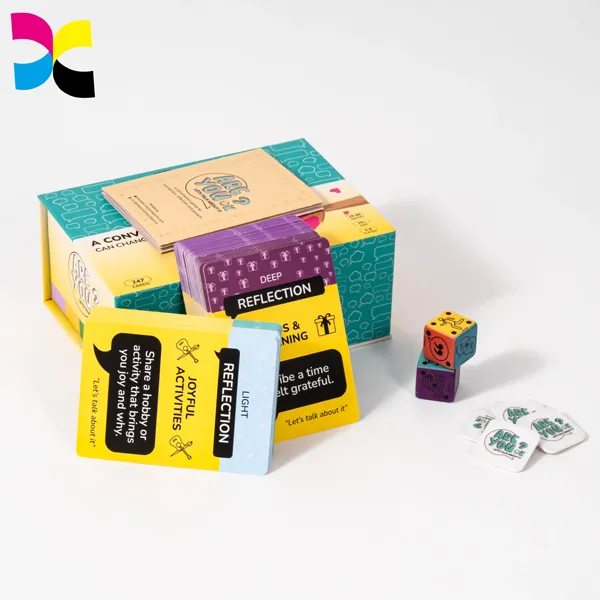
Starting a trading card business is exciting, but many founders struggle with the same questions: should they resell cards or create their own, how much it really costs to get started, and what steps actually matter in the beginning. Poor decisions early on—especially around production and budgeting—can be expensive to fix later.
This guide walks you through a clear 9-step roadmap, showing exactly what to do to start and grow a trading card business in today’s market. It explains how the business works, what to prepare before printing, and how to move from idea to launch with confidence. Written from the perspective of a professional trading card printing manufacturer, this updated guide reflects current industry practices and serves as a practical blueprint you can follow.
What Is a Trading Card Business and How Does It Make Money?
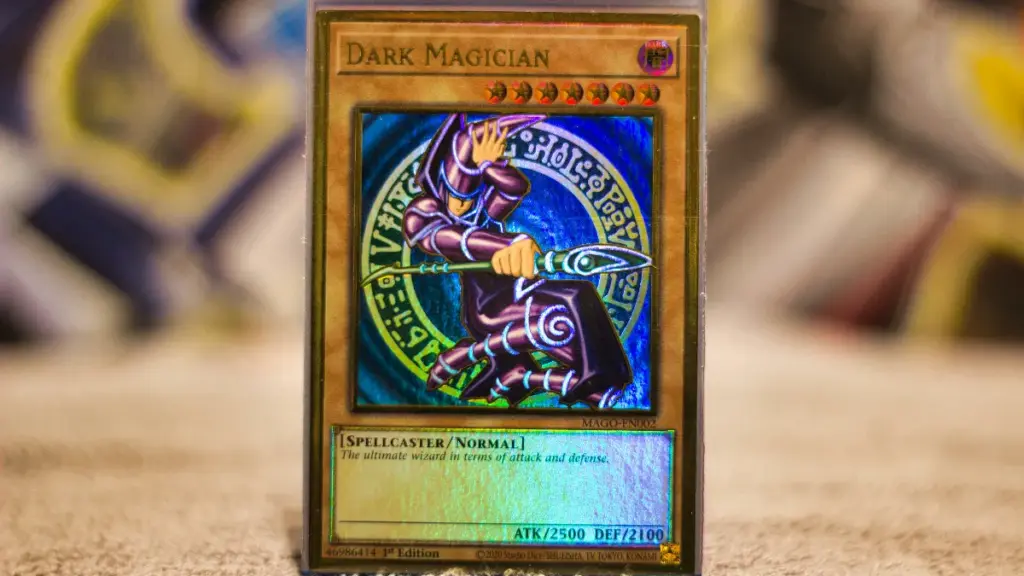
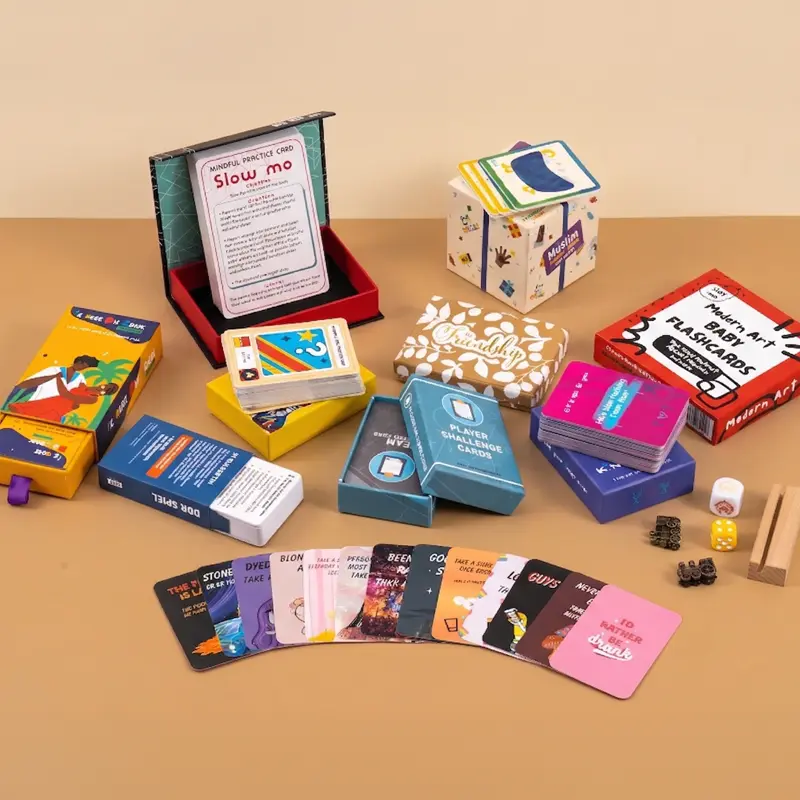
A trading card business is any operation that creates, sells, or resells collectible or game-oriented cards for profit. That includes original trading card games (TCGs), licensed collectibles, sports cards, character cards for brands, and more. Most trading card businesses make money in a few main ways:
- Selling sealed products like booster packs, starter decks, and boxed sets.
- Selling single cards, especially graded or high-value “chase” cards.
- Selling custom or branded cards for events, influencers, or companies.
The key is simple: you buy or produce cards at one cost, then sell them at a higher perceived value through design, rarity, branding, and customer experience.
Is Trading Card Business Profitable in Today’s Market?
Yes, but profitability is not guaranteed.
The market has grown significantly over the past decade, driven by online communities, livestream sales, crowdfunding platforms, and nostalgia-driven demand. However, competition has also increased. The most profitable trading card businesses today usually share three traits:
- A clearly defined niche
- Controlled production costs
- Consistent product quality
New entrants who underestimate manufacturing costs, overproduce inventory, or rush to market without validation often struggle. Profitability comes from planning, not speed.
Trading Card Market Overview and Key Opportunities
Today’s trading card market is no longer dominated solely by large brands. Independent creators and small studios now launch successful projects through:
- Crowdfunding campaigns
- Direct-to-consumer online stores
- Community-driven marketing (Discord, social platforms)
Key opportunities include:
- Niche themes with passionate audiences
- Limited runs and premium finishes
- Custom-designed card games or educational decks
Tips: Shorter print runs with flexible customization are increasingly popular—especially for startups testing the market.
Trading Card Business Models Explained
Before taking any operational steps, you need to choose a business model.
- Reseller model: Buying and selling existing cards. Lower creative effort, higher dependence on market prices.
- Creator model: Designing and producing your own card set or game. Higher setup effort, but more control over branding and margins.
- Hybrid model: Selling existing cards while gradually introducing original products.
Your model will directly affect your costs, timelines, and production requirements.
Step 1: Choose Your Niche and Target Customers
Before you dive into production or sales, it’s essential to choose your path based on the business model you prefer. The three main models we discussed—Creator, Reseller, and Hybrid—can each be thought of as a distinct route. Selecting a route helps you focus on the right niche, target audience, and next actions.
| If you are… / If you like… | Recommended Route | Why this Route Works |
|---|---|---|
| Creative and want to design your own cards | Creator (Original Cards) | You can offer unique products and build a brand around originality. |
| Interested in buying and selling popular cards | Reseller (Existing Cards) | You can start quickly with lower upfront design effort, focusing on sourcing and sales. |
| Want a mix of both creative control and resale opportunities | Hybrid (Mixed Model) | Combines originality with existing demand, building brand identity while leveraging market trends. |
| Unsure or exploring multiple interests | Start small with Hybrid | You can test both approaches with minimal risk and adjust based on customer response. |
Route 1: Creator (Original Cards)
Focus on designing and producing your own trading card sets. Your goal is to offer something unique that players or collectors cannot find elsewhere.
Next 3 actions:
- Define the theme or concept of your cards.
- Determine your initial card count, rarities, and product format.
- Plan artwork and printing specifications in consultation with a trading card printing manufacturer.
Route 2: Reseller (Existing Cards)
Focus on buying and selling popular cards, targeting collectors or investors.
Next 3 actions:
- Research which card sets or brands have high demand and resale value.
- Establish sourcing channels and pricing strategy.
- Identify your sales platform—online marketplaces, retail, or both.
Route 3: Hybrid (Mixed Model)
Combine reselling popular cards with limited original releases to build a brand and community.
Next 3 actions:
- Decide which portion of your inventory will be original vs resale.
- Align marketing and community engagement around both types of products.
- Coordinate production timelines so original products complement resale offerings.
As you choose your route, ask yourself: Who are my ideal customers? What motivates them to buy? And what unique value can I deliver? Keeping these questions in mind ensures that the next steps—planning, budgeting, and sourcing—are aligned with the right audience and business model.
Step 2: Create a Practical Trading Card Business Plan

After choosing your route in Step 1, it’s time to create a practical business plan. Your plan doesn’t need to be complex, but it must map out your product, audience, costs, and goals. A clear plan helps you stay organized and ensures your next steps—like production, marketing, and sales—are aligned with your chosen model.
Creator (Original Cards)
If you are designing your own cards, your plan should focus on product uniqueness and production feasibility.
Key actions:
- Define your card concept, theme, and target audience.
- Estimate production quantities, card types, and variations (rarities, foil, limited editions).
- Set realistic timelines for design, prototyping, and printing with your manufacturer.
- Outline pricing strategy and projected revenue per product line.
Reseller (Existing Cards)
If your model focuses on buying and selling popular cards, the plan should focus on sourcing, pricing, and inventory.
Key actions:
- Identify high-demand cards and reliable suppliers.
- Determine your inventory levels, purchase frequency, and budget.
- Set competitive pricing based on market research.
- Plan your sales channels—online marketplaces, local shops, or both.
Hybrid (Mixed Model)
For hybrid entrepreneurs, your plan should balance original products with resale inventory.
Key actions:
- Decide the mix between original and resale cards.
- Schedule production and sourcing so that original releases complement resale offerings.
- Align marketing and community engagement for both product types.
- Set pricing and profit targets for each product category.
Step 3: Calculate Startup Costs and Set Your Budget
Each business model has different cost drivers, so your budget should reflect your chosen route. Below are realistic cost ranges based on current market pricing for printing and retail inventory.
Creator (Original Cards)
Creators focus on designing and producing their own card products. Key cost components include design work, prototypes, printing, packaging, and initial marketing.
Typical Cost Ranges:
- Design and artwork: $300–$1,500 (depending on freelancer/agency)
- Prototyping: $30–$150 per prototype deck (digital print sample)
- Printing (Production run):
- 100–500 units: ~$1.00–$2.50 per card
- 500–1,000 units: ~$0.30–$0.80 per card (bulk)
Example: A standard 54‑card deck in a custom tuck box could be $250–$600+ for 1,000 sets depending on stock and finish.
- Packaging and finishing (foil, spot UV): $0.10–$0.60 per card extra
- Shipping & fulfillment: $10–$30 per carton domestically; higher for international
Estimated Total Startup Budget (Creator):
➡️ $1,500 – $6,000+ depending on run size, finishing quality, and packaging choices.
Reseller (Existing Cards)
Resellers don’t produce cards, but their budget mainly goes into acquiring inventory and preparing it for sale. Costs vary based on card types and volumes.
Typical Cost Ranges:
- Initial inventory: $1,500–$5,000+ for a diversified stock of popular sports or TCG cards
- Storage & shipping supplies: $100–$500
- Marketplace or listing fees: varies by platform (e.g., eBay, TCGplayer)
- Website setup (optional): $500–$2,000
Estimated Total Startup Budget (Reseller):
➡️ $3,000 – $7,000+ to build a meaningful inventory, cover initial fees, and prepare for sales.
Hybrid (Mixed Model)
This combines original card products with resale inventory. Your budget must reflect both production and inventory acquisition.
Typical Cost Ranges:
- Original printing (smaller runs): $300–$2,000 depending on run size and finish
- Existing card stock: $1,000–$5,000+
- Marketing & packaging: $500–$1,500
- Fulfillment & storage: $200–$800
Estimated Total Startup Budget (Hybrid):
➡️ $4,000 – $10,000+ depending on how heavily you weight original cards vs resale stock.
Budget Planning Tips
- Start with a prototype: Ordering a small print run or sample deck helps validate design and printing quality before large orders.
- Negotiate with manufacturers: Larger quantities often reduce per‑card cost significantly (a common threshold is 500–1,000 units).
- Include contingencies: Always set aside 5–10% of your total budget for unexpected revisions, delays, or shipping cost fluctuations.
By mapping your budget to the realities of printing and inventory acquisition, you can avoid overspending and shape realistic expectations before moving forward with production or sales.
Step 4: Source or Create Your Trading Cards
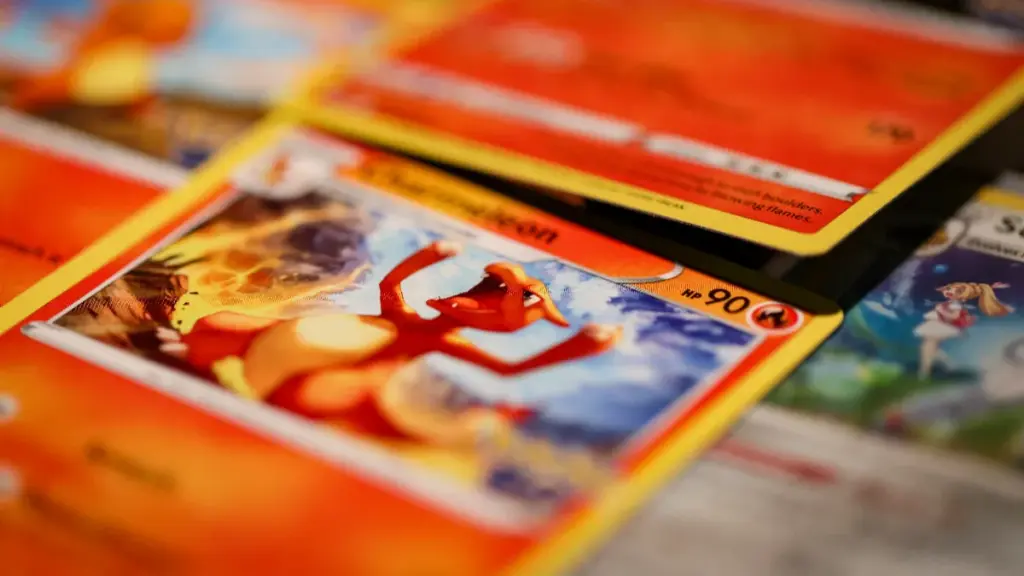
Once you’ve planned your budget and business strategy, the next step is to get your cards into production or sourcing. This step is where your business idea starts to become tangible. The approach differs depending on whether you are creating original cards, reselling existing ones, or doing a hybrid model.
Creator (Original Cards)
As a creator, your focus is on producing high-quality, unique cards that appeal to your target audience. This involves coordinating with designers and manufacturers.
Key actions:
- Finalize card design and artwork – ensure all graphics, text, and layouts are print-ready. You can learn more about the full design and printing process in our guide: How to Create and Print Custom Trading Cards
- Choose materials and finishes – decide on card stock, coatings (gloss, matte, linen), and packaging options. High-quality finishes improve durability and perceived value.
- Request prototypes from a manufacturer – get sample decks to check color accuracy, card thickness, and box fit before committing to a full print run.
- Confirm production timelines and quantities – align your printing schedule with launch plans to avoid delays.
Tip: Partnering with an experienced trading card manufacturer, like Xinyi, ensures your designs are optimized for production and reduces the risk of costly errors.
Read Now: Where to Print Custom Trading Cards?
Reseller (Existing Cards)
If you are focusing on reselling popular cards, sourcing strategy is key to profitability.
Key actions:
- Identify reliable suppliers or distributors – research wholesalers, retail auctions, or trade networks.
- Verify authenticity and condition – ensure cards are legitimate, graded if necessary, and in good condition for resale.
- Plan inventory based on demand trends – focus on cards with consistent interest and resale value.
- Prepare packaging and storage solutions – even resale cards should be shipped safely to maintain value.
Tip: Keeping a small initial inventory and scaling as demand grows minimizes risk and prevents overstock.
Hybrid (Mixed Model)
Hybrid businesses require a coordinated approach to handle both original and resale products.
Key actions:
- Source resale inventory first – secure the cards that will generate quick revenue.
- Coordinate original card production – schedule prototypes and bulk production to complement resale launches.
- Plan logistics for both product types – organize storage, packaging, and shipping to avoid bottlenecks.
- Test market response – consider launching a small batch of original cards alongside resale products to gauge interest before committing to larger runs.
Tip: Clear separation of production and sourcing timelines ensures hybrid operations remain manageable and profitable.
By completing Step 4, you move from planning to tangible inventory or product prototypes. This step also sets the stage for pricing, marketing, and community-building in the following steps, and ensures your business can deliver high-quality products that meet customer expectations.
Step 5: Set Up Your Business Legally and Financially
Even a small card business needs a proper foundation. Depending on your country and region, you may need to:
- Register a legal business entity.
- Open a business bank account and payment methods.
- Keep clear records of income, expenses, and taxes.
- Secure rights or licenses for any third-party IP you use.
If you work with licensed content, you must have written permission from the IP owner. A compliant manufacturer will only produce cards with properly authorized artwork and content, and will support confidentiality, NDAs, and secure workflows.
Spending time on structure at the beginning protects you later, especially when you grow or start distributing internationally.
Step 6: Build Your Store and Choose Sales Channels
After you have your products ready—whether they’re original cards, resale inventory, or a mix—it’s time to set up your sales channels. This step is largely similar for all trading card businesses, but the emphasis differs slightly depending on your model.
Key actions:
- Decide on your main sales channel:
- Creator: Independent website, crowdfunding platforms, and specialty marketplaces.
- Reseller: Online marketplaces like eBay, TCGplayer, or local stores.
- Hybrid: Combination of both, depending on the product type.
- Set up your online store or listings: Include clear product images, descriptions, and shipping information.
- Implement secure payment systems: PayPal, Stripe, or other trusted platforms.
- Optimize for customer experience: Easy checkout, clear policies, and responsive support.
Tip: Even though the core setup is similar, creators should highlight originality in product presentation, while resellers should emphasize authenticity and condition. Hybrid businesses should clearly separate original and resale products in listings to avoid confusion. shipping protection—elements that should be discussed with your printer during production planning.
Step 7: Price Your Trading Cards and Define Profit Strategy
Setting the right price ensures your business remains profitable while appealing to customers. Start by calculating your cost per unit, including production, packaging, shipping, and platform fees. Determine a realistic profit margin, typically 30–60% depending on card type and rarity. Research market prices from competitors and marketplaces to stay competitive.
Adjust pricing based on your model: creators can charge more for limited editions, resellers should track demand closely, and hybrids may use different margins for original versus resale products. Test your pricing and iterate based on customer feedback and sales performance to optimize revenue.
Step 8: Launch, Market, and Build a Community
Successful launches rarely rely on ads alone. Community-building is essential.
Effective strategies include:
- Pre-launch previews
- Transparent production updates
- Limited editions for early supporters
Consistent quality reinforces trust—especially when customers receive the physical product for the first time.
Step 9: Manage Inventory, Fulfillment, and Customer Experience
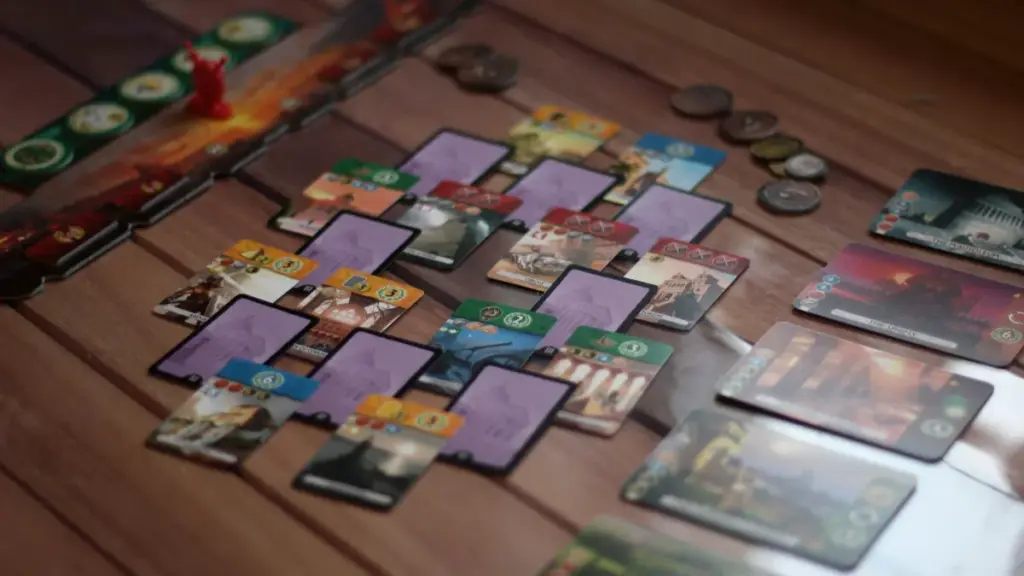
Poor fulfillment can damage even the best product.
Plan for:
- Safe storage
- Protective packaging
- Reliable shipping partners
- Clear replacement policies
Manufacturing consistency reduces customer complaints related to defects or color variation.
Common Mistakes New Trading Card Businesses Make
Many new creators and brands run into similar problems, such as:
- Printing too much inventory before validating demand.
- Underestimating artwork, development, or printing timelines.
- Choosing poor-quality materials that disappoint players.
- Ignoring legal issues around IP and licensing.
- Treating manufacturing as a one-off task instead of a partnership.
A practical way to avoid these mistakes is to test in small batches, work closely with an experienced card printer, and keep your first product line focused and manageable.
FAQs
How to start a trading cards business from home?
Many creators start from home by outsourcing printing and fulfillment. The key is choosing a manufacturer that supports small to medium print runs with consistent quality.
How much does it cost to start a trading card business?
Costs vary widely, but initial budgets often range from a few thousand dollars for small runs to significantly more for premium editions.
How long does it take to become profitable?
Most businesses take several months to a year, depending on demand, pricing, and production efficiency.
Do I need a license to sell trading cards?
Requirements depend on your country and whether you use licensed intellectual property.
How to scale a trading card business long-term?
Scaling usually involves expanding product lines, improving production efficiency, and maintaining consistent quality across larger volumes.
Final Thoughts
Starting a trading card business is both creative and operational. While branding and marketing attract customers, product quality and production reliability determine whether they return.
Working with an experienced trading card printing manufacturer allows you to focus on growing your business while ensuring your cards meet professional standards. At Xinyi Printing, we support creators and brands at every stage—from prototyping to large-scale production—helping ideas turn into tangible products that customers trust.
If you’re planning your next trading card project, understanding the process is the first step. Executing it well is what sets successful businesses apart.