새로운 보드게임을 개봉할 때, 그만큼 게임 보드 일반적으로 가장 먼저 만지는 구성 요소입니다., 펴다, 그리고 감탄하다. 그 견고함, 부드러움, 인쇄 품질 모두가 게임의 고급스러운 느낌에 기여합니다. 그런데 실제로 게임판은 어떤 재료로 만들어지나요?? 일부 보드가 더 두껍게 느껴지는 이유는 무엇입니까?, 즐겁게 하다, 더 내구성, 아니면 그냥 좀 더 “럭셔리한”,” 다른 사람들은 거칠다고 느끼고 접는 것을 거부하는 반면?
보드 게임의 촉각적 매력을 높이고 플레이어가 게임을 잡는 순간부터 장인 정신으로 감탄하게 만듭니다., 기억하다: 보드 게임이나 카드 세트의 느낌은 사람들 사이의 첫인상과 같으며 게임 경험에 매우 중요합니다.. 보드 게임 브랜드 구축은 최고의 품질 보장에 달려 있습니다.!
~에 신이, 우리는 맞춤형 제작을 전문으로 합니다., 프리미엄 보드게임 구성품, 독립 창작자와 최고의 출판사 모두에게 영감을 줌.
지금, 가장 일반적인 재료 유형과 생산 기술을 철저하게 분석하여 Xinyi에 합류하세요. 다음 보드 게임 프로젝트를 위한 최적의 보드 재료 선택을 안내해 드리겠습니다.!
보드 게임 보드는 무엇으로 만들어지나요??
핵심 소재
게임판의 두께는 내구성에 직접적인 영향을 미칩니다., 엄격, 플레이하는 동안 얼마나 평평하게 놓여 있는지. 일반적인 산업 두께에는 다음이 포함됩니다.:
1.5 mm – 보급형 게임이나 경량 게임에 적합
2.0 mm – 대부분의 중급 보드 게임의 표준 두께
2.5 mm - 프리미엄에 사용됨, 디럭스, 또는 좀 더 실감나는 대형 지도판
대부분의 보드게임 보드에 사용되는 핵심 재료는 칩보드 또는 그레이보드입니다..
마분지 란 무엇입니까??
마분지 조밀하다, 압축된 재활용 종이 섬유로 만든 견고한 소재. 보드게임에서 흔히 사용되는, 책 표지, 포장, 기타 구조적 지지가 필요한 제품. 마분지는 매끄럽다, 표면이 균일하고 다양한 두께로 사용 가능, 인쇄된 아트웍을 라미네이팅하고 내구성이 뛰어난 게임 보드를 만드는 데 이상적입니다..

골판지 란 무엇입니까??
판지 두꺼운 것을 묘사하는 데 사용되는 광범위한 용어입니다., 딱딱한 종이 기반 재료, 포장 및 배송에 자주 사용됩니다.. 대부분의 산업에서, “판지” 구체적으로 지칭하는 것은 골판지, 플룻으로 구성된 (떨리는) 두 개의 평평한 라이너 보드 사이에 끼워진 내부 레이어. 이 구조는 뛰어난 강도와 쿠셔닝을 제공합니다., 상자 및 보호 포장에 적합합니다..
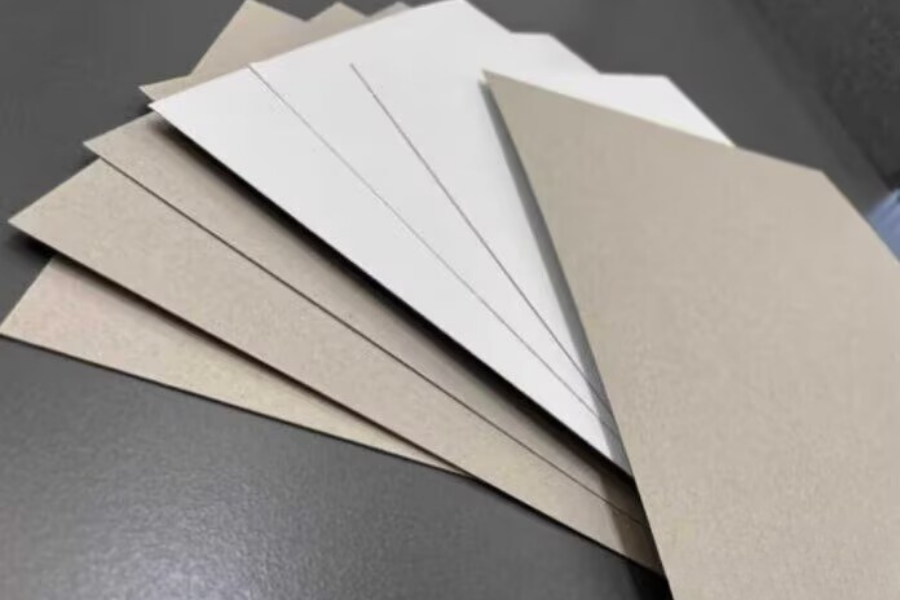
둘 다 압축된 재활용 종이 섬유로 만든 견고한 시트입니다., 뛰어난 안정성과 강도를 제공하여 게임 보드의 업계 표준이 되었습니다..
칩보드는 일반적으로 더 부드럽고 균일한 구조를 특징으로 합니다., 밝은 색상의 표면, 고품질 인쇄를 위한 일관된 밀도와 적합성을 제공합니다..
그레이보드, 반면에, 톤이 더 어둡고 재활용 펄프로 만들어졌습니다.. 약간 더 조밀한 느낌이 들고 일반적으로 더 비용 효율적입니다.. 보드게임 제조 분야, 두 재료는 종종 같은 의미로 사용됩니다., 실제 게임플레이에서 성능이 거의 동일하기 때문입니다.. 주요 차이점은 표면 색상과 압축 방법에 있습니다..
게임 보드의 핵심 소재가 왜 그렇게 중요한가요??
칩보드 또는 그레이보드 사용 여부에 관계없이, 보드는 항상 인쇄된 아트지로 포장되고 보호 라미네이션으로 마감되어 색상이 오래 지속됩니다., 부드러운 핸들링, 반복적인 접기와 잦은 게임 플레이를 통해 구조적 내구성을 향상시켰습니다..하지만, 올바른 핵심 소재를 선택하는 것이 여전히 매우 중요합니다., 보드의 강성에 직접적인 영향을 주기 때문에, 뒤틀림에 대한 저항, 전체 수명, 플레이어가 보드를 펼쳤을 때 경험하는 프리미엄 느낌. 잘 선택된 재료는 보드가 완벽하게 평평하게 놓이도록 보장합니다., 습도 변화에 견딜 수 있음, 과도한 사용에도 견딜 수 있음, 게임 제작 표준에 맞는 품질 수준을 제공합니다..
게임 보드의 창의적인 측면
1.표면 재질: 인쇄된 아트지
코어 골판지를 성형한 후, 게임 보드의 양면은 인쇄된 디자인이 있는 아트지로 덮여 있습니다..
일반적인 용지 종류:
157gsm C2S 아트지 - 업계 표준
128 gsm 아트지 - 약간 얇지만 표면이 매끄러움
170 gsm 프리미엄 아트지 - 고급 장인정신에 사용됨
인쇄 프로세스:
오프셋 인쇄 — 생생한 색상, 탁월한 품질
디지털 인쇄 — 소규모 배치 샘플에 더욱 효율적
UV 인쇄 — 스페셜 에디션 제품, 내구성이 뛰어난 마감으로 풍부한 색상
이 인쇄된 레이어는 게임 보드에 시각적인 매력을 더해 줍니다., 그리드, 지역, 아이콘, 또는 삽화.
2.보호 코팅: 적층 및 표면 처리
책에 적용되는 표면 처리와 유사, 카드, 그리고 포장 상자, 게임 보드 표면에는 인쇄된 디자인을 보호하고 내구성을 강화하기 위해 라미네이션 및 기타 처리가 필요합니다.. 일반적인 코팅 공정에는 다음이 포함됩니다.:
광택 라미네이션:
유광 라미네이션은 고광택 수지를 핵심 부품으로 사용합니다., 용매와 결합. 경화 후, 그것은 매우 투명한 형성, 고반사 표면 코팅.
무광택 라미네이션:
무광택 라미네이션은 바니시 베이스에 소광제를 사용하여 코팅 표면의 빛 반사 균일성을 방해합니다.. 경화 후, 반사율이 낮습니다., 안개가 자욱한 무광택 마감.
엠보싱:
이 포스트프레스 기술은 고온을 사용합니다., 인쇄된 표면에 융기되거나 함몰된 3차원 효과를 생성하는 고압 다이. 잉크 없이 촉각적 안정감과 시각적 깊이 구현, 예술적 매력과 브랜드 인지도를 높이기 위해 자주 사용됩니다.. 긁힘에 강하면서도 고급스러운 느낌을 주는 패브릭 같은 크로스해치 텍스처를 예로 들 수 있습니다., 세련된 느낌 - 프리미엄 출판사가 선호하는 선택.
긁힘 방지 라미네이션:
탁월한 긁힘 방지 기능을 갖춘 프리미엄 업그레이드 코팅. 이러한 코팅은 강렬한 게임 플레이에서 보드의 촉각 경험과 내구성을 정의합니다..
3.보드 접이식 유형
대부분의 제조업체는 39인치 × 27인치 게임보드를 지원합니다.. 이 크기를 넘어서면, 맞춤형 장비가 필요하고 더 높은 비용이 발생합니다.
일반적인 차원은 다음과 같습니다:
15-인치 × 15인치: 클래식 정사각형 형식 (스크래블과 유사)
20-인치 × 20인치: 전략 게임으로 인기
20-인치 × 30인치: 더 넓은 플레이 공간이 필요한 게임
4.프리미엄 및 독특한 보드 소재
일부 제조업체는 제품을 차별화하기 위해 독특한 소재를 선택합니다..
자기 보드: 자성 부품과 호환되는 얇은 자성층 통합, 여행 게임에 이상적입니다..
폼 코어 보드: 가벼우면서도 충실한, 프로토타입이나 대형 플레이어 보드에 사용됩니다., 파티클보드에 비해 내구성은 떨어지지만.
MDF/목판: 디럭스 또는 가보 에디션에 적합, 뛰어난 강성을 제공하지만 비용이 많이 들고 부피가 큽니다..
PVC/플라스틱 보드: 방수 및 내구성, 야외 또는 바 친화적인 게임에 일반적입니다.. 이러한 틈새 소재는 프리미엄 미학을 크게 향상시킵니다..
표면 소재 및 보호 코팅부터 접는 형식 및 프리미엄 기판 옵션까지, 게임 보드의 모든 창의적인 측면은 전반적인 품질과 플레이어 경험에 기여합니다.. 재료의 선택은 시각적 효과뿐만 아니라 내구성도 결정합니다., 연주 가능성, 그리고 게임 자체의 인지된 가치. 이러한 구성 요소를 이해하고 올바른 조합을 선택함으로써, 제작자는 시각적으로 눈에 띄는 게임 보드를 만들 수 있습니다., 구조적으로 신뢰할 수 있는, 대중 시장 타이틀이든 고급 컬렉터 에디션이든 그들이 제공하고자 하는 게임 플레이 경험과 완벽하게 일치합니다..
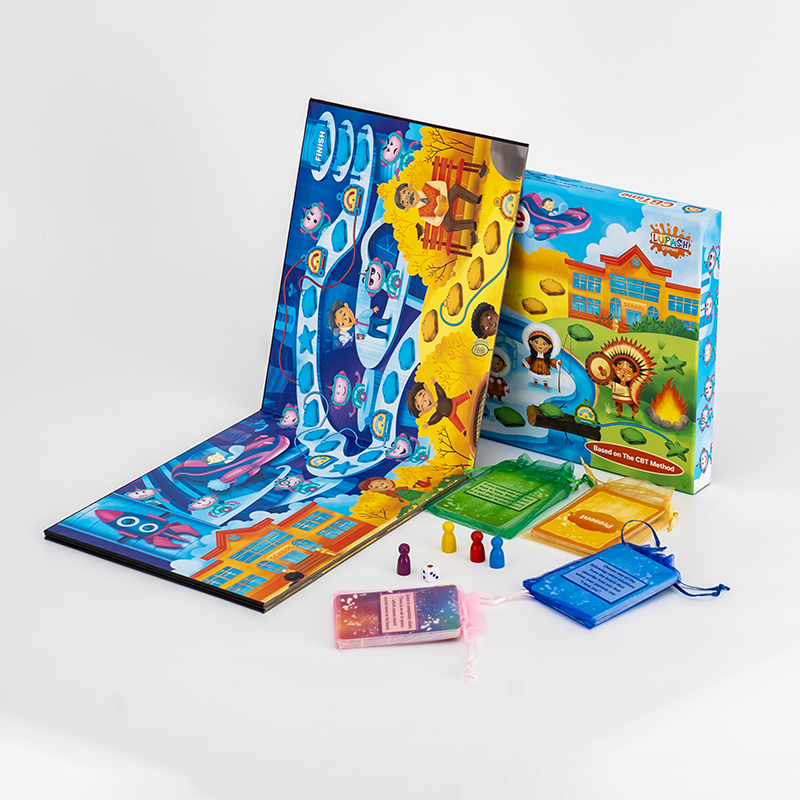
결론: 보드는 보드게임의 심장이다.
겉으로는 단순해 보이지만, 게임 보드의 모든 견고한 주름과 생생한 패턴은 세심한 재료 선택과 절묘한 장인 정신을 반영합니다.. 판지 두께부터 라미네이션 유형, 특수 마감 옵션까지, 이러한 물질적 특성을 이해하면 편안한 촉감과 뛰어난 플레이 경험을 갖춘 게임을 디자인하는 데 도움이 됩니다..
당신이 게임 퍼블리셔인지 여부, 디자이너, 또는 단순히 잘 만들어진 구성요소를 높이 평가하는 플레이어일 수도 있습니다., 게임 보드를 구성하는 재료를 이해하면 사랑하는 테이블탑 게임 뒤에 숨은 장인정신을 감상할 수 있습니다..
와 파트너십을 맺다 전문 보드 게임 제조업체 독특한 매력으로 브랜드를 돋보이게 돕습니다..