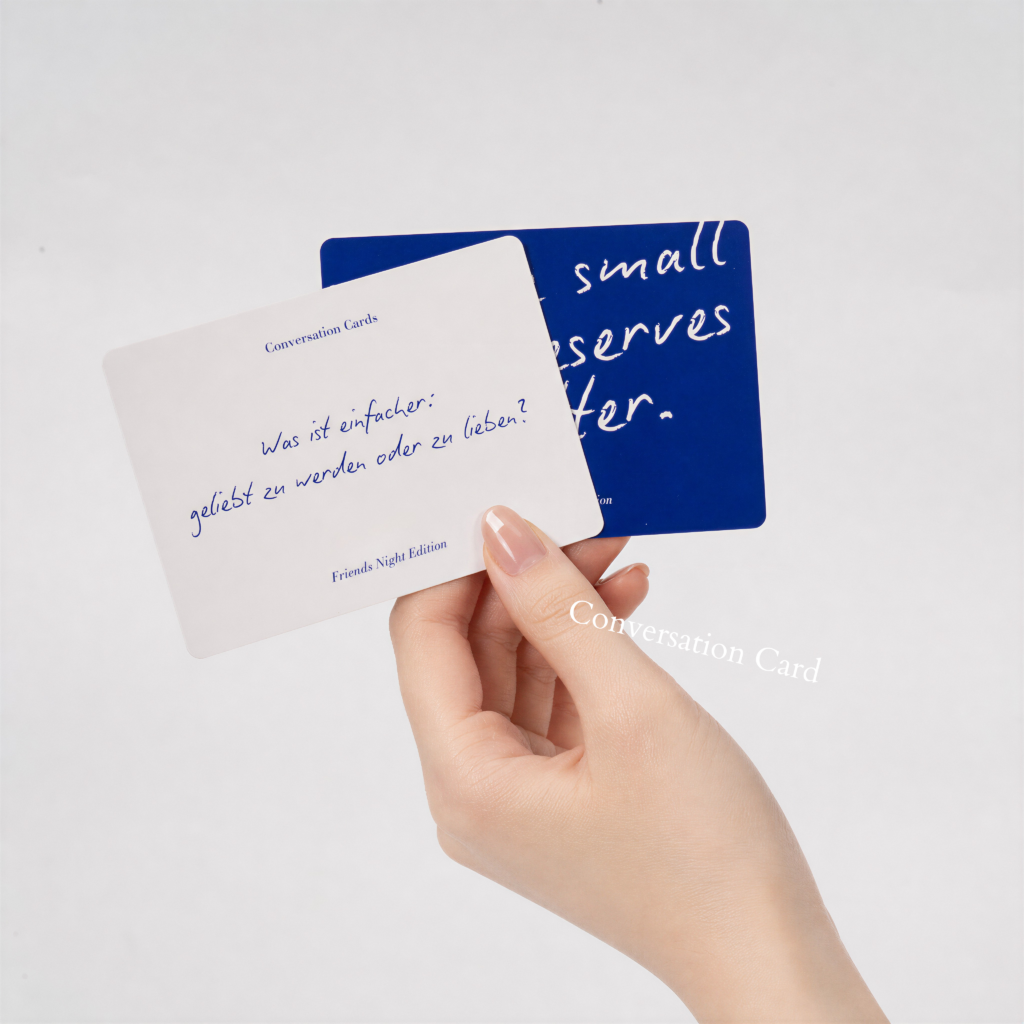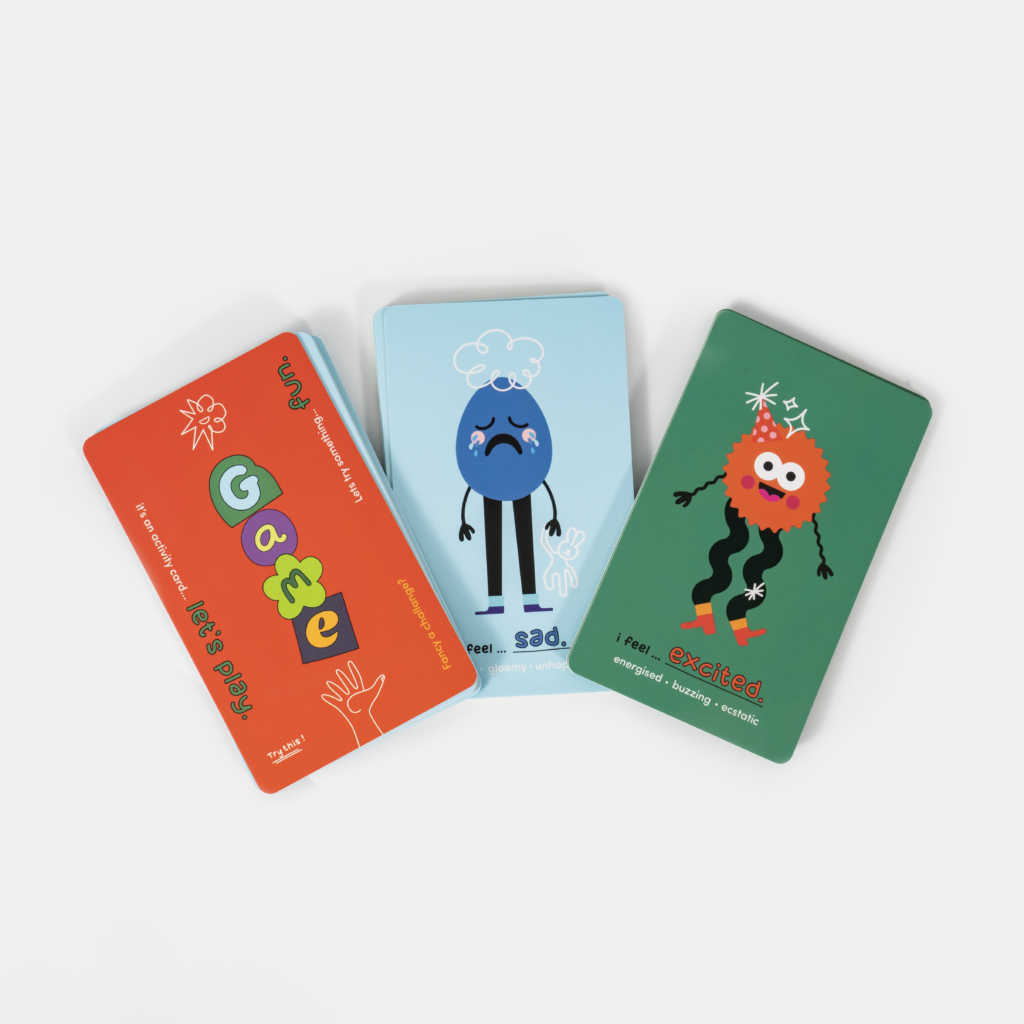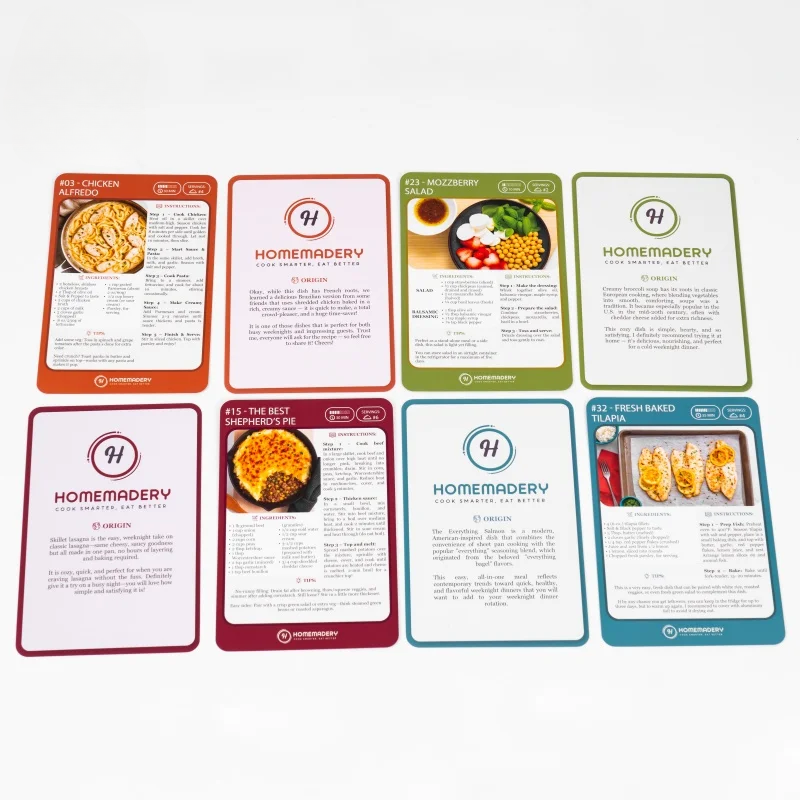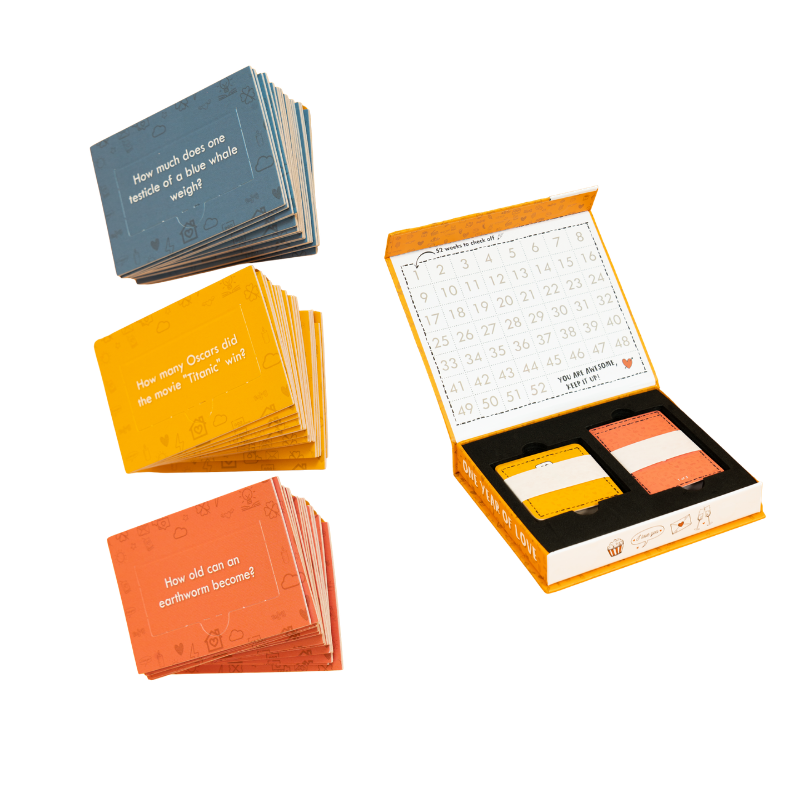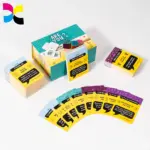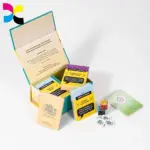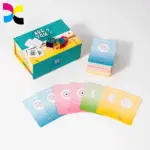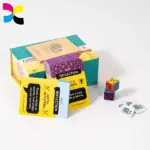
Women are an important audience in the affirmation card market, but a deck designed for everyone may struggle to stand out. Brands need to understand who will use the cards, what challenges they face, and which messages will matter to them. A clear audience also helps guide content, 설계, and production decisions. This guide explains how to identify a women’s market segment, choose relevant themes, position your deck, plan its specifications, and expand the product range based on customer demand.
Key Takeaways
- Define your audience by life stage and specific needs, not gender alone.
- Match card themes to real situations, such as career pressure or motherhood.
- Use a distinct voice and visual style instead of generic design choices.
- Plan card count, 크기, and packaging around actual usage.
- Expand into new editions after the first deck proves its market.
Why Audience Definition Matters for Women’s Affirmation Cards
A clear target audience gives your deck a purpose. A student preparing for exams, a new mother adjusting to daily responsibilities, and a professional managing workplace pressure have different needs. They are unlikely to respond to the same messages.
This also affects commercial performance. Generic decks compete with many similar products, while focused products can connect with specific communities. Brands that understand their readers can make better decisions about content, 설계, and pricing before production begins. For more insight into the market, see our guide to the 확인 카드의 장점.
Identify the Right Women’s Audience for Your Deck
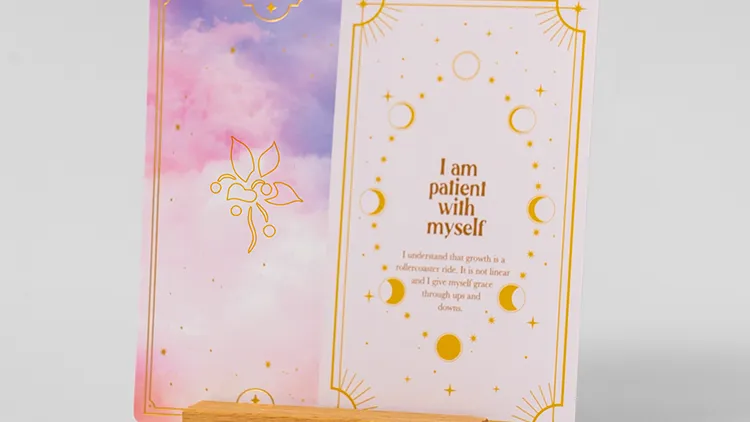
Start by dividing the market according to life stage and specific situations. Potential audiences include:
| 대상 고객 | Common Needs | Possible Card Themes |
|---|---|---|
| Students | Exam stress and confidence | Focus and self-belief |
| New mothers | Rest and changing routines | Self-compassion and reassurance |
| Career women | Workplace pressure and boundaries | Confidence and personal growth |
| Midlife women | Life changes and new goals | Renewal and self-acceptance |
| Wellness communities | Healthy habits and consistency | Strength and mindfulness |
Choose one primary audience rather than trying to serve every group in one deck. Consider whether the segment is large enough to support your planned production quantity and whether your brand already has access to that community.
인쇄하기 전에, review competing products, customer feedback, and discussions within the target community. Pay attention to the words people use to describe their challenges. These details help you develop messages that feel relevant rather than generic.
Match Affirmation Themes to Real Needs and Life Stages
Once the audience is clear, turn its needs into card themes. A deck for new mothers may focus on rest, reassurance, 신원, and self-compassion. A deck for career women may cover confidence, negotiation, 경계, and professional growth.
Two writing principles matter across these groups. 첫 번째, keep affirmations believable. A person facing a difficult situation may not connect with statements that feel too distant from reality. 두번째, use respectful, body-neutral language when discussing appearance, fitness, or wellness.
The number of cards assigned to each theme should reflect how often the situation occurs in the reader’s daily life. A new-mother deck, 예를 들어, may need more messages about rest and reassurance than celebration.
For additional guidance on visual direction, explore our article about affirmation card design ideas.
Position Your Deck with a Distinct Voice and Design
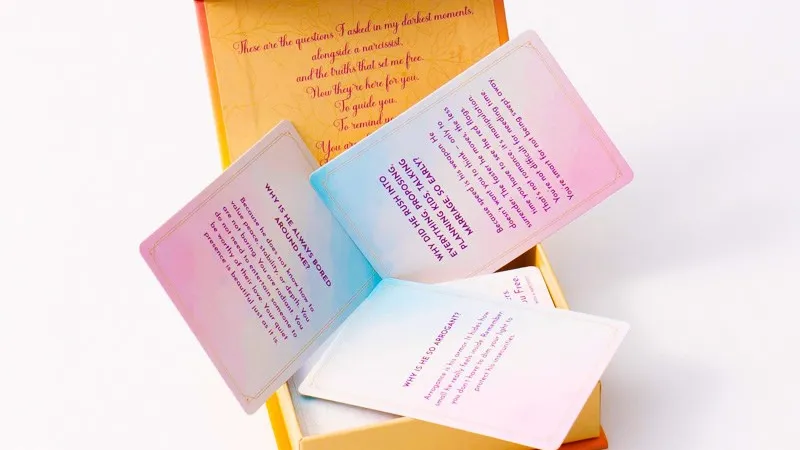
Your positioning should explain three things in one sentence: who the deck serves, what need it addresses, and what makes its approach different.
예를 들어, a deck for night-shift nurses could focus on emotional balance and confidence during demanding work schedules. Its language and visual style should reflect that setting rather than follow the common pink-and-floral design used by many general women’s decks.
Test your positioning with people from the target audience. If they can explain who the deck is for and why it matters, the message is clear. If they describe it as a deck for everyone, the positioning needs more focus.
Carry this direction through the cards, 포장, and product listing. 에이 custom card printing manufacturer like Xinyi can help turn the approved design into a consistent physical product through coordinated printing, 마무리 손질, 및 포장 옵션.
Plan Card Design, 체재, and Production Details
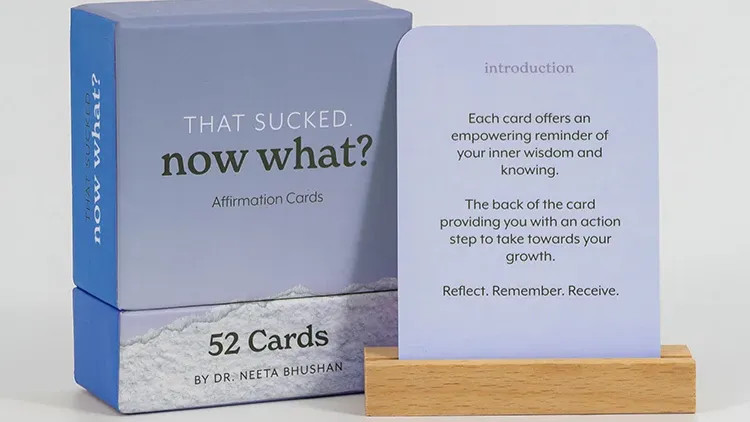
Once the content and positioning are ready, turn them into a production plan.
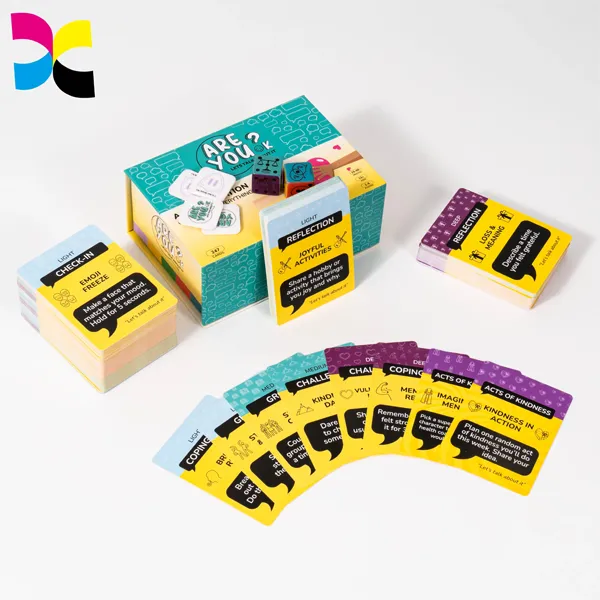
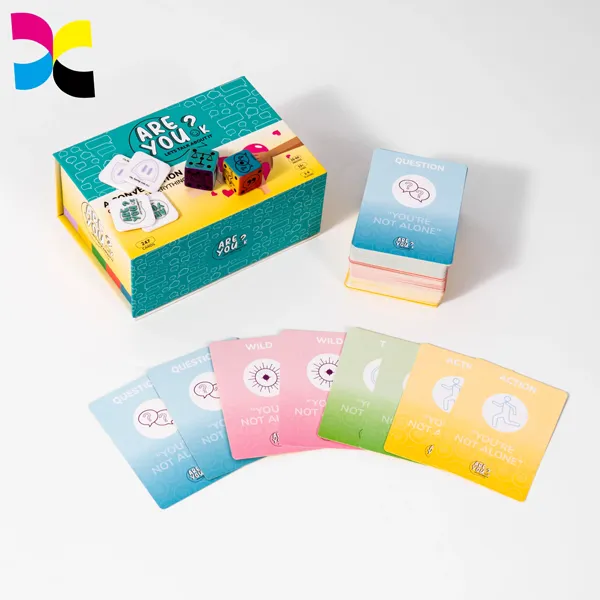
Card count and structure: A deck of 30–60 cards can support regular daily use. Divide the messages into sections based on the audience’s needs rather than splitting them into equal groups without a clear reason.
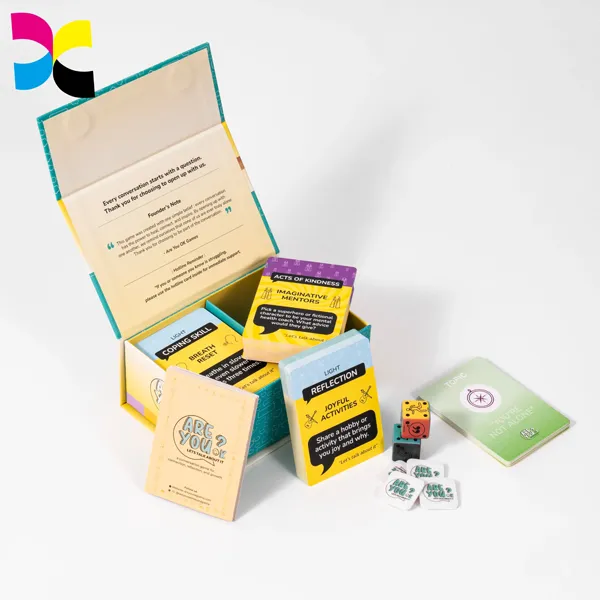
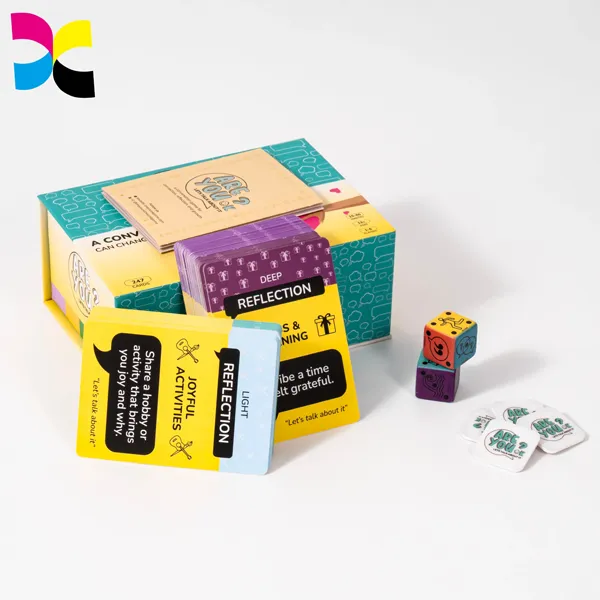
Card size and materials: Pocket-size formats suit readers who want to carry their cards, while larger tarot-style formats provide more space for illustrations and detailed layouts. Cardstock weight and surface finish should match the expected handling and presentation. See our affirmation card printing options for available formats and finishes.
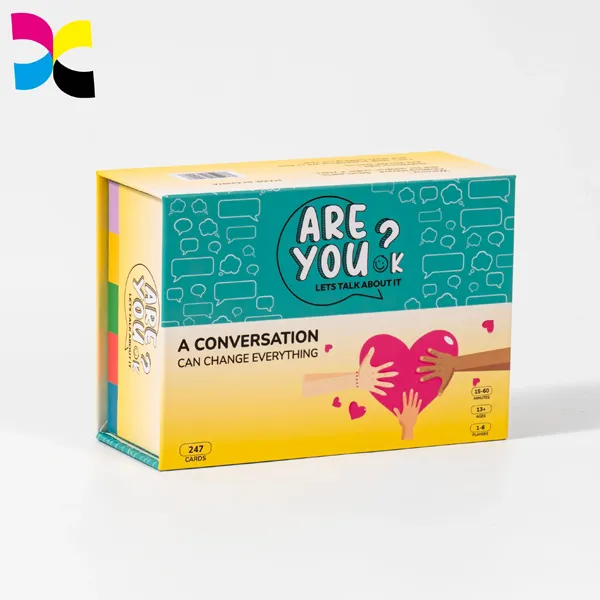
Guide cards and packaging: Include simple instructions that explain how to use the deck and introduce its sections. Packaging should protect the cards while supporting the product’s retail positioning. For more production details, see our guide to manufacturing custom affirmation card sets.
Sampling and production: Review a sample before approving the full order. Xinyi’s current production information lists physical pre-production samples at around 5–7 working days and mass production at approximately 10–15 working days, depending on specifications and order requirements. Confirm the schedule when requesting a quotation.
Expand the Product Range After the First Deck Sells
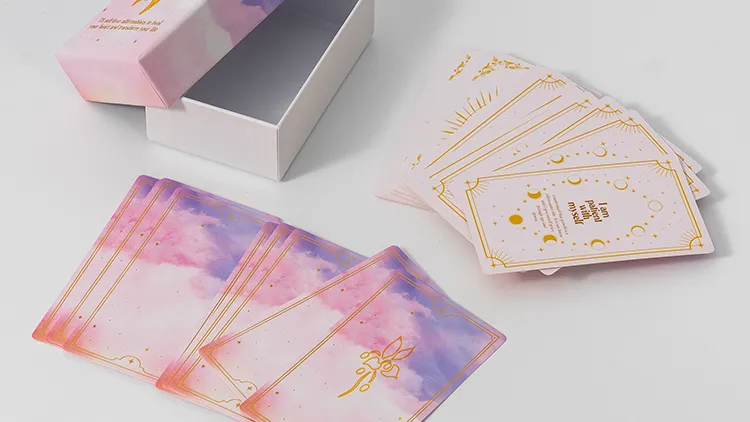
A successful first deck can provide a starting point for a wider product range. Seasonal editions can introduce new messages while keeping the original audience and positioning. Companion products, such as matching journals or a second deck for a related situation, can give existing customers more ways to engage with the brand.
Brands can also explore adjacent audiences, such as children’s affirmation cards, when customer demand supports the move.
Use repeat purchases, customer feedback, and community requests to decide what to develop next. Review manufacturing costs, order quantities, and packaging requirements before committing to another product. Our guide to affirmation card manufacturing costs can help with early budget planning.
For brands ready to develop a new deck, Xinyi supports custom card printing, 재료 선택, 견본 추출, and packaging production. Share your artwork, 명세서, and estimated quantity to discuss a suitable production plan.
자주 묻는 질문
Is the market for affirmation cards for women too crowded?
Generic decks face strong competition, but products designed for specific audiences can stand out. Focus on one life stage, situation, or community and develop messages that reflect its needs.
How many cards should a women’s affirmation deck include?
A deck of 30–60 cards is a practical starting range. The final count depends on the product theme, content structure, 포장, and intended retail price.
What design style works best for affirmation cards for women?
There is no single style for every audience. Choose colors, 타이포그래피, and illustrations that match the target reader and the deck’s purpose. Consistent design across the cards and packaging helps establish brand identity.
What is the minimum order quantity for custom affirmation cards?
The MOQ depends on card specifications, 재료, 그리고 포장. Xinyi’s current product information lists customized projects starting from 200 세트, with some specifications requiring quantities within the 200–500 set range. Confirm the exact MOQ when requesting a quotation.
When should a brand expand into a product line?
Wait until the first deck shows clear customer interest through repeat purchases, positive feedback, or community requests. New editions should build on a proven audience rather than rely on assumptions.