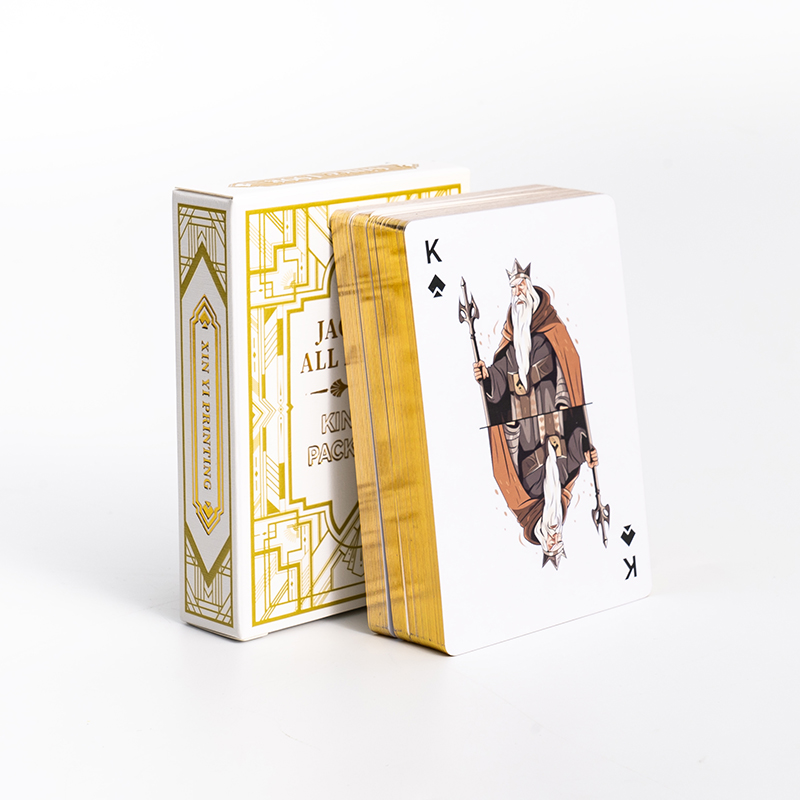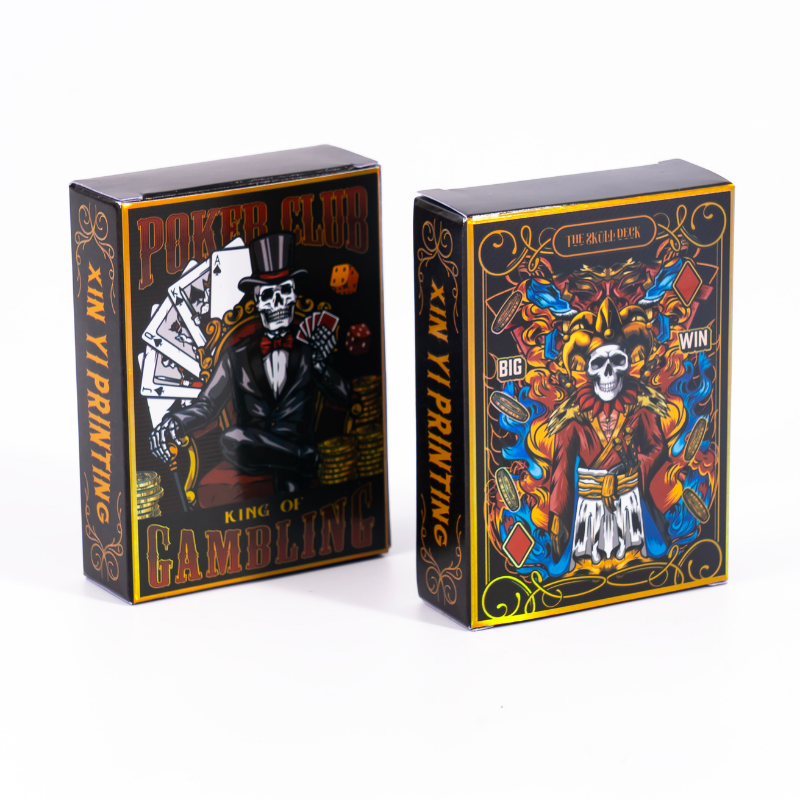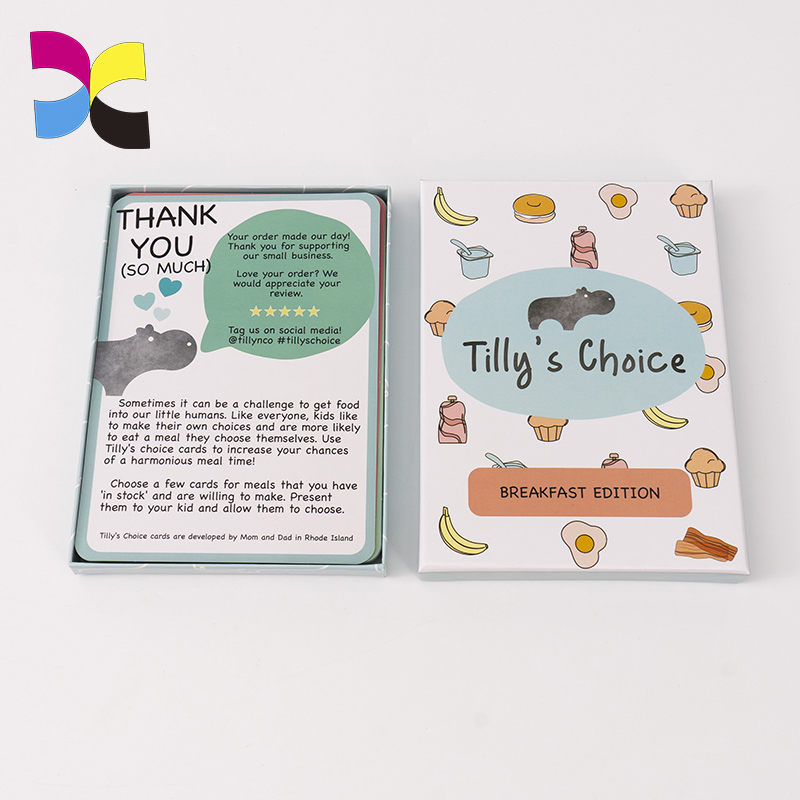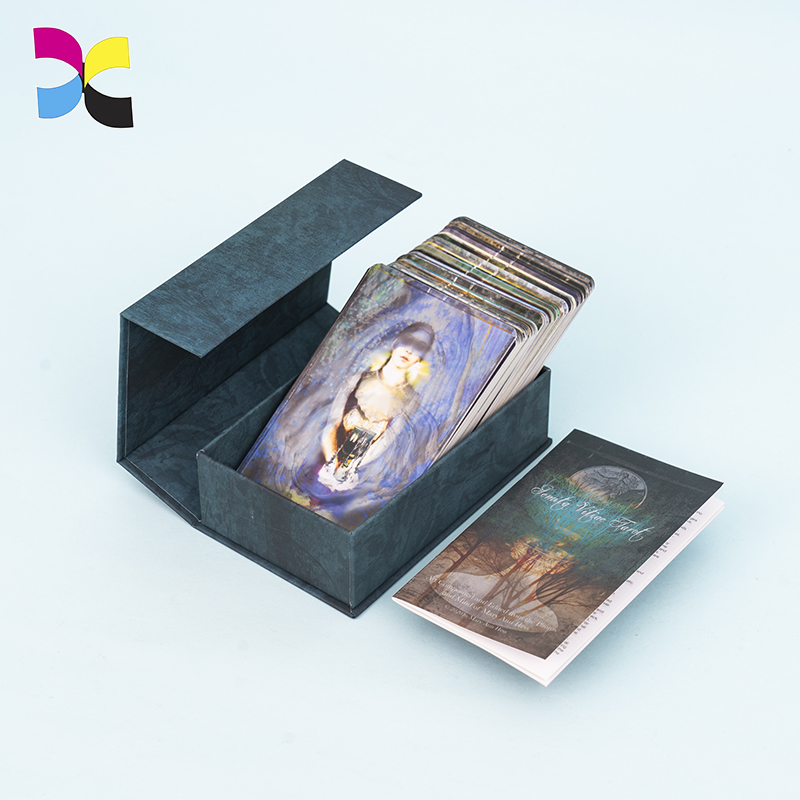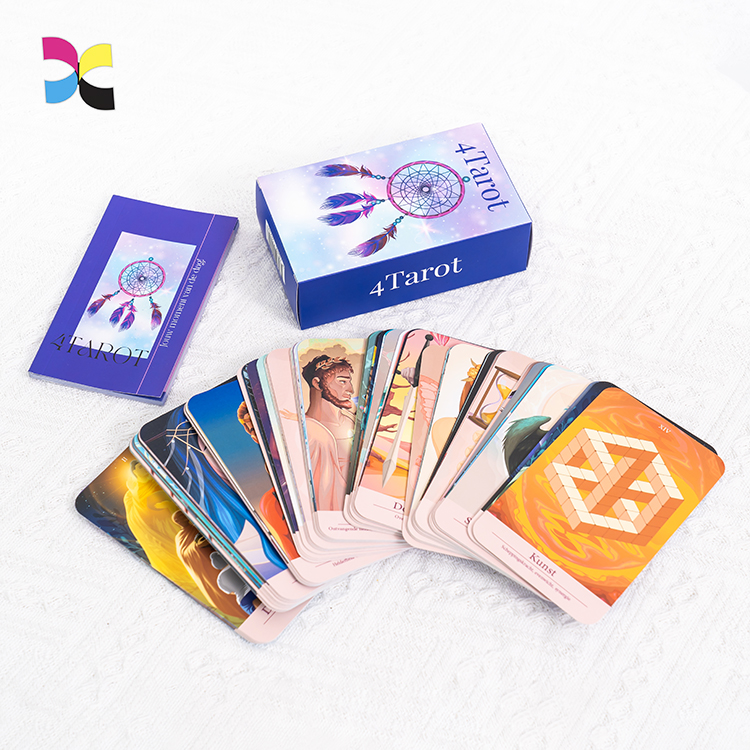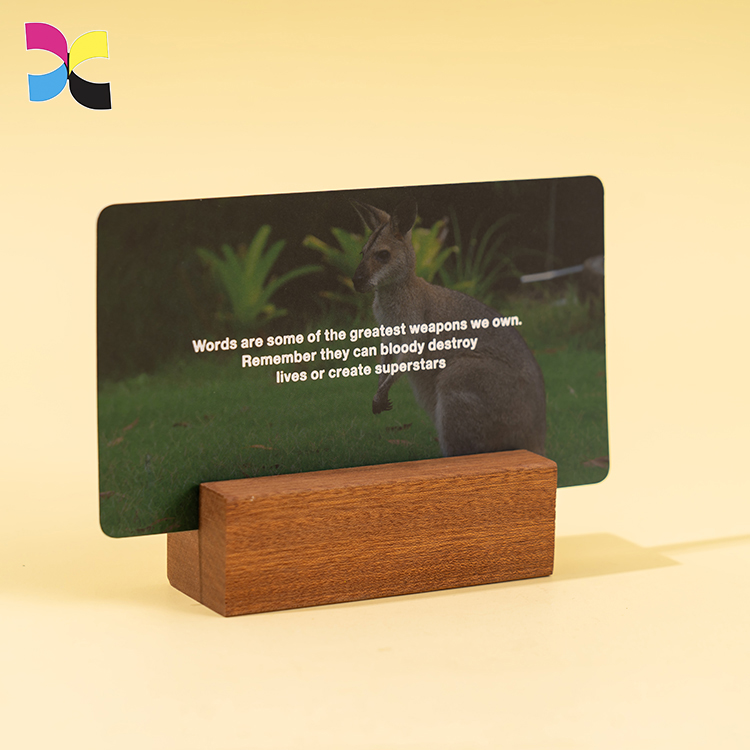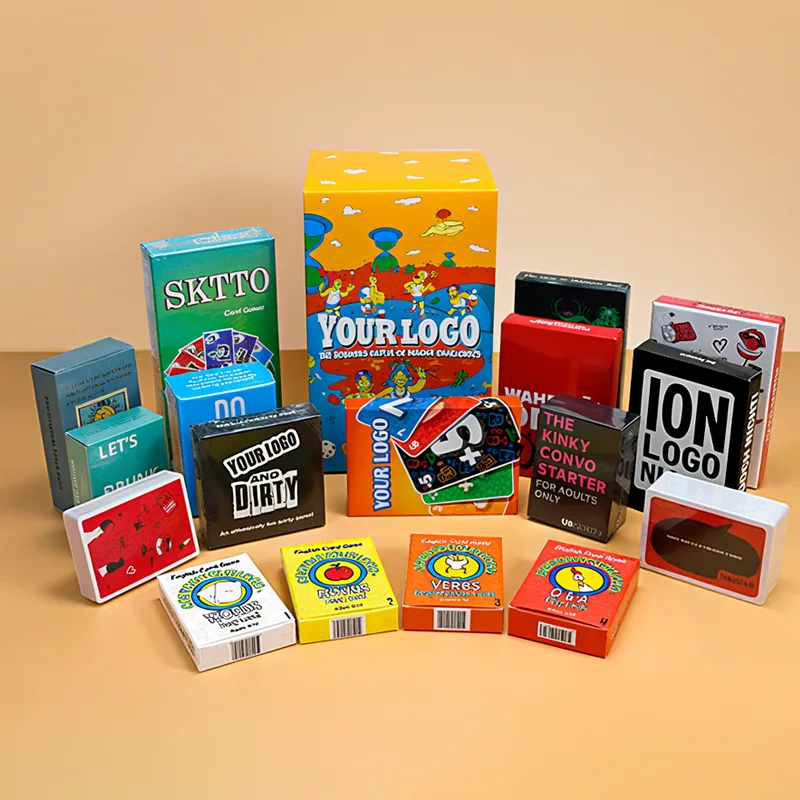
For most flashcards, the best paper is cardstock because it is thicker, sturdier, and better suited to repeated handling than regular paper. For home printing, 160–220 gsm heavy paper or light cardstock is usually the most practical choice, while custom printed flashcards for retail, 教育, and wholesale projects are more commonly produced on 250–350 gsm card stock with matte, 光沢, or laminated finishes depending on the product goal.
The right choice depends on four things: product positioning, 予算, target users, and shipping or packaging requirements. A low-cost study deck, a classroom teaching tool, and a premium branded flashcard set may all use different materials even if they serve the same basic format.
This guide explains which flashcard paper types work best, what GSM to choose, how finish affects performance, and how to match materials to different customer and sales channels.
Common Paper Types Used to Make Flashcards
Flashcards can be made from several types of paper and board, and the right material depends on how the cards will be used. For most projects, the decision comes down to 4 things: 厚さ, print quality, 耐久性, and whether users need to write
1. Cardstock (Art Paper / Cover Paper)
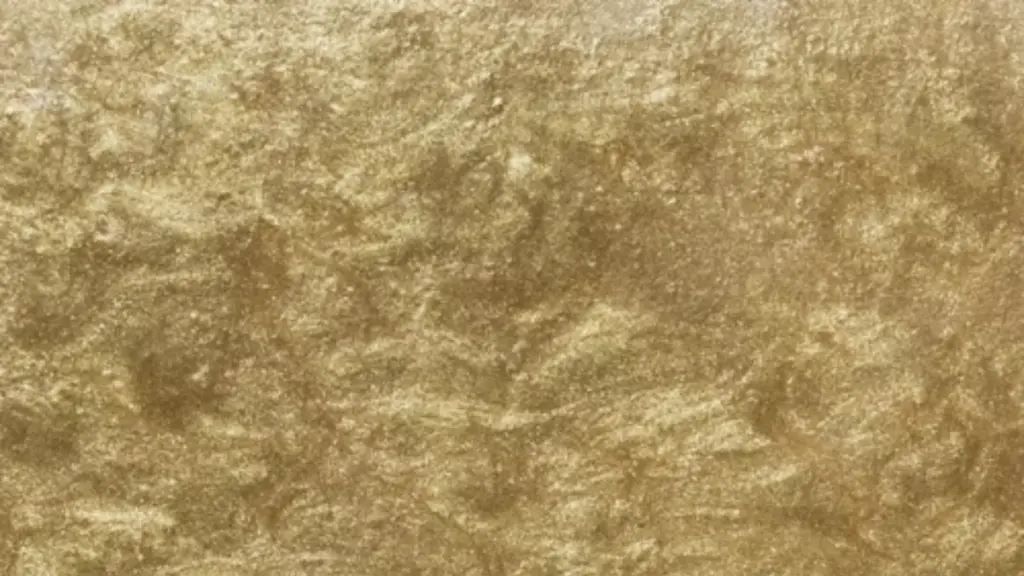
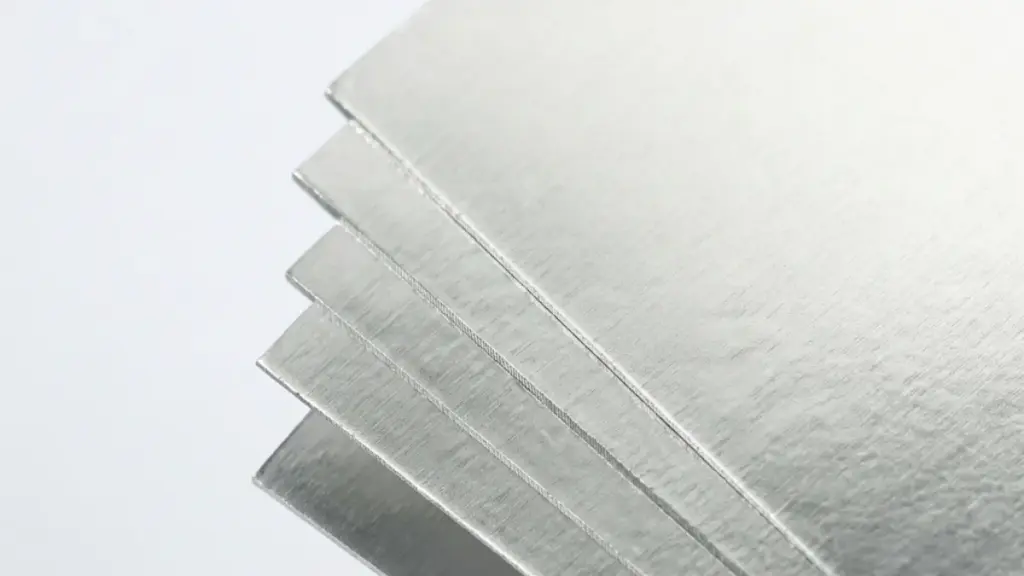
Cardstock is the standard choice for most flashcards, especially for educational sets, study decks, and retail products.
- GSM range: 250–400 GSM
- Key features: Thick, sturdy, smooth surface
- Best for: Educational flashcards, retail products, study decks
Cardstock offers a good balance between durability and print quality. It supports both writing and high-resolution printing, making it the default choice for most professional flashcard production.
2. Coated Paper (C1S / C2S)
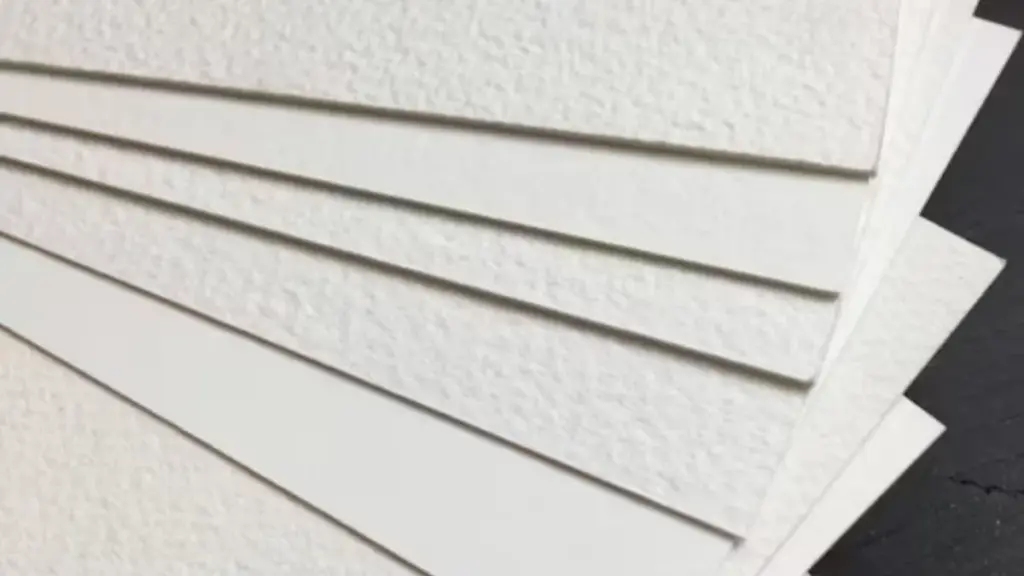
Coated paper is used when print sharpness and color performance matter more. The coating creates a smoother printing surface, so images and graphics usually look brighter and more refined.
- C1S (Coated One Side): One side glossy, one side writable
- C2S (Coated Two Sides): Both sides coated
- Best for: Flashcards with images, illustrations, or vibrant colors
If your flashcards rely heavily on visuals (例えば, children’s learning cards, product cards), coated paper improves color vibrancy significantly.ors, product visuals, or retail presentation.
3. Uncoated Paper
Uncoated paper has no surface coating, so it feels more natural and is easier to write on. It is a practical choice for flashcards designed for note-taking, revision, or fill-in learning activities.
- Texture: Slightly softer and more paper-like.
- Best for: Writable flashcards, teacher-use cards, revision cards, study notes.
- Common tradeoff: Colors look more muted than on coated stock.
This option makes sense when usability matters more than visual polish. If learners need to mark answers, add notes, or interact with the card directly, uncoated stock is often the better fit.
4. Laminated Paper
Laminated flashcards are made by adding a protective film over printed cardstock. This gives the cards better resistance to moisture, scratches, and frequent handling, which is why lamination is common in children’s and classroom products.
- Finish options: Matte or glossy lamination
- Best for: Kids’ learning cards, language-learning sets, long-use educational products.
- Useful when: The cards need a longer life span or a more premium finished feel.
- Benefits: Water-resistant, tear-resistant, long-lasting
5. Synthetic Paper (Plastic Cards)
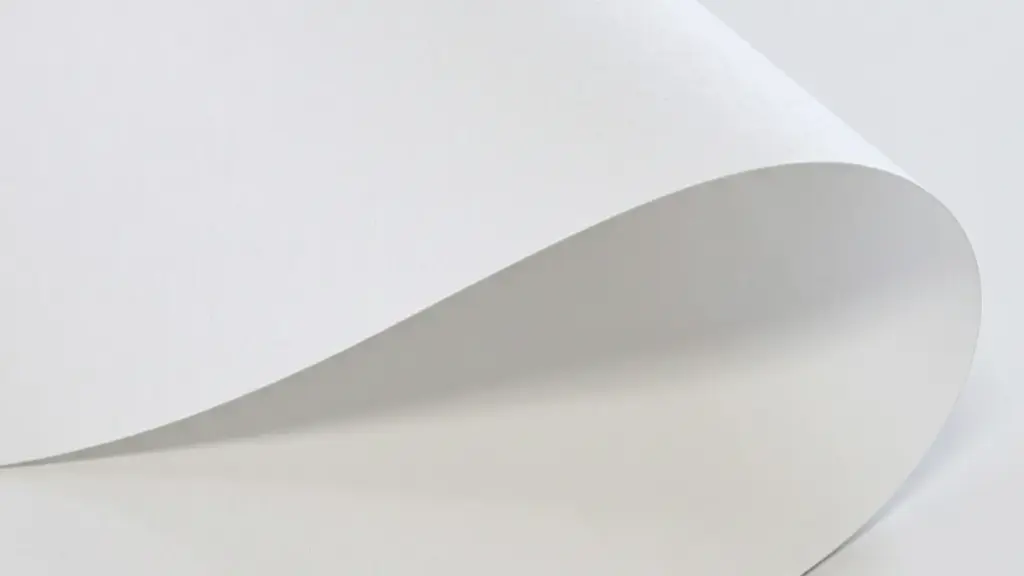
Synthetic paper is the premium option for flashcards that need very high durability. These materials are often made from PVC, PET, PP, or other synthetic substrates that are waterproof, tear-resistant, and built for demanding use.
- Common materials: PVC, PET, PP, and other printable synthetic stocks.
- Waterproof: はい.
- Best for: Outdoor learning tools, therapy cards, industrial training cards, washable kids’ flashcards.
You may also like: さまざまな種類のフラッシュカード: 効果的な勉強のための完全ガイド
What GSM Is Best for Flashcards?
GSM (平方メートルあたりのグラム数) determines the thickness and rigidity of the paper. In general, the best GSM for flashcards falls into three practical ranges depending on how the cards will be used.
- 160–220 gsm works well for home printing, lightweight study cards, and budget-conscious projects.
- 250–300gsm is a strong standard for educational products, classroom use, and many custom flashcard orders.
- 300–350gsm is better for premium, retail-ready, and high-durability flashcards.
Related reading: 用紙重量ガイド: GSM 対. ポンド対. kg換算計算機
Below is a useful overview table for material selection:
| Paper Type | GSM | Finish | Use Case |
|---|---|---|---|
| Regular Paper | 80–120 gsm | Uncoated | Draft flashcards, temporary study use, low-cost handouts |
| Heavy Paper / Light Cardstock | 160–220 gsm | Usually uncoated or matte | Home printing, pilot runs, lightweight educational cards |
| 標準カードストック | 250–300gsm | マット, 光沢, or uncoated | Standard flashcards for schools, 語学学習, and custom orders |
| Premium Cardstock | 300–350gsm | Matte or gloss lamination | Retail flashcards, branded products, durable wholesale decks |
| Writable Coated-One-Side Stock | Varies by project | One side coated, one side writable | Flashcards with vivid printing on one side and writing on the other |
| Synthetic / Waterproof Stock | Custom specification | Durable protective surface | Kids’ cards, therapy cards, outdoor or high-moisture settings |
マット, 光沢のある, or Uncoated: Which Finish Should You Choose?
Finish has a direct effect on readability, color impact, writing usability, and product positioning. Choosing the right finish is often just as important as choosing the base paper itself.
Matte Finish
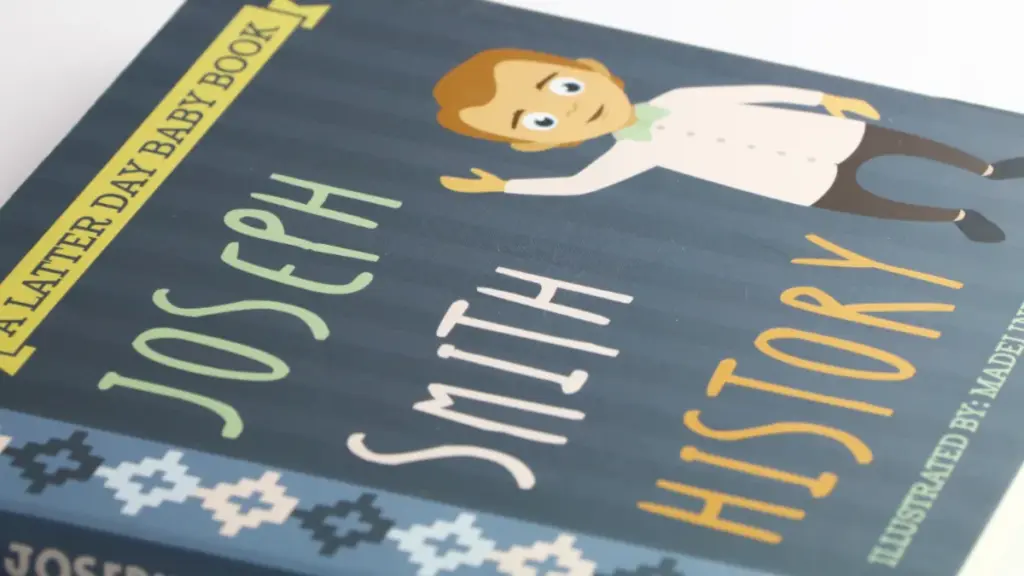
Matte is one of the best all-around finishes for flashcards because it reduces glare and keeps text easy to read. It is particularly suitable for educational cards, language-learning sets, and classroom products where content clarity matters more than shine.
Glossy Finish
Glossy finishes make colors look brighter and more vibrant. They are a good fit for image-heavy flashcards, children’s recognition cards, and branded retail products where visual appeal on shelf or on screen is important.
Uncoated Finish
Uncoated stock is the best option when flashcards need to be written on. It provides a more natural paper feel and supports pen or pencil use better than laminated or fully coated surfaces.
One-side Coated Finish
For some projects, a coated-one-side structure gives a better balance than fully coated stock. C1S paper allows one side to display bright, sharp printing while the uncoated side remains more suitable for writing or adhesive use, which can be useful in certain educational and mounted-card applications.
Laminated Finish
Matte lamination and gloss lamination both improve surface durability. Matte lamination tends to support a premium educational feel, while gloss lamination works better when strong color pop and wipe-clean performance are part of the product value.
簡単な比較
| Finish Type | Readability | Color Performance | Writable | 耐久性 | Best Use Case |
|---|---|---|---|---|---|
| マット | Excellent (low glare) | Moderate | Limited | Medium | 教育的, 語学学習, text-heavy flashcards |
| 光沢のある | Medium (can reflect light) | 高い (vivid colors) | いいえ | Medium | Image-based cards, kids’ flashcards, retail products |
| Uncoated | 高い | Low to moderate | Excellent | Low | DIY cards, note-taking, writable study flashcards |
| One-side Coated (C1S) | 高い | 高い (on coated side) | はい (on uncoated side) | Medium | Flashcards with print on one side and writing on the other |
| Laminated (マット / 光沢) | マット: 高い / 光沢: Medium | 高い | いいえ (unless using marker) | 高い | Kids’ cards, reusable cards, premium retail flashcards |
How to Choose the Best Paper for Different Flashcard Uses

The best material should match the final sales channel and user experience. Flashcards sold through wholesale, retail, e-commerce, schools, or private-label programs do not need the same balance of cost, 仕上げる, and durability.
Flashcards for Kids
Children’s flashcards require a very different standard compared to adult-use cards. Durability and safety matter more than cost.
For this category, thinner paper is usually not suitable. Cards get bent, chewed, dropped, and exposed to moisture. A typical recommendation is:
- 350 GSM or above cardstock
- マットラミネート (or soft-touch lamination)
- Rounded corners
In some cases, especially for toddlers, clients move toward thick board card or even laminated rigid cards to avoid edge damage and improve lifespan.
Another important factor is surface performance. A wipeable laminated surface allows repeated use, which is particularly valuable for early education products.
Key takeaway:
If the cards are for kids, prioritize durability, safety, and reusability over cost savings.
Flashcards for Language Learning
Language flashcards are used differently—they are handled frequently, shuffled often, and need to remain easy to read in different environments.
Here, going too thick can actually reduce usability. Cards that are too rigid become uncomfortable to handle over time.
A balanced setup usually works best:
- 300–350 GSM cardstock
- Matte or light coating (to reduce glare)
- Clear double-sided readability
- Sizes such as 3 × 5, A7, or A6 for quick review and easy carrying.
If writing is part of the learning process, some projects use:
- Uncoated stock, または
- C1S (coated one side) for print + writing functionality
Key takeaway:
For language learning decks, readability and handling comfort often matter more than premium feel.
Flashcards for Classrooms and Schools
Classroom flashcards are typically produced in larger quantities and used over longer periods. The key challenge here is balancing durability with cost efficiency.
Unlike retail products, schools usually don’t need luxury finishes—but they do need consistency and longevity.
A common specification includes:
- 300–350 GSM cardstock
- Matte finish (to reduce glare under classroom lighting)
- Optional light lamination for extended use
- 4 × 6, A6, or larger formats for group teaching
Because these cards are often shared among multiple students, surface wear resistance becomes more important than visual appearance.
Key takeaway:
Avoid glossy finishes in classrooms—they reflect light and reduce readability, especially under fluorescent lighting.
Flashcards for Retail or Branded Products
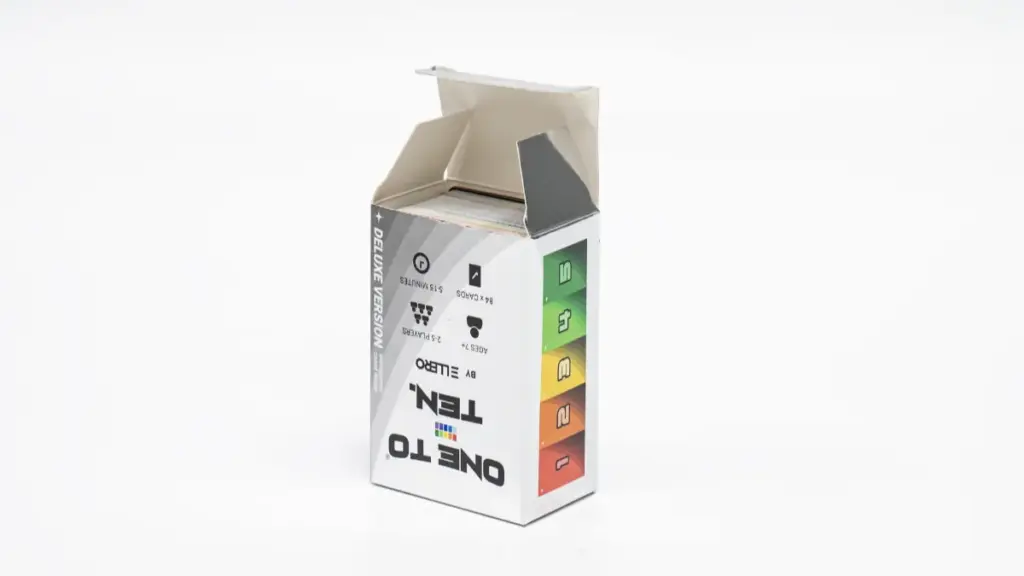
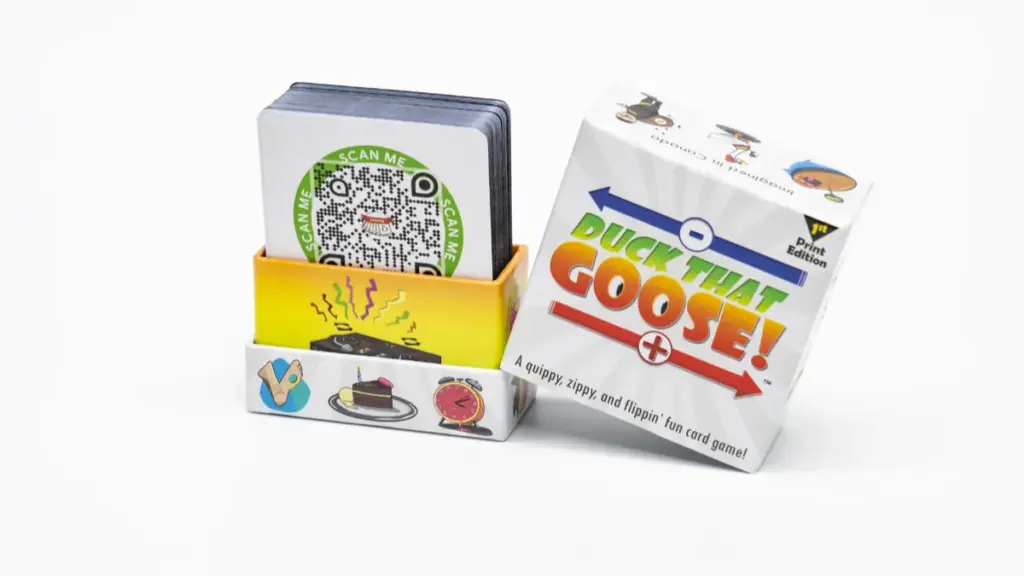
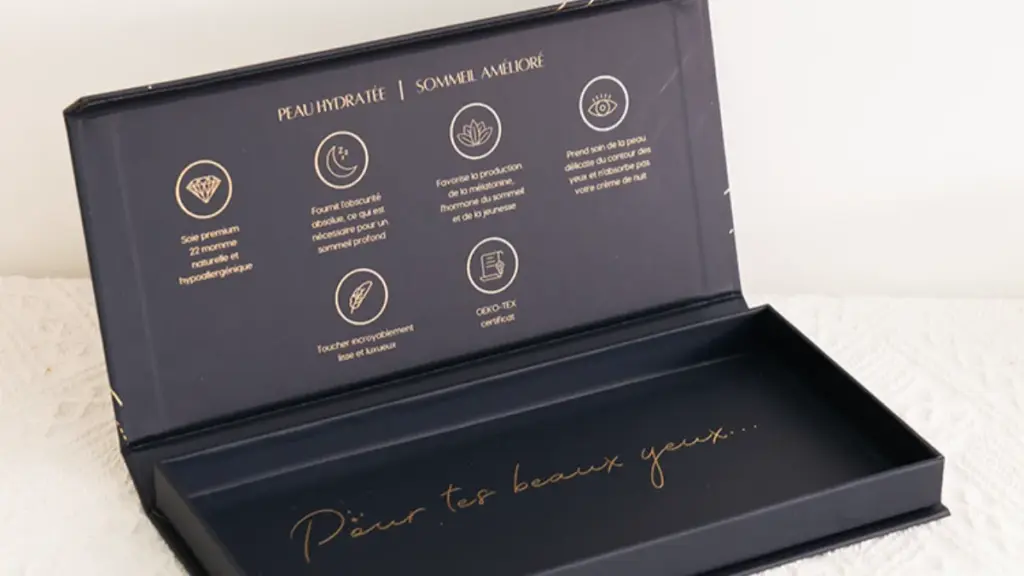
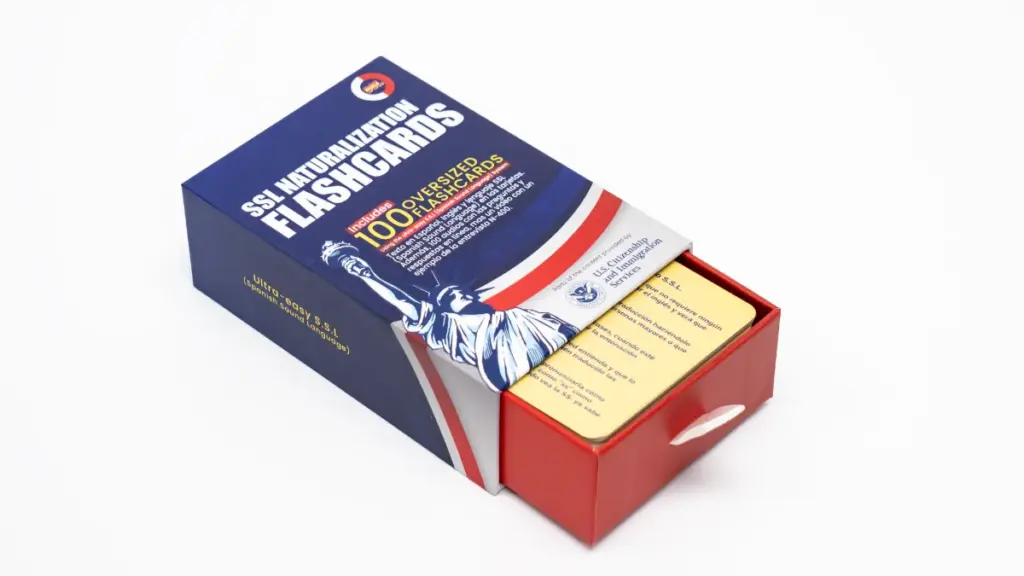
Retail flashcards operate under completely different expectations. Here, the product is not just a learning tool—it is also a consumer product competing on shelf and online.
This means the material choice must support:
- Visual appeal
- Perceived quality
- Long-term durability
Typical specifications include:
- 300–350 GSM premium cardstock
- Matte or gloss lamination
- High-quality color printing
- Consistent finish across the entire deck
加えて, packaging becomes part of the experience:
- 剛性ボックス
- Magnetic boxes
- タックボックス
Key difference vs educational cards:
Retail products are judged within seconds. Paper quality, surface feel, and edge finishing directly influence purchase decisions.
Printing Tips for Better Flashcards
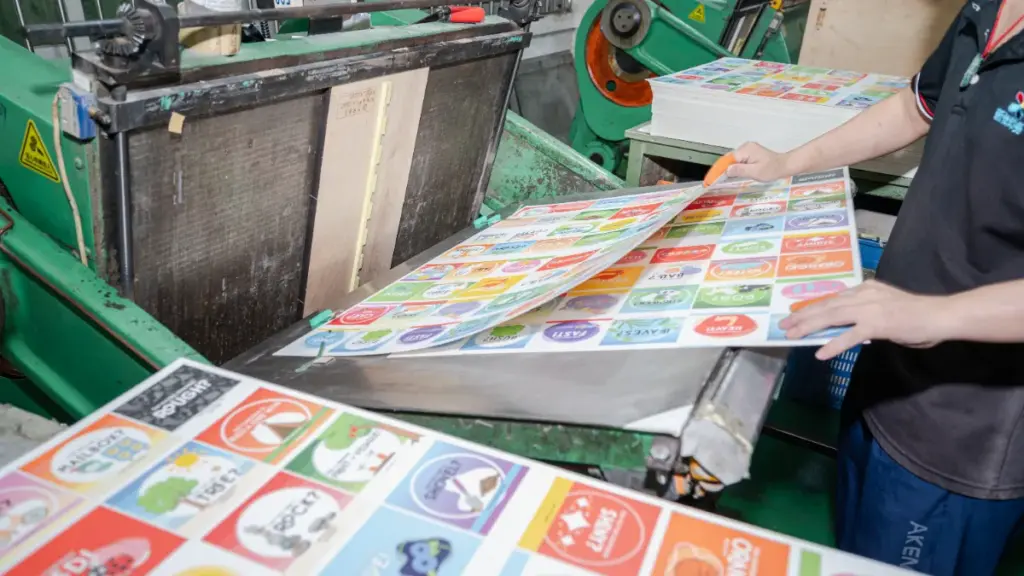
- Match the printing format to the product use
Single-sided flashcards work well for display cards, teacher prompts, or simple educational aids, while double-sided printing is better for vocabulary, Q&あ, and memory-based learning products. If you choose double-sided printing, use stock with good opacity and make sure front-and-back alignment is set correctly to avoid show-through or uneven trimming. - Choose a size and finishing style that fit the end market
Common flashcard sizes 含む 3 × 5 インチ, 4 × 6 インチ, A7, and A6, with 3 × 5 and A6 often used for portable study decks, while 4 × 6 is better for children’s cards, illustrations, and classroom visibility. Rounded corners improve durability and handling, hole punching is useful for ring-bound sets, and lamination is worth considering for classroom, children’s, or long-life products. - Prepare files for commercial printing from the start
Use print-ready PDF files, set artwork in CMYK, keep images at 300 DPI, and add 3 mm bleed plus a safe margin for text and logos. These details help reduce production errors and make the final flashcards look more professional across bulk orders.
Need a factory-direct flashcard manufacturer? 信義印刷 supports wholesalers, 小売業者, 出版社, schools, and brands with custom flashcard production from material selection to packaging. We offer fast sampling, stable bulk manufacturing, 柔軟なカスタマイズ, and global shipping support for educational and retail-ready card products.
Send us your size, 量, アートワーク, or target market, and our team will recommend the right specification and quote for your project.
FAQs About Flashcard Paper Type
Is cardstock better than regular paper for flashcards?
はい. Cardstock is usually better because it is thicker, より耐久性のある, and better suited for repeated handling than regular paper.
What is the best GSM for flashcards?
For most flashcard products, 250–350 gsm is the strongest commercial range, while home-printed flashcards often work better with 160–220 gsm stock depending on printer limitations.
Should flashcards be matte or glossy?
Matte is generally better for text-heavy educational use because it reduces glare, while glossy is better for image-heavy designs and stronger color presentation.
Can flashcards be writable?
はい, but the material must support writing. Uncoated cardstock or coated-one-side stock is usually more suitable than fully laminated or heavily coated surfaces.
What is the best paper for custom flashcard printing?
For many custom projects, 300 gsm or 350 gsm cardstock is a reliable choice, with matte, 光沢, or laminated finishing selected according to the target market, product positioning, and user needs.
The best flashcard paper is not just the thickest or most expensive one. It is the one that matches your product category, 予算, customer expectations, and shipping plan, which is why material selection should always be made as part of the full flashcard product specification.