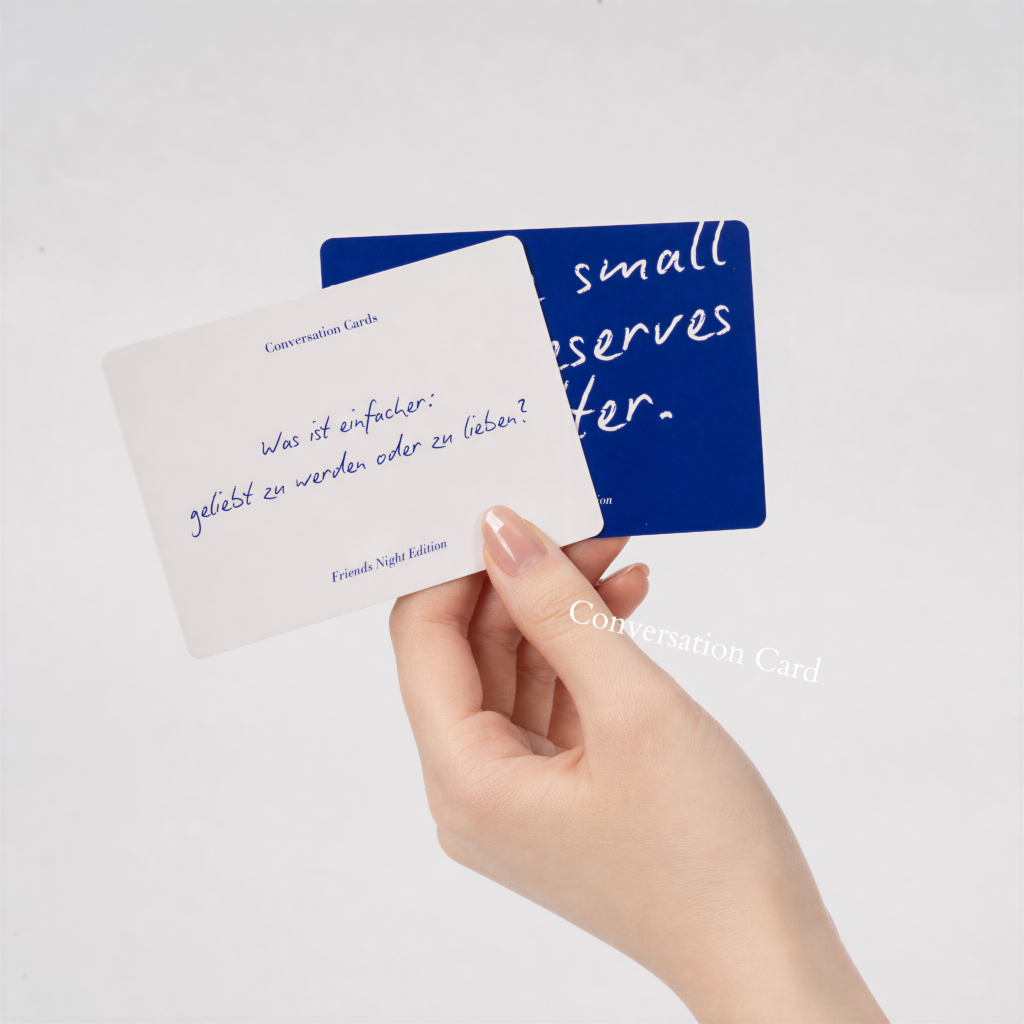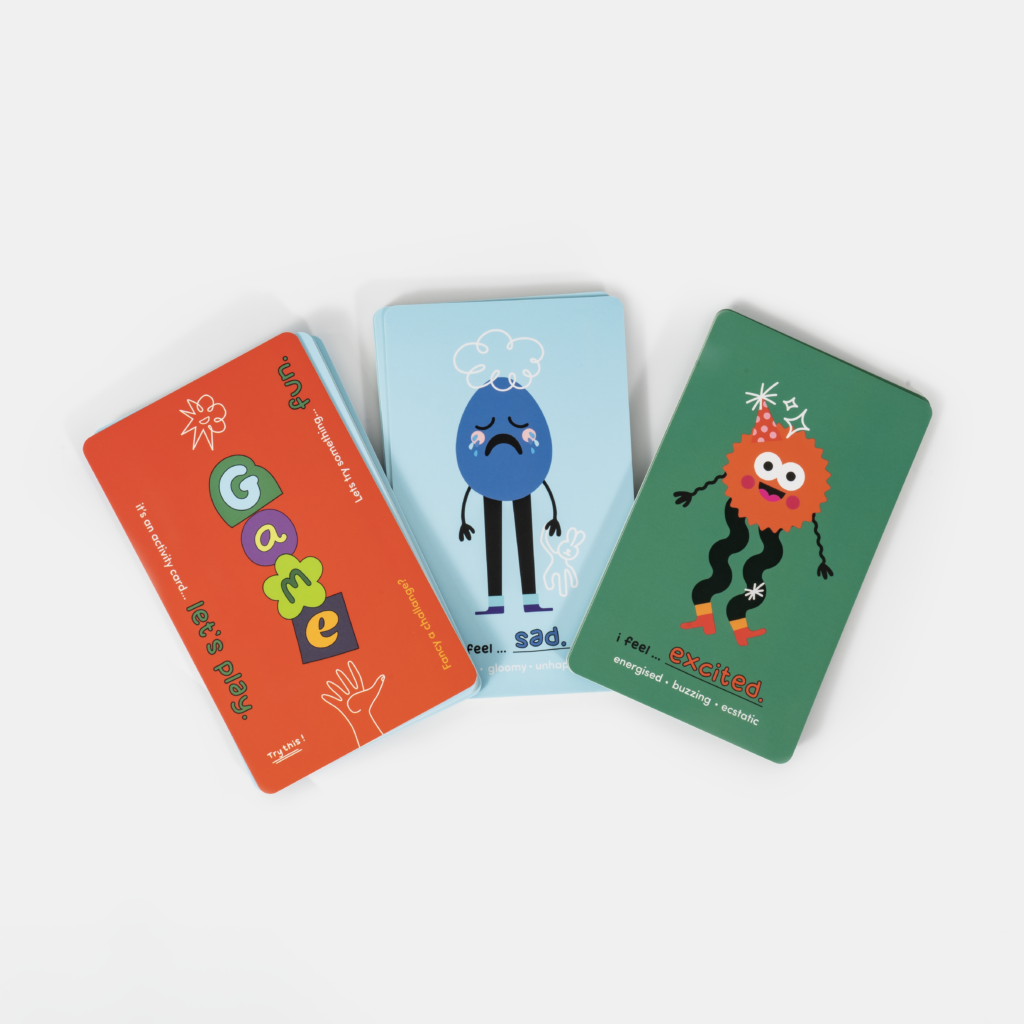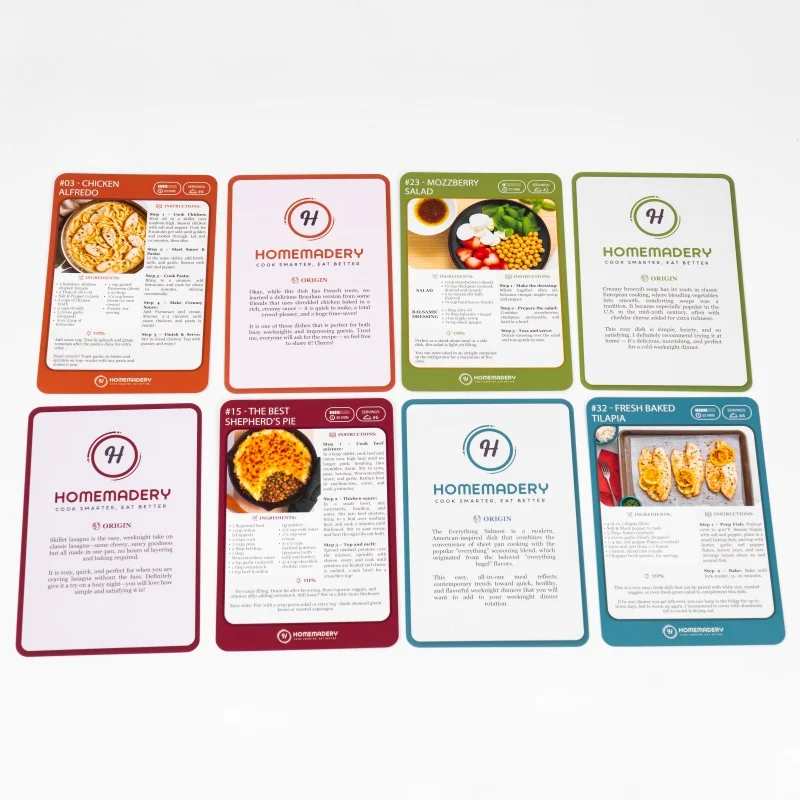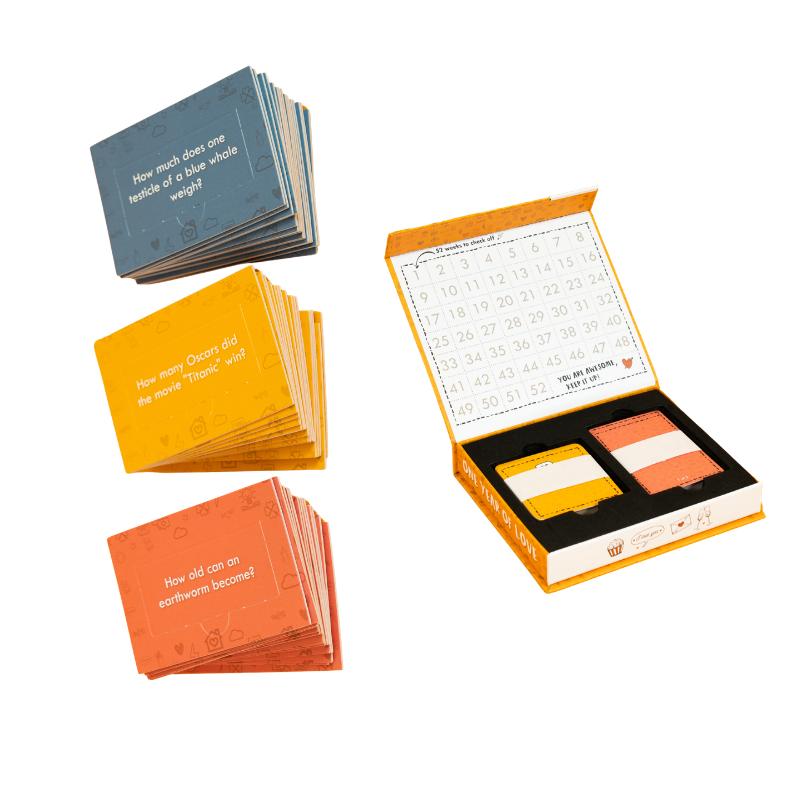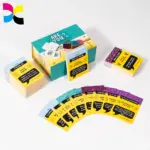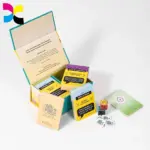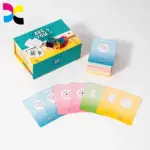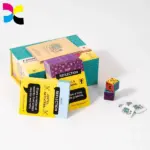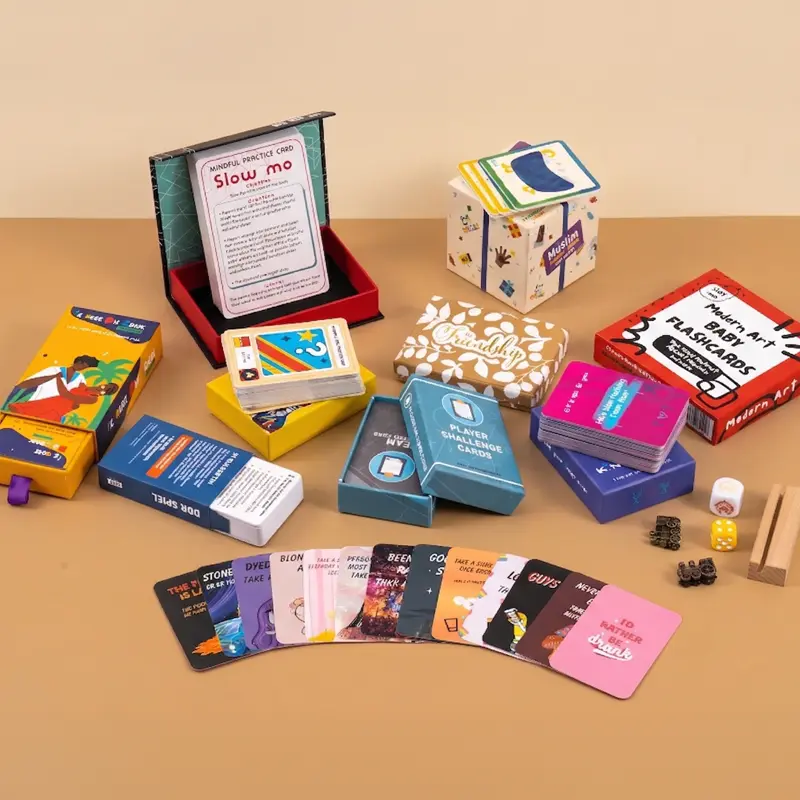
Specifying the wrong card stock puts kids’ card products at risk of early failure. Cards that tear, fray, or fade quickly disappoint buyers, and unverified material claims create documentation problems in regulated markets.
This guide compares the stock, 仕上げる, and packaging choices that matter for children’s cards. We also explain when finished-product safety testing applies, so you can specify a durable product and document it correctly before the production run.
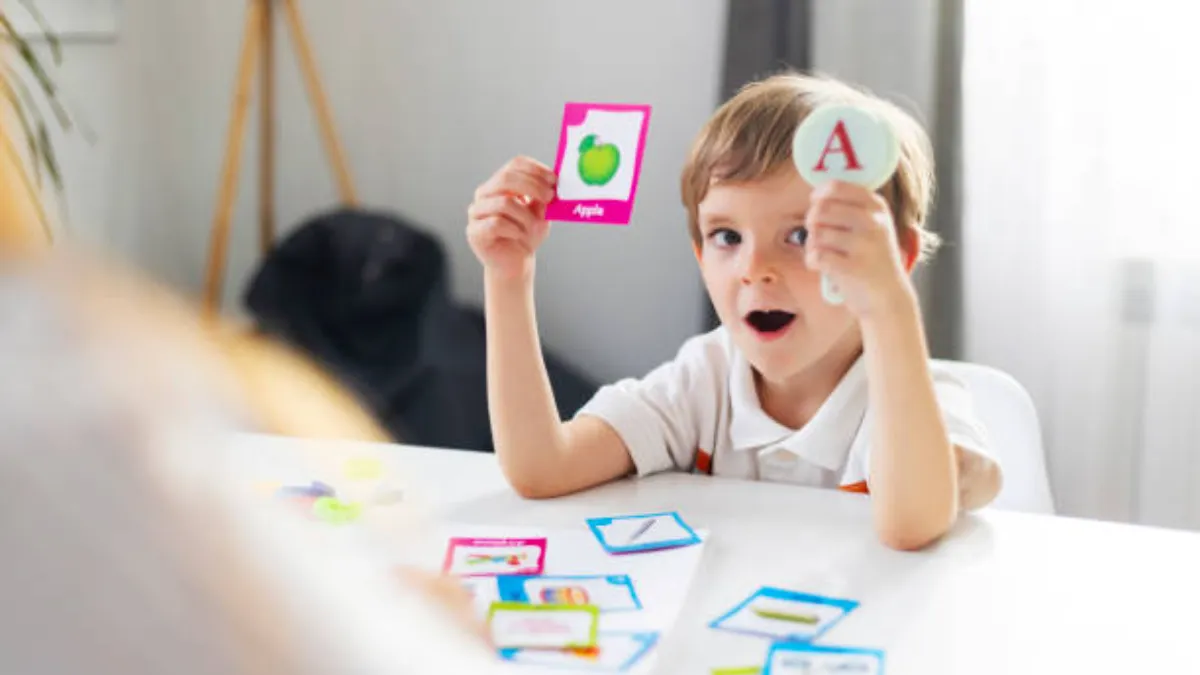
Why Material Selection Matters for Kids Card Products
For kids’ カード, material defines safety, 耐久性, and whether the product survives actual use. Getting it wrong means the product fails quickly and can even become unsafe.
Prioritizing Child Safety and Durability
Cards for kids are treated aggressively. They get bent, 噛んだ, 落とした, and exposed to spills. A thin paper stock fails almost immediately, so the substrate must resist tearing, 水分, and abrasion from constant handling.
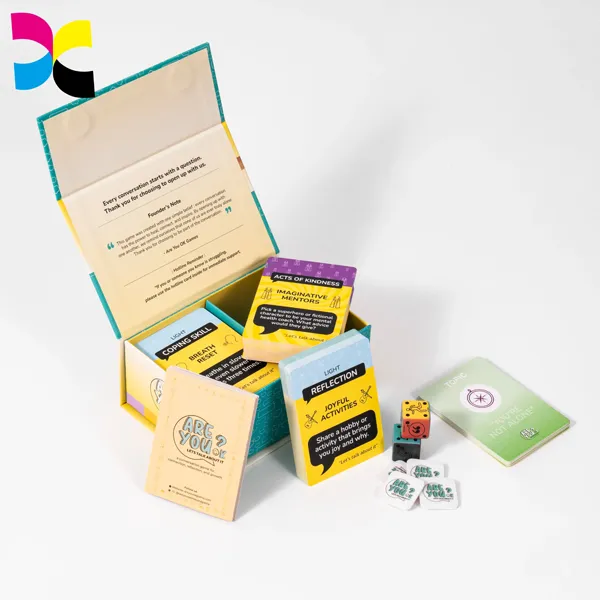
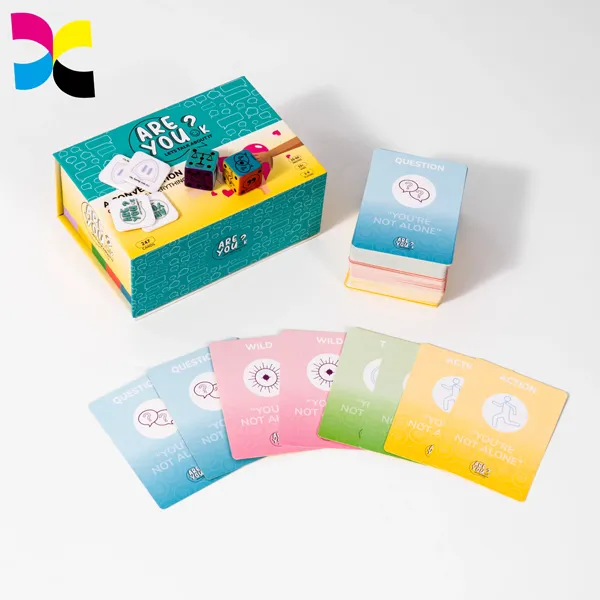
Durability overlaps with safety here. A card that frays can create sharp edges, and one that sheds fragments is a hazard. Discuss a suitable stock in the 300–350 gsm range and approve the feel with a physical sample. Rounded corners are a common specification because they reduce edge wear and poke risk.
Material composition also matters. Ask the supplier which inks and coatings are used, and request the documentation. Children’s products often end up in a small mouth, so chemical safety belongs in the conversation from the first quote.

Impacting Print Quality and User Experience
The material directly affects how graphics look and feel. The substrate determines color reproduction, 表面の質感, and how well the print survives dozens of handling cycles. A cheap stock makes colors look dull and lets ink fade or scuff, which diminishes the educational value.
User experience for a child is tactile. A protective finish such as matte or soft-touch lamination guards the print and feels pleasant in small hands. The card’s weight and rigidity matter too: it should feel substantial without being so heavy that a child struggles to hold and sort it.
Safe Paper Options for Children’s Cards
For kids’ カード, choose thick cardstock with a proven print surface. Sourcing claims such as FSC are separate from chemical safety, which depends on finished-product testing.
| Core Material Types and Sourcing | Physical Properties for Durability and Handling |
|---|---|
|
|
Card size also shapes the child’s experience of the product. For age-appropriate format options, see our guide to the dimensions of flashcards.
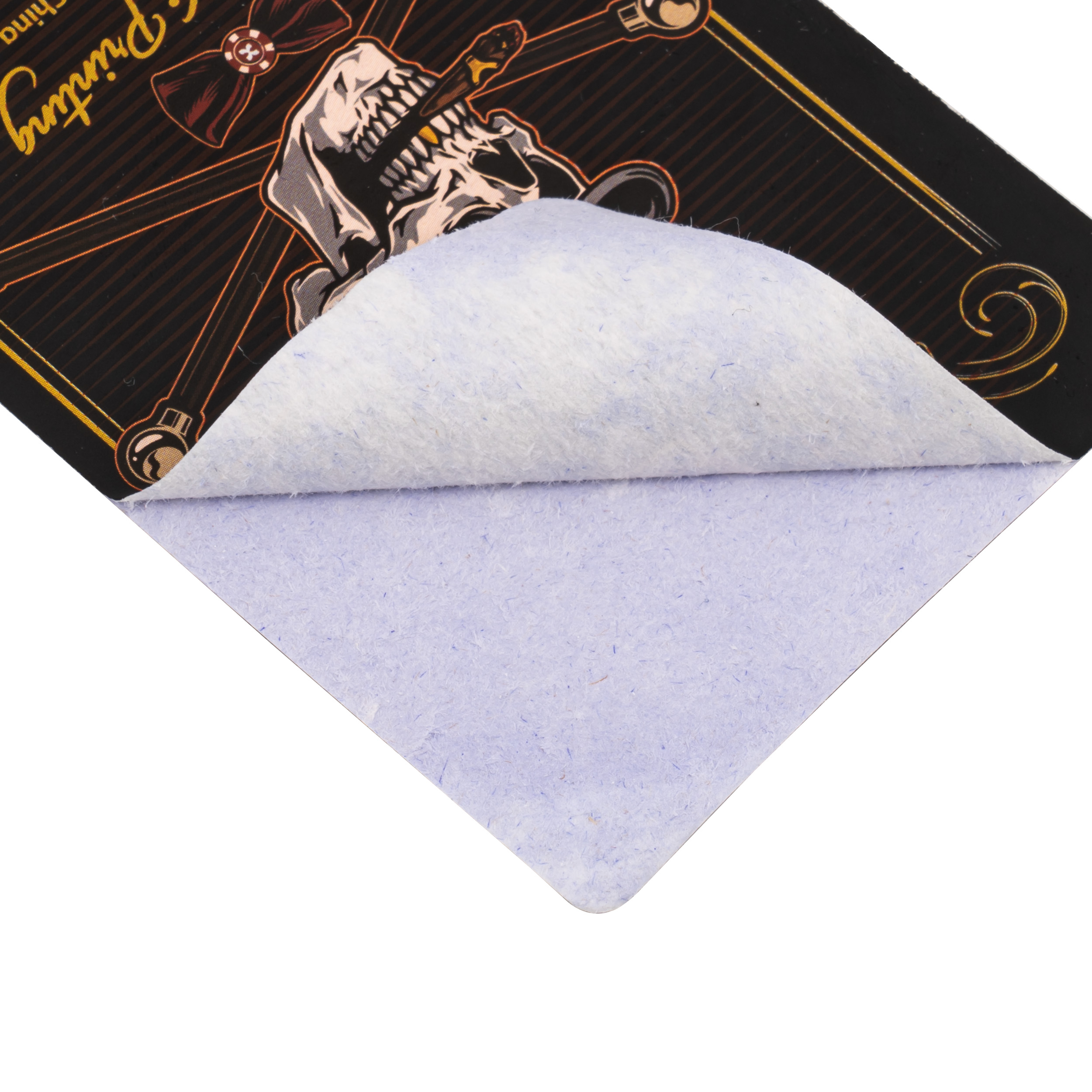
For a fuller comparison of coated stock, core paper, and synthetic options, read what type of paper is best for flashcards.
Eco-Friendly Printing Materials and Certifications
For eco-friendly kids’ カード, use recycled or FSC-certified paper with soy-based inks. These choices reduce environmental impact while keeping the product recyclable.
Sustainable Material Choices for Kids’ カード
The most practical sustainability move is choosing paper stock that is recycled or FSC-certified, which reduces demand for virgin tree fiber. For inks, soy or vegetable-based options cut petroleum use compared with traditional formulations.
- 再生紙: Uses post-consumer waste, directly lowering the need for new fiber.
- FSC認証紙: Confirms the fiber comes from responsibly managed forests.
- Soy or Vegetable-Based Inks: A widely available alternative to petroleum-based inks.
- Water-Based Coatings: A lighter-impact finish choice when recyclability is a priority.
Some finishes complicate the story. Foil lamination, plastic resin layers, and plastic-heavy packaging interfere with standard recycling streams, so weigh them against your sustainability claims.
What Certifications Do and Do Not Prove
Certifications provide third-party validation instead of a marketing claim. For paper, FSC is the label that matters: it confirms responsible forest sourcing through a chain-of-custody audit.
Keep the scope in mind. FSC covers sourcing, not chemical safety, and a factory-level certificate says nothing about your specific deck. Safety limits for children’s products come from destination-market regulations and finished-product testing.
Choose the Right Materials for Kids’ カード
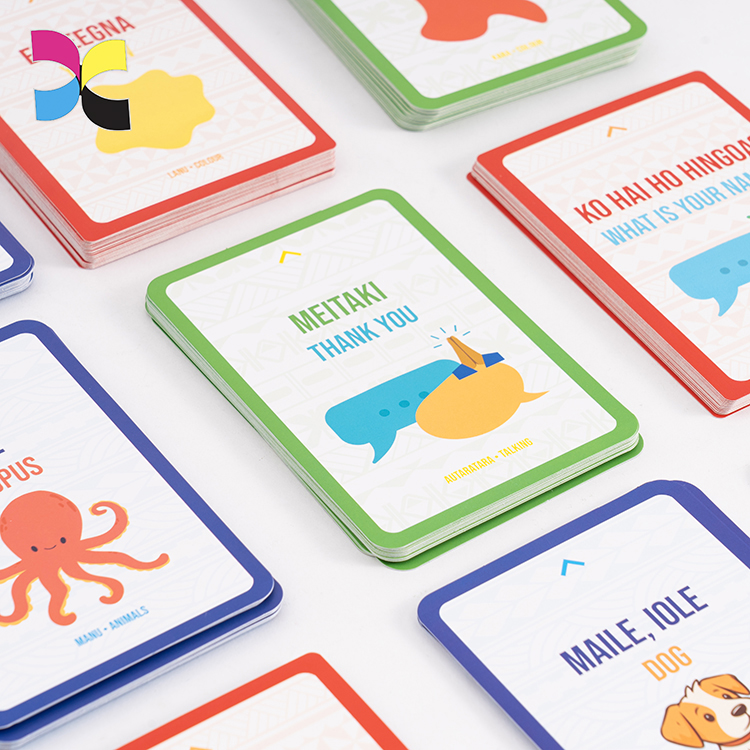
カードの厚さ, コーティング, and Durability
Match the stock and finish to the age group and the use. A 300–350 gsm card with lamination suits most classroom products, while rougher handling calls for a stiffer build.
Choosing Stock by Age and Use
The right thickness depends on who uses the card and how rough they are. Match the construction to the expected wear instead of defaulting to the heaviest option.
- Classroom and Frequent Use: 300–350 gsm cardstock is the common working range. Confirm the hand feel with a physical sample before approving the run.
- Home and Supervised Use: Lighter coated stock can work for gentle use, but compare cost against expected lifespan.
- Toddler and Early-Childhood Cards: Expect bending, dropping, and chewing. Mounted board construction adds stiffness that plain cardstock cannot match.
- Wipe-Clean and Water-Resistant Cards: Synthetic substrates such as PVC survive spills and repeated cleaning. They cost more and need a compatible printing process.
Comparing Protective Finishes
A protective coating shields the print from scratches, 水分, and smudges. Lamination bonds a thin film to the surface and gives the strongest protection. Aqueous and UV coatings are liquid finishes that resist scuffing at a lower cost, without the same moisture barrier.
Match the finish to the job. Matte lamination reduces glare for text-heavy classroom cards. Gloss lamination makes colors pop and wipes clean easily. Soft-touch lamination adds a premium feel for gift-oriented sets.

A finish is only as good as its base. Coatings perform best on stiff, well-trimmed cardstock with clean rounded corners, so evaluate stock and finish together in the same sample.
Printing Quality Control for Kids Products
Print checks protect the product’s look, while documentation protects market access. Kids’ products are held to both standards at once.
Verifying Visual Print Quality and Durability
The first layer of inspection is what you can see and feel. The print must look right and stay right. Ink that flakes off is a quality failure and a potential safety hazard.
- Compare production colors against the approved Pantone references under consistent lighting.
- Test ink adhesion with tape pulls and dry or damp cloth rubs to confirm the print does not lift or smear.
- Check artwork alignment and registration against the approved master sample.
- Inspect for streaks, mottling, off-register images, or incomplete ink coverage.
Confirming Compliance and Traceability
Compliance work starts before production. Confirm the product’s age grading, intended use, and destination market before selecting applicable safety tests, labeling, and documentation. A factory certificate or FSC paper claim does not replace testing of the finished product.
- Check the chemical limits that apply in the destination market, such as rules for lead and phthalates in articles for children.
- For products regulated as toys in the United States, の CPSC toy safety guidance explains testing, tracking-label, and certificate obligations.
- Ask the supplier which test reports they can provide for the chosen inks, コーティング, and paper stock.
- Agree on batch identification and record-keeping with your factory so any issue can be traced to a specific production run.
Packaging Safety Considerations
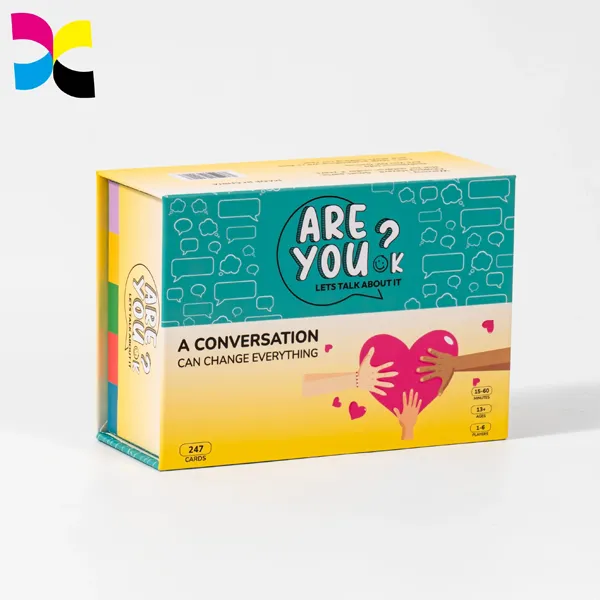
子供向け商品について, packaging is part of the product. Check small parts, エッジ, and packaging materials, and confirm requirements for the destination market.
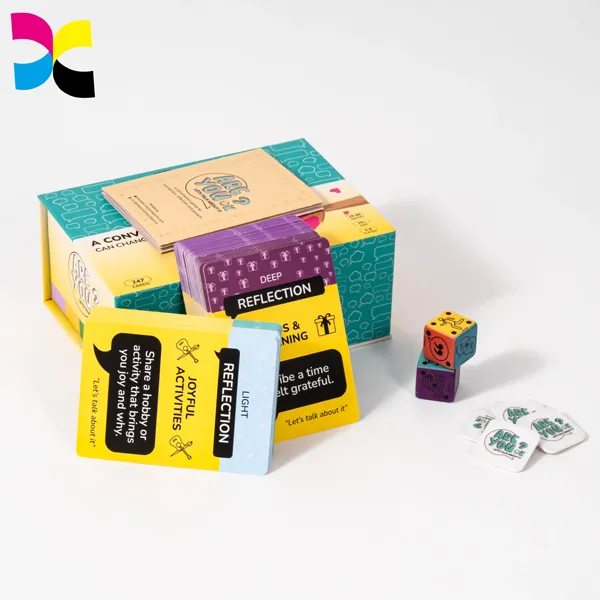
Children interact with the box as much as the cards. Assess the whole package for anything that could detach and become a choking hazard, including decorative elements, window film, ribbons, and small closures.
Also look for sharp points and cut risks on die-cut cartons, staples, そしてインサート. Confirm any packaging rules that apply in the destination market with your buyer or test lab.

Material choices should support the compliance plan. Ask the supplier for documentation on the inks, adhesives, and board used in the packaging, not only on the cards inside.
よくある質問
What paper is safe for kids’ カード?
Choose thick cardstock, commonly 300–350 gsm, from a supplier that documents its inks and coatings. Approve the stock with a physical sample, and add rounded corners to reduce edge risk.
Are printed cards safe for children?
They are safe when the materials, construction, and design fit the age group and meet the rules of the destination market. Check choking-hazard requirements for the card size and any small parts.
What materials are commonly used for flashcards?
Coated cardstock is the standard, often laminated for durability. Mounted board suits toddler cards, and PVC or other synthetics serve wipe-clean and water-resistant sets.
What is FSC-certified paper?
FSC certification confirms the paper fiber comes from responsibly managed forests. It is a sourcing claim, so pair it with finished-product testing whenever safety documentation is required.
How thick should kids’ cards be?
Start the discussion in the 300–350 gsm range and compare physical samples side by side. Rough use by toddlers usually calls for mounted board or a synthetic card instead of plain cardstock.
What coating is best for children’s cards?
Matte lamination reduces glare for reading-heavy cards, while gloss lamination suits colorful art and wipes clean easily. Aqueous coating is a lower-cost option for lighter use.
最終的な考え
Kids’ card products succeed or fail at the material level. The right stock, a proven finish, and honest documentation protect both the child using the cards and the brand selling them.
Turn specifications into evidence: request physical samples, compare candidate stocks side by side, and confirm the testing your destination market requires before the production run. Send us your card concept, and we will help you match materials to budget and compliance needs.