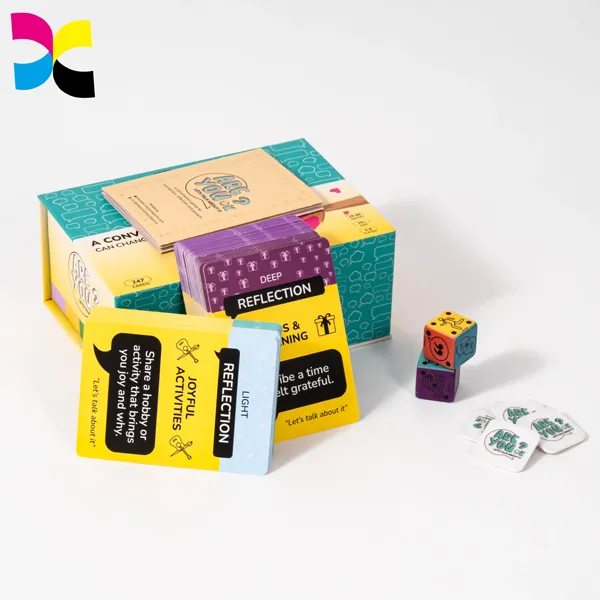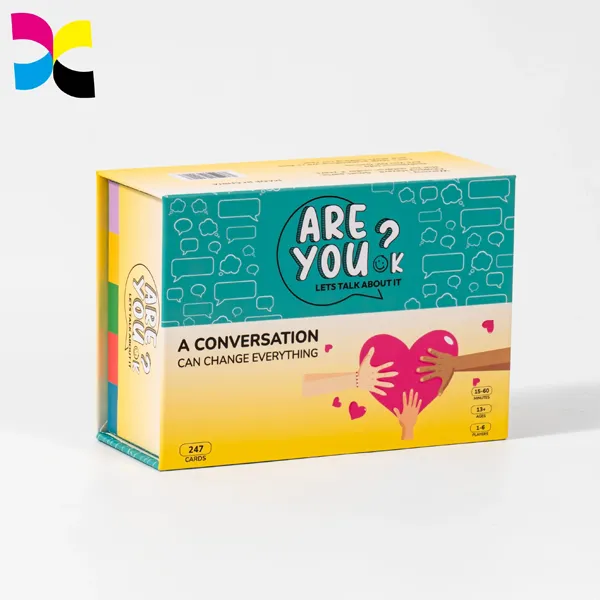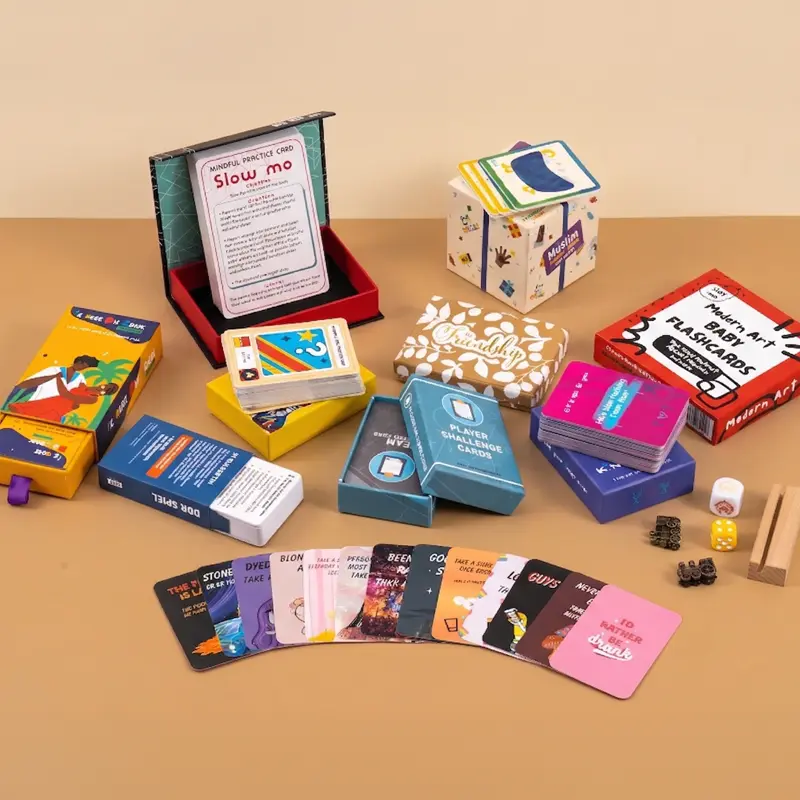
La produzione di cartoline eco-compatibili richiede qualcosa di più di vaghe promesse ecologiche per garantire uno spazio commerciale premium. Affidarsi a materiali non verificati rischia il rifiuto immediato da parte degli acquirenti di fascia alta e lascia il tuo inventario bloccato in una trappola a basso margine.
Questa analisi analizza gli esatti requisiti materiali per garantire la certificazione FSC e ISO 14001 conformità. Valutiamo spostamenti di produzione come gli inchiostri a base di soia che riducono le emissioni di composti organici volatili 0.8 per cento e documentare le credenziali di sostenibilità verificate necessarie per comandare a 28 premio di prezzo percentuale.
Perché la sostenibilità è importante per i marchi di carte di affermazione

Le pratiche ecocompatibili aumentano direttamente i margini di vendita. I marchi che utilizzano materiali sostenibili certificati vedono a 12-14% aumento della domanda e giustificare a 28% sovrapprezzo riducendo allo stesso tempo drasticamente i rifiuti ambientali.
Soddisfare la domanda dei consumatori per prodotti ecologici
Gli acquirenti nel moderno spazio benessere cercano attivamente valori etici. Proiezioni per 2026 mostratelo 85% dei consumatori sostiene deliberatamente le aziende che dimostrano una forte responsabilità ambientale. Per i marchi di carte di affermazione, questo cambiamento nel comportamento degli acquirenti richiede un serio aggiornamento della strategia di prodotto.
Le credenziali di sostenibilità verificate fanno molto di più che proteggere il pianeta: accelerano la crescita. L'integrazione di materiali ecologici nel tuo catalogo offre vantaggi commerciali misurabili.
- Incremento delle vendite: Le etichette di certificazione al dettaglio guidano a 12% A 14% aumento della domanda di prodotti di base.
- Premio di prezzo: Le affermazioni attendibili sulla sostenibilità consentono ai marchi di comandare fino a a 28% prezzo più alto.
- Fedeltà del cliente: Comunicare in modo trasparente le pratiche ecocompatibili direttamente sulla confezione garantisce acquirenti abituali.
Ridurre l’impatto ambientale attraverso la produzione sostenibile
L'aggiornamento dei metodi di produzione riduce drasticamente l'inquinamento produttivo. I produttori di carte ottengono questo risultato passando a 100% riciclabile, carta senza cloro abbinata a prodotti di origine vegetale, inchiostri vegani. Queste scelte di materiali specifici mantengono le sostanze chimiche tossiche fuori dall'ambiente e garantiscono che le carte si rompano in modo pulito alla fine della loro vita.
I creatori lungimiranti eliminano anche la plastica durante l’intero ciclo di vita del prodotto. Sostituiscono il tradizionale film termoretraibile, laminati lucidi, e buste sintetiche con alternative sostenibili che soddisfano rigorosi standard ambientali.
- Imballaggio biodegradabile: Sostituire le cellofan di plastica con buste di carta velina e glassine compostabili.
- Adesivi puliti: Utilizzo di etichette senza fenoli e adesivi riciclati per la spedizione.
- Neutralità del carbonio: Impegnarsi in reti di distribuzione etiche e solidi programmi di compensazione delle emissioni di carbonio.
L’implementazione di questi cambiamenti operativi evita che i rifiuti a lungo termine finiscano nelle discariche. Allinea il marchio della tua carta di affermazione con gli esatti standard etici che il tuo mercato di riferimento si aspetta.
Carta certificata FSC per cartoline di affermazione personalizzate
La certificazione FSC garantisce che le tue carte di affermazione provengano da foreste gestite in modo responsabile. L'utilizzo di carta verificata combinata con inchiostri ecologici soddisfa la domanda dei consumatori supportando al tempo stesso rigorosi standard ambientali e sociali.
| Etichetta FSC | Composizione materiale |
|---|---|
| 100% Certificato FSC | Proveniente interamente da approvato, foreste gestite in modo responsabile. |
| Miscela FSC | Combina legno certificato, contenuto riciclato, e fonti controllate. |
Cosa significa la certificazione FSC
Il Forest Stewardship Council opera come organizzazione internazionale che promuove la gestione responsabile delle foreste in tutto il mondo. Piuttosto che fare affidamento sull’auto-reporting del settore, il gruppo applica rigorosi protocolli di verifica per mantenere i propri standard globali.
Revisori indipendenti valutano le foreste certificate rispetto a criteri ambientali rigorosi, sociale, e criteri economici. Questa valutazione globale garantisce che le operazioni forestali proteggano i lavoratori, sostenere le comunità locali, e rispettare i confini ecologici.
L'approvvigionamento di questa carta fornisce una dura garanzia per quanto riguarda le origini dei materiali. La certificazione dimostra che i produttori raccolgono legno legalmente e proteggono attivamente la biodiversità locale dal suolo forestale lungo tutta la catena di approvvigionamento.
Tipi di carta FSC per mazzi di carte e imballaggi
I produttori di carte classificano gli stock di carta sostenibili in base all'origine precisa delle materie prime.
- 100% Carta certificata FSC: I produttori producono questo stock interamente da fibra di legno proveniente da foreste approvate.
- Etichetta mista FSC: I produttori combinano materiali provenienti da foreste certificate, contenuto riciclato, e fonti di legno controllate.
Costruire un prodotto sostenibile richiede qualcosa di più della semplice carta pulita. I creatori di carte abbinano questo stock a inchiostri a base di soia, vernici all'acqua, e materiali di imballaggio privi di plastica per garantire che l'intero ponte rimanga facilmente riciclabile senza contaminazione chimica.
Per sostenere queste scelte materiali, strutture di altissimo livello ottimizzano i processi produttivi per ridurre i consumi energetici. Implementano metodi di produzione efficienti mantenendo l'ISO 14001 conformità per una rigorosa gestione ambientale.
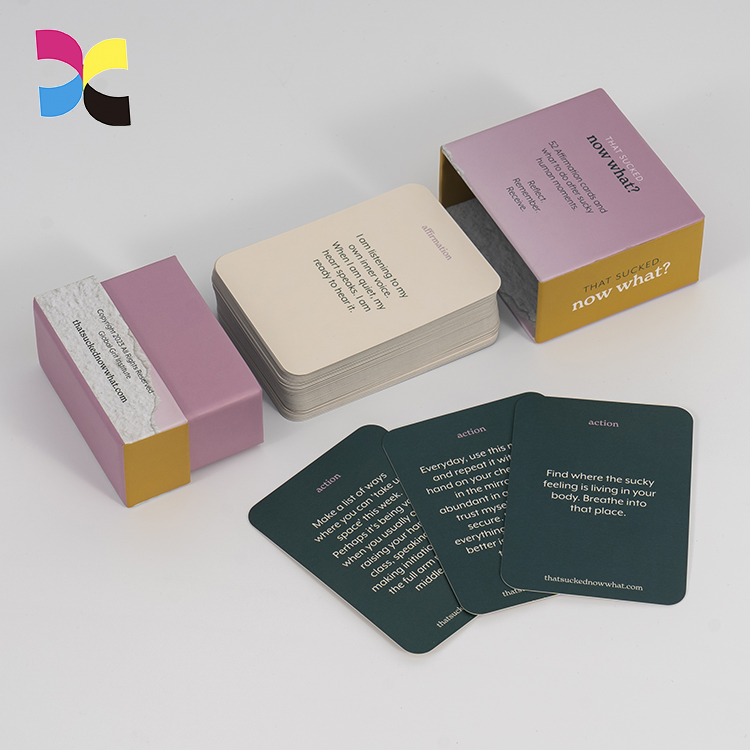
Materiali di stampa ecologici
Il passaggio agli inchiostri di origine vegetale e alla carta riciclata ad alto PCW riduce le emissioni di COV 0.8% e aumenta l'efficienza della disinchiostrazione 85%, garantendo una produzione di carte sostenibile ma vivace.
Inchiostri a base di soia e vegetali
Le alternative di origine vegetale si basano sulla soia e sugli oli vegetali per sostituire gli inchiostri standard a base di petrolio. Questo interruttore riduce attivamente i composti organici volatili (COV) emissioni fino a 0.8%, che riduce drasticamente l’inquinamento atmosferico durante la produzione.
Queste formulazioni a base vegetale offrono vantaggi operativi e ambientali distinti:
- Biodegradabilità: Gli inchiostri di soia si decompongono 24 volte più velocemente rispetto alle opzioni petrolifere tradizionali.
- Efficienza del riciclaggio: Le formulazioni vegetali semplificano il processo di disinchiostrazione quando la carta raggiunge l'impianto di riciclaggio.
- Sicurezza e qualità: Migliorano la sicurezza sul posto di lavoro per gli addetti alla stampa offset, producendo allo stesso tempo colori vivaci per le carte di affermazione educativa.
Opzioni di carta riciclata e a basso impatto
L'utilizzo di carta riciclata riduce al minimo l'impatto ambientale della produzione di carte. Opzioni che utilizzano 30% A 100% i rifiuti post-consumo riducono il consumo energetico di produzione 40% e risparmia fino a 17 alberi per tonnellata rispetto alle tirature di carta vergine.
Gli stampatori utilizzano anche fibre alternative e metodi di lavorazione puliti per massimizzare la sostenibilità:
- Fibre a basso impatto: Materiali a crescita rapida come la canapa e il bambù forniscono substrati resistenti senza un pesante consumo di risorse.
- Elaborazione pulita: Queste carte utilizzano metodi di lavorazione privi di cloro per eliminare il deflusso di sostanze chimiche tossiche nei sistemi idrici.
- Combinazioni ottimizzate: L'abbinamento di carta riciclata con inchiostri di soia aumenta l'efficienza di disinchiostrazione della carta 85% alla fine del ciclo di vita del prodotto.
Finiture e soluzioni di imballaggio sostenibili

La vera sostenibilità nella produzione di carte richiede la sostituzione dei laminati di petrolio e dei cellofan plastici con rivestimenti acquosi, inchiostri di soia, e imballaggi a base vegetale per mantenere la piena riciclabilità.
Rivestimenti e laminazioni riciclabili
L’abbandono delle tradizionali pellicole plastiche richiede scelte di materiali specifici che non interrompano i flussi di riciclo della carta. Le stampanti abbinano carta certificata FSC con inchiostri di soia biodegradabili per garantire che l'intera carta eviti la contaminazione della plastica.
- Inchiostri a base di soia: Gli stampatori applicano questi inchiostri biodegradabili per garantire la completa riciclabilità senza lasciare residui tossici nel processo di rigenerazione.
- Rivestimenti acquosi e a base biologica: Queste alternative sostituiscono le tradizionali pellicole plastiche garantendo un'azione antigrasso, Finitura priva di acidi che passa facilmente attraverso i flussi di riciclaggio della carta standard.
- Laminati riciclabili opachi: I servizi di stampa su richiesta li utilizzano per eliminare gli sprechi generati dallo standard, vernici lucide non riciclabili.
Queste finiture offrono la stessa durabilità e la stessa sensazione professionale delle opzioni convenzionali, ma eliminano la plastica invisibile che manda la carta altrimenti riciclabile direttamente in discarica.
Imballaggio senza plastica e senza cellophane
Avvolgere un mazzo di carte ecologico nel cellophane di plastica vanifica lo scopo della produzione sostenibile. L’industria utilizza alternative compostabili che imitano le qualità protettive della plastica senza l’impronta ambientale a lungo termine.
- Sacchetti di cellulosa compostabili: Realizzato in fibra vegetale, questi sostituiscono il cellophane e sigillano in modo sicuro utilizzando loghi di carta, nastro adesivo washi, o spago di cotone.
- Buste di carta pergamena: Questo materiale offre trasparenza, resistente ai grassi, e un involucro privo di acidi che preserva le affermazioni stampate e il compost in modo naturale nel tempo.
- Scatole personalizzate in carta riciclabile: I produttori li creano insieme a imballaggi certificati FSC per completare set di carte sostenibili per i mercati educativi.
L'approvvigionamento di questi materiali alternativi consente ai marchi di offrire un'esperienza di unboxing premium rispettando al tempo stesso le rigorose ecocertificazioni di vendita al dettaglio e le aspettative dei consumatori.
Produzione sostenibile ed efficienza produttiva
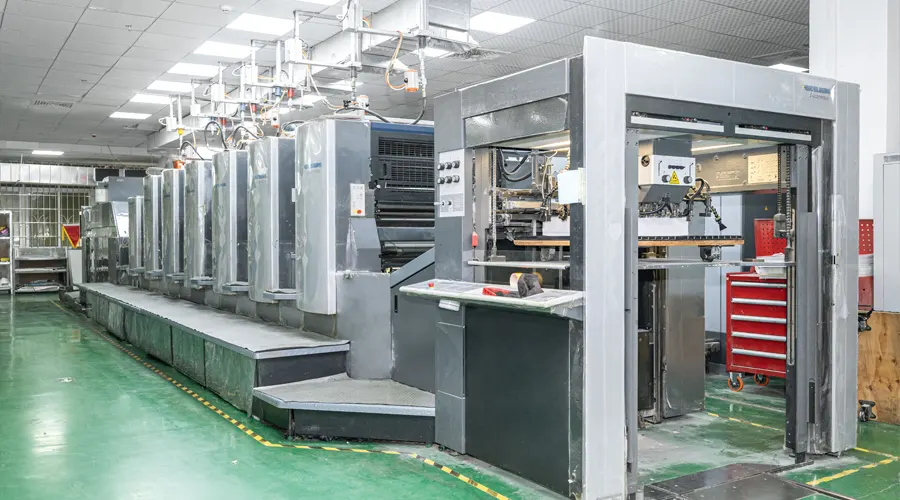
La produzione semplificata riduce gli sprechi di materiale e riduce l'ingombro delle spedizioni, dimostrando quella carta ecologica produzione migliora direttamente l’efficienza operativa e la logistica.
Come la produzione integrata riduce gli sprechi di materiale
Le strutture integrate uniscono il design, stampa, e assemblaggio sotto lo stesso tetto. Questa configurazione elimina gli intermediari non necessari e rafforza il controllo sull'utilizzo dei materiali lungo l'intera catena di fornitura.
- Riduzione dell'inchiostro: I metodi offset digitali e waterless utilizzano inchiostri a base vegetale, riducendo gli sprechi di inchiostro 30-50%.
- Recupero dei materiali: Approvvigionamento 100% rifiuti post-consumo riciclabili (PCW) le scorte mantengono le materie prime fuori dalle discariche.
- Lavorazione senza sostanze chimiche: Fibre alternative, come le miscele di erba, processo meccanicamente per produrre zero rifiuti chimici.
- Compensazioni delle emissioni: I poli di produzione neutralizzano la loro impronta di carbonio collegando direttamente la riduzione dei rifiuti agli obiettivi prefissati 2026 programmi di riforestazione.
Ottimizzazione dell'imballaggio per un minore impatto sulla spedizione
Un imballaggio più intelligente riduce le emissioni dei trasporti. Eliminare il grasso dai materiali di spedizione significa pacchi più leggeri, meno spazio di carico sprecato, e un calo del consumo di carburante per spedizione.
- Riduzione del volume: Scatole prive di plastica realizzate con pasta di cellulosa ECF e carta velina compostabile per ridurre il volume totale della confezione 50-70%.
- Ottimizzazione del peso: Le etichette riciclate senza fenoli e l'imballaggio minimalista riducono il peso morto complessivo dei materiali di spedizione.
- Logistica a rifiuti zero: Contenitori biodegradabili, compresa la carta da semina piantabile, decomporsi completamente dopo che l'utente finale ha scartato l'imballaggio.
Affidarsi alla produzione regionale limita la necessità di trasporti a lungo raggio. Quando combini la produzione localizzata con questi aggiornamenti del packaging, crei una pipeline logistica altamente efficiente che supporti i tuoi parametri di sostenibilità.
Come la sostenibilità influisce sulla vendita al dettaglio e sul valore del marchio
La sostenibilità verificata ha un impatto diretto sui profitti. Le ecocertificazioni aprono le porte a spazi commerciali premium, mentre le pratiche ecologiche stimolano la domanda e giustificano prezzi più alti nei mercati del benessere.
Obblighi di ecocertificazione nei canali di vendita al dettaglio
I rivenditori e i consumatori chiedono prove, non solo promesse. Quasi un terzo dei prodotti per il benessere contiene affermazioni ecologiche non verificate, costringendo i rivenditori a esaminare attentamente chi ottiene spazio sugli scaffali e visibilità online.
- Approvvigionamento dei materiali: I marchi devono utilizzare materiale riciclabile, materiali non PVC, affidarsi a carta certificata FSC e inchiostri a base di soia per soddisfare le aspettative di vendita al dettaglio di base.
- Verifica indipendente: Gli audit di terze parti convalidano materiali e processi di produzione, consentendo ai marchi di aggirare i rigidi filtri di greenwashing.
- Programmi del mercato: Iniziative come Climate Pledge Friendly di Amazon richiedono un controllo della produzione a basse emissioni di carbonio e degli imballaggi ecologici prima di integrare i prodotti nei loro sistemi.
Queste credenziali verificate funzionano come segnali di fiducia per gli acquirenti. Spingono le carte di affermazione con marchio di qualità ecologica più in alto nei risultati e nei consigli di ricerca al dettaglio, garantire una visibilità critica rispetto ai concorrenti non certificati.
Perché la sostenibilità migliora la competitività del brand
L’80% degli acquirenti ora tiene conto dell’impatto ambientale nei propri acquisti. Una chiara maggioranza apprezza la sostenibilità rispetto al tradizionale riconoscimento del marchio nella scelta dei prodotti per il benessere personale.
- Premi di prezzo: Le pratiche sostenibili spingono la domanda dei consumatori fino al 14 per cento, consentendo ai marchi di comandare 28 margini percentuali più alti.
- Incremento delle vendite: I marchi ecologici verificati generano a 12 aumento percentuale delle vendite e più visualizzazioni dei prodotti durante il primo anno di posizionamento al dettaglio.
- Contrasto di mercato: Le certificazioni ufficiali separano i marchi orientati allo scopo dal rumore nelle affollate categorie di benessere.
Questo contrasto immediato cattura gli acquirenti passivi che cercano prodotti responsabili. A lungo termine, gli impegni mirati trasformano i mazzi di affermazione standard in premium, strumenti per il benessere ad alto margine che creano fiducia e stimolano gli acquisti ripetuti.
Come scegliere un produttore di stampa di carte sostenibile
La selezione di una stampante ecologica richiede la verifica di una rigorosa conformità come ISO 14001 e valutare le esatte capacità materiali, dalle scorte di rifiuti post-consumo agli inchiostri a basso contenuto di COV.
Certificazioni e standard di conformità
Gli stampatori spesso fanno affermazioni ambientali radicali. Hai bisogno di prove documentate che le loro operazioni e i loro materiali soddisfino parametri di riferimento rigorosi. Affidati a standard riconosciuti a livello internazionale per esaminare i potenziali partner.
- ISO 14001 Certificazione: Cerca i produttori che rispettano questo standard per garantire che adottino solidi sistemi di gestione ambientale e di riduzione dei rifiuti.
- Norme EN13432: Verifica questi parametri di conformità specifici se acquisti materiali biodegradabili per le tue carte.
- Opzioni a zero emissioni di carbonio: Richiedere programmi che compensino attivamente le emissioni di produzione attraverso iniziative verificate di energia rinnovabile.
- Documentazione della catena di custodia: Richiesta chiara, registri di approvvigionamento ininterrotti per tutti i substrati certificati FSC.
- Prove fisiche: Richiedere la documentazione che mostri l'esatto composto organico volatile (COV) riduzioni durante il processo di stampa.
Valutazione degli eco-materiali e delle capacità produttive
Oltre le pratiche burocratiche, controllare cosa succede sulla stampa vera e propria. Il produttore deve fornire materiali a basso impatto e metodi di stampa efficienti su misura per il volume dell'ordine.
- Selezione del substrato: Dare priorità 100% cartone riciclato post-consumo o carta di pietra. Queste opzioni consentono di risparmiare energia ed eliminare l'uso di alberi e acqua durante la produzione.
- Inchiostri e metodi di stampa: Scegli partner che utilizzano inchiostri a base di soia o vegetali. Abbinalo alla stampa digitale per piccoli lotti per ridurre significativamente le emissioni di COV.
- Materiali avanzati: Valutare le carte a base di alghe. Questi agiscono come un’opzione pratica carbon-negative destinata a maturare 2026.
- Costo ed efficienza di progettazione: Confronta i prezzi all'ingrosso per le scorte riciclate. Integra i codici QR nei tuoi progetti per ridurre al minimo il contenuto stampato effettivo e risparmiare inchiostro.
Considerazioni finali
Affidarsi a materiali non certificati e a pellicole termoretraibili potrebbe ridurre i costi di produzione iniziali, ma blocca attivamente il tuo marchio fuori dai canali di vendita al dettaglio premium. Impegnarsi per una sostenibilità verificabile, supportata da carta certificata FSC e inchiostri a base di soia, è l'unico modo per ottenere margini di prezzo più elevati e superare severi controlli di conformità dei fornitori. L'aggiornamento dei tuoi standard di produzione trasforma un mazzo di affermazioni standard in uno di alto valore, asset al dettaglio orientato allo scopo.
Non rischiare la tua reputazione con dichiarazioni ecologiche non verificate: convalida direttamente la qualità della tua produzione. Ti consigliamo di richiedere una confezione campione fisica per valutare in prima persona i nostri substrati certificati FSC e gli imballaggi compostabili. Contatta il nostro team di produzione per discutere le vostre esatte specifiche di vendita al dettaglio e creare un prodotto pienamente conforme, linea di prodotti ecologici.
Domande frequenti
Esiste una stampa di carte ecologica??
SÌ, la stampa di card ecocompatibili è un settore maturo. I produttori moderni fanno affidamento su 100% carta riciclata post-consumo, materiali a base di alghe, e cartoni compostabili specializzati. Le stampanti utilizzano inchiostri sostenibili a base di soia o acqua invece del petrolio. I processi di stampa digitale riducono anche i rifiuti chimici e il consumo di energia, garantire la qualità professionale senza il pedaggio ambientale.
Cos'è la carta certificata FSC per mazzi di carte?
Consiglio per la tutela delle foreste (FSC) La certificazione garantisce che la tua carta provenga da foreste gestite legalmente e in modo responsabile. La certificazione richiede rigorosi standard ambientali e sociali lungo tutta la catena di fornitura. Per mazzi di carte premium, utilizzano in genere le stampanti 270-330 Cartoncino GSM certificato FSC. Molti produttori abbinano questo materiale a rivestimenti biodegradabili per mantenere una movimentazione professionale proteggendo al contempo gli habitat naturali.
Gli inchiostri a base di soia sono sicuri per i prodotti per bambini??
Gli inchiostri a base di soia sono completamente sicuri per gli articoli per bambini come le carte con affermazioni educative. Non sono tossici, inodore, e privo di composti organici volatili dannosi (COV) presente negli inchiostri a base di petrolio. Il processo di produzione rimuove le proteine della soia, che elimina i rischi di allergie. Questi inchiostri offrono colori vivaci e un'eccellente durata senza compromettere la sicurezza.
Posso avere un imballaggio senza plastica per il mio mazzo di carte??
Puoi confezionare facilmente mazzi di carte senza plastica. I fornitori offrono sacchetti di cellulosa compostabili in casa, buste di vetro senza acidi, e scatole a conchiglia in carta kraft. Questi materiali completamente riciclabili proteggono le tue carte durante la spedizione e la movimentazione. L'eliminazione della pellicola termoretraibile per queste alternative basate sulla carta allinea direttamente il tuo prodotto fisico con l'immagine del tuo marchio eco-consapevole.
La stampa ecologica costa di più della stampa tradizionale?
La stampa ecologica richiede a 10-25% investimento iniziale più elevato. Paghi un premio per substrati riciclati specializzati e inchiostri non tossici. Ma la stampa sostenibile garantisce risparmi a lungo termine grazie al ridotto consumo di energia e alle minori spese di smaltimento. Inoltre, le tirature in serie riducono significativamente il costo unitario, aiutandoti ad assorbire il premio iniziale fornendo al contempo un prodotto etico di alto valore.
Quali sono le migliori finiture riciclabili per le carte di affermazione?
Le finiture riciclabili più efficaci includono la laminazione opaca, vernici UV senza solventi, Stamping in lamina, e goffratura o debossing meccanica. Queste tecniche proteggono le carte e creano texture premium senza aggiungere barriere di plastica non riciclabili. Applicazione di queste finiture a prodotti certificati FSC, Il cartoncino privo di cloro garantisce che l'intero mazzo rimanga completamente riciclabile in impianti di carta standard.