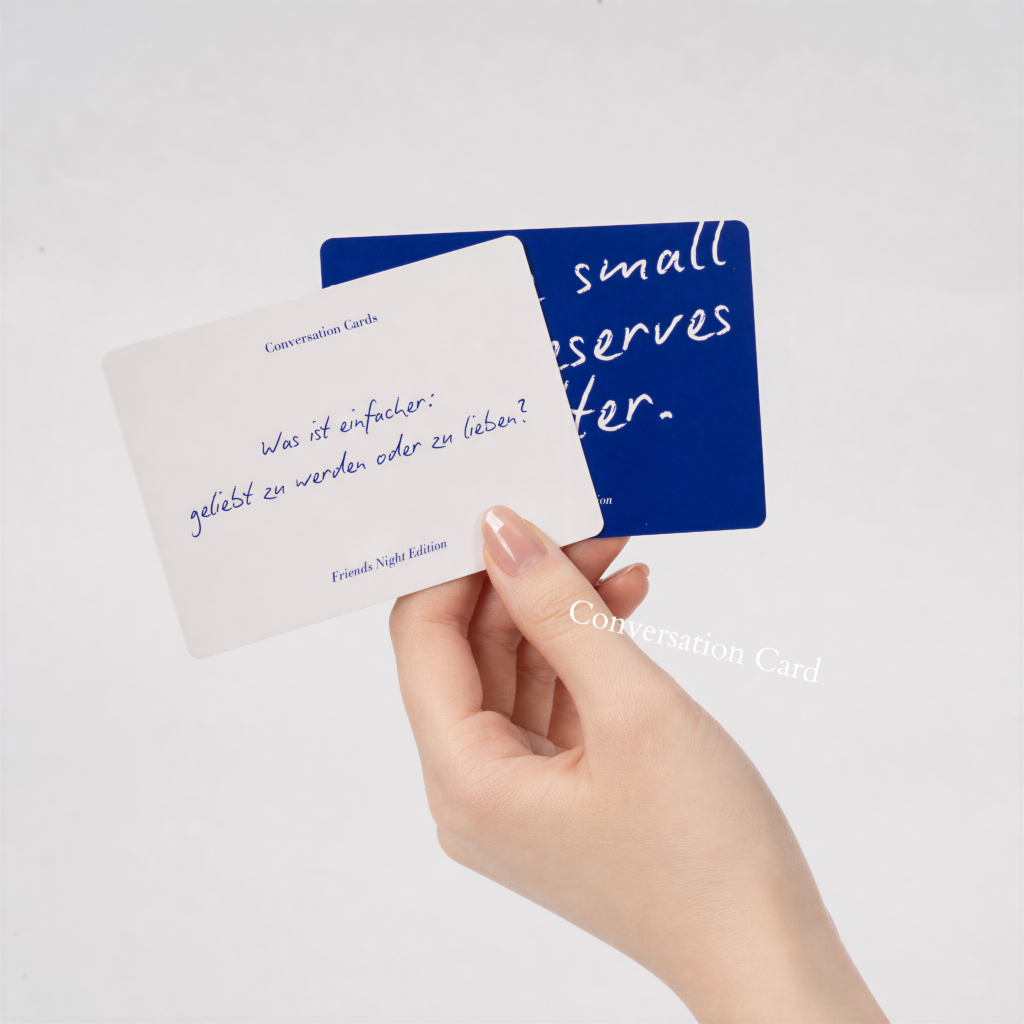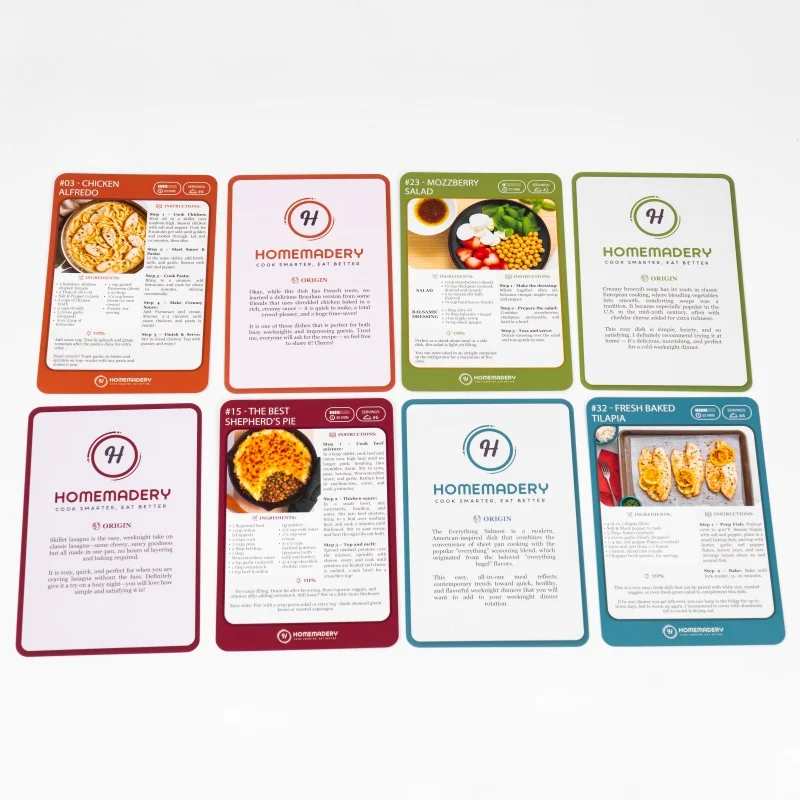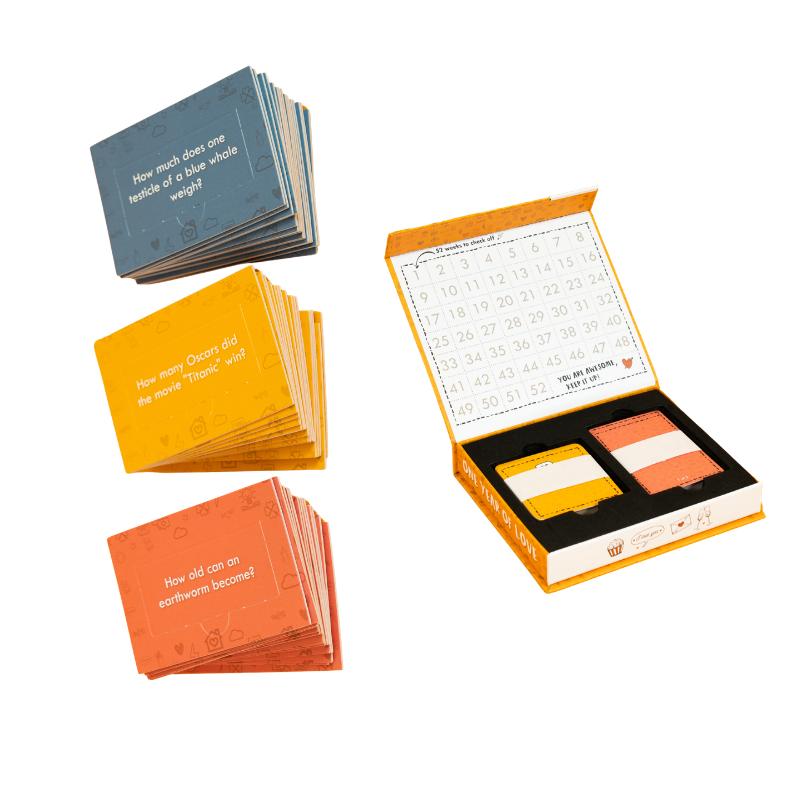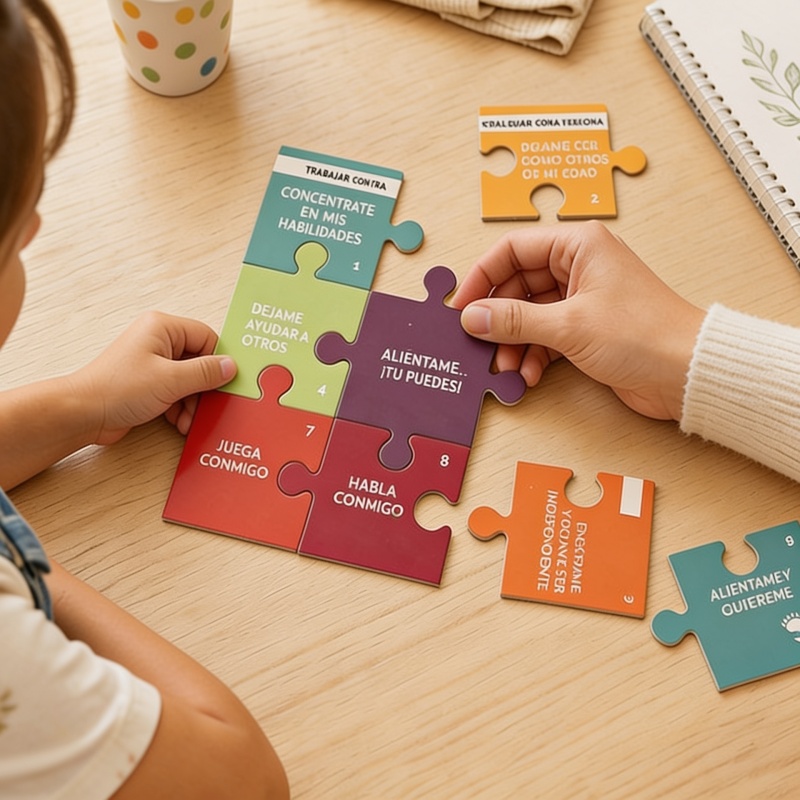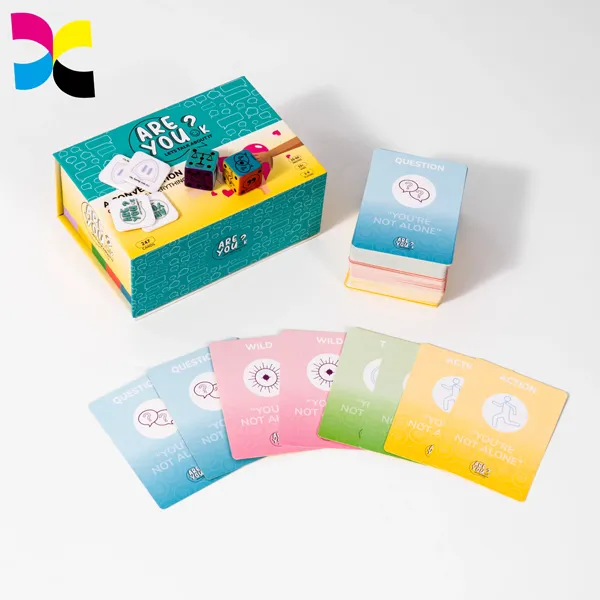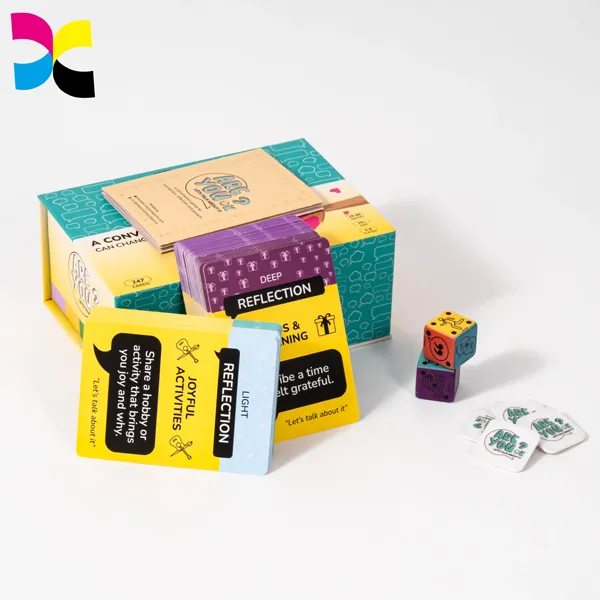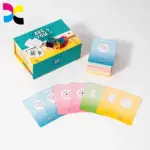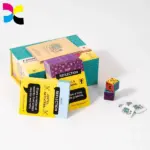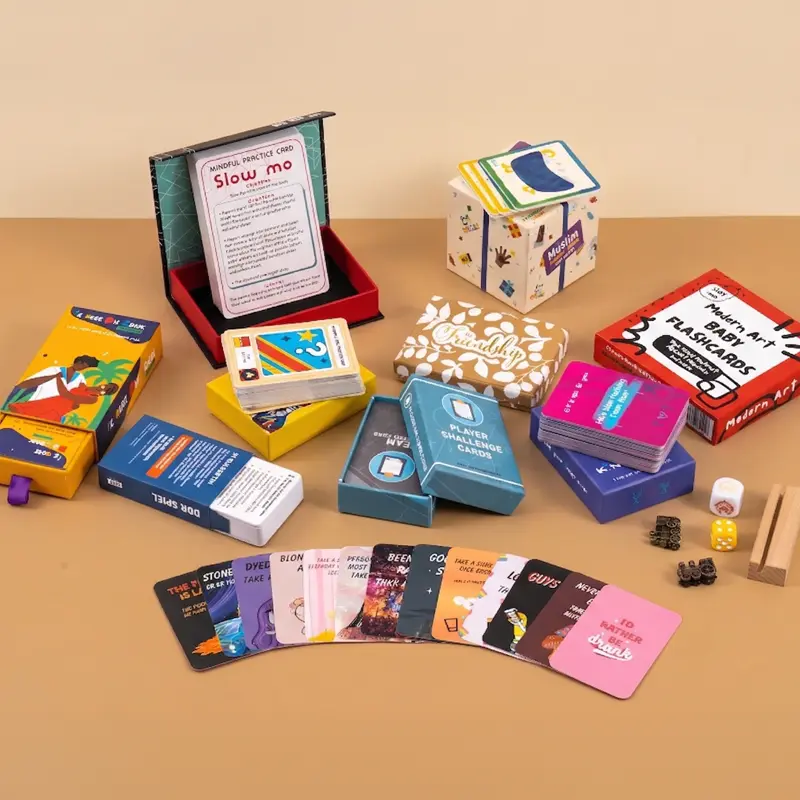
Your choice of flashcard manufacturer directly impacts your total cost, not just the unit price. Opting for a cheaper supplier often leads to flimsy cards, print defects, and production delays, forcing expensive reprints and damaging your brand’s credibility with educators and students.
This analysis provides a framework for vetting suppliers. We compare cardstock specs, equipment, and sampling workflows, and explain which production and documentation evidence to request before committing to a bulk order.
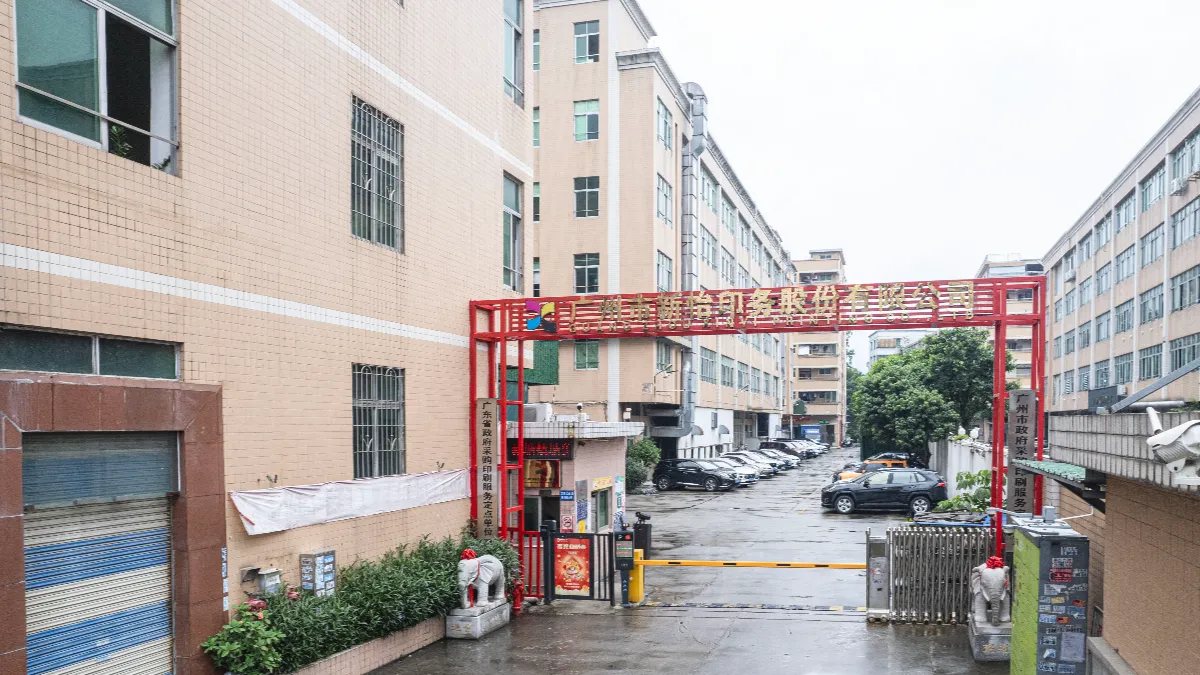
Why Choosing the Right Flashcard Manufacturer Matters
Your manufacturer choice dictates total cost, not just unit price. A good partner delivers quality that improves learning, ensures reliability, and protects your brand reputation.
How Card Quality Directly Impacts Learning
The physical quality of a flashcard directly affects its educational value. Cheap cards are a false economy. They warp in humidity, smudge during handling, and fade after a few weeks, making study sessions frustrating and inefficient. A student distracted by a peeling corner or glaring surface isn’t learning effectively.
Durable cards made from heavier stock with a suitable finish and cleanly rounded corners feel better during rapid review. They resist bending, glare, and finger fatigue, which encourages repeated use. Sharp text and accurate colors matter too: if the content isn’t legible, the card fails at its core job of instruction.
Evaluating Production Reliability and Partnership
A good partner is more than just a printer; they’re a key part of your supply chain. You need to evaluate their production capacity to confirm they can meet deadlines and handle larger educational projects without a drop in quality. Clear, responsive communication is essential for avoiding specification errors that lead to delays and expensive reprints.
Before placing a bulk order, always get samples to verify thickness, color fidelity, e finire. Look beyond the unit price to the total landed cost, which factors in production quality, defect rates, confezione, e spedizione. Certifications like ISO 9001 for quality management or FSC for materials signal documented processes at the factory level; they do not certify your specific deck.
Key Factors When Evaluating Flashcard Suppliers
When vetting flashcard suppliers, focus on material quality, applicable safety documentation, and operational reliability. Total landed cost and consistent quality always trump a low per-unit price.
Picking a supplier isn’t just about getting a good price. It’s about mitigating risk. The right partner delivers a product that works and can scale with your demand. The wrong one creates expensive delays, quality headaches, and brand damage. The table below breaks down the core areas to scrutinize.
| Product and Quality Criteria | Supplier and Operational Performance |
|---|---|
| Assess material durability, including paper weight, board thickness, and protective coatings. | Confirm the supplier’s production capacity can meet forecasted quantities and seasonal demand. |
| Verify print quality, precisione del colore, and finishing for a professional look and feel. | Evaluate communication responsiveness and clarity, particularly for custom projects. |
| Confirm which safety tests apply to the finished product in your destination market. | Analyze the total cost, including tooling, freight, and duties, beyond just the per-unit price. |
| Evaluate packaging strength for transport protection and retail presentation. | Check lead times, delivery records on comparable orders, and policies for managing delays. |
Product and Quality Criteria
The physical card is your product. If it feels cheap, bends easily, or has fuzzy printing, your brand suffers. Focus on the tangible specs that determine how the cards perform in real-world use.
- Material Durability: Don’t accept vague terms like “thick paper.” Ask for the specific paper weight. Most professional flashcards use cardstock between 250 E 350 GSM. Anything less may feel flimsy. Anche, check for protective coatings like matte lamination, which adds durability and reduces glare.
- Print and Finish Quality: Get physical samples. Check for sharp text, colori accurati, and consistent front-to-back alignment. Poor registration on double-sided cards makes them difficult to use. A clean edge finish and uniform rounded corners show attention to detail.
- Safety and Compliance: Applicable tests depend on the product’s age grading, intended use, and destination market. Confirm those first, then request matching test reports for the finished product. For U.S. products regulated as toys, IL CPSC toy safety guidance defines the obligations.
- Packaging Strength: The best cards in the world are useless if they arrive damaged. Evaluate the packaging for its ability to protect the product during shipping and handling. For retail products, the box also has to serve as an effective sales tool.
Supplier and Operational Performance
A great sample doesn’t guarantee a great production run. You need a supplier who can execute reliably at scale. This is where you separate the pros from the workshops.
- Production Capacity: Can the factory handle your volume without its quality control falling apart? Ask about their capacity and how they manage seasonal spikes in demand. You need a partner that can grow with you, not one that hits a ceiling after your first big order.
- Comunicazione: How a supplier communicates during the quoting process is a preview of how they’ll communicate during a production crisis. You need clear, responsive, and accurate answers, especially on custom projects where specs can get complicated.
- Total Cost: The per-unit price is a vanity metric. Your real cost is the total landed cost. This includes the unit price plus tooling, setup fees, freight, duties, and any potential costs from rework or delays. UN “cheaper” supplier can easily become more expensive.
- Delivery and Lead Times: Get production timelines in writing. Ask for delivery records on orders comparable to yours, and for the supplier’s written policy on handling delays. A clear plan for when things go wrong is a sign of a mature operation.
Durable Flashcards, Produced at Scale
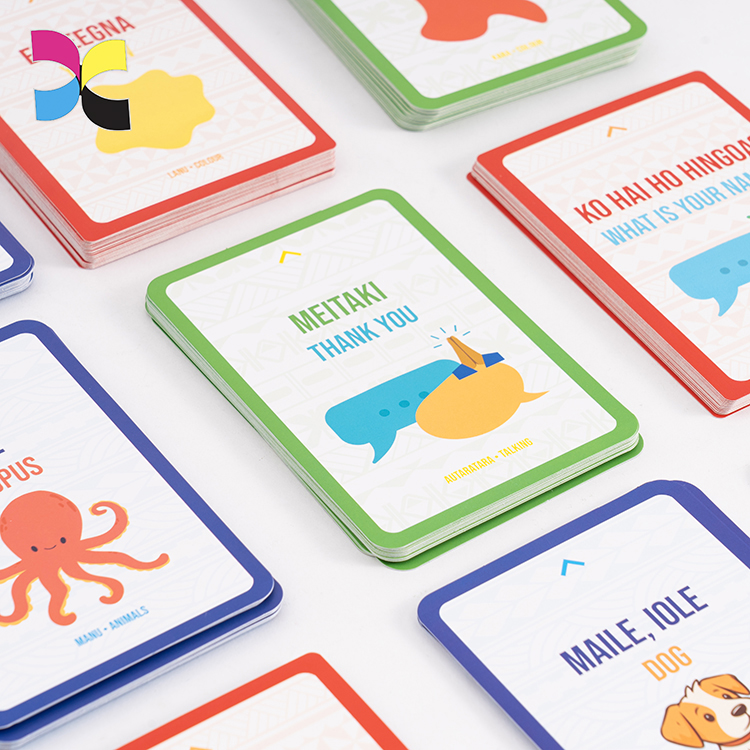
Manufacturing Equipment and Printing Capability
A supplier’s equipment determines their ability to produce quality flashcards, from printing and cutting accuracy to finishing options like lamination and corner rounding.
Core Equipment for Flashcard Production
The machinery a manufacturer uses directly impacts card quality, coerenza, and what materials they can handle. The equipment generally falls into two buckets: large-scale card converting systems for high volume, and smaller print finishing gear for short runs. Suppliers who focus on educational cards or playing cards typically have the most relevant setups.
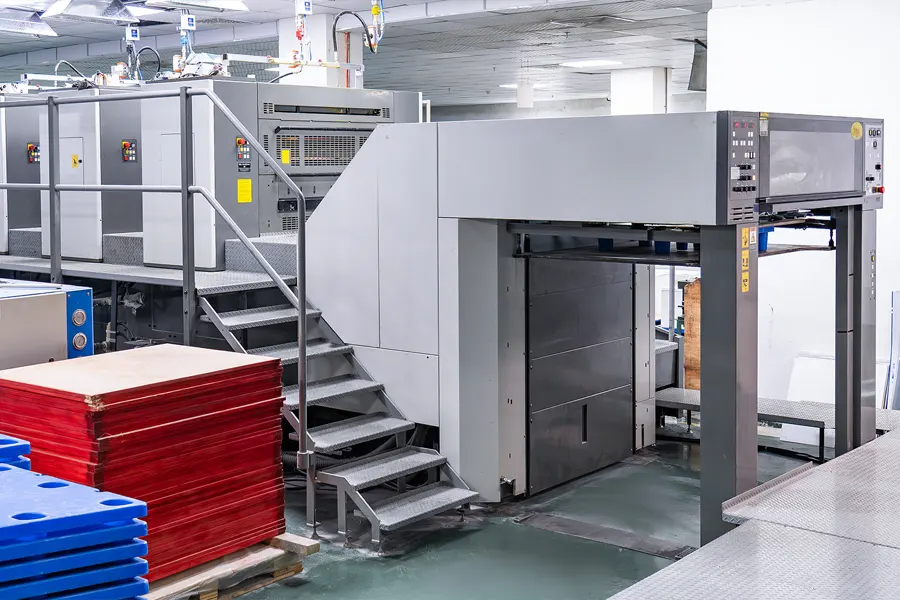
Key equipment types include:
- Integrated Slitting, Fustellatura, and Collating Systems: These are the workhorses for large runs. They automate the process of cutting large printed sheets into individual cards and stacking them into complete sets, which is essential for consistency in products like sight-word and gaming cards.
- Card Punching/Die-Cutting Machines: This equipment cuts printed sheets into card blanks. More advanced machines can also handle corner rounding, hole punching, and creasing in a single pass. Versatile machines can process both paper and plastics like PVC and PET, which is a good sign a supplier can handle durable or waterproof cards.
- Tabletop Card Cutters: These are used for short-run jobs, prototipi, or projects with many different designs. They are flexible but less efficient for mass production.
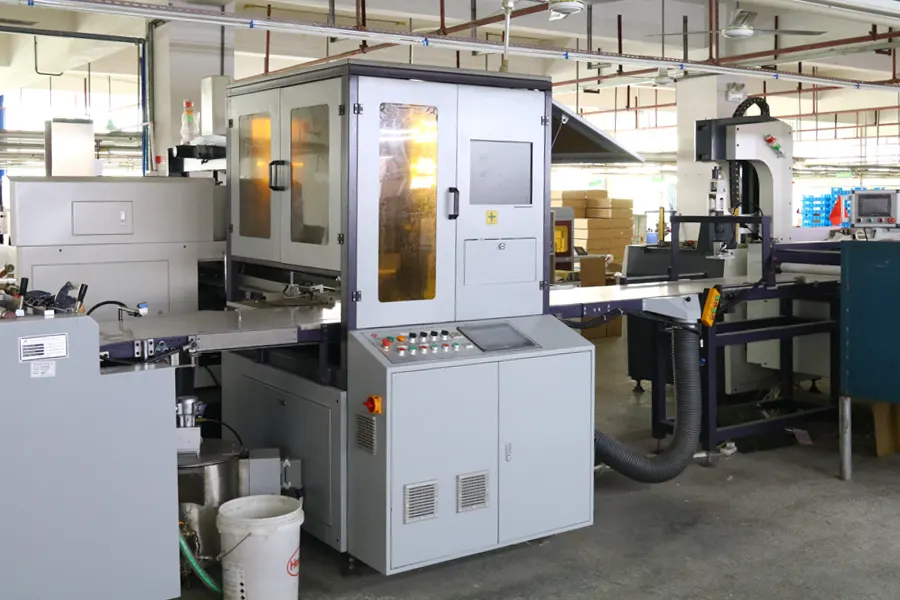
Essential Printing and Finishing Processes
Beyond just cutting cards, the printing and finishing steps are what separate a professional product from a simple printout. A capable supplier should have a clear workflow that includes file review, stampa, finitura, e imballaggio.
For printing, offset is the standard for high-volume jobs that need accurate, vibrant color. The process should always start with digital proofing to catch any errors in layout, testo, or color before the full run begins. A good partner will provide free digital proofs, and can produce pre-production samples to verify the final product’s look and feel.
Dopo la stampa, the finishing steps are what make a flashcard durable and easy to handle. A strong manufacturing setup usually includes these in-house capabilities:
- Lamination or surface coating
- Die-cutting or high-precision punching
- Corner rounding
- Automated collating and counting to ensure sets are complete
- Packaging preparation
Flashcard Materials and Finishing Options
The right material balances durability, costo, and print quality. Most projects use 250–350 gsm cardstock with a matte or laminated finish for protection and readability.
Core Material Choices
Material selection comes down to durability and cost, and paper weight is the main metric. Weight is measured in grams per square meter (GSM). A higher number means a thicker, stiffer, and more durable card. While cardstock is the norm, specialty materials like PVC exist for specific needs. For a deeper comparison, see our guide on what type of paper is best for flashcards.
- 160–220 g/m²: This is light cardstock, best for home printing or budget projects. It bends easily and won’t stand up to repeated handling.
- 250–300 g/m²: This suits lighter educational decks and budget runs, balancing durability against cost. Confirm the hand feel on a sample before committing.
- 300–350 g/m²: This is the usual choice for classroom sets, children’s products, and retail decks that face repeated handling.
- PVC / Plastic: For situations requiring waterproof or highly durable cards, plastic is the option. It’s more expensive and requires a different printing process, but it delivers maximum durability.
Surface Finishing and Protection
The finish you choose affects both the look and lifespan of the cards. It’s not just about aesthetics; a good finish protects the ink from smudging and the card from moisture and wear.
- Finitura opaca: A common choice for educational cards because it reduces glare, keeping text readable under classroom lighting. It has a smooth, non-reflective surface.
- Gloss Finish: A gloss finish makes colors appear more vibrant and saturated. This is often used to create visual impact for retail products, but the high glare can be a drawback for study-focused cards.
- Laminazione: This adds a thin protective film to the card, guarding against fingerprints, umidità, and edge wear. For cards aimed at young children or high-frequency classroom use, lamination is the practical choice; compare a laminated sample against an uncoated one before deciding.
For repeated use, prioritizing durability usually pays off. A laminated, heavy-stock card will tend to outlast a basic gloss-coated card, protecting the investment and keeping the deck usable longer.
Customization and OEM Services
Good OEM/ODM service is more than adding a logo. It’s about a supplier’s ability to handle custom materials, contenuto, and production for your specific market needs.
Scope of OEM and ODM Customization
You have two primary paths for creating a custom product. With OEM (Original Equipment Manufacturer), the supplier makes flashcards based on your exact specifications. With ODM (Original Design Manufacturer), you start with the supplier’s existing designs and adapt them with your branding and content. This is a faster route if you don’t have a full design ready.
The scope of customization goes far beyond simple printing. It covers the entire product, from its physical form to its educational content.
- Physical Features: You can specify card dimensions, paper stock weight, different protective coatings or laminations, and the type of retail packaging. Our flashcard dimensions guide lists the common formats.
- Branding and Content: Suppliers can apply your custom artwork, brand elements, and localized content, like translating a deck for a new market or aligning it with a specific school curriculum.
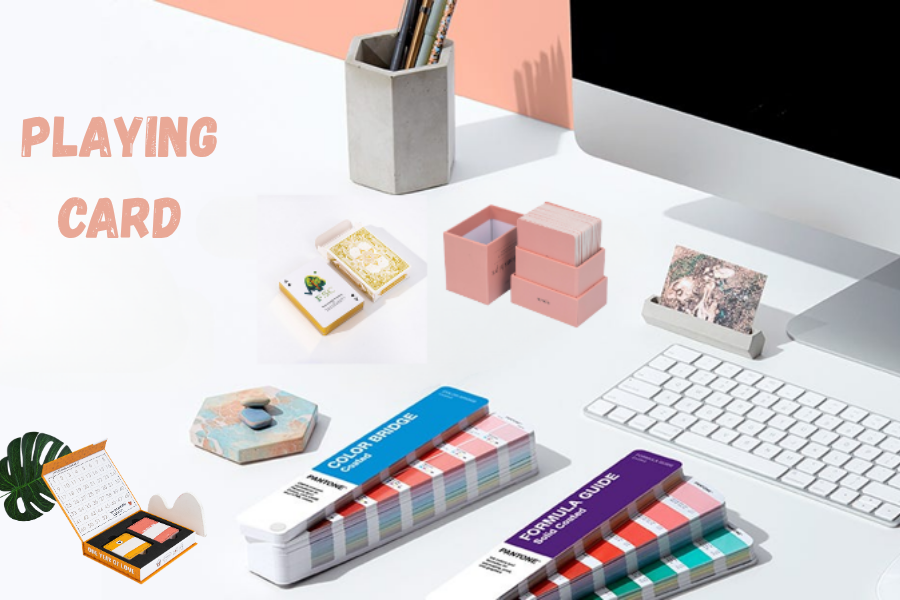
Evaluating and Managing the Customization Process
A typical customization workflow is straightforward. It kicks off with your concept and design files. The supplier then produces a prototype or pre-production sample for you to review. Only after you approve that sample does mass production begin.
Treat the sample step as a checkpoint, not a formality. Requesting physical samples is the most direct way to verify a supplier’s capabilities. You need to hold the product to inspect print accuracy, consistenza del colore, and material quality. A strong partnership depends on a clear production process, good communication, and quality control checkpoints agreed in advance.
- Verify with Samples: Get physical samples to check print alignment, color matching, and material feel. Don’t rely on digital proofs alone.
- Check for Scalability: Confirm the supplier can handle both small test runs for market validation and larger, subsequent reorders with consistent results.
- Demand a Clear Workflow: A reliable partner will have a transparent production process with quality control checkpoints at every key stage.
Quality Control During Production
Effective quality control is a multi-stage process. It relies on in-process monitoring and final inspection to prevent defects and ensure consistent, batch-to-batch product quality.
In-Process Monitoring for Print and Cutting Accuracy
Relying only on a final check is a recipe for expensive rework. Professional flashcard manufacturing requires active monitoring while the machines are running. Operators perform spot checks to catch problems early, before they affect an entire batch. This isn’t a casual glance; it’s a structured process.
During the run, production teams check for critical deviations. These checks include:
- Color consistency: Comparing printed sheets against the approved color proof or Pantone reference.
- Print registration: Ensuring front-to-back alignment stays within the agreed tolerance, so content isn’t skewed.
- Cutting accuracy: Verifying that die-cut cards are a uniform size and edges are clean.
- Surface defects: Watching for any scratches, ink spots, or lamination issues as cards come off the line.
If a machine setting drifts, operators can take immediate corrective action. This live feedback loop is the difference between a reliable supplier and one who ships you their mistakes.
Final Inspection and Batch Acceptance
The final inspection is the last gate before the product gets packed and shipped. For large production runs, inspecting every single card is impractical. Invece, factories commonly use statistical sampling, often based on Acceptance Quality Limit (AQL) convenzioni. A quality inspector pulls a random sample of finished decks from the batch and checks them against the master specification.
This inspection targets defects that slipped through in-process checks. Inspectors look for scratches, misprints, macchie, deformazione, or peeling lamination. They also verify set completeness, so each deck has the correct number of cards with no duplicates or missing items. The packaging is checked for correct labeling, barcode function, and strength to survive shipping. Agree the acceptance criteria and the remedy process with the factory in writing before production starts.
Questions to Ask Before Ordering Flashcards
Before placing a bulk order, pin down the exact specs on materials, safety documentation, and logistics. Vague supplier answers are a direct path to poor quality and surprise costs.
Evaluating Card Quality, Sicurezza, and Design
The physical card is the product. Any weakness in its material, fine, or documentation will undermine its value, especially for educational and children’s markets. Get these details locked down before you talk about price.
- What is the exact material and thickness, specified in GSM? Don’t accept vague terms like “thick cardstock.” Demand a specific weight, ad esempio 300 O 350 GSM, and confirm the hand feel on a physical sample. Anything below 250 gsm often feels flimsy for repeated use.
- Is the finish laminated or coated, and how are the edges treated? Lamination protects against wear and moisture, but edge quality varies between factories. Inspect the edge finish on a sample deck that has been shuffled repeatedly.
- Are the corners rounded, and is that appropriate for the age group? Rounded corners are a common specification for children’s products because they reduce poke risk and edge wear. Confirm the treatment against the product’s age grading rather than assuming one rule fits all.
- Which safety tests apply to this finished product? Applicable tests depend on age grading, intended use, and destination market. Factory-level certificates do not replace product testing, so request the reports that match your specific deck.
- Is the surface compatible with dry-erase markers? If you need reusable practice cards, test this on a sample. Some finishes ghost, leaving faint marks after erasing, and wipe-clean performance depends on the coating, not just the label.
- Can you support custom content, marchio, or curriculum alignment? Verify their OEM/ODM capabilities. A good partner can do more than just print; they can manage custom artwork, align content to a syllabus, and produce a fully private-labeled product.
Clarifying Production, Prezzi, and Logistics
Once you’ve vetted the product quality, you need to vet the business process. A cheap quote means nothing if the supplier misses deadlines, has poor quality control, or can’t handle problems.
- Can I get a pre-production sample before a bulk order? Treat this step as essential. A physical sample is the most direct way to approve the cardstock feel, print color, and finish quality. A refusal to provide samples is a major red flag.
- What is the MOQ and the price structure for larger volumes? Get the minimum order quantity for your chosen specs in writing. Ask for price breaks at different quantities to understand the economies of scale and calculate your total landed cost, not just the unit price.
- What is the total lead time? This isn’t just the printing time. Make sure the quote includes time for proofing, produzione, finitura, e spedizione. Unexpected delays here can wreck a launch schedule.
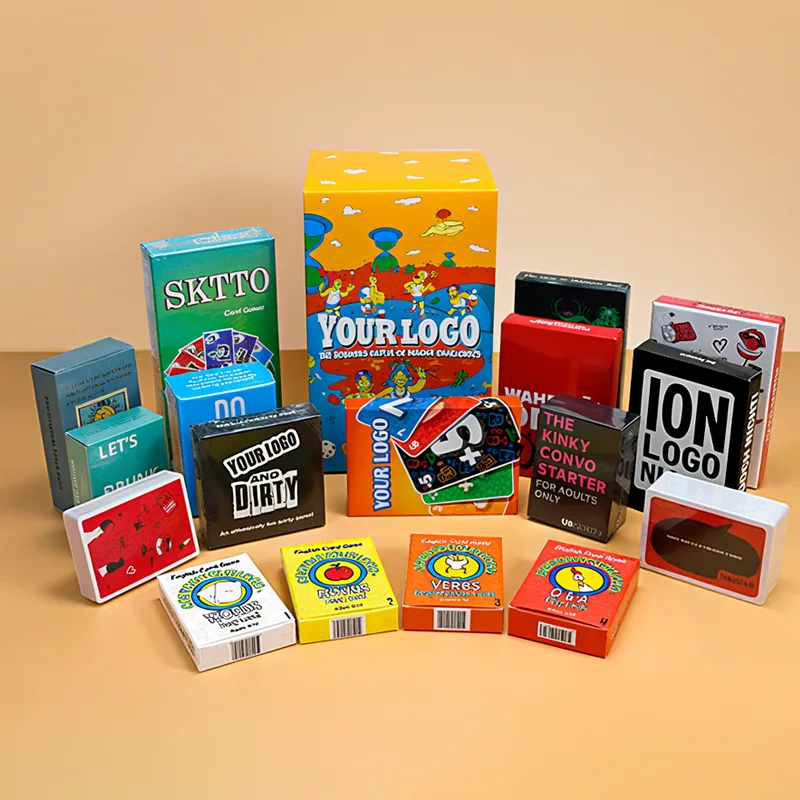
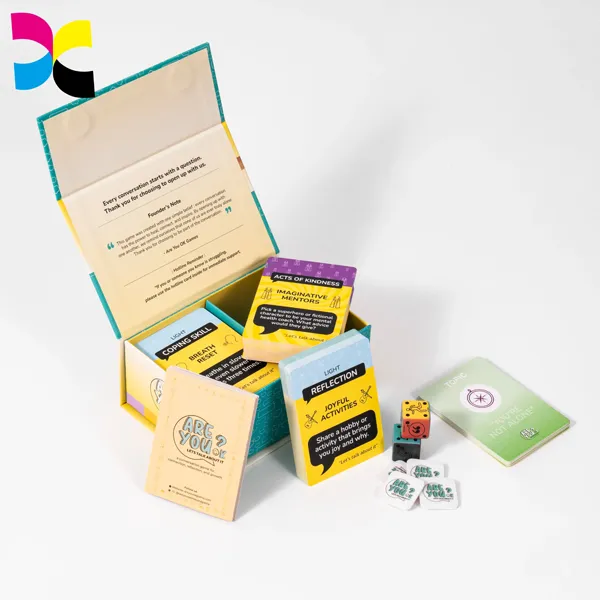
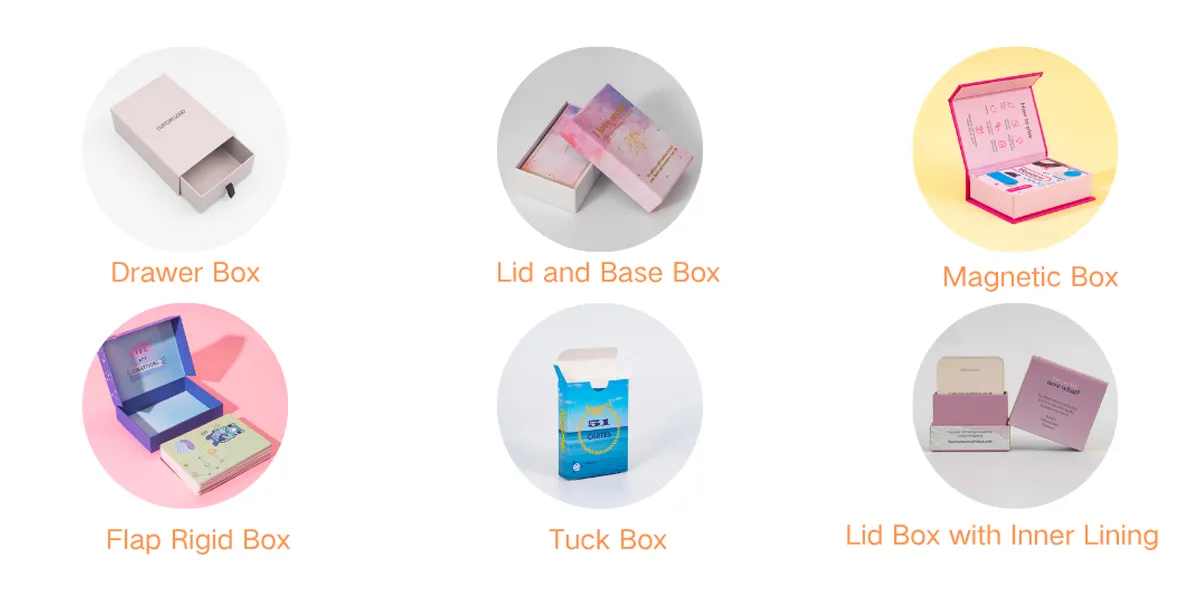
- How are the finished cards packaged? Good packaging prevents damage in transit and can be part of the user experience. Specify whether you need shrink-wrap, scatole da infilare, o scatole rigide, and confirm the option in the quote.
- What is your quality control process? Ask how they catch mistakes like misprints, color shifts, or bad cuts. A reliable factory has documented QC checkpoints at multiple stages, not just a quick final inspection.
- What is your policy for handling returns or reprints? Things can go wrong. A professional supplier has a clear, written policy for dealing with damaged goods, printing errors, or other defects. Know what it is before you place the order.
Domande frequenti
Can manufacturers create custom flashcard designs?
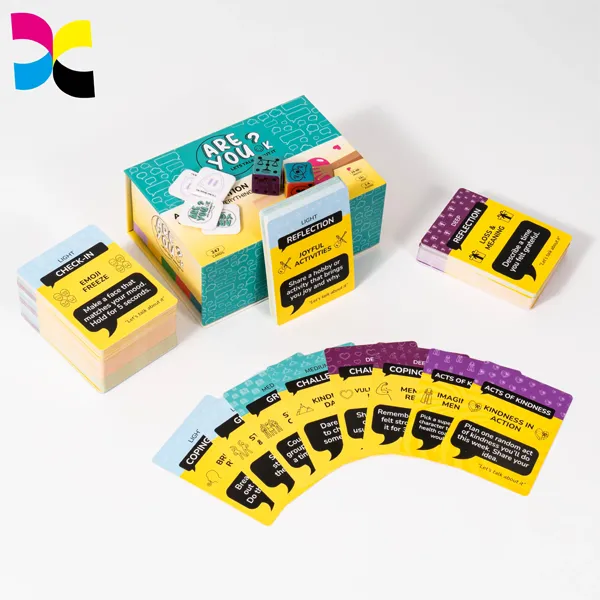
SÌ. Most card printers support custom content, misurare, azione, fine, e confezioni firmate. The usual flow is: you provide artwork or a concept, the supplier prepares a proof, you approve a sample, and production begins. Custom shapes and packaging can raise cost and may change the minimum order, so confirm both in writing.
What is the MOQ for flashcards?
MOQ depends on the specifications you choose. Confirm the MOQ for the chosen specifications; a listed flashcard product at Xinyi starts at 200 mazzi. Dimensioni personalizzate, stocks, or packaging can move that threshold, so verify the number attached to your exact quote.
Does a certified factory guarantee a compliant product?
NO. Factory certificates such as ISO 9001 or BSCI describe the management system at the plant. Finished-product rules, like toy safety requirements in the U.S. or EU, are decided per product based on age grading and materials. If compliance matters, arrange testing of your actual deck and keep the reports.
Considerazioni finali
Choosing a flashcard manufacturer is a verification exercise, not a price comparison. The evidence that matters is concrete: physical samples in hand, written specs for stock and finish, delivery records on comparable orders, and the test reports your destination market requires.
Work the shortlist in the same order every time: richiedere campioni, confirm MOQ and lead time in writing, then place a pilot run before scaling. Send us your card concept and target market, and we will quote the specs, campioni, and documentation you need to evaluate us properly.