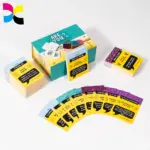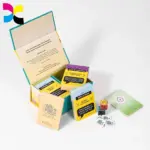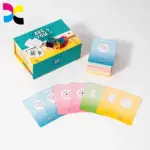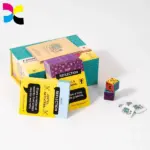
कस्टम प्लास्टिक प्लेइंग कार्ड के लिए गलत सामग्री का चयन सीधे आपके स्वामित्व की कुल लागत पर प्रभाव डालता है. सस्ते में सोर्सिंग, वास्तविक के स्थान पर प्लास्टिक-लेपित कागज 100% पीवीसी के परिणामस्वरूप डेक विकृत हो जाते हैं, धब्बा, और लड़खड़ाना, कैसीनो या बार जैसे उच्च उपयोग वाले वातावरण में लगातार पुनः ऑर्डर करने और खेल की अखंडता को नष्ट करने के लिए मजबूर करना.
यह विश्लेषण बेंचमार्क 100% आपके ऑपरेशन के लिए सही विकल्प को परिभाषित करने के लिए मल्टी-लेयर पेपर स्टॉक के विरुद्ध पीवीसी प्लास्टिक. हम भौतिक जीवनकाल का मूल्यांकन करते हैं - प्लास्टिक कहाँ तक टिक सकता है 50 स्वामित्व की कुल लागत निर्धारित करने और गेम सुरक्षा सुनिश्चित करने के लिए जल प्रतिरोध और अपारदर्शिता जैसे प्रदर्शन कारक.
पेपर प्लेइंग कार्ड किससे बने होते हैं??
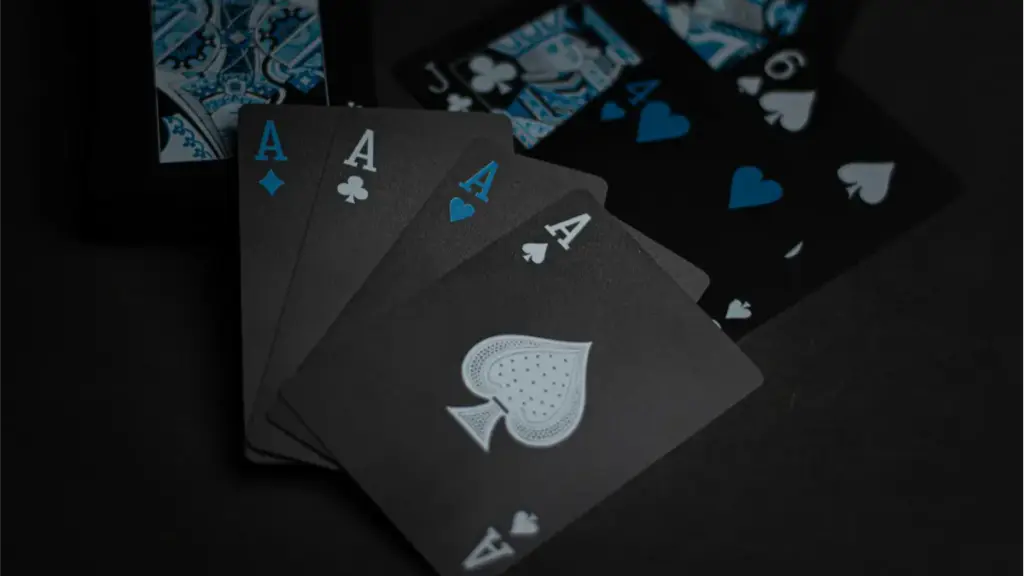
पेपर प्लेइंग कार्ड सिर्फ कागज़ नहीं हैं. वे इंजीनियर्ड कंपोजिट हैं, प्रदर्शन के लिए एक अपारदर्शी कोर और विशेष सतह कोटिंग्स के साथ बहुस्तरीय स्टॉक का संयोजन.
मूल सामग्री: बहुस्तरीय कार्ड स्टॉक
पेपर प्लेइंग कार्ड का आधार मानक कार्यालय कागज नहीं है. यह एक विशेष है, बहुस्तरीय सामग्री जिसे कार्ड स्टॉक या पेस्टबोर्ड के रूप में जाना जाता है. इस स्टॉक में एक केंद्रीय कोर के चारों ओर लेमिनेटेड कागज की कम से कम दो परतें होती हैं. यह निर्माण कार्ड को उसके आवश्यक गुण प्रदान करता है.
वह आंतरिक कोर महत्वपूर्ण है. यह आमतौर पर काले रंग का होता है, स्लेटी, या कार्ड को अपारदर्शी बनाने के लिए नीला, विरोधियों को पीछे से चेहरा देखने से रोकना. स्टॉक का वजन, आमतौर पर बीच में 270 और 330 जीएसएम, कठोरता का सही संतुलन प्रदान करने के लिए सावधानीपूर्वक इंजीनियर किया गया है, FLEXIBILITY, और “स्नैप” उचित फेरबदल और रख-रखाव के लिए आवश्यक है.
सतह कोटिंग और फ़िनिश
ग्राफ़िक्स मुद्रित होने के बाद, कार्डों की सतह पर कोटिंग हो जाती है, एक जलीय वार्निश की तरह. यह स्याही को घिसने से बचाता है और कार्ड को एक सहज एहसास देता है. कुछ डेक पर 'प्लास्टिक-लेपित' लेबल होता है,’ जिसका मतलब है कि बेहतर स्थायित्व और नमी प्रतिरोध के लिए कागज के कोर पर प्लास्टिक की एक पतली परत लगाई जाती है.
कई डेक में सतह पर उभरी हुई बनावट वाली फिनिश भी होती है. आपने शायद डिंपल वाले 'एयर-कुशन' को महसूस किया होगा’ पैटर्न या एक क्रॉस-हैचेड 'लिनन’ बनावट. ये सिर्फ सजावट के लिए नहीं हैं. बनावट छोटे वायु पॉकेट बनाती है जो सतह के घर्षण को कम करती है, आसानी से फेरबदल के लिए कार्डों को एक-दूसरे के ऊपर सरकने की अनुमति देना, फैनिंग, और व्यवहार.
प्लास्टिक प्लेइंग कार्ड किससे बने होते हैं??
प्लास्टिक प्लेइंग कार्ड पीवीसी या पॉलिएस्टर जैसे सिंथेटिक पॉलिमर से बनाए जाते हैं. इन सामग्रियों को पारंपरिक पेपर कार्डों की तुलना में बेहतर स्थायित्व और जलरोधक प्रदर्शन के लिए चुना जाता है.
कोर प्लास्टिक सामग्री
कागज-आधारित कार्डों के विपरीत, 100% प्लास्टिक प्लेइंग कार्ड सिंथेटिक पॉलिमर से बनाए जाते हैं. विशिष्ट सामग्री कार्ड के लचीलेपन को प्रभावित करती है, टिकाऊपन, और फेरबदल करना कैसा लगता है. उद्योग में सबसे आम विकल्प हैं:
- पीवीसी (पॉलीविनाइल क्लोराइड): टिकाऊपन के लिए यह वर्कहॉर्स सामग्री है, वाटरप्रूफ प्लास्टिक कार्ड. यह कैसीनो-शैली डेक और किसी भी एप्लिकेशन के लिए एक आम पसंद है जहां दीर्घायु महत्वपूर्ण है.
- पॉलिएस्टर आधारित प्लास्टिक: कुछ निर्माता प्रीमियम डेक के लिए पॉलिएस्टर-आधारित स्टॉक का उपयोग करते हैं. ये असाधारण रूप से आंसू प्रतिरोधी और साफ करने में आसान होने के लिए जाने जाते हैं, जो उन्हें भारी उपयोग या बाहरी वातावरण के लिए आदर्श बनाता है.
- प्लास्टिक मिश्रण: कुछ उत्पादों का विपणन ऐसे किया जाता है जैसे कि वे इससे बने हों “100% प्लास्टिक मिश्रण.” यह आमतौर पर कठोरता के एक विशिष्ट संतुलन को प्राप्त करने के लिए डिज़ाइन किए गए पॉलिमर के मालिकाना फॉर्मूलेशन को संदर्भित करता है, स्नैप, और बनावट.
प्रमुख गुण और व्यापार-बंद
प्लास्टिक सामग्री का चयन स्थायित्व और अनुभव के बीच सीधा समझौता है. इन सामग्रियों का चयन प्रदर्शन लाभों के स्पष्ट सेट के लिए किया जाता है:
- जलरोधक: प्लास्टिक कार्ड तरल पदार्थों को अवशोषित नहीं करते हैं. आप सूजन या विकृति पैदा किए बिना उनमें से गंदगी को पोंछ सकते हैं.
- आंसू प्रतिरोधी: उनमें क्रीज आने की संभावना बहुत कम है, स्थायी रूप से झुकें, या कागज़ के कार्डों की तुलना में किनारों पर घिस जाते हैं.
- जादा देर तक टिके: पोकर रूम या बार जैसी उच्च उपयोग वाली सेटिंग में एक प्लास्टिक डेक कागज़ वाले डेक की तुलना में दर्जनों गुना अधिक समय तक चल सकता है.
मुख्य व्यापार-बंद संभालना है. प्लास्टिक कार्ड चिकने लग सकते हैं और आपस में चिपक सकते हैं, जिससे वे कार्डिस्ट्री या जादुई करतबों के लिए कम आदर्श बन गए हैं जो कागज के विशिष्ट घर्षण पर निर्भर होते हैं. प्लास्टिक का चुनाव लगभग हमेशा स्थायित्व की आवश्यकता से प्रेरित होता है जो पारंपरिक कागज की इच्छा से अधिक होता है.
कागज और प्लास्टिक कार्ड के बीच प्रदर्शन अंतर
प्लास्टिक कार्ड टिकाऊ होते हैं और जलरोधक होते हैं, लेकिन पेपर कार्ड जादू या कार्डिस्ट्री जैसी विशिष्ट तकनीकों के लिए बेहतर पकड़ और नियंत्रण प्रदान करते हैं.
| प्रदर्शन पहलू | कागज के कार्ड | प्लास्टिक कार्ड |
|---|---|---|
| फेरबदल का अहसास और लचीलापन | कागज का उच्च घर्षण और विशिष्ट 'स्नैप'’ आपको फेरबदल और उत्कर्ष के लिए अधिक नियंत्रण देता है. वे उपयोग के साथ स्थायी रूप से नरम और सिकुड़ जाते हैं. | कम घर्षण का मतलब है चिकना, आसान फेरबदल. कार्ड बेहद लचीले होते हैं और बिना सिकुड़े अपने मूल आकार में आ जाते हैं. |
| जल और घिसाव प्रतिरोध | नमी कागज के कार्डों को बर्बाद कर देती है, जिससे वे विकृत और नष्ट हो जाते हैं. किनारे घिस जाते हैं और प्रिंट बार-बार फेरने से घिस जाता है. | प्लास्टिक पूरी तरह से जलरोधक है और इसे साफ करना आसान है. यह कहीं अधिक टिकाऊ है, आंसुओं और किनारों के घिसाव का विरोध करना, और तक चल सकता है 50 कई गुना अधिक. |
| सतह की सुरक्षा और समाप्ति | एक सतह कोटिंग प्रारंभिक ग्लाइड प्रदान करती है, लेकिन यह समय के साथ ख़त्म हो जाता है. इससे कागज के रेशे गंदगी और तेल के संपर्क में आ जाते हैं, डेक को चिपचिपा बनाना. | फ़िनिश को टिकाऊ प्लास्टिक में ही एकीकृत किया गया है. यह तेल और गंदगी का प्रतिरोध करता है, अपने संपूर्ण जीवन के लिए एक सतत अनुभव और दृष्टिकोण बनाए रखना. |
| अपारदर्शिता और प्रकाश अवरोधन | पेपर कार्डों को एक अपारदर्शी आंतरिक कोर की आवश्यकता होती है, आमतौर पर काला या नीला, चेहरों के माध्यम से प्रकाश को दिखने से रोकने के लिए, जो एक बड़ा सुरक्षा जोखिम है. | प्लास्टिक सामग्री स्वाभाविक रूप से अपारदर्शी है. यह बेहतर और अधिक समान प्रकाश-अवरोधन प्रदान करता है, जो खेल की अखंडता के लिए महत्वपूर्ण है. |
सरफेस फ़िनिश कार्ड अनुभव को कैसे बदलता है
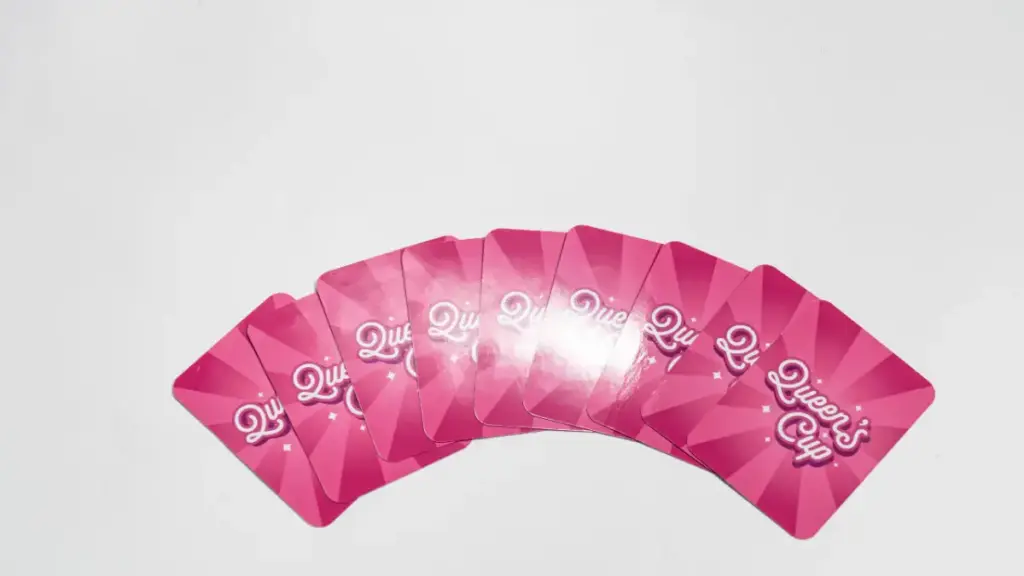
कार्ड की सतह की फिनिश स्लीक शफ़लिंग और नियंत्रित पकड़ के बीच संतुलन तय करती है, कैसिनो डीलिंग से लेकर कार्डिस्ट्री के फलने-फूलने तक हर चीज पर असर पड़ता है और यहां तक कि यह कितनी अच्छी तरह से सफाई भी करता है.
खेल में संचालन और प्रदर्शन
सतही फिनिश वह है जो एक खिलाड़ी वास्तव में महसूस करता है. यह कार्डों के बीच घर्षण को नियंत्रित करता है, जो डेक के घूमने के तरीके को बदल देता है, सौदा, और युद्धाभ्यास करता है. गति और नियंत्रण के बीच निरंतर समझौता होता रहता है. चिकना, चमकदार फ़िनिश बेहद चिकनी होती है, कार्डों को रिफ़ल शफ़ल में तरल रूप से कैस्केड करने की अनुमति देना. यह तेजी से लेनदेन के लिए बहुत अच्छा है, लेकिन शुरुआती लोगों के लिए यह एक दायित्व हो सकता है, जो उड़ते हुए कार्ड भेज सकते हैं.
उभरी हुई या बनावट वाली फ़िनिश, वहीं दूसरी ओर, अधिक पकड़ प्रदान करें. उनके द्वारा बनाए गए छोटे एयर पॉकेट सटीक नियंत्रण के लिए पर्याप्त प्रतिरोध प्रदान करते हैं, यही कारण है कि जादूगर और कार्डिस्ट लगभग हमेशा उन्हें पसंद करते हैं. ये बनावट साफ-सुथरा कार्यान्वित करना संभव बनाती हैं, यहां तक कि पंखे और रिबन स्प्रेड भी - ऐसे पैंतरेबाज़ी जो अधिकांश स्मूथ-फिनिश डेक के साथ बेहद कठिन हैं, जो बिना नियंत्रण के आपस में चिपक जाते हैं या अलग हो जाते हैं.
यह अंतर विभिन्न परिस्थितियों में पकड़ को भी प्रभावित करता है. एक बहुत चिकने कार्ड को सूखे हाथों से संभालना या आर्द्र वातावरण में एक साथ चिपकाना कठिन हो सकता है. हल्की बनावट अधिक सुसंगतता प्रदान करती है, विश्वसनीय अहसास, खिलाड़ियों को उनके संचालन में अधिक आत्मविश्वास देना.
विजुअल्स, घिसाव, और रखरखाव
सतह की फिनिश सीधे डेक के स्वरूप को प्रभावित करती है. हाई-ग्लॉस फ़िनिश रंगों को अधिक संतृप्त और जीवंत बनाती है, कस्टम कलाकृति को बड़ा प्रभाव देना. नकारात्मक पक्ष चकाचौंध है. कैसीनो या कैमरे की चमकदार रोशनी के नीचे, उस प्रतिबिंब के कारण कार्डों को पढ़ना कठिन हो सकता है. मैट या साटन फ़िनिश प्रकाश फैलाती है, चकाचौंध को कम करना और सुपाठ्यता में सुधार करना, जिसे अक्सर पेशेवर खेल के लिए पसंद किया जाता है.
फिनिश के आधार पर टूट-फूट अलग-अलग दिखाई देती है. एक चिकना, चमकदार प्लास्टिक की सतह पर बहुत जल्दी बारीक खरोंचें और खरोंचें दिखाई देंगी, विशेषकर गहरे रंग के कार्ड बैक पर. उभरी हुई बनावट इन छोटे दोषों को छिपाने में मदद करती है, आकस्मिक उपयोग में डेक को लंबे समय तक अच्छा बनाए रखना. अधिक समय तक, उच्च संपर्क वाले क्षेत्रों में उभरा हुआ पैटर्न स्वयं घिस सकता है और चपटा हो सकता है, भावना को बदलना.
रखरखाव एक अन्य महत्वपूर्ण कारक है. तब से 100% प्लास्टिक कार्ड धोने योग्य हैं, फिनिश प्रभावित करती है कि उन्हें साफ करना कितना आसान है. चिकनी सतहों को पोंछना सबसे आसान है, चूँकि गंदगी या तेल को फँसाने के लिए कोई छोटे खांचे नहीं हैं. यह उन्हें बार जैसे उच्च-यातायात वातावरण के लिए आदर्श बनाता है, क्रूज शिप, या पोकर रूम जहां डेक अक्सर साफ किए जाते हैं. बनावट वाले फ़िनिश को प्राचीन बनाए रखने के लिए अधिक अच्छी तरह से पोंछने की आवश्यकता हो सकती है.
लागत और उत्पाद जीवनकाल की तुलना करना
प्लास्टिक कार्ड की लागत पहले अधिक होती है लेकिन समय के साथ अक्सर इसकी कुल लागत कम हो जाती है. उनका लंबा जीवनकाल प्रतिस्थापन आवृत्ति को कम कर देता है, उन्हें उच्च-उपयोग वाले वातावरण के लिए बेहतर निवेश बनाना.
अग्रिम उत्पादन लागत
प्लास्टिक प्लेइंग कार्ड की प्रारंभिक लागत कागज की तुलना में काफी अधिक होती है. छोटे से मध्यम आकार के ऑर्डर के लिए, चारों ओर भुगतान करने की उम्मीद है $10 को $20 प्रति डेक. इसके विपरीत, बेसिक पेपर डेक को कम से कम कीमत में प्राप्त किया जा सकता है $1 को $4 प्रति डेक बड़ी मात्रा में. इसका मतलब है कि आप उसी शुरुआती बजट में दो से पांच गुना अधिक पेपर डेक खरीद सकते हैं.
कई कारक प्लास्टिक कार्ड की अग्रिम लागत को बढ़ाते हैं:
- सामग्री: पीवीसी या पीईटी प्लास्टिक सब्सट्रेट पेपरबोर्ड की तुलना में अधिक महंगा है.
- मुद्रण: पूर्ण रंग मुद्रण, प्लास्टिक पर फोटो-गुणवत्ता वाली छवियों के लिए विशेष प्रौद्योगिकी और सुरक्षात्मक कोटिंग्स की आवश्यकता होती है, लागत में जोड़ना.
- आदेश मात्रा: जबकि कई प्रिंटर कम या कोई न्यूनतम सीमा प्रदान नहीं करते हैं, छोटे बैचों के लिए प्रति-डेक कीमत बहुत अधिक है. बड़े ऑर्डर के साथ कीमतें गिरती हैं, लेकिन किसी भी तुलनीय मात्रा में प्लास्टिक कागज की तुलना में अधिक महंगा है.
दीर्घकालिक प्रतिस्थापन लागत
प्लास्टिक कार्ड में उच्च प्रारंभिक निवेश उत्पाद के लंबे जीवन काल द्वारा संतुलित होता है. प्लास्टिक डेक जलरोधक होते हैं, टिकाऊ, और झुकने और किनारों के घिसने के प्रति प्रतिरोधी है. चिह्नित होने से पहले वे कागजी कार्डों की तुलना में कहीं अधिक फेरबदल और हैंडलिंग का सामना कर सकते हैं, फीका, या अनुपयोगी.
बार जैसे उच्च-यातायात वातावरण में, खेल कैफे, या पोकर रूम, कागज के डेक को घिसावट के कारण बार-बार बदलने की आवश्यकता होती है, नमी की क्षति, और मुड़े हुए कार्ड. इन सेटिंग्स में एक प्लास्टिक डेक अक्सर कई पेपर डेक से अधिक समय तक चल सकता है. यह प्रतिस्थापन आवृत्ति को नाटकीय रूप से कम कर देता है, जो बदले में पुनः ऑर्डर करने की चल रही लागत को कम कर देता है, शिपिंग, और इन्वेंट्री का प्रबंधन करना. लंबे समय तक, प्लास्टिक डेक पर कुल खर्च सस्ते पेपर डेक को लगातार बदलने की लागत के बराबर या उससे भी कम हो सकता है.
विभिन्न व्यवसाय मॉडल के लिए मूल्य
प्लास्टिक बनाम पेपर कार्ड का लागत-लाभ विश्लेषण पूरी तरह से व्यवसाय मॉडल और उपयोग की तीव्रता पर निर्भर करता है.
कैसीनो और पोकर रूम
इन स्थानों पर निरंतर दर्शन होते रहते हैं, उच्च तीव्रता का उपयोग. प्लास्टिक मानक है क्योंकि यह स्थायित्व प्रदान करता है, साफ़-सफ़ाई, और एक सतत पेशेवर अनुभव. कम प्रतिस्थापन आवृत्ति समय के साथ प्लास्टिक को अधिक लागत प्रभावी बनाती है, डेक को डिस्पोज़ेबल के बजाय परिचालन संपत्ति के रूप में मानना.
मेहमाननवाज़ी (बार्स, क्रूज शिप, रेस्टोरेंट)
इन सेटिंग्स में कार्ड स्पिल के संपर्क में आते हैं, खाना, और रफ हैंडलिंग. वाटरप्रूफ प्लास्टिक डेक इस दुरुपयोग से बचे रहते हैं, दागदार या विकृत कागज़ के डेक को लगातार बाहर फेंकने की आवश्यकता को कम करना. प्लास्टिक डेक की प्रति-प्ले लागत अक्सर कम होती है क्योंकि यह बहुत लंबे समय तक चलती है.
बोर्ड गेम प्रकाशक
प्रीमियम के लिए या “डिलक्स” खेलों के संस्करण, प्लास्टिक कार्ड एक प्रमुख विभेदक हो सकते हैं. वे अनुमानित मूल्य जोड़ते हैं और सुनिश्चित करते हैं कि खेल के घटक वर्षों तक चलते रहें, जो सदाबहार उपाधियों और संग्राहकों के लिए महत्वपूर्ण है. जबकि हर मास-मार्केट गेम के लिए यह उचित नहीं है, यह उच्च-स्तरीय उत्पादों के लिए एक मूल्यवान अपग्रेड है.
कॉर्पोरेट प्रचार
यहां चुनाव अभियान के लक्ष्य पर निर्भर करता है. बड़े पैमाने के लिए, कम बजट वाला उपहार, कागज अधिक किफायती है. लेकिन अगर लक्ष्य गुणवत्ता की छाप छोड़ना है और यह सुनिश्चित करना है कि ब्रांडेड वस्तु लंबे समय तक उपयोग में रहे, एक टिकाऊ प्लास्टिक डेक कहीं अधिक मूल्य और विस्तारित ब्रांड एक्सपोज़र प्रदान करता है.
प्लेइंग कार्ड निर्माण में स्थिरता
स्मार्ट पैकेजिंग कोई बाद का विचार नहीं है. यह एक टिकाऊ उत्पाद का मुख्य हिस्सा है, कम प्लास्टिक पर ध्यान केंद्रित करना, बेहतर सामग्री, और ग्राहक के लिए रीसाइक्लिंग पथ साफ़ करें.
- एफएससी-प्रमाणित या पुनर्नवीनीकरण स्टॉक से एकल-सामग्री पेपरबोर्ड पर ध्यान दें. यह बिना किसी भ्रम के अंतिम उपयोगकर्ता के लिए रीसाइक्लिंग को सरल बनाता है.
- सही आकार के बक्सों का उपयोग करके कचरे में कटौती करें. बाहरी प्लास्टिक स्लीव्स जैसी अनावश्यक अतिरिक्त परतों को हटा दें जिन्हें यूं ही फेंक दिया जाता है.
- कागज आधारित विकल्पों के लिए सिलोफ़न रैप और प्लास्टिक ट्रे जैसे एकल-उपयोग प्लास्टिक को बदलें. पेपर सील और डाई-कट इंसर्ट भी ठीक वैसे ही काम करते हैं.
- ऐसे फ़िनिश का उपयोग करें जो पुनर्चक्रण में हस्तक्षेप न करें. प्लास्टिक फिल्म लेमिनेशन की तुलना में वनस्पति-आधारित स्याही और पानी-आधारित जलीय कोटिंग्स स्मार्ट विकल्प हैं.
- सुनिश्चित करें कि पैकेजिंग की कहानी कार्ड से मेल खाती है. यदि आप पुनर्चक्रित प्लास्टिक से बने कार्ड बेच रहे हैं, उन्हें पुनर्चक्रित कागज़ के डिब्बे में रखने से एक सुसंगत संदेश जाता है.
- सरल जोड़ें, स्पष्ट चिह्न और निर्देश. लोगों को बताएं कि पैकेजिंग का सही ढंग से पुनर्चक्रण या निपटान कैसे किया जाए.
विभिन्न कार्ड अनुप्रयोगों के लिए सर्वोत्तम सामग्री
| आवेदन | सर्वोत्तम सामग्री | यह क्यों फिट बैठता है | समझौतों से |
|---|---|---|---|
| कैसीनो और गेमिंग डेक | 100% प्लास्टिक (पीवीसी या समान). | भारी फेरबदल और निरंतर संचालन के तहत अधिकतम स्थायित्व और लंबी सेवा जीवन प्रदान करता है. | कागज की तुलना में अधिक प्रारंभिक लागत; चिकनी सतह को अभ्यस्त होने में समय लग सकता है. |
| वाटरप्रूफ और आउटडोर कार्ड | 100% प्लास्टिक या जलरोधक सिंथेटिक स्टॉक. | पानी के प्रति पूर्णतया प्रतिरोधी, फैल, और गंदगी, जिससे उन्हें साफ करना आसान हो जाता है और वे किसी भी वातावरण के लिए आदर्श बन जाते हैं. | हो सकता है कि प्रिंट का अनुभव प्रीमियम पेपर जैसा न हो; स्थायित्व से लागत बढ़ जाती है. |
| कलेक्टर और खुदरा डेक | संग्राहकों के लिए प्रीमियम पेपर स्टॉक; मूल्य-केंद्रित खुदरा बिक्री के लिए प्लास्टिक-लेपित कागज. | कागज बेहतर स्पर्श अनुभव प्रदान करता है और तीक्ष्णता का समर्थन करता है, संग्रहणीय प्रस्तुति के लिए विस्तृत कलाकृति. लेपित कागज खुदरा बाजार के लिए लागत और स्थायित्व को संतुलित करता है. | पूर्ण प्लास्टिक कार्डों की तुलना में नमी और किनारों के घिसाव के प्रति अधिक संवेदनशील. |
| शैक्षिक और प्रचार कार्ड | बजट-अनुकूल अभियानों के लिए प्लास्टिक-लेपित कागज; 100% बार-बार उपयोग के लिए प्लास्टिक. | कोटेड पेपर प्रमोशन के लिए सामर्थ्य और प्रिंट गुणवत्ता का अच्छा संतुलन प्रदान करता है. पूर्ण प्लास्टिक फ़्लैशकार्ड जैसे शैक्षिक उपकरणों के लिए एक लंबे समय तक चलने वाली वस्तु बनाता है. | प्लास्टिक-लेपित कागज पूर्ण प्लास्टिक की तुलना में कम टिकाऊ होता है, जिसकी अग्रिम लागत अधिक है. |
अपने कस्टम डेक के लिए सही सामग्री कैसे चुनें
आपके डेक का इच्छित उपयोग सामग्री को निर्धारित करता है. 100% प्लास्टिक हेवी-ड्यूटी के लिए है, गीला, या पेशेवर सेटिंग. प्लास्टिक-लेपित कागज अधिकांश प्रचारात्मक और कैज़ुअल डेक के लिए सर्वोत्तम संतुलन प्रदान करता है.
अपने डेक के इच्छित उपयोग से शुरुआत करें
सबसे महत्वपूर्ण निर्णय चालक यह है कि कार्डों को वास्तव में कैसे संभाला जाएगा. खेल का वातावरण और आवृत्ति यह निर्धारित करती है कि आपको अधिकतम लचीलेपन की आवश्यकता है या किसी मानक की, लागत प्रभावी विकल्प काम करेगा. कोई एकल नहीं है “श्रेष्ठ” सामग्री, आवेदन के लिए केवल सही सामग्री.
किसी भी उच्च तीव्रता वाली सेटिंग के लिए, 100% प्लास्टिक ही एकमात्र गंभीर विकल्प है. इसमें कैसिनो भी शामिल है, पोकर रूम, बार, या क्रूज़ जहाज़ जहां कार्ड लगातार बदलते रहते हैं और बिखर जाते हैं. यही बात बाहरी उपयोग पर भी लागू होती है - यदि डेक पूल के पास होगा, एक नाव पर, या कैम्पिंग ट्रिप पर, आपको पीवीसी या सिंथेटिक समकक्ष जैसी पूरी तरह से जलरोधक प्लास्टिक सामग्री की आवश्यकता है. इन डेक को पोंछकर साफ किया जा सकता है और ये नमी से खराब नहीं होंगे.
अधिकांश अन्य परियोजनाओं के लिए, प्लास्टिक-लेपित कागज काम का घोड़ा है. यह सामग्री प्रचारात्मक उपहारों के लिए आदर्श है, कॉर्पोरेट घटनाएँ, या आकस्मिक घरेलू खेल. यह मध्यम उपयोग के लिए पर्याप्त स्थायित्व प्रदान करते हुए अच्छी प्रिंट गुणवत्ता और एक परिचित अनुभव प्रदान करता है. यह एक व्यावहारिक संतुलन बनाता है जो उन परियोजनाओं के लिए काम करता है जहां अत्यधिक दीर्घायु प्राथमिक लक्ष्य नहीं है.
स्थायित्व और बजट को संतुलित करें
सामग्री का चुनाव अग्रिम लागत और दीर्घकालिक मूल्य के बीच सीधा समझौता है. ए 100% प्लास्टिक डेक के उत्पादन में प्रति यूनिट अधिक लागत आती है. कच्चा माल अधिक महँगा है, और गैर-छिद्रित सतह पर मुद्रण के लिए अधिक विशिष्ट प्रक्रिया की आवश्यकता होती है. यह उच्च प्रारंभिक निवेश बड़े पैमाने पर उपहारों या बजट-संवेदनशील अभियानों के लिए गैर-स्टार्टर हो सकता है.
लेकिन प्लास्टिक की ऊंची कीमत उसके जीवनकाल से उचित है. उच्च उपयोग वाले वातावरण में, एक प्लास्टिक डेक दर्जनों कागज-आधारित डेक से अधिक चल सकता है. यह झुकने का विरोध करता है, उधेड़नेवाला, और नमी की क्षति जो कागज़ के कार्डों को जल्दी बर्बाद कर देती है. यह नाटकीय रूप से प्रतिस्थापन आवृत्ति को कम कर देता है, समय के साथ स्वामित्व की कुल लागत कम करना. कैसीनो या व्यस्त गेम कैफे के लिए, सस्ते पेपर कार्ड खरीदना, जिन्हें निरंतर प्रतिस्थापन की आवश्यकता होती है, केवल खराब अर्थशास्त्र है.
प्लास्टिक-लेपित कागज़ बजट-अनुकूल विकल्प है. यह बड़े रनों के लिए किफायती है, अधिकांश प्रचारात्मक उत्पादों के लिए इसे डिफ़ॉल्ट विकल्प बनाना. आपको एक कार्यात्मकता मिलती है, प्रति यूनिट कम कीमत पर अच्छा दिखने वाला डेक. मुख्य बात निवेश को अपेक्षित उपयोग के अनुरूप बनाना है. यदि डेक एक अल्पकालिक विपणन उपकरण है या कभी-कभार खेलने के लिए है, प्लास्टिक-लेपित कागज कुशल है. यदि यह एक परिचालन परिसंपत्ति है जिसका उद्देश्य बार-बार किया जाना है, भारी उपयोग, 100% प्लास्टिक सबसे बेहतर वित्तीय निर्णय है.
अंतिम विचार
प्लास्टिक-लेपित कागज चुनने से अग्रिम लागत कम हो सकती है, लेकिन यह पेशेवर सेटिंग में अस्वीकार्य जोखिम पेश करता है. किसी भी ऑपरेशन के लिए जहां खेल अखंडता, ब्रांड प्रतिष्ठा, और दीर्घकालिक मूल्य महत्वपूर्ण हैं, 100% पीवीसी प्लास्टिक एकमात्र मानक है जो प्रदर्शन करता है. यह आपके निवेश को लगातार टूट-फूट से बचाता है, फैल, और उसे संभालने से कम सामग्री नष्ट होती है.
सामग्री की गुणवत्ता पर अनुमान न लगाएं—इसे सत्यापित करें. हम फिनिश का मूल्यांकन करने के लिए एक नमूना सेट ऑर्डर करने की सलाह देते हैं, स्नैप, और अपने लिए स्थायित्व. हमारी टीम से संपर्क करें अपनी विशिष्ट आवश्यकताओं पर चर्चा करने और अपना उत्पादन चलाने का कार्यक्रम निर्धारित करने के लिए.
अक्सर पूछे जाने वाले प्रश्नों
क्या प्लास्टिक के ताश कागज के ताश से बेहतर हैं??
टिकाऊपन के लिए प्लास्टिक कार्ड बेहतर होते हैं, पानी प्रतिरोध, और बार-बार खेलना, कैसीनो में उन्हें मानक बनाना. पेपर कार्ड कम लागत की पेशकश करते हैं, एक पारंपरिक एहसास, और जादू या कार्डिस्ट्री तकनीकों के लिए पसंद किए जाते हैं. सर्वोत्तम विकल्प इस बात पर निर्भर करता है कि आप उनका उपयोग कैसे करने की योजना बनाते हैं.
के बीच क्या अंतर है 100% प्लास्टिक और प्लास्टिक-लेपित कार्ड?
मुख्य सामग्री मुख्य अंतर है. 100% प्लास्टिक कार्ड एक ठोस प्लास्टिक शीट से बनाये जाते हैं. प्लास्टिक-लेपित कार्ड में सतह पर पतली प्लास्टिक वार्निश के साथ एक पेपर कोर होता है. यह वास्तविक प्लास्टिक कार्डों को कहीं अधिक टिकाऊ बनाता है, पूरी तरह से जलरोधक, और अंकन के प्रति प्रतिरोधी.
क्या मैं अपना स्वयं का डिज़ाइन प्रिंट कर सकता हूँ? 100% प्लास्टिक कार्ड?
हाँ, आप पूर्ण कस्टम आर्टवर्क प्रिंट कर सकते हैं 100% प्लास्टिक के ताश. विशिष्ट मुद्रण प्रक्रियाएँ विस्तृत विवरण की अनुमति देती हैं, कार्ड के पीछे और चेहरे दोनों पर पूर्ण-रंगीन डिज़ाइन. अधिकांश निर्माता आपके डिज़ाइन का मार्गदर्शन करने के लिए टेम्पलेट और फ़ाइल आवश्यकताएँ प्रदान करते हैं.
क्या प्लास्टिक के ताश मुड़ने के बाद सपाट रहते हैं??
प्लास्टिक कार्ड अत्यधिक लचीले होते हैं और आमतौर पर फेरबदल और गेमप्ले के बाद सामान्य रूप से झुकने के बाद अपने सपाट आकार में लौट आते हैं. कागज के विपरीत, वे स्थायी कमी का विरोध करते हैं. अत्यधिक मोड़ने से अभी भी क्षति हो सकती है, और तेज़ गर्मी में अनुचित भंडारण से समय के साथ धीरे-धीरे कमी आ सकती है.
क्या पेपर कार्ड वाटरप्रूफ हो सकते हैं??
मानक पेपर कार्ड जलरोधक नहीं होते हैं. उन्हें सतह कोटिंग के साथ जल प्रतिरोधी बनाया जा सकता है, लेकिन कागज का कोर नमी के प्रति संवेदनशील रहता है, खासकर किनारों पर. एक ऐसे डेक के लिए जो छलकने और बार-बार सफाई का सामना कर सकता है, 100% प्लास्टिक आवश्यक सामग्री है.
कस्टम प्लास्टिक कार्ड के लिए न्यूनतम ऑर्डर क्या है??
न्यूनतम ऑर्डर मात्रा आपूर्तिकर्ता के अनुसार अलग-अलग होती है. कई ऑनलाइन प्रिंट-ऑन-डिमांड सेवाओं में कोई न्यूनतम राशि नहीं होती है, आपको एकल डेक ऑर्डर करने की अनुमति देता है. पारंपरिक निर्माताओं को अक्सर न्यूनतम की आवश्यकता होती है 100 उत्पादन को किफायती बनाने के लिए डेक या अधिक.