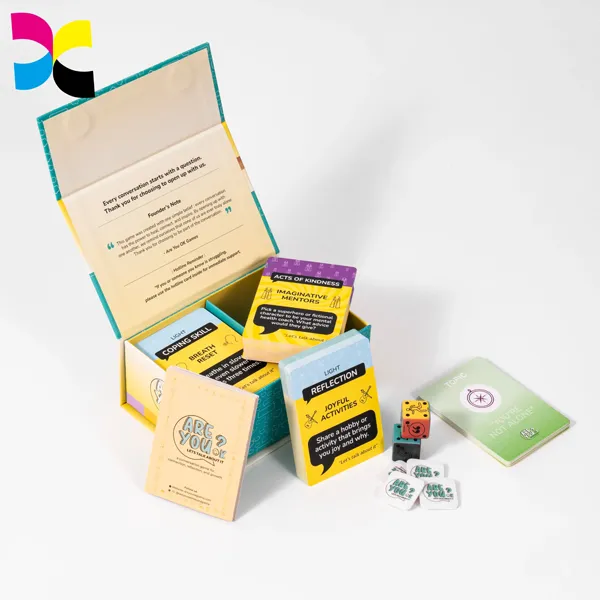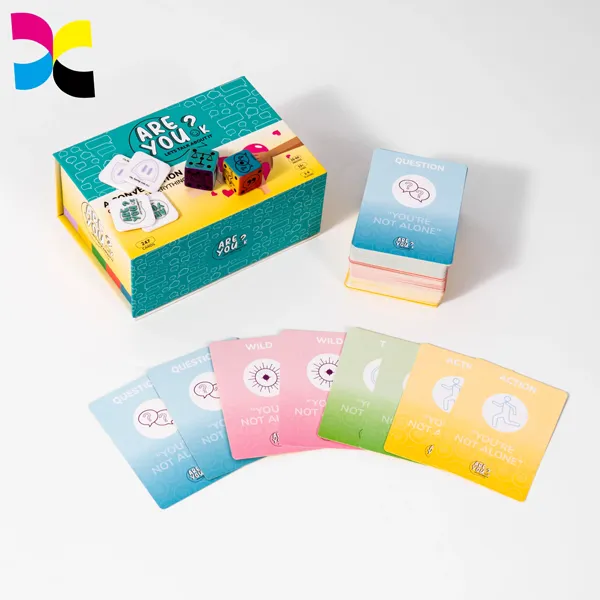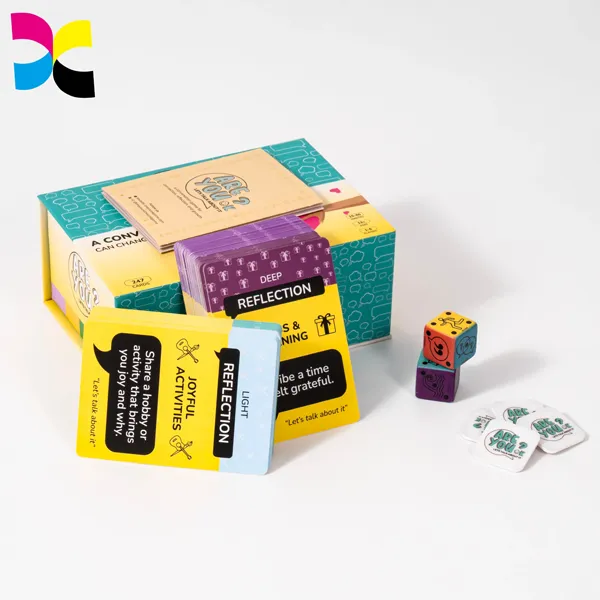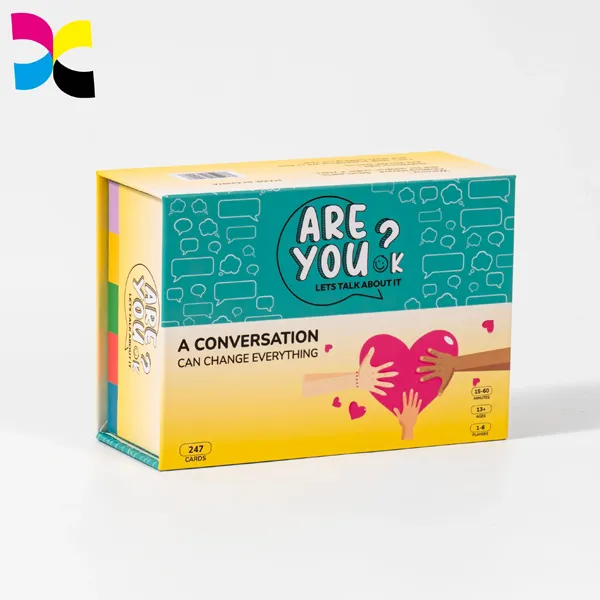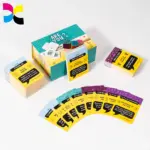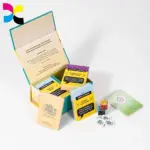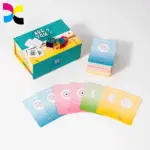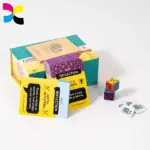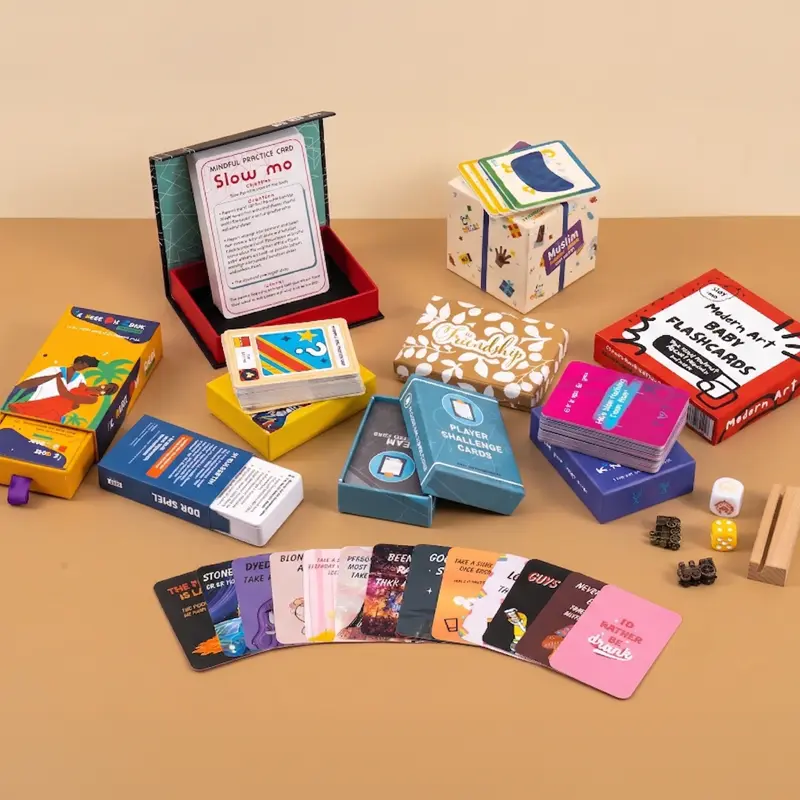
Digital learning tools have expanded rapidly over the past decade, yet printed flashcards remain a staple in classrooms from preschool through professional training programs. The persistence of physical cards is not nostalgia—it is a response to how learners actually retain information and how teachers manage group instruction.
This guide examines why educational institutions continue to specify printed flashcards, what advantages they offer over screen-based alternatives, and what specifications matter when ordering custom sets for your curriculum. For educational publishers and school procurement teams, understanding these factors helps justify the investment in physical learning materials that deliver consistent results across diverse classroom environments.
Tactile Engagement and Memory Retention
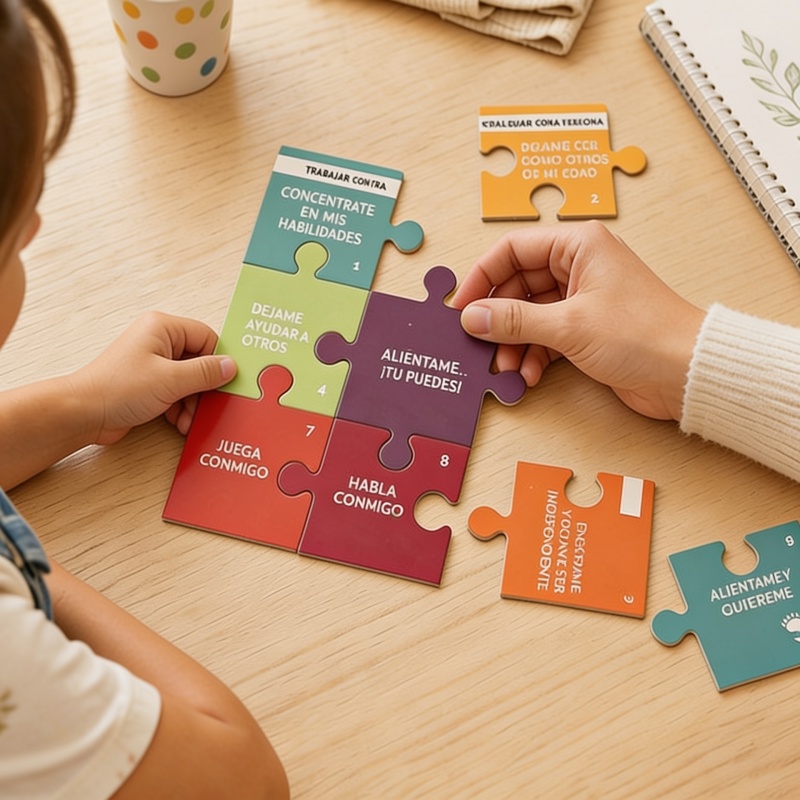
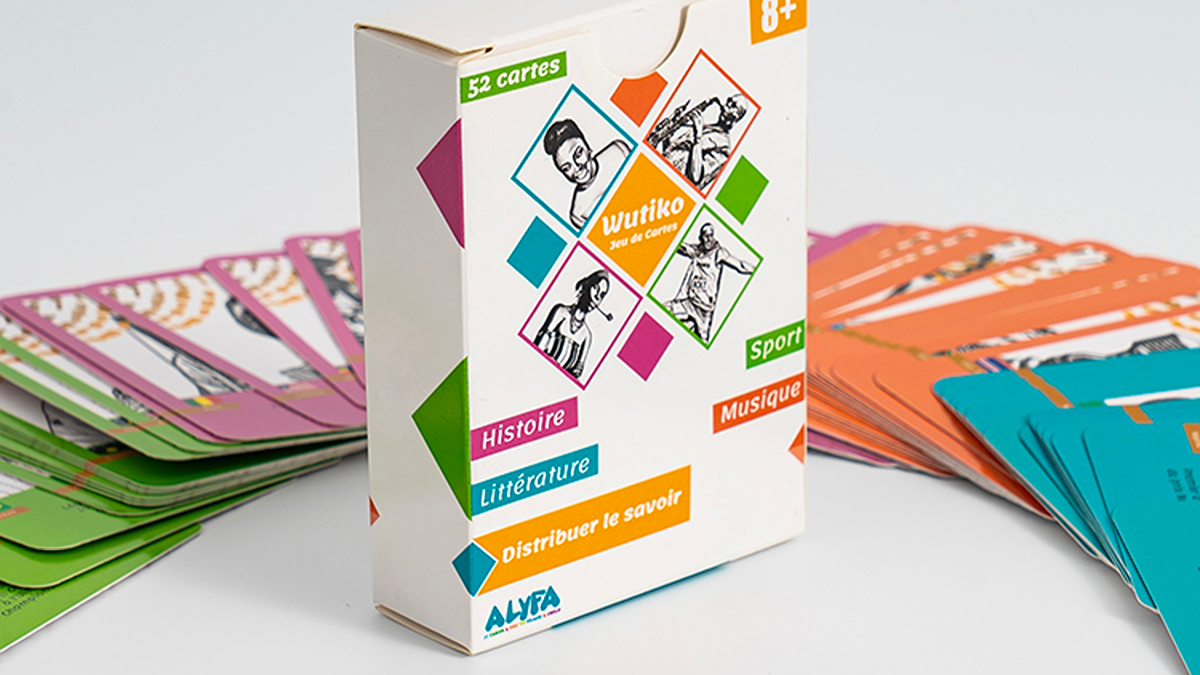
Physical flashcards engage multiple senses simultaneously. Students see the information, touch the card, and often speak the answer aloud. This multisensory input creates stronger neural pathways than passive screen viewing. Research on embodied cognition suggests that the physical act of handling cards—flipping, sorting, grouping—reinforces memory encoding in ways that tapping a screen does not.
Key advantages of tactile learning with printed flashcards:
- Fine motor skill development: Young learners build hand-eye coordination while manipulating cards alongside vocabulary acquisition
- Spatial organization: Students spread cards across tables, create physical groupings by difficulty or topic, and track progress through tangible arrangements
- Reduced eye strain: Medical students, language learners, and certification candidates prefer physical cards for intensive sessions without screen fatigue
- Concrete progress tracking: The tactile feedback of turning, feeling, and seeing cards flipped provides confirmation that abstract screen interactions lack
For older learners, the ability to physically organize cards by mastery level gives students a spatial understanding of their learning progress that digital interfaces struggle to replicate. Teachers report that students who physically handle flashcards demonstrate better recall during assessments compared to those who only view digital versions.
Classroom Management and Group Instruction
Printed flashcards scale naturally to group settings. A teacher can hold up a card for the entire class to see, pass decks between student groups, or spread cards across a table for collaborative sorting activities. These workflows do not require devices, charging stations, or network connectivity.
Benefits for classroom management:
- No technology distractions: Eliminates notifications, jeux, and internet access that compete for student attention
- Differentiated instruction: Teachers quickly shuffle decks, remove cards for individual student needs, or create custom sets without managing user accounts
- Collaborative activities: Students work together to sequence events, match terms with definitions, or create story chains using shared physical reference points
- Language practice: Students practice pronunciation in pairs, with one holding the card and the other responding verbally
- Mathematics problem-solving: Groups work through problem sets by physically arranging cards in solution sequences
In schools with limited technology budgets or restrictive device policies, printed cards provide a reliable teaching tool that works in any environment. For group activities, physical cards serve as shared reference points that all students can see and touch simultaneously, building communication skills alongside content knowledge.

Durability and Cost Efficiency
Quality printed flashcards withstand repeated use across multiple class cohorts. A well-constructed deck with appropriate papier and protective coating lasts for years of daily handling. The per-use cost drops significantly compared to digital subscriptions that require annual renewals.
Cost advantages for educational institutions:
- One-time purchase: Schools buy complete curriculum sets once and deploy them across classrooms without recurring fees
- Inexpensive replacements: Damaged cards can be partially replaced without discarding an entire digital license
- Budget predictability: Districts managing budgets across dozens of schools benefit from consistent, foreseeable costs
- High student throughput: A single set might serve 200+ students over five years, while digital licenses typically cover one user per year
- No hidden expenses: Eliminates device compatibility issues, software updates, internet bandwidth requirements, and technical support needs
Teachers spend instructional time using the cards, not troubleshooting technology. When schools calculate the five-year cost of a comprehensive flashcard program versus digital alternatives, printed cards consistently demonstrate lower total expenditure while providing equal or superior instructional outcomes.
Customization for Specific Curricula
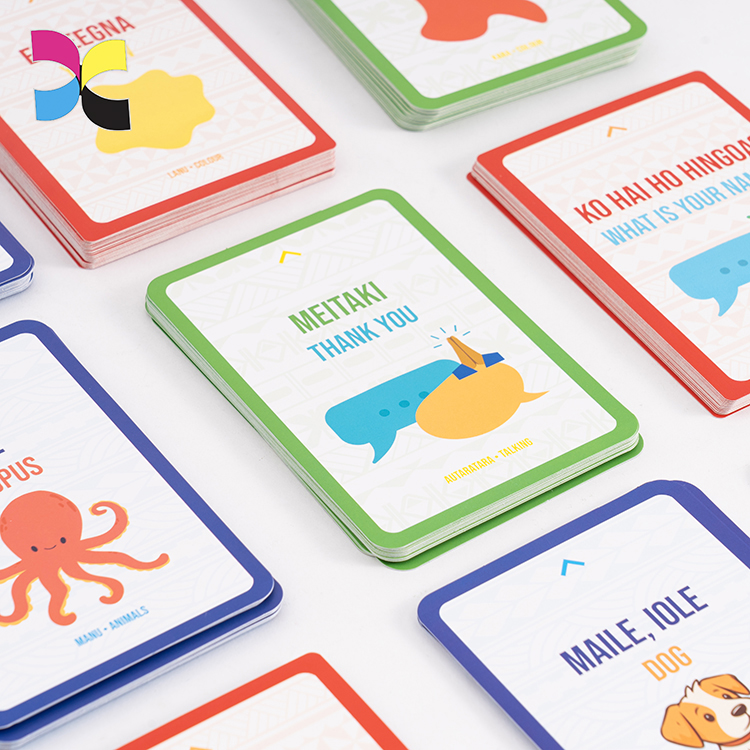
Educational publishers and school districts can specify flashcard content that aligns precisely with their teaching standards. Unlike mass-market digital apps, custom printed sets can include local references, multilingual content, or specialized terminology for vocational training programs.
Customization options by subject area:
- Science cards: Include high-resolution diagrams of biological processes or chemical structures that benefit from detailed printing
- Apprentissage des langues: Feature pronunciation guides in phonetic notation alongside vocabulary terms with multilingual content
- Mathematics: Include manipulatives references or problem-solving steps that students can physically arrange in sequences
- Visual systems: Create unified designs from kindergarten through middle school, reducing cognitive load as students progress
A school district can create a unified visual system from kindergarten through middle school, with cards that students recognize as part of their learning progression. This consistency reduces cognitive load—students spend less time figuring out how to use the materials and more time engaging with the content. For educational publishers, this customization capability allows differentiation in a competitive market, offering schools materials that reflect their specific pedagogical approach rather than generic content available through app stores.
Accessibility and Inclusion
Printed flashcards do not require visual acuity to a screen, do not assume literacy in a specific language interface, and do not depend on auditory processing of synthesized speech. Teachers can adapt physical cards for students with diverse learning needs.
Accessibility adaptations for printed flashcards:
- Visual impairments: Raised-line cards, Braille overlays, or high-contrast printing ensures accessibility for students with limited vision
- Motor skill challenges: Larger card formats or cards with grip-friendly edges can be specified for students with physical disabilities
- Infrastructure limitations: Function in regions with unreliable electricity or internet access, outdoor settings, temporary classrooms, and during power outages
- Attention difficulties: Students concentrate on learning tasks without temptation to switch apps or check notifications
- Unstable home environments: Portability supports students who lack stable locations, allowing them to carry learning materials between homes
Refugee education programs, rural schools, and disaster recovery efforts all benefit from learning materials that require no infrastructure. The physical boundary of a card deck also provides clear start and end points, which helps students organize their study time and track their progress. For learners who struggle with abstract digital interfaces, the concrete nature of physical cards reduces cognitive overhead and allows them to focus on content mastery.
Printed vs Digital: Comparison Summary
When evaluating flashcard solutions for educational institutions, consider how printed and digital options compare across key dimensions:
| Fonctionnalité | Printed Flashcards | Digital Apps |
|---|---|---|
| Sensory engagement | Tactile, visuel, kinesthetic | Visual and auditory only |
| Infrastructure requirements | None | Devices, power, internet |
| Distraction potential | Faible | Haut (notifications, other apps) |
| Group instruction | Excellent (visible to all) | Limité (screen size constraints) |
| 5-year cost (30 étudiants) | One-time purchase | Annual subscription × 5 |
| Accessibility adaptations | Braille, textures, high contrast | Screen readers, zoom |
Specifications for Educational Flashcard Orders
When ordering custom flashcards for institutional use, several specifications affect longevity and usability:
| Specification | Standard Range | Recommandation |
|---|---|---|
| Taille de la carte | 3×5 inches to 4×6 inches | Larger formats for group instruction; smaller formats for individual student decks |
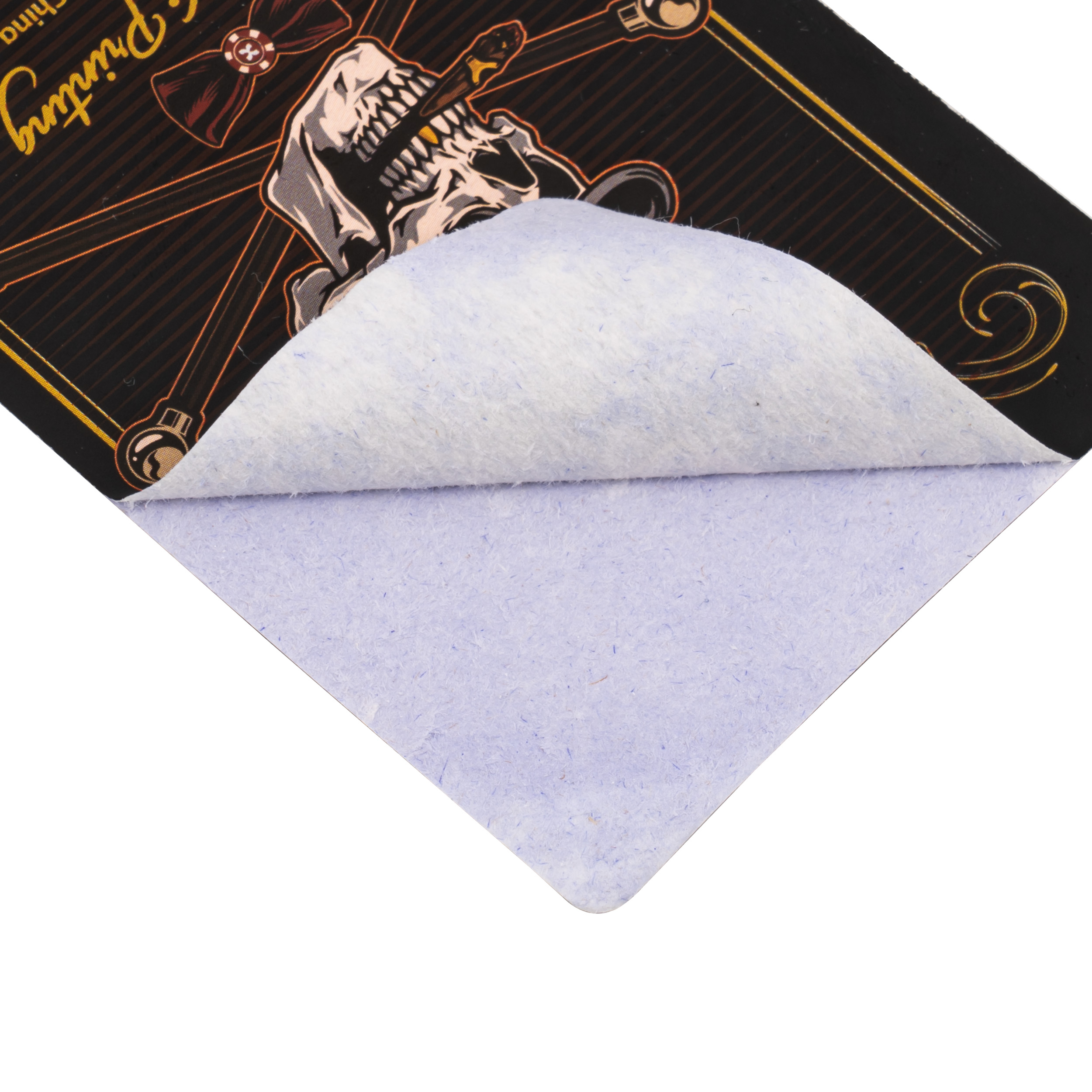
| Papier | 300–350 gsm heavy card stock | Black core cardstock prevents show-through under classroom lighting |
| Coating | Mat, aqueous, or lamination | Matte reduces glare; lamination extends lifespan for high-frequency use |
| Rayon d'angle | R3–R6 rounded corners | Prevents sharp edges and reduces fraying from frequent handling |
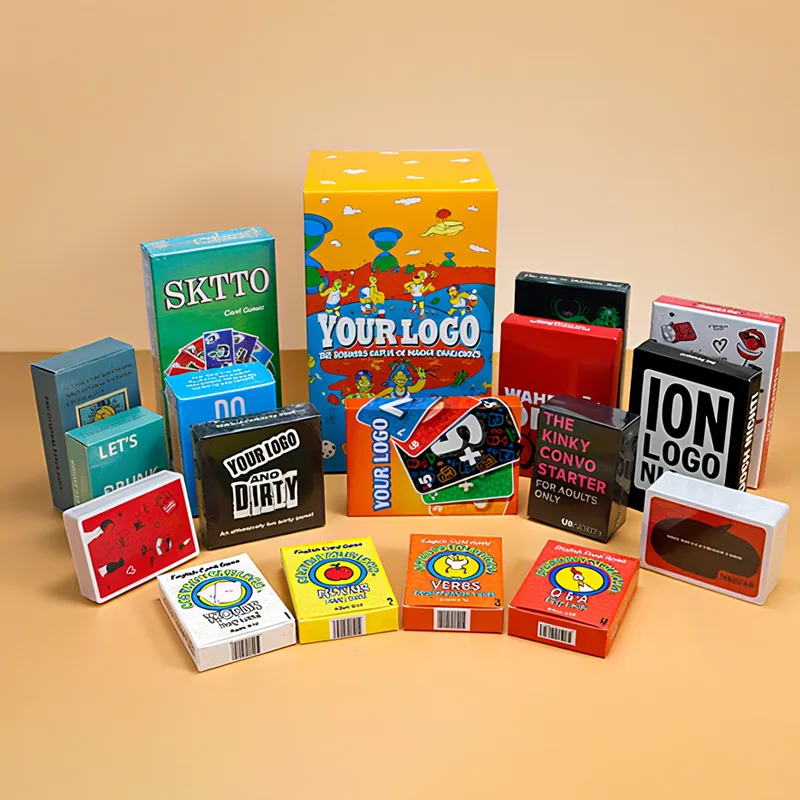
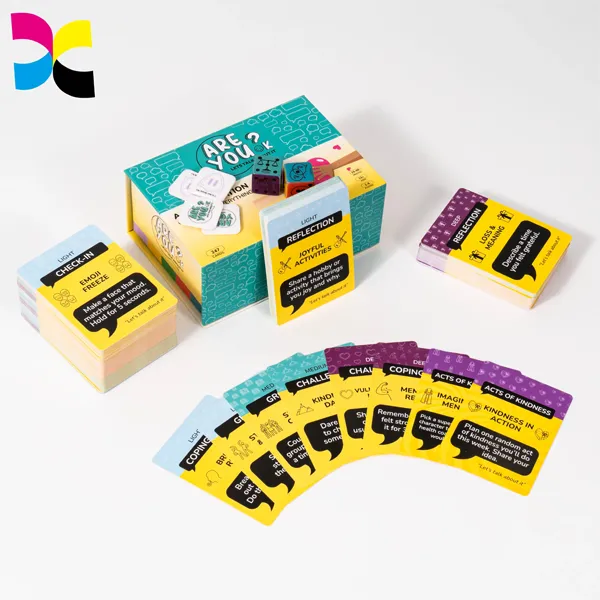
| Conditionnement | Elastic bands, boîtes de rangement, or plastic cases | Choose solutions that fit classroom shelving and student storage |
| Quantity per deck | 20–50 cards standard | Configure to match curriculum units or semester content |
For additional guidance on material selection, see our overview of paper types for flashcards et safe materials for children’s products. Understanding these specifications helps procurement teams write accurate RFPs and evaluate manufacturer quotes effectively.
Foire aux questions
Are printed flashcards still effective compared to digital apps?
Oui. Physical flashcards engage tactile and visual senses simultaneously, which research suggests strengthens memory retention. They also eliminate screen distractions, work without technology infrastructure, and provide consistent performance across different learning environments. Many educators use both printed and digital tools, selecting the format that best suits each instructional objective.
How long do printed flashcards last in classroom use?
With appropriate paper stock and coating, printed flashcards withstand 3–5 years of daily classroom use. Laminated cards last longer but cost more. Schools typically replace decks every 4–6 years depending on usage frequency, storage conditions, and the number of students handling the materials. Proper packaging and organization systems extend card lifespan by preventing loss and damage.
What is the minimum order quantity for custom flashcards?
Most manufacturers require minimum orders of 500–1,000 decks for custom printed flashcards. This suits school districts ordering for multiple classrooms, educational publishers distributing to institutional buyers, or tutoring centers standardizing materials across locations. Smaller quantities may be available through digital printing services, though per-unit costs will be higher.
Can flashcards be customized for different grade levels?
Oui. Educational publishers often create tiered flashcard sets with content calibrated to specific grade levels or learning stages. Visual complexity, vocabulary difficulty, and concept depth can all be adjusted while maintaining consistent physical specifications. This allows schools to adopt a unified flashcard program that grows with students from kindergarten through upper grades.
Pensées finales
Printed flashcards persist in education not because schools resist technology, but because physical cards solve real instructional challenges. They work in any environment, engage multiple learning pathways, and provide predictable costs over time. For students who benefit from tactile learning, for classrooms with limited technology infrastructure, and for educators who need reliable tools that do not require technical support, printed flashcards remain the practical choice.
For educational publishers and school procurement teams, custom flashcard sets offer a way to align materials precisely with curriculum standards while building durable teaching resources. When specifications match the demands of classroom use—appropriate paper weight, protective coating, thoughtful packaging—printed flashcards deliver consistent value across student cohorts and budget cycles.
Send Xinyi your curriculum requirements and target student age group, and we will recommend appropriate card sizes, matériels, and packaging for your educational flashcard program. Our team can help you balance durability, coût, and instructional effectiveness to create flashcards that serve your educational mission.