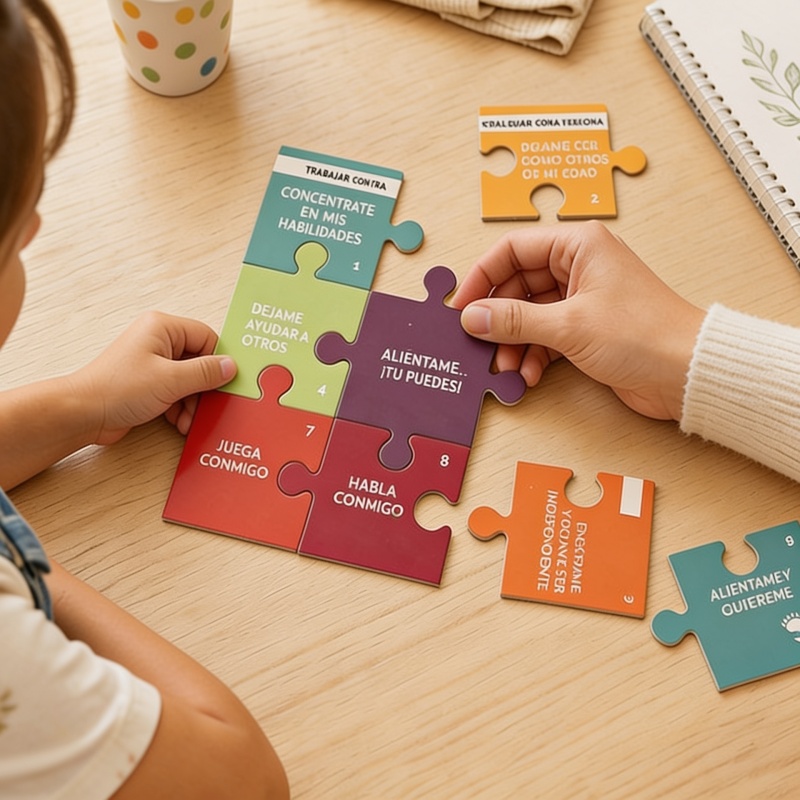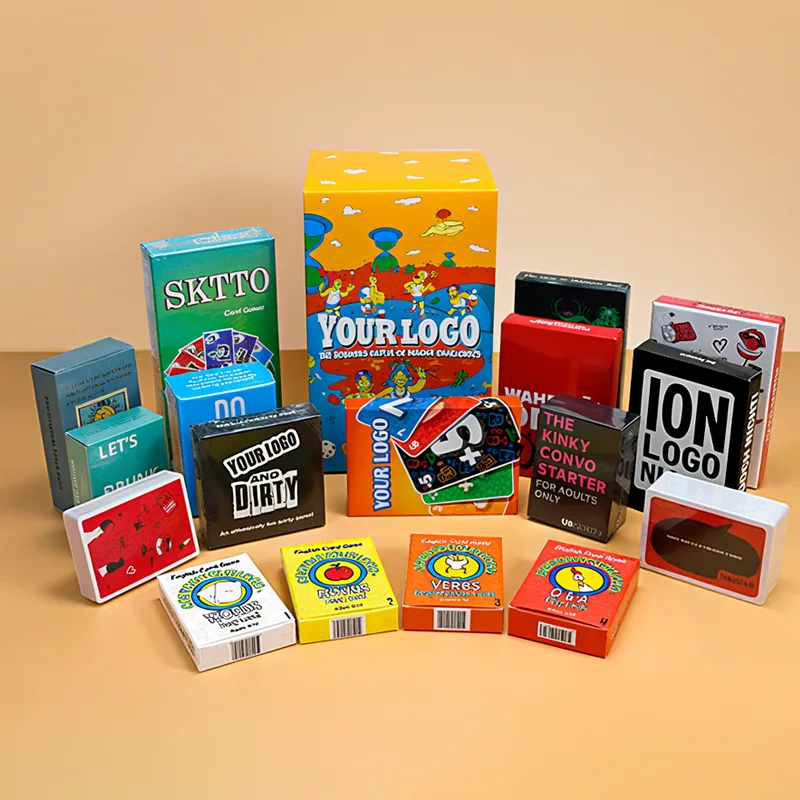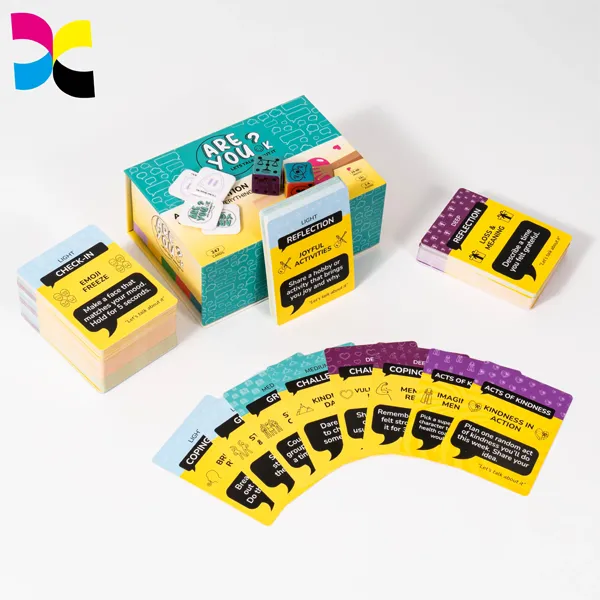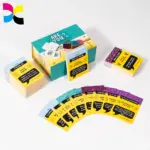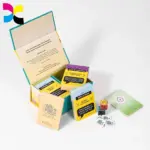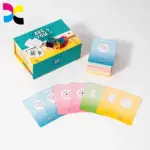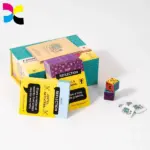
Die Beschaffung individueller Affirmationskartensets führt oft dazu, dass Marken in fragmentierten Lieferketten gefangen sind, wo falsch ausgerichtete Kartenstapel und Kartonabmessungen zu Verpackungsfehlern führen. Ohne integrierten Workflow, Die Aufteilung Ihrer Druckaufträge verzögert den Markteintritt und schmälert schnell Ihre Gewinnspanne.
Diese Analyse bildet den genauen Herstellungsprozess ab, der zur Konsolidierung Ihrer Lieferkette und zur Kontrolle der Stückkosten erforderlich ist. Wir bewerten genaue Materialtoleranzen, Vergleich von 350 g/m² Standardkarton mit 400 g/m² schwarzem Kern-Upgrade, und beurteilen Sie die Abstände starrer Boxen, um ein skalierbares Produktionsmodell sicherzustellen.
Planen Sie ein individuelles Affirmationskartenset
Erfolgreiche Affirmationsdecks schließen die Lücke zwischen Publikumspsychologie und Materialtechnik. Um fragmentierte Lieferketten zu vermeiden, Ihre Produktion muss vom ersten Tag an die Content-Strategie mit präzisen physischen Spezifikationen in Einklang bringen.
Inhalt & Zielgruppenausrichtung
Definieren Sie Ihre Nische, um die Haptik des Decks zu bestimmen. Klinische Instrumente erfordern Minimalismus, langlebige Oberflächen, während Luxus-Einzelhandelsdecks nach hochverschönerten Paletten verlangen.
- Standarddecks: 40–60 Karten.
- Premium-/Oracle-Decks: 80+ Karten.
Präzise technische Standards
Der Übergang von digitaler Kunst zu einem physischen Produkt erfordert die strikte Einhaltung branchenspezifischer Abmessungen und Papiergewichte:
- Pokerformat: 63 × 88 mm (Tragbar/kompakt).
- Standardbestätigung: 70 × 120 mm (Tägliche Rituale).
- Kernmaterialien: Für eine Standardhaltbarkeit verwenden Sie 300–350 g/m², oder upgraden Sie auf 400 g/m² Black Core für 100% Deckkraft und professionell “Schnapp.”
Integrierte Spitze
Berechnen Sie Ihre Gesamtstapeldicke, bevor Sie die Verpackung abschließen. Verwenden Sie die Formel:
(Wobei T die Kartendicke ist, N ist die Kartenanzahl, und C ist ein Abstand von 1,0–1,5 mm).
Wenn die Kartendichte nicht berücksichtigt wird, kommt es zum Versagen der Schachtel – entweder werden die Karten zerdrückt oder es entsteht ein lockerer Karton, “billig” Benutzererfahrung.
Materialien für Affirmationskarten auswählen
Die physische Haptik eines Affirmationsdecks bestimmt seinen wahrgenommenen Wert. Auswahl des richtigen Gewichts, beenden, und die Verpackung unterscheidet Premium-Einzelhandelsprodukte von preisgünstigen Alternativen.
Kartontypen und -gewichte
Die Materialzusammensetzung bestimmt, wie Ihr Deck mit den täglichen Bewegungen umgeht und die Lichtdurchlässigkeit blockiert. Nachfolgend finden Sie einen direkten Vergleich der branchenweit führenden Kartonoptionen, der Ihnen bei der Auswahl Ihrer Herstellung helfen soll:
| Materialmerkmal | 350GSM-Kunstdruckpapier | 310GSM Black Core | 400GSM-Premium |
|---|---|---|---|
| Opazität | Standard | 100% Undurchsichtig (Blockiert Licht) | Hoch |
| Shuffle-Feeling | Glatt & Flexibel | Professionelles Casino “Schnapp” | Starr & Wesentlich |
| Preispunkt | Budgetfreundliche Basislinie | Mittelklasse-Luxus | Premium-Upgrade |
Für eine klare Markenpositionierung, Sie können auch Kraftpapier/recycelte Materialien für den rustikalen Stil verwenden, von der Natur inspirierte Themen, oder wasserfestes PVC für anspruchsvolle Arbeiten in stark frequentierten Umgebungen.
Schutzausrüstungen und Verpackungsoptionen
Oberflächenbeschichtungen und Strukturhüllen sichern die Kartenkanten und definieren Ihre Marktpositionierung.
- Laminierungsstile: Die matte Laminierung sorgt für ein weiches Gefühl, nicht reflektierend, Fingerabdruckresistente Oberfläche, ideal für minimalistische Designs. Die Glanzlaminierung maximiert die Farbbrillanz und -helligkeit.
- Premium-Erweiterungen: Einarbeitung punktueller UV-Beschichtungen, Folienstempel, oder metallische Glitzerkanten erzeugen einen scharfen taktilen Kontrast und rechtfertigen eine höhere Verkaufspreisspanne.
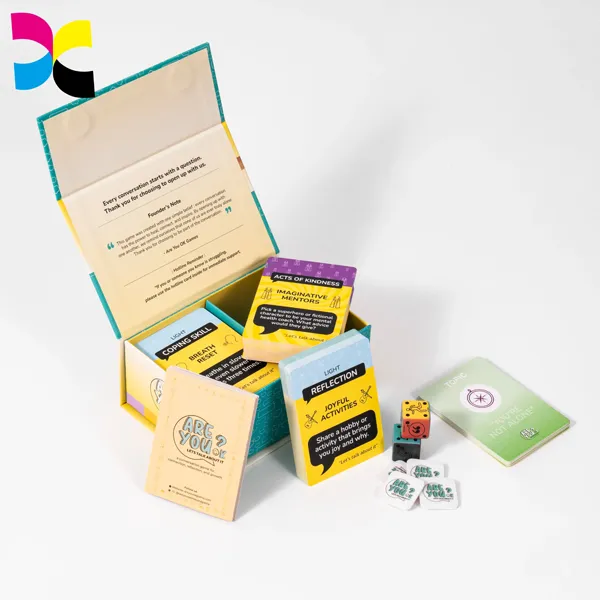
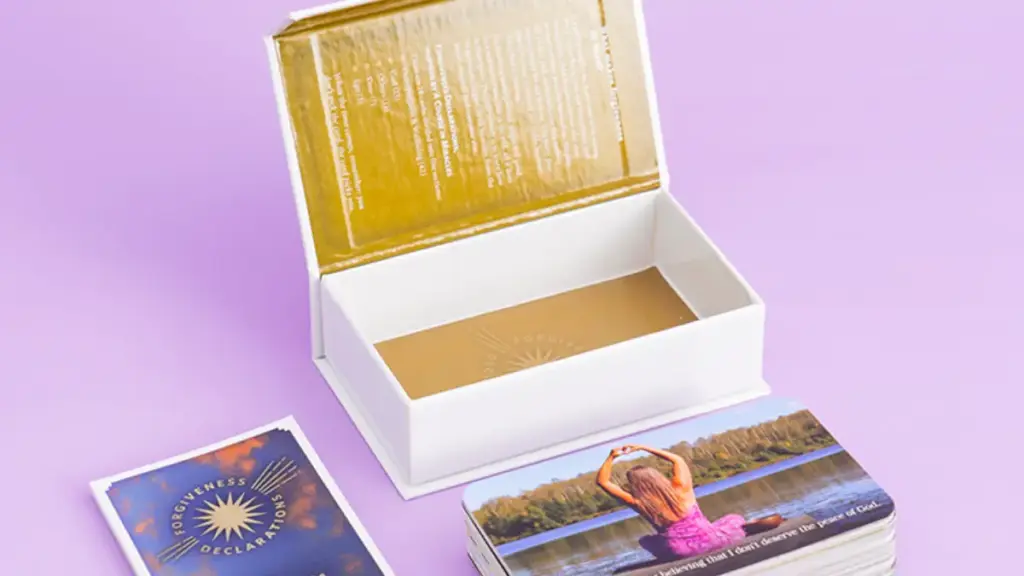
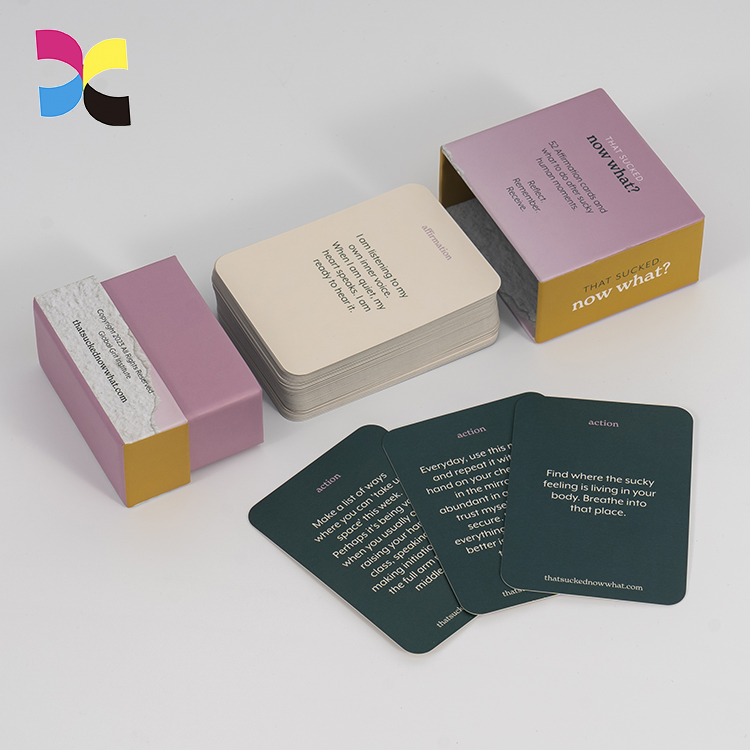
- Verpackungsarchitektur: Niedrigere Produktionskosten mit unkomplizierten Tuck Boxes aus C1S-Karton. Um das Unboxing-Erlebnis dramatisch zu steigern, Upgrade auf starre Boxen aus dickem Graukarton mit maßgeschneiderten Magnetverschlüssen.
Druck- und Endbearbeitungsoptionen für Kartendecks
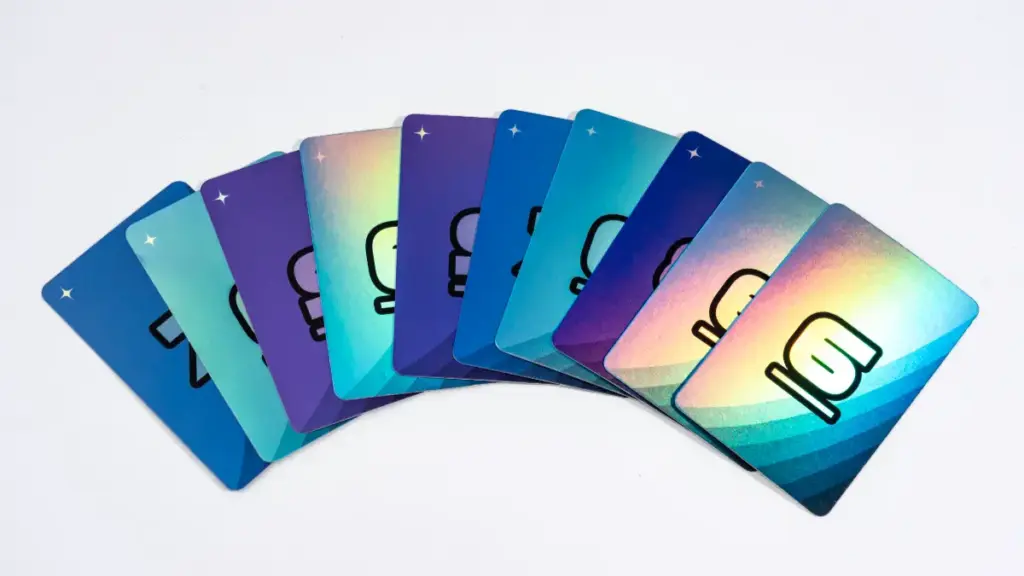
Auswahl des richtigen Druckfinishs Der dekorative Effekt wirkt sich direkt auf das haptische Erlebnis und den wahrgenommenen Wert Ihres individuellen Kartenspiels aus.
Oberflächenbewegungen
Oberflächenbeschichtungen bestimmen, wie sich ein Deck in der Hand anfühlt und wie es wiederholtem Mischen standhält. Das richtige Finish bringt physische Haltbarkeit mit klarer Lesbarkeit in Einklang.
- Matte Oberflächen: Tragen Sie matte Oberflächen auf, um Blendungen zu reduzieren und ein weiches Gefühl zu erzeugen, Fingerabdruckresistente Oberfläche, die den Text gut lesbar hält.
- Glänzende Beschichtungen: Wählen Sie glänzende Beschichtungen, um die Farbbrillanz zu steigern und die Karten vor täglicher Abnutzung zu schützen.
- Leinentexturen: Wählen Sie Leinenstrukturen aus, um ein gewebtes Material zu erhalten, Stoffähnliches Tasterlebnis, das gut zu dick passt 14-16 pt-Karton.
- Laminierung: Bringen Sie eine glänzende oder matte Laminierung über Ihren Drucken an, um Abrieb zu verhindern und die Kartenkanten vor dem Abblättern zu schützen.
Hochwertige dekorative Effekte
Dekorative Veredelungen verwandeln Standard-Kartendecks in verkaufsfertige Produkte. Spezielle Drucktechniken schaffen visuellen Kontrast und taktiles Interesse für High-End-Käufer.
- Spot-UV-Beschichtung: Heben Sie bestimmte Affirmationen oder Ränder mit Spot UV hervor, um vor matten Hintergründen einen fühlbaren Glanz zu erzeugen.
- Metallfolien: Metallische Folien wie Gold pressen, Silber, oder Roségold auf die Karten, um schimmernde Akzente zu setzen und den optischen Eindruck zu steigern.
- Prägen und Tiefprägen: Integrieren Sie Prägungen oder Tiefprägungen, um individuellen Schachteln und Schlüsselkartenelementen eine eindeutige dimensionale Textur zu verleihen.
- Individuelle Stanzteile: Entwerfen Sie individuelle Stanzungen für nicht standardmäßige Kartenformen wie Kreise oder Ovale, um eine einzigartige Präsentation zu erstellen.
Herstellung Kundenspezifische Kartenboxen und Einsätze

Individuelle Verpackungen erfordern Präzision. Die Auswahl der richtigen Kartonmaterialien und passenden Einlagen schützt Ihre Affirmationskarten und steigert gleichzeitig den wahrgenommenen Wert und die Markenidentität.
Arten von Kartenboxen
Die Hersteller stellen eine große Auswahl an Schachtelstilen zur Unterbringung von Affirmationskarten her. Giebelschachteln zeichnen sich durch eine äußerst vielseitige Option aus, die die Produktpräsentation verbessert und die Markenidentität stärkt. Sie wählen aus mehreren Ausführungen und Farben, wie hochwertiger weißer und schwarzer Karton, passend zu Ihren spezifischen ästhetischen Zielen. Lieferanten bauen stark auf, Schutzboxen aus spezifischen Plattenmaterialien basierend auf Ihren Projektanforderungen.
- Wellpappe: Gebaut für robuste Verteilung und maximalen Aufprallschutz.
- Festes gebleichtes Sulfat (SBS): Sorgt für ein glattes Ergebnis, Premium-Oberfläche, ideal für hochwertige Drucke.
- Einstellbare Dicke: Durch die Skalierung der Materialstärke wird die physische Haltbarkeit direkt verbessert und die wahrgenommene Qualität der Kartensets gesteigert.
Benutzerdefiniertes Einsatzdesign
Maßgeschneiderte Kartoneinlagen bilden den strukturellen Kern Ihrer Verpackung. Sie sichern die Artikel während des Versands, Organisieren Sie Ihre Karten, und verhindern Sie Schäden durch plötzliche Bewegungen. Auf dem Weg dorthin 2026, Die meisten Marken bevorzugen Pappeinlagen gegenüber Schaumstoff, da Pappe eine bessere strukturelle Integration und nahtlose Anpassung gewährleistet.
- Materialauswahl: Designer entscheiden sich für Kraftkarton, Wellpappe, oder SBS-Platte, basierend auf den spezifischen Anforderungen an Produktgewicht und Zerbrechlichkeit.
- Anpassungsmöglichkeiten: Die Einrichtungen bieten individuelle Größenanpassungen und ermöglichen das Drucken von Text, Artikelnummern, oder Markenlogos direkt auf die Einlagen.
- Digitaldruck: Bietet eine kostengünstige, hochwertige Lösung für Kleinserien.
- Flexodruck: Stempelt Designs, die nicht in Fotoqualität sind, effizient über große Produktionsmengen hinweg.
Integrierter Karten- und Schachtelproduktionsprozess
Ein integrierter Produktionsworkflow stimmt das Kartendesign ab, Materialspezifikationen, und Kartongrößen frühzeitig anpassen, um Produktionsverzögerungen zu vermeiden und die Stückkosten zu kontrollieren.
| Produktionselement | Standardkonfiguration | Premium-Upgrade (Kostentreiber) |
|---|---|---|
| Kartenmaterial | Glänzende oder matte Kartonoberfläche | Dickere Kernmaterialien mit Leinenstruktur |
| Kastenstruktur | Einteiliger Tuck-Box-Verschluss | Zweiteiliger starrer oder magnetischer Verschluss |
| Produktionsmaßstab | Kleine Print-on-Demand-Serienauflagen | Lagerung von Lagerbeständen mit hohem Volumen |
Vorbereitungs- und Materialauswahl-Workflow
Ein reibungsloser Produktionsablauf beginnt lange bevor die Dateien in die Druckmaschine gelangen. Designer fügen an den Kartenrändern zusätzlichen Beschnittraum hinzu und konvertieren alle RGB-Farbprofile in CMYK-Layoutformate. Dies stellt sicher, dass die gedruckten Farben mit der digitalen Absicht übereinstimmen und verhindert ungleichmäßige weiße Ränder während der Schneidephase.
Intelligente Entwickler drucken lokale Prototypenstapel, um die Lesbarkeit zu testen und visuelle Details zu vereinfachen. Das frühzeitige Erkennen dieser kleinen Konstruktionsfehler verhindert kostspielige Gesamtfehler. Sobald das Kunstwerk genehmigt ist, Der Schwerpunkt liegt auf der Auswahl der physischen Materialien und der Konstruktion der Verpackung.
- Kartonoberflächen: Benutzer wählen aus matt, glänzend, oder Leinenkartonoptionen, um die genaue Produktstruktur zu definieren.
- Kartonabmessungen: Hersteller berechnen spezifische Kartonmaße basierend auf der endgültigen Dicke des Kartenstapels.
- Verschlussarten: Bauherren entwerfen Tuck, starr, oder magnetische Verpackung, damit die endgültigen Karten hineinpassen, ohne die Schachtel zu dehnen oder zu zerreißen.
Produktionsschritte und Kostenvariablen
Die Druckereien verwalten den gesamten Montagezyklus im eigenen Haus. Sie schneiden die bedruckten Blätter zu, Falten Sie die Kartons, Legen Sie die Decks ein, und schützende Schrumpffolie anbringen. Bevor Sie den gesamten Prozess starten, Kunden bestellen physische Muster, um die Farbgenauigkeit zu überprüfen, Testen Sie die Haptik des Papiers, und bestätigen Sie die strukturelle Passform des Kastens.
Benutzer genehmigen digitale Proofs, bevor die Einrichtungen mit dem standardmäßigen zwei- bis vierwöchigen Herstellungszyklus beginnen. Das Kostenmanagement während dieser Produktionsphase erfordert spezifische Entscheidungen hinsichtlich des Auftragsvolumens und der Komponenten-Upgrades.
- Batch-Skalierung: Beginnend mit kleinen Print-on-Demand-Batchaufträgen 2026 Die Lagerkosten sind niedrig und entsprechen der anfänglichen Marktnachfrage.
- Material-Upgrades: Ein Upgrade auf dickere Kartenmaterialien erhöht insgesamt direkt die Leistung Herstellungskosten.
- Verpackungs-Upgrades: Die Wahl zweiteiliger starrer Kartons anstelle von Standard-Einsteckkartons erhöht die Produktionskosten pro Einheit.
Qualitätskontrolle und Verpackungsinspektion
Strenge Werksprüfungen und sturzgeprüfte Verpackungen garantieren, dass Ihre individuellen Bestätigungskarten den weltweiten Transport überstehen, Schützen Sie Ihre Margen und Ihren Markenruf.
Überprüfung der Kartenqualität
Hersteller individueller Bestätigungskarten führen strenge Endkontrollen durch, um die Druckqualität zu überprüfen, Farbgenauigkeit, und Materialintegrität auf dem gesamten Deck. Bevor Sie sich zu vollständigen Produktionsläufen verpflichten, Hersteller senden digitale Proofs oder physische Testmuster. Mit diesem Schritt können Sie den Papierbestand bestätigen, Oberflächenbeschaffenheit, und Druckpräzision aus erster Hand.
Bei der Bewertung eines Fertigungspartners, Schauen Sie sich die Daten hinter ihren Behauptungen an. Seriöse Lieferanten beweisen ihre Fähigkeiten durch spezifische Industriestandards und Hardware:
- ISO 9001 Zertifizierungen: Validiert seine laufenden Qualitätsmanagementsysteme.
- Verifizierte Ausrüstung: Virtuelle oder Vor-Ort-Fabrikaudits bestätigen das Vorhandensein von High-End-Maschinen wie Heidelberg-Offsetdruckern und automatisierten Schneidemaschinen.
- Projektportfolios: Frühere Produktionsaufzeichnungen beweisen ihre Fähigkeit, in großem Maßstab konsistente Ergebnisse zu liefern.
Verpackungs- und Versandkontrollen
Ein Premium-Kartendeck ist nur dann erfolgreich, wenn es die Lieferkette übersteht. Die Hersteller führen spezielle Dropbox-Tests durch, um reale Transportbelastungen zu simulieren, Gewährleistung der strukturellen Integrität der Verpackung während des globalen Transports. Qualitätssicherungsteams überprüfen außerdem Kundenbewertungen und Plattformdaten, um sicherzustellen, dass die ausgewählte Verpackung zuverlässig benutzerdefinierte Sets mit hoher Konvertierung unterstützt.
Lieferanten bieten mehrere Schutzmaßnahmen an, Verpackungsoptionen mit geringem Abfall, die zu unterschiedlichen Markenpositionierungen passen:
- Kundenspezifische Deckelboxen: Robuste Gehäuse für Einzelhandelsregale und schwere Handhabung.
- Umweltfreundliche Materialien: FSC-zertifiziertes Papier und nachhaltige Konstruktionen, die umweltbewusste Käufer ansprechen.
- Schutztaschen: Alternative, abfallarme Gehäuse für leichte oder sehr tragbare Geräte.
Sobald das Endprodukt alle Prüfungen besteht, Globale Versandnetzwerke liefern den Lagerbestand direkt an Ihre Türen oder Fulfillment-Center. Dieser integrierte Ansatz für Fertigung und Logistik ermöglicht die problemlose Aufrechterhaltung des laufenden Print-on-Demand-Betriebs 2026.
Letzte Gedanken
Wenn Sie Ihre Affirmationskarten und Verpackungen aus getrennten Produktionsstätten beziehen, besteht das Risiko struktureller Unstimmigkeiten und Verzögerungen bei Ihrem Markteintritt. Durch die Konsolidierung Ihrer Produktion bei einem einzigen Hersteller wird garantiert, dass die Dicke Ihres Kartons genau auf die Abmessungen Ihrer individuellen Schachtel abgestimmt ist. Dieser integrierte Workflow schützt Ihre Margen vor kostspieligen Nachdrucken und sichert die erstklassige haptische Qualität, die Einzelhandelskäufer erwarten.
Vermuten Sie nicht die Haltbarkeit des Papiers oder die Passform der Verpackung. Wir empfehlen, ein physisches Musterset zu bestellen, um unsere Kartonoberflächen zu testen und die stabile Kartonkonstruktion aus erster Hand zu überprüfen. Kontaktieren Sie unser Produktionsteam um Ihre genauen Spezifikationen zu überprüfen und Ihren ersten Produktionslauf zu planen.
Häufig gestellte Fragen
Was ist in einem Standard-Affirmationskartenset enthalten??
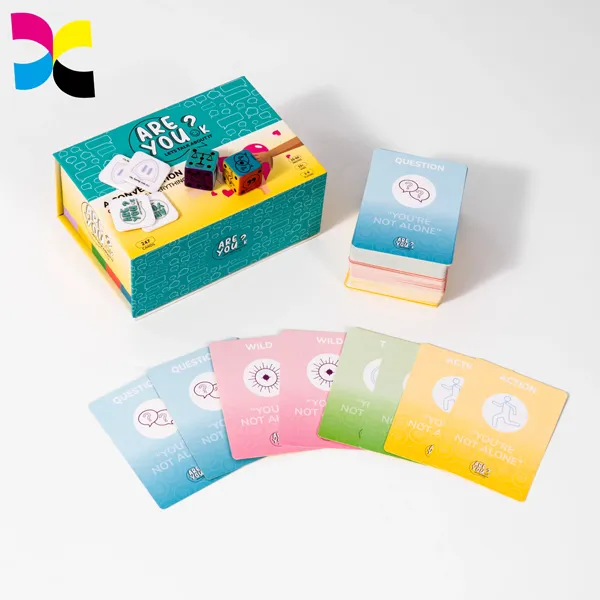
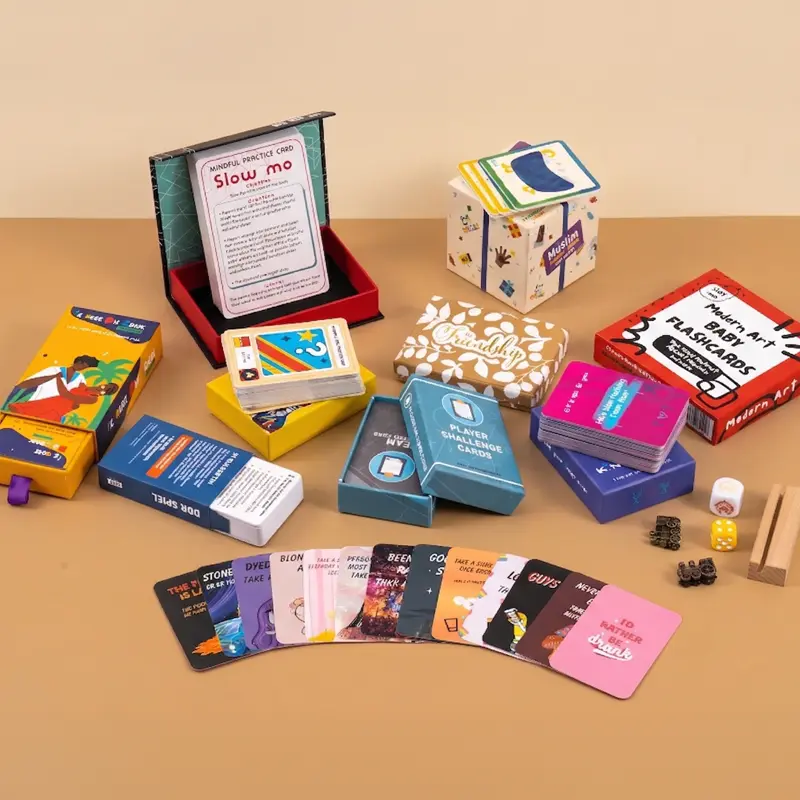
Ein Standardset enthält ein Deck mit 52 Zu 60 Karten mit Positiv, bestärkende Aussagen. Die Vorderseite der Karten zeigt einzigartige Kunstwerke oder Illustrationen, während die Rückseite nicht datierte Planer oder Leerzeichen enthält. Die Hersteller verpacken diese Sets in dekorativen Schiebeschachteln, Tuck-Boxen, oder magnetische starre Boxen, und viele Marken fügen Zubehör wie Holzblock-Präsentationsständer oder Achtsamkeitswerkzeuge hinzu.
Wie wähle ich die richtige Box für mein Kartendeck aus??
Passen Sie zunächst die Abmessungen der Schachtel genau an Ihre Kartengröße und Stapelhöhe an, Hinzufügen von a 0.1 Der Abstand beträgt bis zu 0,25 Zoll, sodass Benutzer die Karten leicht entfernen können. Wählen Sie einen Boxstil, der zu Ihrem Budget und Ihrer Marke passt. Starre Boxen oder magnetische Boxen im Buchstil bieten ein erstklassiges Gefühl, ideal für Luxussets, während Schachteln mit aufsteckbarem oder abhebbarem Deckel ein erschwingliches Preis-Leistungs-Verhältnis bieten, leichte Option. Priorisieren Sie benutzerdefinierte Pappfächer, um den Stapel zu stabilisieren und die Kanten zu schützen.
Was sind die besten Abmessungen für die Verpackung von Kartensets??
Die Verpackungsabmessungen hängen vollständig von Ihrer Kartengröße und der Gesamtanzahl des Decks ab. Zu den gängigen Größen für Affirmationskarten gehören: 2.5 von 3.5 Zoll, 2.75 von 4.75 Zoll, Und 3.5 von 5 Zoll. Der Innenraum der Box muss die Abmessungen des Kartenstapels um mehr als 100 mm überschreiten 1 Zu 3 Millimeter pro Seite. Für einen Standard 40 Zu 60 Kartendeckgröße 70 von 120 Millimeter, eine starre Box mit Innenabmessungen von 72 von 122 von 30 Millimeter funktionieren am besten.
Wie stelle ich die Farbkonsistenz zwischen Karten und Schachteln sicher??
Nutzen Sie das Pantone Matching System (PMS) um Sonderfarben sowohl für die Karten als auch für die Verpackung anzugeben, um eine exakte Farbtongenauigkeit zu gewährleisten. Konvertieren Sie Ihre digitalen RGB-Designs vor dem Drucken in den CMYK-Farbmodus. Wählen Sie passende Untergründe aus, Zum Beispiel kombinieren Sie Premium-Karton mit Kartonpapier, das die gleichen Tinten akzeptiert, und fordern Sie von Ihrem Lieferanten farbgesteuerte Proofs an, um die visuelle Kohärenz zu bestätigen, bevor Sie mit der vollständigen Produktion beginnen.
Was ist die Standardbearbeitungszeit für individuelle Kartensets??
Die End-to-End-Bearbeitungszeit für individuelle Kartensets beträgt zwei bis drei Wochen. Dieser Zeitplan umfasst ein bis drei Tage für die erste Entwurfsphase, eine kurze Beweisüberprüfung, Und 10 Zu 14 Werktage für Druck und Produktion. Die Lieferzeiten variieren je nach Standort, wobei Inlandslieferungen in der Regel fünf bis fünf Stunden dauern 10 Tage bis zur Ankunft.
Sind starre Kartons besser als Steckkartons für Premium-Sets??
Ja, Bei Premium-Affirmationssets sind starre Boxen den Steckboxen überlegen. Die Hersteller bauen sie aus dicken Spanplatten im Bereich von 1.5 Zu 3 Millimeter, bietet überragende strukturelle Festigkeit, Druckfestigkeit, und langlebige Haltbarkeit. Tuck-Boxen eignen sich gut für leichte oder preisgünstige Decks, Aber starre Kartons steigern den wahrgenommenen Markenwert, Schaffen Sie ein High-End-Unboxing-Erlebnis, und bieten Platz für schwere Decks oder Extras wie Reiseführer.