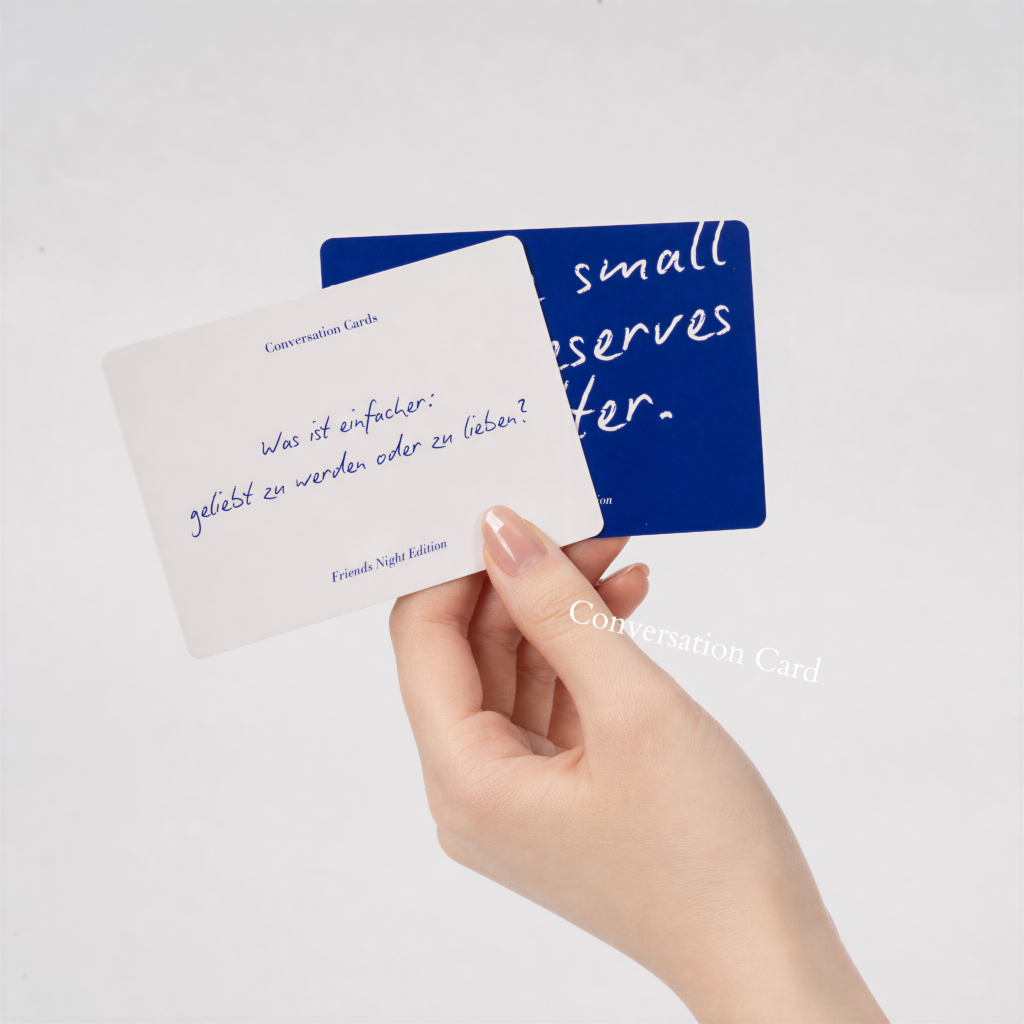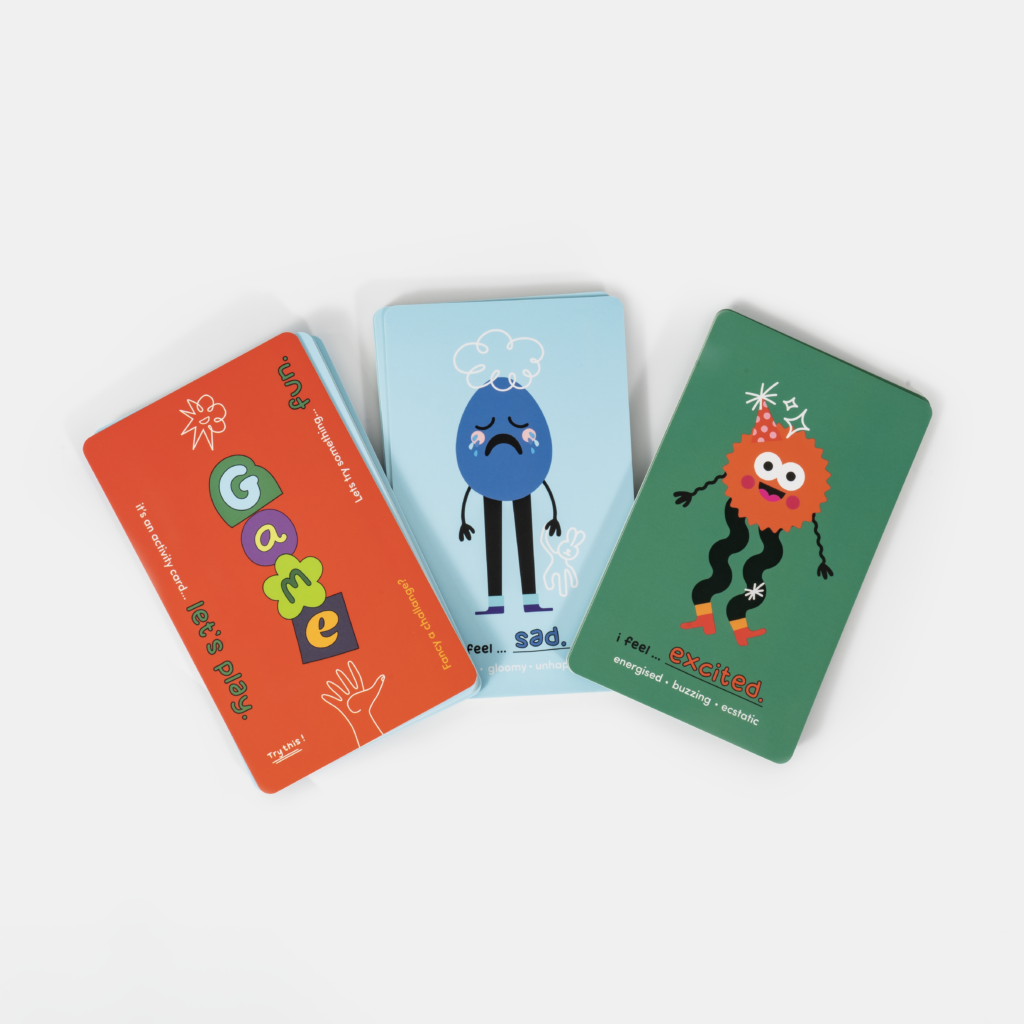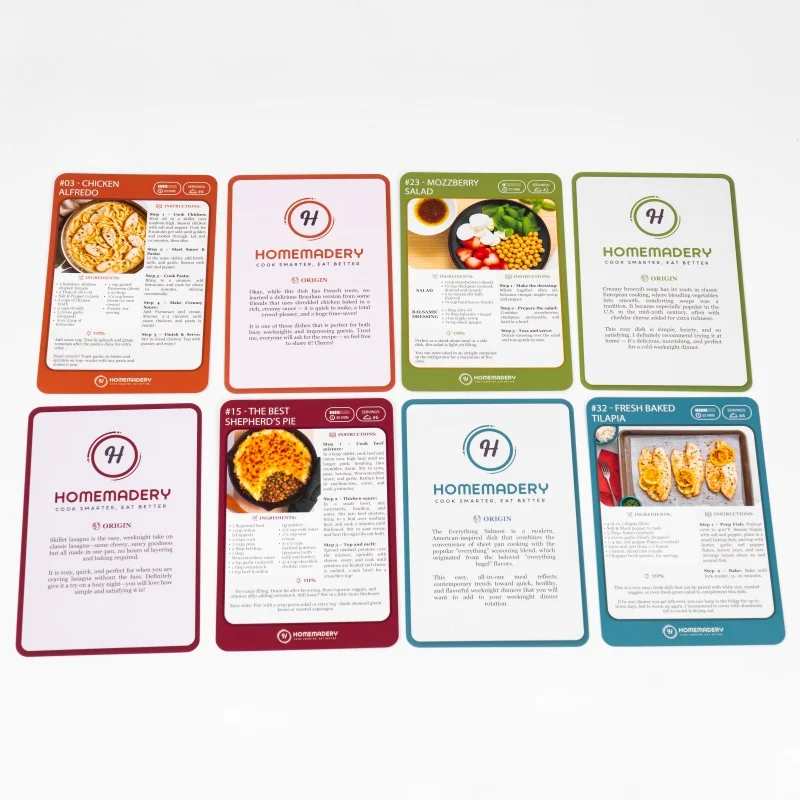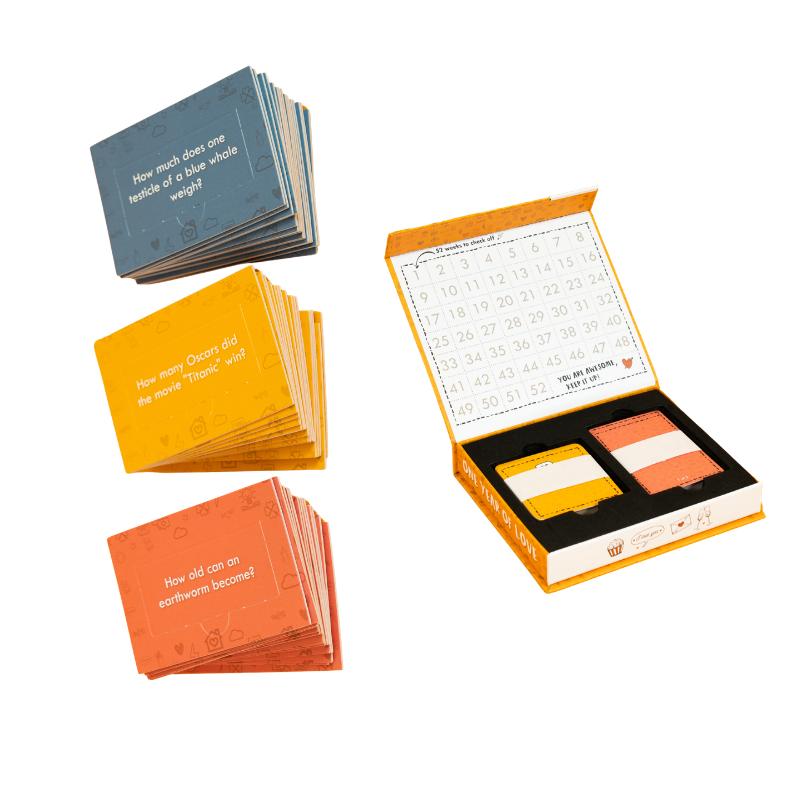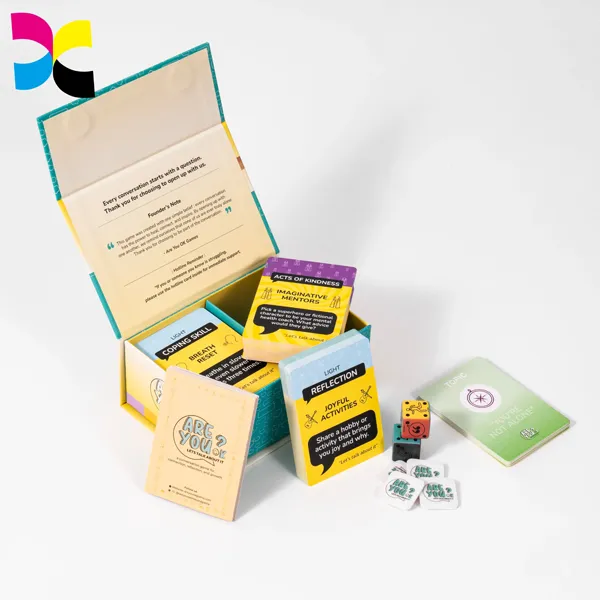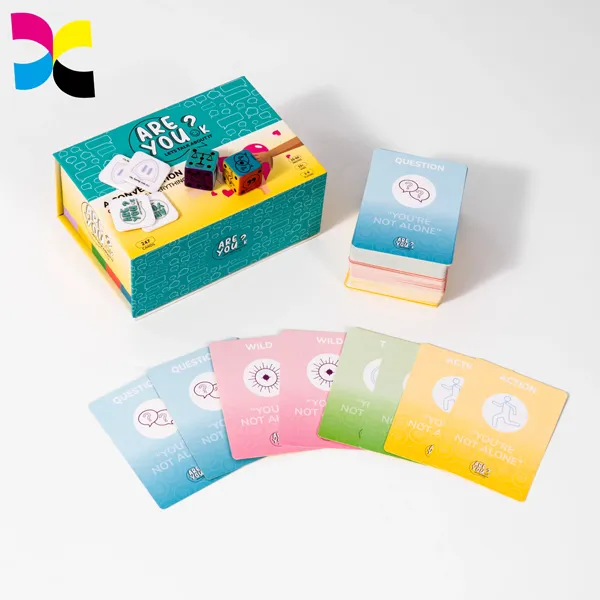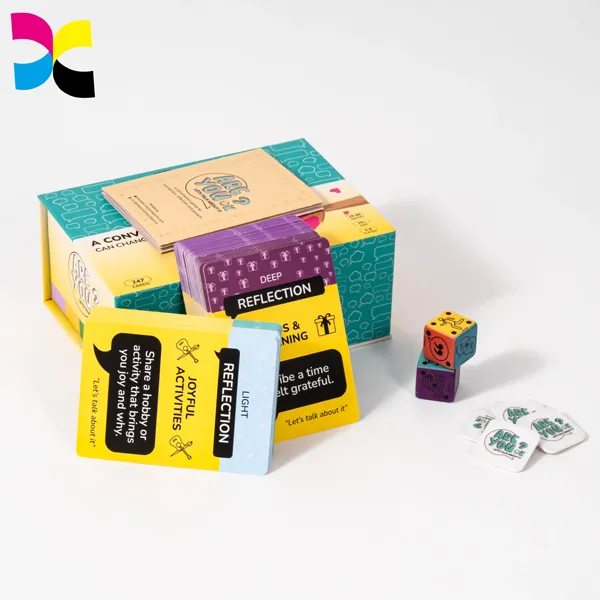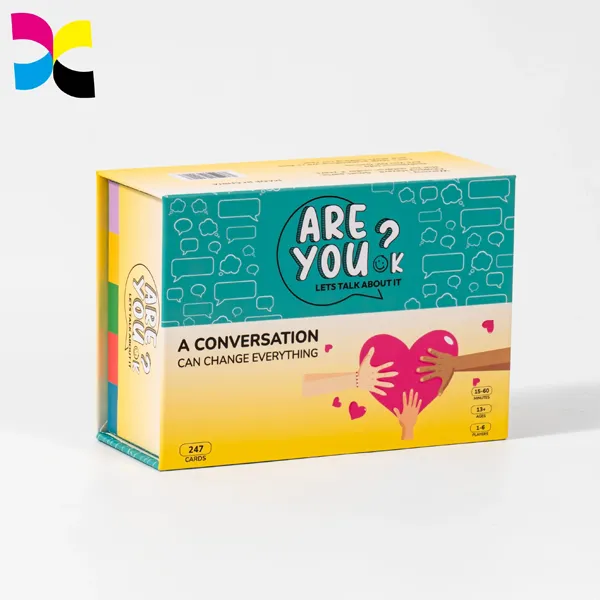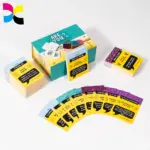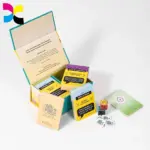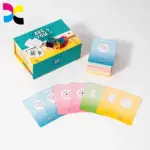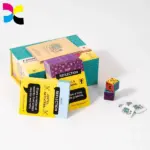
The affirmation card market is experiencing significant growth, driven by a global trend toward greater awareness of health, self-care, and mental well-being. Consumers are increasingly seeking practical tools to manage stress, build self-confidence, and cultivate a positive mindset. This demand has fueled a robust market for affirmation cards, which are sold both as ready-made products and as customizable items for businesses and gift-givers.
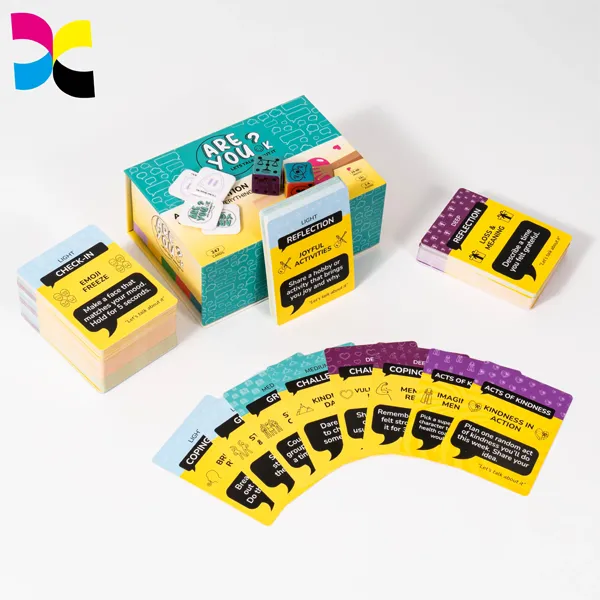
Affirmation cards introduced by printing manufacturers are more than just printed materials; they are powerful tools that help people shift their mindset, improve emotional well-being, and achieve personal growth. These cards are carefully designed with positive, inspiring messages aimed at helping users cultivate self-confidence, gratitude, and self-awareness. They are widely used in daily life, psychotherapy, education, and wellness.
According to the latest research, the global affirmation and positivity platform market was valued at $1.47 billion in 2024, with a compound annual growth rate (CAGR) of 17.2% projected for the forecast period. By 2033, the market is expected to reach $5.18 billion, driven primarily by the increasing integration of mental health solutions into daily life, the widespread adoption of digital platforms, and the growing popularity of positive psychology practices across various industries.
According to our latest research findings, this dynamic growth is driven by increased awareness of mental health, technological advancements, and a shift toward holistic well-being.
However, turning affirmation cards into a successful product requires more than just meaningful content—quality, material, and printing craftsmanship play an equally critical role in driving sales and brand value. At Xinyi Printing, we help brands bring their ideas to life with premium card production and packaging solutions.
Market Demand: How Big Is the Opportunity?
The demand for Affirmation Cards is not only continuing to grow but is also diversifying across multiple segments. Generally speaking, they can be categorized into the following areas:
Positive Affirmation Cards: These are among the most widely used meditation cards, designed to reinforce positive beliefs through daily repetition. Each card features an inspiring message focused on self-healing, self-affirmation, understanding, and compassion. For example, both Farmette and Intelligent Change sell these types of cards.
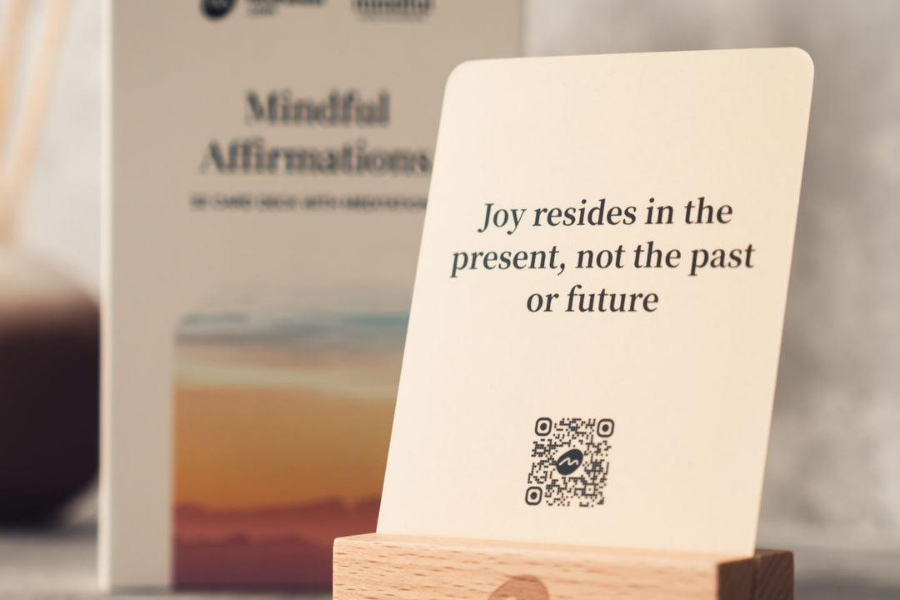
Focus & Mindfulness Cards: These cards are specifically designed for meditation and mindfulness practices, helping users focus their attention on the present moment. The phrases on the cards are concise, clear, and meaningful, typically used to train breath awareness, sensory experiences, or non-judgmental observation. Products like yoga cards serve a similar purpose.
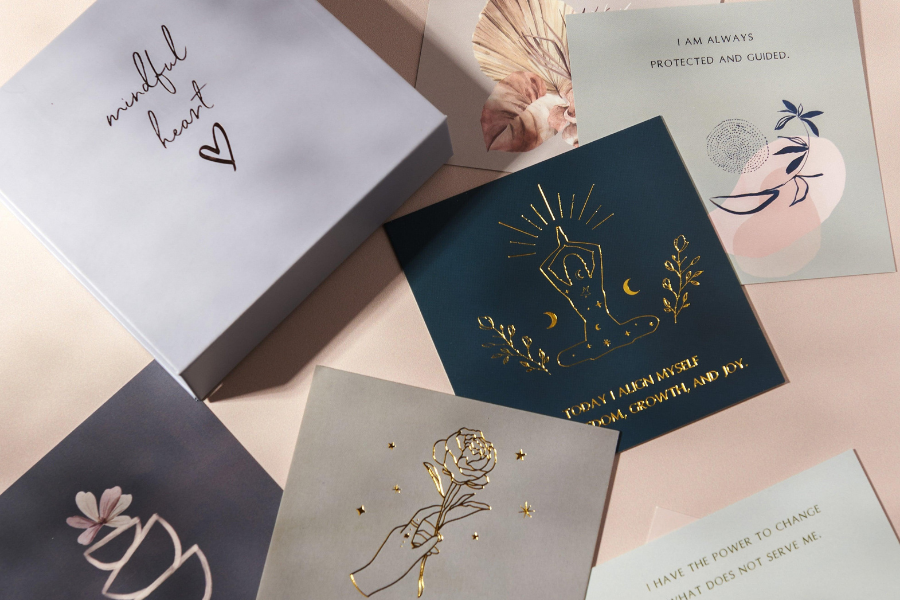
Gratitude Cards: Many businesses or individuals customize these cards to express gratitude to others or organizations. While the format is usually standardized, the wording is left to the user’s discretion—whether handwritten or printed.
Relationship Affirmation Cards: These cards aim to nurture emotional connections by fostering love, trust, empathy, and open communication between people. Couples can use them to deepen intimacy, while individuals can use them to enhance self-care and repair relationships.
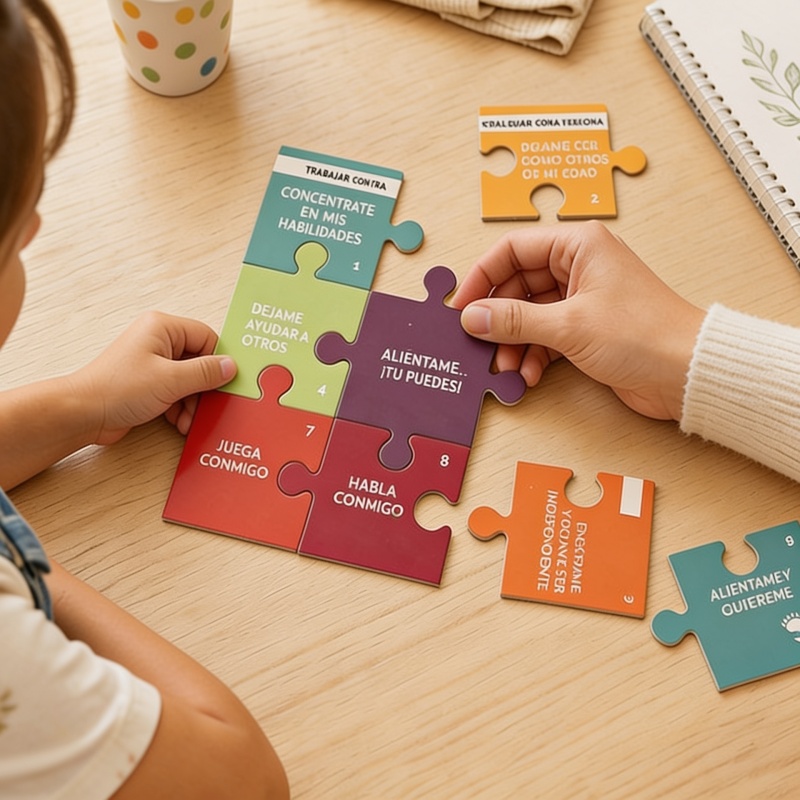
Kids’ Affirmation Cards: Designed specifically for children, these cards use age-appropriate language to foster self-esteem, kindness, courage, and emotional awareness. The cards feature lively and engaging illustrations that promote social and emotional learning (SEL) and help children build a healthy self-image.
Affirmation Cards for Women: Designed to inspire confidence, calmness, and clarity in women, particularly those experiencing postpartum blues, these cards often feature beautiful, serene designs.
Key Insights:
The health and wellness product market is projected to maintain a compound annual growth rate (CAGR) of 7% to 8% through 2030.
In certain online sales channels, products related to affirmation cards have achieved annual growth rates of 30% to 50%.
In recent years, search interest in “affirmation cards” has significantly increased.This indicates that market demand is built on a robust and long-term foundation, rather than being merely a fleeting, short-term trend.
The market outlook is vast and diverse, and the expansive affirmation card market comprises numerous sub-segments. By leveraging high-quality printing and customized options, and by understanding these trends and consumer needs, sellers can lay the groundwork for success in both the B2C and B2B markets.
Why Affirmation Cards Are Profitable
Affirmation cards are considered high-margin, low-complexity products primarily for the following reasons:
1) Low production costs
As paper-based products, they are scalable for printing and suitable for mass production; digital printing has lowered the minimum order quantity threshold.
2) High perceived value
Emotional and psychological benefits increase consumers’ willingness to pay, while premium finishes (such as foil stamping and embossing) support higher pricing.
3) Repeat Purchasing Behavior
Customers tend to purchase multiple sets of cards with different themes, and seasonal and limited-edition products drive repeat purchases.
4) Strong Brand-Building Potential
Unique artistic designs and messaging create a competitive advantage, making it easy to build niche audiences (e.g., women, entrepreneurs, children).
Key Market Trends You Should Know
1、Customization First
Over 65%–70% of buyers prefer custom designs for brand promotion or gift-giving. Personalized affirmation cards allow people to tailor the experience to their unique stories, making the message feel more authentic and heartfelt, thereby increasing its impact.
Blank or writable cards: Blank affirmation cards printed with a unique background design, leaving the rest for the recipient to write their own message.
Custom Cards: Xinyi offers fully customizable cards where you can choose the affirmation text, theme, and artwork. Submit your design and customize now!
Name Personalization: Adding your name to the box or card enhances a sense of belonging and meaning.
Thematic Flexibility: Look for modular card sets so you can mix and match themes (e.g., confidence + gratitude) for dynamic use.
Customization transforms a generic tool into a highly personalized companion, particularly helpful during life transitions, recovery processes, or targeted self-improvement.
2、Corporate Wellness Needs
Companies are integrating motivational cards into HR programs and onboarding kits; we can leverage this business opportunity to expand our affirmation card business.
3、Eco-Friendly Printing
Sustainability is no longer an option: FSC-certified paper, soy-based ink, and recyclable packaging are all core principles that Xin Yi Printing has consistently upheld.
4、 Blending Digital and Physical Experiences
Modern card sets include: QR codes for meditation audio and app-linked experiences. Some affirmation cards even feature special chips that play music or quotes when placed against magnetic stickers.
Cost vs Profit: A Simple Breakdown
Typical business model:
| Cost | Description |
| Printing | Cards + box + inserts |
| Design | Artwork & content |
| Packaging | Custom boxes, finishes |
| Shipping | Bulk logistics |
Other business model:
Bundle sales—such as combining affirmation cards with journals—are an effective way to increase perceived value and boost overall revenue. By offering a complete self-care experience, brands can encourage customers to spend more while also strengthening product differentiation. This strategy not only enhances user engagement but also creates opportunities for premium pricing.
Challenges in the Affirmation Card Business
To be realistic, there are also challenges:
- Market saturation (many similar designs)
- Content originality (easy to copy)
- Quality inconsistency across suppliers
- Rising paper and material costs
This is where printing quality + branding = competitive advantage
How Printing Quality Impacts Profitability
In this category, print quality directly affects pricing power.
The physical quality of the cards directly affects their usability and lifespan, especially if you plan to use them frequently or in group settings such as yoga studios, therapy sessions, or workshops.
- Lamination: A laminated surface helps protect cards from moisture, stains, and daily wear, making them especially suitable for frequent use or shared settings.
- Card Thickness: Choosing cardstock in the range of 300–350 gsm provides a sturdier structure, offering a more premium touch and better resistance to bending.
- Corner Design: Rounded edges help minimize damage over time while also allowing for smoother and safer handling during use or shuffling.
- Sustainable Options: Many brands are turning to recycled paper and soy-based inks to meet the growing demand for environmentally responsible products.
Well-crafted cards not only offer greater durability but also create a more thoughtful and elevated user experience, reinforcing their purpose in mindfulness and daily reflection.
From Idea to Product: How to Start
1. Choose a Clear Niche
Start by identifying a specific audience and theme for your affirmation cards. Rather than targeting everyone, focus on a defined niche such as:
- Self-love and confidence
- Anxiety and mental wellness
- Business mindset and entrepreneurship
- Parenting or children’s emotional development
A well-defined niche helps you create more targeted content, build a stronger brand identity, and stand out in a competitive market.
2. Create Original Content & Design
Your content is the core of your product, so it should be authentic, meaningful, and aligned with your target audience.
For design and layout, you can use platforms such as:
- Canva – beginner-friendly with ready-made templates
- Adobe Illustrator – ideal for professional card layout and print-ready files
- Adobe InDesign – great for multi-page or structured card decks
Focus on:
- Clean typography and readability
- Consistent color palette
- Visually appealing artwork
3.Prototype Your Cards
Before mass production, creating a prototype is essential. This allows you to test:
- Card size and thickness
- Print colors and finish
- User experience (handling, readability, overall feel)
You can quickly create mockups using tools like:
- Placeit
- Smartmockups
Physical samples from a manufacturer are even more important, as they reflect the real product quality.
4. Work with a Reliable Printing Manufacturer
Choosing the right printing partner is critical to your product’s success. A reliable manufacturer ensures:
- Consistent print quality
- Premium materials (300–350gsm cardstock, finishes, etc.)
- Custom packaging solutions (rigid boxes, inserts)
- Stable production timelines
At Xinyi Printing, we support brands from prototyping to bulk production, offering:
- Custom affirmation card printing
- Eco-friendly material options
- Advanced finishes such as foil stamping and soft-touch lamination
- Full packaging solutions for retail-ready products
5. Launch via E-commerce or Wholesale
Once your product is ready, the next step is choosing the right sales channels.
Direct-to-Consumer (DTC) Platforms:
- Shopify – build your own branded store
- Etsy – ideal for creative and niche products
- Amazon – large-scale global reach
Wholesale & Retail:
- Sell to boutiques, bookstores, and wellness shops
- Partner with subscription box companies
- Distribute through lifestyle and gift retailers
Combining both online and offline channels can help you scale faster and reach a broader audience.
Final Thoughts
So, is selling affirmation cards profitable?
Yes—if you combine:
- Strong branding
- Unique content
- High-quality printing
With the global wellness trend continuing to grow, affirmation cards represent a scalable and sustainable product opportunity for brands, creators, and businesses.
Xinyi provide custom printing solutions for affirmation cards, including premium finishes, eco-friendly materials, and full packaging support for global brands.