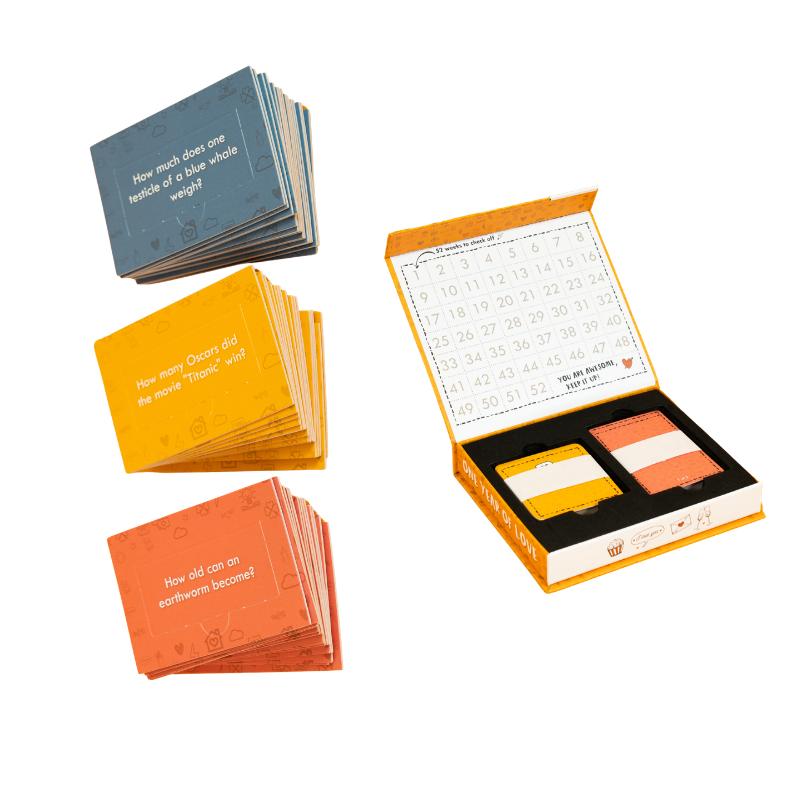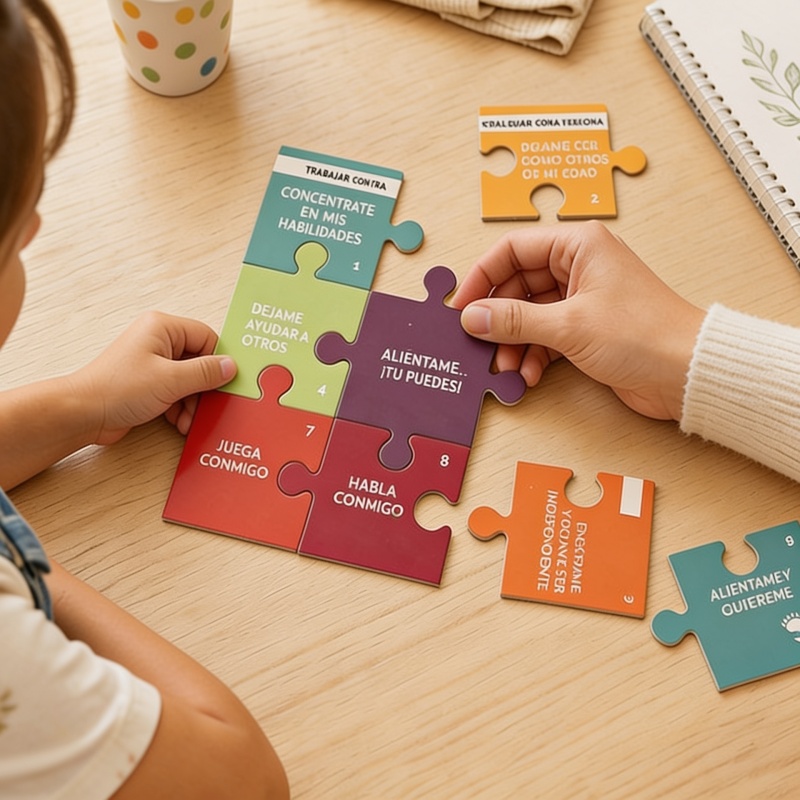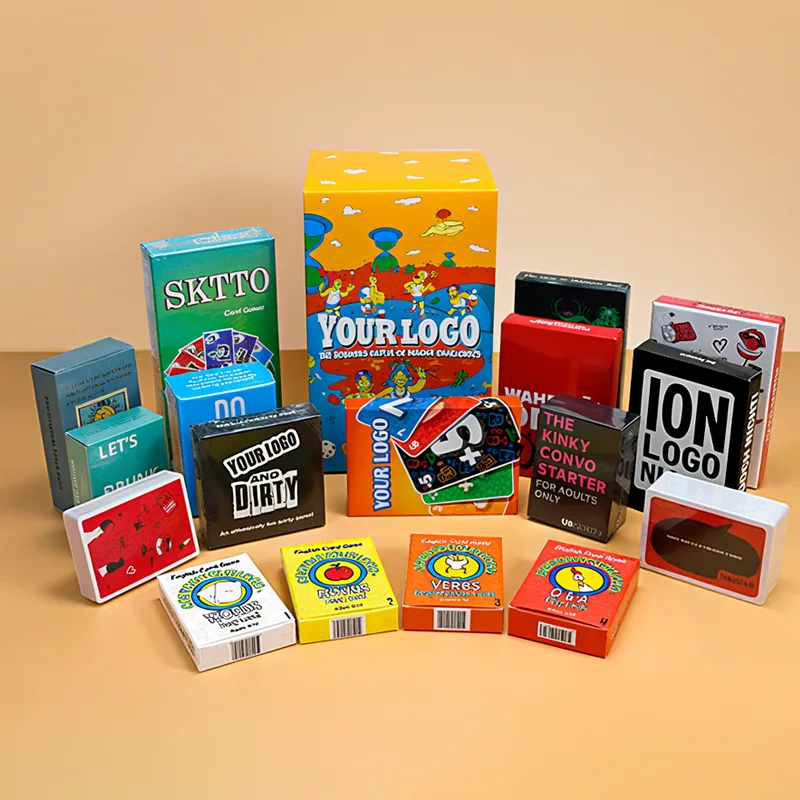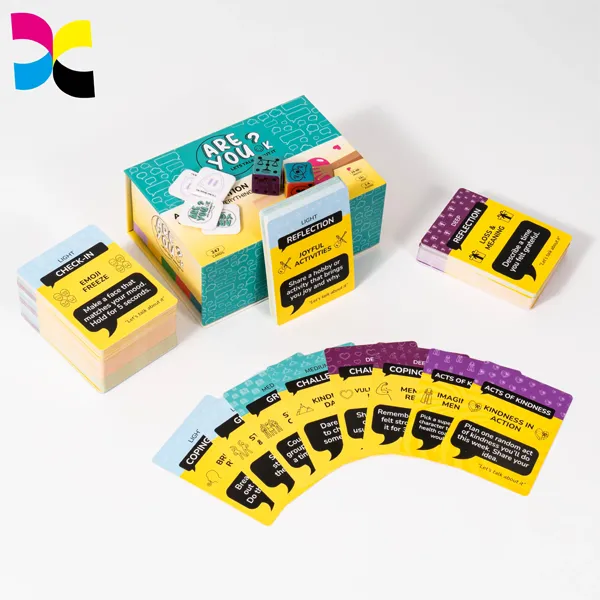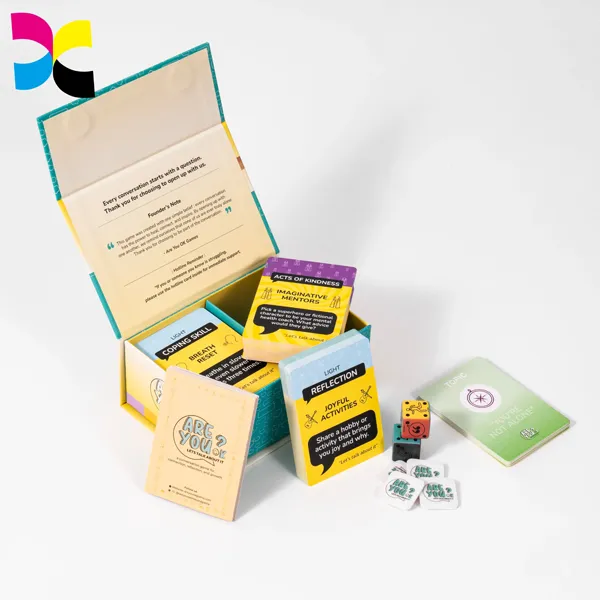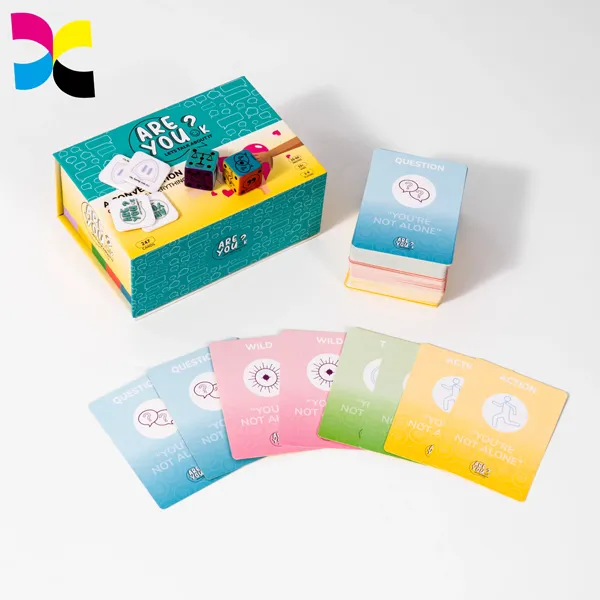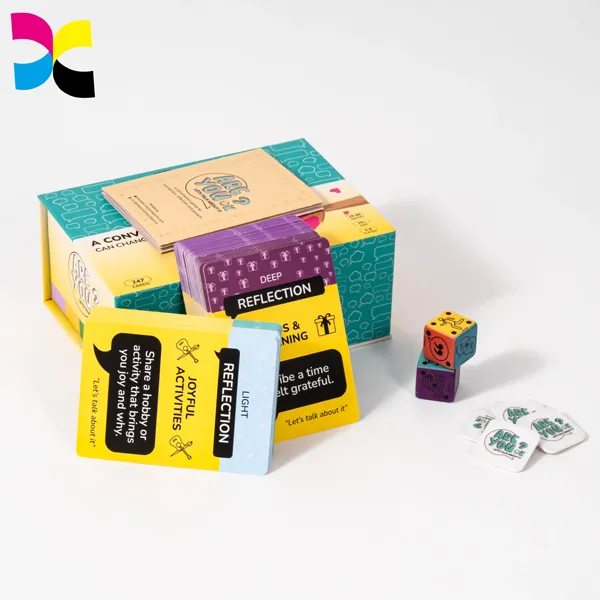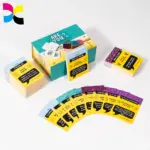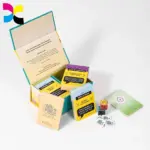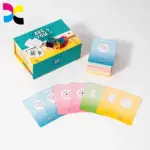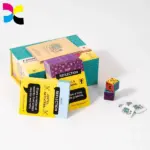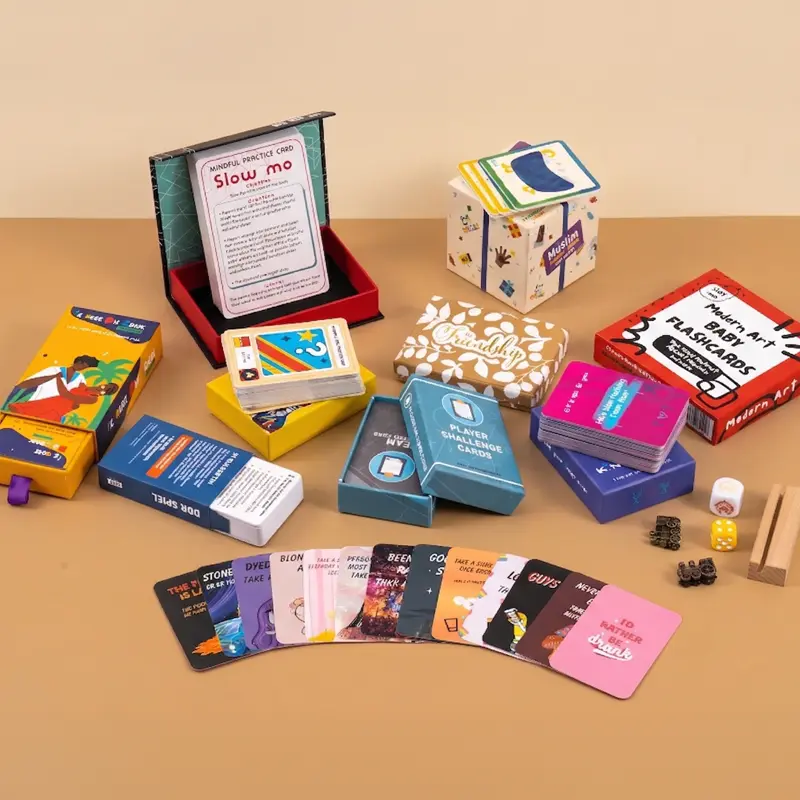
Custom card printing cost comes from a handful of connected variables: Papiermaterial, Oberflächenbeschaffenheit, packaging format, Druckverfahren, and order quantity. Change one and the total shifts. An estimate that skips a factor is describing someone else’s project, not yours.
This guide follows the order a factory uses when it costs a job — materials, Drucken, fertig, Verpackung, then freight. It closes with the specification list that turns a rough number into a comparable quote.
Key Factors That Determine Custom Card Printing Cost
Every card order passes through the same costing sequence: Materialien, Drucken, fertig, Verpackung, and logistics. Each step has its own cost drivers. Decisions made early ripple through every later step.
Card Size and Card Count
Finished dimensions and cards per deck determine how much paper one order consumes. A standard poker-size deck and a larger tarot-size deck differ in more than face area. They use different sheet layouts, produce different waste ratios, and often need different cutting dies.
Standard sizes such as poker (63 × 88 mm) use cutting dies a factory already has on hand. Sizes outside the common Kartenabmessungen may require new tooling, which adds both cost and lead time. If your artwork fits a standard size, the savings compound across material, Schneiden, und Handhabung.
Card count works the same way. Six extra cards in a deck can change the sheet layout, add a second printing sheet, and increase the weight of every finished unit. Für Sammelkarte projects, fix the card count early so the rest of the specification is built around it.
Paper Stock and Core Type
Paper is usually the largest single material line on a card quote. GSM weight, core construction, and caliper all affect the per-deck price and how the finished cards feel in hand. Grades are listed on our materials and paper page, and the guide to choosing a paper core compares them side by side.
Common cores are white, Blau, Und Karton mit schwarzem Kern. The materials page describes white core as the cost-conscious option and positions black core as a premium grade chosen for opacity and stiffness. Der type of paper trading cards are printed on also affects durability and shuffle feel.
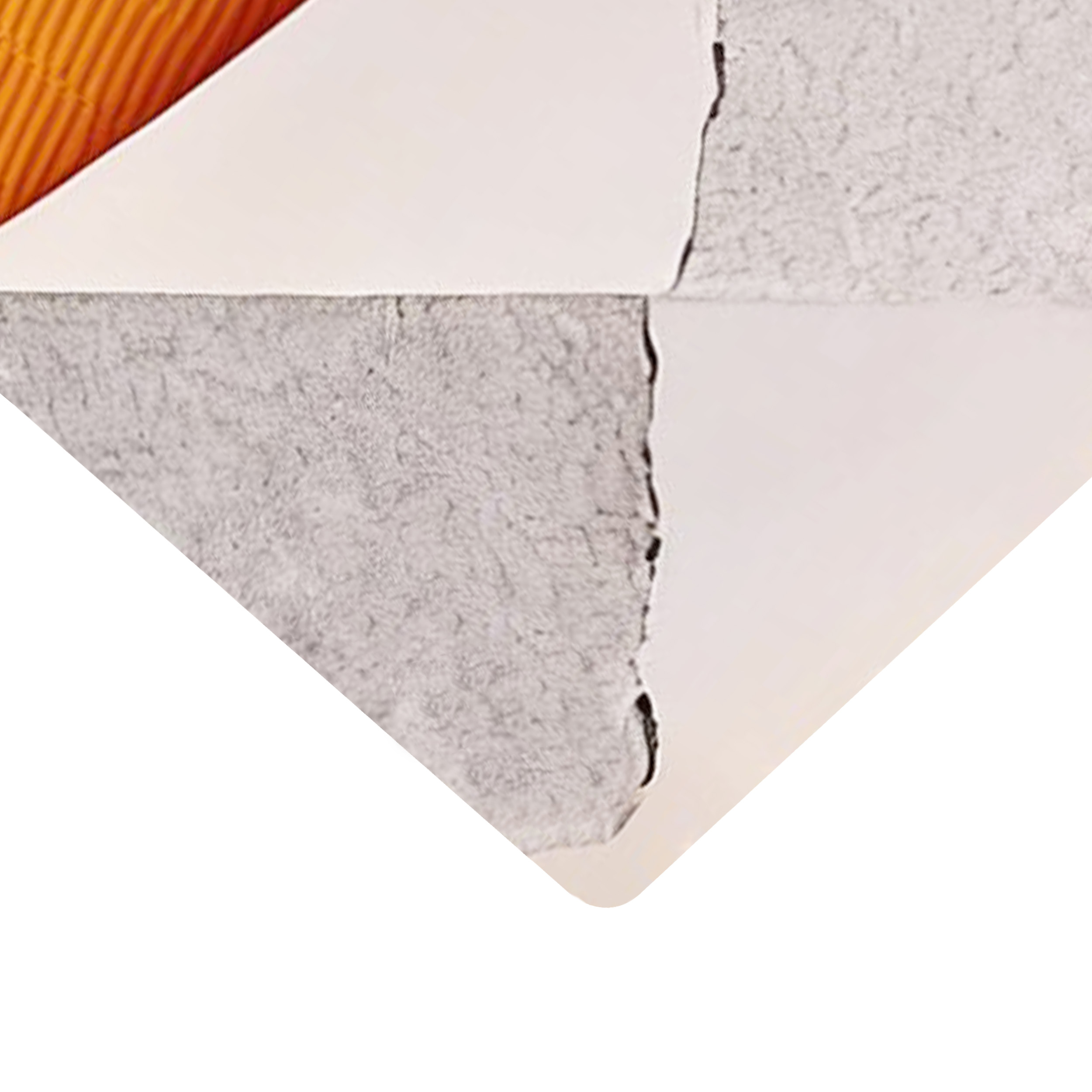
Stock weight changes cost twice: more material per sheet, and more mass in every carton. The materials page lists 300 gsm C2S at about 0.325 mm varnished and 0.357 mm laminated, mit 350 gsm at 0.382–0.4125 mm. Those are reference values, and the page notes actual thickness varies by mill and paper construction.
Printing Method
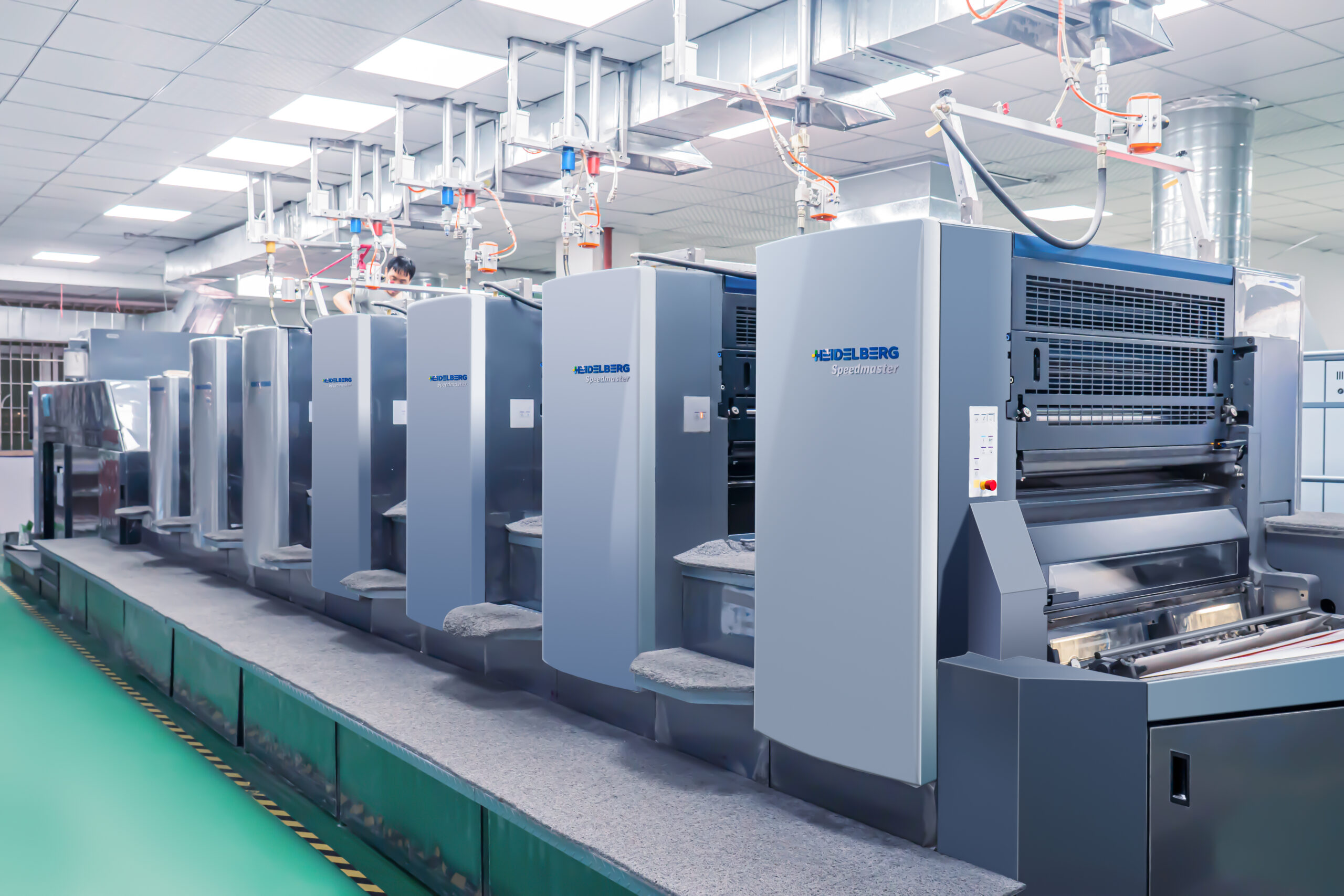
Digital and offset printing have different cost structures, and quantity decides which one wins. Digital work needs no plates, so setup is cheap and per-unit cost stays fairly flat. Offset needs plates and press calibration, but the per-unit price falls as the run grows. Our offset vs digital printing breakdown covers the trade-offs in detail.
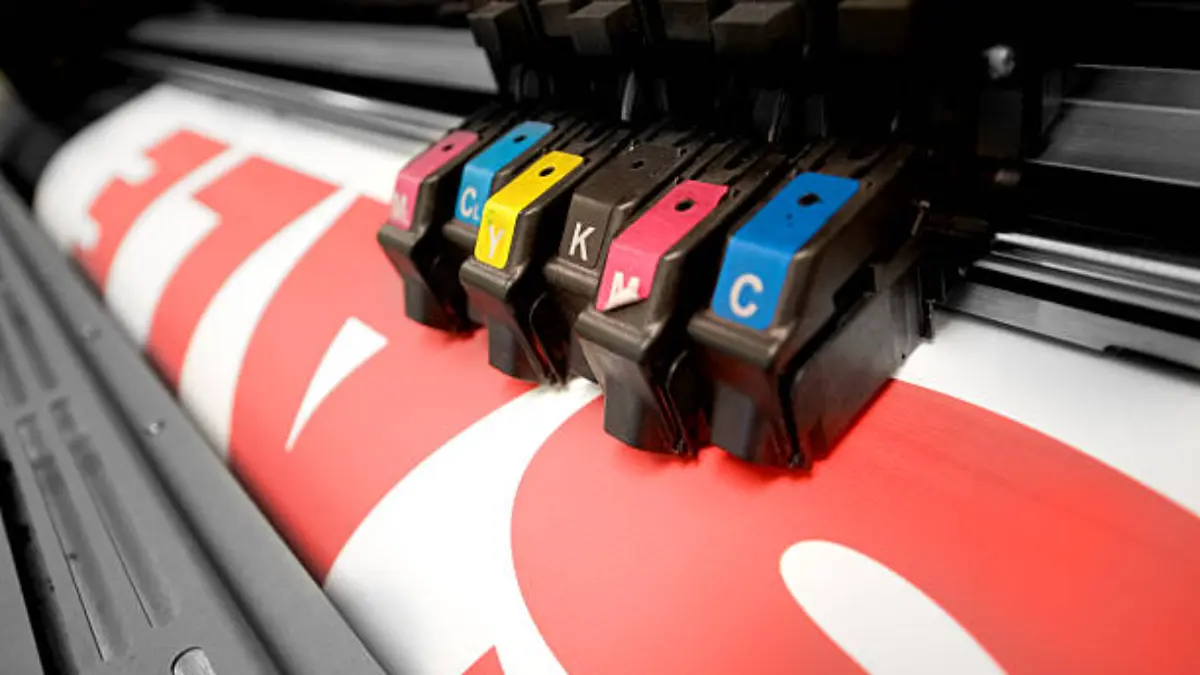
Two practical limits narrow the choice. The offset and digital comparison notes that digital performs best on medium-weight cardstock around 200–350 gsm, so very heavy stock can push a job to offset. Digital also supports variable data, which matters for numbered or personalised decks.
Rather than assuming a crossover quantity, price the same specification at two volumes. That pair of quotes shows where setup cost stops paying for itself on your particular job.
Oberflächenbeschaffenheit
Finishes do two jobs: protect the surface and change how the card reads. The base options on our finishes page — gloss, matt, soft-touch, anti-scratch, and linen lamination, plus gloss or matte varnish — add protection at a modest cost per deck.
Selective effects cost more because each one adds a production step. Foil stamping needs a die and a foil roll. Spot UV and raised 3D UV need their own tooling and registration. Embossing and debossing need pressed dies. Holographic finishes use specialty foil or pre-treated stock, während Wäsche Finish texture sits in the mid-range.
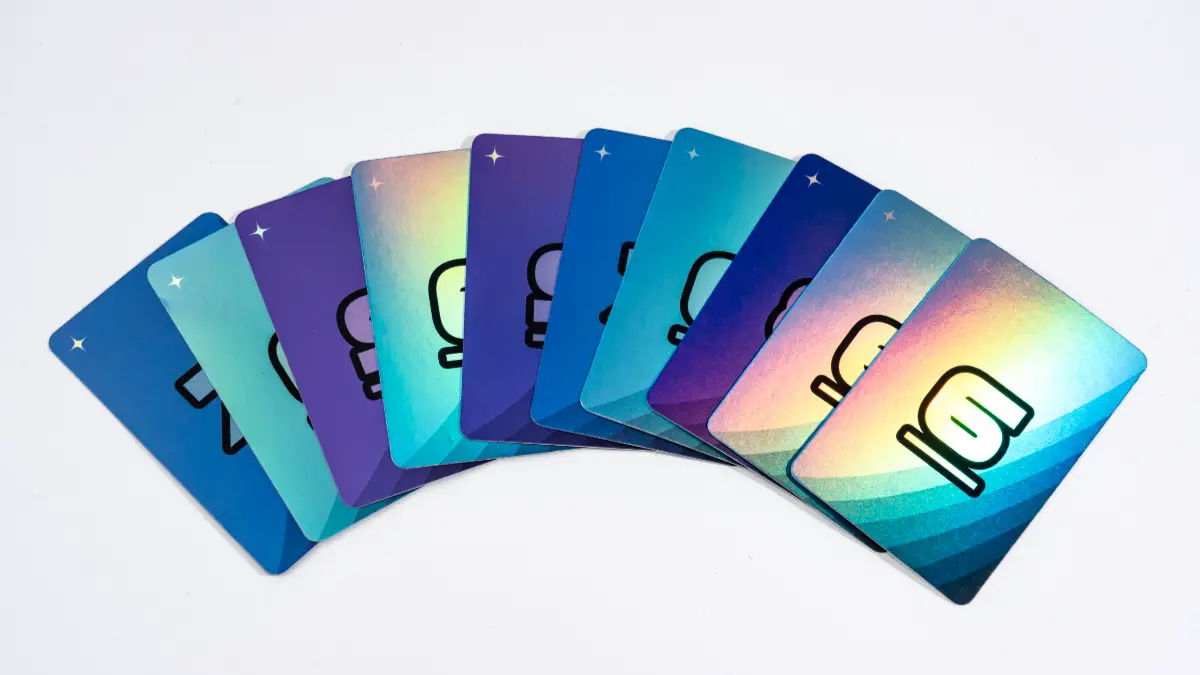
The effects stack in the price. A deck with foil, Spot UV, and embossing carries three separate setup charges and three extra passes. One or two well-placed effects usually create more distinction than every effect at once.
Verpackung
Packaging is a production path of its own. Shrink wrap seals a film around the deck. A tuck box needs die-cutting, folding, and gluing on printed board. A rigid lid-and-base or book-style box is built separately from the cards, often with an insert to hold the deck.
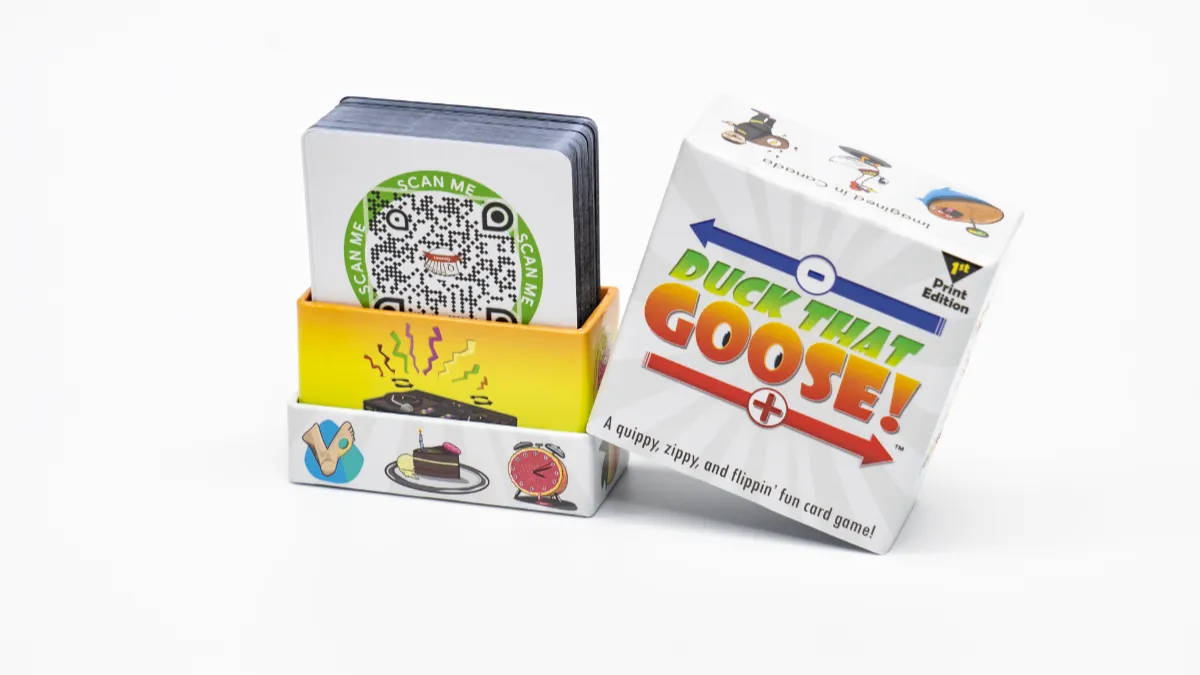
Each step up adds material, labor, and tooling cost. Der packaging page lists the structures we build, including tuck boxes, Schubladenboxen, lid-and-base boxes, multi-deck sets, and ring binding. Packaging also sets shipping volume: a rigid box takes more space per unit than a shrink-wrapped deck, so fewer units fit in a carton.
Shipping and Import Costs
Freight is the line buyers most often underestimate. Cost follows the weight of product and packaging, the volume of the finished cartons, and the distance to the destination. Cards are dense for their size, so most bulk orders move by sea, with air used when the deadline is short.
Delivery terms decide where the factory’s responsibility ends and yours begins. Our flashcard product page lists EXW, FOB, CIF, Das, and DDP as accepted terms. Der Incoterms rules published by the International Chamber of Commerce define what each three-letter term transfers between seller and buyer.
Duty depends on how the goods are classified in the destination market. The U.S. Harmonized Tariff Schedule, Zum Beispiel, lists playing cards under heading 9504.40.00.00. Rates and measures change, so confirm classification and landed cost with your customs broker before placing a production order.

Cost Factor Summary
| Factor | Direction of Impact | Notizen |
|---|---|---|
| Kartengröße | Larger dimensions increase material cost | Custom sizes may require new cutting dies |
| Card count per deck | More cards increase paper usage and weight | Affects sheet layout and deck weight |
| Paper stock and core | Premium cores and higher GSM raise material cost | White core is the cost-conscious option |
| Druckmethode | Offset has higher setup, lower per-unit cost | Digital suits short runs; offset suits bulk |
| Oberflächenbeschaffenheit | Each selective effect adds a production step | Base coatings are modest; foil and embossing cost more |
| Verpackung | Rigid box costs more than tuck box or shrink wrap | Also affects shipping volume |
| Versand | Gewicht, Volumen, and distance all factor in | Sea freight is the default for bulk card orders |
Prototype vs Bulk Printing Costs
Quantity changes unit price because fixed costs spread across more decks. What matters for planning is the sequence of checks between a sample and a production run.
The sampling ladder on our flashcard product page is short and published. Stock samples are free, with shipping paid by the buyer. A digital or dummy sample takes one to three days, and a finished product sample takes five to seven working days. Customised and pre-production sample costs can be refunded against order value.
Production itself starts at the 200-deck minimum shown on our inquiry forms, with mass production usually 10 Zu 15 working days depending on quantity and finishing. A prototype therefore costs sample fees and time, not a full production order.
Offset economics begin once a run is long enough to absorb plates and setup. The flashcard page illustrates the shape of the curve. It lists USD $2.45–$2.66 per set, with best pricing at 10,000+ Sätze, each deck supplied in a rigid box.
The improvement is not linear, so compare quotes at each tier you could realistically order. Look at how much the per-deck price moves between tiers rather than at the headline number. Many projects combine both methods anyway: a digital sample to validate the design, then offset for the bulk run. Our custom playing card manufacturing overview covers the full workflow.
How to Request an Accurate Quote
Printers need a complete specification to calculate a quote. Missing information forces assumptions, and those assumptions rarely match your project. Der packaging page asks for six inputs. Add materials and destination, and the list below is complete.
- Kartengröße — finished dimensions in millimeters, wie zum Beispiel 63 × 88 mm
- Cards per deck — total count, including blanks and extras
- Number of decks — quote the tiers you might order, wie zum Beispiel 500 / 1,000 / 3,000
- Paper and thickness — core type (white, Blau, Schwarz) and GSM or caliper
- Oberflächenbeschaffenheit — front, zurück, and edge treatment listed separately
- Packaging structure — shrink wrap, Aufbewahrungsbox, starre Box, or another format
- Zubehör — rule books, Würfel, Token, Einsätze, or display units
- Destination and delivery term — country plus EXW, FOB, CIF, or DDP
Each item moves the number. A quote built on incomplete specifications is not wrong — it simply prices a different product. Der materials page explains the paper and core options if you need guidance before asking.
How to Reduce Printing Costs Without Lowering Quality
Cost reduction in custom card printing is rarely about finding a cheaper supplier. It is about specification choices that match efficient production. These are the places to look first.
Use standard sizes. Non-standard dimensions add die cost and sheet waste. A design that fits a poker or bridge size saves at material, Schneiden, and handling stages.
Spend on one finish, not three. A single foil accent or one spot UV element gives the deck distinction without full-coverage treatment. Review each effect and ask what it does for the buyer.
Combine versions into one run. If you have several designs — say, multiple decks for a trading card game — printing them together spreads setup across all of them, so each deck carries less fixed cost.
Finalize files during sampling. Changes after sample approval can mean new plates, re-ordered specialty stock, or scrapped sheets. Approve a physical sample before bulk production starts.
Right-size the box. A tuck box costs less than a rigid box and still presents well at retail. Change the structure when the product’s position supports it, not before.
Häufig gestellte Fragen
Is custom card printing expensive?
Cost follows the specification. A short run in basic stock with one coating costs less per deck than a premium build with black core, Folie, and a rigid box. Printing is often the smaller line; finishing and packaging drive most of the difference.
Wie viel kostet der Druck? 1,000 Decks?
It depends on the full specification: Größe, card count, paper, beenden, Verpackung, und Ziel. The same 1,000 decks price very differently in white core with a tuck box and in black core with foil and a rigid box. A quote against your exact build is the only reliable number.
Does a larger order always cost less per deck?
Normalerweise, because setup and plate costs spread across more units and material pricing improves at volume. The improvement is not linear, so request quotes at the tiers you could actually order rather than assuming the largest quantity wins.
Which finishing options add the most cost?
Folienprägung, Prägung, and holographic treatment each add tooling and an extra production step, so they cost more than base lamination or varnish. Choosing one or two effects, rather than layering them, keeps the visual impact and the budget in proportion.
Letzte Gedanken
Card printing cost is a function of specification, not a sticker price. Fix the inputs — size, card count, Kern, beenden, packaging structure, Menge, and destination — and quotes become comparable between suppliers.
Then run the three checks that remove most of the surprise. Price the same build at two quantities, approve a physical sample before the bulk run, and confirm freight and duty terms with your broker.
Price the Build You Actually Plan to Produce