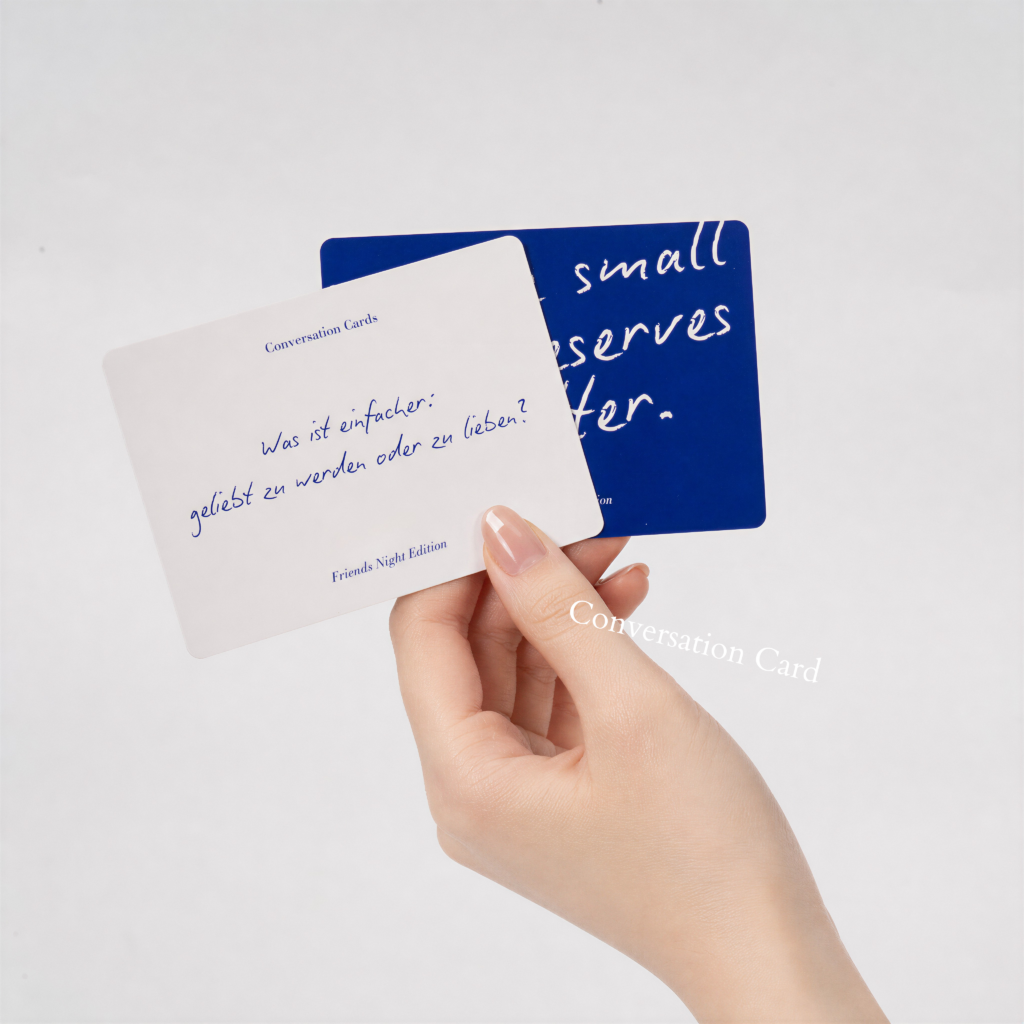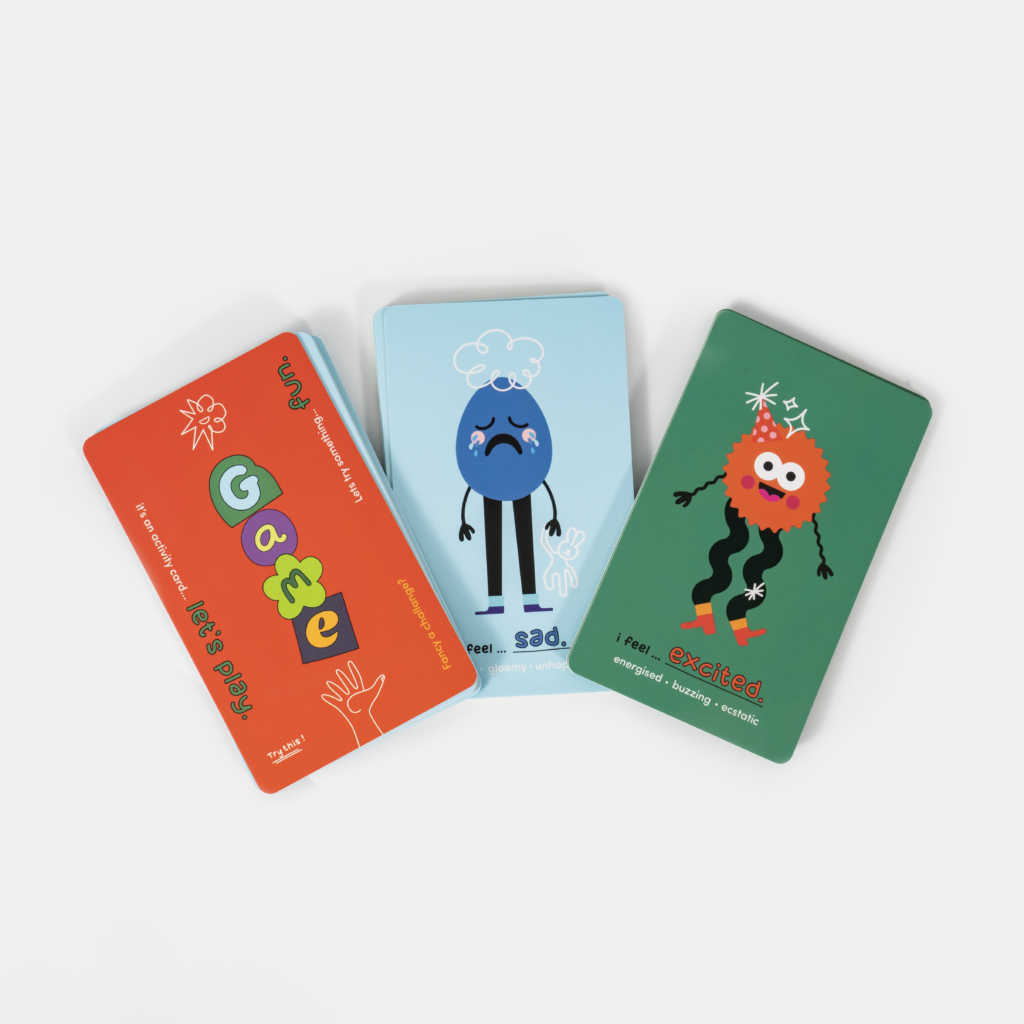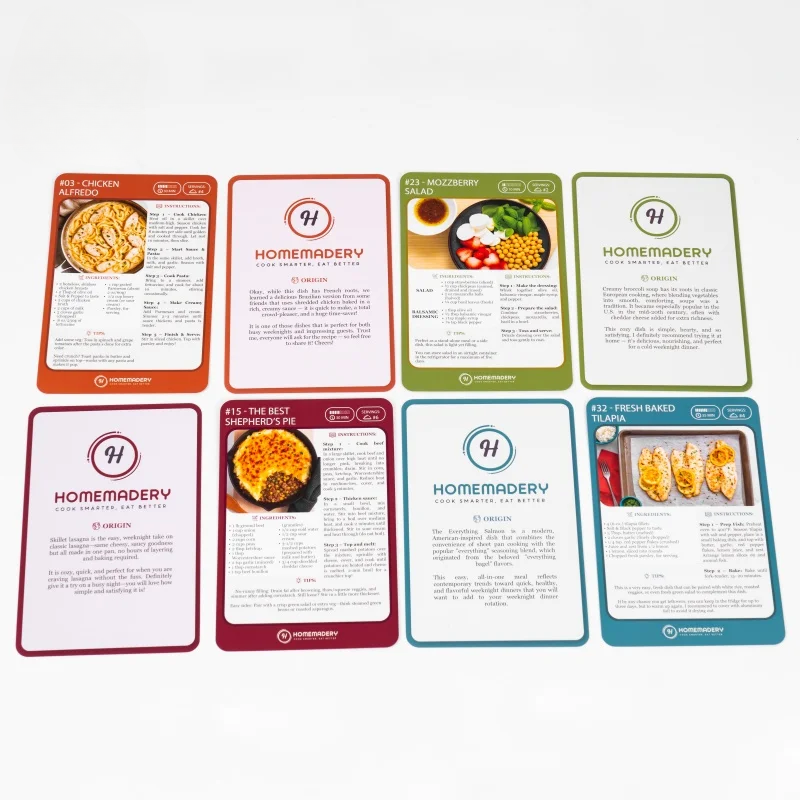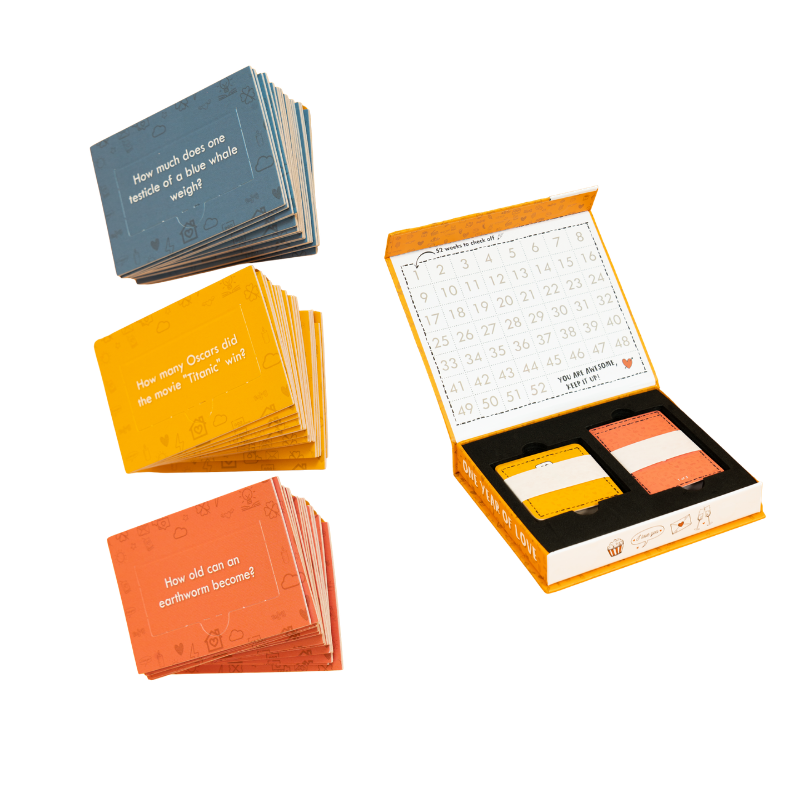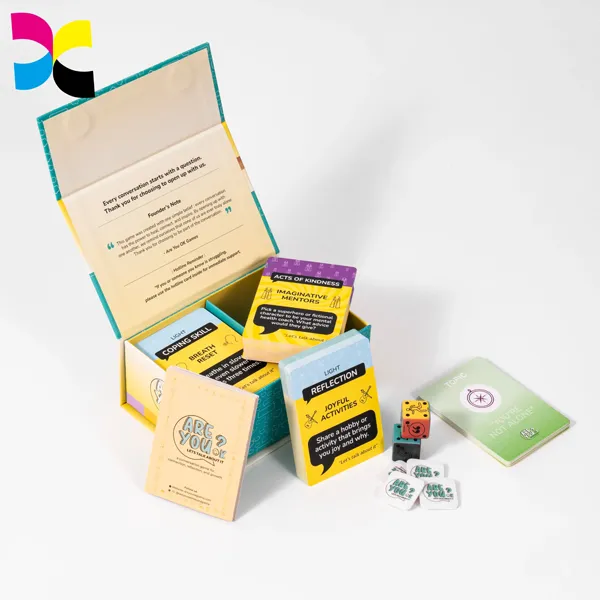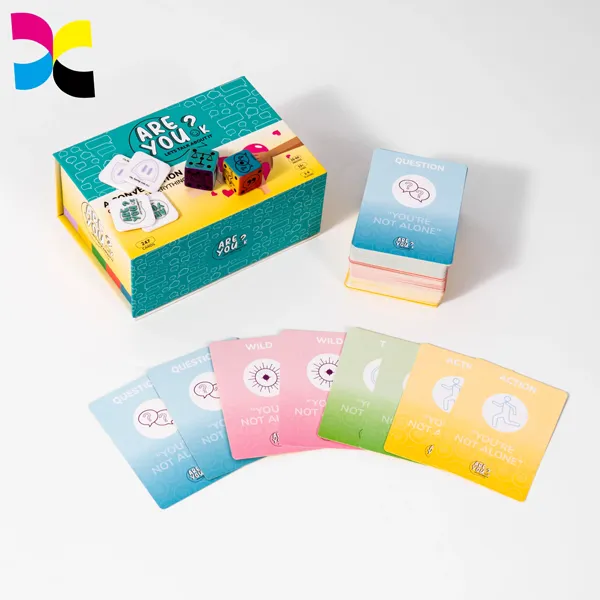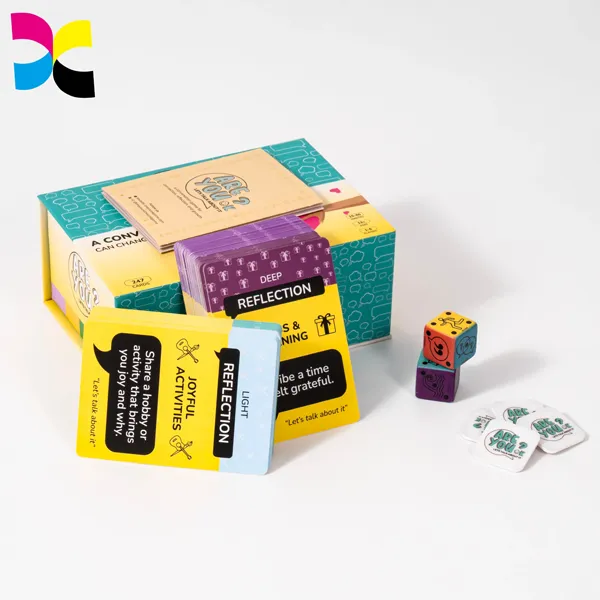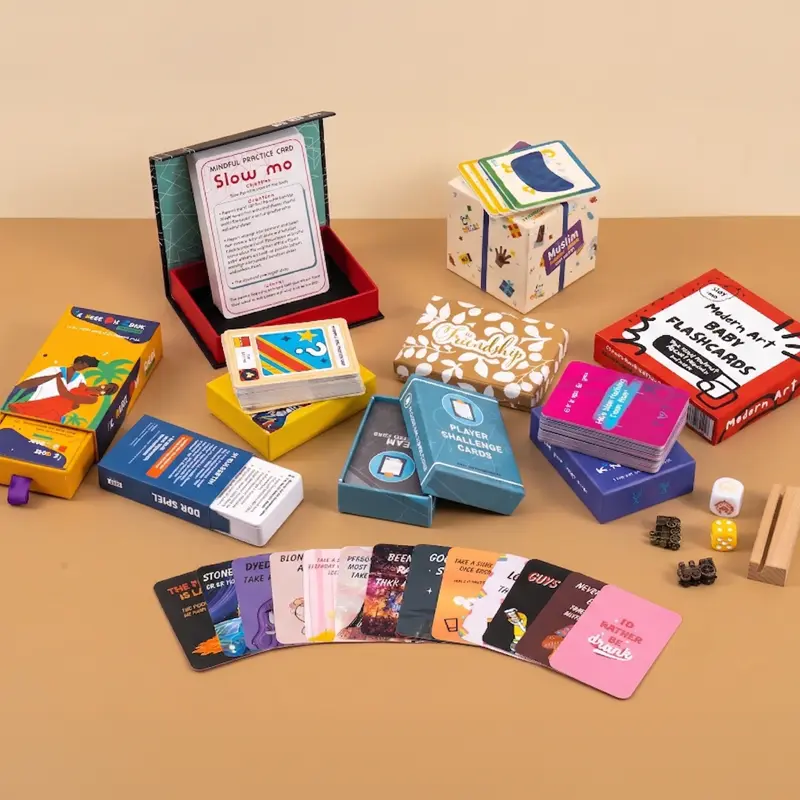
Choosing the right paper stock determines how a deck feels in hand, how cards shuffle, and how long they survive daily use. The paper type affects opacity, жесткость, текстура поверхности, and print quality—each critical for different card applications.
This guide covers the most common paper types used for card decks: coated art cardstock, черное ядро, синее ядро, and specialty stocks. Understanding these options helps you specify materials that match your product’s use case, whether it is a frequently shuffled poker deck, a tarot set requiring opacity, or educational flashcards for children.
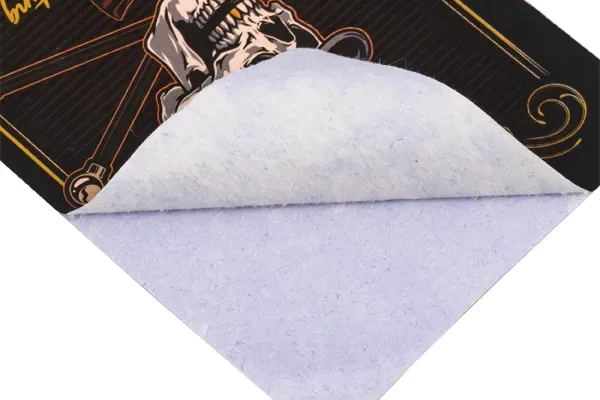
Common Paper Types for Card Decks at a Glance
Card deck papers fall into four main categories based on core construction and surface coating:
| Тип бумаги | Основной цвет | Лучшее для | Ключевое преимущество |
|---|---|---|---|
| Coated art cardstock | Белый | Illustrated decks, full-color printing | Vibrant color reproduction |
| Blue core cardstock | Blue | Game decks, budget-friendly opacity | Good opacity at lower cost |
| Black core cardstock | Черный | Игральные карты премиум-класса, magic decks | Maximum opacity and durability |
| Specialty stocks | Варьируется | Metallic effects, writable surfaces | Unique visual or tactile properties |
The Most Common Paper Types Used for Card Decks
Coated Art Cardstock — For Illustrated and Full-Color Decks
Coated art cardstock features a white core with a clay or polymer coating that creates a smooth, bright surface for printing. The coating accepts ink well, producing vibrant colors and sharp details. This is the standard choice for illustrated card decks, tarot cards with detailed artwork, and custom flashcards with full-color graphics.
Advantages of coated art cardstock:
- Отличное качество печати: The smooth coating allows for high-resolution printing with precise color matching
- Bright white surface: Colors appear more vivid against the white background compared to uncoated stocks
- Экономичный: Widely available and less expensive than specialty core stocks
- Versatile applications: Suitable for most card types including playing cards, игровые карты, and educational flashcards
Limitations: Coated art cardstock has lower opacity than black or blue core stocks. For double-sided cards with heavy ink coverage, show-through may be visible. Adding a protective coating or lamination improves durability but adds thickness.
Blue Core Cardstock — An Option for Game Decks
Blue core cardstock features a blue-tinted middle layer sandwiched between white outer sheets. The blue core provides better opacity than standard white core stock, reducing show-through when cards are held up to light. This makes it a popular mid-range option for game decks and playing cards where some opacity matters but budget constraints exist.
When to specify blue core cardstock:
- Game decks with moderate ink coverage: The blue core blocks enough light to prevent distracting show-through
- Budget-conscious projects: Blue core costs less than black core while providing better opacity than white core
- Стандартные игральные карты: Many casino-grade decks use blue core as a balance of performance and cost
Blue core cardstock typically comes in 300–350 gsm weights. The blue tint is visible only on the card edge when stacked, not on the printed surface.
Black Core Cardstock — When Opacity Is a Priority
Black core cardstock features a black middle layer that completely blocks light transmission. This is the premium choice for playing cards, magic decks, and any application where cards will be frequently shuffled, held up to light, or used in bright environments. The black core ensures no show-through regardless of ink coverage on either side.
Benefits of black core cardstock:
- Maximum opacity: Completely prevents show-through, even with heavy ink coverage on both sides
- Superior durability: Black core stocks are typically denser and more resistant to bending, сминание, and wear
- Professional appearance: The black edge visible in stacked decks signals quality to card game enthusiasts
- Ideal for magic decks: Magicians require complete opacity to prevent audience members from seeing card faces through the back
Black core cardstock costs more than blue or white core options due to the additional lamination step required to bond the black layer. It is available in 310–350 gsm weights and pairs well with matte or glossy finishes.
Other Paper Options for Specific Deck Designs
Beyond the three main core types, specialty papers serve specific applications:
- Uncoated cardstock: Provides a writable surface for educational flashcards, scorekeeping cards, or customizable game components. The uncoated surface accepts pencil, pen, and marker without smudging.
- Metallic cardstock: Features a metallic foil layer for premium visual effects. Used for limited-edition decks, collector cards, or accent cards within a larger set.
- Recycled content stock: Made from post-consumer waste paper. Suitable for eco-conscious brands, though color reproduction may be slightly less vibrant than virgin fiber stocks.
- Textured cardstock: Features linen, холст, or other textured surfaces for tactile differentiation. Used in premium tarot decks or specialty game components.
GSM, Толщина, and Stiffness: What Should You Compare?
Paper specifications often confuse buyers because GSM, толщина, and stiffness measure different properties:
- GSM (грамм на квадратный метр): Measures paper weight, not thickness. Heavier GSM indicates more material per unit area, which generally correlates with stiffness but not always with caliper.
- Толщина (штангенциркуль): Measured in millimeters or points. Two cards with identical GSM can have different thickness depending on core density and coating.
- Stiffness: The resistance to bending. Stiffness depends on fiber orientation, core construction, and coating. A stiff card shuffles better and feels more substantial.
For card decks, stiffness matters more than raw GSM. А 330 gsm black core card often feels stiffer than a 350 gsm white core card because the black core material is denser. Always request physical samples to evaluate shuffle performance and hand feel before committing to a specification.
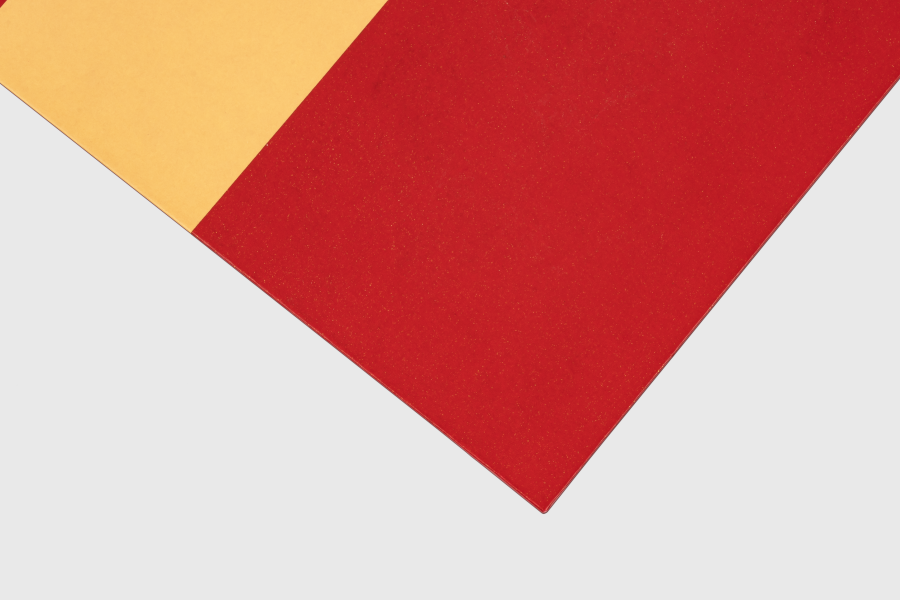
Paper Types vs. Card Finishes: What Is the Difference?
Paper type and finish are separate specifications. The paper type refers to the core construction and base material. The finish refers to the surface treatment applied after printing:
- Surface textures: Гладкий (standard) or linen-textured (embossed pattern for traditional playing card feel)
- Coatings: матовый (уменьшает блики), блеск (усиливает яркость цвета), or varnish (light protective layer)
- Ламинирование: Thin plastic film applied for durability. Adds thickness and affects hand feel.
You can combine any paper type with any finish. Например, black core cardstock with a linen texture and matte coating is a popular specification for premium poker decks. See our matte vs glossy finish guide for detailed coating comparisons.

How to Choose the Right Paper Types for Your Card Deck
Match paper selection to your deck’s primary use case:
Playing Cards and Frequently Shuffled Game Decks
Specify black core cardstock (310–350 г/м²) with a linen texture and matte or gloss coating. The black core ensures opacity during play, while the linen texture provides traditional card feel and air cushion for easy shuffling. For casino applications, add lamination for durability.
Таро, Oracle, and Affirmation Decks
Coated art cardstock (300–350 г/м²) works well for tarot decks with detailed artwork. If cards will be frequently handled or shuffled, upgrade to black core for opacity. Matte coating reduces glare for better readability during readings. For premium decks, consider textured stock or metallic accents.
Flashcards and Educational Decks
Coated art cardstock (300 GSM) provides good color reproduction for illustrated educational content. If students will write on the cards, specify uncoated stock in the writing areas. For classroom durability, add aqueous coating or light lamination. Закругленные углы (R3–R6) prevent sharp edges.
Часто задаваемые вопросы
What is the most common paper weight for playing cards?
Most professional playing cards use 310–330 gsm black core or blue core cardstock. This weight balances stiffness for shuffling with flexibility for handling. Casino decks often specify 320 gsm with lamination for extended durability.
Can I use regular cardstock for printing card decks?
Standard cardstock from office supply stores lacks the opacity, жесткость, and durability required for card decks. It will show through when printed on both sides, bend easily during shuffling, and wear quickly. Always specify gaming-grade cardstock with appropriate core construction.
What is the difference between white core and black core cardstock?
White core cardstock has a white middle layer, while black core has a black middle layer. The black core completely blocks light transmission, preventing show-through on double-sided cards. White core is less expensive but shows ink from the reverse side when held to bright light.
How do I choose between blue core and black core?
Choose blue core for budget-friendly opacity in game decks with moderate ink coverage. Choose black core for premium applications requiring maximum opacity, such as magic decks, карты казино, or any deck with heavy ink on both sides. Black core costs more but provides superior performance.
Заключительные мысли
Paper selection is the foundation of card deck quality. Coated art cardstock serves most illustrated decks, blue core provides budget-friendly opacity, and black core delivers premium performance for demanding applications. Specialty stocks address specific needs like writable surfaces or metallic effects.
Match your paper choice to the deck’s use case: frequent shuffling requires black core with linen texture, educational flashcards benefit from coated or uncoated stock depending on whether students write on them, and tarot decks balance artwork quality with handling durability.
Send Xinyi your deck specifications—card size, количество, intended use, and target price point—and we will recommend the optimal paper type, weight, and finish combination. Our team can provide physical samples so you can evaluate shuffle performance and hand feel before production.