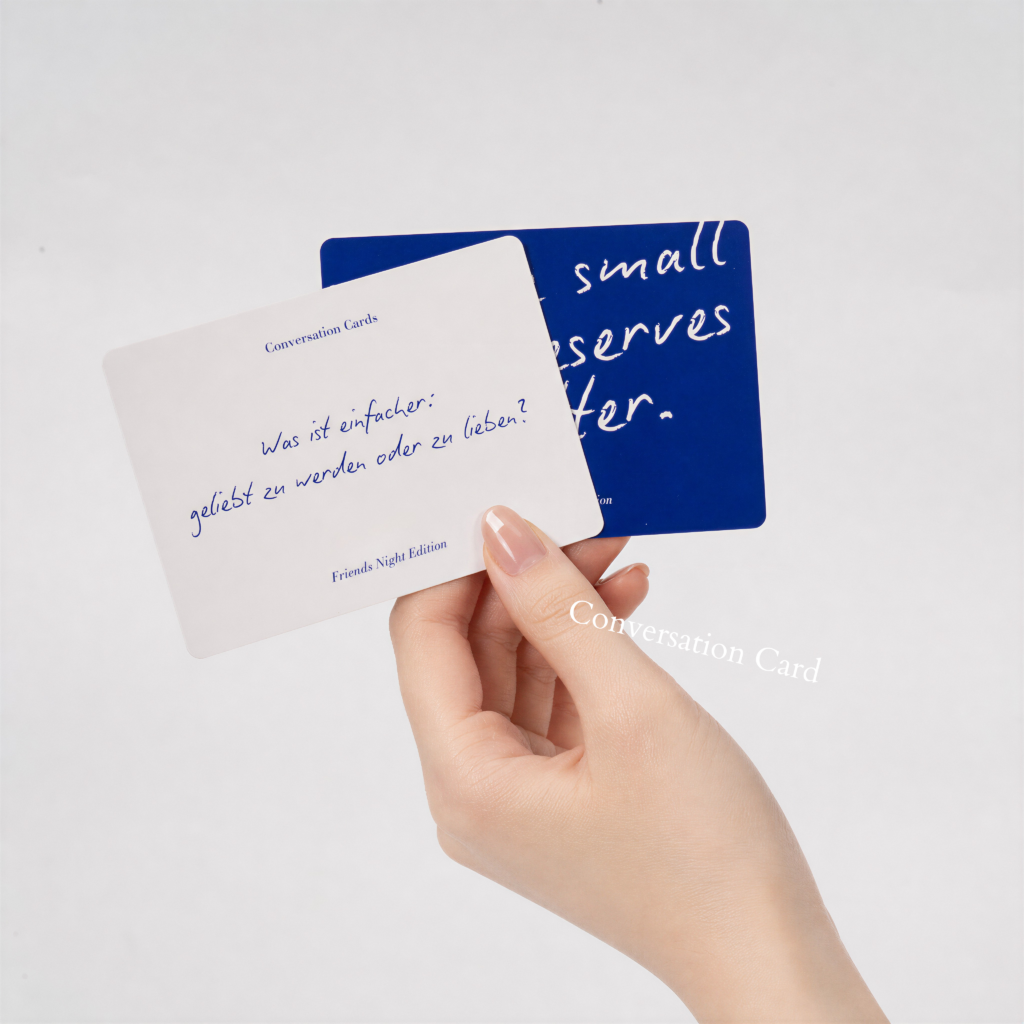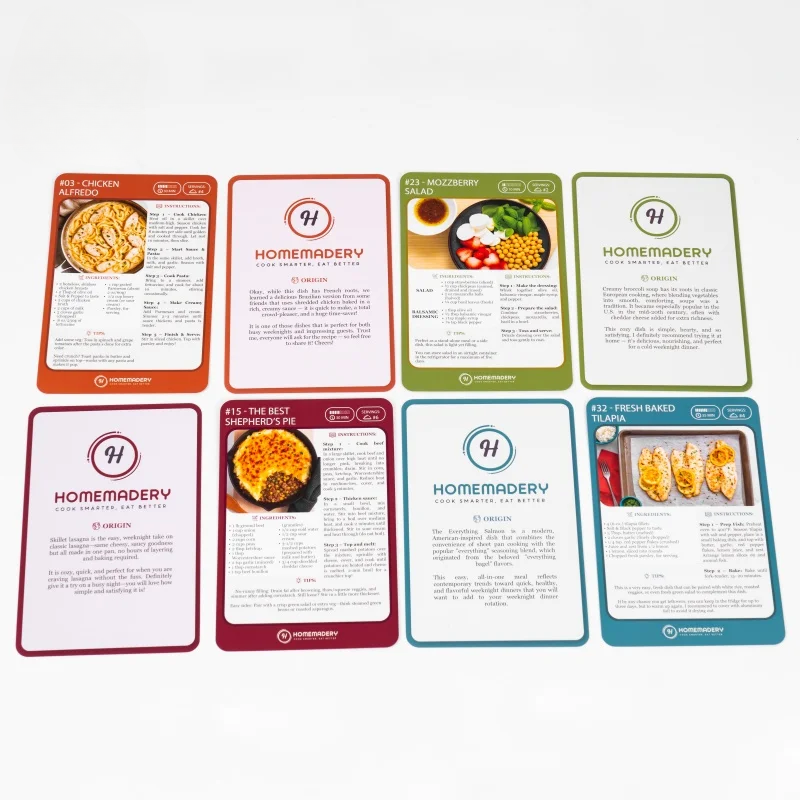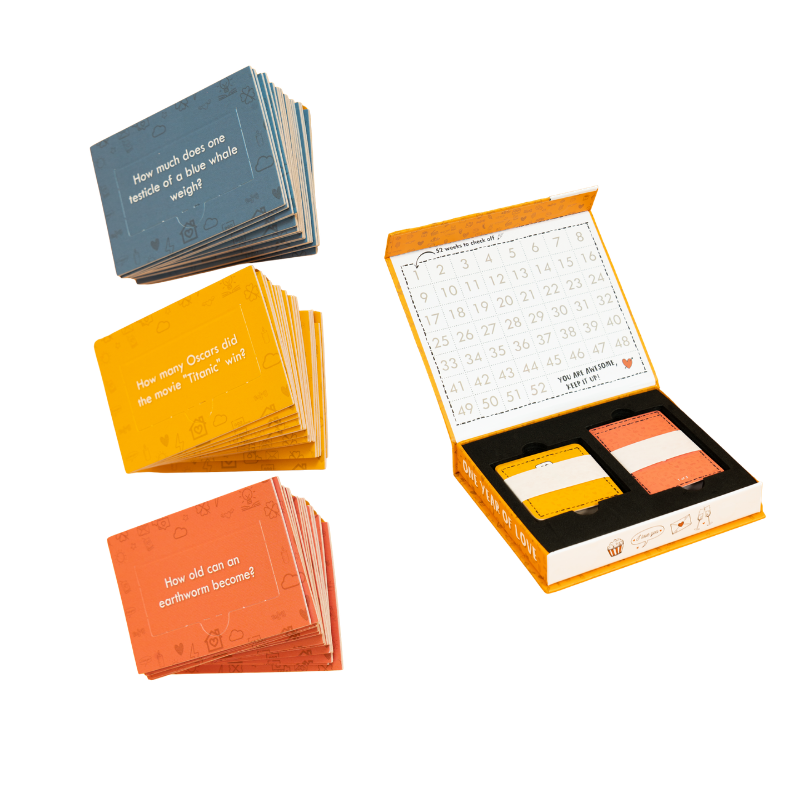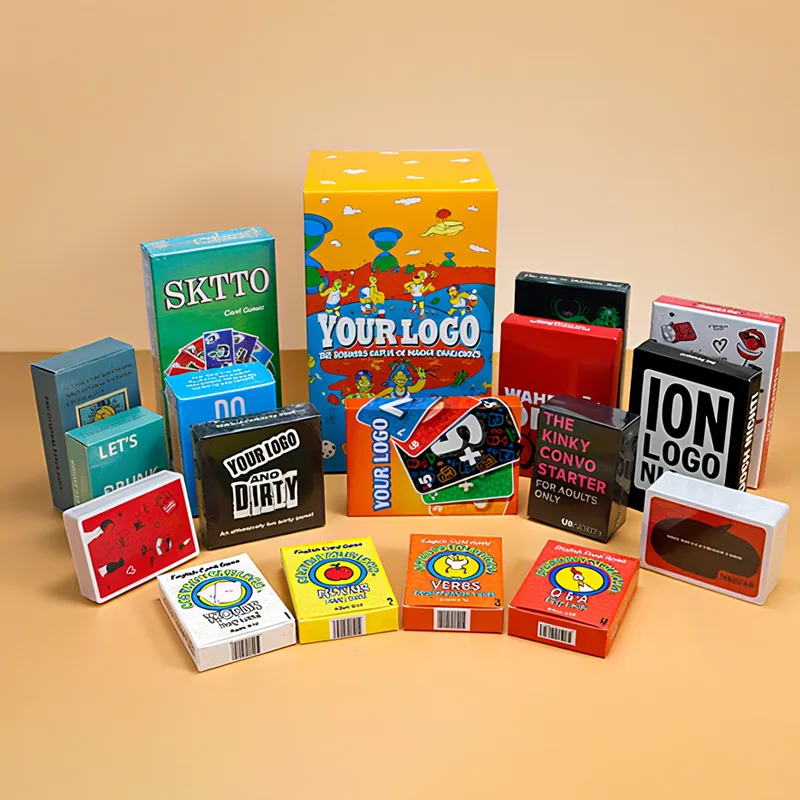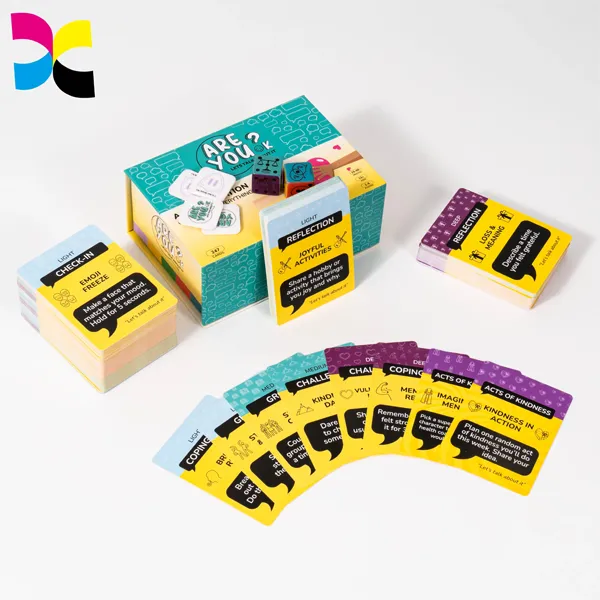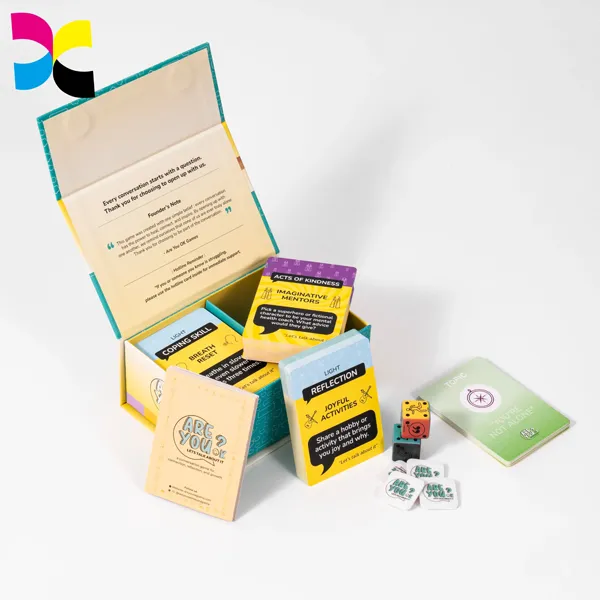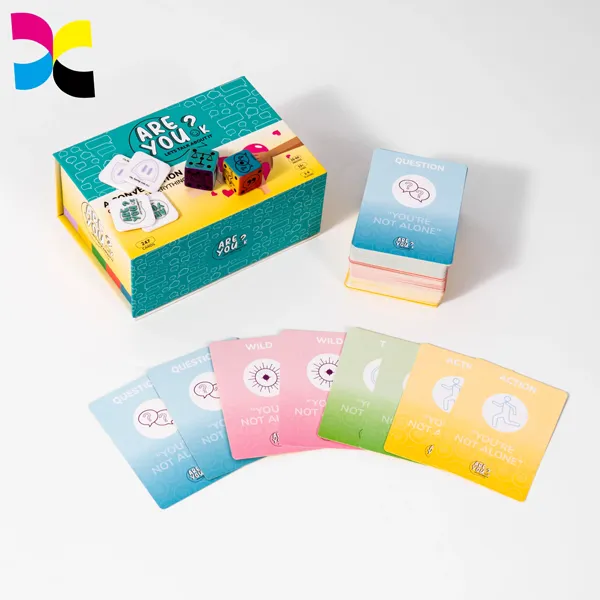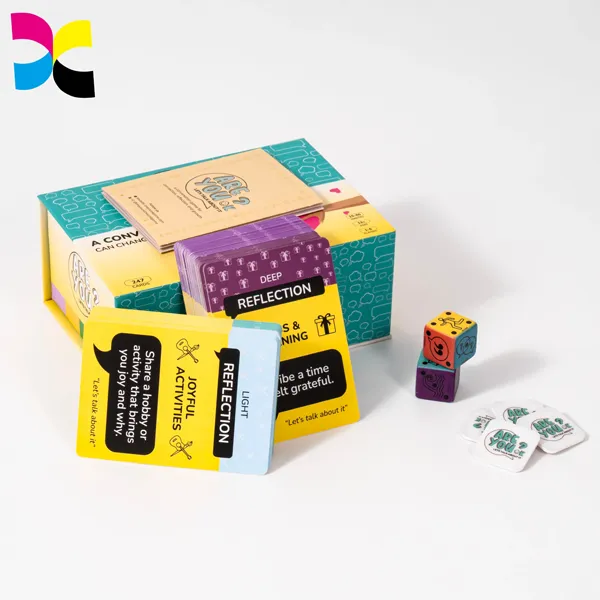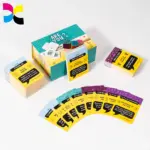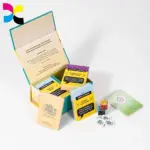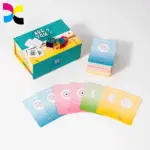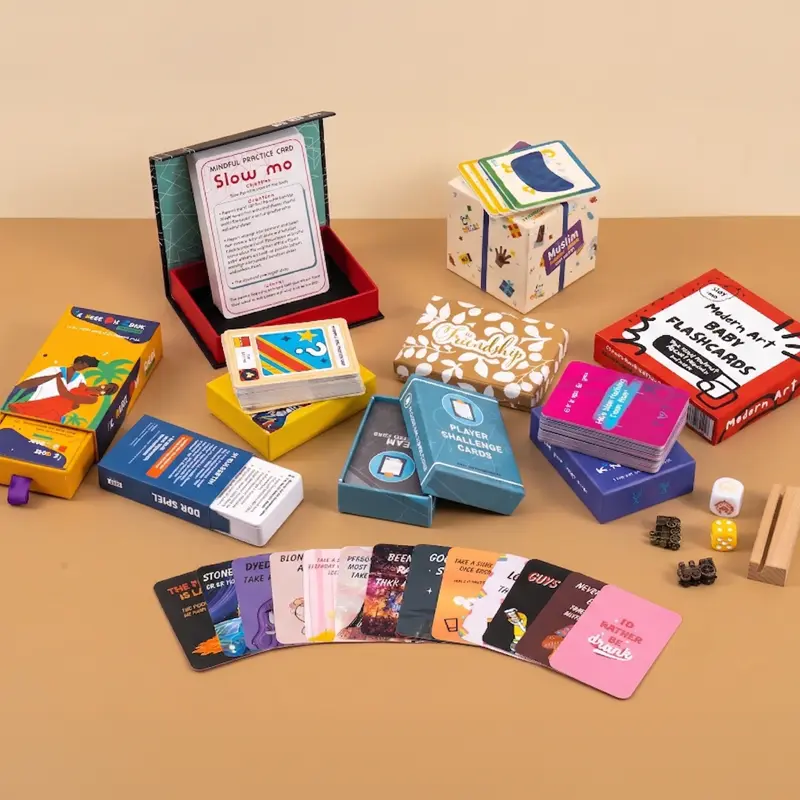

Choosing an affirmation card manufacturer can directly affect your brand’s reputation and profit margins. Selecting a supplier based on unit cost alone can lead to printing errors, weak cardstock, and inconsistent quality. These problems can result in wasted inventory and a loss of customer trust.
This guide compares suppliers using key production standards. It covers specifications such as cardstock weight (300–350 г/м²) and certifications (FSC and ISO 9001). Use these criteria to assess potential manufacturers and build a reliable supply chain that can grow with your brand.
Why Choosing the Right Manufacturer Matters
Choosing a manufacturer for your affirmation cards involves more than comparing prices. Your choice affects product quality, customer trust, and your ability to increase production as demand grows.
Product Quality and User Experience
The physical quality of your cards shapes how users view the product and its value. Cards that feel cheap can weaken the impact of their messages. Choosing the right manufacturing partner is therefore important to the user experience.
- The materials a manufacturer uses, such as sturdy 350–400 gsm cardstock, affect deck durability and how the cards feel in a user’s hands.
- Accurate printing, чистая резка, and consistent colors are essential for a professional product that users can trust and use in their daily lives.
- Access to premium finishes, such as foil stamping or spot UV for tactile details, depends on the manufacturer’s equipment and technical capabilities.
- Strong, well-designed packaging protects the cards during shipping and improves the unboxing experience.
For more information about affirmation card uses and product design, see our guide to the benefits of affirmation cards and custom card deck printing.
Brand Alignment and Customer Trust
Affirmation cards are wellness products. The manufacturer’s processes and materials should support the values of trust and self-care that your brand represents.
- For wellness products, certifications such as FSC can support your brand’s commitment to responsible paper sourcing.
- Low-quality cards, weak paper, or printing errors can work against the messages of stability and self-worth that your affirmations aim to promote.
- A manufacturer with experience in the wellness market understands the value of readable fonts and calm visual designs.
- Consistent quality across every deck helps build your brand’s reputation and customer loyalty in a competitive market.
Financial Impact and Inventory Management
Your manufacturing partner affects your costs from the first order through long-term sales. The right choice can help control your investment and reduce inventory risks.
- A good partner offers realistic Minimum Order Quantities (Минимальный заказ), typically around 500–1,000 units, to reduce your initial investment and financial risk.
- Choosing a manufacturer based only on the lowest price can lead to hidden revision fees or higher costs later from customer refunds and replacements.
- The right partner helps you balance premium features with unit cost, so you can protect your profit margins without sacrificing quality.
- Clear proofing and revision policies help prevent costly printing errors and reduce the risk of being left with thousands of dollars in unusable inventory.
Scalability and Supply Chain Reliability
A successful card deck will need reprints. Your supplier should be able to grow with your business while maintaining consistent quality and reliable delivery times.
- As your brand grows, your manufacturer should be able to increase production from small initial runs to much larger orders without lowering quality.
- A reliable supplier follows standard processes so reordered decks match the color, резать, and feel of the original batches.
- Predictable lead times help you manage inventory, plan marketing campaigns, and meet customer demand without running out of stock.
- Some manufacturers offer services such as warehousing or fulfillment, which can simplify logistics as your business grows.
Key Factors When Evaluating Affirmation Card Suppliers
Choosing an affirmation card supplier requires more than comparing prices. Look beyond unit cost and check material specifications, согласие, and production reliability.
When comparing manufacturers for your affirmation card deck, it is easy to focus on the price per deck. Однако, many of the main costs and risks come from the details. Weak cards, misaligned boxes, or unexpected delays can damage your brand’s reputation and reduce your profit margins. Use a consistent method to compare suppliers on the factors that affect product quality and long-term performance.
| Фактор оценки | Key Specifications & Metrics to Verify |
|---|---|
| Product Quality and Material Specifications |
|
| Printing Equipment and Production Capabilities |
|
| Sustainability and Compliance Certifications |
|
| Production Capacity, Минимальный заказ, and Lead Times |
|
| Cost Structure and Total Landed Cost |
|
Производство Премиум, Certified Affirmation Card Decks.
Customization Options for Brand Development

Customization turns your brand identity into physical product features. Every choice, from cardstock weight to box style, affects how customers view your product’s quality and value.
Размер карты, Shape, and Stock
Card dimensions are an important branding decision. Standard sizes such as 3 × 4 inches are common and cost-effective, while custom dimensions can make your deck easier to recognize. Corner styles also matter. Rounded corners are popular for their appearance and because they can reduce wear during shuffling and handling.
Толщина картона, измеряется в GSM, is another key specification. Stock below 300 GSM may feel flimsy, while 350–400 GSM stock provides a thicker, more durable feel. The number of cards in a deck can also support a brand concept, such as a 52-card deck designed for weekly reflection.
Печать, Отделка, and Edge Treatments
Finishes and edge treatments shape the tactile experience of your brand. Matte lamination creates a refined, non-glare surface, while soft-touch finishes provide a smooth, velvety feel.
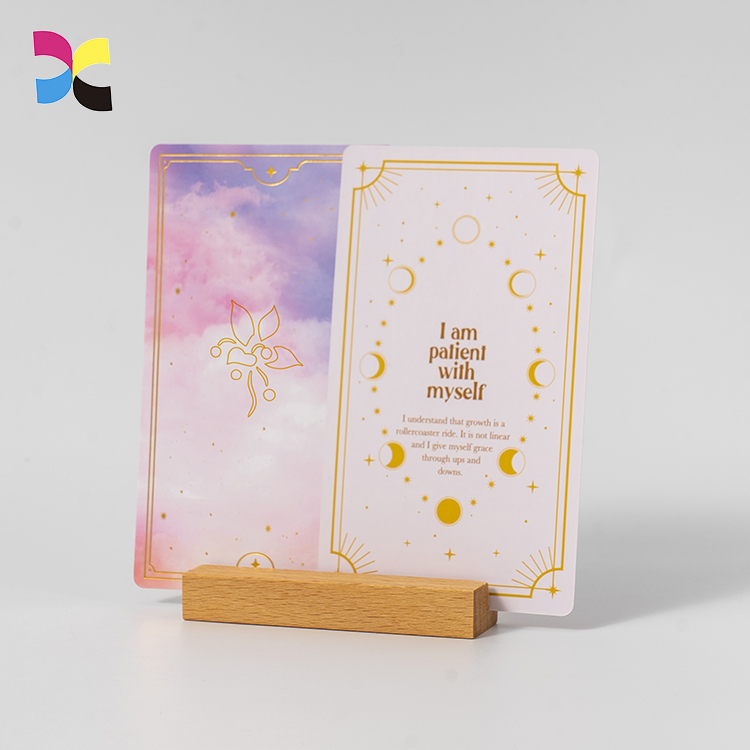
For gift products, colored card edges or metallic foil in gold, серебро, or rose gold can increase perceived value. Artwork should be converted to the CMYK color model to support accurate print results. Spot UV can highlight selected words or design elements with a glossy surface and subtle texture.
Packaging Styles and Branding
Packaging is often the first physical interaction customers have with your product. A simple tuck box is cost-effective for mass-market decks, while a two-piece rigid box or magnetic closure box creates a more premium impression and can support a higher retail price.
A complete brand experience includes the outside and inside of the package. Custom artwork on the exterior, a printed pattern, or a message inside the box can create a memorable unboxing experience. Embossing or foil stamping on logos and titles can add further detail.
For a paper-based alternative to shrink wrap, consider a branded paper belly band or sleeve to hold the box together.
Branded Inserts and Guidebooks
Inserts add value beyond the cards themselves. A custom instruction card or small folded guidebook helps users understand how to use the product and reinforces your brand’s approach.
You can also include extra cards that share your brand story, offer journaling prompts, or feature a QR code linking to online courses or a digital community. All printed materials, from the guidebook to promotional cards, should match the deck’s visual style to create a consistent product range.
Private Label and Co-Branding Capabilities
Working with a manufacturer on private label or co-branded products can open up new business opportunities. Private label services allow you to produce decks under your own brand and control the final product. Brands looking for a custom production partner can explore our daily affirmation card printing services to review available materials, заканчивается, и варианты упаковки.
For corporate partners, event organizers, or influencer collaborations, co-branded editions can help expand your reach. If you want to test niche themes or personalized decks without holding a large amount of inventory, print-on-demand (ПОД) can be a lower-risk option.
A capable supplier may also support business gifting and corporate wellness programs by managing fulfillment for large or recurring orders.
For brands planning custom production, Синьи Печать provides a relevant starting point for exploring card manufacturing and customization options.
Sustainable and Eco-Friendly Materials
For wellness brands, sustainability is often part of the brand identity. When sourcing cards, ask about recycled or FSC-certified paper for both the cards and packaging. Vegetable-based or soy-based inks may also reduce environmental impact compared with traditional petroleum-based inks.
Many consumers look for products with less plastic, so paper-based alternatives to shrink wrap may be worth considering. A reliable manufacturing partner should provide documents that support its environmental and sourcing claims, helping you assess the supply chain.
Quality Control During Card Production
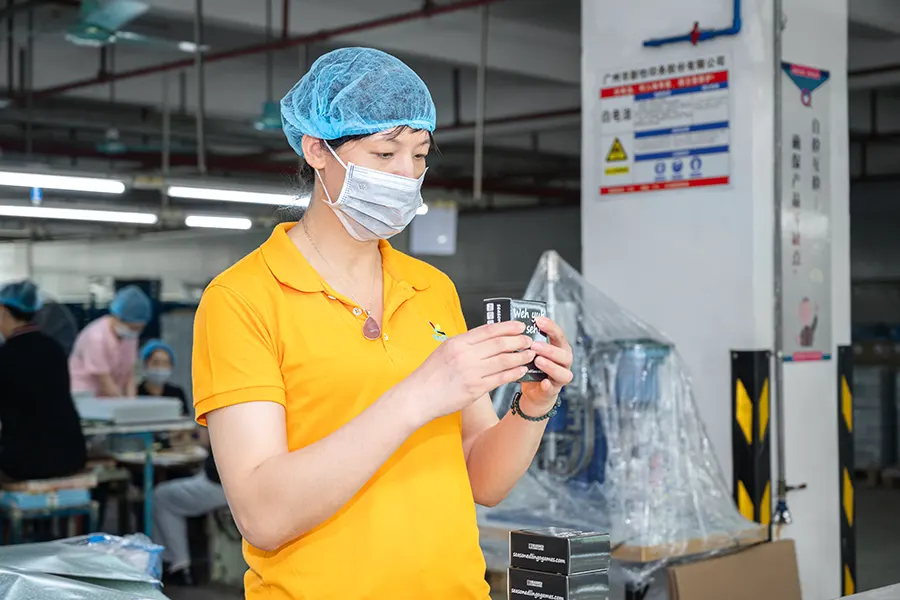
Effective quality control in card production isn’t a single step. It’s a series of checks from digital file to final packaging to prevent costly errors.
Pre-Press File and Proofing Checks
Everything starts with the digital files. A careful pre-press check helps prevent common printing problems by confirming technical specifications before production begins.
- Check that artwork is submitted in the correct CMYK color space at 300 PPI resolution. Files must include a 3 mm bleed and an internal safe zone to prevent important elements from being trimmed.
- Confirm that the correct template is used for the selected card size, такой как 70 × 120 мм. Check front-to-back alignment to make sure the printing is centered.
- Approve a digital or physical proof to check color accuracy, макет, and text before the full production run begins.
Incoming Material and Substrate Verification
Even a well-designed product can fail if the paper does not meet the required specifications. Before printing starts, check that the materials match the agreed requirements.
- Test random paper samples to confirm that the grammage, такой как 350 GSM, and thickness meet the specifications.
- Check for 100% opacity on black-core stock to prevent designs from showing through when the cards are held up to a light source.
- Inspect surface smoothness and coating compatibility. A poor surface can lead to ink absorption problems, mottling, or smearing.
In-Process Print and Color Monitoring
A print run may involve thousands of sheets. Color can change and defects can appear during production, so regular checks are necessary to keep the first card consistent with the last.
- Take sample sheets from the press at regular intervals and compare them with the approved color proof to identify changes early.
- Use a densitometer to measure ink density. This provides objective data on color balance and helps detect gradual color shifts during long runs.
- Check for common print defects such as misregistration, where color layers are misaligned, banding, or ghosting, where faint images appear where they should not.
Post-Press Cutting and Finishing Inspection
Printing is only part of the process. Large sheets must still be cut, с покрытием, and finished into individual cards. Errors at this stage can affect an entire batch, so the finished cards need careful inspection.
- Measure randomly selected cards to confirm that they meet the required dimensions within an acceptable tolerance, typically around ±0.5 mm.
- Inspect card edges for burrs, изнашивание, or roughness left by the cutting process.
- Perform rub and flex tests on finished cards to check whether laminations or coatings can resist scuffing, cracking, and daily handling.
Final Collation and Packaging Review
The final check covers assembly and packaging. A missing card or a box that is too tight can lead to customer complaints. This stage confirms that the complete product is ready to ship.
- Check assembled decks to confirm the correct card count, последовательность, and front-to-back orientation.
- Make sure the deck fits properly inside the box. The box should not be so tight that it damages the cards or so loose that the deck moves around during shipping.
- Inspect the packaged product for structural strength, качество печати, and correct labeling before shipment.
Questions to Ask Before Choosing a Supplier
When evaluating an affirmation card supplier, ask clear questions about quality, производственная мощность, and responsible practices. This helps prevent costly problems and protects your brand.
Product Quality and Technical Capabilities
The physical quality of your deck is one of the first things customers notice, and it reflects your brand’s credibility. Do not settle for general promises of “premium quality.” Ask for specific details.
- Ask about available cardstock weights, especially durable options in the 300–350 gsm range, and finishes such as matte or soft-touch that resist fingerprints.
- Check how the supplier maintains color accuracy, including whether it can match Pantone colors and produce full-bleed prints without white edges.
- Ask about the proofing process. Will you receive digital proofs for layout checks, and can you order physical samples to approve the final look and feel before mass production?
- Confirm the available packaging options. Can the supplier make rigid two-piece boxes and include branded inserts or booklets?
Production Capacity and Lead Times
A good product will not help if it cannot be produced on time or in the required quantities. Choose a partner that can meet your launch deadlines and support future growth.
- Confirm the MOQ and ask how prices change at higher volumes. Request specific prices for 500, 1,000, и 5,000 палубы.
- Ask for standard lead times from final proof approval until the order is ready to ship. Request estimates for different order sizes.
- Check whether the supplier can handle urgent orders and how quickly it can reprint an existing deck when no design changes are needed.
- Ask about the production facilities and any contingency plans for possible disruptions.
Quality Assurance and Error Handling
Mistakes can happen. A reliable supplier should have processes to prevent them and a fair policy for resolving problems. Understand how issues will be handled before placing an order.
- Ask how the quality control process detects printing defects, cutting errors, and color shifts.
- Check the policy for reprinting or refunding orders with major quality problems or shipping damage.
- Ask how the supplier handles shipments in which only a small percentage of decks are defective. Will it reprint the affected units or issue a credit?
- Confirm how complaints are resolved, including who pays return shipping costs for defective products.
Цены, Условия, and Hidden Costs
The lowest quote is not always the best value. Hidden fees and inflexible terms can reduce your profit margins. A reliable supplier should provide a clear cost breakdown.
- Request an itemized quote covering card printing, упаковка, setup fees, и доставка.
- Confirm payment terms, including deposit requirements for new customers and any net payment terms available to repeat customers.
- Ask about extra charges for special finishes, нестандартные размеры, or faster production schedules.
- Check whether proofs, sample kits, and a set number of design revisions are included in the price or billed separately.
Устойчивое развитие, Ethics, and Brand Alignment
For wellness products, the manufacturer’s values can affect your own brand reputation. Sustainability and ethical practices are especially important when serving customers who care about responsible sourcing.
- Ask about the supplier’s experience making affirmation, oracle, or other wellness-focused card decks, and request examples.
- Check whether it offers sustainable materials such as FSC-certified paper, recycled cardstock, и чернила на основе сои.
- Verify compliance with relevant labor and safety standards. Ask whether the supplier holds certifications such as SEDEX or BSCI and request supporting documents.
- Discuss how the supplier protects sensitive or proprietary content and whether it is willing to sign a non-disclosure agreement (NDA).
Заключительные мысли
Choosing a manufacturer based on price alone can lead to problems such as weak cardstock and an unreliable supply, both of which can damage your brand. Setting clear quality requirements, от 350 gsm paper to FSC certification, helps reduce production risks and protect customer trust. The right manufacturing partner can support your brand’s reputation and the long-term value of your product.
The next step is to check the product quality firsthand. Request a sample kit to assess the materials, заканчивается, and build quality. When you are ready, our team can review your artwork and discuss the OEM requirements for your project.
Часто задаваемые вопросы
How do I choose an affirmation card manufacturer?
Choosing an affirmation card manufacturer requires a structured supplier evaluation focused on print quality, сертификаты, capabilities, расходы, и долговременная надежность. Key criteria include experience with card decks, verified quality like ISO 9001, sustainable sourcing such as FSC, and transparent quality control processes.
What makes a good affirmation card supplier?
A good supplier combines verified print quality (ИСО 9001), premium materials like 300–400 GSM cardstock, and reliable quality control with proofs and mockups. They also have the technical ability to produce specialty finishes and retail-ready packaging, while offering flexible MOQs and clear communication.
Can manufacturers provide samples before bulk production?
Да, providing samples is standard practice. Manufacturers offer free stock samples to show general quality and paid custom pre-production samples, typically $20–$50 and often credited to the bulk order. This allows you to approve your specific design, материалы, and box fit before committing to mass production.
How long does custom card production take?
Custom affirmation card production typically takes 2–4 weeks after proof approval. This does not include shipping, which can add 1–2 weeks for air freight or 4–9 weeks for sea freight. Complex finishes or rigid boxes can extend the production timeline by an additional 3–5 days.
How do I verify a card manufacturer?
You can verify a manufacturer by checking their legal business registration, quality certifications (ИСО 9001), and material compliance reports (ФСК, СГС). You should also request physical samples, review their project portfolio, and conduct a virtual factory audit to confirm their equipment and QC processes match what they claim.