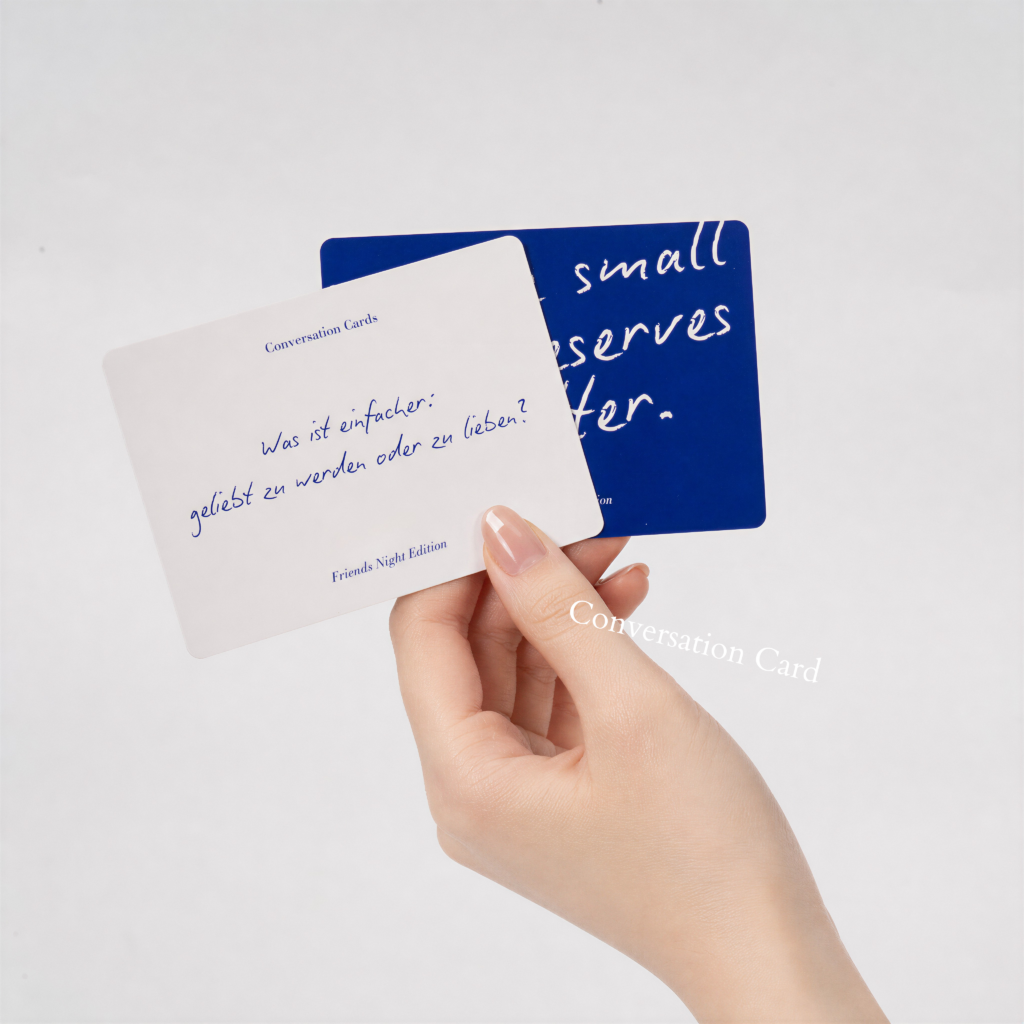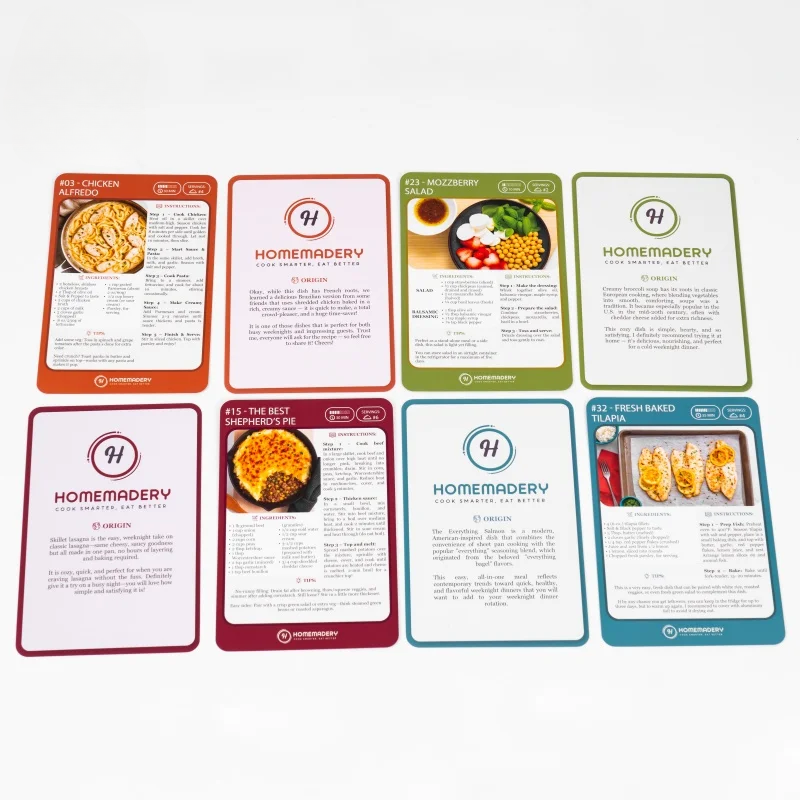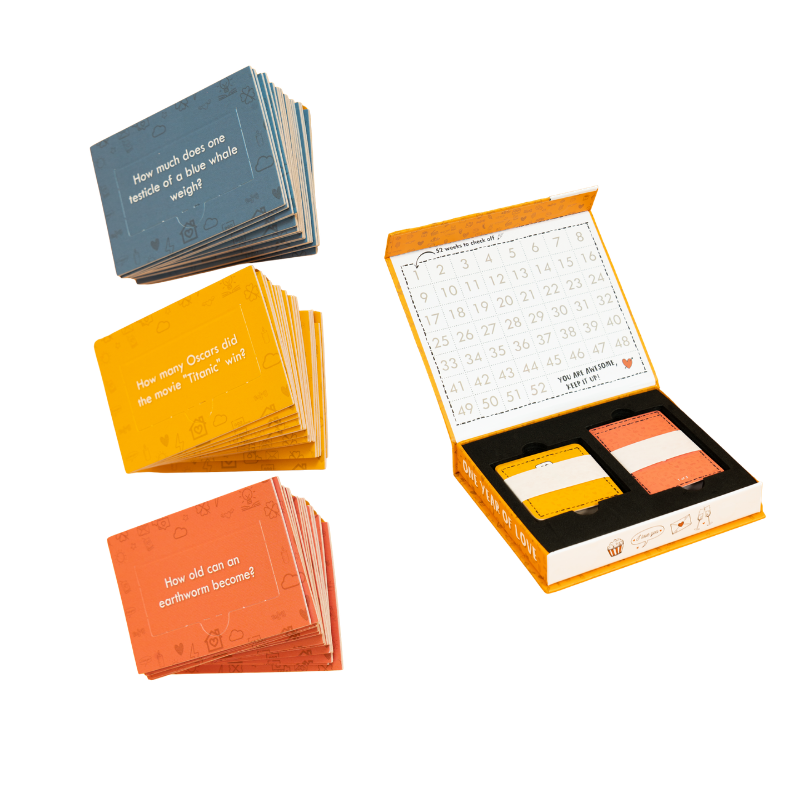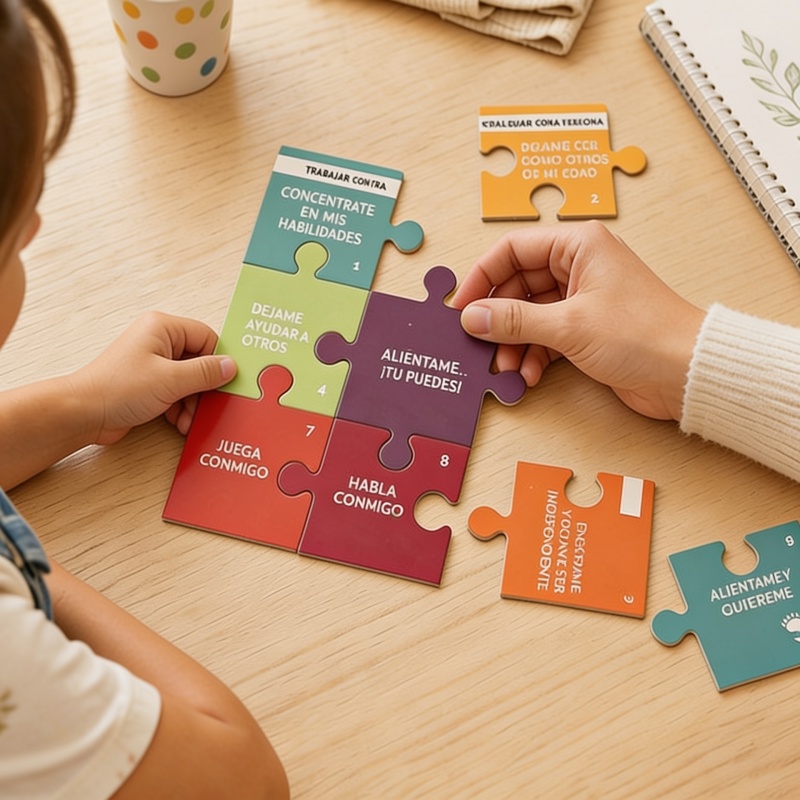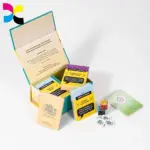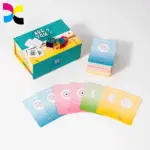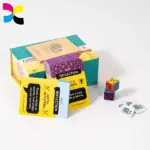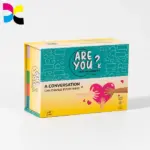
Writing affirmation cards for a commercial deck takes more than collecting positive statements. Each message should speak to a specific audience, support the deck’s purpose, and fit the brand’s identity. If the wording feels generic or unrealistic, customers may struggle to connect with it.
A good writing process starts with audience research and theme planning, then moves through message writing, brand voice, content review, and print preparation. Following these steps helps brands create a consistent deck that readers can understand, relate to, and use regularly.
Key Takeaways
- Define one target audience and a clear purpose before writing.
- Organize messages into themes to prevent repetition.
- Use simple, specific, and believable language.
- Keep the same brand voice across the entire deck.
- Review content and prepare numbered copy before printing.
Define Your Audience and Affirmation Card Purpose
Before writing, decide who will use the deck and what it should help them achieve. A deck for students facing exam pressure needs different language from one designed for wellness professionals or people building self-confidence.
Start with three questions:
- Who is the reader? Consider their age group, interests, daily challenges, and experience with affirmation cards.
- What is the purpose? Decide whether the deck focuses on confidence, gratidão, stress management, motivação, ou crescimento pessoal.
- When will they use it? Think about whether readers will draw a card each morning, use it during coaching sessions, or include it in a daily reflection routine.
Turn these answers into a short purpose statement, como “This deck helps young professionals build confidence during career changes.”
Use this statement to guide every writing decision. If a message does not support the intended reader or purpose, revise it or leave it out.
Brands developing a complete product can also explore our guide to creating a branded affirmation card deck for related product planning steps.
Plan Affirmation Card Themes and Deck Structure
A clear theme structure keeps a deck organized and gives each card a reason to be included. Without a plan, writers may repeat the same message in different words, especially when creating decks with 30, 50, or more cards.
Divide the deck into several focused sections. Por exemplo, a personal growth deck might include confidence, auto-aceitação, limites, gratidão, and rest.
Before drafting, decide how many cards each theme needs. A simple content plan helps distribute messages evenly and prevents one topic from taking over the deck.
Themes should also be distinct. If two sections cover almost the same ideas, combine them or give each a clearer purpose. Por exemplo, confidence can focus on personal abilities, while self-acceptance can focus on recognizing personal worth.
Consider how readers will find and use different sections. Printed category names, cores, or symbols can help users identify themes quickly. Our custom affirmation card printing options include different card formats and accessories for organized deck designs.
Write Meaningful and Believable Affirmations
Each affirmation should communicate one clear idea in language the target reader can understand. Short sentences are usually easier to remember and repeat, while specific wording makes a message feel more personal.
Use these writing principles:
- Choose present tense. “I can handle today’s challenges” feels more immediate than “I will become stronger someday.”
- Use first person when appropriate. Starting with “I” makes the statement easier for readers to say aloud.
- Keep the message specific. “I make progress one step at a time” gives readers a clear idea, unlike broad phrases such as “I attract endless abundance.”
- Keep claims believable. Avoid promises that feel too far from the reader’s actual experience.
Compare these examples:
| Weak Affirmation | Stronger Affirmation |
|---|---|
| I am always happy and successful. | I can find one positive step in a difficult day. |
| I have unlimited confidence. | I trust myself to make thoughtful decisions. |
The stronger examples do not demand constant happiness or perfect confidence. They offer encouragement without making unrealistic promises.
You can also create a swipe file of writing techniques from books or card decks you admire. Study sentence structure, tom, and word choice, but write original messages rather than copying published content.
Print a Deck Your Words Deserve
Create a Consistent Voice Across Your Card Deck
A deck should sound like one brand, even when different people contribute to the writing. Without clear language guidelines, some cards may sound formal, others conversational, and others overly promotional.
Create a short brand voice guide covering:
- Tom: Calm, encouraging, energetic, spiritual, or practical.
- Vocabulary: Words and expressions that suit the audience.
- Sentence style: Preferred sentence length and level of formality.
- Language to avoid: Unnatural phrases, exaggerated promises, and expressions that do not fit the brand.
The voice should match the intended audience. A deck for teenagers may use friendly, everyday language, while a corporate wellness deck may need a more measured tone.
Read every statement aloud to check whether it sounds natural. If a sentence feels awkward or resembles advertising copy, simplify it.
A custom card printing manufacturer should also understand how the brand’s message and visual identity work together. Impressão de cartão Xinyi supports custom card projects with printing, acabamento, embalagem, and production services for different brand requirements.
Edit and Review Your Affirmation Card Copy
After drafting, review the entire deck rather than checking each card separately. A statement may work on its own but feel repetitive when readers encounter several similar messages in succession.
Focus on five areas:
Repetition: Look for repeated sentence structures, emoções, and advice. Replace similar statements with messages that offer different situations or viewpoints.
Relevance: Check whether each card supports its assigned theme and target audience. Remove lines that could appear in almost any affirmation deck.
Language quality: Check spelling, grammar, sentence clarity, and reading difficulty. Use familiar words and avoid long sentences that require extra effort to understand.
Cultural suitability: Review idioms, references, and assumptions for the markets where the deck will be sold. Expressions that sound natural in one language may not work well after translation.
Copyright: Avoid copying song lyrics, published quotes, or social media content without permission. Original wording reduces the risk of rights disputes when the deck enters the market.
Ask someone from the target audience to read a draft and mark any statements that feel confusing, unrealistic, or repetitive. Their feedback can reveal problems that the writing team may overlook.
For additional guidance on choosing production specifications and evaluating suppliers, see our guide to selecting an affirmation card manufacturer.
Prepare Affirmation Card Text for Printing
Once the wording is approved, organize the content into a clear file for the design and production teams.
Follow these steps:
- Number every card to keep the approved sequence consistent.
- Separate front and back text, including category labels and supporting prompts.
- Check the longest statement to see whether it fits the selected card size.
- Confirm that the text remains readable after layout and font sizing.
- Provide an editable text file alongside the final artwork to reduce manual retyping errors.
The card format affects how much text each design can hold. A smaller card may need shorter statements, while a larger format can accommodate a message with a supporting prompt.
Before approving the final files, check the layout, posicionamento de texto, and print specifications with your manufacturer. Xinyi provides custom affirmation card printing with different card sizes, estoques de papel, acabamentos, e opções de embalagem. Its prepress team can also review technical file requirements before production.
For layout guidance, see our article on designing custom affirmation cards.
Considerações Finais
Effective affirmation cards begin with a clear audience, a focused theme, and messages that readers can believe. Careful editing keeps the deck consistent, while proper file preparation helps protect the approved content during production.
When the wording is ready, the next step is to work with a manufacturer that can turn your content into a well-made physical product. Xinyi Card Printing supports custom affirmation card projects from file review to printing and packaging.
Perguntas frequentes
How long should an affirmation statement be?
Most statements work well when they contain around 5–15 words. The message should be short enough to read quickly but specific enough to communicate a clear idea. Always check the longest statement against the selected card size and font size.
Should affirmations be written in present tense?
Present tense is a useful choice because it makes statements feel immediate and easier to repeat. No entanto, the wording should still sound natural and believable to the intended reader.
Can I use famous quotes on my affirmation cards?
Published quotes, song lyrics, and social media content may be protected by copyright. Obtain permission before using them commercially. Writing original statements is usually a safer approach for branded card decks.
How do I prevent affirmation cards from sounding repetitive?
Plan themes before drafting, vary sentence structures, and review the complete deck in one sitting. Replace similar messages with statements that address different situations, feelings, or actions.
Do card printing factories check spelling and grammar?
Manufacturers mainly check technical printing requirements, such as file setup, posicionamento de texto, sangrar, and color settings. They do not normally replace the customer’s editorial review. Finalize and proofread all card text before submitting the artwork.