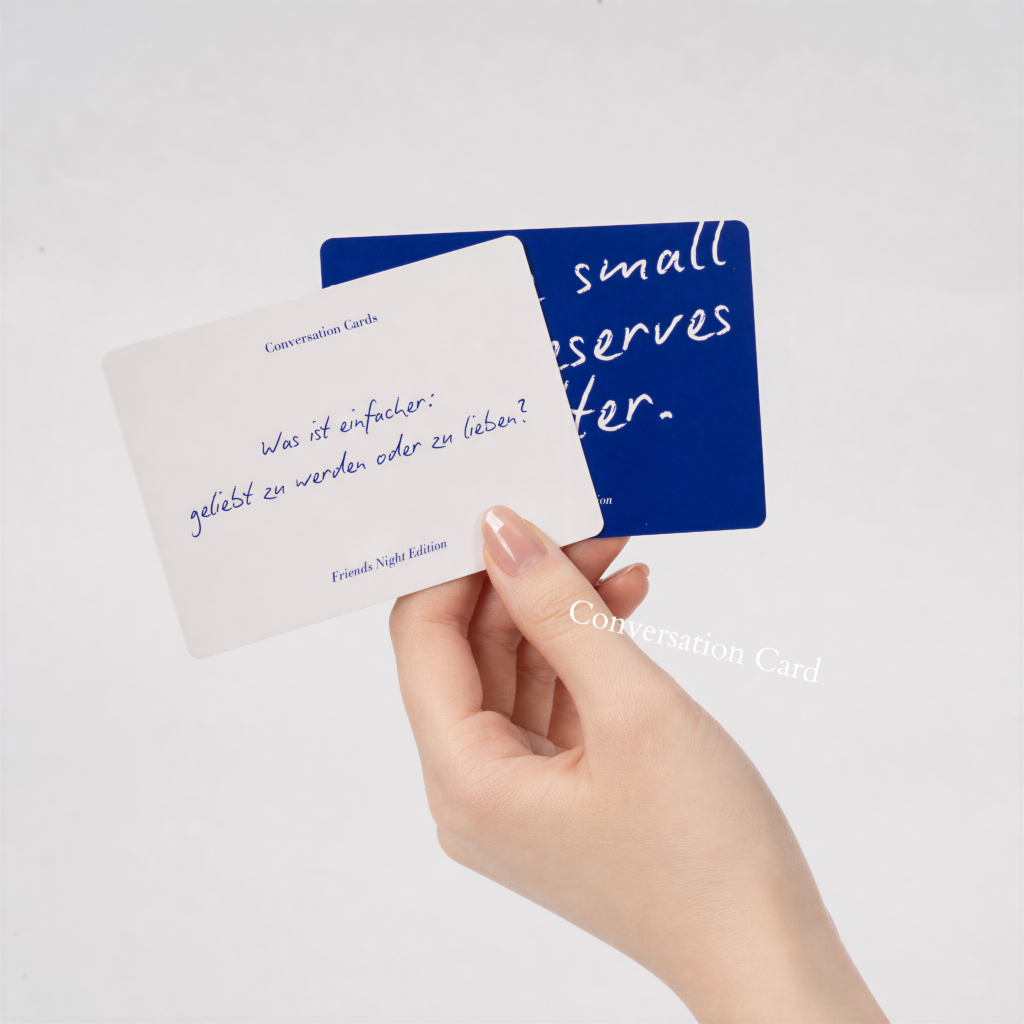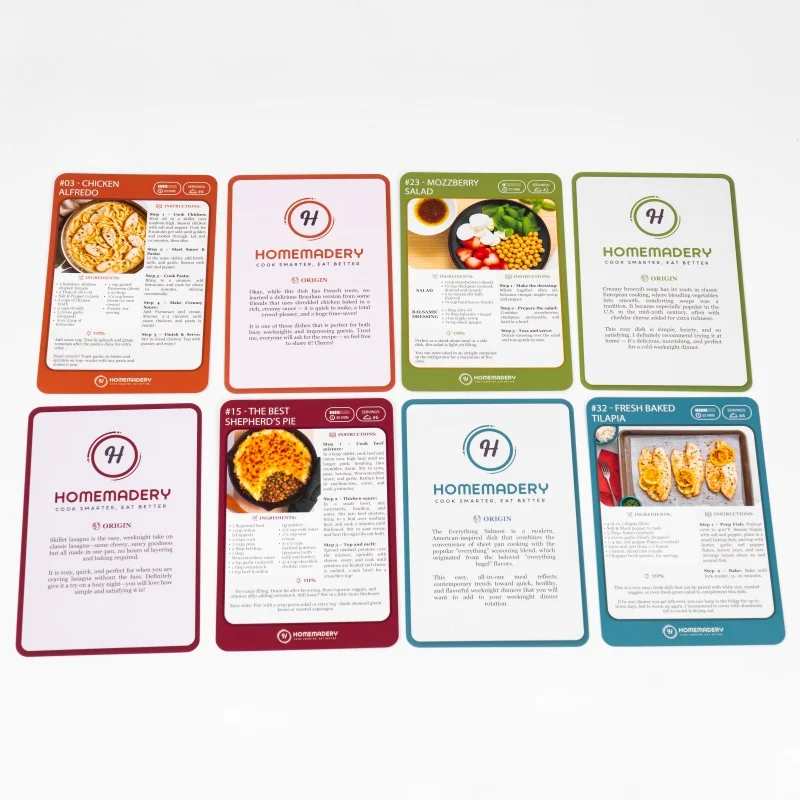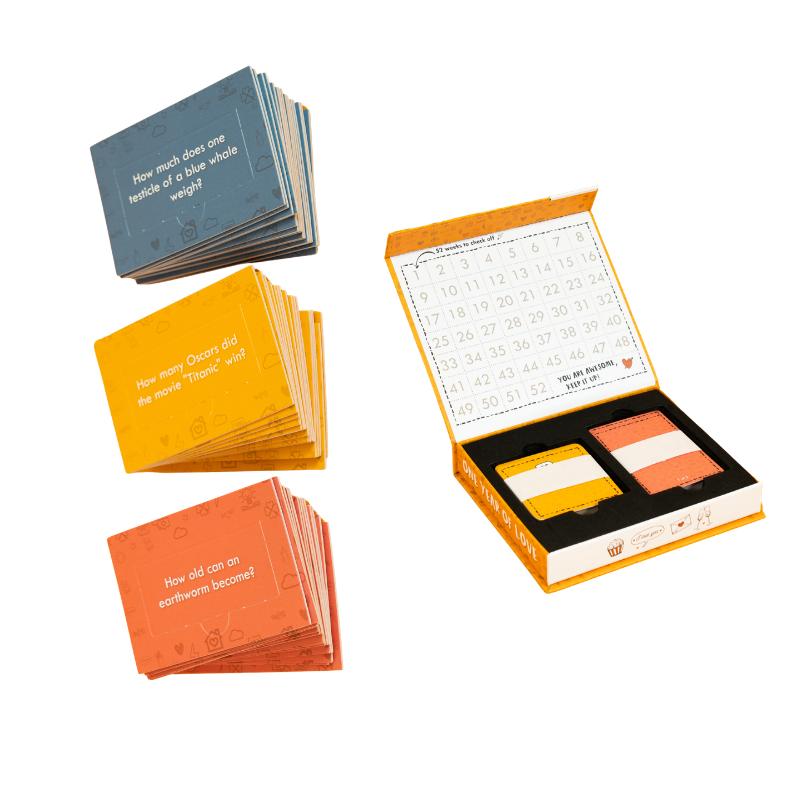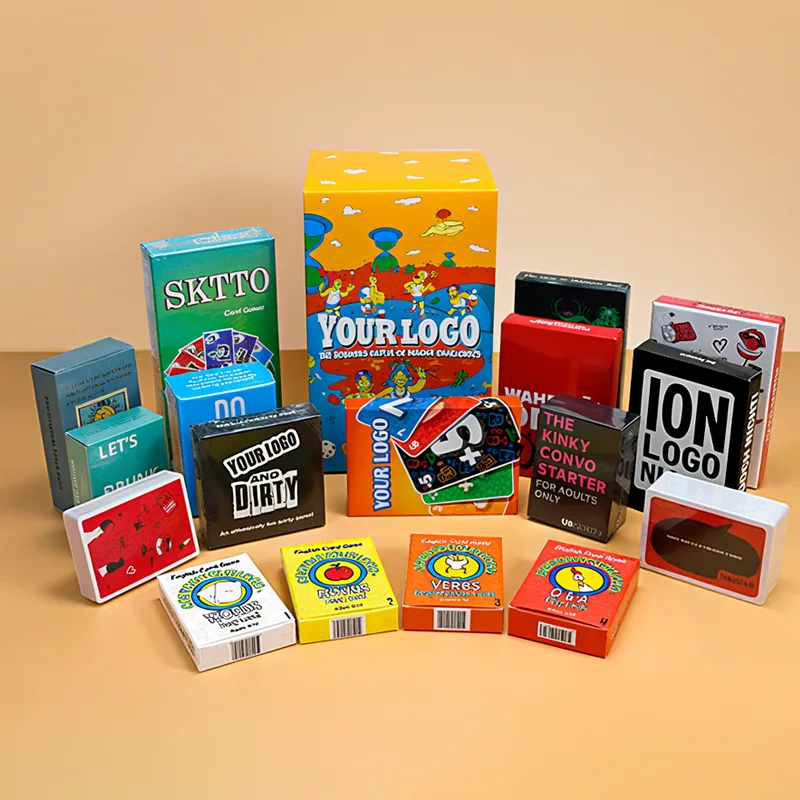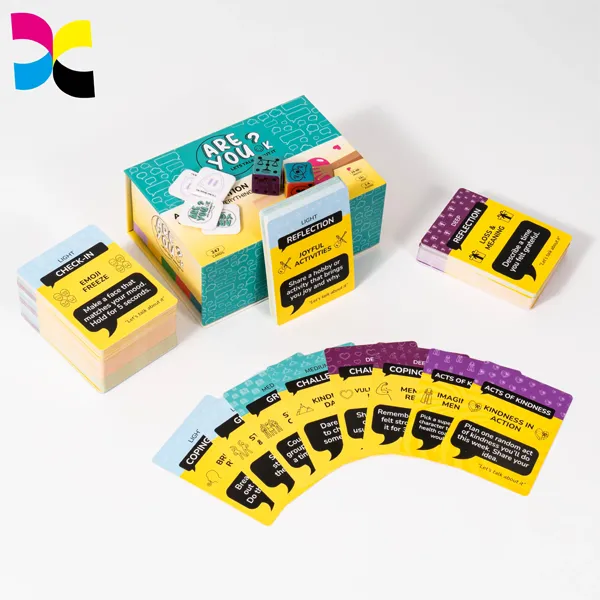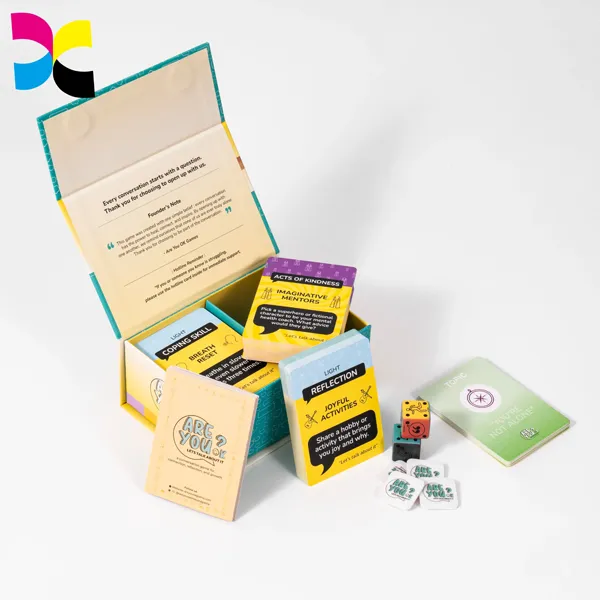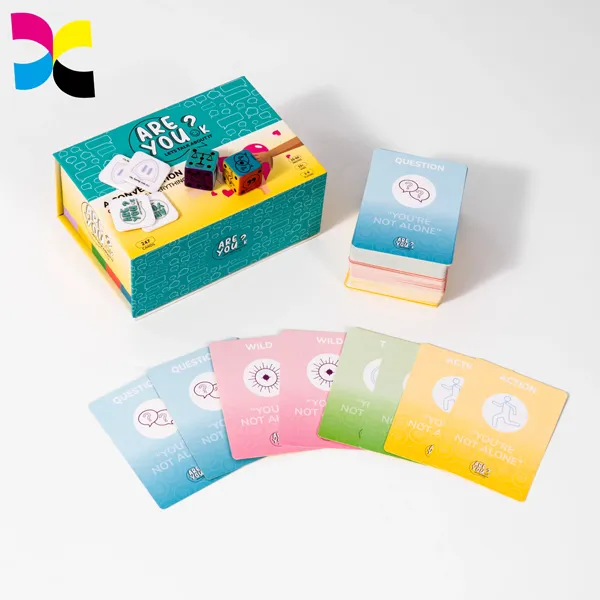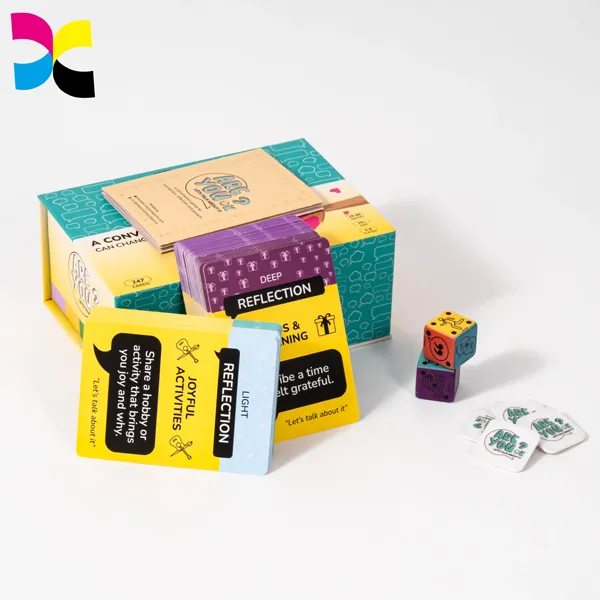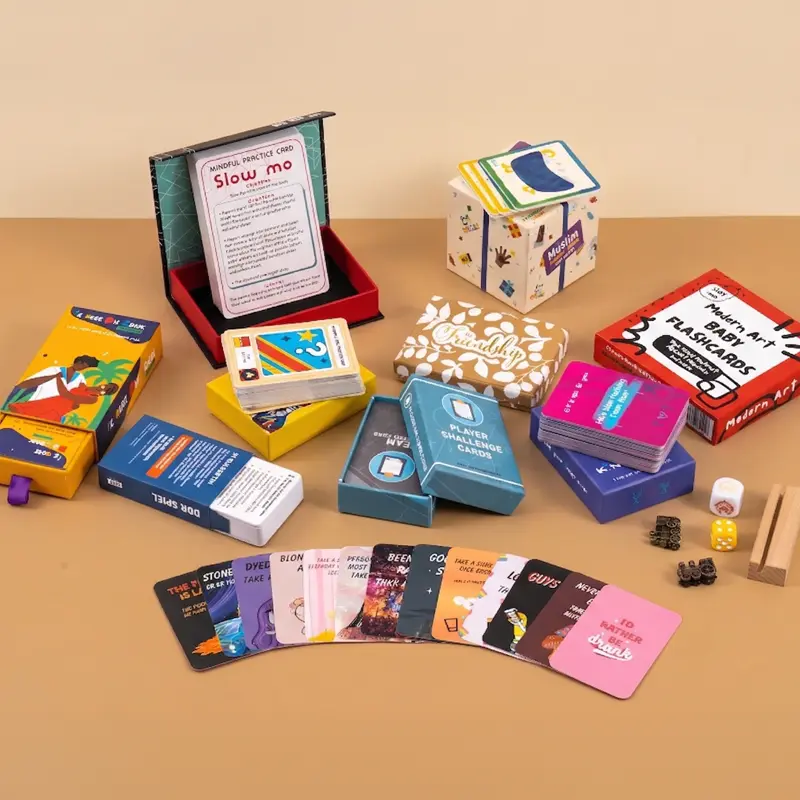
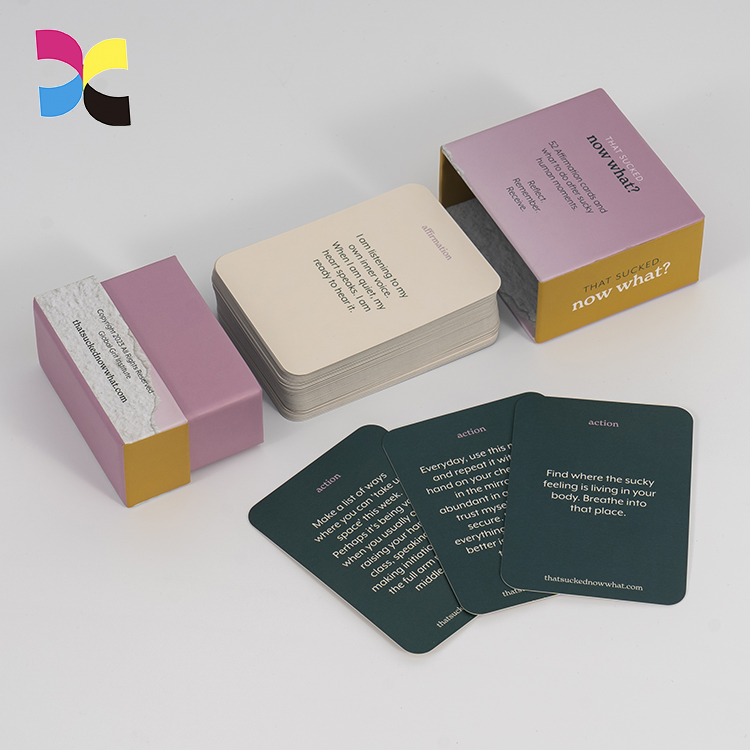
Quanto costa produrre cartoline di affermazione personalizzate? In media, i costi di produzione variano da $0.25 A $1.50 per ponte per la stampa offset in massa (1,000+ unità) E $3.00 A $10.00 per piccole tirature digitali. Il prezzo finale dipende da tre variabili critiche: volume dell'ordine, tipi di carta (come carta bianca da 350 g/m² o carta certificata FSC), e complessità del confezionamento (scatole da infilare vs. scatole rigide di lusso). Questa guida mette a confronto le variabili di produzione essenziali per aiutarti a ottimizzare la densità dei materiali e le finiture premium, proteggendo al contempo i margini di vendita al dettaglio nel mercato volatile di oggi..
Ciò che influenza il costo di Carte di affermazione personalizzate?

Quattro variabili primarie determinano il tuo totale produzione investimento. Comprendere queste leve ti consente di ottimizzare il tuo budget senza compromettere la qualità della vendita al dettaglio:
- Volume di produzione: Il singolo più grande fattore di costo. Corse ad alto volume (1,000+ unità) attivare la stampa offset, riducendo i costi unitari a circa $0.25. I lotti più piccoli utilizzano la stampa digitale o la stampa su richiesta, dove i prezzi unitari possono aumentare $1.00 E $5.00 a causa del sovraccarico di installazione.
- Densità del materiale (GSM): Il cartoncino standard da 350 g/m² è la base del settore. L'aggiornamento a densità rigide premium o texture specializzate aggiunge a 20% A 50% premio alle spese per le materie prime.
- Conteggio delle carte & Specifiche: Il numero di carte per mazzo determina la dimensione della piastra e l'utilizzo del materiale. La produzione è un mazzo da 40–60 carte “punto debole” per massimizzare l'efficienza e il peso di spedizione.
- Complessità dell'imballaggio: Mentre i semplici astucci mantengono bassi i costi, può rappresentare l'aggiornamento a scatole rigide magnetiche o l'aggiunta di inserti personalizzati 10% A 30% della spesa totale del progetto.
Costi del materiale cartaceo e cartoncino
La selezione dei materiali è un fattore di costo primario, con spese di produzione di base che in genere vanno da $0.15 A $1.20 per ponte a seconda della densità e della certificazione. Il passaggio da cartoncini standard a tipi di carta premium come materiali bianchi o certificati FSC può facilmente raddoppiare l'investimento di base.
Confronto dei costi: GSM & Spessore
La maggior parte fisica delle tue carte determina direttamente il volume materiale e la scalabilità dei prezzi.
| Densità della carta | Spessore (P.T) | Premio di costo | Migliore applicazione |
|---|---|---|---|
| 60-120 GSM | < 10 P.T | Linea di base | Volantini di istruzioni |
| 250-350 GSM | 12-16 P.T | +20% A 50% | Carte di affermazione standard |
| 420-513 GSM | 22-27 P.T | +50% A 100% | Scatole rigide di alta qualità |
Analisi comparativa: Tipi di carta premium
Scegliere tra diversi tipi di carta incide sia sulla finitura estetica (bordi tagliati) e il profilo di sostenibilità del tuo marchio.
| Categoria di funzionalità | Scelta dei materiali | Impatto sui prezzi | Vantaggio chiave |
|---|---|---|---|
| Colore principale | Nero / Nucleo blu | Di fascia media | Alta opacità & Conveniente |
| Colore principale | Nucleo bianco | +15% A 40% | Bordi di taglio puliti per mazzi di lusso |
| Ecologico | FSC / Riciclato | +10% A 25% | Catena di fornitura sostenibile verificata |
Per Suggerimento: Per i marchi in forte crescita, la combinazione di carta white-core da 350 g/m² con la certificazione FSC offre il miglior equilibrio tra una carta premium “unboxing” sensibilità e standard di produzione etici.
Costi di stampa e finitura
La stampa standard e la laminazione di base in genere iniziano a $0.10 A $0.30 per ponte alla rinfusa, mentre le finiture premium introducono costi di installazione specializzati che vanno da $100 A $500 per disegno. Ordini ad alto volume (3,000+ unità) sono essenziali per ammortizzare questi costi fissi e massimizzare i margini di vendita al dettaglio.
- Laminazione morbida al tocco: Aggiunge un 10% A 25% premio. Preferito dai brand di lusso per la sua vellutata, sensazione tattile resistente alle impronte digitali.
- Opaco & Laminazione lucida: Lo standard del settore. Impatto sui costi minimo; fornisce una durata essenziale e una protezione del colore.
Macchinari specializzati e targhe personalizzate determinano il prezzo per gli accenti di fascia alta:
| Tipo di finitura | Markup tipico | Impostare / Tariffa per la targa |
|---|---|---|
| Stampa a caldo | +20% A 30% | $150 – $400 |
| Spot UV | +15% A 25% | $100 – $300 |
| Goffratura | +20% A 40% | $200 – $500 |
| Bordi dorati | +30% A 50% | Variabile (Alta intensità di manodopera) |
Costi di imballaggio per mazzi di carte di affermazione
Questa sezione analizza i compromessi finanziari tra economia e packaging di lusso. Generalmente, l'imballaggio rappresenta 10% A 30% della spesa totale del progetto, con costi unitari che vanno da $0.25 per gli astucci del mercato di massa oltre $12.00 per set rigidi di lusso a basso volume.
Tuck Box vs. Dinamica della scatola rigida
La selezione della confezione determina sia il metodo di produzione che il posizionamento finale al dettaglio del tuo marchio:
- Tuck Box: La soluzione più conveniente per i mazzi del mercato di massa. Utilizzando cartone da 250–400 g/m², le tirature automatizzate di grandi volumi riducono i costi al di sotto $0.50 per unità. Perché spediscono piatti, inoltre riducono significativamente le spese di trasporto e di magazzino.
- Scatole rigide: Progettato per set regalo premium, questi richiedono truciolare da 800–1200 g/m². Grazie al montaggio e all'incollaggio manuali, tirature a basso volume (Sotto 500 unità) può costare $3.00 A $12.00+ ogni. Tuttavia, offrono una protezione superiore e un valore percepito più elevato che supporta i prezzi al dettaglio premium.
Inserti, Guide, e Aggiornamenti
La complessità strutturale del vostro imballaggio determina la sua capacità di contenere componenti aggiuntivi:
- Integrazione dei componenti: Le scatole rigide sono essenziali per i set multicomponente che includono guide o gettoni. L'aggiunta di schiuma EVA personalizzata o inserti di carta stampata in genere aumenta i costi di produzione di $0.50 A $2.00 per unità.
- Aggiornamenti di specialità: Caratteristiche come le chiusure magnetiche, strutture del collo e delle spalle, o gli esterni stampati a caldo aggiungono a 20% A 50% premio al prezzo base della scatola.
Spese per attrezzature e assemblaggio
I costi di installazione iniziali rimangono un grosso ostacolo per le piccole serie di produzione. Utensili per astucci (stampi personalizzati) medie $200 A $1,000, mentre gli utensili per scatole rigide, che richiedono una costruzione multiparte di precisione, vanno da $1,000 A $5,000+. Ordinare 1,000+ unità è la soglia consigliata per ammortizzare in modo efficace queste tariffe di installazione fisse.
In che modo il MOQ influisce sul costo di produzione totale
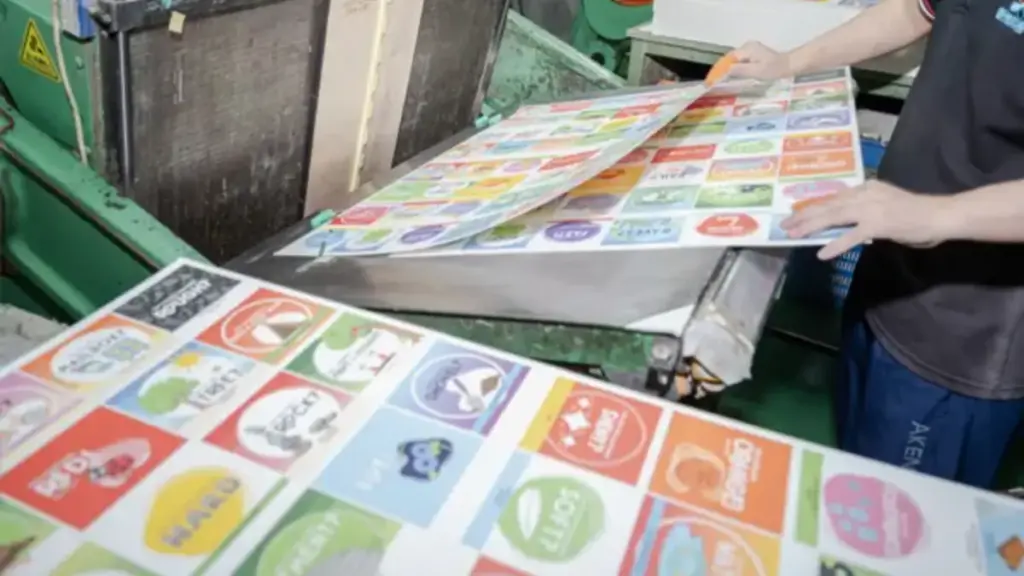
MOQ determina il tuo punto di pareggio. I volumi elevati diluiscono i costi fissi e sbloccano sconti sulle materie prime, mentre i piccoli ordini gonfiano i prezzi unitari e distolgono l’attenzione dei fornitori.
I vantaggi in termini di costi di MOQ elevati
Raggiungere o superare quantità minime di ordine sblocca economie di scala che riducono direttamente i profitti. Le fabbriche preferiscono grandi tirature perché massimizzano i tempi di attività della macchina e semplificano la pianificazione.
- Approvvigionamento di materiale sfuso: L’acquisto su larga scala riduce direttamente i prezzi perché i fornitori offrono sconti sulla quantità delle materie prime.
- Diluire i costi fissi: Distribuire le spese fisse come l'installazione della macchina e il controllo qualità su un lotto più grande riduce drasticamente la spesa per unità.
- Stabilità della catena di fornitura: La domanda prevedibile stabilizza l’intera catena di approvvigionamento. Ciò riduce al minimo i costi imprevisti di approvvigionamento e spedizione per i produttori che operano in 2026.
I rischi finanziari delle piccole produzioni
Effettuare ordini al di sotto delle soglie MOQ ottimali garantisce che pagherai un premio. Le fabbriche devono recuperare i tempi di setup iniziali e le spese generali, costringendoli a concentrare tali spese in un numero minore di unità.
- Costi fissi non assorbiti: La preparazione della macchina e la manodopera rimangono costanti indipendentemente dalle dimensioni del lotto. In una piccola corsa, questi costi non assorbiti gonfiano pesantemente i prezzi unitari.
- Attrito operativo: I piccoli ordini frammentano l’attenzione dei fornitori e interrompono l’efficienza della fabbrica, il che, in definitiva, aumenta i costi di elaborazione amministrativa.
- Trade-off sui costi di mantenimento: Gli acquirenti devono bilanciare i minimi di ordine bassi con le spese di stoccaggio. L'accumulo di scorte per garantire tariffe di fabbrica migliori introduce a 20% A 30% costo di mantenimento annuale.
È necessario valutare il premio di un breve periodo rispetto al drenaggio del flusso di cassa derivante dallo stoccaggio in magazzino. Ordinare al MOQ ottimale del fornitore bilancia l’efficienza della produzione con una gestione snella delle scorte.
Costi di spedizione e logistica
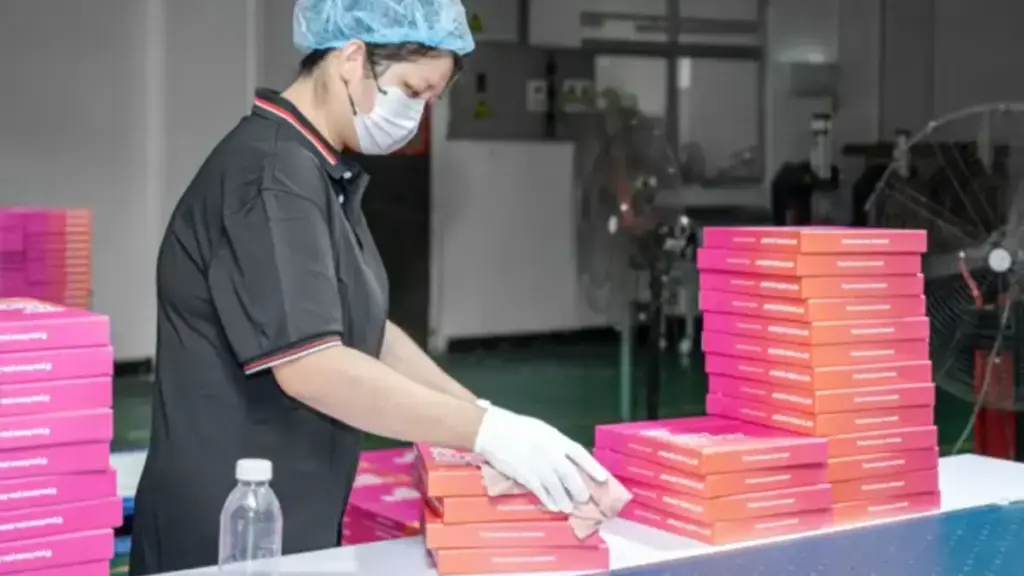
Comandi di trasporto fino a 70% dei budget logistici, mentre il routing intelligente e gli spostamenti delle scorte aiutano i produttori a recuperare i margini perduti in un mercato volatile.
Componenti primarie delle spese logistiche
I costi logistici di produzione si suddividono in tre aree principali che influiscono direttamente sui profitti. Il monitoraggio di queste categorie aiuta a individuare esattamente dove si verifica l’erosione dei margini.
- Trasporti: Rivendica la quota maggiore a 60% A 70%, fortemente trainato dai prezzi dei carburanti, supplementi del vettore, e prezzi relativi al peso dimensionale.
- Magazzinaggio: Riprende 15% A 25% del budget totale per coprire i costi del lavoro, operazioni della struttura, e tariffe di stoccaggio di terze parti.
- Trasporto dell'inventario: Ne aggiunge un altro 5% A 15%, una spesa che aumenta in modo affidabile man mano che le catene di approvvigionamento si espandono e le aziende detengono più azioni.
Metodi pratici per la riduzione dei costi
Ridurre queste spese richiede l’abbandono di una pianificazione logistica reattiva e un’implementazione rigorosa, controlli a livello di sistema in tutte le vostre operazioni.
- Ottimizzazione del percorso: Il software avanzato calcola percorsi efficienti e combina il trasporto, minimizzando il consumo di carburante e riducendo i ritardi di consegna.
- Rettifiche di inventario: I produttori stanno abbandonando i rigidi sistemi just-in-time, optando invece per l’accumulo strategico di scorte o per strutture di prossimità per evitare colli di bottiglia a livello globale.
- Integrazione digitale: Il tracciamento GPS nel cloud e la documentazione automatizzata eliminano gli errori manuali, migliorando immediatamente l’efficienza operativa e la trasparenza della catena di fornitura.
Come ridurre i costi di produzione delle carte di affermazione
Standardizzare le taglie, saltando le finiture premium, e il corretto dimensionamento dell'imballaggio sono il modo più rapido per ridurre drasticamente i costi di produzione delle carte senza compromettere la qualità del prodotto.
Semplificare finiture e packaging
Trattamenti superficiali e scatole personalizzate di grandi dimensioni gonfiano rapidamente i preventivi di produzione. Puoi mantenere un aspetto professionale proteggendo i tuoi margini evitando componenti aggiuntivi di lusso e standardizzando la logistica.
- Rivestimenti di base: Scegli finiture di base opache o lucide invece di rivestimenti premium per ridurre i costi unitari 20 A 30 per cento.
- Dimensionamento dell'astuccio: Standardizza l'imballaggio con scatole più sottili, dimensionate esattamente in base alle dimensioni della tua carta per evitare sovrapprezzi in termini di materiale e dimensionamento.
- Adempimento del POD: Sfrutta i servizi di stampa su richiesta per ridurre al minimo i requisiti di imballaggio e le spese generali di inventario.
Scelta di combinazioni di materiali economicamente vantaggiose
La selezione dei materiali determina l'economia dell'unità di base. Trovare il giusto equilibrio tra le dimensioni delle carte, densità della carta, e le capacità dei fornitori aumentano direttamente la vostra redditività.
- Dimensioni compatte: Abbina dimensioni compatte come 2,5×3,5 pollici con standard 300 Cartoncino DPI per mantenere bassi i costi per mazzo $2 A $5 per piccole tirature.
- Acquisto in blocco: Combina azioni standard di alta qualità con opzioni di acquisto in blocco per abbassare i prezzi unitari sugli ordini combinati.
- Verifica del campione: Richiedi campioni di stampanti per verificare l'accuratezza del colore e lo spessore delle scorte prima di effettuare un ordine all'ingrosso.
Progettare per una produzione efficiente
Layout complessi creano colli di bottiglia nella produzione e aumentano gli sprechi di materiale. Un design user-friendly elimina gli errori di rifilatura e accelera l'intera fase di assemblaggio in fabbrica.
- Modelli pronti per la stampa: Crea pulito, layout minimalisti a 300 DPI utilizzando modelli per garantire bordi privi di sbavature e un taglio preciso.
- Conteggi delle carte ottimizzati: Pianifica per 45 A 50 carte per mazzo con semplici elementi visivi per semplificare le fasi di taglio e assemblaggio.
- Prototipazione fisica: Progetta prototipi utilizzando la stampa domestica o campioni locali per perfezionare i dettagli e selezionare la compatibilità delle caselle prima dell'outsourcing.
Considerazioni finali
Inizialmente piccole produzioni e materiali economici potrebbero sembrare allettanti, ma erodono rapidamente i margini di profitto e la percezione del marchio. Bilanciare la quantità minima dell'ordine con dimensioni standardizzate e imballaggi ottimizzati protegge i profitti dai costi volatili della catena di fornitura. Il controllo di queste specifiche variabili di produzione garantisce la creazione di un piano di affermazione redditizio senza sacrificare la qualità della vendita al dettaglio.
Smetti di indovinare i costi di produzione e collabora con Xinyi, un produttore leader con 25 anni di competenza. Raccomandiamo di valutare in prima persona la densità della nostra carta di alta qualità e le strutture delle scatole di lusso. Contatta il team Xinyi oggi stesso per comporre le vostre specifiche esatte, ottimizzare i tuoi margini, e assicurati un preventivo preciso sul volume per il tuo prossimo progetto ad alta crescita.
Domande frequenti
Quanto costa stampare 1000 mazzi di affermazione?
Stampa 1,000 i mazzi di affermazione costano tra $1,000 E $5,000, crollando a $1 A $5 per ponte. La produzione in serie offre la scala migliore, riducendo i costi per mazzo a $1 A $4.99. I servizi di stampa su richiesta fanno aumentare il prezzo, solitamente tra $4.25 E $10.95 per ponte per lo stesso volume. Il prezzo finale dipende dal numero di carte, peso della carta, finiture speciali, e confezionamento personalizzato.
Qual è il cartoncino più economico per le carte personalizzate?
Standard 65-80 Il cartoncino con grammatura base di libbre fornisce la base più conveniente. UN 67 Il cartoncino bianco da libbra offre un solido equilibrio tra stampabilità e rigidità senza i ricarichi premium delle finiture lucide o in lino. Ordinazione di fogli all'ingrosso all'ingrosso in 12×12 dimensioni per una fustellatura efficiente riducono regolarmente il costo per foglio $0.15.
Le scatole personalizzate sono costose per i set di carte?
Le scatole personalizzate rimangono altamente convenienti quando ordini all'ingrosso. Una volta raggiunta la soglia delle 2.000 unità, i costi unitari scendono a metà $1.45 E $3.60. Le tirature più piccole costano molto di più per scatola. Aggiunta di aggiornamenti come truciolato rigido, incisione laser personalizzata, o inserti specializzati aumentano il prezzo finale.
Come posso ridurre il prezzo della stampa di carte personalizzate?
Puoi ridurre drasticamente i costi di stampa ordinando quantità maggiori per sfruttare le economie di scala. Attenersi ai formati standard del settore e ai supporti di carta non patinata per evitare costi di rifilatura personalizzata e materiali speciali. Limitare la grafica a uno o due colori e progettare senza sbavature riduce drasticamente anche le spese di prestampa e produzione.
Il bordo in lamina d'oro aumenta significativamente il costo?
SÌ, l'aggiunta di un bordo in lamina d'oro aumenta i costi di produzione totali di 10% A 30%. L’aumento del prezzo dell’oro grezzo, macchinari specializzati, e il lento processo di applicazione del calore e della pressione determinano questo ricarico. Per ridurre i costi senza perdere la sensazione premium, optare per bordi verniciati o lamine metalliche alternative come argento e bronzo.
Qual è la tariffa di installazione tipica per la produzione delle carte?
Le spese di installazione di solito vanno da $50 A $2,000 per lavoro. Questa tariffa una tantum copre la preparazione dell'attrezzatura essenziale, compresa la creazione di lastre da stampa, schermi, e la calibrazione dei macchinari. L'importo esatto dipende dal metodo di stampa, conteggio dei colori, e la complessità complessiva della personalizzazione. Ordinare quantità maggiori distribuisce questo costo fisso su più unità, abbassando il prezzo effettivo per carta.