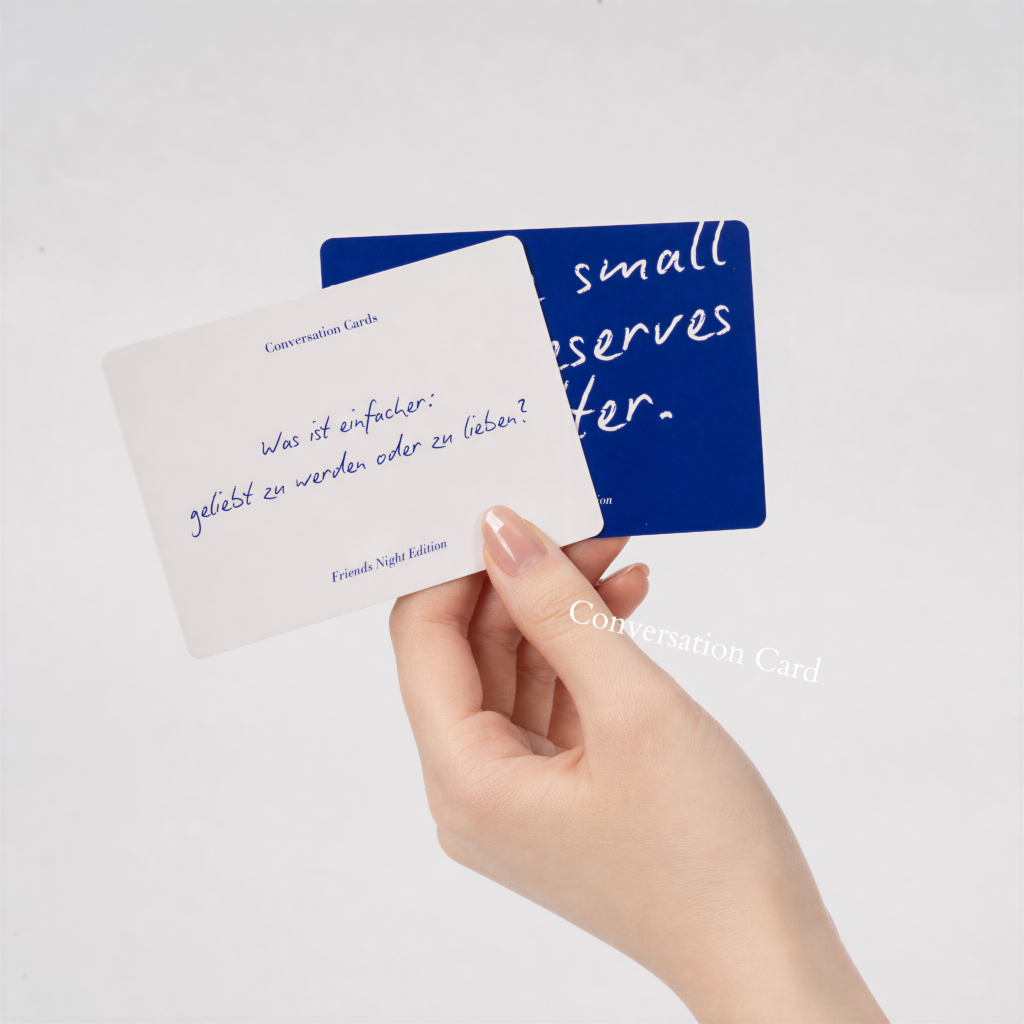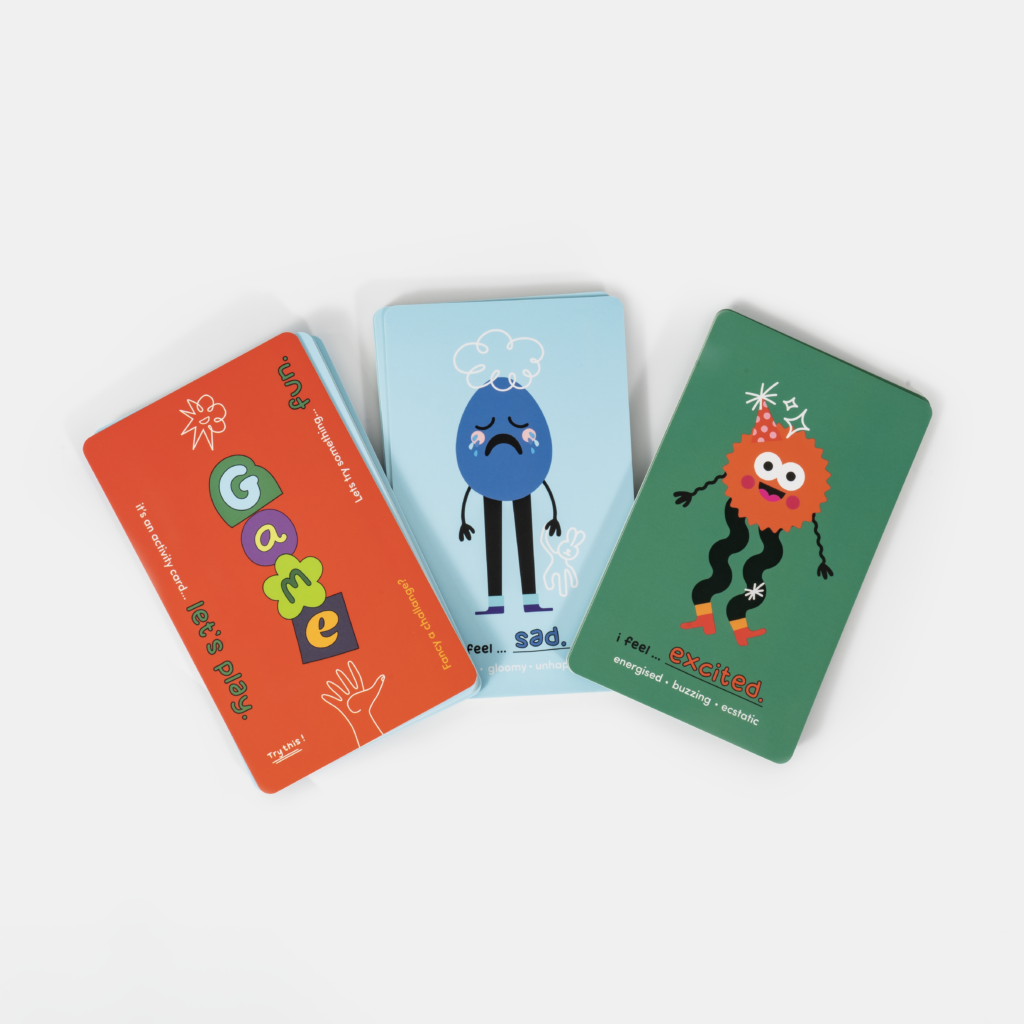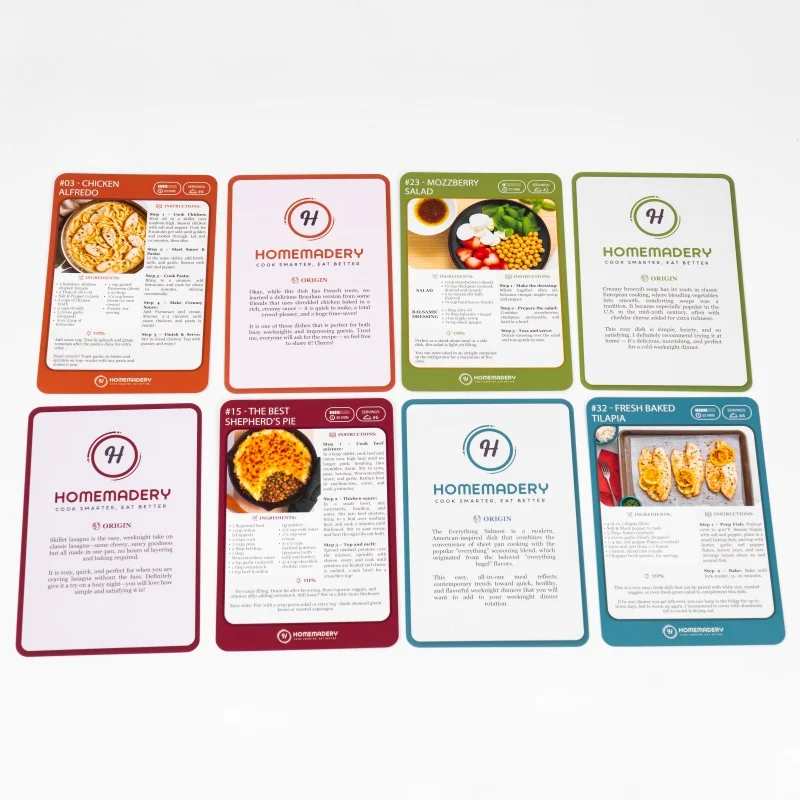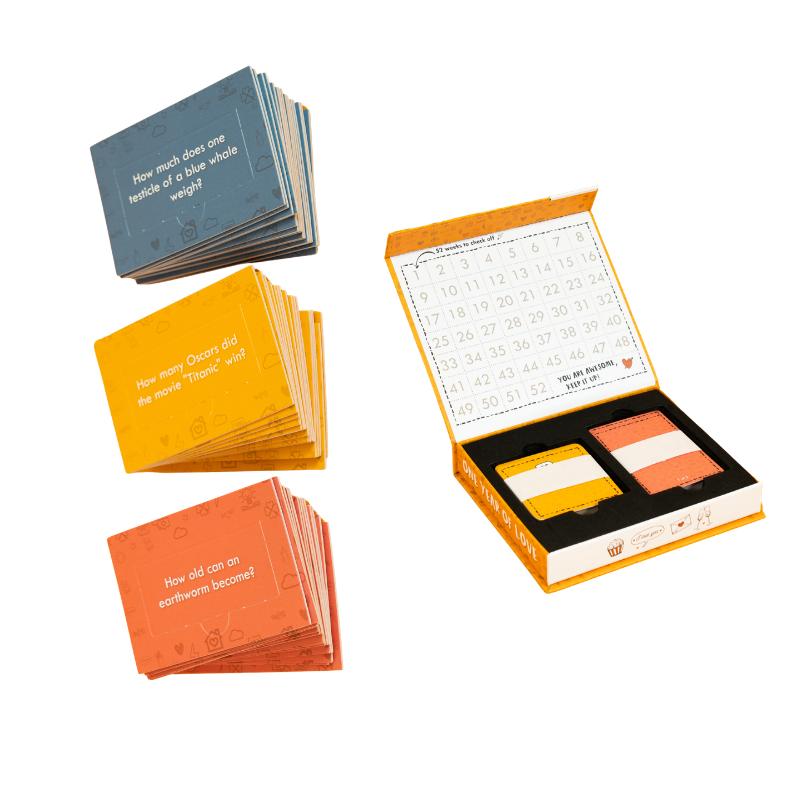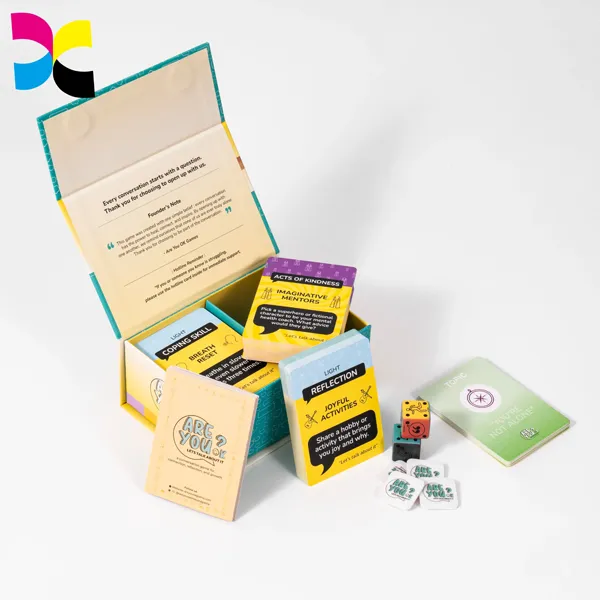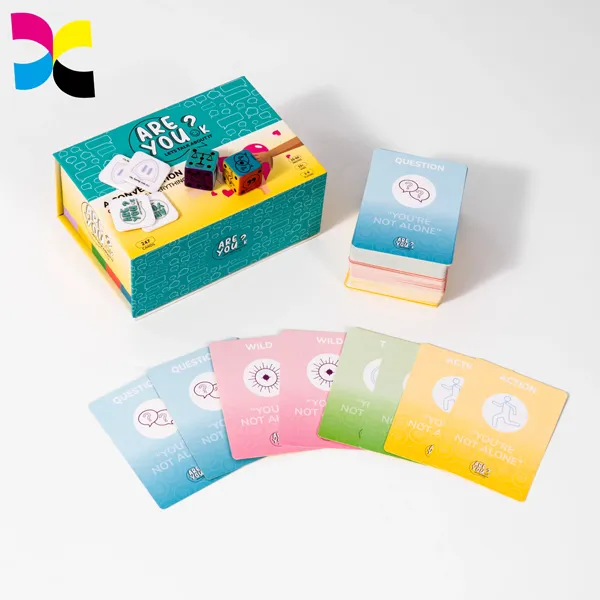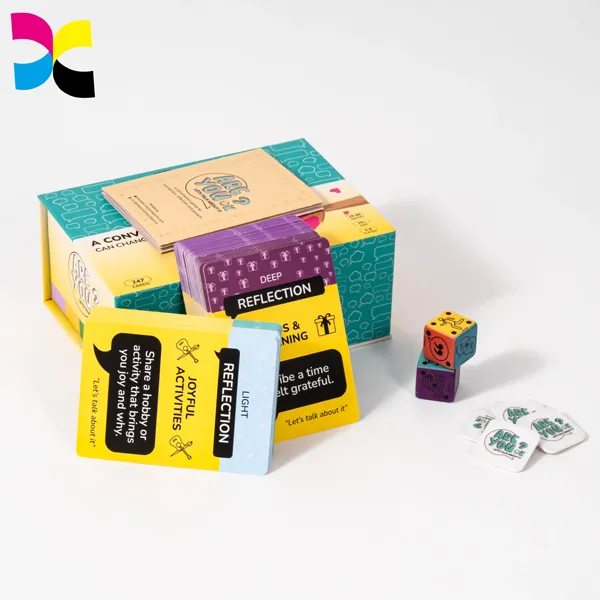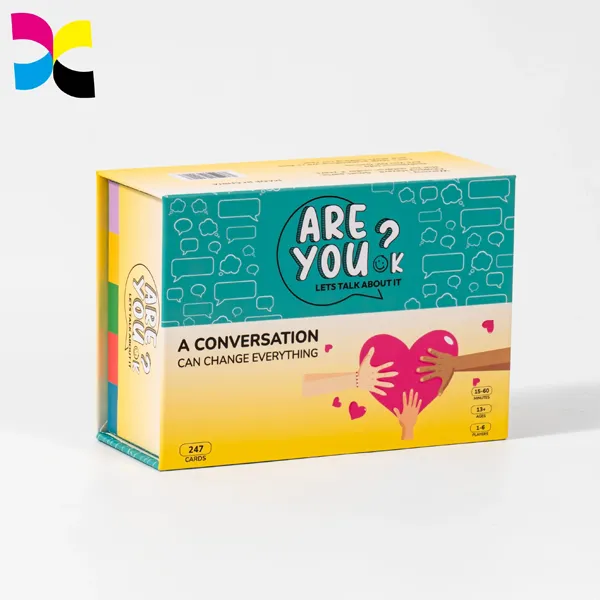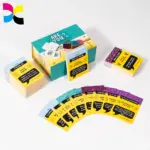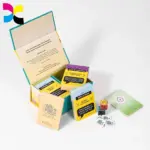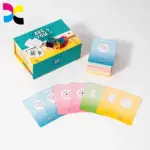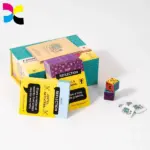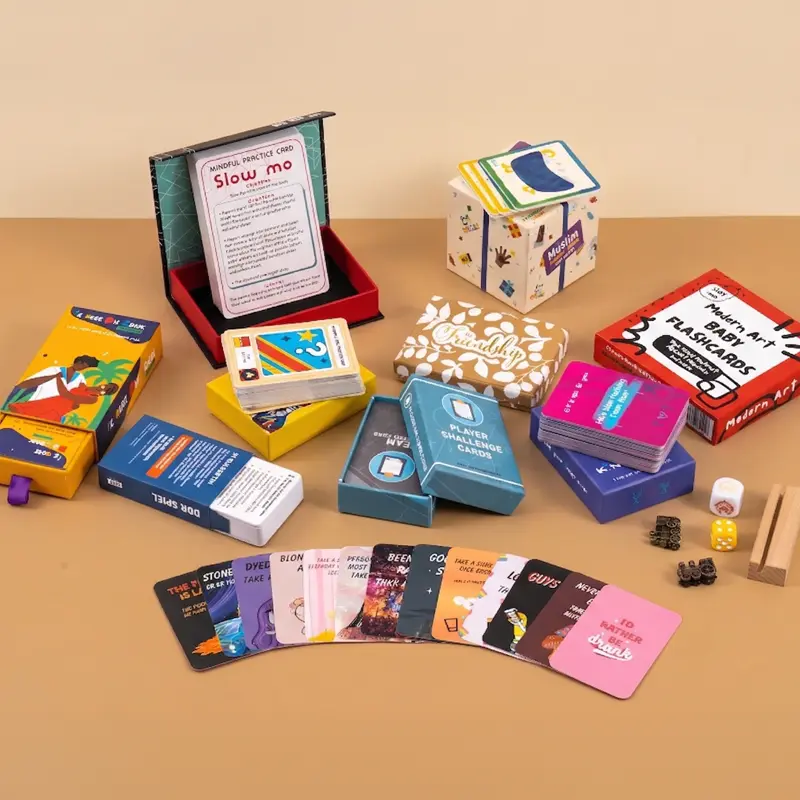
¿Alguna vez has notado que diferentes naipes pueden sentirse completamente diferentes en tus manos?? La elección de la cartulina, textura de la superficie, y el proceso de acabado juega un papel importante en la experiencia general de la tarjeta.. Los naipes premium suelen tener una mayor rigidez., una textura superficial más refinada, y una sensación de manejo más cómoda.
Entre varios acabados de naipes., Los naipes con acabado de lino son una de las opciones más reconocibles y utilizadas. Con una textura tejida única en la superficie., este acabado proporciona un mejor agarre, manejo más suave, y una experiencia táctil premium. Se ha convertido en una opción popular para los naipes profesionales., barajas con calidad de casino, juegos de cartas coleccionables, y proyectos de tarjetas personalizadas de lujo.
En este artículo, Exploraremos los diferentes tipos de acabados de naipes y veremos más de cerca cómo el acabado del lino mejora la calidad., apariencia, y rendimiento de los naipes. Ya sea que esté diseñando una baraja de cartas personalizada o buscando soluciones profesionales de impresión de naipes, Esta guía le ayudará a comprender mejor las opciones de acabado disponibles para su proyecto..
Cuáles son Naipe Acabados?
El acabado superficial de los naipes se refiere al tratamiento o textura aplicado a las cartas después de la impresión.; afecta su apariencia, sentir, Rendimiento aleatorio y rendimiento general en uso..
A diferencia de los propios diseños impresos., el acabado de la superficie determina la sensación, durabilidad y calidad general de toda la plataforma.
En impresión de naipes personalizados, El acabado de la superficie es un factor clave en la producción de naipes de calidad profesional..
Los acabados de superficie de naipes comunes incluyen:
1.Acabado liso
Los naipes con acabado liso cuentan con una superficie plana., superficie pulida con textura mínima. Este acabado proporciona una apariencia limpia y refinada al mismo tiempo que permite imprimir colores., ilustraciones, y finos detalles para destacar claramente. Es una excelente opción para mazos que se centran en la calidad visual y el arte detallado..
Los naipes con acabado liso suelen estar disponibles en dos opciones de superficie principales:
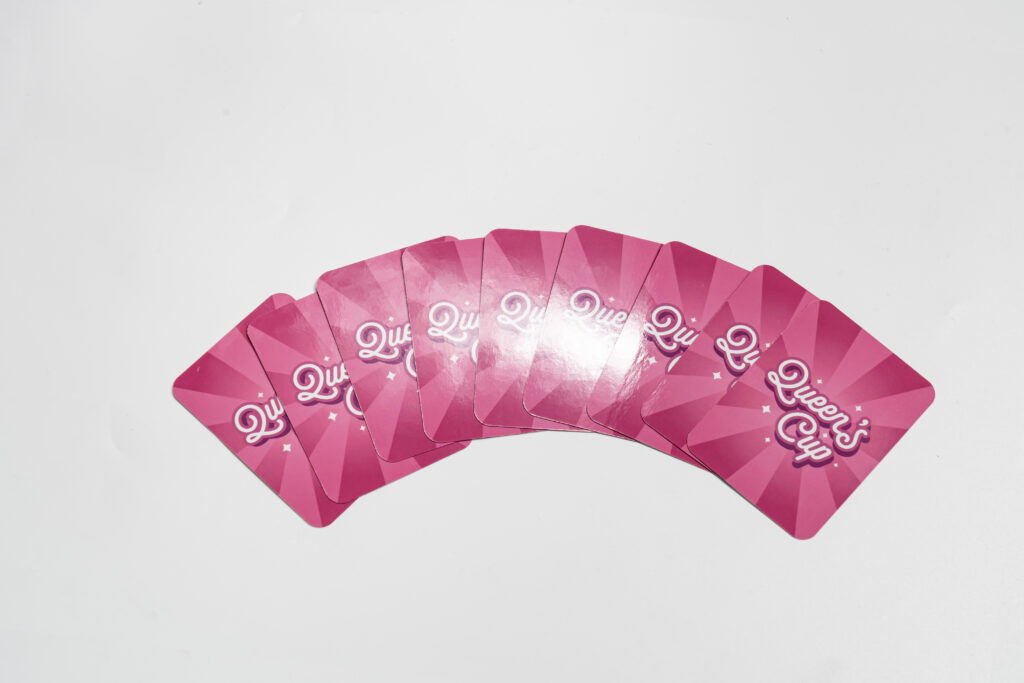
Laminación brillante
La laminación brillante crea un brillo, Superficie reflectante que mejora la intensidad del color y hace que los gráficos impresos parezcan más vívidos y llamativos.. El revestimiento brillante proporciona un tacto suave y añade una capa protectora a las tarjetas..
Sin embargo, por su carácter reflexivo, Puede producir deslumbramiento en condiciones de iluminación intensa..
Laminación mate
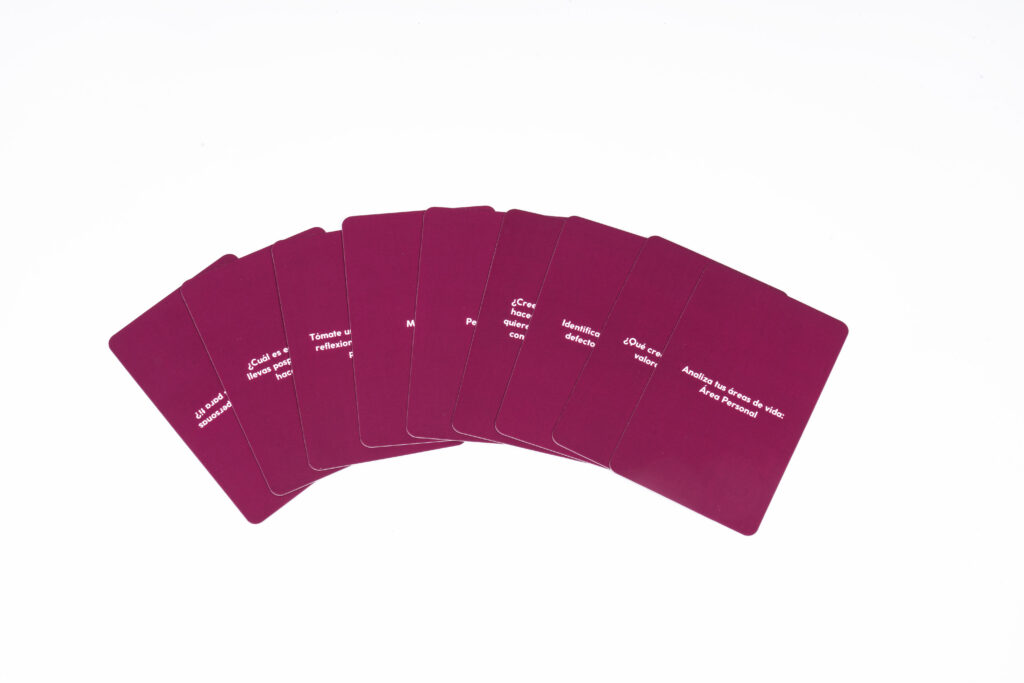
La laminación mate ofrece una suavidad, Superficie no reflectante con una apariencia suave y elegante..
Ayuda a reducir el deslumbramiento y mejora la legibilidad., haciéndolo adecuado para barajas artísticas, tarjetas educativas, y productos de tarjetas premium que requieren un acabado sofisticado.
2.Acabado con colchón de aire
El acabado con colchón de aire es uno de los tratamientos de superficie más populares utilizados para naipes profesionales.. Crea una textura con micro relieve en la superficie de la tarjeta., formando pequeños canales de aire que reducen la fricción entre las tarjetas.
Esta textura única permite que las cartas se muevan más suavemente durante el barajado., relación comercial, y manejo. El acabado con colchón de aire se usa ampliamente para naipes de casino., mazos de póker, y tarjetas gaming profesionales por su excelente rendimiento y durabilidad.
3.Acabado de lino.
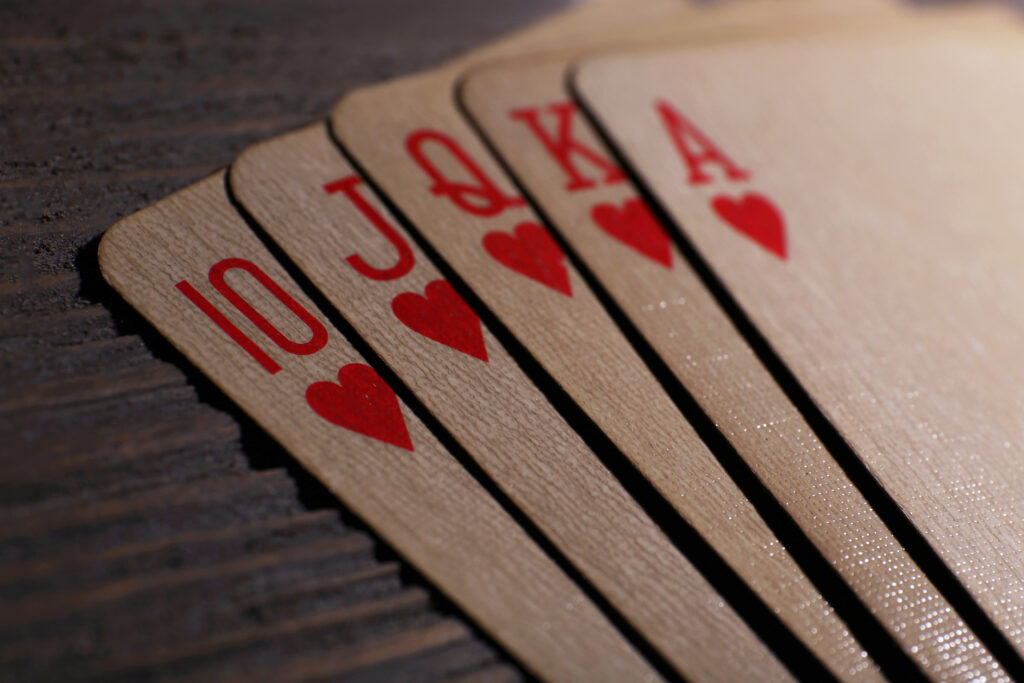
Naipes con acabado de lino. Presentan una fina textura rayada que se asemeja a la superficie de la tela de lino.. Este acabado texturizado mejora la experiencia de agarre y manejo al tiempo que proporciona una sensación táctil superior..
La textura del lino ayuda a reducir el deslizamiento entre las tarjetas., hacer que barajar y repartir sea más fluido. Debido a su combinación de funcionalidad y apariencia de lujo., El acabado de lino se usa comúnmente para naipes de alta gama., barajas coleccionables, juegos de cartas personalizados, y cartas de póquer premium.
4.Acabado de revestimiento de plástico
Los naipes recubiertos de plástico están cubiertos con una capa protectora de plástico que mejora la durabilidad., resistencia al agua, y esperanza de vida general.
Estas cartas son ideales para juegos al aire libre., cubiertas de uso frecuente, y entornos donde las tarjetas pueden entrar en contacto con humedad o derrames. El revestimiento de plástico facilita la limpieza de las tarjetas y ayuda a mantener su apariencia incluso después de un uso repetido..
Los naipes recubiertos de plástico a menudo se consideran una opción duradera para los jugadores que necesitan un rendimiento duradero y un mantenimiento sencillo..
Los naipes resistentes al agua producidos mediante este proceso también son ideales para barajas de magia profesionales..
Opciones de acabado adicionales para naipes personalizados
Además de los acabados mencionados anteriormente, Los naipes personalizados también se pueden mejorar con varios acabados especiales para crear efectos visuales únicos y experiencias premium..
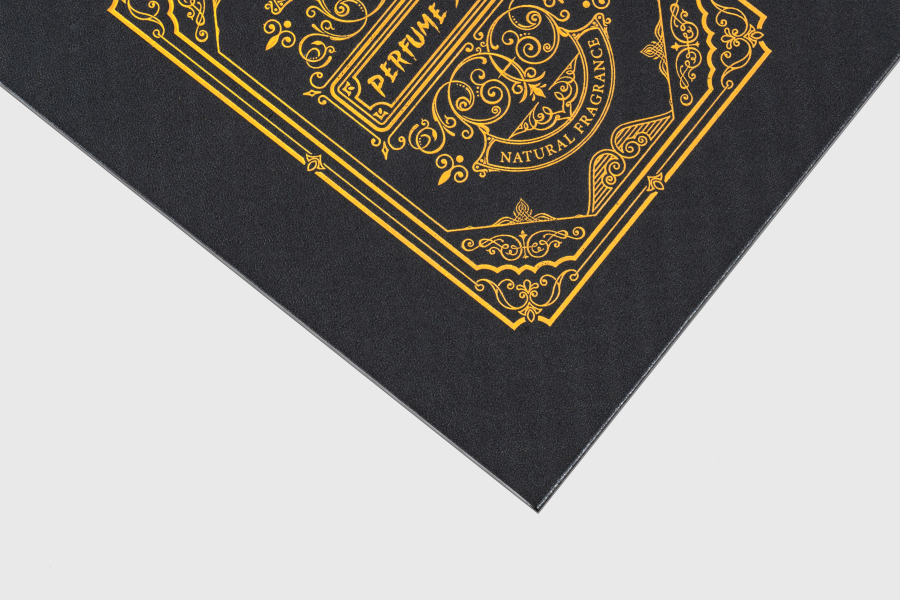
Estampado
El estampado con lámina aplica lámina metálica en áreas seleccionadas de la superficie de la tarjeta., creando un efecto lujoso con oro, plata, holográfico, o acabados de colores personalizados.
Recubrimiento UV spot
Spot UV agrega un efecto brillante en relieve a áreas específicas del diseño de la tarjeta, creando contraste entre superficies mate y brillantes mientras resalta los logotipos, patrones, o detalles de la obra de arte.
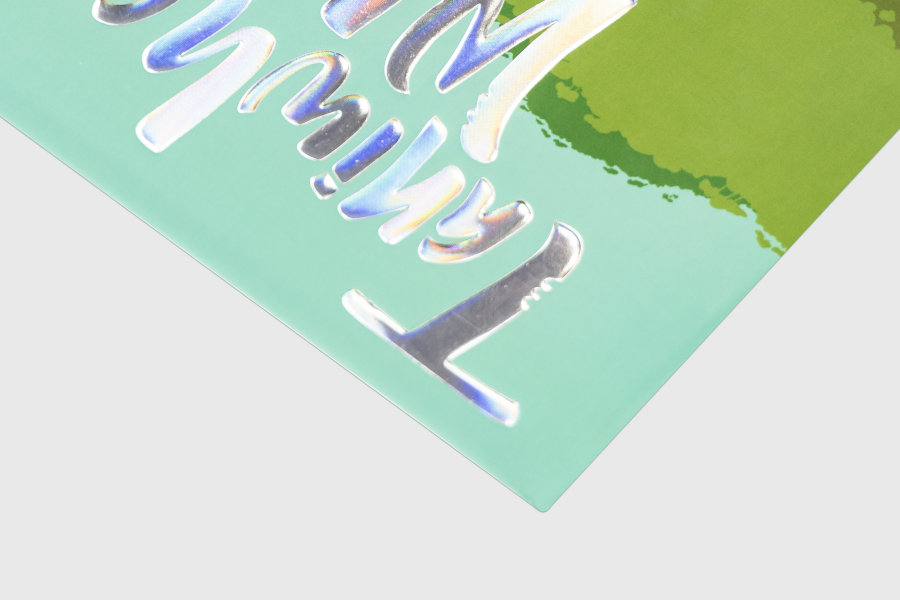
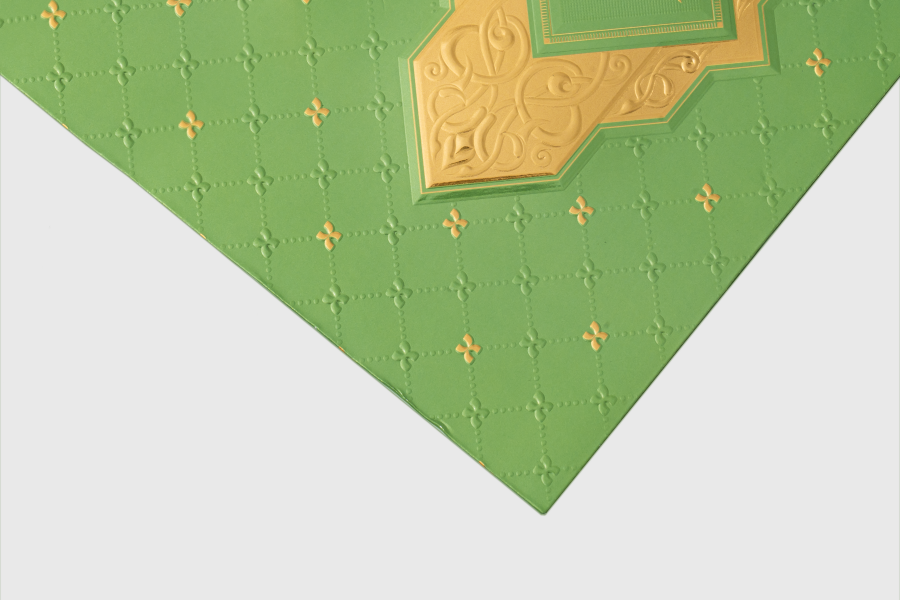
Estampado y grabado
El relieve realza elementos de diseño seleccionados, mientras el grabado los presiona contra la superficie de la tarjeta. Estas técnicas añaden profundidad y una sensación tridimensional premium..
Entendiendo los naipes con acabado de lino
Como se mencionó anteriormente,El acabado de lino se refiere a una superficie de tarjeta texturizada creada mediante un proceso de estampado.. Durante la producción, Los fabricantes presionan la superficie de la tarjeta con un rodillo de patrón especial para crear pequeñas líneas elevadas que forman una textura tejida..
A diferencia de las tarjetas suaves, Las tarjetas con acabado de lino tienen un patrón táctil notable que se puede sentir al tocar la superficie..
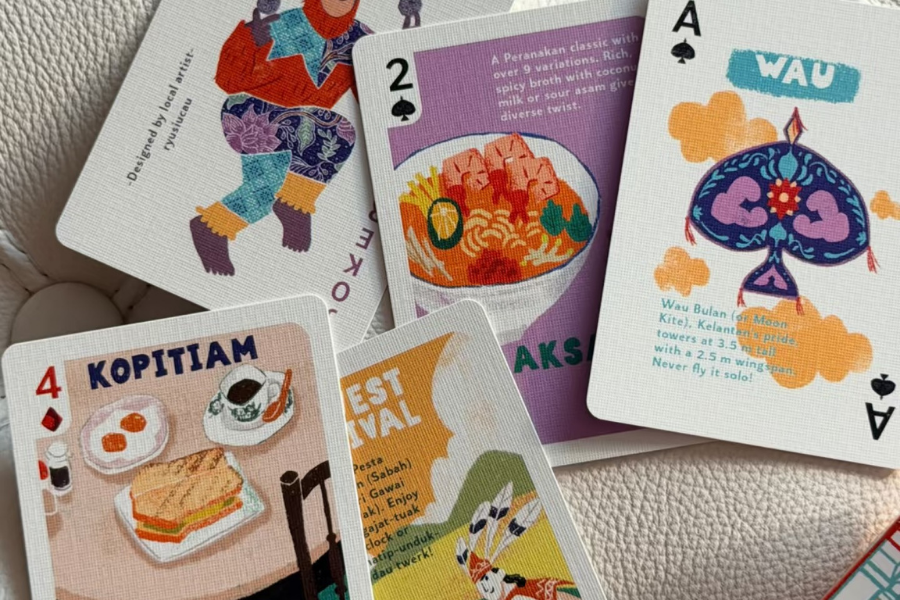
¿Cómo se ve la textura del lino??
La textura del lino generalmente presenta un fino patrón de rayado que se asemeja a la estructura tejida de la tela..
Aunque la textura es sutil., Agrega una calidad táctil superior a los naipes., dándoles una apariencia más sofisticada y lujosa. Esta superficie texturizada también ayuda a reducir el deslumbramiento., permitiendo a los jugadores disfrutar de la obra de arte impresa más cómodamente bajo diferentes condiciones de iluminación.
¿Cómo se siente la textura del lino??
Los naipes con acabado de lino proporcionan un toque ligeramente texturizado.. Los jugadores pueden experimentar tanto la suavidad de la superficie de las cartas como la mayor fricción entre las cartas durante el barajado..
Esta textura permite que las tarjetas se deslicen suavemente durante el manejo y evita el deslizamiento excesivo., creando una experiencia de juego equilibrada y cómoda.
Por esta razón, muchas marcas de póquer premium, editores de juegos de mesa, y los fabricantes de naipes personalizados eligen la tecnología de acabado de lino para mejorar la calidad y el rendimiento de sus barajas de cartas..
Entre los distintos acabados superficiales disponibles, la que más se diferencia de la textura del lino es el ‘Acabado Liso’. Este acabado da como resultado una suave, superficie uniforme. Porque esta técnica de impresión es rentable y requiere un proceso de producción más sencillo., Los fabricantes lo utilizan a menudo para naipes estándar., obsequios promocionales, y tarjetas destinadas a un uso a corto plazo.
Echemos ahora un vistazo más de cerca a los naipes laminados lisos.. De paso, en Xinyi, incluso con un acabado laminado liso, Podemos asegurarnos de que sus naipes conserven una sensación premium..
¿Qué es el acabado liso en los naipes??
Como se mencionó anteriormente, El acabado liso se refiere a una superficie de tarjeta sin ninguna textura en relieve.. La superficie es plana, limpio, y pulido, creando una apariencia elegante y refinada.
Por su superficie lisa, la luz se puede reflejar de manera más uniforme, Permitir a los jugadores ver la obra de arte impresa claramente bajo diferentes condiciones de iluminación.. Con mínima fricción superficial, Los naipes con acabado suave ofrecen un manejo rápido y sin esfuerzo., lo que los convierte en una opción popular para juegos de ritmo rápido donde el movimiento rápido de las cartas y una jugabilidad fluida son esenciales.
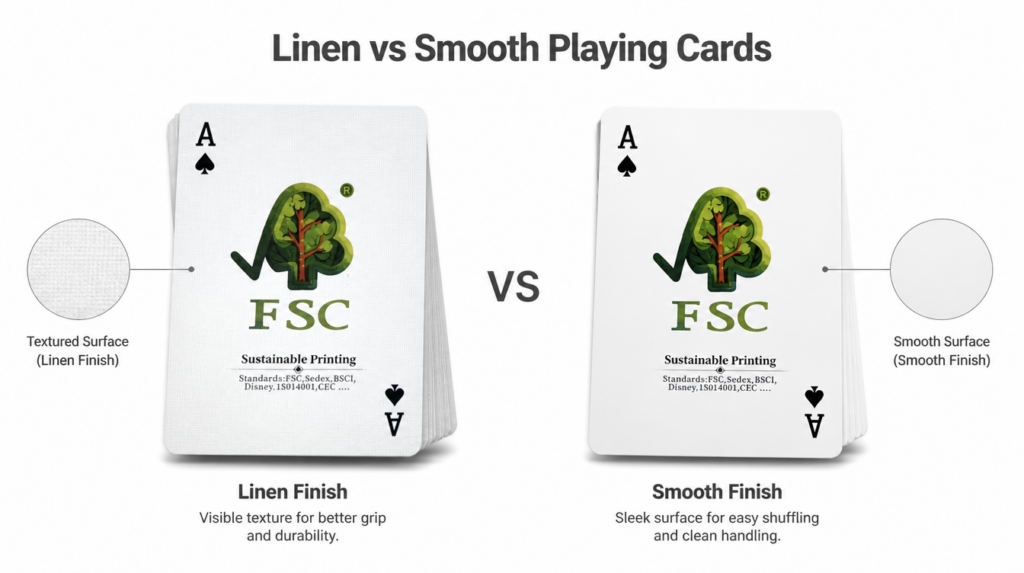
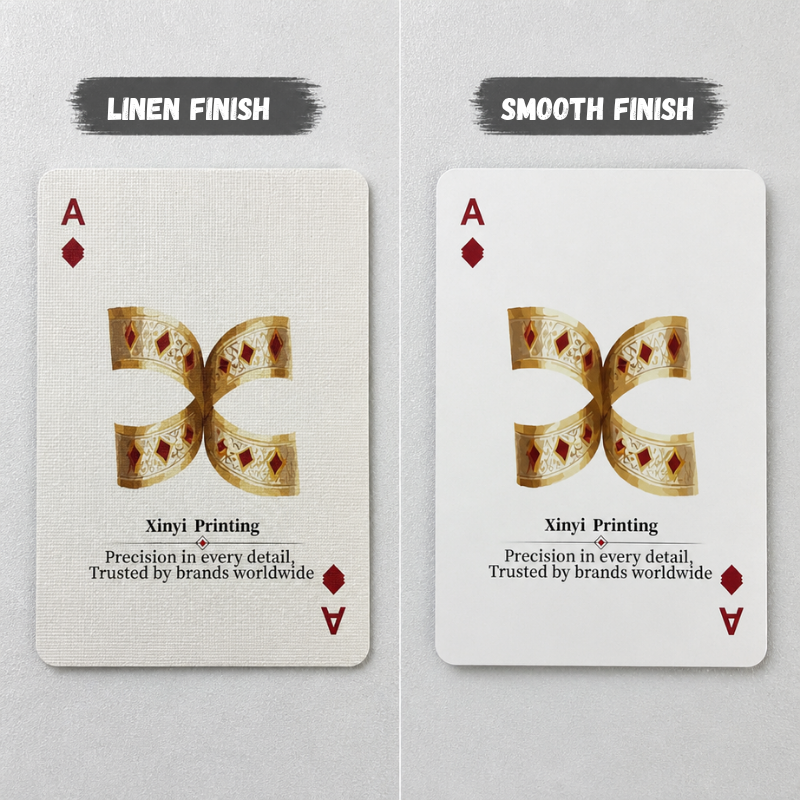
Naipes con acabado de lino versus naipes con acabado liso: ¿Cuál es la diferencia??
Los fabricantes utilizan ampliamente tanto el acabado de lino como el acabado liso en la producción de naipes., pero cada uno proporciona una experiencia de juego completamente diferente.
| Característica | Acabado de lino. | Acabado liso |
| Superficie | Patrón texturizado en relieve | Superficie plana y lisa |
| Agarre | Mejor agarre y control | Sensación más resbaladiza |
| Barajar | Controlado y equilibrado | Movimiento de tarjeta más rápido |
| Apariencia | Aspecto texturizado premium | Aspecto limpio y sencillo |
| Tocar | Sensación táctil similar a la de una tela | Pulido y sedoso |
| Huellas dactilares | menos visible | Más notorio |
| Uso | Cubiertas de lujo, cartas de poker, tarjetas estilo casino | Naipes estándar, barajas promocionales |
Como se muestra en la imagen de abajo, Esta es una comparación detallada entre naipes con acabado liso y con acabado texturizado.. La imagen resalta claramente las diferencias en la textura de la superficie y la apariencia entre estos dos acabados..
¿Cómo se fabrican los naipes con acabado de lino??
La producción de naipes con acabado de lino de alta calidad implica una serie de procesos de fabricación de precisión.. Desde la preparación del arte hasta la textura final en relieve., cada paso contribuye a la apariencia de la plataforma, durabilidad, y manejo del rendimiento.
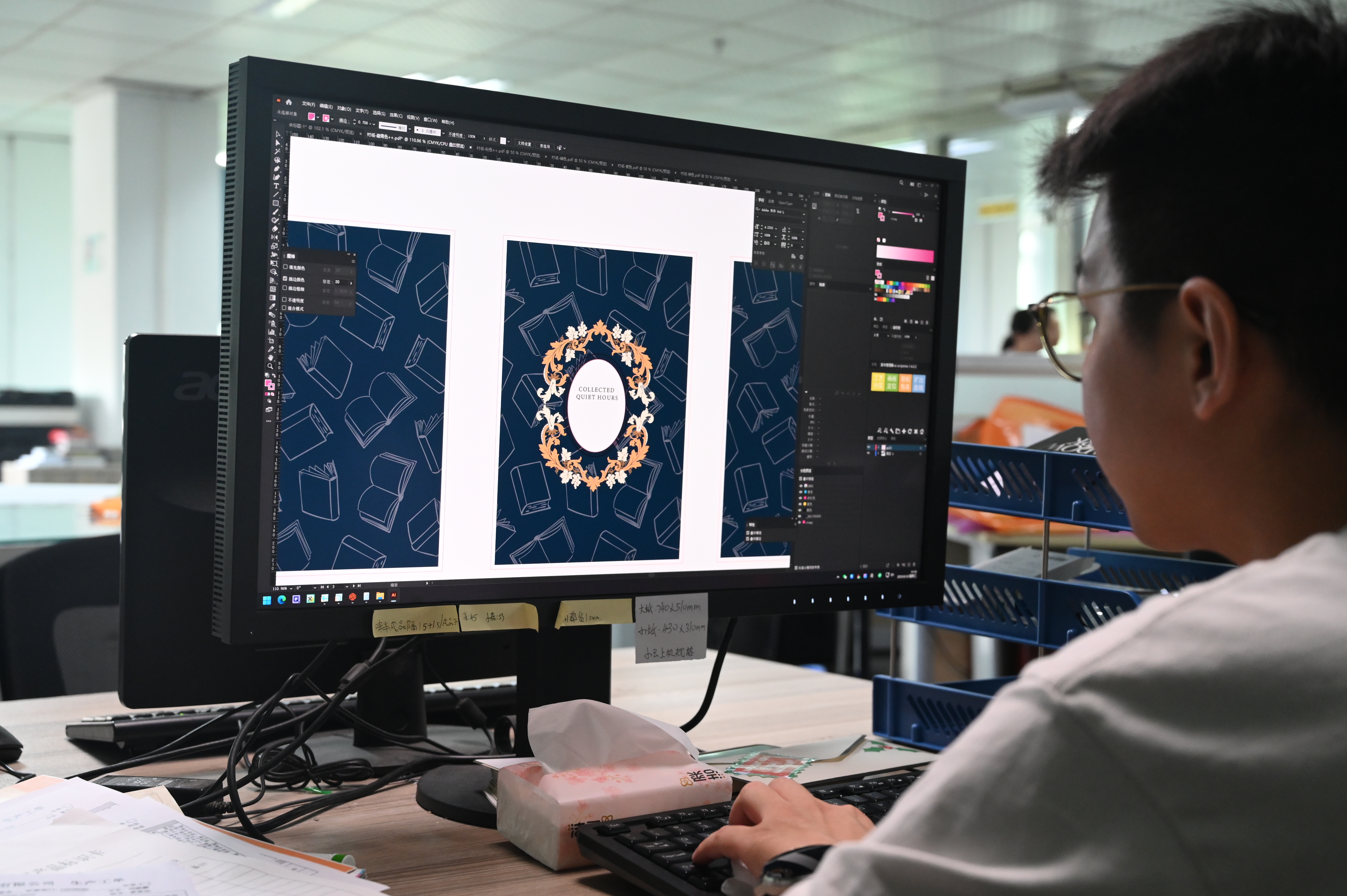
1. Preparación de obras de arte
Cada baraja comienza con una obra de arte digital.. Antes de que comience la producción, Los diseñadores revisan cuidadosamente el diseño de la tarjeta., asegurándose de que cada tarjeta esté cara, diseño de espalda, traje, número, color, y la línea de corte está correctamente posicionada.
A menudo se produce una prueba impresa para su inspección., permitiendo verificar cada detalle antes de que comience la producción en masa.
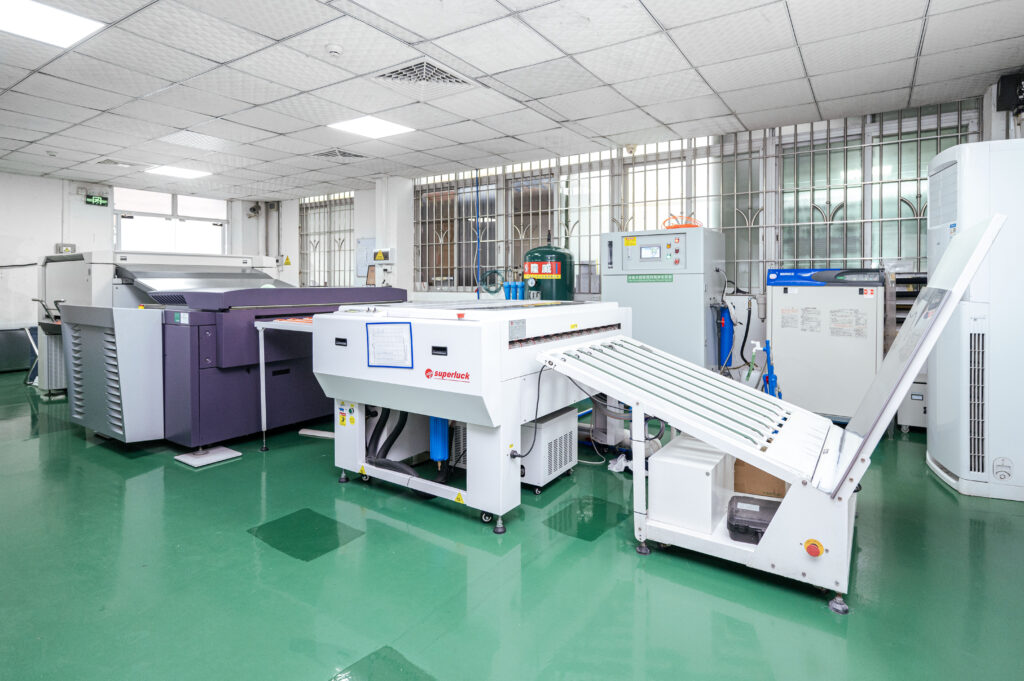
2. Fabricación de placas
Una vez aprobada la obra de arte, Las planchas de impresión se crean usando una computadora a plancha. (CTP) sistema. La tecnología láser transfiere la obra de arte digital directamente a planchas de impresión de aluminio con una precisión excepcional..
cada color (cian, Magenta, Amarillo, y negro) requiere su propia plancha de impresión dedicada, Garantizar una reproducción precisa del color durante todo el proceso de impresión..
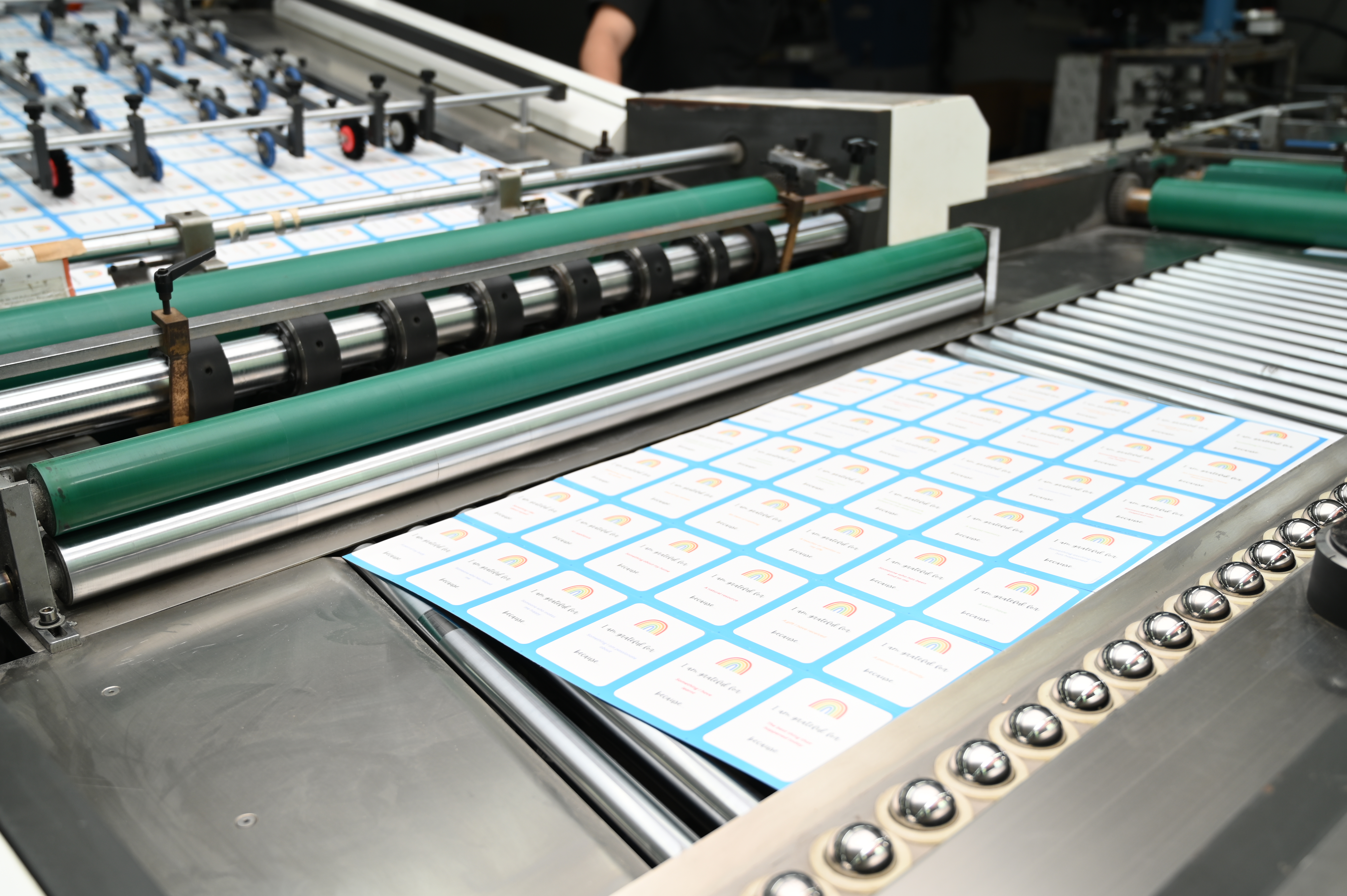
3. Impresión offset
Los naipes premium generalmente se producen mediante impresión offset de alta calidad..
Próximo, comienza la fase de impresión: Los trabajadores vierten tinta cian espesa en la fuente de tinta., mientras vierte simultáneamente los otros tres colores de tinta en sus respectivas fuentes. Mientras funciona la imprenta, La tinta de cada fuente se distribuye uniformemente en 16 rodillos, y el alimentador de papel entrega las hojas de cartulina una por una a la prensa.
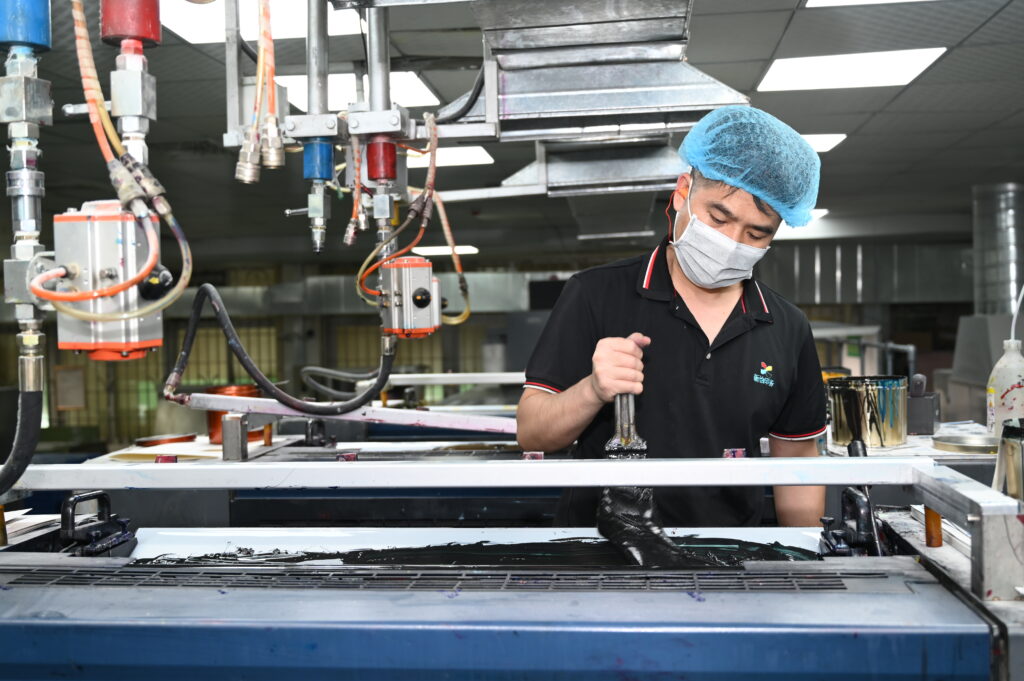
4. Laminar la cartulina
Después de imprimir, Se laminan varias capas de papel para crear un material de naipes duradero..
Una capa central de color (normalmente papel central azul o papel central negro) se une entre dos capas exteriores de papel.. Este centro opaco impide que los jugadores vean a través de las cartas., garantizar la equidad durante el juego y al mismo tiempo mejorar la rigidez y la durabilidad. Este es el paso crucial en la producción de naipes de núcleo azul o de núcleo negro. Para obtener más detalles sobre el papel de núcleo azul y de núcleo negro, por favor consulte este artículo:Cómo elegir el papel adecuado para el núcleo de tu naipe?
5. Creando el acabado de lino
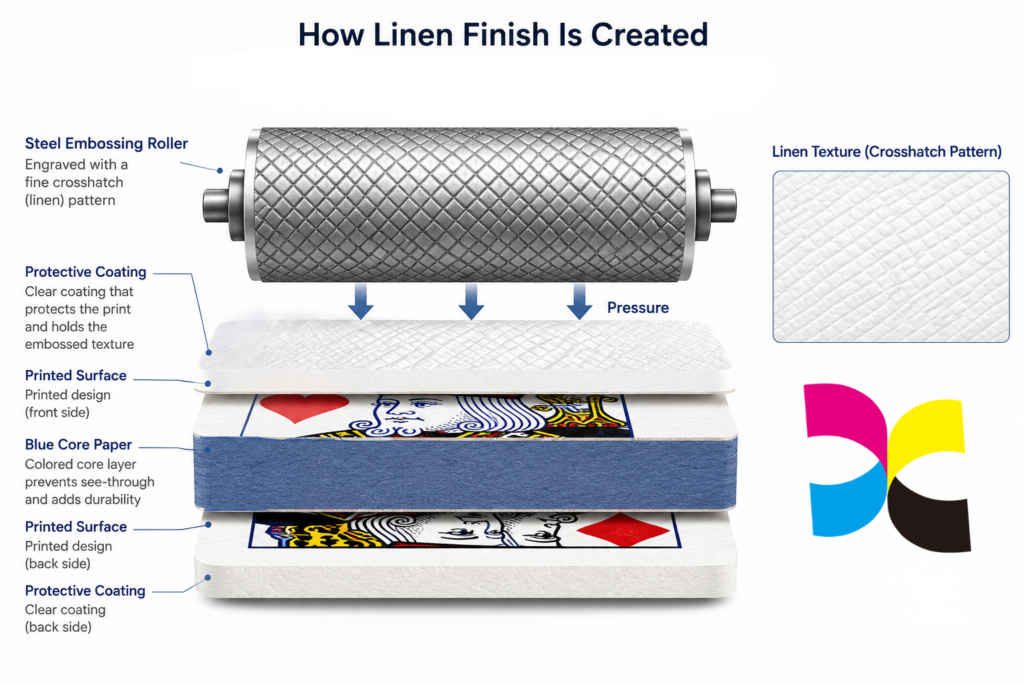
Este es el paso decisivo que transforma los naipes comunes en naipes con acabado de lino..
Después de que las hojas impresas reciban una capa protectora, Pasan por una máquina de estampado de precisión equipada con rodillos de acero grabado.. Bajo una presión cuidadosamente controlada, Los rodillos presionan un patrón fino de rayado en la superficie de la tarjeta..
A diferencia de los patrones impresos, la textura del lino está físicamente grabada en el revestimiento, creando la apariencia tejida distintiva y la sensación táctil asociada con los naipes premium.
Esta textura en relieve proporciona varias ventajas importantes.:
- Mejor agarre durante el juego
- Control aleatorio mejorado
- Reducción de huellas dactilares visibles
- Menos deslumbramiento bajo diversas condiciones de iluminación.
- Una experiencia táctil más premium
La presión de estampado, precisión del rodillo, y la formulación del recubrimiento deben controlarse cuidadosamente para garantizar una textura uniforme en cada lámina..
Como se muestra en la imagen de abajo:
6. Troquelado de precisión
Una vez que se completa el proceso de estampado., Las hojas impresas de gran tamaño pasan a equipos de corte automatizados..
Las cortadoras rotativas de alta velocidad primero dividen las hojas en tiras antes de que las máquinas troqueladoras de precisión separe cada naipe individual.
Cada tarjeta se corta con dimensiones exactas con bordes lisos y tolerancias de fabricación ajustadas..
También hemos mostrado el proceso de cortar y ensamblar las cartas en una baraja completa en nuestros videos de redes sociales.haga clic aquí para ver! Las cuchillas giratorias de la máquina primero cortan la cartulina en tiras y luego en naipes individuales.; Las cartas cortadas luego se reúnen en una baraja de 54 cartas y se mueven a la siguiente máquina..
7. Redondeo de esquinas
Después de cortar, cada tarjeta pasa por una máquina redondeadora de esquinas.
Un troquel de acero personalizado recorta las cuatro esquinas., produciendo la forma redondeada familiar que mejora la durabilidad, previene daños en las esquinas, y proporciona una experiencia de manejo más cómoda.
8. Inspección de calidad
Antes del embalaje, Cada lote de producción se somete a un control de calidad exhaustivo..
Sólo se procede al envasado de productos que cumplen estrictos estándares de calidad..
9. Embalaje
Finalmente, Las cartas terminadas se cuentan automáticamente en barajas completas., insertado en cajas personalizadas, envuelto en celofán protector, y termosellado.
Luego, las barajas completas se embalan en cajas de cartón para exportación., listo para su envío a todo el mundo.
Fabricación profesional de tarjetas con acabado de lino
En Impresión XINYI, Combinamos equipos avanzados de impresión offset., líneas de laminación automatizadas, máquinas de estampado de precisión, y sistemas inteligentes de inspección de calidad para fabricar naipes con acabado de lino de primera calidad y una consistencia excepcional..
Si necesitas cartas de póquer, tarjetas de juego, cartas de tarot, o barajas promocionales personalizadas, Nuestras capacidades de producción completas garantizan que cada deck ofrezca una calidad de impresión excepcional., durabilidad, y trato profesional.
Impresión personalizada de naipes con acabado de lino
Los naipes con acabado de lino ofrecen una experiencia táctil excepcional. La distintiva textura en relieve proporciona un agarre más seguro y una sensación notablemente más cómoda., sensación profesional en manos del jugador.
A diferencia de las tarjetas estándar con acabado liso, La textura del lino añade una apariencia y sensación de primera calidad que mejora tanto la experiencia de juego como el valor percibido de la baraja..
El acabado de lino es una excelente opción para una amplia gama de productos de tarjetas premium., incluido:
Naipes de lujo、Barajas de póquer、Tarjetas de juego de mesa、Ediciones de coleccionista
Asóciese con Impresión de tarjetas Xinyi hoy y lleve su proyecto de tarjeta personalizada al mercado con confianza.