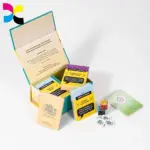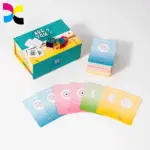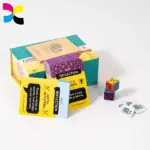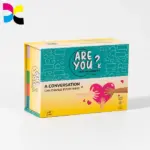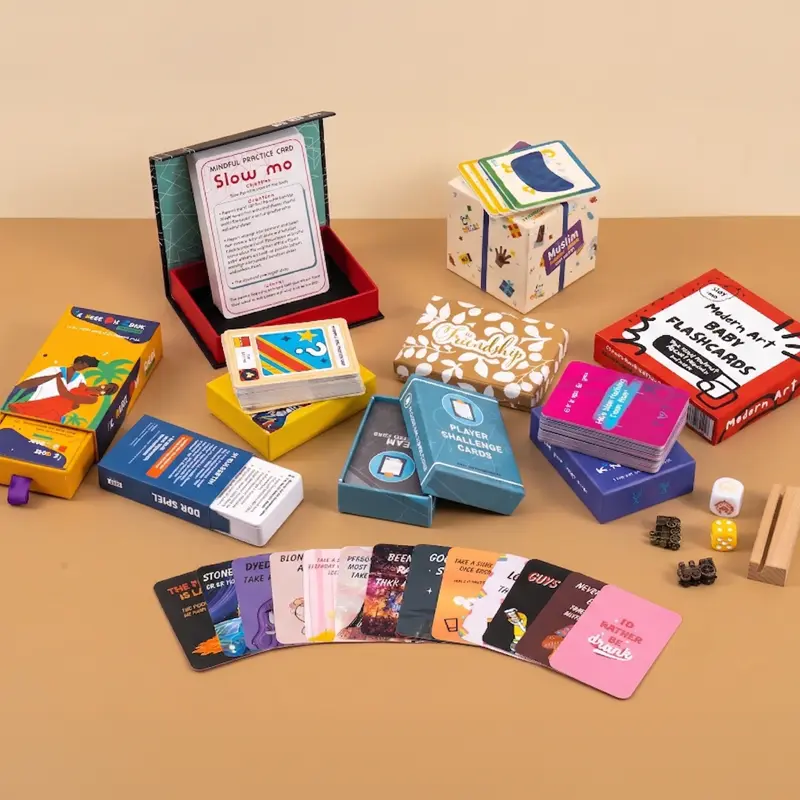
Creating flashcards for toddlers requires strict material and design controls. Using standard print specs instead of child-safe standards results in products that are ineffective and potentially dangerous, quickly eroding margins and brand trust.
This guide covers the essential specifications for toddler flashcards: sichere Materialien, appropriate sizes, Überlegungen zum Drucken, und Verpackungsoptionen. For educational publishers and product developers, understanding these requirements helps build compliant and profitable product lines.

Why Toddler Flashcards Are Popular Educational Products
Toddler flashcards sell because they match how young children learn, they are inexpensive to produce, and they give parents an easy way to participate in screen-free educational play. Flashcards are effective because they align with the fundamentals of early childhood development: repetition, visual recognition, and tactile engagement.
Key advantages of toddler flashcards:
- Screen-free learning: Parents increasingly seek educational toys that do not require devices or internet access
- Portable and durable: Cards fit in bags, withstand drops, and do not need charging or updates
- Parent-child interaction: Flashcards encourage guided learning rather than passive consumption
- Low production cost: Simple designs and standard materials keep manufacturing expenses manageable
Designing Flashcards for Early Learning
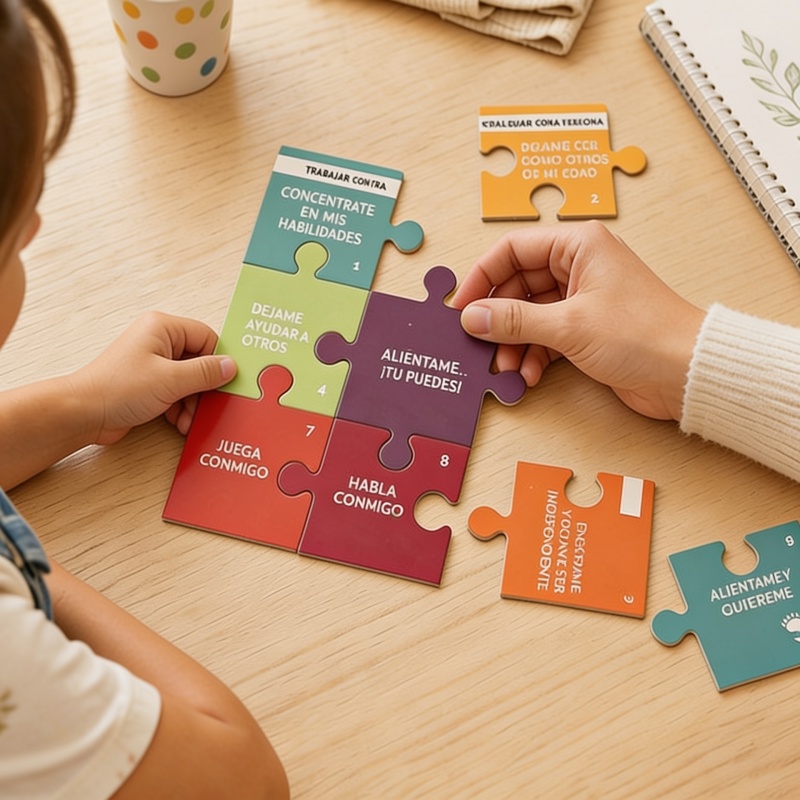
Toddler flashcards require design choices that match developmental stages. Children aged 1–3 are building vocabulary, recognizing shapes, and developing fine motor skills. Designs should support these milestones without overwhelming young learners.
Design principles for toddler flashcards:
- Single concept per card: One object, one word, one idea. Avoid cluttered layouts with multiple elements that confuse focus.
- High-contrast colors: Hell, saturated colors attract toddler attention. Use primary colors and avoid subtle pastels that blend together.
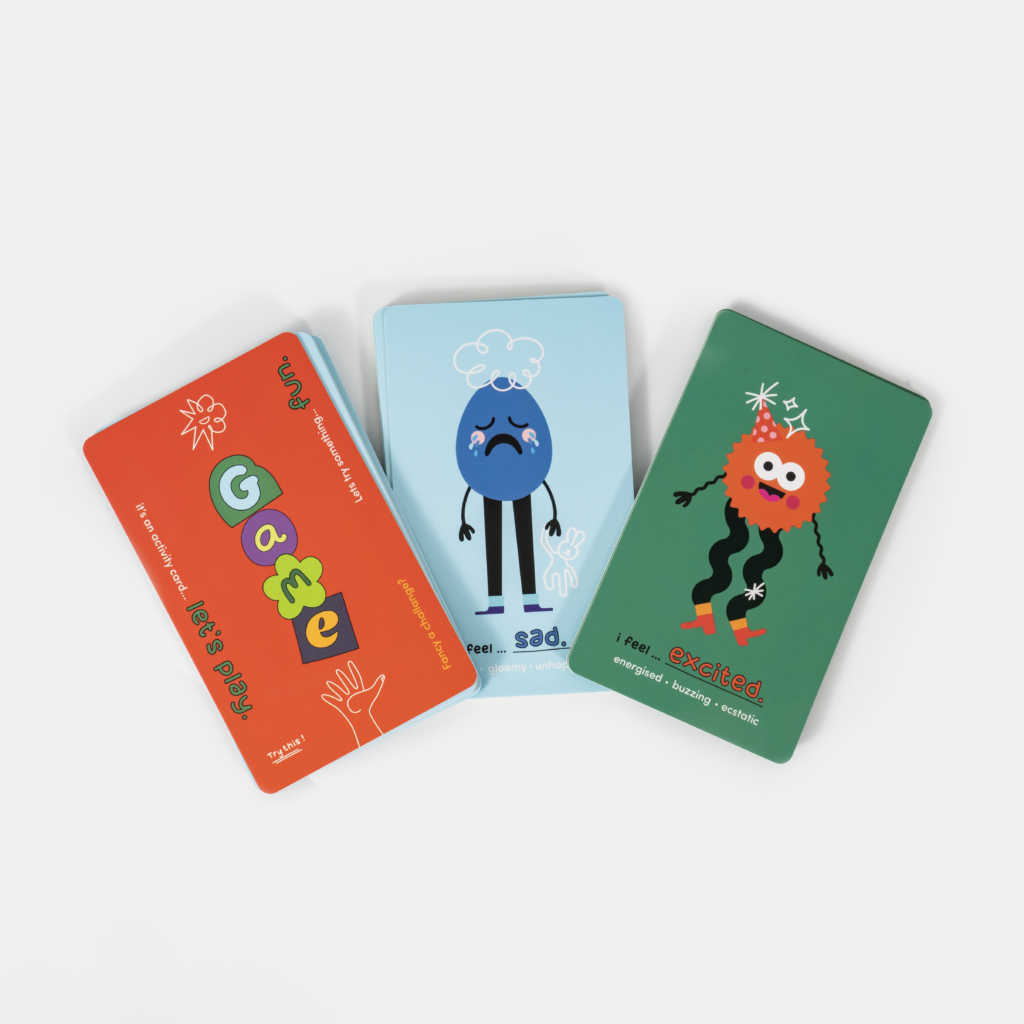
- Groß, clear images: Photographs or simple illustrations should fill most of the card. Toddlers recognize faces, Tiere, and familiar objects more easily than abstract symbols.
- Readable typography: Use large, sans-serif fonts. If including words, choose vocabulary appropriate for 18–36 month olds: basic nouns, action words, family members.
- Rounded corners mandatory: Sharp corners pose scratch risks. Specify R6–R8 rounded corners for all toddler products.
Choosing Safe Materials for Toddlers
Material safety is non-negotiable for toddler products. Children put cards in their mouths, drop them, bend them, and chew on edges. Every material must meet child safety standards and withstand rough handling.
Safe material specifications for toddler flashcards:
- Kartenvorrat: 300–350 gsm coated or uncoated cardstock. Avoid thin papers that tear easily and create choking hazards. See our safe materials guide for certified options.
- Inks: Soy-based or vegetable-based inks only. These contain no harmful VOCs and are safe if children mouth the cards. Avoid petroleum-based inks with chemical off-gassing.
- Beschichtungen: Aqueous coatings or water-based lamination. These provide durability without toxic chemicals. Avoid solvent-based laminates that may contain phthalates.
- Zertifizierungen: Request ASTM F963 (US toy safety) or EN71 (European toy safety) compliance documentation from your manufacturer. These certify that materials have been tested for heavy metals, phthalates, and flammability.
Recommended Sizes and Formats
Toddler flashcards should be large enough for small hands to grasp but not so large that they become unwieldy. Standard sizes balance usability with material efficiency.
| Größe | Dimensions | Am besten für | Notizen |
|---|---|---|---|
| Standard toddler | 4×6 inches | Ages 1–3, basic vocabulary | Easy to grasp, good image size |
| Mini toddler | 3×5 inches | Ages 2–4, portable sets | Fits in small hands, travel-friendly |
| Jumbo | 5×7 inches | Group instruction, Nutzung im Klassenzimmer | Visible from distance, less portable |
For most toddler products, 4×6 inches is the optimal size. It provides enough surface area for clear images and large text while remaining manageable for small hands. Deck thickness should stay under 1.5 inches for easy handling.
Printing and Manufacturing Considerations
Toddler flashcard manufacturing requires attention to print quality, Farbkonsistenz, und Haltbarkeit. Since children will handle these cards repeatedly, production specifications must prioritize longevity.
Manufacturing specifications:
- Print method: Offset printing for runs above 1,000 Decks. Digital printing for shorter runs or prototypes. Offset provides better color consistency across large quantities.
- Color matching: Request press proofs for approval before full production. Toddler products often use bright primary colors that must match design files exactly.
- Cutting tolerance: Specify ±0.5mm cutting accuracy. Rough or uneven edges create safety hazards and look unprofessional.
- Corner rounding: R6–R8 radius mandatory. Verify corner consistency across the entire deck—uneven rounding indicates dull cutting dies.
- Quality control: Inspect for ink smudging, coating bubbles, and edge fraying. Reject decks with visible defects that could harm children or disappoint buyers.
Packaging Options for Toddler Products
Packaging for toddler flashcards must be child-resistant enough to prevent accidental opening but parent-friendly enough for convenient storage. The packaging also communicates product quality to buyers.
Packaging options ranked by cost and durability:
- Shrink wrap with belly band: Lowest cost option. Clear shrink wrap protects cards while a printed paper band provides branding space. Suitable for budget product lines.
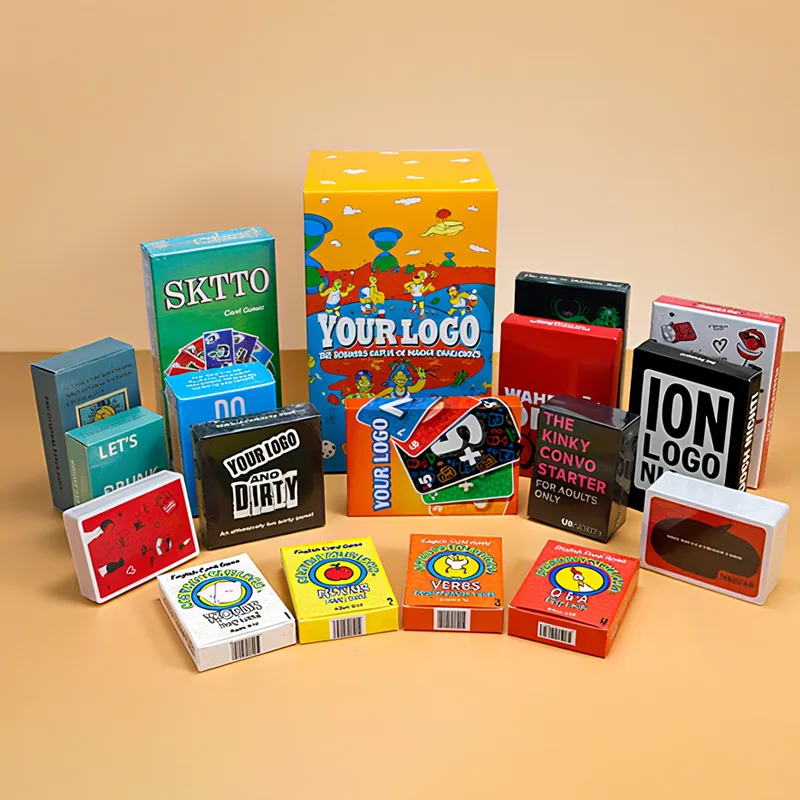
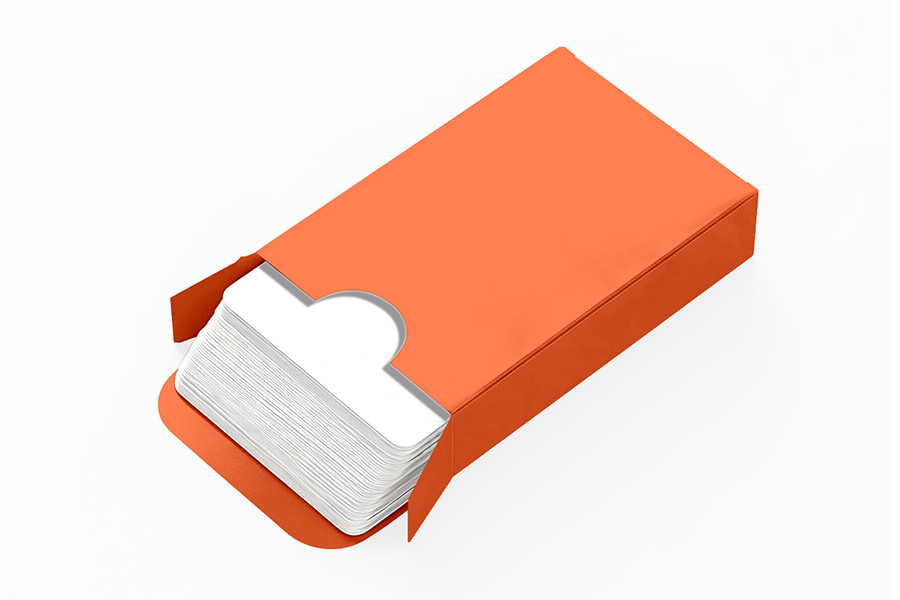
- Tuck end box: Mid-range option. Cardboard box with tuck flap provides structure and stackability. Print branding on all sides for retail appeal.
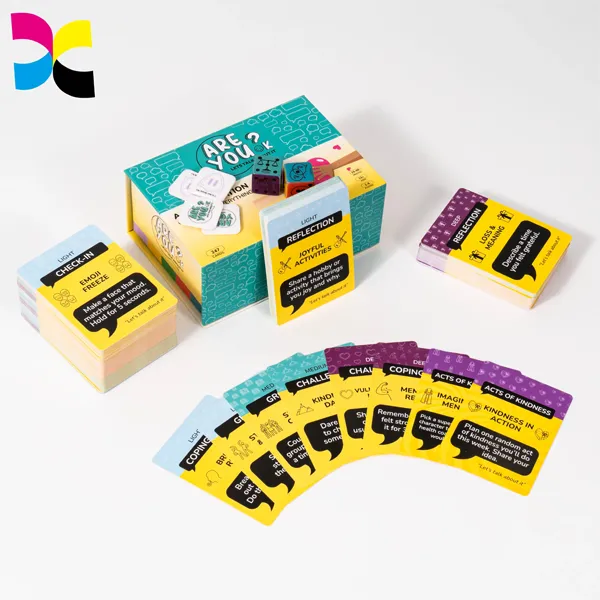
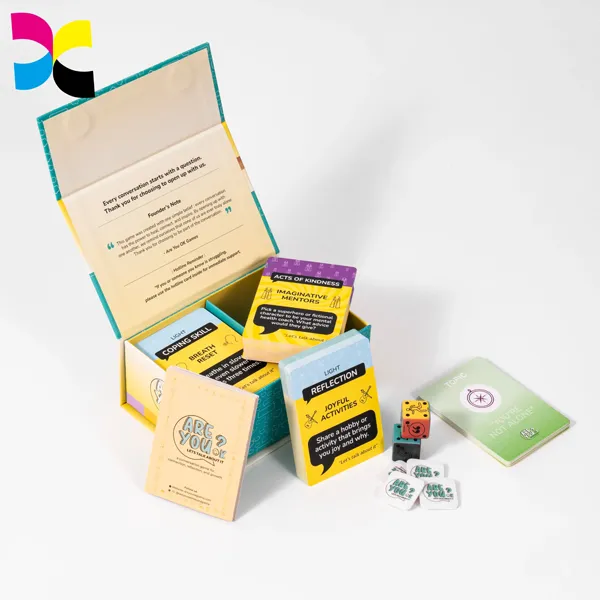
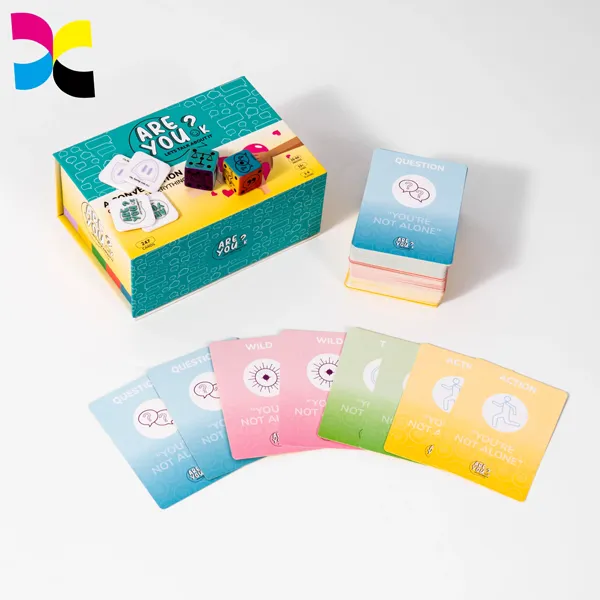
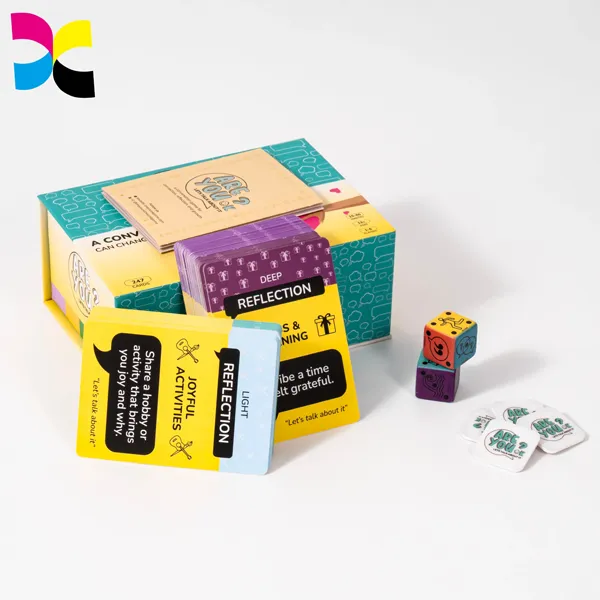
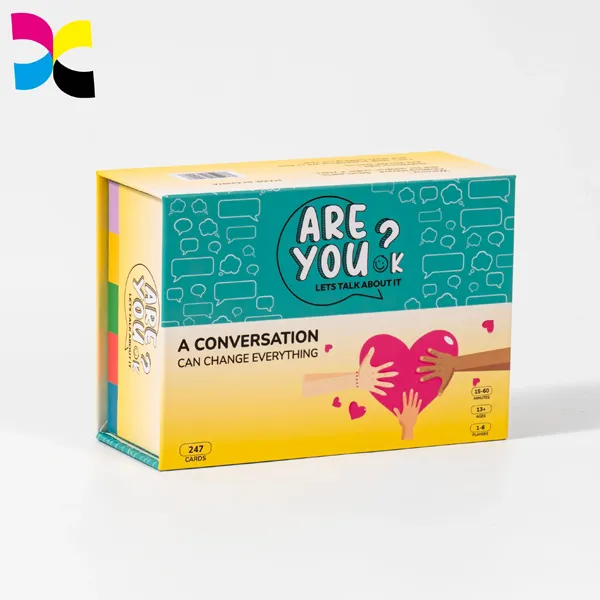
- Rigid box with magnetic closure: Premium option. Thick cardboard box with magnetic flap feels high-end and protects cards during shipping. Best for gift-oriented products.
- Plastic case with snap closure: Durable option. Clear plastic case allows card visibility while providing excellent protection. Ensure plastic is BPA-free and meets toy safety standards.
Partnering With a Flashcard Manufacturer
Choosing the right manufacturer determines whether your toddler flashcards meet safety standards, maintain quality across production runs, and arrive on schedule. Vet potential partners against these criteria:
- Toy safety experience: Ask for examples of children’s products they have manufactured. Request ASTM F963 or EN71 compliance certificates from recent production runs.
- Material sourcing: Verify that the manufacturer sources certified safe materials (Sojatinten, aqueous coatings, child-safe cardstock) rather than defaulting to standard printing supplies.
- Sample approval process: Require pre-production samples for your approval before full manufacturing begins. Check corner rounding, coating adhesion, and color accuracy.
- Quality control documentation: Ask for inspection reports showing defect rates, AQL sampling results, and corrective actions taken during production.
- Production capacity: Confirm the manufacturer can handle your order volume within your timeline. Toddler product launches often have seasonal deadlines (back-to-school, holiday gift season).
For manufacturers experienced in children’s educational products, see our overview of card manufacturers with documented safety protocols.
Häufig gestellte Fragen
What age range are toddler flashcards designed for?
Toddler flashcards target children aged 12–36 months. Designs focus on basic vocabulary (Tiere, Farben, Formen, family members), high-contrast visuals, and safe materials that withstand mouthing and rough handling.
Are toddler flashcards safe if children put them in their mouths?
Ja, when manufactured with child-safe materials. Specify soy-based inks, aqueous coatings, and certified non-toxic cardstock. Request ASTM F963 or EN71 compliance documentation to verify materials have been tested for heavy metals and harmful chemicals.
What is the minimum order quantity for custom toddler flashcards?
Most manufacturers require minimum orders of 500–1,000 decks for custom toddler flashcards. This suits educational publishers, toy companies, or retailers launching private-label product lines. Smaller quantities may be available through digital printing, though per-unit costs will be higher.
How do I ensure the flashcards are durable enough for toddler use?
Specify 300–350 gsm cardstock with aqueous coating or light lamination. Request rounded corners (R6–R8 radius) to prevent edge fraying. Test samples by bending, dropping, and simulating toddler handling before approving full production.
Letzte Gedanken
Toddler flashcards require strict adherence to safety standards, developmental appropriateness, and manufacturing quality. Safe materials, abgerundete Ecken, ungiftige Tinten, and durable construction are non-negotiable for this age group.
Send Xinyi your toddler flashcard specifications—target age range, card size, material requirements, and order quantity—and we will provide certified safe materials, precise manufacturing, and compliant packaging for your educational product line.